eco-friendly latex dog toy Suppliers and Manufacturers
Compare 25 verified suppliers offering eco-friendly latex dog toys with details on certifications like BSCI and ISO 9001, response times, and lead times. Review product attributes such as material and customization options to select a suitable factory for your needs.
Updated
Suppliers List

Shanghai Langyi Enterprise Development Co., Ltd
- Verified by SGS
- Manufacturer/Factory
- China Shanghai
- Lead time105 days
- Avg. response≤ 4h
Main productsPet Toy, Pet Bed, Dog Toy, Cat Toy, Dog Bed, Cat Tree, Dog Collar and Leash, Pet Bowl
Main marketsSouth America,Eastern Europe,Mid East,North America,Oceania,Western Europe

Nantong Chuanjing Trading Co., Ltd.
- Verified by CTI
- Trading Company
- China Jiangsu
- Lead time30 days
- Avg. response≤ 2h
Main productsPet Clothing, Tactical Dog Harness Vest - No-Pull Multi-Funct, Pet Reflective Raincoat, Pet Wear, Pet Interactive Toys, Pet Bedding
Main marketsEast Asia(Japan/ South Korea)
Henan Kangdar Pet Products Co.ltd
- Verified by Intertek
- Manufacturer, Trading Company
- Lead time5 days
- Avg. response≤ 4h
Main productsPet hoodie, Dog treadmill, Dog bite tug toy, Dog trainer bite-proof suit, Birdcage
Main marketsNorth America(52%), Eastern Europe(15%), Domestic Market(13%)
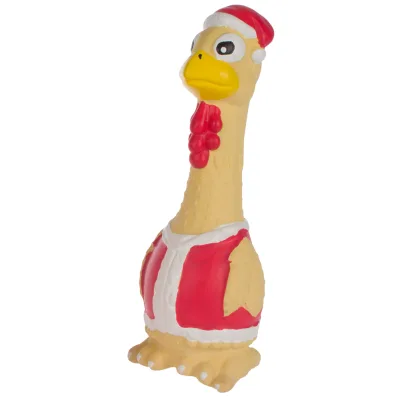
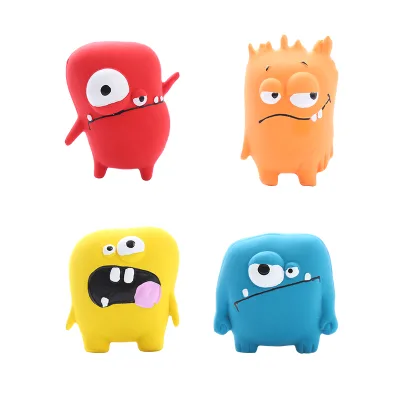
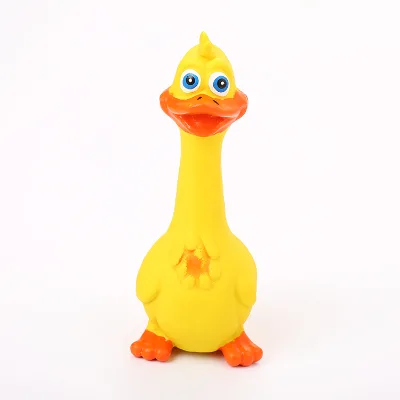
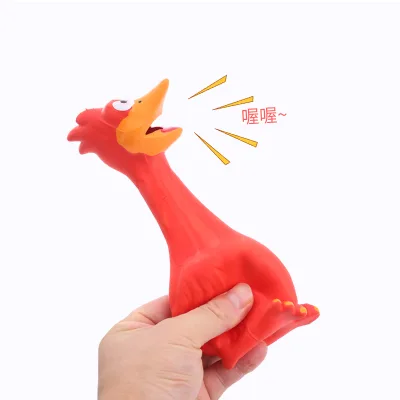
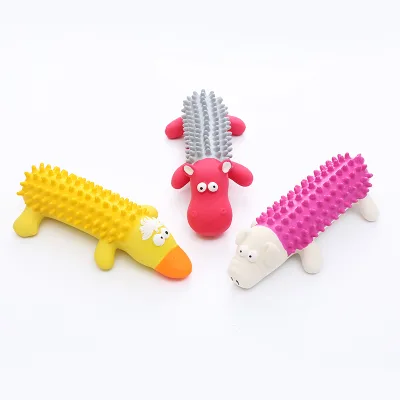
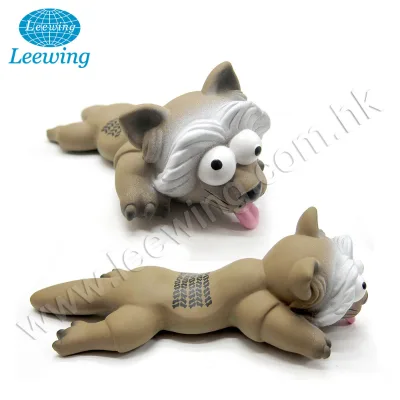
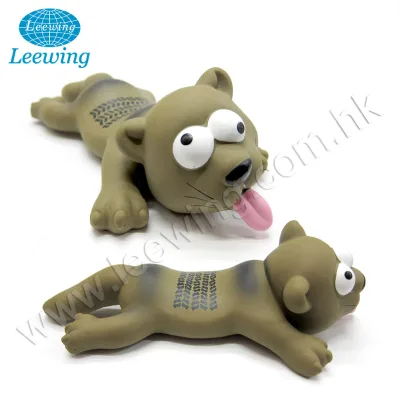
New Design Cute Shape Durable Latex Interactive Eco Friendly Dog Toys Funny Squeaky Toy
$0.57 - $0.68
MOQ: 50 pieces
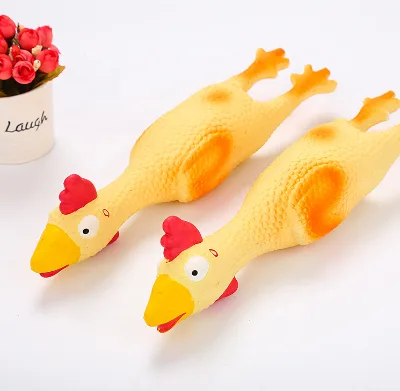
Wholesale Pet Supplies Puppy Playing Toy Dog Accessories Latex Dog Playing Toy for Chewing
$0.80 - $1.30
MOQ: 10 pieces
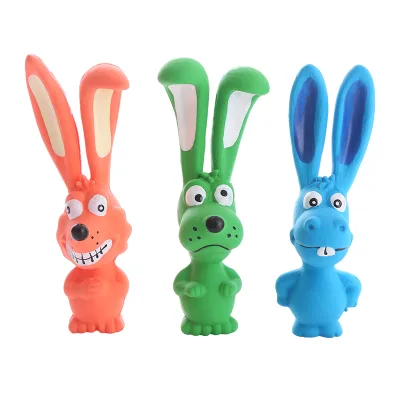
New Design Dog Toys Naughty Rabbit Shape Latex Vocal Pet Toy Bite-resistant Teething Pet Toy
$0.60 - $0.71
MOQ: 60 pieces
Chengdu Double Cute Technology Co.,Ltd.
- Verified by Intertek
- Trading Company
- Lead time0 days
- Avg. response≤ 1h
Main productsPet Toys, Pet Carrier Bag, Pet Cleaning Products, Pet Feeder, Pet Cage
Main marketsNorth America(30%), Western Europe(30%), South America(10%)
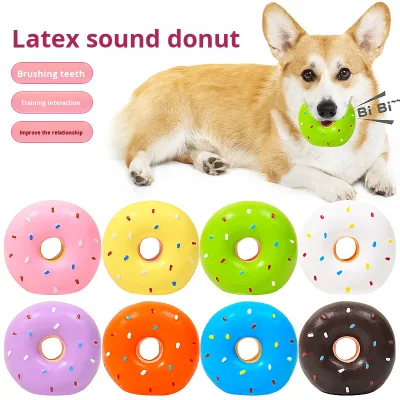
$0.6981 - $0.77
MOQ: 30 pieces
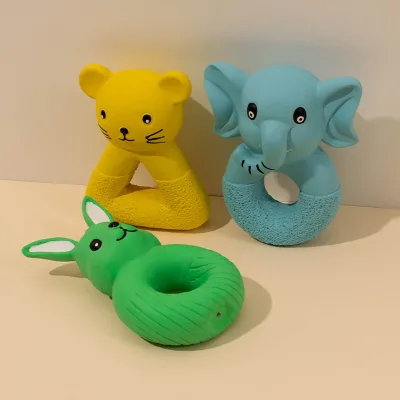
$1.2314 - $1.3347
MOQ: 30 pieces
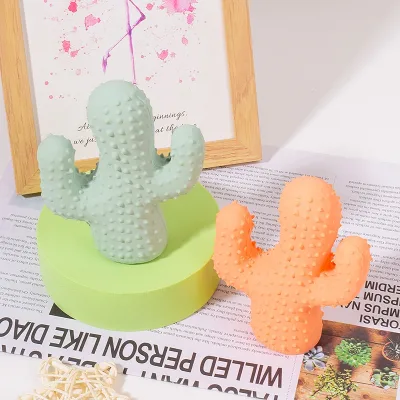
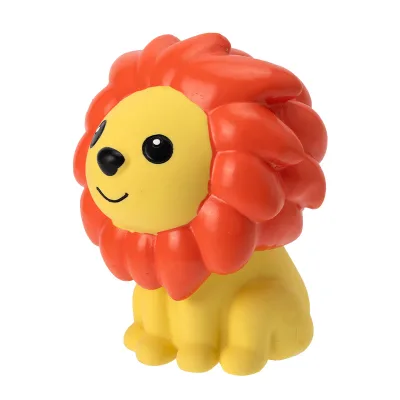
$1.8515 - $1.9549
MOQ: 10 pieces
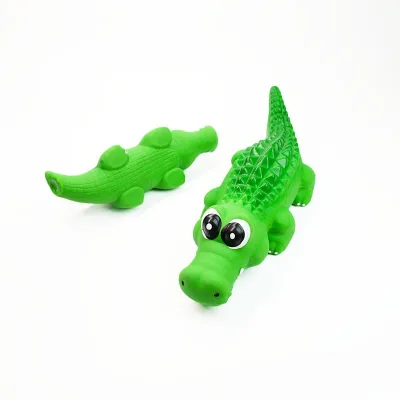
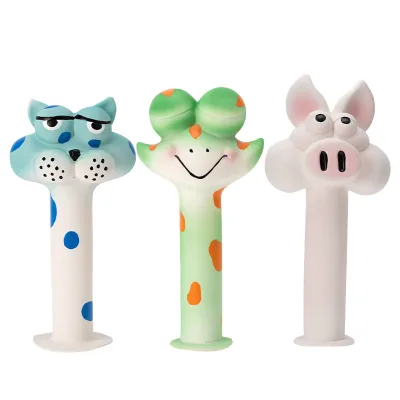
$1.8635 - $1.9669
MOQ: 10 pieces

- Verified by TUVRHEINLAND
- Trading Company
- China Zhejiang
- Lead time0 days
- Avg. response≤ 13h
Main productsCat Litter Box, Pet Feeder, Pet Toy, Pet Cloth, Pet Bed, Pet Carrier, Storage Bucket, Plastic Storage, Storage Rack, Lunch Box

- Verified by SGS
- Trading Company
- China Zhejiang
- Lead time15 days
- Avg. response≤ 12h
Main productsPet Harness, Pet Collar, Pet Leash, Pet Feeder, Pet Carries, Pet Toy, Pet Bed, Pet Grooming, Pet Accessories
Main marketsEurope,Australia
Hangzhou Hellomoon Trading Co., Ltd.
- Verified by Intertek
- Trading Company
- Lead time5 days
- Avg. response≤ 4h
Main productsPet Clothes, Pet Toys, Pet Feeders, Pet Leads, Pet Beds
Main marketsNorth America(39%), Eastern Europe(13%), Oceania(11%)
Chengdu Tops Technology Co., Ltd.
- Verified by TüVRheinland
- Trading Company
- Lead time15 days
- Avg. response≤ 3h
Main productsAutomatic Cat Litter Box, Automatic Pet Feeder, Dog Poop Bag, Pet Wipes, Pet Grooming Brush
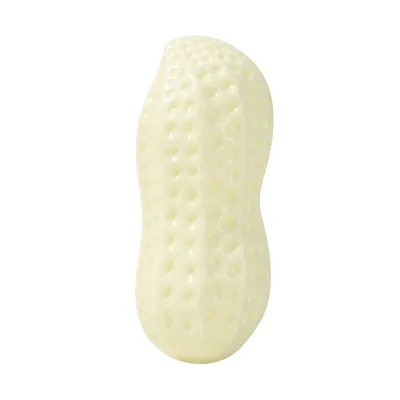
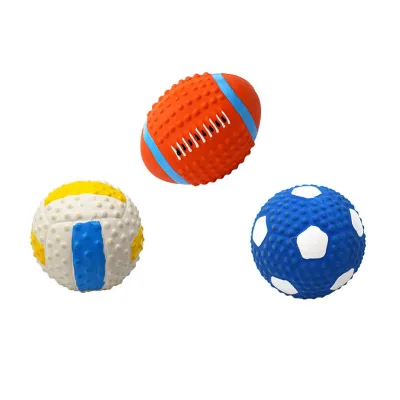
$0.5138 - $1.5399
MOQ: 20 Minimum
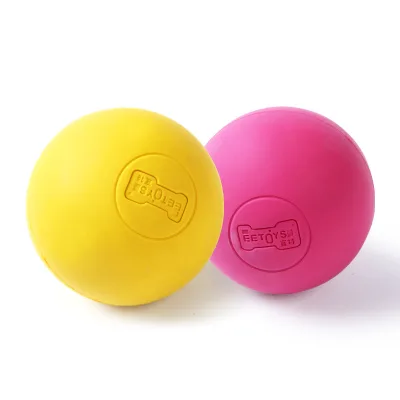

- Verified by TUVRHEINLAND
- Trading Company,Manufacturer/Factory
- China Jiangsu
- Lead time23 days
- Avg. response≤ 4h
Main productsMedal, Coin, Lapel Pin, PVC Patch, Embroidery Patch, Keychain, Button Badge, Silicone Wristband, Lanyards, Gift
Main marketsSouth America,Eastern Europe,Mid East,North America,Oceania,Western Europe
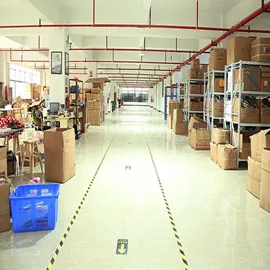
Yiwu Pet Home Import And Export Co., Ltd.
- Manufacturer, Trading Company
- Zhejiang, China
- Lead time30 days
- Avg. response≤ 4h
Main productsDog Toys, Cat Toys, Pet Bedding, Pet Collar, Pet Accessories
Main marketsNorth America(56.00%), Western Europe(18.00%), Eastern Asia(17.00%), Southern Europe(8.00%), Mid East(1.00%)

- Verified by CTI
- Trading Company
- China Zhejiang
- Lead time23 days
- Avg. response≤ 15h
Main productsEarring, Vase, Scented Candles, Hair Ties, Bags
Main marketsSouth America,Europe,North America


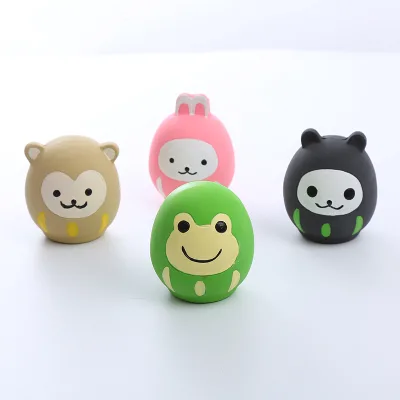
Teddy Animal Shape Latex Non-Toxic Indestructible Interactive Biting Dog Squeaky Toys
$0.70 - $0.90
MOQ: 100 Pieces

Emotions Latex Non-Toxic Indestructible Interactive Teething Chew Dog Squeaky Toys
$1.00 - $1.20
MOQ: 100 Pieces

Pet Latex Toy Animal-Shaped Barbell Dog Toy for Teeth Cleaning Baby Pig Dumbbell
$0.75 - $0.90
MOQ: 1000 Pieces

Hangzhou Tianyuan Pet Products Co., Ltd.
- Verified by TUVRHEINLAND
- Combined
- China Zhejiang
- Lead time30 days
- Avg. response≤ 13h
Main productsPet Beds, Cat Trees, Pet Products, Pet Accessories, Pet Supplies, Pet Collar, Pet Toy, Pet Brush, Pet Bowl, Pet Clothes
Main marketsEurope,North America
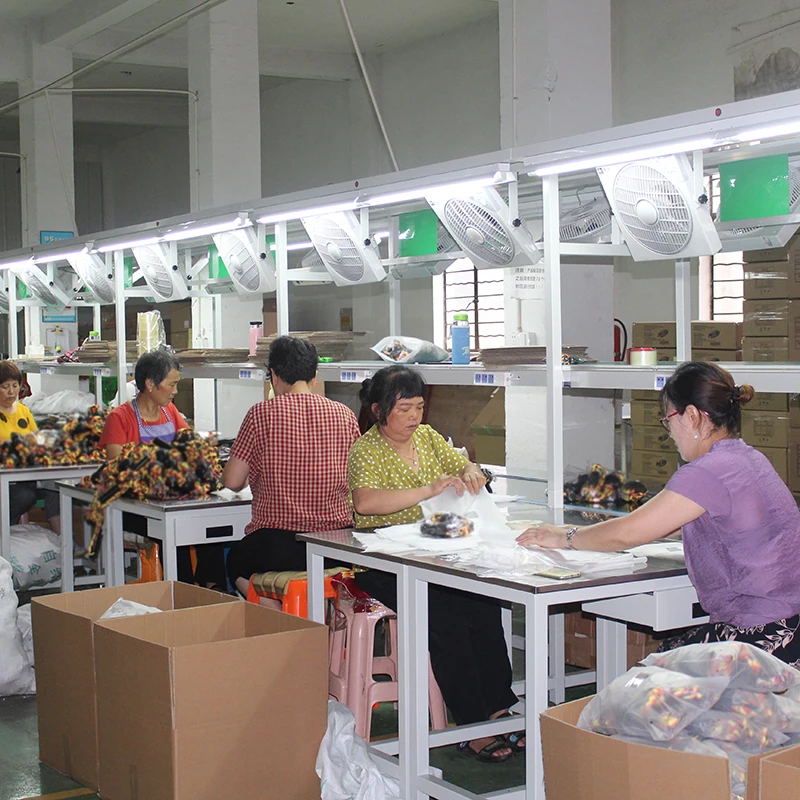
Shaoxing City Heou Leisure Goods Co., Ltd.
- Manufacturer, Trading Company
- Zhejiang, China
- Lead time30 days
- Avg. response≤ 24h
Main productsPet Toys, Pet Cleaning & Grooming Products, Pet Collars & Leashes, Pet Products, Pet Houses & Furniture
Main marketsNorth America(35.00%), Northern Europe(20.00%), Western Europe(15.00%), Southern Europe(10.00%), Eastern Europe(10.00%), Southeast Asia(10.00%)
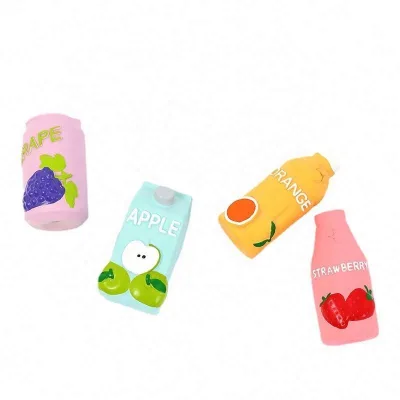
Custom Squeaky Latex Dog Toys Flexibility Juice Bottle Shape Latex Dog Toy Soft Dog Chew Toys
$1.4366 - $1.6927
MOQ: 50 pieces

WOR-BIZ INDUSTRAL PRODUCT CO., LIMITED (ANHUI)
- Verified by TUVRHEINLAND
- Trading Company
- China Anhui
- Lead time45 days
- Avg. response≤ 8h
Main productsPet Products, Pet Harness, Pet Collar, Pet Leash, Pet Carrier, Pet Toy, Pet Bed, Pet Clothes, Pet Accessory, Pet Feeder
Main marketsSouth America

Factory Wholesale Eco-Friendly Sounding Pet Toy Bite-Resistant Latex Dog Squeaky Toy
$3.35 - $3.95
MOQ: 504 Pieces

Factory Wholesale Eco-Friendly Soft Rubber Pet Toy Latex Dog Squeaky Toy
$3.35 - $3.95
MOQ: 504 Pieces

Factory Wholesale Eco-Friendly Latex Vocal Pet Toy Bite-Resistant Dog Squeaky Toy
$3.35 - $3.95
MOQ: 504 Pieces
Hefei Longnew Pet Products Co., Ltd.
- Verified by TüVRheinland
- Manufacturer, Trading Company
- Lead time10 days
- Avg. response≤ 4h
Main productsCat Tree, Cat Scratcher, Cat Toy, Pet House, Pet Bed
Main marketsSouthern Europe(22%), Western Europe(18%), Domestic Market(16%)
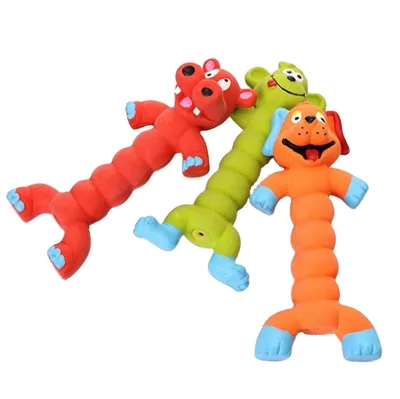
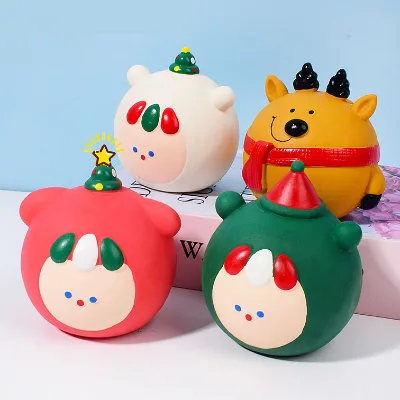
Christmas Pet Latex Toys Animal Type Toys Entertainment Venting Dog Chew Toys
$1.15 - $1.59
MOQ: 100 pieces
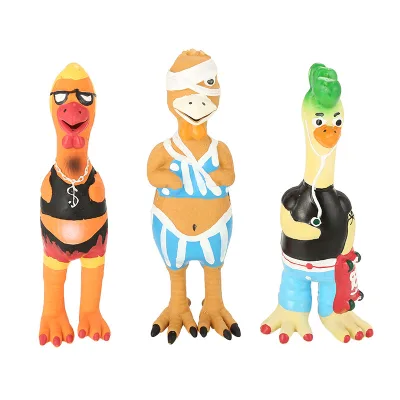
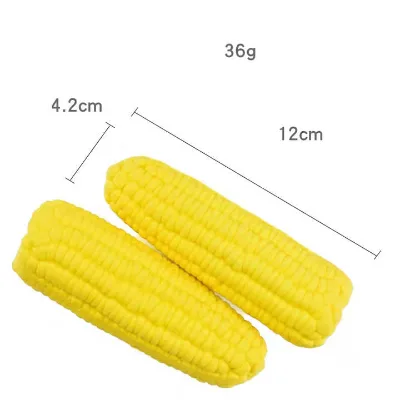

$0.6741 - $0.8089
MOQ: 50 pieces
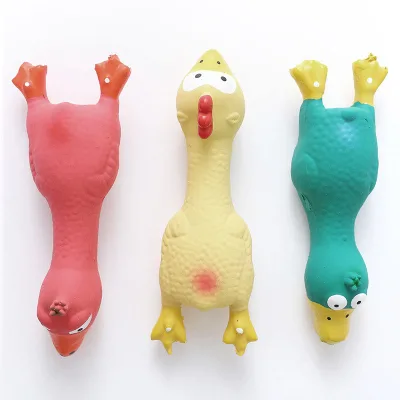
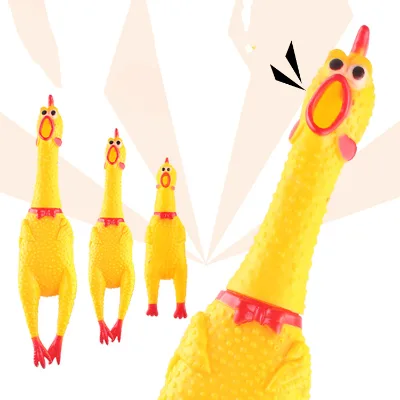
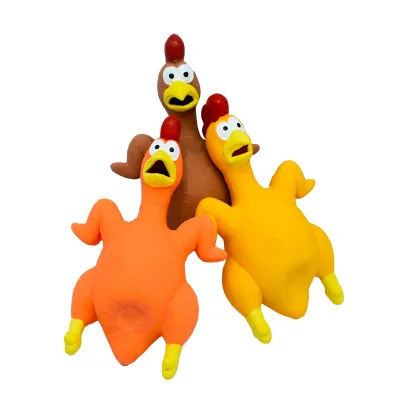
Squeaky Stress Relief Chicken Toy - Latex & Stuffed Cotton, Cross-Border Pet Chew Toy
$0.7715
MOQ: 50 Minimum
Shanghai Hua En Industrial Co., Ltd.
- Manufacturer, Trading Company
- Lead time旺季: "1 - 1000":10,"> 1000":"To be negotiated", 淡季: "1 - 1000":10,"> 1000":"To be negotiated"
- Avg. response≤ 2h
Main productsPet Brushes,Pet Bowls,Pet Clothes,Pet Toys,Pet Leashes

LEEWING TRADING COMPANY LIMITED
- Trading Company
- Hong Kong S.A.R.
- Lead time30 days
- Avg. response≤ 6h
Main productsCoin Banks,Vinyl Ducks,Rubber Ducks,PP Non Woven Bags,Bathing Toys
Main marketsWestern Europe(25.00%), Northern Europe(10.00%), North America(10.00%), Oceania(10.00%), Africa(8.00%), Domestic Market(5.00%), Central America(5.00%), Eastern Europe(5.00%), Eastern Asia(5.00%), Southern Europe(5.00%), South America(5.00%), Mid East(3.00%), Southeast Asia(2.00%), South Asia(2.00%)

Everfriend Pet Products Manufacturer
- Manufacturer
- Guangdong, China
- Lead time0 days
- Avg. response≤ 9h
Main productsPet Products
Main marketsNorth America(40.00%), Western Europe(20.00%), South America(10.00%), Eastern Europe(10.00%), Southern Europe(5.00%), Northern Europe(5.00%), Oceania(5.00%), Eastern Asia(5.00%)
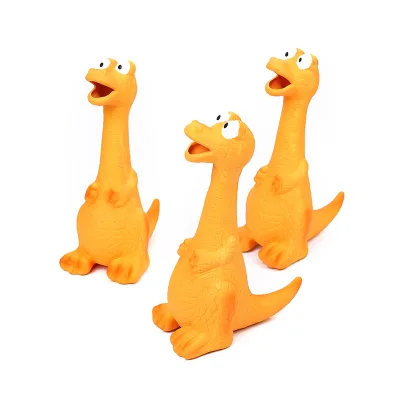
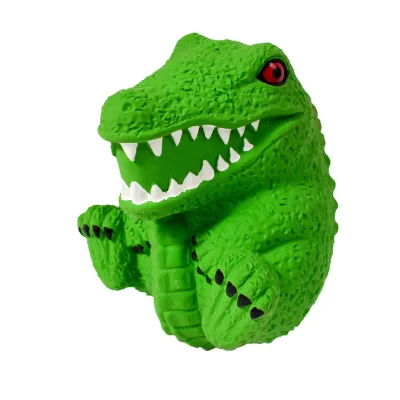
2025 Factory Wholesale Pet Toy Eco-friendly Innovative Cute Dinosaur Squeaky Latex Dog Chew Toy
$1.6358 - $1.8605
MOQ: 10 pieces
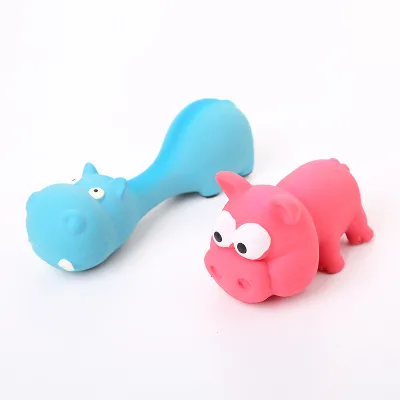
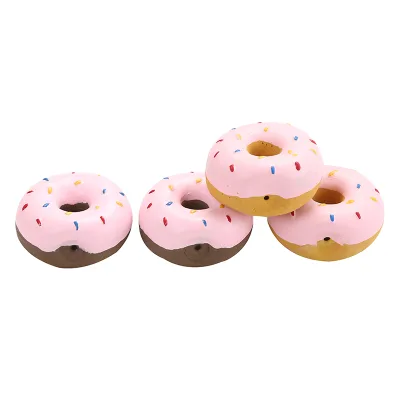
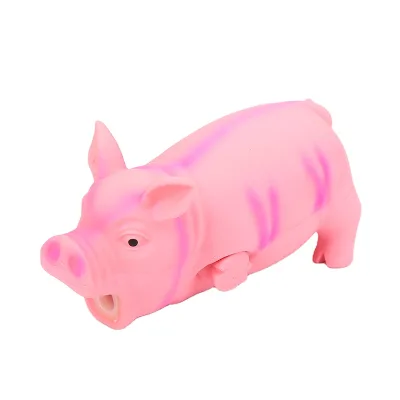
$0.8808 - $1.2433
MOQ: 10 Minimum

- Verified by BV
- Trading Company
- China Zhejiang
- Lead time30 days
- Avg. response≤ 15h
Main marketsSouth America,Africa,Southeast Asia/ Mideast,East Asia(Japan/ South Korea),Europe,Australia,North America

- Verified by TUVRHEINLAND
- Trading Company
- China Zhejiang
- Lead time15 days
- Avg. response≤ 13h
Main productsWooden Toy, Outdoor Product, Kitchen Item, Personal Care Tool, Painting Set, Disk Rack, Yoga, Garden
Main marketsSouth America,Europe,North America


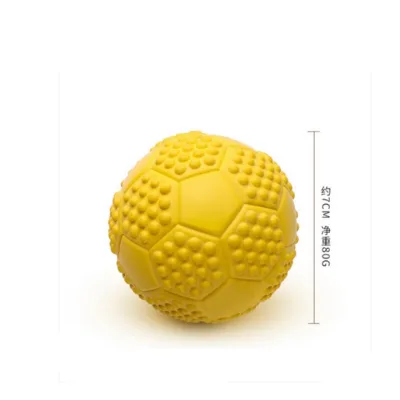
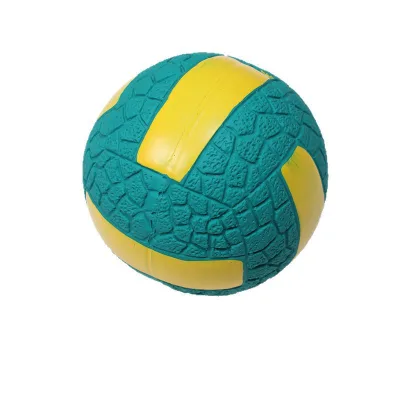
Durable Latex Dog Chew Squeaky Toy Ball Pet Play Squeaky Ball Fetch Pet Toys Ball
$0.98 - $1.48
MOQ: 50 Pieces



- Trading Company
- Henan, China
- Lead time15 days
- Avg. response≤ 2h
Main productsCat strips,Cat Can Food,Canned dog,Pet training supplies,Pet toys
Main marketsSoutheast Asia(30.00%), North America(20.00%), South America(10.00%), Mid East(5.00%)

- Trading Company
- Zhejiang, China
- Lead time15 days
- Avg. response≤ 10h
Main productsPet toy,Pet clothes,Pet harness,Dog leashes,Dog collar
Main marketsEastern Europe(20.00%), South America(20.00%), North America(20.00%), Southeast Asia(10.00%), Western Europe(10.00%), Northern Europe(10.00%), Southern Europe(10.00%)
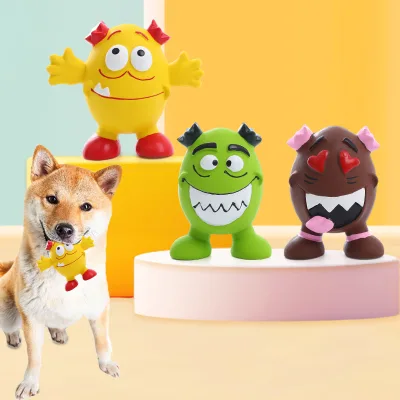
Promotion High Quality Creative Latex Dog Toys Cute Funny Monster Bite Resistance Squeaky Pet Toy
$1.05 - $1.20
MOQ: 5 pieces
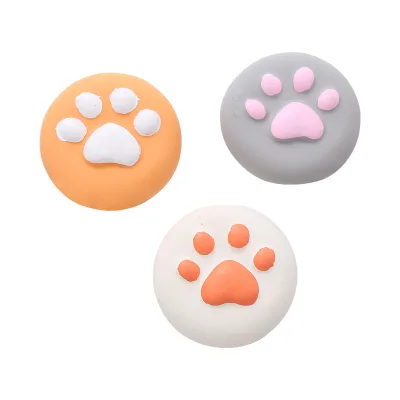
New Products Custom Your Brand Logo Latex Dog Squeaky Emulsion Paw Shape Pet Puppy Sound Toy
$0.59 - $0.67
MOQ: 5 pieces

$0.9527 - $1.8545
MOQ: 10 Minimum
Guangzhou Daimengmao Technology Co., Ltd.
- Verified by TüVRheinland
- Manufacturer, Trading Company
- Lead time5 days
- Avg. response≤ 2h
Main productsPet Collar, Pet Leash, Pet Harness, Pet Cleaning & Grooming Product, Pet Apparel
Main marketsNorth America(47%), Western Europe(15%), South America(10%)

Luoyang Gaiqi Import And Export Trade Co., Ltd.
- Trading Company
- Henan, China
- Lead time15 days
- Avg. response≤ 3h
Main productsPet Supplies,Silicone Pet Products,Silicone Products,Lick Mat,Home & Garden Supplies
Main marketsNorth America(25.00%), Western Europe(15.00%), Mid East(10.00%), Northern Europe(10.00%), Domestic Market(5.00%), South America(5.00%), Southern Europe(5.00%), Southeast Asia(5.00%), Eastern Europe(5.00%), Oceania(5.00%), Eastern Asia(3.00%), South Asia(3.00%), Central America(2.00%), Africa(2.00%)

Xiamen Furvorite Pet Supplies Co., Ltd.
- Verified by SGS
- Trading Company,Manufacturer/Factory
- China Fujian
- Lead time45 days
- Avg. response≤ 3h
Main productsDog Harness, Pet Clothes, Dog Leash, Dog Collar, Pet Bed, Pet Accessories, Pet Grooming Tool, Pet Gates & Furniture, Pet Bowls & Feeding, Dog Brace
Main marketsSouth America,Eastern Europe,Mid East,North America,Southeast Asia,Eastern Asia,Oceania,Western Europe,Africa

Dog Bite Resistant Latex Sound Soft Plush Dog Playing Toys, Pet Toy with Squeaky Animal Shape
$2.20 - $2.50
MOQ: 3 Pieces

Pet Toy Dog Bite Resistant Latex Sound Soft Dog Playing Toys with Squeaky Donut Shape Pet Dog Toy
$3.60 - $3.80
MOQ: 3 Pieces

Durable Dog Bite Resistant Latex Toy, Soft Squeaky Animal Shape Plush Pet Playing Toy
$2.20 - $2.50
MOQ: 5 Pieces



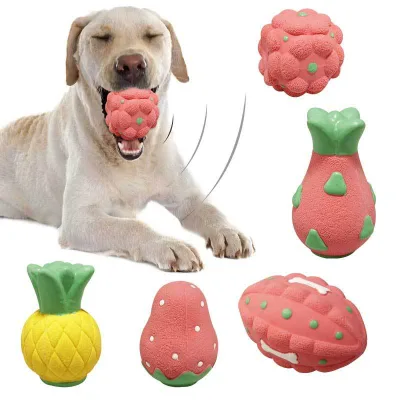
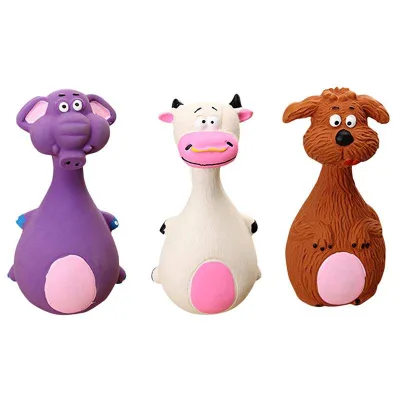
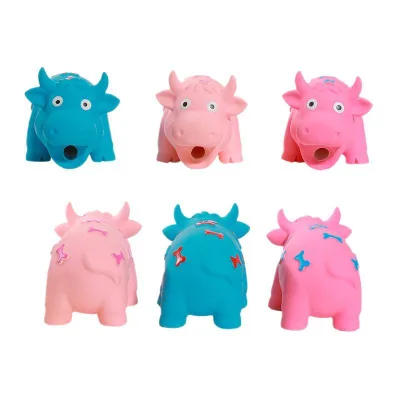
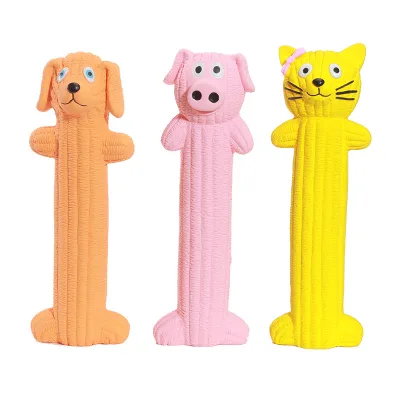







Comprehensive Sourcing Guide
Eco-Friendly Latex Dog Toy Supplier Concentration and Factory Types
The current supplier landscape for eco-friendly latex dog toys reveals a distinct geographic and structural concentration that buyers must navigate carefully. Evidence indicates that manufacturing entities are primarily located in China, with specific clusters identified in Shanghai and Jiangsu. These locations serve as the primary hubs for production, suggesting that logistics and supply chain efficiency are heavily influenced by proximity to these coastal industrial zones. The presence of suppliers in Shanghai highlights a mature manufacturing ecosystem, while the Jiangsu location adds another layer of regional capacity to the available pool. Understanding this geographic distribution is crucial for estimating shipping times and evaluating the logistical feasibility of sourcing from these specific areas. Buyers should recognize that the concentration in these Chinese provinces is not random but reflects established industrial infrastructure for pet product manufacturing.
In terms of business structure, the market is divided between manufacturers and trading companies, each offering different value propositions. The data confirms the existence of both Manufacturer/Factory entities and Trading Companies within the search results. Manufacturers, such as those associated with the U-Pets brand, often provide OEM and ODM capabilities, allowing for deeper customization of latex toys. These factories typically hold direct control over production processes, which can be advantageous for quality assurance and proprietary design development. Conversely, trading companies offer a broader aggregation of products, potentially including pet clothing, harnesses, and bedding alongside toys. This diversification can be beneficial for buyers seeking a one-stop-shop solution, although it may introduce additional layers between the buyer and the actual production line. The distinction between these two types is critical for determining who holds responsibility for product quality and delivery timelines.
How to Verify Eco-Friendly Latex Dog Toy Suppliers
Verification is the cornerstone of mitigating risk when sourcing eco-friendly latex dog toys, and buyers must rely on concrete evidence rather than general claims. The presence of third-party verification badges, such as SGS for certain suppliers, provides a baseline level of trust regarding the supplier’s operational legitimacy. However, verification extends beyond simple identity checks to include the validation of specific product certifications. For latex toys, certifications like ISO, CE, and CCC are frequently cited in product attributes, indicating compliance with international safety and quality standards. Buyers should actively request and review these certification documents to ensure that the latex material used is indeed non-toxic and safe for pets. The absence of such certifications should be treated as a significant red flag, prompting further due diligence before any commitment is made.
Beyond certifications, the verification process should include an assessment of the supplier’s responsiveness and operational transparency. Response times, such as the observed average of 3.38, can serve as an indicator of the supplier’s engagement level and reliability. A quick response often correlates with better communication throughout the order fulfillment process, which is vital for resolving issues related to customizations or shipping delays. Additionally, buyers should verify the supplier’s ability to provide samples, as sample times of 3 to 7 days are common for latex products. This rapid turnaround allows for efficient quality testing before placing bulk orders. It is also important to confirm the supplier’s main products and company type to ensure alignment with your sourcing needs. Whether you are dealing with a manufacturer or a trading company, understanding their core competencies helps in setting realistic expectations for product quality and service levels.
What to Compare Across Eco-Friendly Latex Dog Toy Suppliers
When evaluating multiple suppliers, buyers must systematically compare key operational metrics to identify the most suitable partner for their specific needs. One of the most critical factors is the Minimum Order Quantity (MOQ), which varies significantly across different product listings. For instance, some latex dog toys have an MOQ of 500 pieces, while others require 1000 pieces. This variation can impact inventory management and cash flow, especially for smaller buyers or those testing new markets. Comparing MOQs allows buyers to align their orders with their sales forecasts and storage capabilities. Additionally, the price range for these toys can fluctuate based on material quality, customization options, and order volume. Prices observed in the current results range from approximately $0.60 to $2.29 per unit, reflecting the diversity in product features and manufacturing costs.
Lead times and customization capabilities are another crucial dimension for comparison. The lead time for production can extend up to 105 days, which is a substantial duration that requires careful planning and inventory management. Buyers must assess whether this timeline is acceptable for their business cycles or if faster turnaround options are available. Customization is a key differentiator, with many suppliers offering OEM and ODM services. The ability to customize shapes, colors, and packaging can provide a competitive edge in the market. Buyers should compare the extent of customization offered, including logo printing and unique design requests. Furthermore, the response time of the supplier can influence the efficiency of the negotiation and order placement process. A supplier with a faster response time may be more agile in addressing urgent requests or changes, making them a more attractive partner for dynamic market conditions.
Common Eco-Friendly Latex Dog Toy Sourcing Risks
Sourcing eco-friendly latex dog toys involves several inherent risks that buyers must proactively manage to ensure a smooth procurement process. One significant risk is the variability in product quality, particularly regarding the durability and safety of the latex material. While many suppliers claim their products are non-toxic and durable, the actual performance can vary based on the manufacturing process and raw material sourcing. Buyers must be vigilant in verifying these claims through sample testing and third-party inspections. The risk of receiving products that do not meet the specified standards can lead to customer dissatisfaction and potential liability issues. Therefore, establishing clear quality benchmarks and conducting rigorous pre-shipment inspections is essential to mitigate this risk.
Another common risk is the discrepancy between the stated lead times and actual delivery dates. The observed lead time of up to 105 days indicates that production can be lengthy, and any delays in raw material procurement or production scheduling can further extend this timeline. Buyers must account for potential delays in their supply chain planning to avoid stockouts or missed market opportunities. Additionally, the complexity of customization can introduce risks related to production errors or miscommunication. If the specifications for custom designs are not clearly documented and confirmed, there is a higher likelihood of receiving products that do not match the agreed-upon designs. Clear communication and detailed documentation are vital to minimizing these risks. Buyers should also be aware of the potential for hidden costs, such as shipping fees or customs duties, which can impact the overall cost-effectiveness of the sourcing decision.
Eco-Friendly Latex Dog Toy Regional Sourcing and Logistics
The regional sourcing of eco-friendly latex dog toys is heavily influenced by the geographic location of the suppliers, which directly impacts logistics and shipping costs. The primary sourcing regions identified are Shanghai and Jiangsu in China, both of which are major industrial hubs with well-developed infrastructure for manufacturing and export. Sourcing from Shanghai offers the advantage of proximity to major ports, such as Ningbo and Shanghai, which can facilitate efficient shipping to global markets. The port of shipment is a critical logistical detail that buyers must consider when planning their supply chain. Understanding the specific port of shipment helps in estimating transit times and selecting the most cost-effective shipping methods.
Logistics planning must also account for the packaging and handling requirements of latex products. The observed packing methods, such as OPP bags, carton packaging, and card backing, indicate that proper packaging is essential to protect the toys during transit. Buyers should ensure that the supplier’s packaging standards meet their requirements for durability and sustainability. Additionally, the origin of the products, whether from Anhui or Shanghai, can influence the internal logistics within China before the goods reach the port. Buyers should work closely with their suppliers to optimize the internal supply chain, ensuring that materials and finished goods move efficiently from the factory to the port. This coordination can help reduce lead times and minimize the risk of delays. Furthermore, understanding the regional logistics landscape allows buyers to negotiate better shipping terms and select reliable freight forwarders who are familiar with the specific routes and regulations associated with these Chinese manufacturing hubs.
Eco-Friendly Latex Dog Toy Commercial Terms and Order Planning
Commercial terms and order planning are pivotal for successful procurement of eco-friendly latex dog toys, requiring careful attention to payment methods and order structures. The observed payment terms, such as T/T and L/C, offer flexibility but also require buyers to assess their financial risk tolerance. Understanding the specific payment conditions offered by each supplier is essential for cash flow management and risk mitigation. Buyers should negotiate terms that align with their financial capabilities and the supplier’s requirements. Additionally, the order planning must consider the sample time, which is typically 3 to 7 days. This period allows for quality verification before committing to larger orders, ensuring that the final product meets the desired standards. Efficient sample management can streamline the ordering process and reduce the likelihood of costly errors.
Order planning also involves strategic inventory management based on the observed MOQs and lead times. With MOQs ranging from 500 to 1000 pieces and lead times extending up to 105 days, buyers must forecast demand accurately to avoid overstocking or stockouts. This requires a robust planning process that integrates sales data, market trends, and supplier capabilities. Buyers should also consider the customization options available, as these can impact production schedules and costs. Customized products may require longer lead times and higher MOQs, which must be factored into the overall order plan. Furthermore, buyers should establish clear communication channels with their suppliers to monitor production progress and address any issues promptly. This proactive approach ensures that orders are fulfilled on time and to the required quality standards, supporting a reliable and efficient supply chain.
FAQs
What certifications do eco-friendly latex dog toys have?
Manufacturers typically provide BSCI, ISO 9001, and ISO 14001 system certifications. Product-specific items often carry CCC, CE, or HACCP marks. These credentials verify compliance with safety and quality standards for pet products. Buyers should request current certificates to ensure regulatory adherence for their target markets.
What is the minimum order quantity for latex toys?
Minimum order quantities generally range from 500 to 1000 pieces per design. Some suppliers accept orders starting at 500 units, while others require 1000 pieces for standard production runs. Custom packaging or specific shapes may influence these thresholds. Confirm exact MOQs with the supplier before placing bulk orders.
How long does production take for latex dog toys?
Standard lead times are approximately 105 days for bulk manufacturing. Sample production typically requires 3 to 7 days for approval. These timelines depend on order volume and customization complexity. Early communication with the factory helps align production schedules with your launch deadlines effectively.
Are latex dog toys customizable for private labels?
Yes, OEM and ODM services are widely accepted by manufacturers. Buyers can customize logos, shapes, and packaging designs. Many suppliers offer sustainable latex materials with specific color options like pink or orange. Customization availability ensures brand alignment for retail distribution channels.
What is the price range for latex squeaky toys?
Prices typically range from $0.60 to $2.29 per unit. Basic animal-shaped toys start around $0.60, while complex designs cost up to $2.29. Pricing depends on material thickness, certification requirements, and order volume. Request detailed quotes to compare costs across different supplier tiers.
Where are latex dog toy manufacturers located?
Major manufacturing hubs are located in Shanghai and Jiangsu, China. Suppliers in these regions offer verified production capabilities and efficient logistics. Ningbo and Shanghai serve as primary ports for shipment. Proximity to these ports ensures faster delivery times for international buyers.