Rechargeable Waterproof Dog Training Collar Suppliers and Manufacturers
Explore 21 verified suppliers offering rechargeable waterproof dog training collars with varying lead times, certifications, and response speeds. Compare dimensions, MOQs, and pricing to select the right factory for your needs. Contact suppliers directly to request samples; review the available evidence before requesting comparable quotations from suitable candidates.
Updated
Suppliers List

Tianjin Smart Pets Technology Co., Ltd.
- Verified by BV
- Manufacturer/Factory
- China Tianjin
- Lead time23 days
- Avg. response≤ 2h
Main productsPet Products, Pet Accessories, Pet Supply, Pet Food, Dog Food, Cat Food, Pet Snack, Cat Litter, Pet Training Pad, Pet Treat
Main marketsSouth America,Eastern Europe,Mid East,North America,Southeast Asia,Eastern Asia,Oceania,Western Europe,Africa


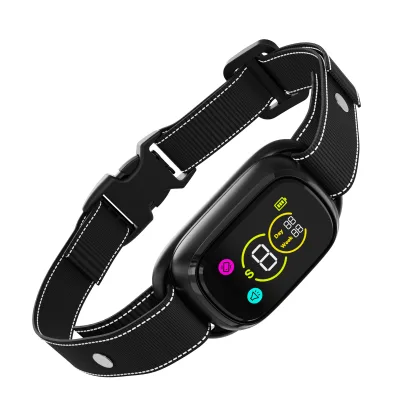
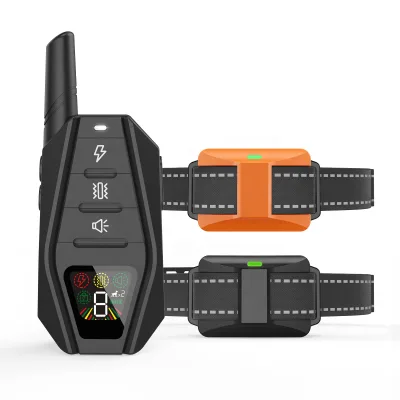
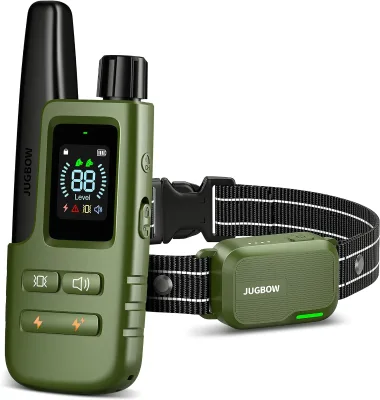
300m Remote Electric Shock Vibration Rechargeable Rainproof Pet Dog Training Collar
$8.00 - $9.00
MOQ: 100 Pieces


Rechargeable Smart Remote Dog Training Collar for Effective Pet Control
$9.00 - $16.00
MOQ: 100 Pieces


NINGBO BANGZHIYOU ARTS INDUSTRY AND TRADE CO., LTD.
- Verified by BV
- Trading Company
- China Zhejiang
- Lead time30 days
- Avg. response≤ 15h
Main productsPet Supplies, Pet Foods Snacks, Pet Trainer Collar, Pet Bed, Pet Toys, Pet Clothes, Equestrian Supplies, Pet Backpack, Cat Scratcher
Main marketsSouth America,Africa,Southeast Asia/ Mideast,East Asia(Japan/ South Korea),Europe,Australia,North America

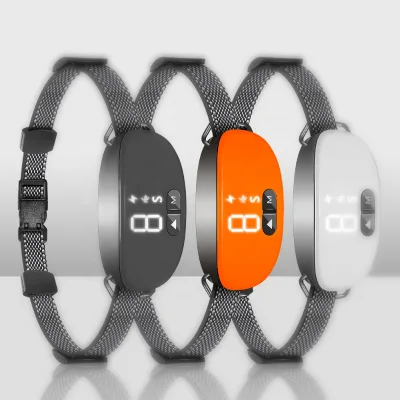
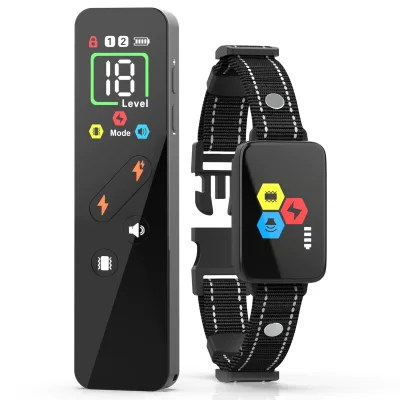
Digital Display Smart Anti Bark Waterproof Rechargeable Dog Training Collar
$15.00 - $25.00
MOQ: 1000 Pieces

Smart Automatic Bark Recognition Waterproof Rechargeable Dog Training Control Collar
$5.70
MOQ: 1000 Pieces

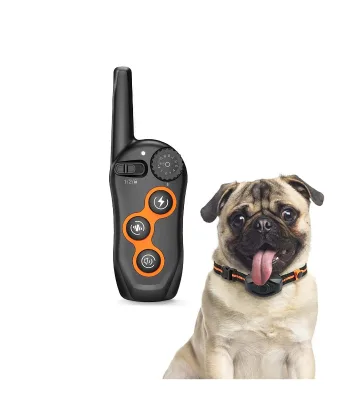
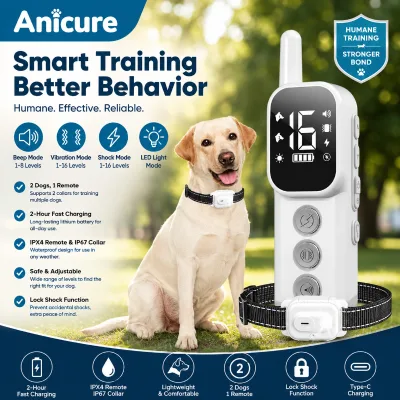
Rechargeable Waterproof Remote Dog Training Collar with Multiple Training Modes
$20.00 - $25.00
MOQ: 1000 Pieces


434MHz Remote Control Four Modes Dog Training Waterproof Smart Collar
$15.00 - $25.00
MOQ: 1000 Pieces


- Manufacturer
- Guangdong, China
- Lead time20 days
- Avg. response≤ 17h
Main productsDog training collar,dog repeller,Anti-bark collar,Pet feeder,Water dispenser
Main marketsNorth America(50.00%), Western Europe(30.00%), Southeast Asia(10.00%), Mid East(10.00%)

Hefei Fengkun Intelligent Technology Co., Ltd
- Verified by SGS
- Trading Company
- China Anhui
- Lead time15 days
- Avg. response≤ 2h
Main productsPet Product, Pet Feeder, Cat Nest, Arena Para Gatos, Cat Litter Box, Pet Supplies, Bentonite Cat Litter, Cat Toilet, Pet Grooming Brush, Automatic Cat Litter Box
Main marketsSoutheast Asia/ Mideast

Rechargeable Waterproof Dog Training Collar for Effective Behavior Correction Pet Product
$22.70 - $25.50
MOQ: 500 Pieces

Rechargeable Waterproof Dog Training Collar for Behavior Correction Pet Product
$31.12 - $35.12
MOQ: 1000 Pieces

Rechargeable Waterproof Dog Training Collar with Remote Control Pet Product
$22.60 - $25.40
MOQ: 500 Pieces

Waterproof Rechargeable Dog Training Collar with Beep Vibration Pet Product
$22.71 - $25.51
MOQ: 500 Pieces

Remote Dog Training Collar Waterproof Rechargeable with Vibration Pet Product
$22.64 - $25.44
MOQ: 500 Pieces

Touch Control Rechargeable Dog Training Collar with Modes Pet Product
$11.94 - $12.84
MOQ: 1000 Pieces
COMFORT LIFE INTERNATIONAL LIMITED
- Trading Company
- Hong Kong S.A.R.
- Lead time15 days
- Avg. response≤ 3h
Main productsDog Training Collar,Ultrasonic Dog Repeller,GPS Dog Wireless Fence,Automatic Pet Feeder,Pet Water Fountain
Main marketsSouth America(40.00%), North America(35.00%), Southern Europe(5.00%), Northern Europe(5.00%), Central America(5.00%), Mid East(5.00%), Eastern Europe(5.00%)
Dalian Usmile Pet Technology Co., Ltd.
- Verified by Intertek
- Trading Company
- Liaoning, China
- Lead time7 days
- Avg. response≤ 2h
Main productsPet Cleaning and Grooming Equipment, Veterinary and Rehabilitation Equipment , Pet Smart Products , Pet Health Care And Supplements, Basic Pet Supplies
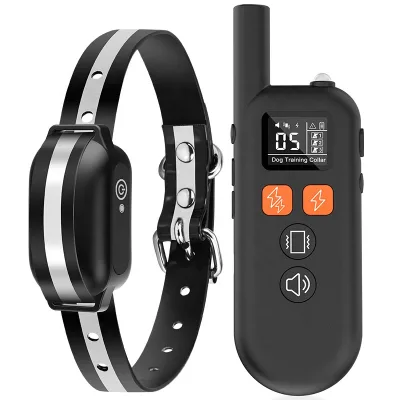
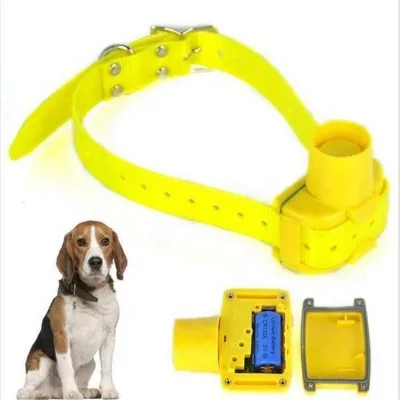
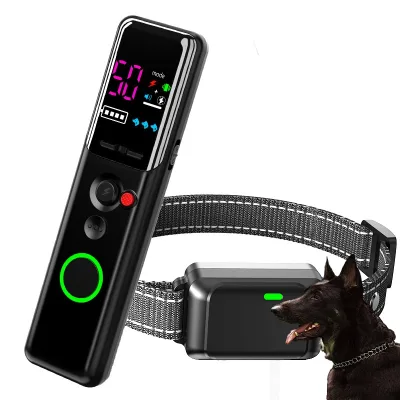
$12.8259 - $15.9043
MOQ: 20 pieces
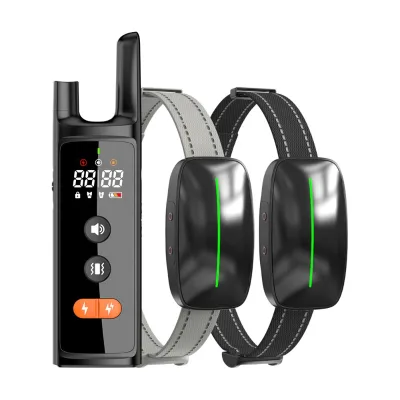
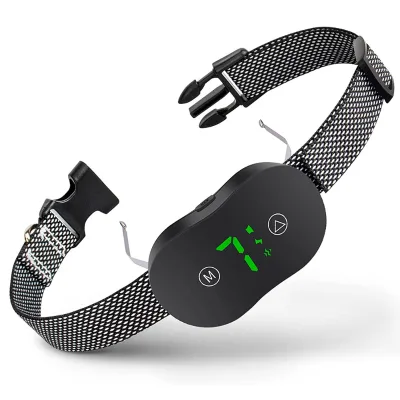

Hunan Guangye Biotechnology Co., Ltd.
- Manufacturer, Trading Company
- Hunan, China
- Lead time5 days
- Avg. response≤ 4h
Main productsPhototherapy products for horses,pet air purifiers,Wood lamps,handheld pet therapy devices,pet trackers
Main marketsEastern Europe(20.00%), Western Europe(20.00%), North America(20.00%), Northern Europe(10.00%), South America(10.00%), Eastern Asia(10.00%), Southeast Asia(10.00%)
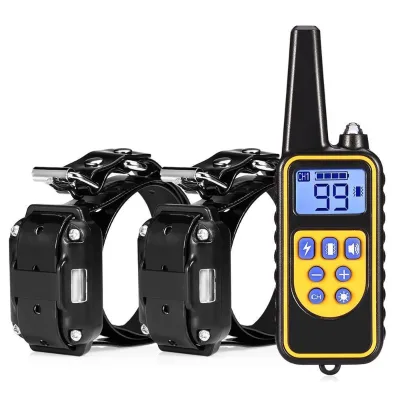
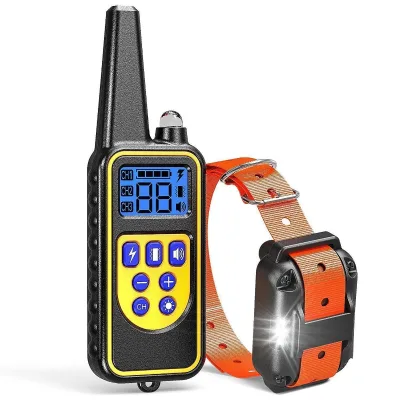
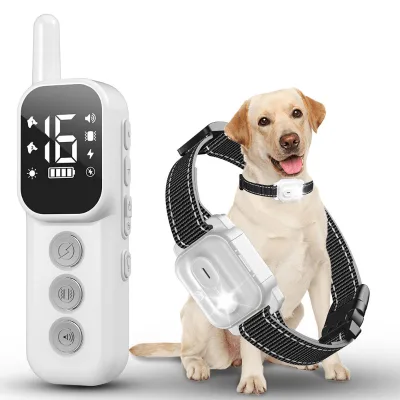
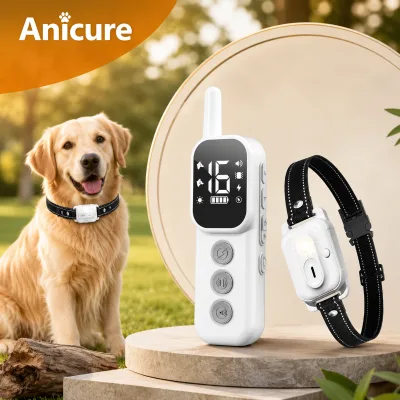
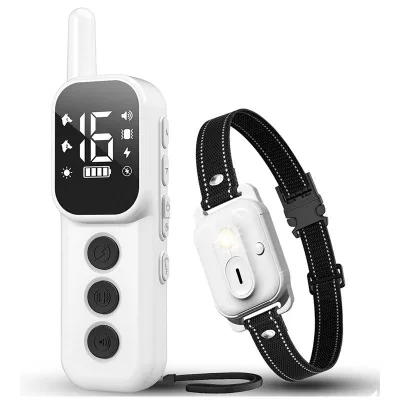
Smart Rechargeable Bark Control Collar for Large Medium Small Dogs Anti-Barking Training Collar
$16.9139 - $19.9594
MOQ: 1 sets
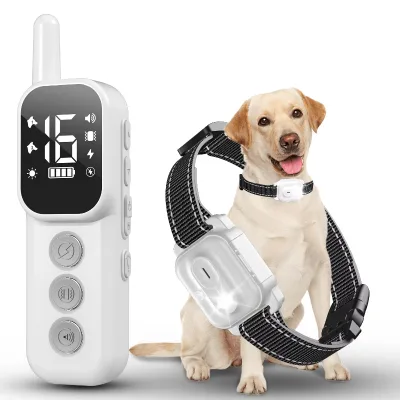
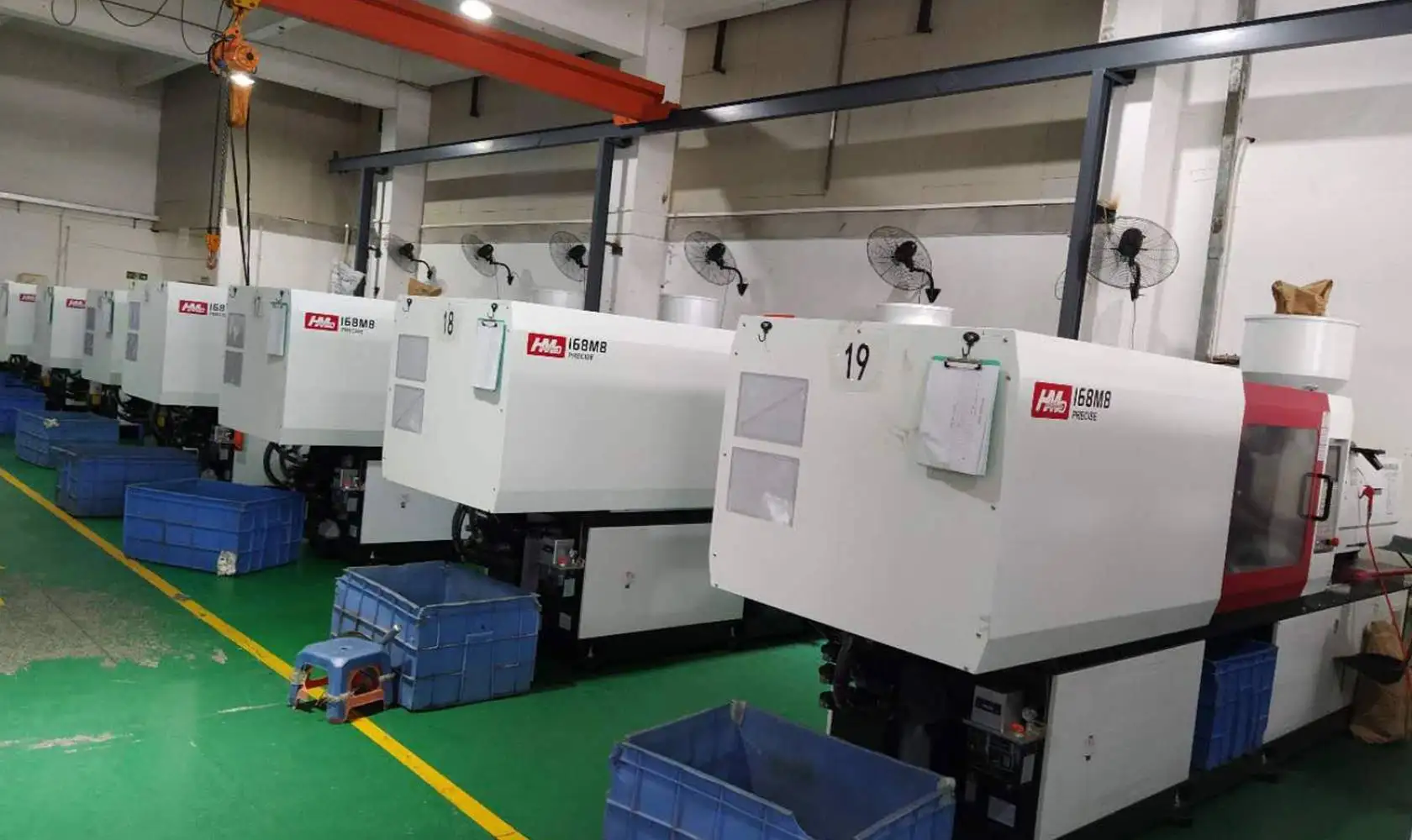
Luoyang Hongyue Import And Export Co., Ltd.
- Trading Company
- Henan, China
- Lead time0 days
- Avg. response≤ 2h
Main productsSmart pet products,pet toy,pet clothing,pet cleaning products
Main marketsNorth America(30.00%), Northern Europe(10.00%), Africa(10.00%), Western Europe(10.00%), Eastern Europe(10.00%), South America(10.00%), Southern Europe(5.00%), Oceania(5.00%), Southeast Asia(5.00%), Mid East(5.00%)
Henan Kangdar Pet Products Co.ltd
- Verified by Intertek
- Manufacturer, Trading Company
- Lead time5 days
- Avg. response≤ 4h
Main productsPet hoodie, Dog treadmill, Dog bite tug toy, Dog trainer bite-proof suit, Birdcage
Main marketsNorth America(52%), Eastern Europe(15%), Domestic Market(13%)

Guangzhou yunma pet-tech Co., Ltd
- Verified by BV
- Trading Company
- China Guangdong
- Lead time30 days
- Avg. response≤ 7h
Main productsGPS Tracker, Water Fountain, Smart Pet Feeder, Pet Toy
Main marketsDomestic
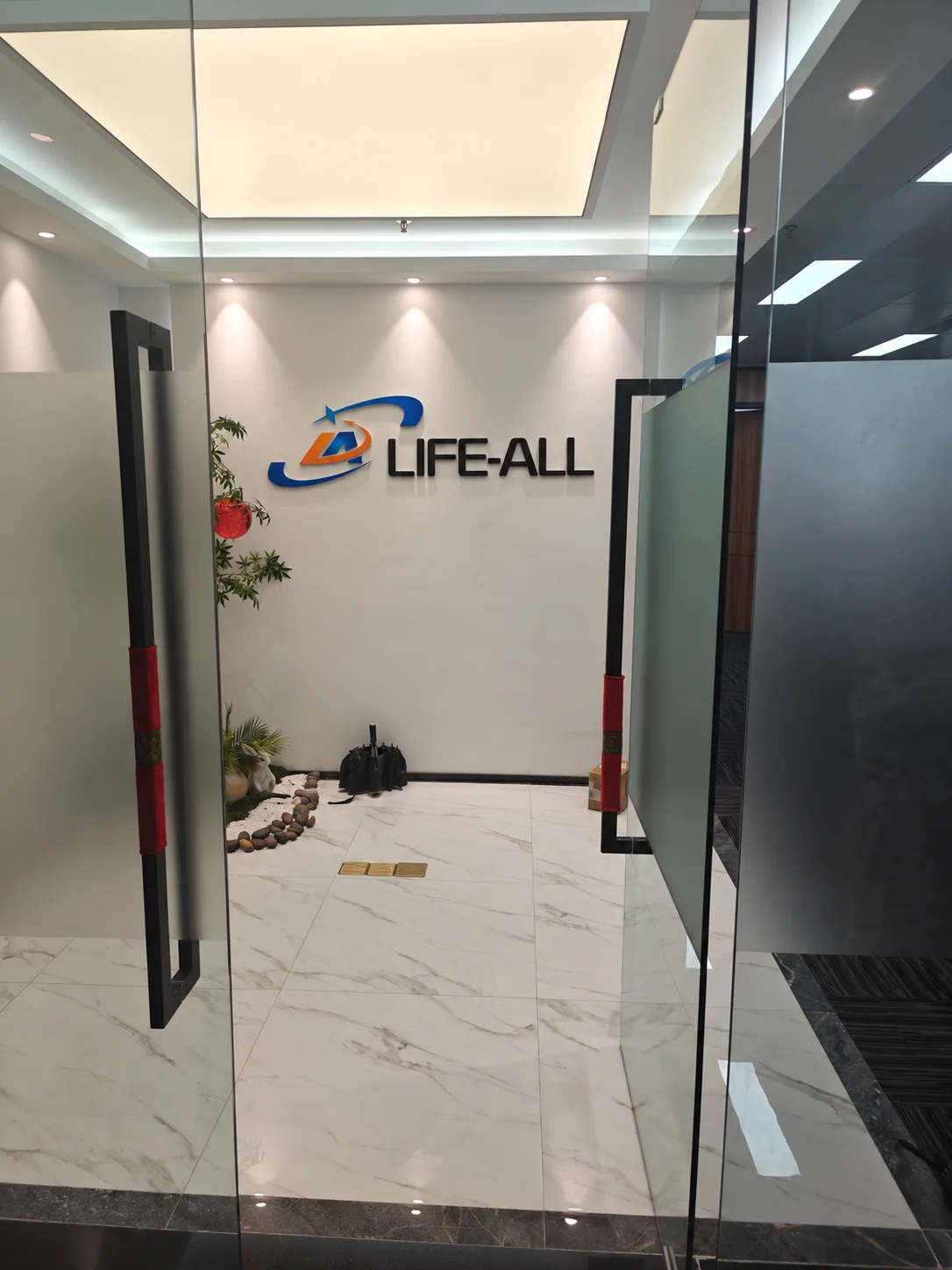
SHENZHEN LIFE-ALL TECHNOLOGY CO., LTD.
- Manufacturer
- Guangdong, China
- Lead time0 days
- Avg. response≤ 3h
Main productsLivestock Fence energizer,Steam cleaner
Main marketsSouth America(25.00%), Western Europe(20.00%), Mid East(10.00%), Southern Europe(10.00%), Africa(10.00%), North America(10.00%), Oceania(5.00%), Northern Europe(5.00%), Eastern Europe(5.00%)
Shenzhen Anxinkang Technology Co., Ltd.
- Manufacturer
- Guangdong, China
- Lead time5 days
- Avg. response≤ 5h
Main productsHumidifier,Diffuser,Powerful Fan,Hunting Camera,Bluetooth Glasses
Main marketsNorth America(30.00%), Southern Europe(10.00%), Northern Europe(10.00%), Central America(10.00%), Western Europe(10.00%), Africa(10.00%), Eastern Europe(10.00%), South America(10.00%)

Changsha Jiumo Security Technology Co., Ltd.
- Verified by BV
- Trading Company
- China Hunan
- Lead time15 days
- Avg. response≤ 1h
Main productsWalkie Talkie, Wireless Explainer, Wireless Pager, Anti-Theft Alarm
Main marketsDomestic

$18.00 - $21.00
MOQ: 100 Pieces

Shenzhen Wellturn Technology Co., Ltd.
- Verified by SGS Group
- Manufacturer, Trading Company
- Lead time15 days
- Avg. response≤ 2h
Main productsRemote Dog Training Collar, Dog Bark Control Collar, Dog Electric Fence, Pet Water Fountain, Pet Feeder
Main marketsNorth America(44%), Oceania(14%), Western Europe(12%)
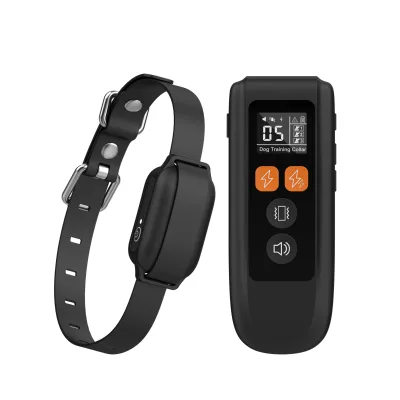
$14.00 - $15.00
MOQ: 50 pieces
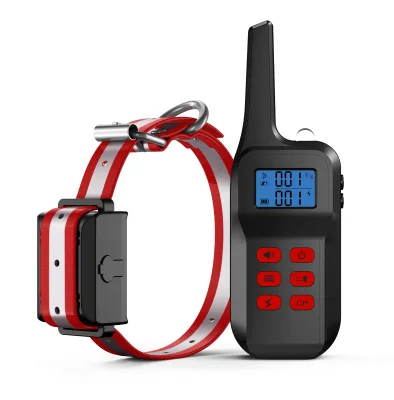
$12.57 - $14.50
MOQ: 2 pieces
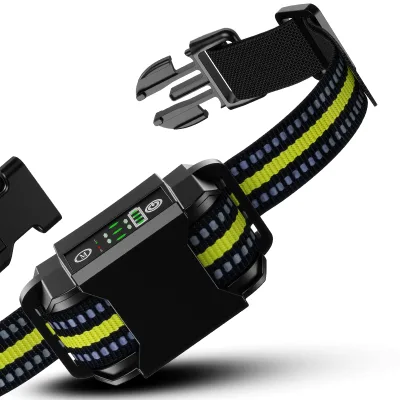

Dongguan 123 Pet Products Co., Ltd.
- Manufacturer, Trading Company
- Guangdong, China
- Lead time15 days
- Avg. response≤ 4h
Main productsPet Toy/Pet Grooming Products/Pet Training Products/Pet Feeders/Pet Collars,Automatic Baby Rocker Stroller
Main marketsNorth America(30.00%), South America(20.00%), Domestic Market(10.00%), Western Europe(5.00%), Eastern Asia(5.00%), Southern Europe(5.00%), Eastern Europe(5.00%), Northern Europe(5.00%), Central America(5.00%), Africa(3.00%), Southeast Asia(3.00%), Mid East(2.00%), Oceania(1.00%), South Asia(1.00%)
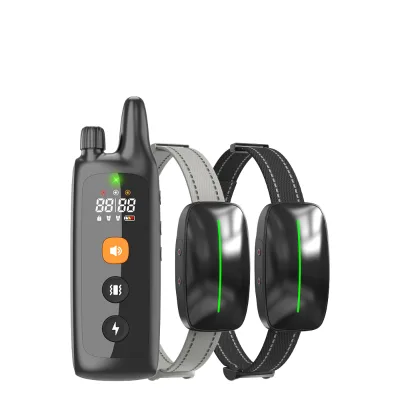
$28.99 - $32.99
MOQ: 2 pieces
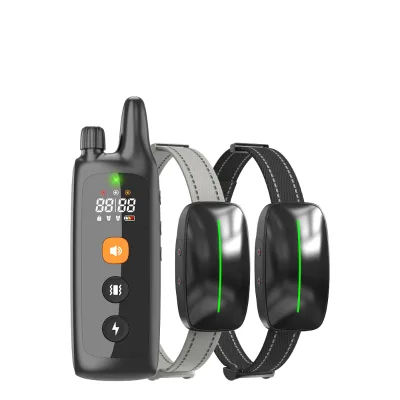
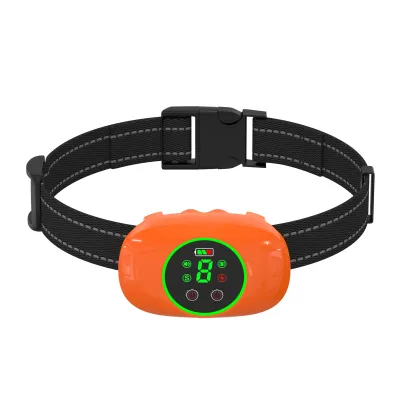
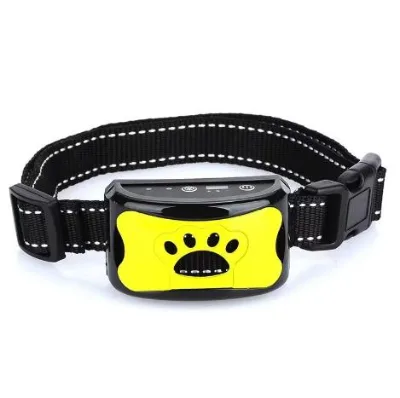

Shengzhou Tuoke Industry and Trade Co., Ltd.
- Verified by SGS
- Trading Company
- China Zhejiang
- Lead time30 days
- Avg. response≤ 3h
Main productsDog Crate, Pet Cages, Pet Playpens, Pet Beds, Pet House, Cat Trees, Cat Scratchers, Dog Collar, Dog Leash, Dog Harness
Main marketsSouth America,Southeast Asia/ Mideast,Europe,Australia


Premium IP67 Waterproof Rechargeable Dog Shock Collars with Remote 3300FT
$19.99 - $29.99
MOQ: 100 Pieces

Quality Products Manufacture Co., Ltd.
- Manufacturer, Trading Company
- Guangdong, China
- Lead time5 days
- Avg. response≤ 2h
Main productsPet clothes,Pet harness,Pet collar,Pet leash,Pet grooming accessories
Main marketsNorth America(40.80%), Western Europe(15.90%), Northern Europe(8.90%), Eastern Europe(8.60%), Oceania(8.20%), Southern Europe(6.00%), South America(3.50%), Africa(2.30%), Central America(2.10%), Domestic Market(1.30%), Mid East(0.90%), Southeast Asia(0.60%), South Asia(0.50%), Eastern Asia(0.40%)

Quanzhou Huixiang Electronic Commerce Co., Ltd.
- Trading Company
- Fujian, China
- Lead time15 days
- Avg. response≤ 1h
Main productsPet Intelligent Feeder,Pet tracking locator,Pet intelligent toy,Pet daily necessities,Pet grooming and cleaning supplies
Main marketsMid East(35.00%), Eastern Asia(13.00%), Africa(12.00%), South America(10.00%), Southeast Asia(10.00%), South Asia(8.00%), Northern Europe(4.00%), Domestic Market(3.00%), Central America(3.00%), Eastern Europe(2.00%)
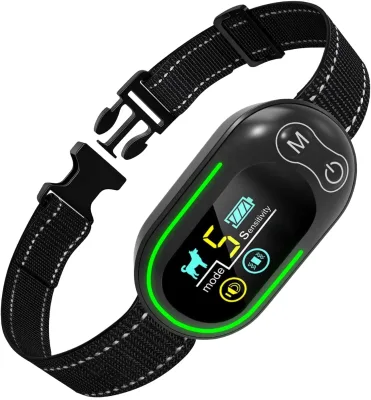
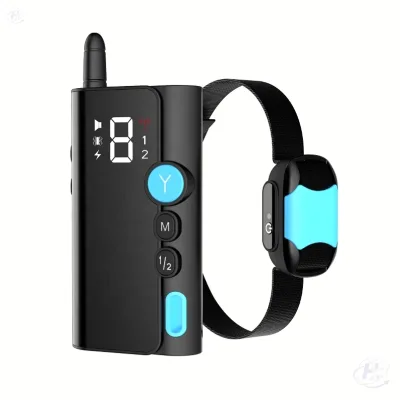
Top Seller Rechargeable Dog Training Collar with Remote No Shock for Cats Plastic Material
$12.80 - $16.80
MOQ: 48 sets
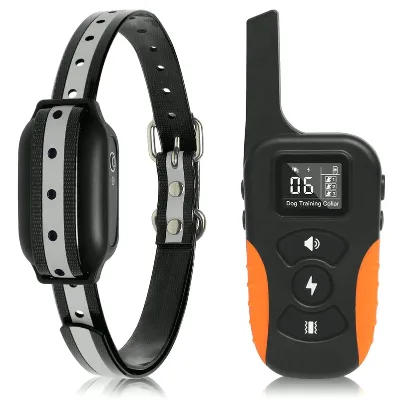
$18.6501 - $21.7599
MOQ: 50 pieces
Guangdong Linsun Smart Technology Co., Ltd.
- Manufacturer, Trading Company
- Guangdong, China
- Lead time20 days
- Avg. response≤ 9h
Main productsPet Feeder,Pet Water Fountain,Dog Training Collar,Pet Electronic Toys,pet toys
Main marketsNorth America(25.00%), Eastern Europe(20.00%), South America(15.00%), Oceania(10.00%), Southeast Asia(5.00%), Eastern Asia(5.00%), Western Europe(5.00%), Africa(3.00%), Domestic Market(2.00%), Mid East(2.00%), South Asia(2.00%), Southern Europe(2.00%), Northern Europe(2.00%), Central America(2.00%)
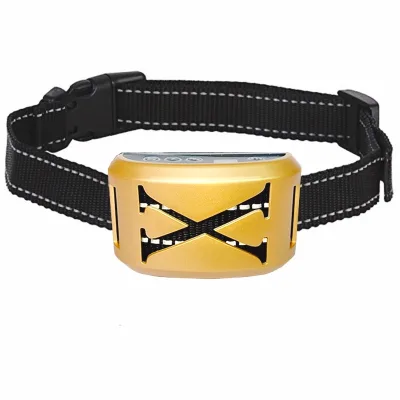
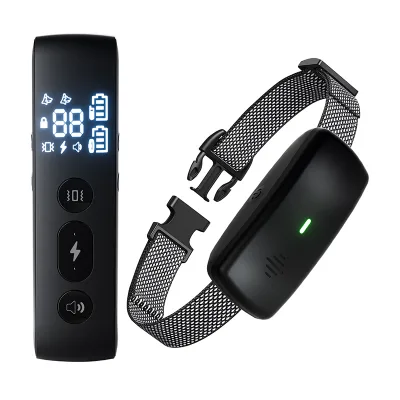
$10.5235 - $11.1451
MOQ: 500 pieces
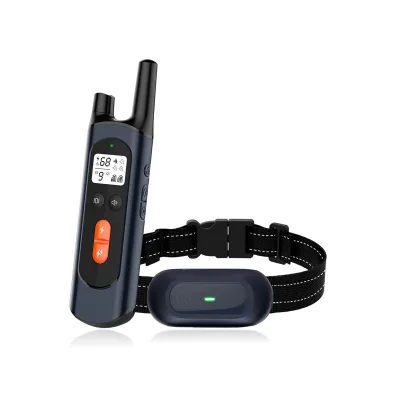
Hot Selling Dog Bark Collar Dog Training Shock Collar Petsmart Anti Barking Stop Collar
$11.5076 - $12.1293
MOQ: 500 pieces
Shaoxing Beile Pet Products Co., Ltd.
- Trading Company
- Zhejiang, China
- Lead time0 days
- Avg. response≤ 23h
Main productscompanion pet robot,Dog trainer,Pet GPS Locator,leash,Pet Strap
Main marketsNorth America(30.00%), South America(20.00%), Eastern Europe(20.00%), Eastern Asia(10.00%), Western Europe(10.00%), South Asia(10.00%)
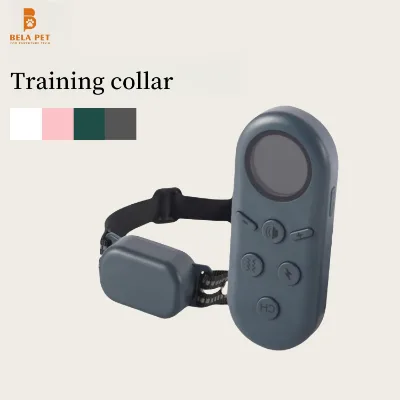
Dog Training Collar - Rechargeable Shock/Vibe/Beep Anti-Bark W/Remote, Waterproof for S/M/L Dogs
$13.40 - $14.00
MOQ: 300 pieces
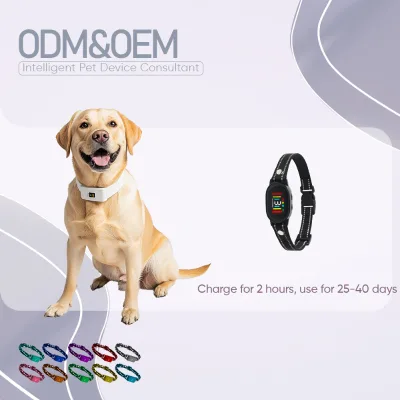
$15.26 - $17.86
MOQ: 50 pieces

Hefei Ark Universe International Trade Co., Ltd.
- Verified by SGS
- Trading Company
- China Anhui
- Lead time15 days
- Avg. response≤ 4h
Main productsLED Display, LED Screen, Sports Wear, Soccer Jersey, LED String Light, Flexible LED Display, Outdoor LED Display, Indoor LED Display, Football Jersey, Christmas Decoration
Main marketsNorth America

Adjustable Black Dog Training Collars for Effective Training with Three Modes
$45.99 - $46.99
MOQ: 500 Pieces


Durable Black Dog Training Collars with Three Functional Switch Options
$45.99 - $46.99
MOQ: 500 Pieces

Lightweight Black Dog Training Collars with Three Versatile Switch Models
$45.99 - $46.99
MOQ: 500 Pieces

Reliable Dog Training Collars in Black with Three Switch Settings Available
$45.99 - $46.99
MOQ: 500 Pieces
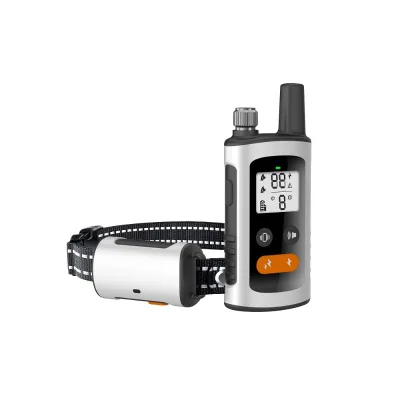
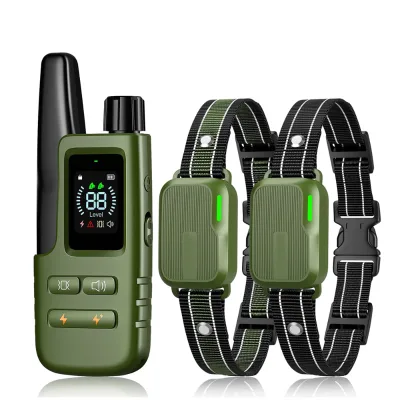
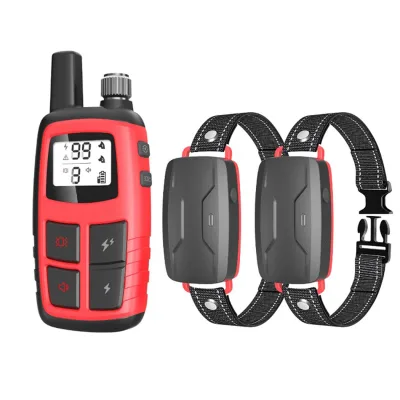
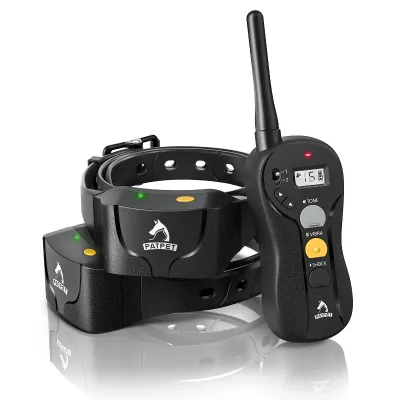
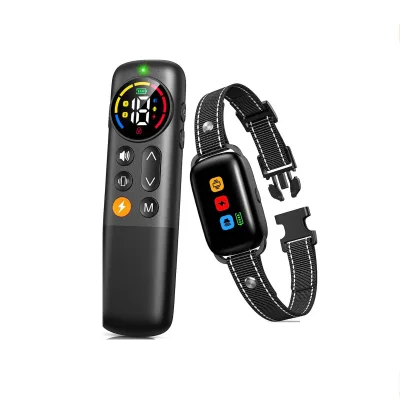


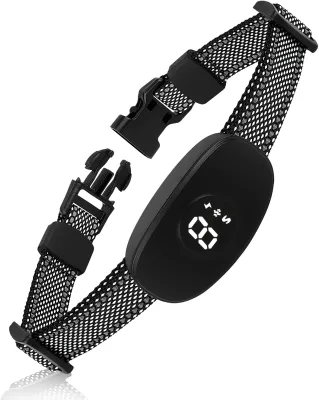
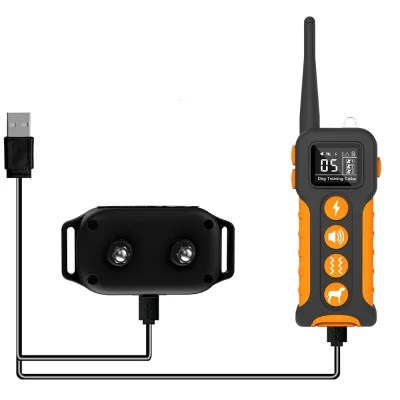
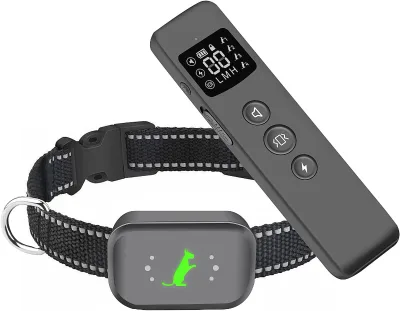
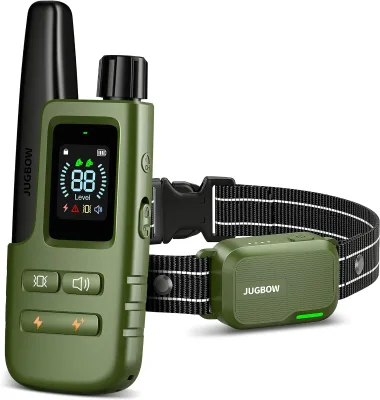
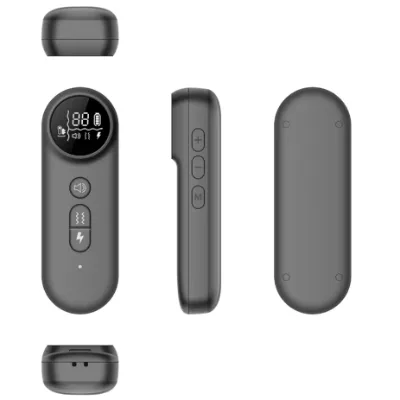
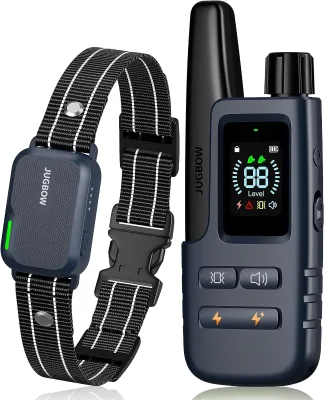
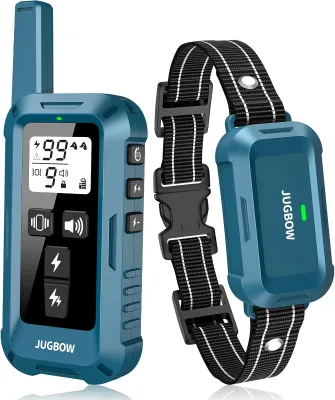
Comprehensive Sourcing Guide
Rechargeable Waterproof Dog Training Collar Supplier Concentration and Factory Types
The current supplier landscape for rechargeable waterproof dog training collars reveals a distinct split between manufacturing entities and trading companies, each offering different operational advantages for buyers seeking bulk procurement. Evidence indicates that manufacturers are primarily concentrated in China Tianjin, where companies operate as direct factories with established production capabilities. These Tianjin-based suppliers often highlight their ability to handle OEM and ODM requests, allowing buyers to customize product specifications such as collar width, material composition, and electronic housing designs. The presence of ISO 9000, ISO 14001, ISO 9001, and GMP certifications among these factory types suggests a structured approach to quality management and environmental compliance, which is critical for electronic pet products that require consistent performance and safety standards. Buyers evaluating these suppliers should note that factory-direct sourcing typically provides greater transparency into the production process, enabling more rigorous oversight of assembly lines and final quality control checks before shipment.
In contrast, trading companies located in China Zhejiang offer a different value proposition, focusing on a broader range of pet supplies including beds, toys, and accessories alongside training collars. These entities often act as intermediaries, consolidating products from multiple sources to provide a one-stop shopping experience for buyers who need diverse inventory. While they may not own the manufacturing facilities, their role in logistics and product aggregation can simplify the sourcing process for smaller orders or mixed-container shipments. The response times and lead times associated with trading companies may differ from those of direct manufacturers, requiring buyers to carefully assess communication efficiency and supply chain reliability. Understanding this dichotomy between factory types and trading companies is essential for determining which supplier model aligns best with specific business needs, whether prioritizing direct manufacturing control or diversified product availability.
How to Verify Rechargeable Waterproof Dog Training Collar Suppliers
Verifying the legitimacy and capability of suppliers requires a multi-layered approach that goes beyond basic profile reviews, focusing on tangible evidence of operational competence and compliance. Buyers should prioritize suppliers who display third-party verification badges, such as BV verification, which indicates that an independent inspection agency has assessed the company’s business license and operational status. This verification step is crucial for mitigating the risk of engaging with fraudulent entities or shell companies that may not have the actual capacity to fulfill large orders. Additionally, examining the supplier’s certification portfolio is vital; claims of ISO 9001, ISO 14001, and GMP compliance should be supported by valid certificates that can be cross-referenced with issuing bodies. For electronic products like training collars, verifying that the manufacturer adheres to these international standards ensures that their quality management systems are robust enough to maintain consistency across production batches, reducing the likelihood of defective units reaching the end consumer.
Beyond certifications, buyers must scrutinize the specific product attributes and technical specifications provided in supplier listings to ensure they match the required performance standards. Key features such as waterproof ratings, rechargeable battery types, and shock control mechanisms should be clearly defined, with evidence of testing or compliance with relevant safety standards like CE, FCC, and RoHS. Suppliers who provide detailed product attributes, including material compositions like nylon or rubber for collars and ABS for electronic housings, demonstrate a higher level of transparency and product knowledge. Buyers should also assess the supplier’s response time, as a quick and professional reply often correlates with better customer service and operational efficiency. By combining verification of business credentials with a detailed review of technical product evidence, buyers can build a more accurate picture of a supplier’s reliability and capability to deliver high-quality rechargeable waterproof dog training collars.
What to Compare Across Rechargeable Waterproof Dog Training Collar Suppliers
When evaluating multiple suppliers, buyers must systematically compare key operational metrics to identify the most suitable partner for their specific procurement goals. Lead time is a critical factor, with some suppliers indicating production times of approximately one week, while others may require up to thirty days depending on order volume and customization requirements. Comparing these lead times against the buyer’s inventory needs and market demand forecasts is essential to avoid stockouts or excessive holding costs. Similarly, the minimum order quantity (MOQ) varies significantly across suppliers, ranging from lower thresholds suitable for testing markets to higher volumes that offer better unit economics. Buyers should align their order size with the supplier’s MOQ policies, considering whether they are willing to absorb higher per-unit costs for smaller initial orders or if they can commit to larger volumes to secure better pricing and production priority.
Response time and communication efficiency are equally important dimensions for comparison, as they impact the overall sourcing experience and problem-solving capability. Suppliers with faster response times, such as those averaging under two hours, are often more responsive to urgent inquiries and potential issues during the production process. Additionally, buyers should compare the range of main products offered by each supplier to determine if they can serve as a comprehensive partner for broader pet supply needs. Some suppliers specialize exclusively in pet training products, while others offer a wider array of accessories, which may influence the decision based on the buyer’s strategic focus. By meticulously comparing lead times, MOQs, response speeds, and product portfolios, buyers can make informed decisions that balance cost, speed, and service quality, ensuring a smoother procurement process for rechargeable waterproof dog training collars.
Common Rechargeable Waterproof Dog Training Collar Sourcing Risks
Sourcing rechargeable waterproof dog training collars involves several inherent risks that buyers must proactively manage to ensure product safety and supply chain stability. One significant risk is the variability in electronic component quality, which can lead to inconsistent performance in shock control, vibration, or bark detection features. Buyers must be vigilant about verifying that suppliers use high-quality ABS materials for housings and durable nylon or rubber for collars, as inferior materials can result in premature failure or safety hazards for pets. Additionally, the waterproof rating of the collars must be rigorously tested, as claims of water resistance may not hold up under real-world conditions, leading to customer complaints and returns. Buyers should request detailed product specifications and, if possible, third-party test reports to validate these claims, ensuring that the products meet the advertised performance standards.
Another critical risk is the potential for miscommunication regarding customization requirements, which can lead to production errors and delayed shipments. Suppliers offering OEM and ODM services may have varying levels of expertise in handling custom designs, and failure to clearly specify dimensions, colors, and electronic configurations can result in products that do not meet the buyer’s specifications. Buyers must ensure that all customization details are documented in writing and confirmed by the supplier before production begins. Furthermore, the risk of supply chain disruptions, such as delays in raw material procurement or production bottlenecks, can impact lead times and order fulfillment. Buyers should maintain open communication with suppliers and establish clear contingency plans to mitigate these risks, ensuring that they can adapt to changes in production schedules or market demands without significant disruption to their business operations.
Rechargeable Waterproof Dog Training Collar Regional Sourcing and Logistics
The regional concentration of suppliers in China, particularly in Tianjin and Zhejiang, offers buyers access to established manufacturing clusters with robust logistics infrastructure. Tianjin-based manufacturers often benefit from proximity to major ports and industrial zones, facilitating efficient export processes for bulk shipments. Buyers sourcing from these regions should consider the logistical advantages of consolidated shipping, which can reduce transportation costs and simplify customs clearance procedures. Additionally, the presence of specialized pet product manufacturers in these areas means that buyers can access a wide range of product variations and customization options, leveraging the local supply chain expertise to optimize their procurement strategies. Understanding the regional strengths of these manufacturing hubs allows buyers to make informed decisions about where to source their products, balancing factors such as production capacity, quality control, and logistical efficiency.
Logistics planning for rechargeable waterproof dog training collars must also account for the specific shipping requirements of electronic products, including proper packaging and handling to prevent damage during transit. Suppliers often provide detailed packing specifications, such as carton dimensions and quantities per carton, which buyers should use to optimize container loading and reduce shipping costs. Buyers should also consider the shipping methods available, such as DHL, FedEx, or sea freight, and evaluate the trade-offs between speed and cost based on their inventory needs. For urgent orders, air freight may be necessary, while larger, non-urgent shipments can be more cost-effectively handled via sea freight. By carefully planning logistics and leveraging the regional advantages of Chinese manufacturing hubs, buyers can ensure that their rechargeable waterproof dog training collars are delivered efficiently and cost-effectively, supporting their overall business objectives.
Rechargeable Waterproof Dog Training Collar Commercial Terms and Order Planning
Commercial terms and order planning are pivotal elements in securing favorable procurement outcomes for rechargeable waterproof dog training collars. Buyers must carefully review pricing structures, which can vary based on order volume, customization requirements, and payment terms. Some suppliers offer competitive pricing for larger orders, while others may have fixed price ranges that reflect the complexity of the product or the quality of materials used. Understanding these pricing dynamics allows buyers to negotiate better terms and align their budget with their procurement goals. Additionally, buyers should clarify payment methods and escrow options, which provide an added layer of security for both parties by ensuring that funds are released only upon satisfactory delivery of the goods. This financial protection is particularly important for international transactions, where trust and verification are critical to successful business relationships.
Order planning should also encompass a thorough assessment of the supplier’s capacity to handle peak demand periods and potential fluctuations in market requirements. Buyers must consider the supplier’s production capacity, lead times, and ability to scale operations up or down as needed. Establishing clear communication channels and regular order updates can help mitigate the risk of delays and ensure that production schedules align with the buyer’s sales forecasts. Furthermore, buyers should plan for after-sales support and warranty claims, as electronic products may require maintenance or replacement over time. By integrating commercial terms and order planning into a comprehensive sourcing strategy, buyers can build a resilient supply chain that supports their long-term business growth and customer satisfaction goals, ensuring a steady supply of high-quality rechargeable waterproof dog training collars.
FAQs
What is the price range for rechargeable waterproof dog training collars?
Prices typically range from $8 to $25 per unit depending on features and customization. Basic models start around $8, while advanced smart collars with digital displays cost up to $25. Buyers should verify specific pricing tiers with suppliers based on order volume and required specifications.
What is the minimum order quantity for these collars?
Minimum order quantities vary significantly by supplier type. Manufacturers often require a minimum of 100 units, whereas trading companies may set higher thresholds, such as 1000 units. Buyers must confirm the exact MOQ with their chosen supplier before placing an order to ensure alignment with budget.
How long does production and shipping take?
Lead times generally range from 23 to 30 days depending on the supplier and location. Some manufacturers offer faster turnaround times of about one week for specific items. Shipping methods like DHL, FedEx, or sea freight also impact total delivery time, so buyers should clarify logistics early.
Are these collars suitable for all dog sizes?
Most models are adjustable and suitable for dogs, with sizes ranging from XS to XL. Some collars feature adjustable widths of 2.5CM and break-away closures for safety. Buyers should check specific product attributes to ensure the collar fits their dog's neck size and training requirements effectively.
What certifications do these suppliers hold?
Suppliers often hold ISO 9001, ISO 14001, GMP, CE, and FCC certifications. Some products also comply with RoHS standards. Buyers should verify specific certification documents with suppliers to ensure compliance with international safety and quality standards for pet training devices before finalizing procurement agreements.
Where are these suppliers located?
Suppliers are primarily located in China, specifically in Tianjin and Zhejiang provinces. Tianjin-based manufacturers often focus on OEM and ODM services, while Zhejiang suppliers may include trading companies. Buyers should consider location when evaluating shipping costs and lead times for international orders.