RC Drone Suppliers and Manufacturers in Guangdong, China
Compare 22 RC Drone suppliers and manufacturers based on location, lead times, certifications, and response times. Review product specs like battery life and control distance to source the right remote control toys for your needs; review the available evidence before requesting comparable quotations from suitable candidates.
Updated
Suppliers List
Shantou Chenghai Dc Toys Industrial Co., Ltd.
- Manufacturer, Trading Company
- Guangdong, China
- Lead time20 days
- Avg. response≤ 2h
Main productsRC Drone,Intelligent Pets,Building Block,Summer Toy,Pretend Play Set
Main marketsEastern Europe(50.00%), Southeast Asia(20.00%), Africa(10.00%)
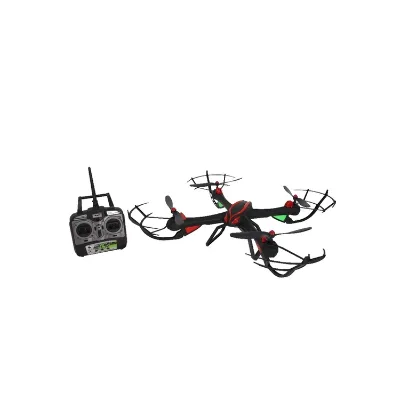
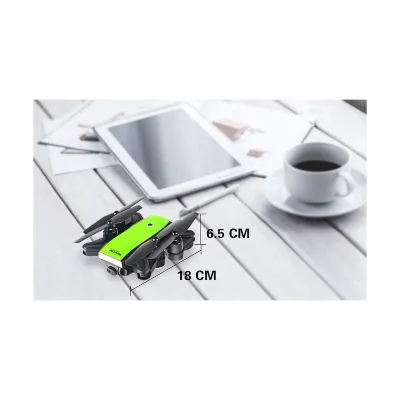
Radio Control Drone playing game 2.4Ghz 4ch RTF rc racing drone with HD camera &GPS
$60.13 - $74.6434
MOQ: 1 pieces
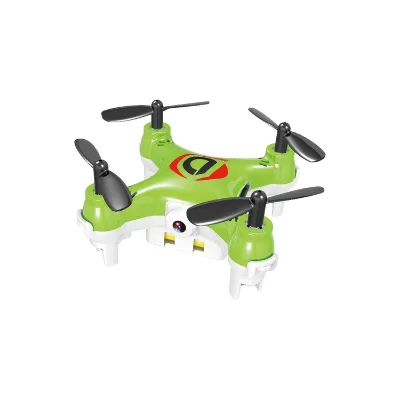
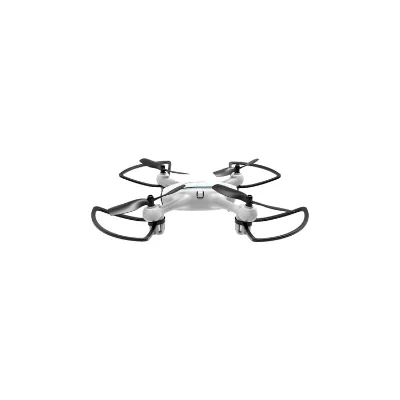
2020 Amazon hot sell rc drone Latest go drone Flying drones with 720p wifi camera
$16.4056 - $33.8367
MOQ: 60 Minimum
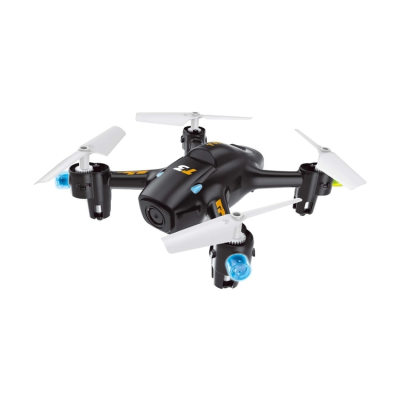
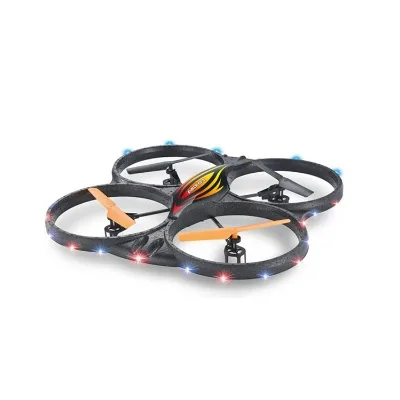
RC drone helicopter 4ch 6axis light cool headless remote control quadcopter drone
$11.00 - $26.00
MOQ: 180 Minimum

Shantou Xinxin Technology Co., Ltd
- Verified by CTI
- Trading Company
- China Guangdong
- Lead time15 days
- Avg. response≤ 4h
Main productsToys, RC Toys, Children's Cosmetics, Drone, Remote Control Toy, Plasticene, Superlight Clay, Electrical Toys, Remote-Control-Toys, Toy
Main marketsSouth America,Southeast Asia/ Mideast,Europe,North America

Shantou Chenghai Xaqi Toys Industrial Co., Limited
- Verified by BV
- Combined
- China Guangdong
- Lead time23 days
- Avg. response≤ 5h
Main productsRemote Control Car, Educational Toy, Sport Toy, Pretend Play Toys, Remote Contro Toy, Baby Toy, Summer Toy, B/O Toy
Main marketsSoutheast Asia/ Mideast,Domestic,Europe

Shenzhen Nereus Industrial Co., Ltd.
- Verified by TUVRHEINLAND
- Trading Company
- China Guangdong
- Lead time15 days
- Avg. response≤ 2h
Main productsDrone, Electronic Speed Controller, Flight Controller, Brushless Motor, Servo Motor, Video Transmission System, Drone Camera Module, Fpv Camera Module
Main marketsNorth America
Xiamen Hengji Hengxin Trading Co., Ltd.
- Trading Company
- Fujian, China
- Lead time20 days
- Avg. response≤ 2h
Main productsRemote Control Toys,Educational Toys,Baby Toys,Outdoor Toys,rc planes
Main marketsSouth America(70.00%), Mid East(20.00%), North America(5.00%), Africa(3.00%), Northern Europe(1.00%), Eastern Europe(1.00%)
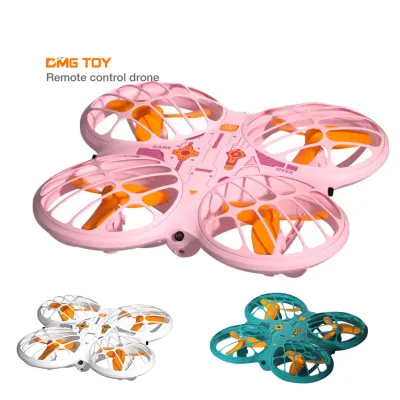
$14.4865 - $16.0957
MOQ: 48 pieces
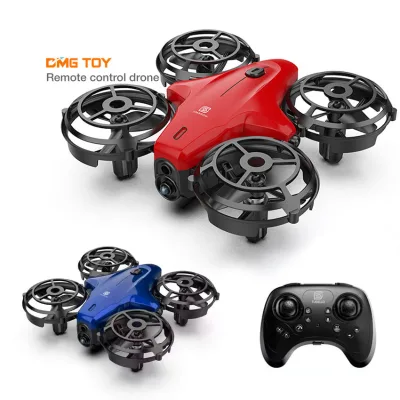
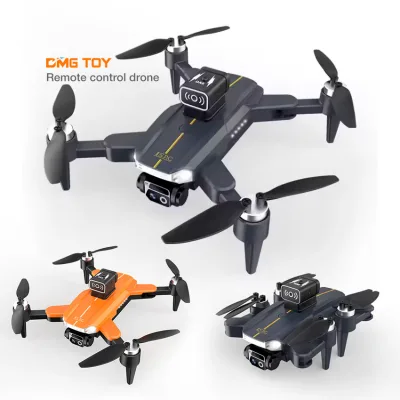
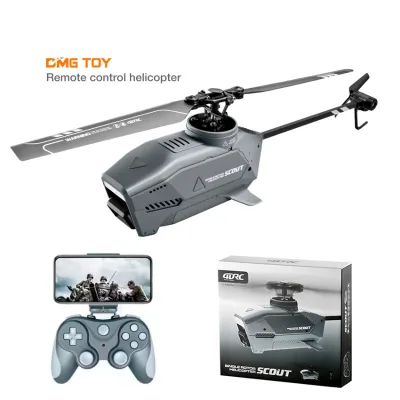
SHANTOU BHX TECHNOLOGY CO., LTD.
- Manufacturer, Trading Company
- Lead time旺季: "1 - 80":31,"> 80":"To be negotiated", 淡季: "1 - 80":31,"> 80":"To be negotiated"
- Avg. response≤ 4h
Main productsGun Toy, Educational Toy, Outdoor Toy, Baby Toy, Remote Control Toy
Shandong Hoch Technology Innovation Co., Ltd.
- Verified by SGS
- Combined
- China Shandong
- Lead time15 days
- Avg. response≤ 3h
Main productsCleaning Drone, Washing Drone, Drone Cleaning, Window Cleaning Drone, Solar Cleaning Drone, Electric Cleaning Equipment, Window Washing Drone, High Pressure Cleaner, Electric High Pressure Cleaner
Main marketsSouth America,Africa,Europe,Australia,North America

Shantou XIQI Plastic Products Co., Ltd.
- Verified by SGS
- Manufacturer
- China Guangdong
- Lead time15 days
- Avg. response≤ 3h
Main productsToys Gift Electrical Equipment Household Effe
Main marketsEast Asia(Japan/ South Korea),Europe,North America

Hot Sale New Product Remote Control RC Aircraft with Dual Camera Drone Gift Outdoor Quadcopter Drone
$10.50 - $12.00
MOQ: 48 Pieces

Camera Drone Remote Control Helicopter Twin Camera Drone Aerial Remote Control Aircraft Toy Gifts
$12.20 - $12.30
MOQ: 48 Pieces
Shantou Chuangqi Intelligent Technology Co., Ltd.
- Verified by TüVRheinland
- Trading Company
- Lead time30 days
- Avg. response≤ 2h
Main productsDrone, Quadcopter, RC Car, Remote Control Toys
Main marketsDomestic Market(30%), South America(20%), North America(10%)
Shenzhen Slinya Electronics Co., Ltd.
- Manufacturer, Trading Company
- Guangdong, China
- Lead time3 days
- Avg. response≤ 16h
Main productsPhone & Computer Accessories,Consumer Electronic Products,Camera & Photos,Electrical Supplies,Light & Lighting
Main marketsNorth America(30.00%), Western Europe(20.00%), Oceania(10.00%), Northern Europe(5.00%), South America(5.00%), Southern Europe(5.00%), South Asia(5.00%), Eastern Europe(5.00%), Africa(5.00%), Southeast Asia(5.00%), Eastern Asia(3.00%), Mid East(2.00%)

Qingdao Zhongfei Intelligent Technology Co., Ltd.
- Verified by SGS
- Combined
- China Shandong
- Lead time15 days
- Avg. response≤ 5h
Main productsDrone, Uav, Camera Drone, Agricultural Uav, Drone Sprayer, Crop Sprayer, Uav Sprayer, Pesticide Uav, Plant Drone, Crop Drone
Main marketsSouth America,East Asia(Japan/ South Korea),Domestic,Europe,North America

Beijing TT Aviation Technology Co., Ltd.
- Verified by BV
- Combined
- China Beijing
- Lead time30 days
- Avg. response≤ 15h
Main productsAgricultural Drone, Crop Spray Drone, Mapping Drones, Training, Aopa Exam, Logistics Drones, Photography Drones, Security Drones, Drone Octocopter, RC Drone Octocopter
Main marketsSouth America,Africa,Others(foreignTradeCapacity.exportBusinessCapacityMarketOther),Southeast Asia/ Mideast,East Asia(Japan/ South Korea),Europe

Hubei ZQ Yun Technology Co.,Ltd
- Verified by BV
- Trading Company,Manufacturer/Factory
- China Hubei
- Lead time45 days
- Avg. response≤ 6h
Main productsDelta Wing Drone, Vtol Drone, Fixed Wing Drone, Agricultural Drone, Agriculture Drone, Delivery Drone, Cargo Drone, Fpv Drone, Drone Battery, Drone Accessories
Main marketsSouth America,Eastern Europe,Mid East,North America,Southeast Asia,Eastern Asia,Oceania,Western Europe,Africa

Long Distance 10-Inch Frame Quadcopter RC Fpv Long Range Racing Drone for Forestry Resource Survey
$139.00 - $149.00
MOQ: 3 Pieces

$165.00 - $180.00
MOQ: 1 Pieces


High Efficiency 80A ESC ESC 15 Inch Mini Fpv Drone for Education and Training
$139.00 - $149.00
MOQ: 3 Pieces


Beijing Topsky Century Holding Co., Ltd.
- Manufacturer
- China Beijing
- Lead time0 days
- Avg. response≤ 10h
Main productsSecurity and Protection Equipment, Speical Force Device, Public Security Equipment, See Through Wall Radar, Silent Drill, Gas Detector, Measure Equipment, Personal Protection, Firefighting Equipment, Rescue Tools

SunLipo Energy (Shenzhen) Co., Ltd.
- Verified by BV
- Manufacturer/Factory
- China Guangdong
- Lead time15 days
- Avg. response≤ 3h
Main productsFpv Drone Batteries, Solid State Uav Batteries, Lipo Batteries for Drones, Molicel Battery Pack 6s2p, Fpv Drones Parts, Fpv Motors, Fpv Stack, Fpv Vtx, Fpv Frame, Fpv Optic Fiber
Main marketsWestern Europe
Shenzhen Baizhihui Technology Co., Ltd.
- Verified by TüVRheinland
- Manufacturer, Trading Company
- Lead time7 days
- Avg. response≤ 1h
Main productsRemote Control Toys, Model Toys, Aerial Photography Drones, Remote Control Cars And Aircraft Model Parts, Educational Toys
Main marketsNorth America(30%), Southeast Asia(20%), Domestic Market(20%)
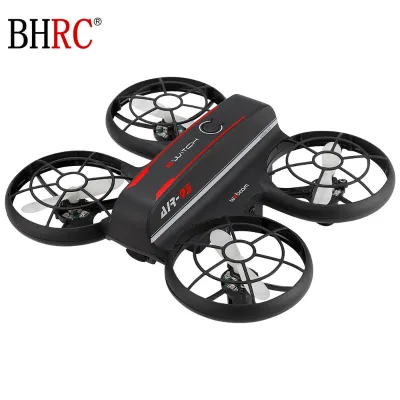
$11.8248 - $13.3667
MOQ: 48 pieces
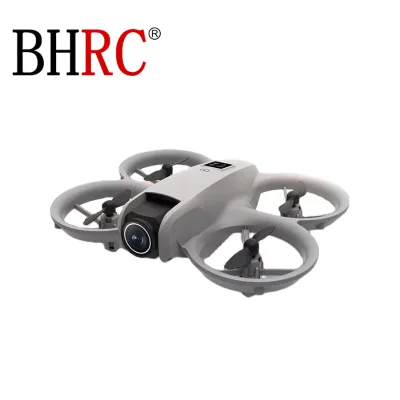
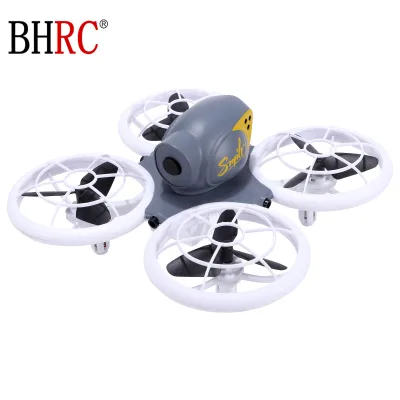
T1 Obtacle Avoidance Optical Flow Location Professionnel Mini 4k Camera Rc Drone Quadcopter
$10.00 - $10.50
MOQ: 48 pieces

Foshan Hongbo Intelligence Technology Co., Ltd.
- Trading Company,Manufacturer/Factory
- China Guangdong
- Lead time15 days
- Avg. response≤ 2h
Main productsAgricultural Drones and Accessories, New Energy Vehicle Power Batteries, Automotive Electronic Products, Outdoor Energy Storage Power Supply, Energy Storage Battery, Portable Multi Function Emergency Jump Starter
Main marketsSouth America,Eastern Europe,Mid East,North America,Southeast Asia,Eastern Asia,Oceania,Western Europe,Africa

Cheap Cross Border Hot Sale High-Definition Dual Camera Remote Control Aircraft Drone
$16.00 - $18.00
MOQ: 300 Pieces


Shenzhen Dongdayang Industrial Co., Ltd.
- Verified by Intertek
- Trading Company
- Lead time15 days
- Avg. response≤ 3h
Main productsProcurement Agent For Handicrafts, Procurement Agent For Hardware Tools, Procurement Agent For Furniture And Home Decor, Procurement Agent For Electronic Products
Main marketsNorth America(51%), South America(10%), Mid East(10%)

Shenzhen Liangyou Communication Technology Co., Ltd.
- Verified by CTI
- Trading Company
- China Guangdong
- Lead time15 days
- Avg. response≤ 9h
Main productsSignal Jammer Moduel, Drone Jammer, Cell Phone Jammer, Drone Jammer System, GPS Jammer, Drone Detector, Anti Drone Jammer Kit, Uav Signal Jammer, GPS Blocker Drone, Drone Jammer Backpack
Main marketsDomestic
- Verified by SGS Group
- Trading Company
- Lead time15 days
- Avg. response≤ 3h
Main productsRC Drone, RC Car, RC Boat, RC Robot, RC Airplane
Main marketsNorth America(20%), Domestic Market(15%), South America(10%)
Chongqing Zhengcai Partner Trading Co., Ltd
- Trading Company
- Chongqing, China
- Lead time7 days
- Avg. response≤ 2h
Main productsEntry-level toy drone,Advanced toy drone,Professional aerial photography drone,Heavy load UAV,Professional rescue drone
Main marketsNorth America(20.00%), South America(10.00%), Northern Europe(8.00%), South Asia(8.00%), Southeast Asia(8.00%), Domestic Market(8.00%), Eastern Europe(7.00%), Mid East(7.00%), Oceania(6.00%), Western Europe(5.00%), Eastern Asia(5.00%), Central America(4.00%), Africa(3.00%), Southern Europe(1.00%)

Shenzhen Chengsuchuang Technology Co., Ltd.
- Verified by BV
- Trading Company,Manufacturer/Factory
- China Guangdong
- Lead time23 days
- Avg. response≤ 3h
Main productsElectronic Hardware, Development Board, Sensors, Electronics Module, Development Accessorries, PCB&PCBA Manufacturing Service
Main marketsSouth America,Eastern Europe,Mid East,North America,Southeast Asia,Eastern Asia,Oceania,Western Europe,Africa

2.4G Light Fixed Height Unmanned Aerial Vehicle Quadcopter Mini Aircraft
$19.75 - $21.00
MOQ: 20 Pieces

$10.79 - $12.74
MOQ: 60 Pieces




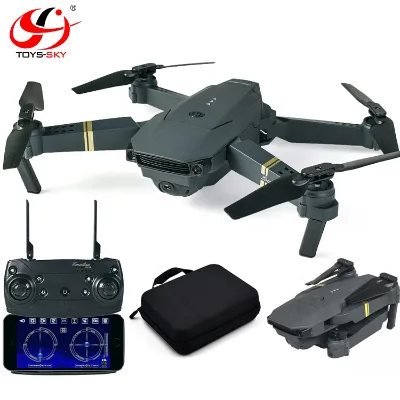
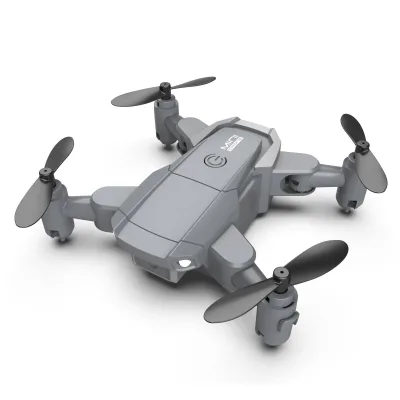
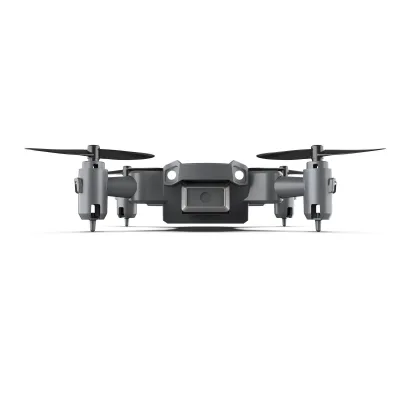
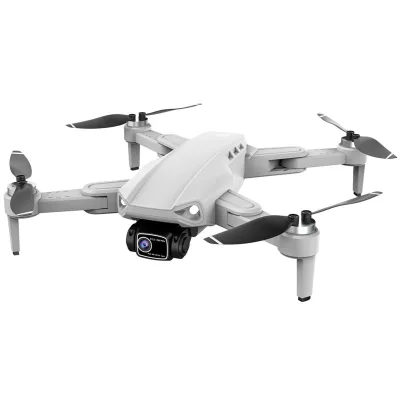
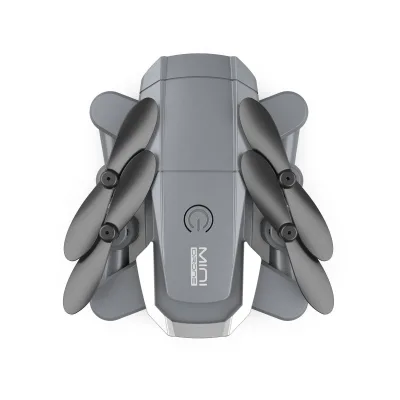
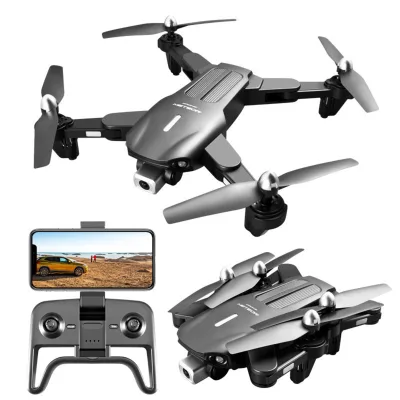


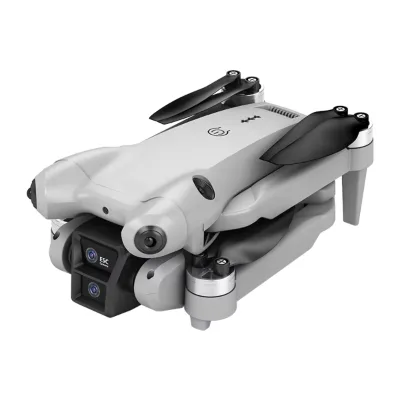
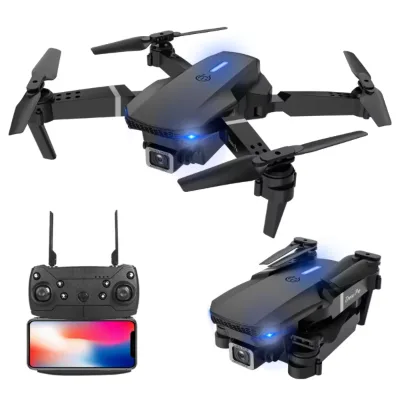


Comprehensive Sourcing Guide
RC Drone Supplier Concentration and Factory Types
The current supplier landscape for remote control drones is heavily concentrated in Guangdong, China, a region widely recognized for its robust electronics manufacturing infrastructure. This geographic clustering allows for efficient supply chain management, particularly for components like motors, flight controllers, and camera modules that are essential for modern RC Drone operations. Buyers evaluating potential partners should note that the available supplier base includes both manufacturers and trading companies, each offering distinct advantages depending on the scale and nature of the procurement. Manufacturers typically provide greater control over production quality and customization options, while trading companies may offer broader product assortments and simplified communication channels for international buyers. Understanding this distinction is crucial for determining whether a direct factory relationship or a intermediary service better suits specific business needs.
When assessing the types of entities in this sector, it is important to recognize that many suppliers operate as hybrid entities, blending manufacturing capabilities with trading services. This dual nature can complicate initial evaluations, as the actual production facility may differ from the sales office. Buyers should prioritize suppliers who clearly disclose their company type and verification status to ensure transparency. For instance, some suppliers are verified by third-party inspection agencies like CTI, which adds a layer of credibility regarding their operational legitimacy. Additionally, the main products listed by these entities often extend beyond just drones to include other remote control toys, intelligent pets, and building blocks, indicating a diversified manufacturing capability. This diversification can be beneficial for buyers seeking a single source for multiple toy categories, but it requires careful vetting to ensure that the specific RC Drone models meet the required technical specifications and quality standards.
How to Verify RC Drone Suppliers
Verifying the legitimacy and capability of RC Drone suppliers requires a multi-layered approach that goes beyond simple profile reviews. Buyers should first examine the supplier’s verification badges, such as CTI verification, which indicates that a third-party agency has inspected the company’s business license and factory conditions. This step is critical for establishing a baseline of trust, especially when dealing with international transactions where direct oversight is limited. In addition to verification badges, buyers should scrutinize the supplier’s response time, which serves as an indicator of their operational efficiency and customer service commitment. A response time of two to three days suggests a structured inquiry handling process, whereas significantly longer delays may indicate potential communication bottlenecks during critical phases of order fulfillment.
Beyond verification and responsiveness, buyers must validate the technical claims made by suppliers through independent testing or sample orders. The product specifications provided, such as battery capacity, flight time, and camera resolution, should be cross-referenced with industry standards and previous customer feedback. For example, claims of ASTM, EN71, and CCC certifications are common in this sector, but buyers should request valid certificates and verify their authenticity with the issuing bodies. Furthermore, the supply ability, often stated as a number of pieces per week, should be assessed against the buyer’s volume requirements to ensure the supplier can scale production without compromising quality. Engaging with suppliers to discuss customizations and asking for detailed product datasheets can also reveal the depth of their technical expertise and their willingness to collaborate on specific project requirements.
What to Compare Across RC Drone Suppliers
When comparing suppliers, buyers should focus on key operational metrics such as lead time, minimum order quantity (MOQ), and pricing structures to determine the best fit for their business model. Lead times can vary significantly, with some suppliers offering turnaround times of fifteen to twenty days, which impacts inventory planning and market launch schedules. Buyers with urgent needs should prioritize suppliers with shorter lead times, while those with flexible timelines may opt for suppliers offering more competitive pricing or higher customization options. Similarly, MOQs range from single units for sampling purposes to bulk quantities of hundreds of pieces, influencing the initial investment required. Understanding these thresholds helps buyers align their procurement strategy with their sales channels, whether they are targeting retail markets or wholesale distributors.
Pricing and product attributes are also critical comparison points, as they directly affect profit margins and product appeal. The price range for RC drones can vary widely, from budget-friendly models under twenty dollars to more advanced units with GPS and HD cameras exceeding seventy dollars. Buyers should evaluate the cost against the included features, such as battery type, flight time, and control distance, to ensure they are getting value for money. Additionally, the certification standards met by the products, such as ASTM, EN71, and CCC, are essential for market access in different regions. Comparing these certifications across suppliers helps buyers identify those who meet the regulatory requirements of their target markets. By systematically evaluating these factors, buyers can make informed decisions that balance cost, quality, and operational efficiency.
Common RC Drone Sourcing Risks
One of the primary risks in sourcing RC drones is the discrepancy between advertised specifications and actual product performance. Buyers often encounter issues where the claimed flight time, control distance, or camera quality does not match the reality of the delivered goods. This mismatch can lead to customer dissatisfaction and returns, damaging the buyer’s reputation in the market. To mitigate this risk, buyers should request detailed technical specifications and, if possible, order samples to test the products under real-world conditions. It is also important to verify the battery specifications, as the type and capacity of the battery significantly impact flight performance and safety. Ensuring that the batteries meet international safety standards can prevent potential hazards and compliance issues.
Another significant risk is the variability in quality control across different suppliers and production batches. Even within the same supplier, inconsistencies in manufacturing processes can lead to defects in flight stability, motor performance, or structural integrity. Buyers should establish clear quality assurance protocols and consider hiring third-party inspection services to monitor production before shipment. Additionally, the risk of intellectual property infringement is present, particularly when sourcing from suppliers who may produce counterfeit or unauthorized designs. Buyers should ensure that the products they source are original and do not violate any patents or trademarks. By proactively addressing these risks through rigorous vetting and quality control measures, buyers can protect their business interests and ensure a smoother sourcing experience.
RC Drone Regional Sourcing and Logistics
Sourcing RC drones from Guangdong, China, offers logistical advantages due to the region’s well-developed infrastructure and proximity to major shipping ports. The port of dispatch is often listed as Shenzhen or Shantou, which are key hubs for international trade and offer efficient shipping routes to various global destinations. Buyers should consider the impact of logistics costs and transit times on their overall procurement strategy, as these factors can influence the final landed cost of the products. Understanding the shipping options available, such as sea freight for bulk orders and air freight for urgent shipments, allows buyers to optimize their supply chain for cost and speed. Additionally, buyers should be aware of any regional trade regulations or tariffs that may apply to electronics imports in their target markets.
The geographic concentration of suppliers in Guangdong also facilitates easier coordination for factory audits and quality inspections. Buyers who plan to visit suppliers or send inspectors can benefit from the dense network of manufacturing facilities in the area, reducing travel time and costs. However, buyers should also consider the potential for supply chain disruptions due to regional events, such as weather conditions or policy changes. Establishing relationships with multiple suppliers in different locations can provide a buffer against such risks. Furthermore, buyers should work with logistics partners who have experience in handling electronics and toys, ensuring that the products are packaged and shipped in a manner that minimizes damage and ensures compliance with international shipping standards.
RC Drone Commercial Terms and Order Planning
Effective order planning for RC drones requires a clear understanding of commercial terms, including payment methods, warranty policies, and after-sales support. Buyers should negotiate terms that protect their interests, such as using secure payment platforms like escrow to ensure funds are only released upon satisfactory delivery. It is also important to clarify the warranty period and the process for handling defective items, as this can significantly impact long-term customer satisfaction. Suppliers may offer different warranty terms, so buyers should compare these options to find the most favorable arrangement. Additionally, buyers should discuss the availability of spare parts and technical support, as these factors are crucial for maintaining product performance and addressing customer issues.
Planning for order volume and inventory management is another critical aspect of commercial terms. Buyers should align their order quantities with their sales forecasts to avoid overstocking or stockouts. Understanding the supplier’s production capacity and lead times helps in creating a realistic inventory plan. Buyers should also consider the packaging details, such as box size and weight, as these affect shipping costs and storage requirements. By carefully planning these commercial aspects, buyers can optimize their cash flow and operational efficiency. Furthermore, maintaining open communication with suppliers regarding order updates and potential changes allows for greater flexibility and responsiveness to market demands, ensuring a smoother procurement process.
FAQs
What certifications do these RC drones hold?
The listed RC drones carry ASTM, EN71, and CCC certifications. These standards ensure the toys meet safety requirements for children. Buyers should verify specific test reports for their target market. Compliance varies by model, so checking the product details page is essential before placing orders.
What is the typical lead time for orders?
Suppliers on this page report lead times of 15 to 20 days. This timeframe applies to standard manufacturing and preparation. Expedited shipping options may reduce transit time but do not affect production duration. Confirm the exact schedule with the supplier before finalizing payment terms.
What is the minimum order quantity for drones?
Minimum order quantities vary significantly by product type. Some items allow a single unit purchase, while others require 60 or 180 pieces. The specific MOQ depends on the model and supplier policy. Always check the product listing for the exact threshold applicable to your order size.
Where are these RC drones manufactured?
All observed products originate from Guangdong, China. This region is a major hub for toy and electronics manufacturing. Buyers can expect consistent supply chain logistics from this location. Shipping ports typically include Shenzhen or Shantou for efficient export handling.
How fast do suppliers typically respond?
Response times range from 2 to 3.22 hours. This indicates a relatively quick communication cycle for inquiries. Faster responses often correlate with higher engagement levels. Buyers should expect initial replies within a few hours during business days.
What battery specifications are common for these drones?
Drones use various batteries, including 3.7V Li-po and 7.4V Li-po types. Some models require AAA batteries for controllers. Charging times range from 45 to 60 minutes. Flying times typically span 4 to 14 minutes. Check specific product attributes for exact capacity and runtime details.