Reactive Printing Salon Towel Set Suppliers and Manufacturers
Explore 27 verified options for Reactive Printing Salon Towel Set with details on lead times, MOQs, and response times. Compare specifications like GSM, material, and customization availability to select the right factory for your needs; review the available evidence before requesting comparable quotations from suitable candidates.
Updated
Suppliers List

Shanghai General Textile Co., Ltd.
- Verified by TUVRHEINLAND
- Trading Company
- China Shanghai
- Lead time15 days
- Avg. response≤ 4h
Main productsHotel Bedding, Hotel Towel, Bathrobe, Duvet, Pillow
Main marketsAfrica,Southeast Asia/ Mideast,East Asia(Japan/ South Korea),Domestic,Europe,Australia,North America
Shanghai General Textile Co., Ltd.
- Trading Company
- Lead time旺季: "1 - 200":7,"201 - 1000":14,"1001 - 3000":20,"> 3000":"To be negotiated", 淡季: "1 - 200":7,"201 - 1000":14,"1001 - 3000":20,"> 3000":"To be negotiated"
- Avg. response≤ 3h
Main productsBedding Set, Duvets, Towels, Pillow , Bathrobes
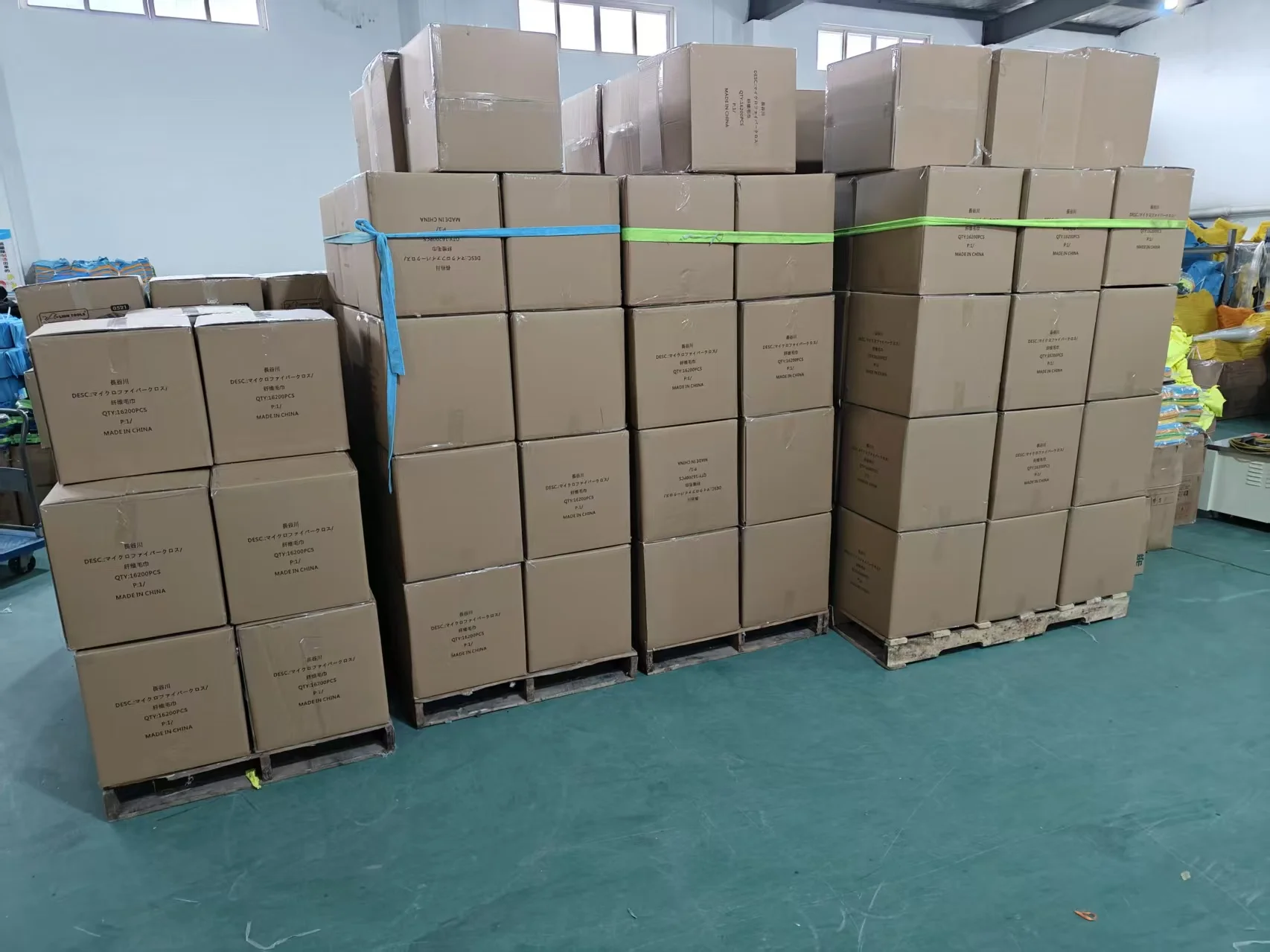
Shijiazhuang Shenpeng Textile Technology Co., Ltd.
- Trading Company
- Hebei, China
- Lead time30 days
- Avg. response≤ 2h
Main productsMicrofiber towel,Towels,Microfiber towels
Main marketsNorth America(35.00%), Western Europe(25.00%), South America(25.00%), Northern Europe(23.00%), Mid East(20.00%), Eastern Europe(15.00%), Southern Europe(10.00%), Eastern Asia(10.00%), Domestic Market(5.00%), South Asia(2.00%)

- Verified by TUVRHEINLAND
- Manufacturer/Factory
- China Beijing
- Lead time23 days
- Avg. response≤ 4h
Main productsHair Towel, Cleaning Cloth, Beach Towel, Microfiber Towel, Sport Towel, Makeup Remover Towel, Bath Towel, Microfiber Cloth, Car Towel, Cashmere Yarn
Main marketsSouth America,Eastern Europe,Mid East,North America,Southeast Asia,Eastern Asia,Oceania,Western Europe,Africa

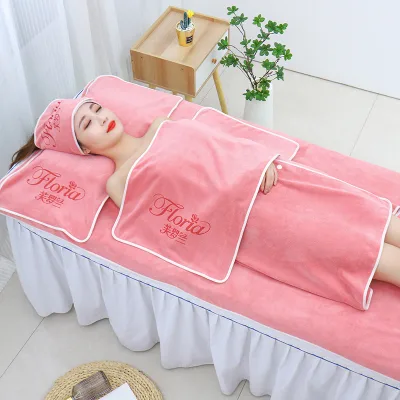
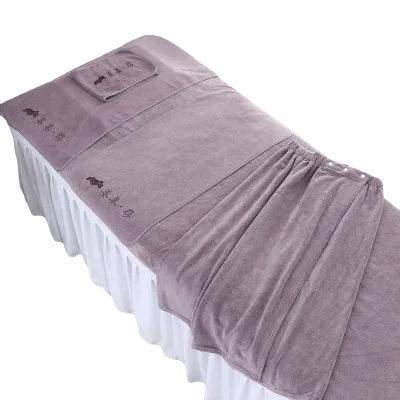
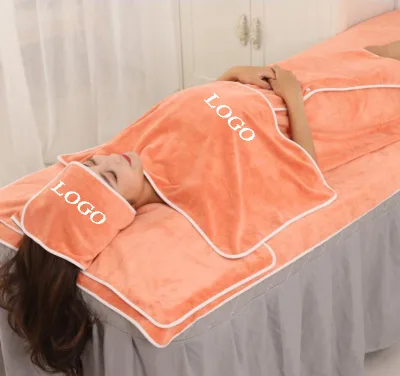
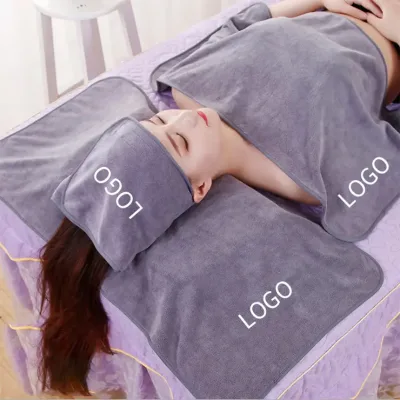
OEM Bath Towel SPA Beauty Salon Towel Set Customized Logo Dyeing Color Coral Fleece Bath Towel Set
$1.00 - $1.70
MOQ: 500 Pieces

$1.23 - $1.69
MOQ: 500 Pieces

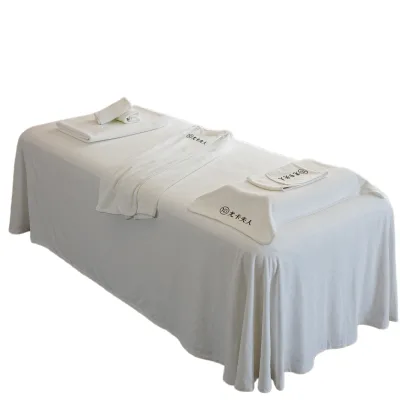
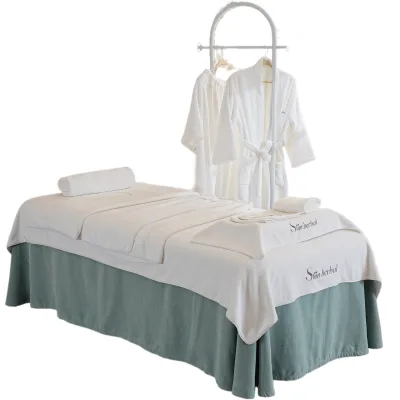
Wholesale Luxury Embroidery Towels Set Hotel SPA Bath Towel Luxury Bath Towels Set
$0.26 - $2.70
MOQ: 500 Pieces
Suzhou Mingcheng Beauty Products Co., Ltd.
- Manufacturer, Trading Company
- Jiangsu, China
- Lead time15 days
- Avg. response≤ 2h
Main productsBeauty Salon bedspread,Massage Bedding Sheet,Bathrobe,Bath Dress,Bath Towel
Main marketsDomestic Market(90.00%), Western Europe(4.00%), North America(3.00%), Southeast Asia(3.00%)

Shanghai Easun Group Imp & Exp Co., Ltd.
- Verified by TUVRHEINLAND
- Trading Company
- China Shanghai
- Lead time15 days
- Avg. response≤ 20h
Main productsBlankets, Home Slippers, Bedding Sets, Towel, Amenity Kits, Airline Supply, Hospital Supply, Hotel Supply, Railway Supply, Pillow&Case
Main marketsAfrica,Southeast Asia/ Mideast,Europe
Nantong Yuanxue Textile Co., Ltd.
- Manufacturer, Trading Company
- Jiangsu, China
- Lead time15 days
- Avg. response≤ 2h
Main productsBedding Set,Bedspread,Quilt,Pillow,Towel
Main marketsDomestic Market(100.00%)
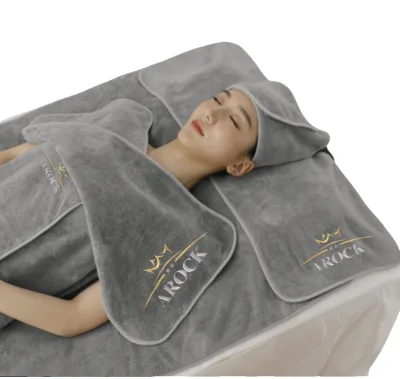
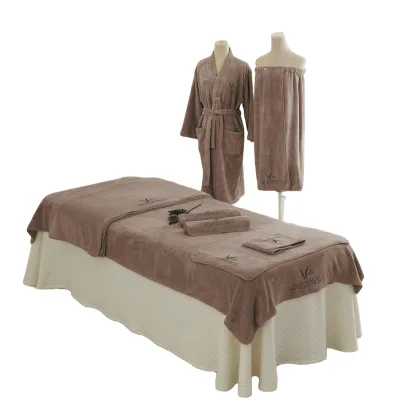
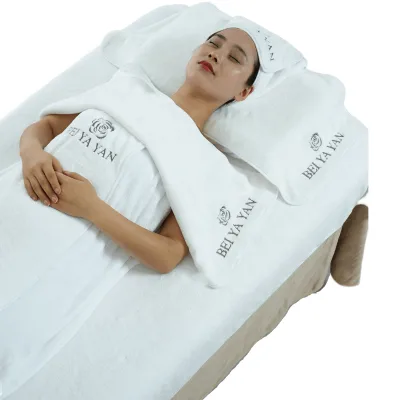
$28.60 - $35.00
MOQ: 20 pieces
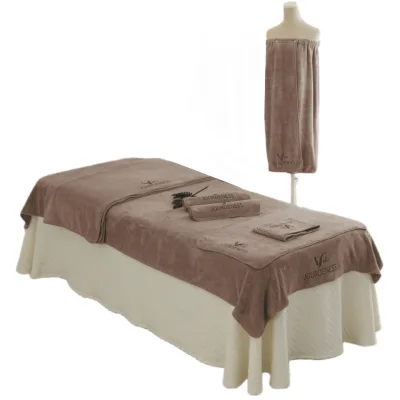
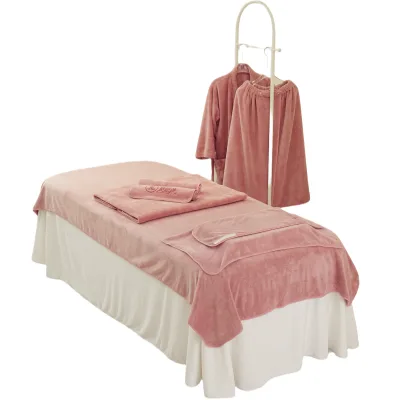
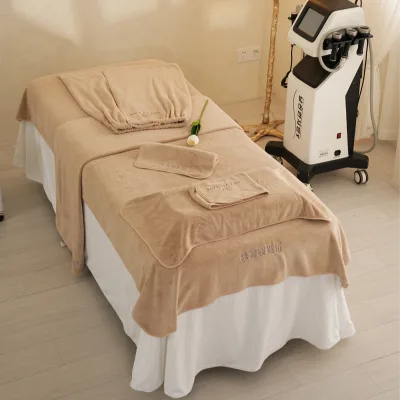
Hebei Duoka Import And Export Trading Co., Ltd.
- Verified by TüVRheinland
- Manufacturer, Trading Company
- Lead time7 days
- Avg. response≤ 3h
Main productsTowel, Cleaning Towel, Bath Towel, Car Towel, Towel Set
Main marketsNorth America(25%), Mid East(25%), Southeast Asia(20%)
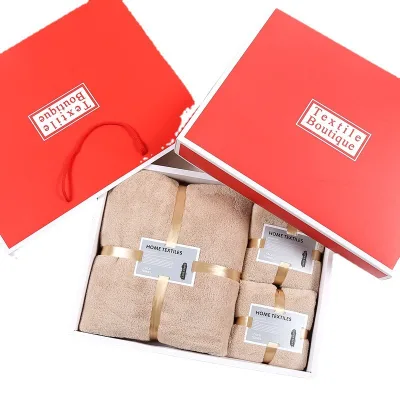
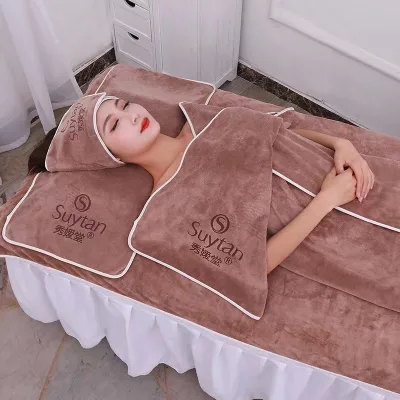
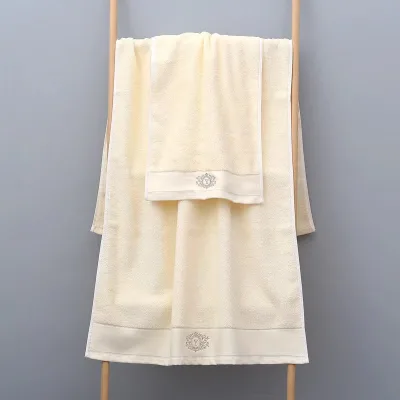
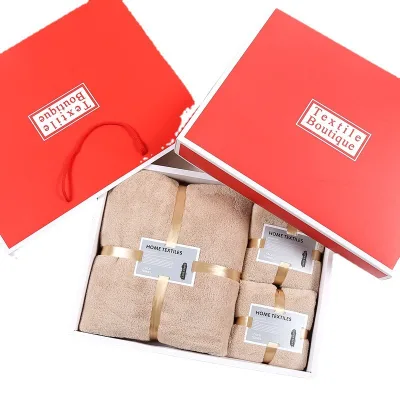
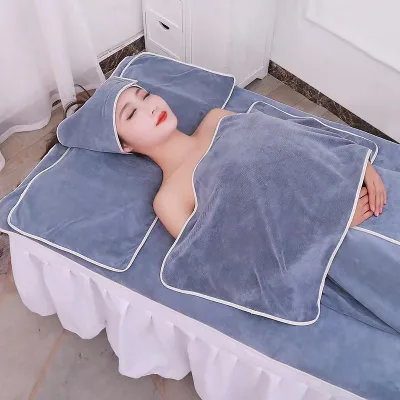
$5.6602 - $9.7754
MOQ: 20 pieces

- Verified by SGS
- Combined
- China Shandong
- Lead time30 days
- Avg. response≤ 9h
Main productsBlanket, Towel, Robe, Sleepbag, Pajama, Babysuit, Bedding, Garments
Main marketsAfrica
Jiangxi Kingyuan Commodity Co., Ltd.
- Verified by SGS Group
- Manufacturer, Trading Company
- Lead time15 days
- Avg. response≤ 3h
Main productsHair Turban, Headbands, Aprons, Bonnets, Shower Caps
Main marketsNorth America(32%), Western Europe(15%), Oceania(10%)
Quzhou Jingyi Trading Co., Ltd.
- Trading Company
- Zhejiang, China
- Lead time7 days
- Avg. response≤ 3h
Main productsmakeup hair bands,bath towel,hair drying towel,hair accessories,Sports headscarf
Main marketsEastern Europe(45.00%), Northern Europe(40.00%), South America(10.00%), Western Europe(10.00%), South Asia(5.00%)
Jiangmen Pengjiang District Pinsheng Business Information Consulting Service Co., Ltd.
- Trading Company
- Guangdong, China
- Lead time0 days
- Avg. response≤ 5h
Main productsheadband,MAKEUP BAG,TANNING,SPA PRODUCTS
Main marketsNorth America(50.00%), Western Europe(20.00%), Oceania(15.00%), Mid East(10.00%), Southeast Asia(5.00%)
Guangzhou Shining Textile Co., Ltd.
- Verified by TüVRheinland
- Manufacturer, Trading Company
- Lead time45 days
- Avg. response≤ 3h
Main productsBedding Set, Home Textile, Pillow & Quilt, Bed Sheet, Towel
Main marketsNorth America(60%), Eastern Europe(10%), Oceania(10%)
Gaoyang Wuzhou Textiles Factory
- Manufacturer, Trading Company
- Hebei, China
- Lead time30 days
- Avg. response≤ 9h
Main productsHot Towel,Hotel Towels,Microfiber Towels,Beach Towels,Promotion Towel
Main marketsDomestic Market(20.00%), Mid East(15.00%), Southern Europe(10.00%), Northern Europe(10.00%), Southeast Asia(10.00%), Eastern Europe(10.00%), Western Europe(9.00%), Africa(8.00%), North America(2.00%), South Asia(2.00%), Central America(1.00%), South America(1.00%), Oceania(1.00%), Eastern Asia(1.00%)
$2.10 - $2.60
MOQ: 1000 pieces

Shanghai Eagle Industry Co., Ltd.
- Verified by SGS
- Trading Company
- China Shanghai
- Lead time15 days
- Avg. response≤ 5h
Main productsGift Set, Shopping Bag, Hand Fan, Shopping Trolley, Notebook, Tumbler, T Shirt, Lanyard, Silicone Wristband, Mug
Main marketsSouth America,Africa,Southeast Asia/ Mideast,Europe,Australia,North America

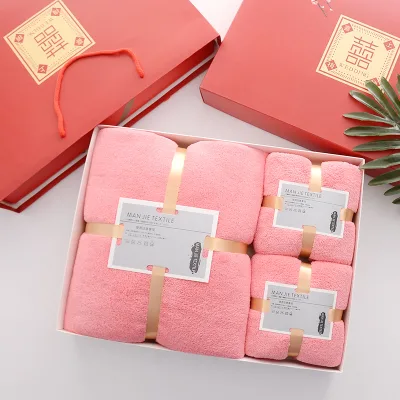
Coral Fleece Towel and Bath Towel Gift Set Absorbent Face Wash and Bath Towel Set
$3.50 - $16.90
MOQ: 100 Pieces

Coral Fleece Bath Towel Set Thick Absorbent Polyester Gift Towel Sets Towel Face Bath Sets
$3.50 - $16.90
MOQ: 100 Pieces

Hebei Baibang Xinhui Knitting Textile Sales Co., Ltd.
- Verified by BV
- Combined
- China Hebei
- Lead time15 days
- Avg. response≤ 2h
Main productsTowel Beach Towel Bath Towel Gym Towel, Customized Towels Microfiber Towel Cotton Towel, Hotel Towels Bathrobe Fitness Towel, Kitchen Towel Car Towel
Main marketsSouth America,Southeast Asia/ Mideast,East Asia(Japan/ South Korea),Europe,North America

Soft Absorbent Bath Towels, Custom Sizes and Colors, Fast-Drying Microfiber Towels Set
$0.80 - $1.50
MOQ: 100 piece

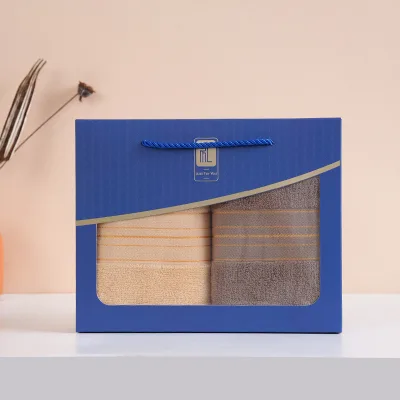
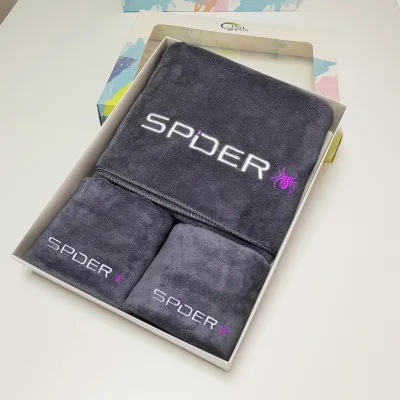
Custom Logo Hotel Grade a SPA Beauty Salon Towel Set Embroidered 100% Cotton Towel Set in Gift Box
$0.60 - $1.20
MOQ: 100 Piece

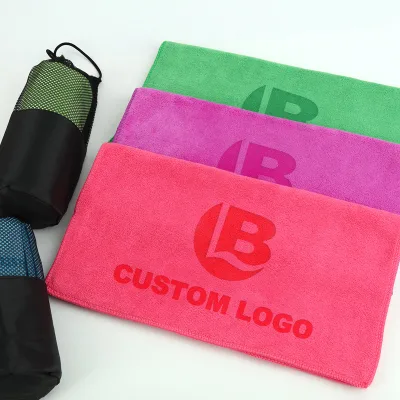
Custom Logo Salon Towel Black Towels Hair Salon Microfiber Hair Drying Towel Beauty Salon Towel
$0.30 - $0.80
MOQ: 100 Piece


Microfiber Towel Set for Bath and Kitchen, Soft and Absorbent, Quick-Drying, Customizable
$0.80 - $1.50
MOQ: 100 piece

Hebei Eastsun International Co., Ltd.
- Verified by TUVRHEINLAND
- Trading Company
- China Hebei
- Lead time15 days
- Avg. response≤ 4h
Main productsMicrofiber Towel, Kitchen Towel, Car Wash Towel, PVA Series, Bath Towel, Beach Towel, Sport Towel, Car Wash Set
Main marketsEurope,North America


Wholesale Customized High Quality Towels Sets SPA 100% Cotton Hotel Bath Towel
$2.90 - $4.30
MOQ: 500 Pieces


Huaian Goodlife Textile Co., Ltd.
- Verified by TUVRHEINLAND
- Combined
- China Jiangsu
- Lead time15 days
- Avg. response≤ 5h
Main productsTowel, Bathrobe, Bedding Set, Pajamas
Main marketsOthers(foreignTradeCapacity.exportBusinessCapacityMarketOther),Europe,North America


Beauty Salon Towels 5 Pieces Set Microfiber Bleach Proof Custom Color Logo
$6.40 - $9.50
MOQ: 50 Pieces


5 Star Hotel Towels Custom Logo Luxury Bathroom Cotton Face Hand Bath Towel Sets
$0.80 - $3.80
MOQ: 100 Pieces


Shijiazhuang Tangju Trading Co., Ltd.
- Verified by SGS
- Combined
- China Hebei
- Lead time23 days
- Avg. response≤ 10h
Main productsMicrofiber Towel, Beach Towel, Suede Towel, Car Wash Towel, Soap
Main marketsSoutheast Asia/ Mideast,Europe,North America


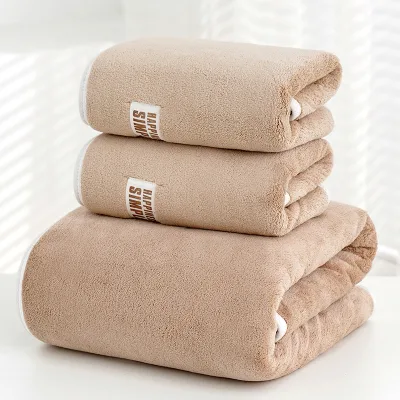
High Quality Bath Towel Set Gift Thick Coral Fleece Soft Absorbent Face Towel Bath Set
$0.90 - $1.30
MOQ: 10 sets
Guangxi Xinbailong Import And Export Trade Co., Ltd.
- Trading Company
- Guangxi, China
- Lead time0 days
- Avg. response≤ 4h
Main productsTowels,Bathrobes,salon towel,Bed sheet,sauna bathrobe
Main marketsNorth America(25.00%), Western Europe(16.00%), Southern Europe(10.00%), Mid East(8.00%), Southeast Asia(8.00%), South America(7.00%), Northern Europe(5.00%), South Asia(5.00%), Eastern Europe(5.00%), Africa(5.00%), Oceania(3.00%), Eastern Asia(3.00%)
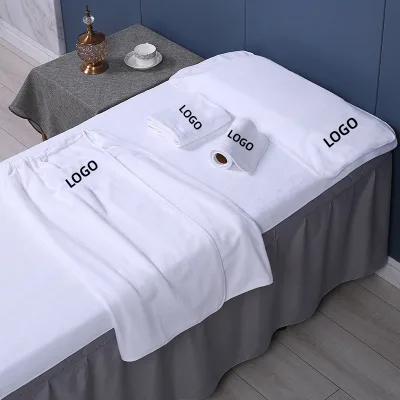
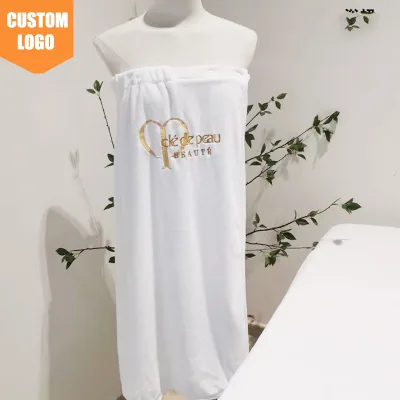
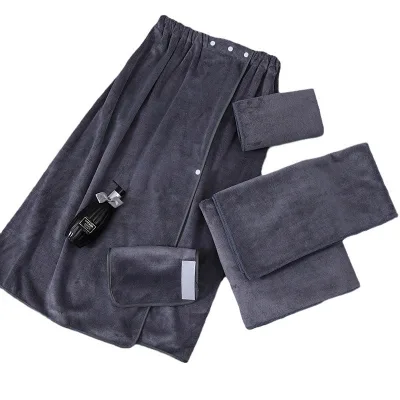
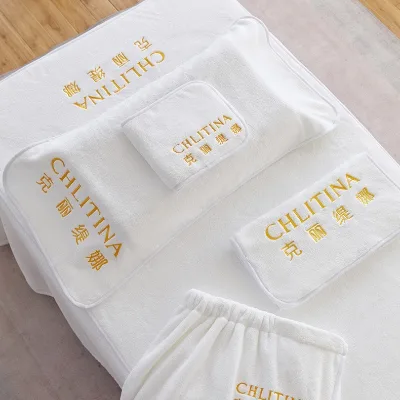
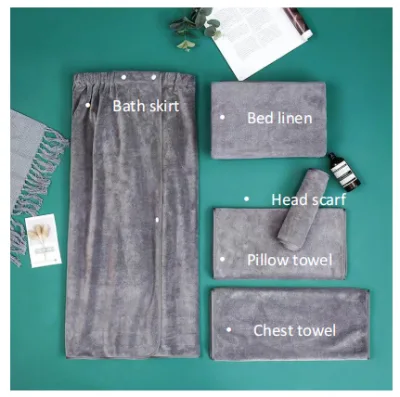
Custom Embroidered Quick-Dry Spa Towel Set Microfiber High Absorbency Hotel Bath Towel EU Certified
$0.8308 - $1.2455
MOQ: 10 pieces
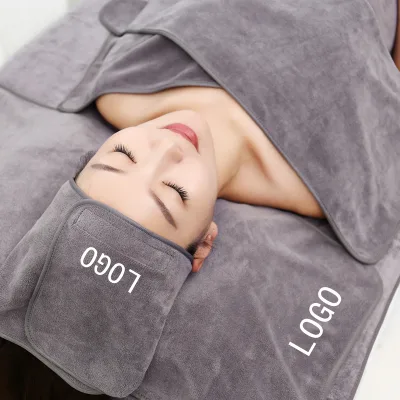

Jinzhou city Jingxin Textile Co., Ltd
- Verified by SGS
- Manufacturer
- China Hebei
- Lead time23 days
- Avg. response≤ 2h
Main productsMicrofiber Towels, Beach Towels, Cleaning Towels, Hajj Towels, Car Wash Towels, Cleaning Cloth, Coral Fleece Towel

Luxury Printed Bath Towel Set - Thick Absorbent Cotton Towels with Modern Prints
$2.32 - $3.02
MOQ: 100 Pieces

Towel Sets Different Sizes Super Absorbent Coral Fleece Towels Manufacturer
$0.45 - $0.80
MOQ: 300 Pieces

Luxurious Soft Custom Print Towel Set for Bath & Pool - Available in Multiple Sizes and Colors
$0.50 - $0.90
MOQ: 1000 Pieces

Hebei Xiang Feng Textile Co., Ltd.
- Manufacturer, Trading Company
- Hebei, China
- Lead time10 days
- Avg. response≤ 1h
Main productsMicrofiber Towel,Bathrobe,Bath Towel,Hair Band,Hair Drying Cap
Main marketsDomestic Market(70.00%), Southeast Asia(15.00%), North America(5.00%), South America(5.00%), Oceania(5.00%)
- Trading Company
- Hebei, China
- Lead time15 days
- Avg. response≤ 1h
Main productsMicrofiber Cleaning Towel,Beach Towel,Sport Towel,Hair towel,Bath Towel
Main marketsNorth America(30.00%), Western Europe(15.00%), Eastern Europe(15.00%), Southern Europe(10.00%), Northern Europe(10.00%), Eastern Asia(10.00%), Southeast Asia(6.00%), Central America(4.00%)
Hebei Baibang Xinhui Knitting Textile Sales Co.,Ltd
- Verified by SGS Group
- Manufacturer, Trading Company
- Lead time0 days
- Avg. response≤ 2h
Main productsBath Towel and Skirt, Car Towel, Custom Towel, Clean Towel, Towel Set
Main marketsNorth America(30%), Southeast Asia(20%), Mid East(10%)
Hebei Jinqinyun Textile Manufacturing Co., Ltd.
- Verified by TüVRheinland
- Manufacturer, Trading Company
- Lead time15 days
- Avg. response≤ 1h
Main productsCartoon Hand Towel, Pure Cotton Towel Set, Hotel Towel, Kitchen Towel, Bathrobe
Main marketsNorth America(30%), Southeast Asia(25%), Domestic Market(20%)

Enping Jiaxin Daily Necessities Co., Ltd.
- Verified by SGS
- Combined
- China Guangdong
- Lead time30 days
- Avg. response≤ 17h
Main productsCotton Pads, Wet Wipes, Dryer Sheet, Compressed Towel, Cleaning Tablet, Color Catcher Washing Sheet, Mouthwash
Main marketsSoutheast Asia/ Mideast,East Asia(Japan/ South Korea),Domestic

Nantong Longdu Home Textile Co., Ltd.
- Verified by CTI
- Combined
- China Jiangsu
- Lead time15 days
- Avg. response≤ 2h
Main productsBeach Towel, Sports Towel, Kitchen Towel, Picnic Mat, Fleece Blanket, Pillow Blanket, Decorative Pillow, Poncho Towel, Blanket Hoodie, Bathrobe
Main marketsSouth America,Africa,Southeast Asia/ Mideast,East Asia(Japan/ South Korea),Domestic,Europe,Australia,North America

Hotel Grade Microfiber Beach Towel Set Thick Striped Strong Absorbent Quick-Drying
$2.78 - $6.87
MOQ: 100 Pieces

Design Color Quick Dry Women's 4-in-1 Microfiber Bath Towel Set for Shower
$1.88 - $5.88
MOQ: 100 Pieces

Wholesale Custom Logo Multi Color Ultra Absorbent Microfiber Bath Towel Set
$1.98 - $5.98
MOQ: 100 Pieces


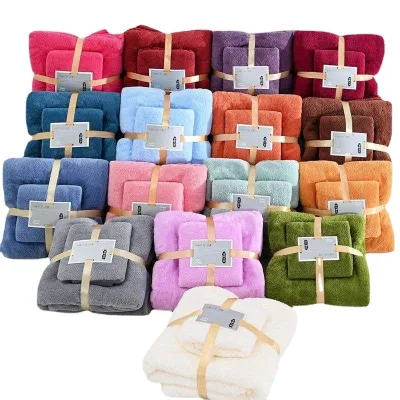
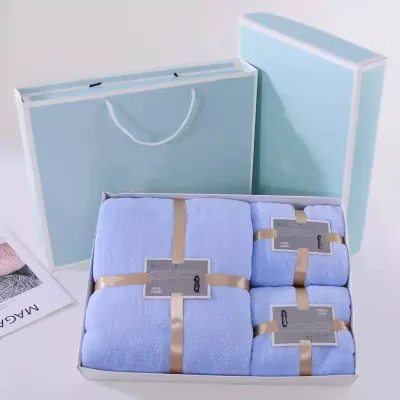
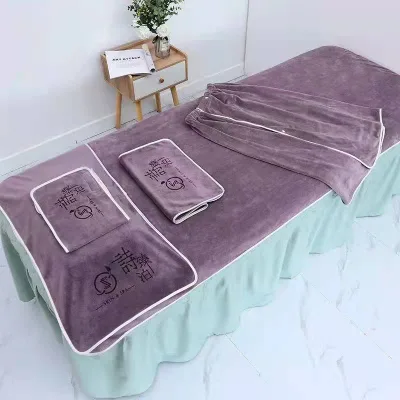
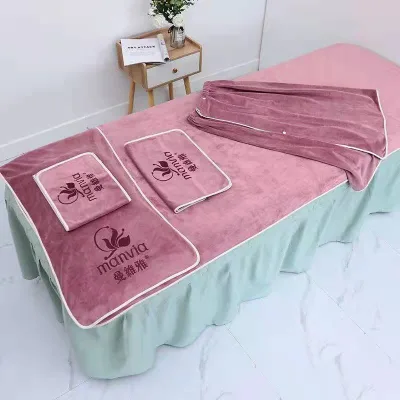
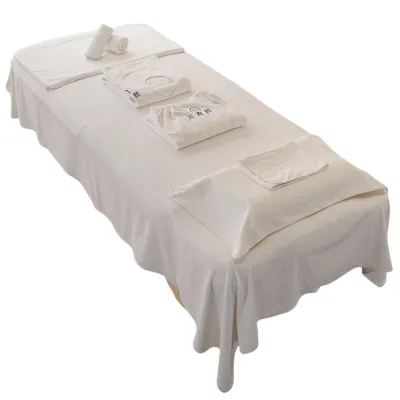
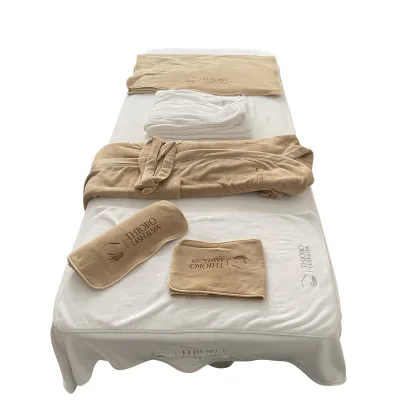
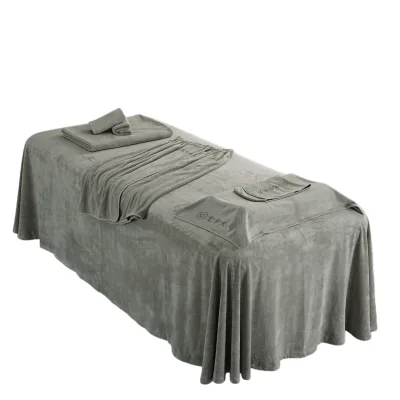
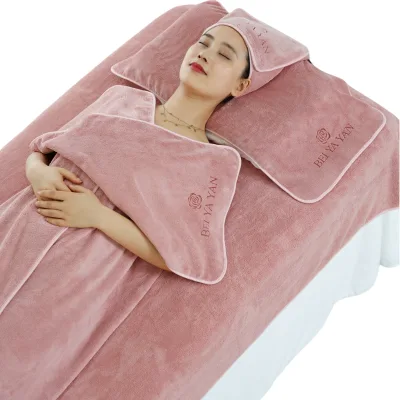




Comprehensive Sourcing Guide
Reactive Printing Salon Towel Set Supplier Concentration and Factory Types
The current supplier landscape for reactive printing salon towel sets shows a concentration of manufacturers and trading companies based in China, specifically within the Shanghai region. This geographic clustering suggests a mature textile ecosystem where raw material access and specialized printing capabilities are readily available. While specific factory counts fluctuate, the presence of entities in this area indicates a hub for home textiles and bath products. Buyers should verify if a supplier's physical address aligns with this known cluster, as proximity to established textile zones often correlates with supply chain efficiency. The data indicates that many listed entities operate as trading companies rather than direct manufacturers, which can influence pricing structures and communication flows.
When evaluating the type of entity, it is crucial to distinguish between trading companies and factories with their own production lines. Some suppliers in the results list capabilities such as ODM, OEM, and own brand development, which implies a level of manufacturing control or close partnership with factories. However, the classification as a trading company suggests they may source from multiple workshops. Buyers must confirm whether the supplier manages the reactive printing process in-house or outsources it. This distinction affects quality control and the ability to customize designs. Understanding the company type helps in setting realistic expectations for lead times and the flexibility of the supply chain during peak seasons.
How to Verify Reactive Printing Salon Towel Set Suppliers
Verification of suppliers for reactive printing salon towel sets requires a multi-layered approach to ensure legitimacy and capability. The available data indicates that some suppliers hold TUVRHEINLAND verification status, which serves as a third-party validation of their business credentials. Buyers should prioritize suppliers with such independent verification to mitigate the risk of fraud. It is essential to request current certification documents directly from the supplier, as the presence of a verification badge on a platform does not guarantee ongoing compliance with specific textile standards. Always cross-reference the verification status with the supplier's provided business license to ensure the entity is active and legally registered.
Beyond basic verification, assessing the supplier's response time and product evidence is critical for reliability. The observed response times in the dataset range around 3 to 3.12 hours, which indicates a generally responsive market, but this can vary by individual supplier. Buyers should test communication channels before placing orders to gauge actual responsiveness. Additionally, reviewing detailed product attributes such as material composition, GSM weight, and pattern details provides insight into the supplier's attention to detail. For reactive printing, confirming the specific yarn counts and dyeing processes mentioned in product specifications is necessary. If a supplier cannot provide clear evidence of their production capabilities or fails to respond within a reasonable timeframe, it is a strong indicator to seek alternative partners.
What to Compare Across Reactive Printing Salon Towel Set Suppliers
Comparing suppliers requires a systematic analysis of key operational metrics including lead times, minimum order quantities, and pricing structures. The data reveals a wide range of lead times, with some suppliers offering 15 days for standard orders, while others have complex schedules dependent on order volume and seasonality. For instance, peak seasons may extend lead times significantly compared to off-peak periods. Buyers must explicitly ask for current lead time estimates based on their specific order volume to avoid production delays. Similarly, minimum order quantities vary, with some suppliers requiring as few as 50 pieces while others set the bar at 100. Understanding these thresholds is vital for budgeting and inventory planning, especially for smaller boutique salons or hotels.
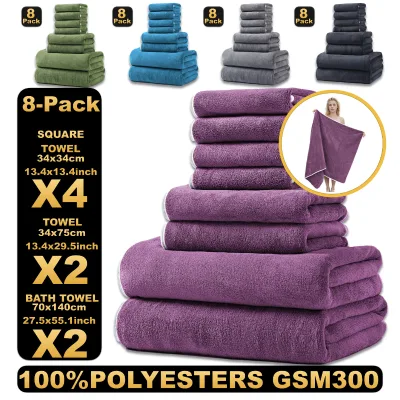
Pricing and product specifications are equally important factors in the comparison process. The observed price ranges for towel sets span from approximately $0.10 to $6.50 per unit, reflecting differences in material quality, GSM weight, and customization levels. Suppliers offering 100% cotton options with higher GSM weights, such as 500 to 600 GSM, typically command higher prices than those with lower weights or blended materials. Buyers should compare the specific attributes listed, such as absorbency levels, border styles, and available patterns, to ensure the product meets their quality standards. It is also necessary to verify if the quoted price includes packaging and shipping costs, as these can vary significantly between trading companies and direct factories.
Common Reactive Printing Salon Towel Set Sourcing Risks
One of the primary risks in sourcing reactive printing salon towel sets is the potential discrepancy between advertised specifications and actual product quality. While product evidence lists attributes like "Quick-Dry" or "Super Absorbent," these claims must be validated through physical samples before mass production. The absence of specific system certifications for some suppliers in the data highlights the need for buyers to request independent test reports for colorfastness and shrinkage, which are critical for reactive printing. Without these tests, there is a risk of receiving towels that fade or shrink after the first wash, damaging the reputation of the salon or hotel using them.
Another significant risk involves supply chain transparency and the reliability of the supplier's production capacity. Some suppliers list complex lead time formulas based on order volume, which can lead to misunderstandings if not clearly defined in the contract. The variation in company types, with many operating as trading companies, introduces a layer of separation between the buyer and the actual factory. This can obscure the true source of production and make it difficult to enforce quality standards or resolve disputes. Buyers should insist on clear communication channels with the production team and verify the supplier's ability to handle rush orders or volume spikes without compromising quality or delivery schedules.
Reactive Printing Salon Towel Set Regional Sourcing and Logistics
Regional sourcing for reactive printing salon towel sets is heavily concentrated in China, with Shanghai and Jiangsu emerging as key production hubs. The product evidence indicates origins in Jiangsu, a province known for its robust textile industry, while the company location is often cited as Shanghai. This geographic concentration offers logistical advantages, such as access to major ports and established shipping routes. However, buyers must verify the specific port of loading and the supplier's experience with international freight to ensure smooth transit. Understanding the regional logistics network helps in estimating accurate shipping costs and delivery timelines, which are crucial for maintaining inventory levels.
Logistics planning should also account for the specific packaging requirements of towel sets to prevent damage during transit. The data shows that products are often packed in waterproof polybags, which is a standard practice for protecting textiles from moisture. Buyers should confirm if the packaging meets their specific branding needs or if additional outer cartons are required for retail display. Furthermore, the choice of shipping method, whether sea, air, or express, will impact both cost and speed. For large orders, sea freight is typically the most economical, while express shipping may be necessary for urgent restocking. Evaluating the supplier's shipping options and their ability to coordinate with freight forwarders is essential for a seamless supply chain.
Reactive Printing Salon Towel Set Commercial Terms and Order Planning
Commercial terms for reactive printing salon towel sets often include specific conditions regarding samples, payment, and order customization. The available data indicates that samples are generally available with a lead time of 3 to 5 working days, allowing buyers to assess quality before committing to large orders. Buyers should clarify the cost of samples and whether these costs are deductible from the final order value. Additionally, customization options such as embroidery, logo printing, and specific GSM weights are widely available, but these may incur additional fees or extend lead times. Clear communication of these requirements in the initial inquiry is necessary to avoid misunderstandings and ensure the final product matches expectations.
Order planning must also consider the flexibility of the supplier regarding volume and seasonality. The data suggests that lead times can vary significantly based on the order size, with larger volumes potentially requiring more time during peak seasons. Buyers should plan their orders well in advance, accounting for potential delays and the supplier's production capacity. It is also important to negotiate terms for partial shipments or staggered deliveries if the order volume exceeds the supplier's immediate capacity. Establishing a clear timeline and maintaining regular communication throughout the production process will help mitigate risks and ensure timely delivery of the reactive printing salon towel sets.
FAQs
What is the typical lead time for reactive printing salon towel sets?
Lead times vary by order volume and season. For small orders under 200 pieces, production takes about 7 days. Medium orders between 201 and 1000 pieces require 14 days. Larger batches over 1000 pieces take 20 days, while quantities exceeding 3000 require negotiation. Peak seasons may extend these timelines slightly.
What is the minimum order quantity for custom hotel towel sets?
The minimum order quantity is typically 50 pieces for standard face towels. For complete bath towel sets or custom printed designs, the MOQ is usually 100 pieces. Buyers should verify specific requirements with suppliers, as some may offer lower thresholds for sample orders or standard white cotton items without complex embroidery.
Are samples available for reactive printing salon towel sets before bulk production?
Yes, samples are generally available for quality verification. The sample preparation time is typically 3 to 5 working days. Buyers can request samples to check material weight, absorbency, and print quality before committing to larger orders. Sample costs may apply but are often credited against bulk purchases.
What materials are commonly used for hotel and spa towel sets?
Most suppliers offer 100% cotton towels, including varieties like 16s, 21s, and 32s yarn counts. Weight options range from 400 GSM to 680 GSM, with 500 GSM being common for standard sets. Some suppliers also provide coral fleece or microfiber options for quick-dry applications, though cotton remains the primary choice for luxury hotels.
What certifications do these towel suppliers hold?
System certifications are listed as NIL for the current results. However, suppliers are verified by TÜV Rheinland. Buyers should request specific product test reports for safety standards or environmental compliance directly from the manufacturer, as these are not explicitly stated in the general supplier profile data provided.
What is the price range for wholesale cotton hotel towel sets?
Prices vary significantly based on GSM, size, and customization. Basic face towels can start around $0.10 per piece. Complete bath towel sets with embroidery or custom printing typically range from $0.33 to $6.50 per set. Higher GSM weights and complex designs will push prices toward the upper end of this range.