Rear Hub Motor Electric Scooter Suppliers and Manufacturers
Explore 16 verified suppliers offering Rear Hub Motor Electric Scooter options with varying lead times, certifications, and response speeds. Buyers can compare locations in China, product specifications like battery type and frame material, and pricing details to source effectively; review the available evidence before requesting comparable quotations from suitable candidates.
Suppliers List

Wuxi Eternal Bliss Alloy Casting & Forging Co., Ltd.
- Verified by BV
- Trading Company
- China Jiangsu
- Lead time23 days
- Avg. response≤ 3h
Main productsCasting, Forging, Machine, Aluminium Casting, Cobalt Casting, Bronze Casting
Main marketsSouth America,Africa,Southeast Asia/ Mideast,East Asia(Japan/ South Korea),Domestic,Europe,Australia,North America

Wuxi Leo New Energy Vehicle Co., Ltd.
- Verified by BV
- Trading Company
- China Jiangsu
- Lead time15 days
- Avg. response≤ 21h
Main productsElectric Car, Electric Bike, Mobility Scooter, Electric Tricycle
Main marketsNorth America

Four Wheel Electric Scooter with 360W Hub Motor 12ah Lead Acid Battery
$380.00 - $390.00
MOQ: 10 Pieces


13 Inch 6000W Front and Rear Dual Motor Electric Scooter Equipped with 20ah 40ah Battery
$880.00 - $920.00
MOQ: 1 Pieces

$650.00 - $699.00
MOQ: 10 Pieces
Anhui Hongjian Electronic Technology Co., Ltd.
- Verified by CTI
- Combined
- China Anhui
- Lead time15 days
- Avg. response≤ 3h
Main marketsAfrica,Southeast Asia/ Mideast,Domestic,Europe

Rear Wheel Hub Motor Foldable E-Scooter Spare Part Electric Scooter Motor
$40.42 - $43.51
MOQ: 50 Pieces

10 Inch 48V 500W Hub Motor Disc Brake Replacement Electric Scooter Motor
$31.84 - $33.94
MOQ: 2 Pieces

Wuxi Shilu Electric Technology Co., Ltd
- Verified by SGS
- Trading Company
- China Jiangsu
- Lead time15 days
- Avg. response≤ 4h
Main productsElectric Scooter, Electric Motorcycle, Electric Bike, Electric Moped, Adult Electric Scooter, Electric Scooter Bike, 2000W Electric Motorcycle, Adult Electric Motorcycle, Wholesale Electric Scooter, Electric Scooter for Adults
Main marketsAfrica,Southeast Asia/ Mideast,Europe


2000W Two-Wheel Electric Scooter China Factory Motor Hub with Disc E Moped for Adults
$375.00 - $575.00
MOQ: 50


Powerful Electric Motor for Strong Acceleration Electric Scooter for City Commuter
$357.00 - $547.00
MOQ: 50 Pieces

WUXI Z-MOTOS VEHICLE CO., LTD.
- Combined
- China Jiangsu
- Lead time30 days
- Avg. response≤ 7h
Main productsMotorcycle, Scooter, Electric Scooter, Electric Motorcycle, Racing Motorcycle, Sport Motorcycle, Motorbike, Gas Scooter, Tricycle, E-Bike
Main marketsSouth America,Southeast Asia/ Mideast,Europe

Electric Scooter with 800W-2000W 10 Inch Hub Motor
MOQ: 26 Pieces

EEC Certified Electric Scooter with 800W Motor
MOQ: 40 Pieces


- Verified by SGS
- Manufacturer/Factory
- China Jiangsu
- Lead time30 days
- Avg. response≤ 9h
Main productsElectric Tricycle, Electric Scooter, Electric Bike, Electric Motorcycle, Electric Vehicle, Electric Scooter Spare Parts, Electric Bike Spare Parts, Vehicle, Scooter, Lithium Battery
Main marketsSouth America,Eastern Europe,North America,Western Europe,Africa


Adult Electric Scooter 48V 500W Hub Motor Front and Rear Shock Absorption Commute.
$386.00 - $396.00
MOQ: 26 Pieces


Yiwu Yiyao Car Industry Co., Ltd.
- Verified by SGS
- Manufacturer
- China Zhejiang
- Lead time15 days
- Avg. response≤ 8h
Main productsElectric Scooter

Taizhou Zhongneng Import & Export Co., Ltd.
- Verified by TUVRHEINLAND
- Combined
- China Zhejiang
- Lead time30 days
- Avg. response≤ 5h
Main productsScooter, Electric Scooter, E-Scooter, Gas Scooter, Motorcycle
Main marketsSouth America,Africa,North America

2000W Peak Power Foldable Electric Scooter 48V 1200W Hub Motor E-Scooter
$1000.00 - $1500.00
MOQ: 30 Vehicle

Removable Battery Electric Scooter 2000W Motor Hub Motor E-Scooter for City Use
$1000.00 - $1500.00
MOQ: 30 Vehicle


WUYI QIDE INDUSTRY AND TRADE CO., LTD.
- Verified by CTI
- Trading Company
- China Zhejiang
- Lead time30 days
- Avg. response≤ 5h
Main productsDirt Bike, ATV, Quad, Pocket Bike, Go Kart, Chopper, Scooter, Electric Bike, Mini Bike, Motorcycle
Main marketsSoutheast Asia/ Mideast,North America

Shandong Jingpin Electric Vehicle Technology Co., Ltd.
- Verified by TUVRHEINLAND
- Combined
- China Shandong
- Lead time15 days
- Avg. response≤ 3h
Main productsElectric Bicycle, Electric Tricycle, Electric Scooter
Main marketsDomestic


2026 Classic Electric Scooter with Powered Aluminum Frame 3 Speed Front Hub Motor
$150.00 - $160.00
MOQ: 100 Sets


Linyi Youyuan Vehicle Industry Co., Ltd.
- Verified by BV
- Combined
- China Shandong
- Lead time30 days
- Avg. response≤ 4h
Main marketsDomestic

WUXI SHENYUN TECHNOLOGY DEVELOPMENT CO., LTD.
- Verified by TUVRHEINLAND
- Combined
- China Jiangsu
- Lead time30 days
- Avg. response≤ 10h
Main productsElectric Scooter, Electric Motorcycle
Main marketsSouth America,Southeast Asia/ Mideast,Europe

Shanghai Lannmarker Industrial Co., Ltd.
- Verified by TUVRHEINLAND
- Manufacturer/Factory
- China Shanghai
- Lead time15 days
- Avg. response≤ 3h
Main productsElectric Scooter, Electric Bike, Rice Transplanter, ATV/UTV, Motorcycle, Golf Cart, Plastic Bathtub
Main marketsSouth America,Eastern Europe,Mid East,North America,Southeast Asia,Eastern Asia,Oceania,Western Europe,Africa

Wuxi Shengbao Vehicle Manufacturing Co., Ltd.
- Combined
- China Jiangsu
- Lead time30 days
- Avg. response≤ 17h
Main productsScooter, E-Bike, Electric Bicycle, Electric Motorcycle, E-Scooter, Electric Scooter, Electric Bike, Electric Vehicle, Electric Tricycle, Balance Scooter
Main marketsSouth America,Southeast Asia/ Mideast,Domestic,Europe

2024 Euro 5 2400W 60km/H Front/Rear Disk Brake Electric Fashion Design Scooter
$291.00 - $316.00
MOQ: 10 Pieces


Foshan Lianghe Motorcycle Co., Ltd
- Verified by TUVRHEINLAND
- Combined
- China Guangdong
- Lead time30 days
- Avg. response≤ 25h
Main productsMotorcycle
Main marketsDomestic

Steel Motor Scooter with High Speed Capability and Smooth Acceleration
$428.00 - $1000.00
MOQ: 1 Pieces


Guangdong Futengda Technology Co., Ltd.
- Verified by TüVRheinland
- Manufacturer, Trading Company
- Lead time20 days
- Avg. response≤ 2h
Main productsElectric Bicycle, Electric Motorcycle, Electric Scooter, Electric Moped, Electric Tricycle
Main marketsSouth America(40%), Eastern Europe(20%), North America(15%)
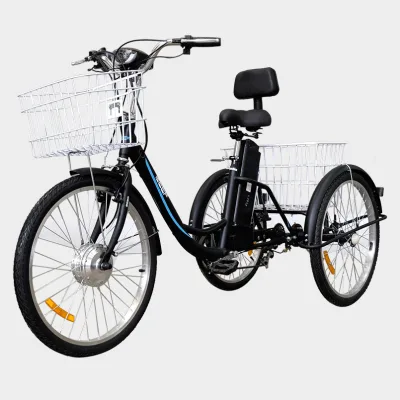
Foldable Ebike Trike Three Wheel Electric Scooter Foldable Tricycle
$340.00 - $350.00
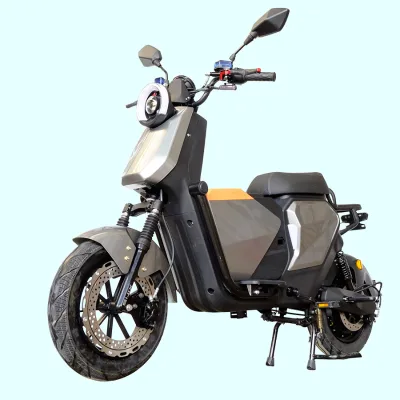
Scooteur Rear Carrier Model 2023 E Bike Motorcycle Disc Brake
$700.00 - $744.00


Comprehensive Sourcing Guide
Rear Hub Motor Electric Scooter Supplier Concentration and Factory Types
Current search results indicate a concentration of suppliers located in China Jiangsu and China Anhui, suggesting these regions serve as primary manufacturing clusters for rear hub motor electric scooters. Factories in these areas often specialize in casting, forging, and machine processing, which are essential for producing the aluminum alloy and steel frames found in these vehicles. Some suppliers operate as trading companies, while others function as combined entities with in-house capabilities. This mix allows buyers to access both direct manufacturing and broader product ranges, including electric cars and mobility scooters alongside the specific rear hub motor units.
When evaluating factory types, buyers should distinguish between pure trading companies and those with combined operational models. A combined supplier may offer ODM services and maintain an own brand, indicating deeper engineering involvement in the rear hub motor design. In contrast, trading companies might aggregate products from various factories, potentially offering a wider selection of models like the 2000W-3000W hub motor electric motorcycle or the 360W four-wheel scooter. Buyers must verify if the supplier's main products align with their specific needs, as some focus on casting and forging while others prioritize complete vehicle assembly.
How to Verify Rear Hub Motor Electric Scooter Suppliers
Verification is a critical step when sourcing rear hub motor electric scooters, as not all suppliers carry the same level of third-party validation. Available data shows some suppliers hold BV verification status, while others are verified by CTI. These certifications provide a baseline of trust regarding the supplier's business legitimacy and operational stability. Buyers should prioritize suppliers with active verification badges, as this indicates a commitment to meeting international standards for business practices and product quality. However, the absence of a specific badge does not automatically disqualify a supplier, but it does require more rigorous due diligence.
Beyond verification badges, buyers must examine the specific certifications attached to the products themselves. Product evidence reveals that many rear hub motor scooters carry CE, EEC, ENISOEPA, and COC certifications, which are essential for market access in various regions. Some models specifically list EEC or CE compliance, while others may lack detailed certification data in the initial listing. Buyers should request full certification documents to ensure the rear hub motor and battery systems meet safety standards for their target market. Additionally, checking for system certifications like ODM capabilities or own-brand ownership can reveal the supplier's capacity for customization and long-term partnership potential.
What to Compare Across Rear Hub Motor Electric Scooter Suppliers
Comparing suppliers requires a detailed analysis of key operational metrics such as lead time, minimum order quantity, and response speed. Current data indicates response times ranging from approximately 2.45 to 20.11 hours, which can significantly impact project timelines. Lead times also vary, with some suppliers offering 15-day delivery windows while others require 23 days. Buyers should prioritize suppliers with faster response times and shorter lead times to ensure agility in their supply chain. However, these metrics must be balanced against the supplier's capacity to handle custom orders and maintain quality control during production.
Price and minimum order quantity (MOQ) are equally critical factors in the comparison process. Product listings show prices ranging from $175 to $920, with MOQs varying from single units to ten units. Some suppliers offer flexible MOQs of one, which is ideal for testing new designs or small-scale distribution, while others require higher volumes. Buyers should also compare the specific attributes of the rear hub motor, such as power output, battery type, and frame material. For instance, some models feature lithium batteries with ranges of 31-60km, while others use storage batteries or lead-acid options. These technical differences directly influence the total cost of ownership and the suitability of the product for specific use cases.
Common Rear Hub Motor Electric Scooter Sourcing Risks
One significant risk in sourcing rear hub motor electric scooters is the variability in product specifications and quality consistency across different suppliers. While some listings provide detailed attributes like frame material, battery type, and wheel size, others may lack comprehensive data. For example, one model specifies an aluminum alloy frame with a lithium battery, while another lists a steel frame with a storage battery. This inconsistency can lead to confusion regarding performance expectations and durability. Buyers must ensure that the specific rear hub motor configuration matches their requirements, as variations in motor power, such as 351-500W versus 6000W dual motors, drastically affect speed and range capabilities.
Another risk involves the reliability of shipping and logistics, particularly when dealing with suppliers offering different modes of transport. Some product evidence indicates DDP (Delivered Duty Paid) options, while others do not specify the shipping method. This ambiguity can lead to unexpected costs and delays at the destination port. Additionally, the lack of standardized packaging dimensions across different models can complicate freight planning. Buyers should verify the packing details, such as carton packaging dimensions, to ensure efficient container loading. Without clear logistics terms, the risk of supply chain disruptions increases, potentially affecting the overall profitability of the sourcing project.
Rear Hub Motor Electric Scooter Regional Sourcing and Logistics
Regional sourcing strategies should focus on the identified manufacturing hubs in China Jiangsu and China Anhui, where a significant number of suppliers are concentrated. These regions offer established infrastructure for casting, forging, and machine processing, which are vital for producing high-quality rear hub motor components. Buyers should consider the proximity of these factories to major ports to minimize inland transportation costs and lead times. However, if a supplier is located in a less accessible area, buyers must factor in additional logistics expenses and potential delays. Understanding the geographic distribution of suppliers helps in selecting partners that align with the buyer's logistical constraints and delivery schedules.
Logistics planning must also account for the specific dimensions and weight of the rear hub motor electric scooters. Product data shows varying standard sizes, such as 18603601020MM for one model and 1186290cm for another. These dimensions directly impact the number of units that can be loaded into a shipping container, affecting the overall freight cost per unit. Buyers should request precise packing dimensions and weight data from suppliers to optimize container utilization. Furthermore, the choice of packaging, whether standard carton or specialized protective packaging, can influence the condition of the goods upon arrival. Proper logistics planning ensures that the rear hub motor scooters arrive safely and on time, minimizing the risk of damage and associated costs.
Rear Hub Motor Electric Scooter Commercial Terms and Order Planning
Commercial terms for rear hub motor electric scooters often include customization options, warranty periods, and specific payment conditions. Many suppliers indicate that customization is available, allowing buyers to tailor the motor power, battery capacity, and frame material to their specific needs. Warranty terms vary, with some suppliers offering a one-year warranty for main parts, which provides a safety net for potential defects. Buyers should clarify the scope of the warranty and the process for claiming repairs or replacements before finalizing an order. Additionally, understanding the customization lead time is crucial, as it may extend the overall production schedule beyond the standard lead time.
Order planning should begin with a clear definition of the required specifications and a realistic assessment of the supplier's capacity. Buyers must verify the supplier's ability to meet the desired production volume within the agreed timeframe, considering factors like response time and lead time. For instance, a supplier with a 23-day lead time may not be suitable for urgent orders, whereas one with a 15-day lead time might be more appropriate. Buyers should also consider the MOQ requirements, as some suppliers allow orders as low as one unit, while others require ten units. By aligning order quantities with production capabilities and commercial terms, buyers can mitigate risks and ensure a smooth procurement process for rear hub motor electric scooters.
FAQs
What certifications do the electric scooters have?
Available certifications include CE, EEC, ENISOEPA, and COC depending on the specific model selected. Some units also carry EEC certification for European markets. Buyers should verify the exact certification list for their target region before placing an order to ensure compliance with local regulations.
What is the minimum order quantity for these scooters?
Minimum order quantities vary by product, ranging from one unit for certain models to ten units for others. Some listings allow single item purchases while others require bulk orders. Please check the specific product page to confirm the exact MOQ applicable to your chosen model.
How long does it take to receive the goods?
Lead times observed in the current results range from fifteen to twenty-three days for production and delivery. Specific timelines depend on the supplier location and order volume. Buyers should confirm the exact delivery schedule with the supplier before finalizing the purchase agreement.
Are customization options available for these electric scooters?
Customization is available for many of the listed electric scooter models. Suppliers offer options to modify frame materials, battery types, and motor specifications. Buyers can request specific changes to meet their unique requirements or branding needs directly through the supplier contact channels.
What is the typical response time for suppliers?
Supplier response times in the current results vary between approximately two and twenty days. Faster responses are noted for some trading companies while others may take longer. Buyers should expect varying reply speeds and may need to follow up to ensure timely communication regarding their inquiries.
What battery types are used in these scooters?
Available battery types include Lithium Battery and Storage Battery depending on the specific model configuration. Some units feature 12ah lead acid batteries while others utilize higher capacity lithium options. The choice affects range and charging time, so select based on your specific usage requirements.
Where are these electric scooters manufactured?
Manufacturing locations identified in the results include Jiangsu and Anhui provinces in China. Specific product origins are listed as China or Jang Su for certain models. Buyers should verify the exact production site for each item to understand logistics and potential shipping costs involved in the transaction.