Rear Bumper Diffuser Suppliers and Manufacturers in China
Compare 22 Rear Bumper Diffuser suppliers by location, response time, lead time, and certifications. Review product specs like material and MOQ before contacting factories in Shanghai or Guangdong for quotes; review the available evidence before requesting comparable quotations from suitable candidates.
Updated
Suppliers List

Shanghai Anma Industry Co., Ltd.
- Trading Company
- China Shanghai
- Lead time30 days
- Avg. response≤ 6h
Main productsCar Accessories, Car Spare Parts, Car Tools, Car Interior Accessories, Car Exterior Accessories, Car Electrical Accessories, Car Lights, Car Mirror, Car Emergency Kits, Car Care Products
Main marketsSouth America,Others(foreignTradeCapacity.exportBusinessCapacityMarketOther),Southeast Asia/ Mideast,Europe,North America
Dongguan Pinhong Plastic Products Co., Ltd.
- Manufacturer
- Guangdong, China
- Lead time15 days
- Avg. response≤ 2h
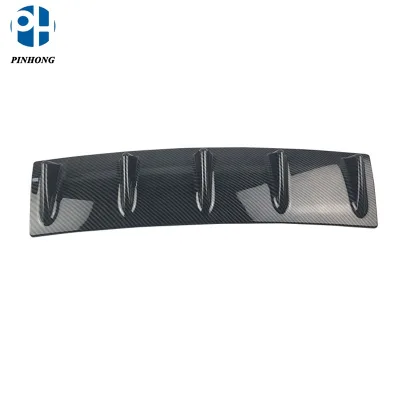
Main productsCar accessories,Auto accessories,Plastic strip,Rubber edge trim,Car lip spoiler
Main marketsMid East(10.00%), North America(8.00%), Southeast Asia(6.00%), Africa(5.00%), South America(5.00%), South Asia(3.00%), Oceania(2.00%), Southern Europe(2.00%), Northern Europe(2.00%), Central America(2.00%), Western Europe(2.00%), Eastern Europe(2.00%), Domestic Market(1.00%)

Shanghai Huaqi Industrial Co., Ltd.
- Verified by TUVRHEINLAND
- Trading Company
- China Shanghai
- Lead time15 days
- Avg. response≤ 5h
Main productsCar Mats, Seat Cover, Car Cover, Wiper Blade, Air Compressor, Steering Wheel Cover, Car Lock, Baby Mirror, Car Jack, Racing Seat
Main marketsSouth America,Africa,Southeast Asia/ Mideast,Europe,Australia,North America
Guangzhou Youtai Car Accessories Co., Ltd.
- Trading Company
- Guangdong, China
- Lead time7 days
- Avg. response≤ 2h
Main productsJDM Racing Backpack,JDM Racing Wallet,Rubber Lip,Steering Wheel,Gear Shift Knob
Main marketsDomestic Market(25.00%), South America(17.00%), North America(15.00%), Oceania(10.00%), Southeast Asia(10.00%), Western Europe(5.00%), Mid East(5.00%), Eastern Europe(5.00%), Northern Europe(3.00%), Africa(3.00%), Eastern Asia(2.00%)
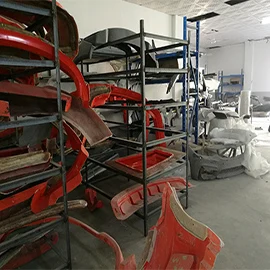
Guangzhou Art Tuning Auto Parts Co., Ltd.
- Manufacturer, Trading Company
- Guangdong, China
- Lead time15 days
- Avg. response≤ 2h
Main productscarbon fiber front splitters lip rear diffuser sideskirts,mirror cover,grille,spoiler,bodykit
Main marketsDomestic Market(50.00%), Mid East(10.00%), Western Europe(5.00%), South Asia(5.00%), Eastern Asia(5.00%), Southern Europe(3.00%), North America(3.00%), Africa(3.00%), Southeast Asia(3.00%), Eastern Europe(3.00%), South America(3.00%), Oceania(3.00%), Northern Europe(2.00%), Central America(2.00%)
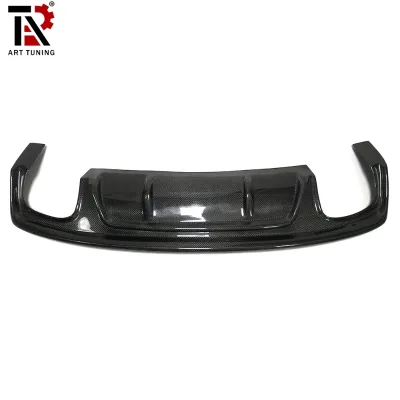
Reiger Style Carbon Fiber Rear Bumper Diffuser for A5 12-16 2 Door Sport
$200.00 - $210.00
MOQ: 1 pieces
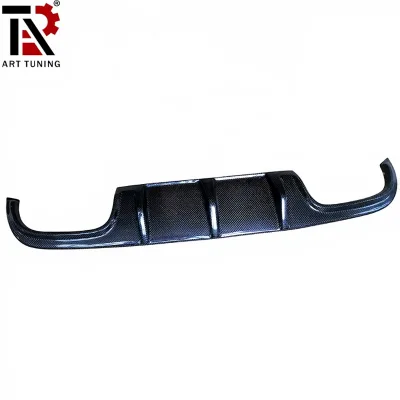
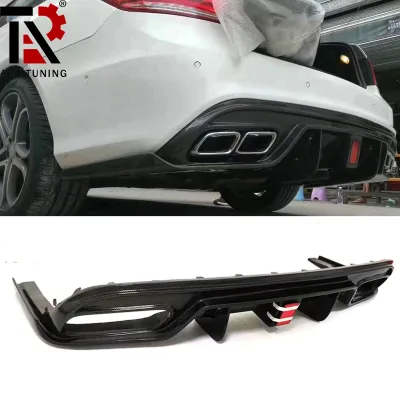
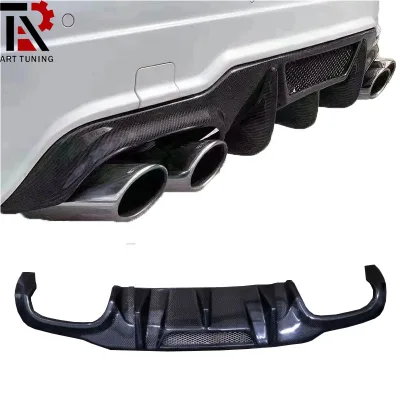
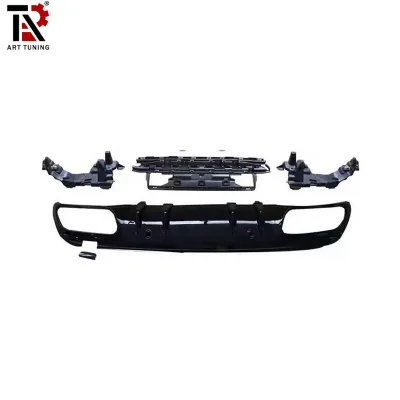
New Carbon Fiber Rear Bumper Diffuser for C CLASS W204 C63 Performance Parts
$140.00 - $180.00
MOQ: 1 pieces
Changzhou Duka Technology Co., Ltd.
- Manufacturer, Trading Company
- Jiangsu, China
- Lead time45 days
- Avg. response≤ 3h
Main productsfront lip,rear diffuser,rear spoiler,body kits,car exterior accessories
Main marketsCentral America(10.00%), Western Europe(10.00%), Eastern Asia(10.00%), Mid East(10.00%), Oceania(10.00%), Africa(10.00%), Southeast Asia(10.00%), Eastern Europe(10.00%), South America(10.00%), North America(10.00%)

Changzhou Harmonious Import and Export Company Limited
- Trading Company,Manufacturer/Factory
- China Jiangsu
- Lead time23 days
- Avg. response≤ 18h
Main productsAuto Accessory, Side Steps, Running Boards, Bumper Guards, Roof Racks, Roof Spoiler, Front Grille
Main marketsSouth America,Mid East,North America,Southeast Asia
Ningbo Dasheng Trading Co., Ltd.
- Trading Company
- Zhejiang, China
- Lead time30 days
- Avg. response≤ 7h
Main productsAUTO ACCESSORIES,AUTO PARTS,MOTORCYCLE PARTS,ELECTRONIC PRODUCTS,TOOLS
Main marketsSouth America(80.00%), Western Europe(10.00%), North America(5.00%), Eastern Asia(5.00%)
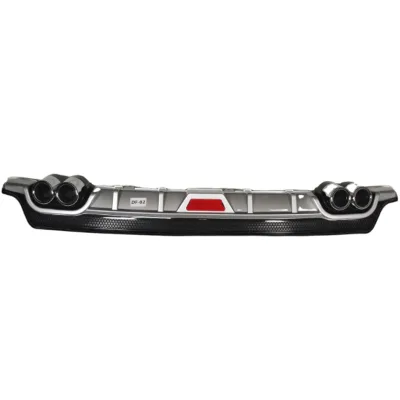
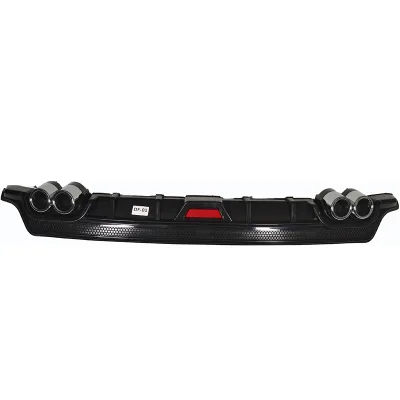
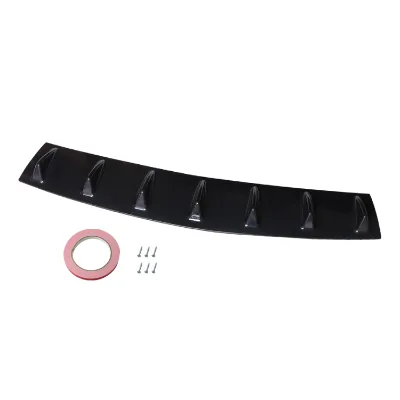
Hot Sale Car Accessories Car Rear Lip ABS Rear Bumper Lip Diffuser Rear Diffuser All Sedan Car
$5.80 - $6.00
MOQ: 50 sets
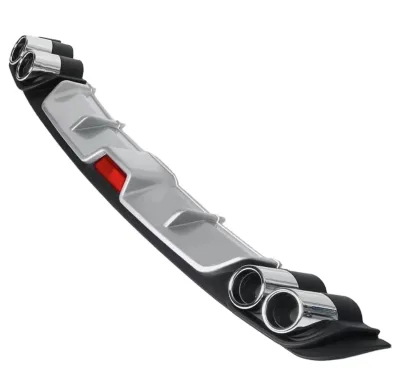
Auto Exterior Parts Gloss Black Rear Bumper Lip Separator C-IVIC 2016-2018 Rear Diffuser
$11.00 - $13.00
MOQ: 50
Leju(Guangzhou) Trading Co., Ltd.
- Verified by SGS Group
- Manufacturer, Trading Company
- Lead time10 days
- Avg. response≤ 3h
Main productsFender, Grille, Spoiler, Window Louver, Mirror Cover
Main marketsMid East(30%), Southeast Asia(20%), Africa(10%)
Changzhou Yancheng Auto Parts Co., Ltd.
- Verified by SGS Group
- Trading Company
- Lead time15 days
- Avg. response≤ 2h
Main productsCar Grille, Auto Bumper,Diffuser, Splitter, Plastic Accessaries
Main marketsNorth America(20%), Southeast Asia(13%), Mid East(12%)

Guangzhou New Vision New Material Technology Co., Ltd.
- Trading Company
- China Guangdong
- Lead time15 days
- Avg. response≤ 12h
Main productsDouble Sided Tape, Reflective Tape, Adhesive Products
Main marketsSouth America,Southeast Asia/ Mideast,Europe

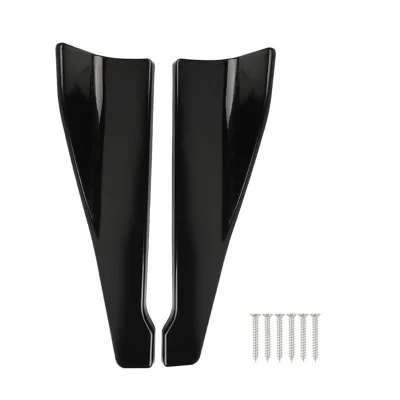
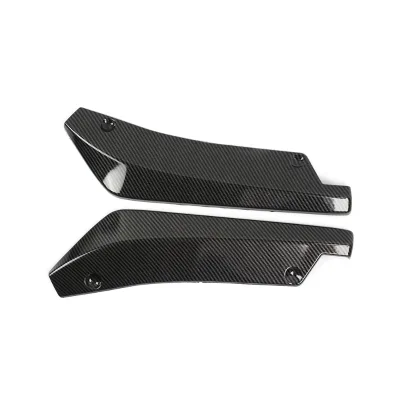
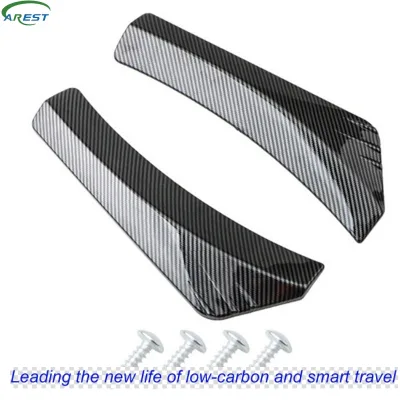
2 PCS Bright Black Car Rear Bumper Diffuser Protector Car Front Rear Bumper Strip Lip
$2.80 - $3.50
MOQ: 2 Pieces

Car Rear Bumper Lip Diffuser Splitter Bumper Spoiler Decorative Protection
$2.80 - $3.50
MOQ: 2 Pieces


Carbon Fiber Winglets Side Skirt Extension Car Rear Bumper Splitters Lip Diffuser Guard Protector
$2.80 - $3.50
MOQ: 2 Pieces

Guangzhou CSS Auto Accessones Co.,Ltd
- Verified by SGS
- Trading Company
- China Guangdong
- Lead time15 days
- Avg. response≤ 6h
Main productsCar Bumpers, Engine Hoods, Rear Spoilers, Carbon Fiber Auto Body Parts, Carbon Fiber Car Interior Trims, Wheel Hub, Front Lip, Rear Diffuser, Front Bumper
Main marketsEurope,Australia,North America


High Glossy Finish 3K Carbon Fiber OEM Style Rear Trunk Lip Diffuser for Ferrari 458
$2110.00 - $2550.00
MOQ: 1 Sets


Dry Carbon Fiber Auto Parts OEM Style Rear Lip Diffuser for Mclaren 720s
$800.00 - $1200.00
MOQ: 1 Sets

High Quality Carbon Fiber OEM Style Rear Diffuser Suitable for 2008-2016 Gtr R35
$980.00 - $1200.00
MOQ: 1 Pieces
Guangzhou Focus Carbon Fiber Auto Products Co., Ltd.
- Manufacturer
- Guangdong, China
- Lead time0 days
- Avg. response≤ 2h
Main productsCar bumpers,Carbon accessories,Carbon interior,Dry carbon mirror covers,Dry carbon body kit
Main marketsNorth America(100.00%)
Guangzhou Yuechi Automotive Supplies Co., Ltd.
- Trading Company
- guangdong, China
- Lead time7 days
- Avg. response≤ 5h
Main productsCar Exhausted Muffler Pipe,Car Exhausted,Car Gear Shift Knob,Car Spoiler,Exhaust Downpipe
Main marketsNorth America(40.00%), Southeast Asia(20.00%), South America(20.00%), Western Europe(10.00%), Mid East(10.00%)
Dalian Eurocar Auto Parts Co., Ltd.
- Verified by Intertek
- Trading Company
- Lead time7 days
- Avg. response≤ 3h
Main productsAuto Body Kits, Auto Tuning Parts
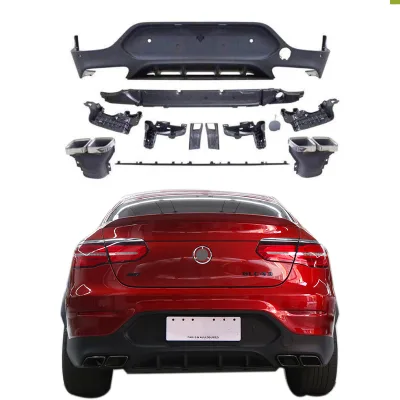
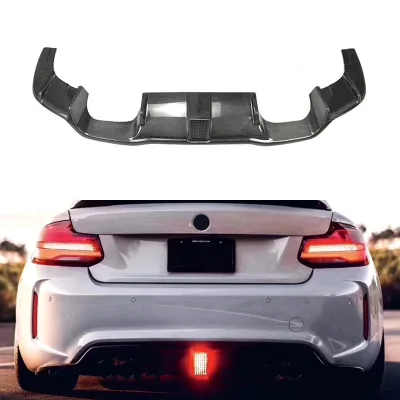
$355.00 - $365.00
MOQ: 1 sets
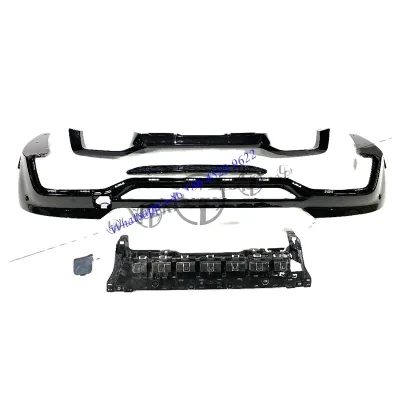
G02 X4M Rear Diffuser for X4 G02 2018y PP Material Rear Lip M Style Diffuser for X4 G02
$266.5888
MOQ: 1 Minimum
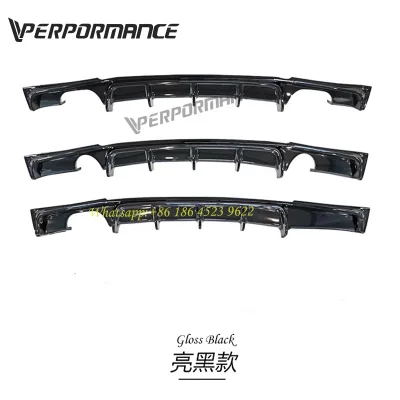
Guangzhou Carest Auto Parts Co., Ltd.
- Manufacturer, Distributor/Wholesaler, Business Service (Transportation, finance, travel, Ads, etc)
- guangdong, China
- Lead time10 days
- Avg. response≤ 8h
Main productsCar Conditioning sysytem,Automobile braking system,Car decoration parts,Auto lighting system,Automotive electronics
Main marketsEastern Europe(30.00%), North America(20.00%), Mid East(15.00%), South America(15.00%), South Asia(12.00%), Southeast Asia(5.00%), Africa(3.00%)
Guangzhou Feisheng Carbon Fiber Co., Ltd.
- Verified by TüVRheinland
- Trading Company
- Lead time3 days
- Avg. response≤ 5h
Main productsCar Exterior Accessories
Main marketsMid East(40%), North America(10%), South America(8%)
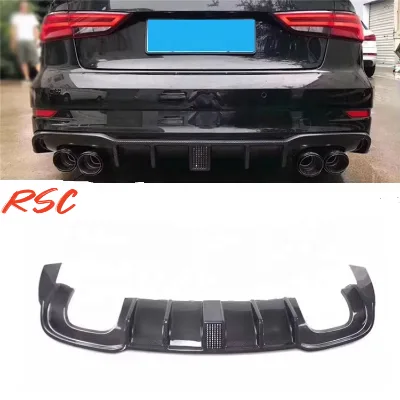
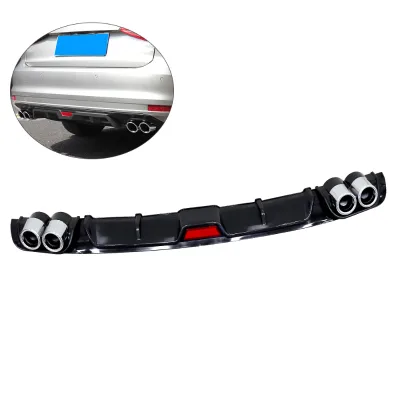
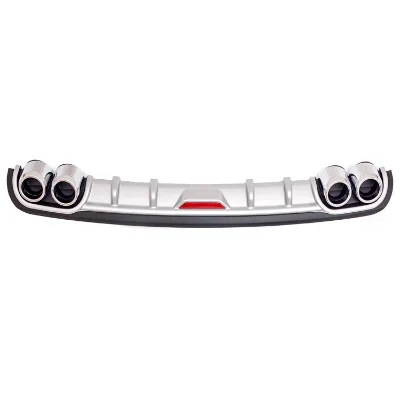
Carbon Fiber Rear Bumper Lip Diffuser With LED Lamp for A3 Sline S3 RS3 Sedan 2017 -2019
$210.00 - $220.00
MOQ: 1
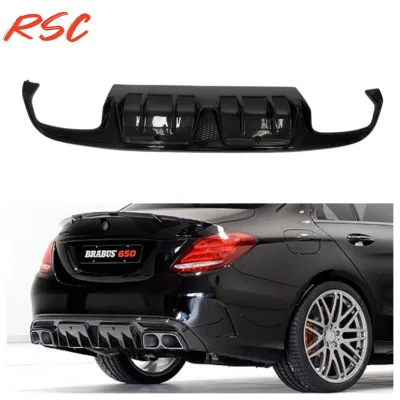
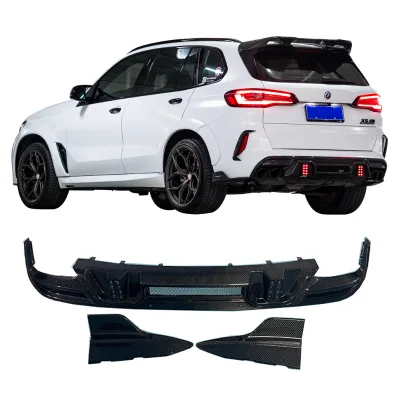
$1170.00 - $1235.00
MOQ: 1 sets
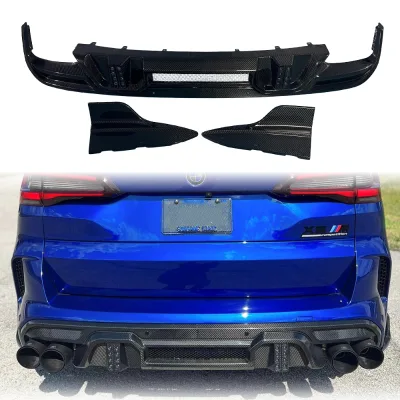
$1150.00 - $1200.00
MOQ: 1 sets
Changzhou Carbon Tech Composite Material Co., Ltd.
- Verified by TüVRheinland
- Manufacturer, Trading Company
- Lead time7 days
- Avg. response≤ 4h
Main productsBody Kit, Bumpers, Carbon Fiber Parts, Head and Taillights, Hood
Main marketsDomestic Market(40%), Eastern Europe(20%), South America(10%)
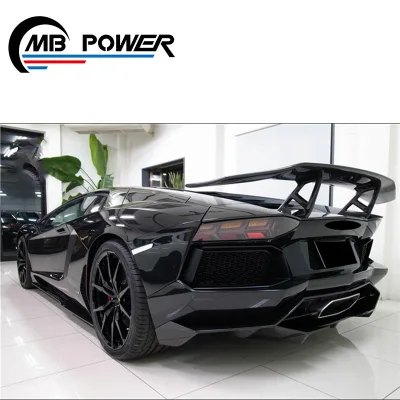
$1000.00 - $1200.00
MOQ: 1 sets
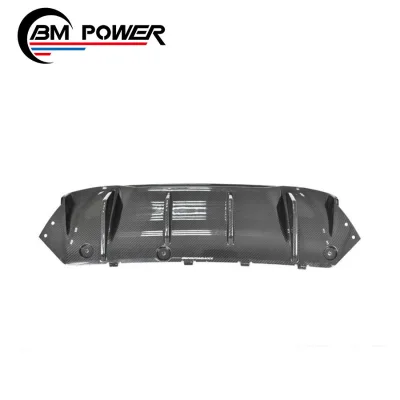
$355.00 - $365.00
MOQ: 1 sets
Foshan Kai Xin Yue Technology Co., Ltd.
- Manufacturer
- Guangdong, China
- Lead time0 days
- Avg. response≤ 1h
Main productsCar body kit,front lip,diffuser,side skirts,spoiler
Main marketsDomestic Market(20.00%), Southern Europe(20.00%), Eastern Europe(15.00%), Northern Europe(10.00%), South America(10.00%), North America(10.00%), Eastern Asia(5.00%), Mid East(5.00%), Southeast Asia(5.00%)
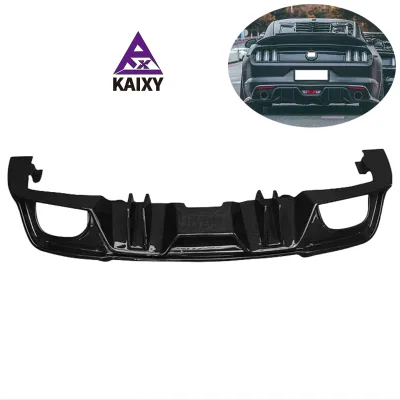
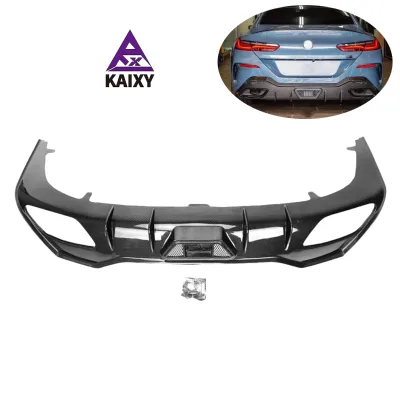
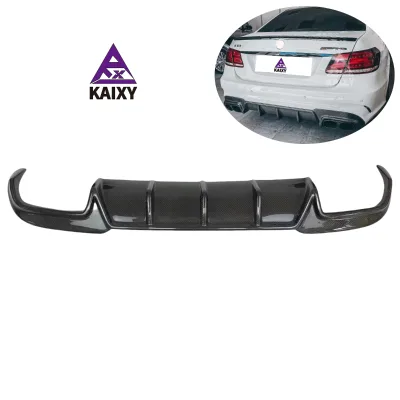
B Style Luxury Carbon Fiber Rear Diffuser for Mercedes Benz E Class E63 AMG W212 with Perfect Fit
$124.5803 - $158.2793
MOQ: 1 pieces
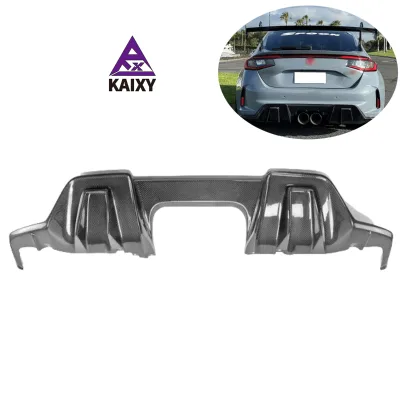
Epa Style Dry Carbon Fiber Rear Diffuser for Honda Civic Type R Fl5
$760.00 - $967.00

Ruian Botten Auto Parts Co., Ltd.
- Manufacturer
- Zhejiang, China
- Lead time7 days
- Avg. response≤ 4h
Main productsAUTO BODY PARTS,CAR ACCESSORIES,AUTO BODY PARTS,AUTO ELECTRICAL SYSTEM,ENGINE PARTS
Main marketsEastern Europe(20.00%), South America(20.00%), North America(20.00%), Western Europe(5.00%), Eastern Asia(5.00%), Mid East(5.00%), Oceania(5.00%), Africa(5.00%), Southeast Asia(5.00%), Domestic Market(2.00%), South Asia(2.00%), Southern Europe(2.00%), Northern Europe(2.00%), Central America(2.00%)
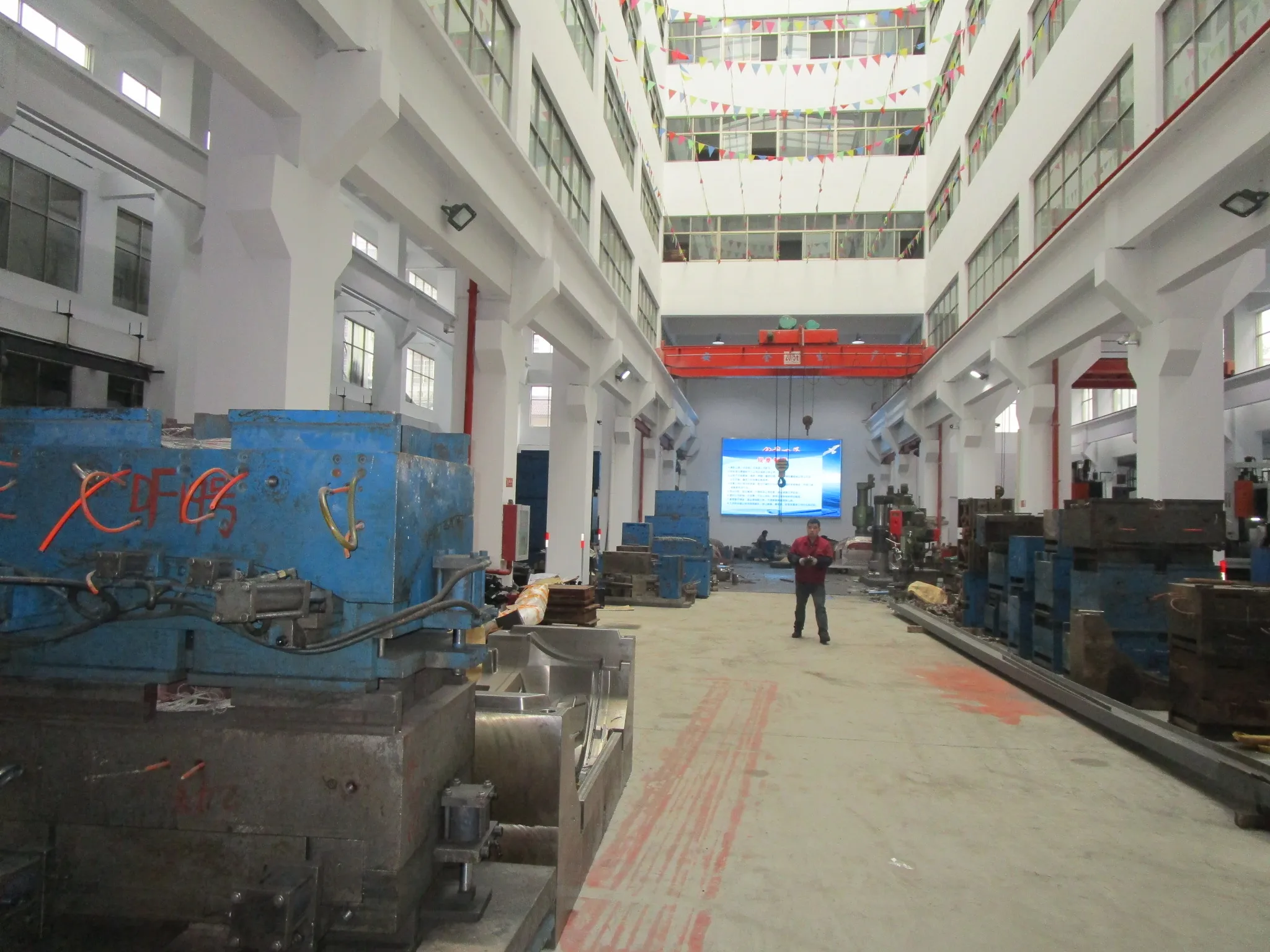
Changzhou Yizhao Auto Parts Co., Ltd.
- Manufacturer, Trading Company
- Jiangsu, China
- Lead time20 days
- Avg. response≤ 8h
Main productscar bumper,car grille,rear diffuser,fog lamp cover,hood
Main marketsEastern Europe(40.00%), Domestic Market(30.00%), North America(30.00%)

Foshan Wuyou Wulv Technology Co., Ltd.
- Manufacturer, Trading Company
- Guangdong, China
- Lead time35 days
- Avg. response≤ 1h
Main productscarbon fiber body kits,dry carbon body kits,Carbon Fiber Auto Body Parts,Carbon Fiber Interior Trims,Carbon Fiber Engine Hoods
Main marketsNorth America(40.00%), Northern Europe(15.00%), Mid East(15.00%), Western Europe(10.00%), South Asia(6.00%), Eastern Europe(5.00%), Eastern Asia(5.00%), Domestic Market(2.00%), South America(2.00%)
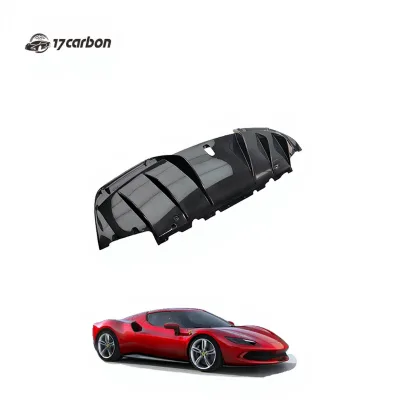
New OEM Style Gloss Black Full Dry Carbon Fiber Bumper Rear Diffuser Lip for 296 GTB 2021+
$2400.00 - $2571.00
MOQ: 1
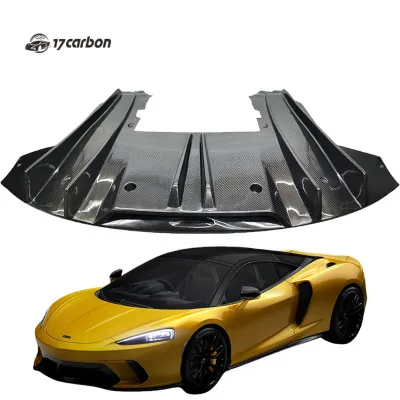
High Quality New Dry Carbon Polished Rear Diffuser with Protection & Decoration for the for GT
$1600.00 - $1786.00
MOQ: 1




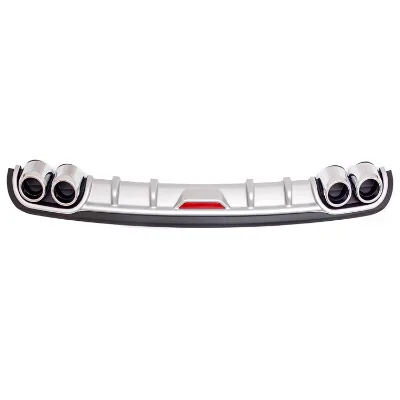
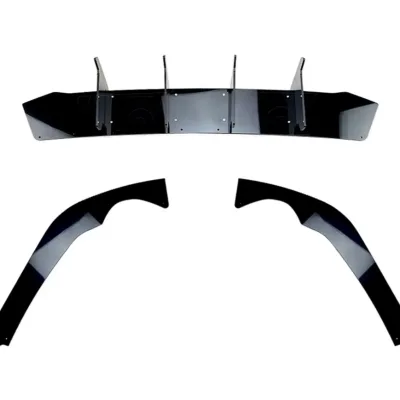


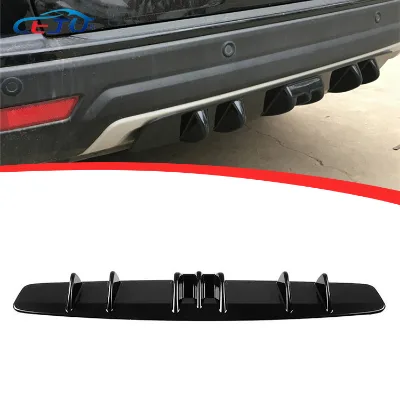
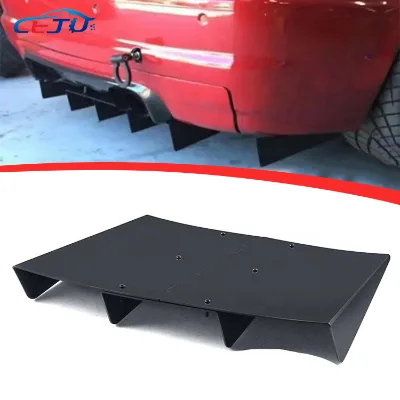
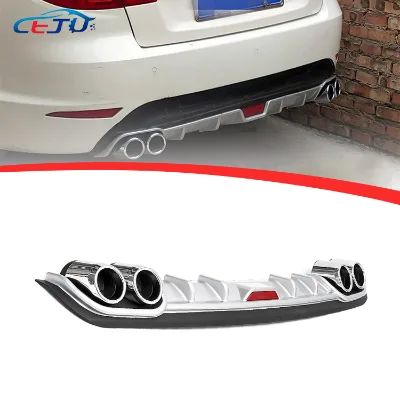
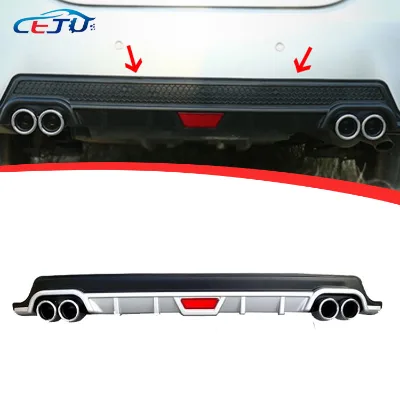
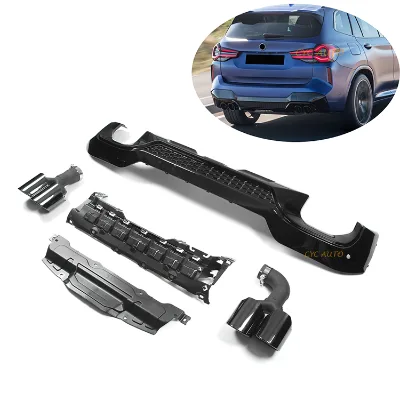
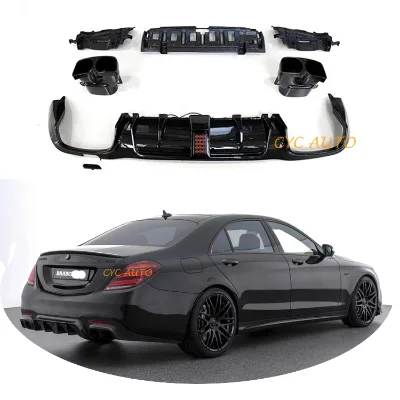
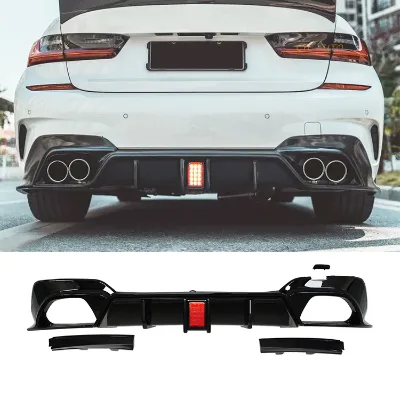
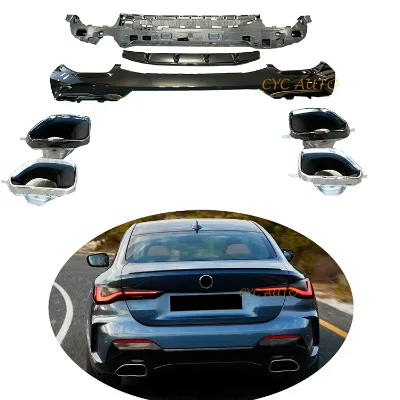
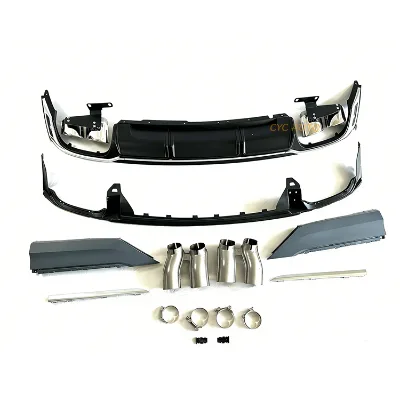
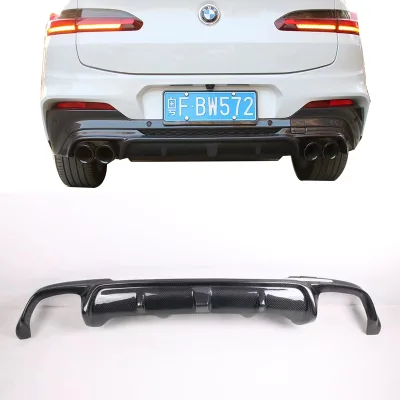
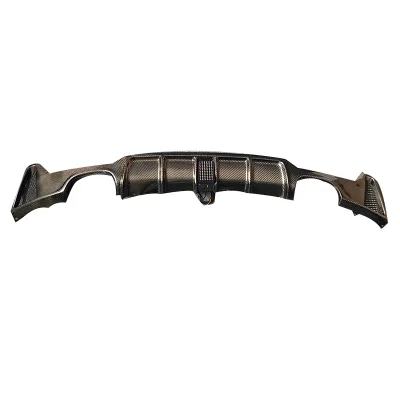
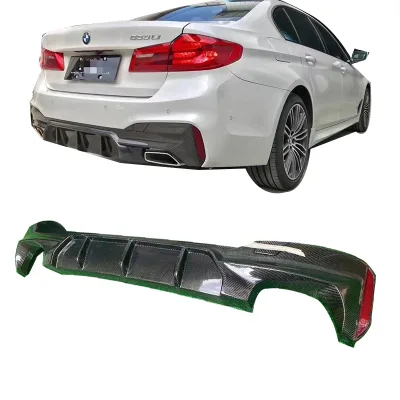
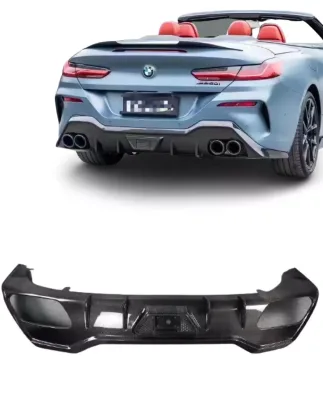
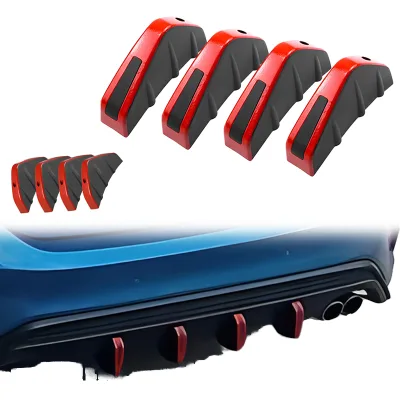
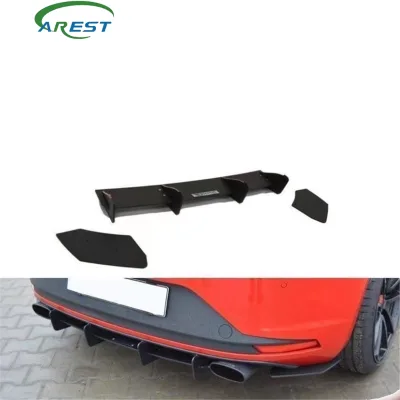
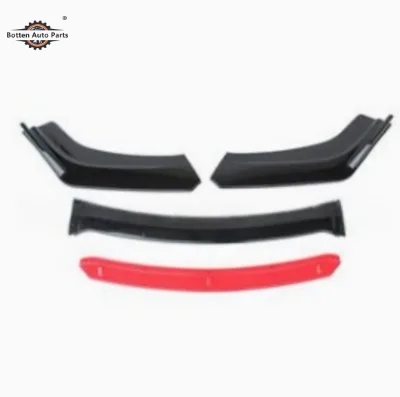
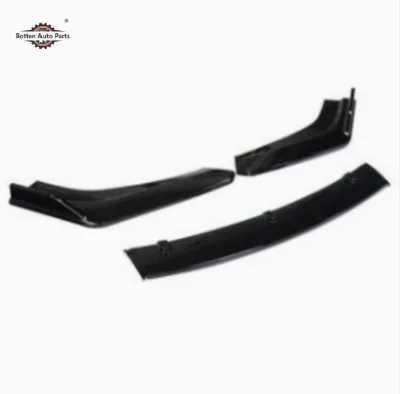
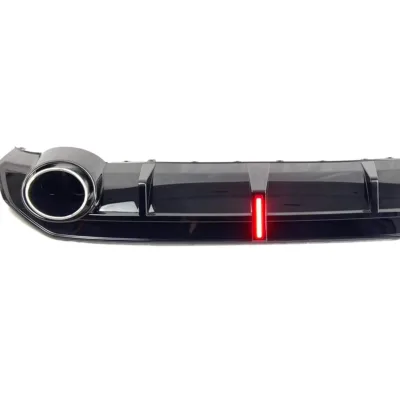
Comprehensive Sourcing Guide
Rear Bumper Diffuser Supplier Concentration and Factory Types
The current supplier landscape for rear bumper diffusers reveals a distinct geographic and structural concentration, primarily anchored in China. Evidence indicates that manufacturing and trading entities are clustered in specific regions, notably Shanghai and Guangdong. These locations serve as the primary hubs for sourcing these automotive exterior components. The presence of suppliers in Shanghai suggests a strong trading company presence, which often facilitates international logistics and provides a broader catalog of compatible parts for various vehicle models. In contrast, the Guangdong cluster is heavily associated with direct manufacturing capabilities, offering buyers access to factories that produce items such as ABS plastic diffusers and carbon fiber-look lips. Understanding this geographic split is crucial for buyers, as it influences not only the lead times but also the communication dynamics and potential for factory audits. Buyers should recognize that while Shanghai suppliers may offer streamlined order processing through trading structures, Guangdong-based entities might provide more direct control over production specifications and material sourcing. This regional distinction helps in narrowing down the search based on whether the priority is rapid trading efficiency or direct manufacturing oversight.
Regarding company types, the market features a mix of trading companies and manufacturers, each presenting unique advantages for different procurement strategies. Trading companies, often located in Shanghai, act as intermediaries that aggregate products from various sources, allowing buyers to consolidate orders for different car accessories, such as mirrors, lights, and emergency kits, into a single shipment. This consolidation can simplify logistics but may introduce additional layers of communication. On the other hand, manufacturers, particularly those in Guangdong, focus on producing specific items like universal rear bumper diffusers or model-specific ABS parts. These factories often highlight their supply ability, such as producing two thousand pieces per month, which indicates their production capacity. For buyers seeking customizations or OEM services, dealing directly with a manufacturer can ensure that specific material requirements, such as steel or ABS plastic, are met precisely. However, trading companies may offer more flexibility in terms of minimum order quantities and sample acceptance, making them suitable for smaller businesses or those testing new product lines. Evaluating the balance between these two types is essential for aligning supplier choice with business scale and operational needs.
How to Verify Rear Bumper Diffuser Suppliers
Verifying the legitimacy and capability of Rear Bumper Diffuser suppliers requires a multi-layered approach that goes beyond surface-level product listings. One critical step is to examine the supplier’s response time and communication efficiency, as these metrics often reflect their operational maturity. For instance, some suppliers demonstrate a response time of approximately five hours, while others may respond within two hours. Faster response times can indicate a more dedicated customer service team, which is vital for resolving issues related to customizations or shipping delays. Additionally, buyers should scrutinize the detailed product attributes provided, such as material composition, certification status, and specific car fitment details. Suppliers listing certifications like CE and ISO provide a baseline assurance of quality management systems, although buyers must verify the validity of these certificates through independent channels. It is also important to check if the supplier accepts samples, as this allows for physical inspection of the product’s quality, including the finish of ABS plastic or the fitment of universal parts. Requesting samples before placing bulk orders is a prudent strategy to ensure that the product meets the expected standards for durability and aesthetic appeal.
Another essential verification step involves assessing the supplier’s production and logistical capabilities through their stated lead times and supply abilities. Suppliers may indicate lead times ranging from fifteen to thirty days, which can vary based on the complexity of the order and the specific model of the diffuser. Buyers should cross-reference these lead times with the supplier’s stated supply ability, such as producing one thousand sets per quarter or two thousand pieces per month, to ensure that the supplier can meet demand without compromising quality. Furthermore, verifying the port of dispatch, such as Shenzhen or Guangzhou, can provide insights into the supplier’s logistical network and experience in handling international shipments. Buyers should also inquire about the packaging details, such as whether items are packed in cartons or PP bags, as proper packaging is crucial for preventing damage during transit. By combining these verification steps, buyers can build a comprehensive profile of each supplier, ensuring that they select partners who are not only reliable but also capable of meeting specific operational requirements. This thorough due diligence helps mitigate risks associated with supplier unreliability and ensures a smoother procurement process.
What to Compare Across Rear Bumper Diffuser Suppliers
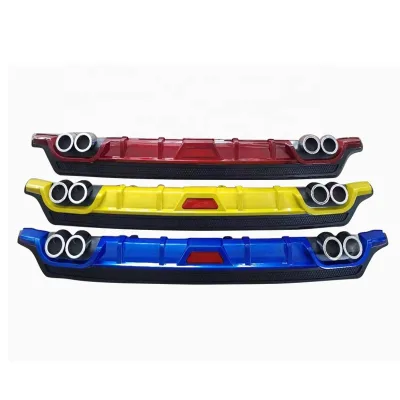
When evaluating multiple suppliers for rear bumper diffusers, buyers must systematically compare key operational and commercial dimensions to identify the most suitable partner. One primary factor is the minimum order quantity (MOQ), which can significantly impact inventory management and cash flow. Some suppliers may require an MOQ of fifty units, while others might have different thresholds. Buyers should align their order sizes with the supplier’s MOQ to avoid excess inventory or production delays. Additionally, comparing the price ranges is essential, as costs can vary based on material quality, customization options, and order volume. For example, prices for specific car model diffusers may range from ten to twenty-five dollars, depending on features like shark fin designs or universal fitment. Buyers should request detailed quotations that break down costs for materials, labor, and shipping to ensure transparency. It is also important to compare the customization options available, such as color choices (silver, red, black) and OEM services, as these can differentiate products in the market. Suppliers offering flexible customization may provide a competitive edge for buyers targeting specific customer segments.
Response time and lead time are another critical pair of metrics to compare across suppliers. A supplier with a shorter response time, such as two hours, may be more responsive to urgent inquiries or changes in order specifications. Similarly, lead times can vary from fifteen to thirty days, affecting the overall supply chain efficiency. Buyers should consider their own inventory turnover rates and customer demand patterns when selecting a supplier with a specific lead time. Furthermore, comparing the main products offered by each supplier can reveal their specialization and breadth of inventory. Some suppliers may focus exclusively on bumper diffusers, while others offer a wider range of car accessories, including interior and exterior parts. This breadth can be advantageous for buyers looking to consolidate purchases. Additionally, buyers should compare the packaging and shipping details, such as single package sizes and gross weights, to estimate logistics costs accurately. By systematically comparing these dimensions, buyers can make informed decisions that balance cost, quality, and operational efficiency, ensuring that the selected supplier aligns with their strategic procurement goals.
Common Rear Bumper Diffuser Sourcing Risks
Sourcing rear bumper diffusers involves several inherent risks that buyers must proactively manage to ensure a successful procurement process. One significant risk is the discrepancy between product specifications and actual delivery, particularly when dealing with universal fitment parts. Suppliers may list products as universal, but in practice, they might only fit certain car models or require additional modifications. This mismatch can lead to customer dissatisfaction and returns, especially if the buyer relies solely on online descriptions without verifying fitment. Another risk is the variability in material quality, as suppliers may use different grades of ABS plastic or steel, affecting the durability and appearance of the diffuser. Buyers should request material samples or detailed specifications to verify that the products meet their quality standards. Additionally, there is a risk associated with certification validity, as some suppliers may claim CE or ISO certifications without providing verifiable documentation. Buyers must independently verify these certifications to ensure compliance with international standards and avoid potential legal or safety issues.
Logistical and communication risks are also prevalent in the sourcing of rear bumper diffusers. Delays in production or shipping can disrupt supply chains, particularly if suppliers have inconsistent lead times or poor communication practices. Buyers should establish clear communication channels and regular update protocols with suppliers to monitor order progress. Furthermore, there is a risk of damage during transit, especially if packaging is inadequate. Suppliers may use standard packaging, such as cartons or PP bags, which may not provide sufficient protection for fragile components. Buyers should inquire about packaging details and consider additional protective measures if necessary. Another risk is the potential for hidden costs, such as customs duties or unexpected shipping fees, which can impact the total cost of ownership. Buyers should request comprehensive quotations that include all potential charges to avoid budget overruns. By identifying and addressing these risks early in the sourcing process, buyers can mitigate potential disruptions and ensure a more reliable and cost-effective procurement experience.
Rear Bumper Diffuser Regional Sourcing and Logistics
The geographic location of suppliers plays a pivotal role in determining logistics efficiency and cost structures for Rear Bumper Diffuser sourcing. Suppliers located in Shanghai and Guangdong, China, offer distinct logistical advantages based on their proximity to major ports and industrial clusters. Shanghai-based trading companies often benefit from established international trade networks, facilitating smoother export processes and potentially faster documentation handling. These suppliers may offer consolidated shipping options, allowing buyers to combine diffusers with other car accessories, such as mirrors or lights, into a single shipment. This consolidation can reduce per-unit shipping costs and simplify customs clearance. On the other hand, Guangdong-based manufacturers are typically situated near ports like Shenzhen and Guangzhou, which are major hubs for international freight. This proximity can result in shorter transit times and more frequent shipping schedules, particularly for buyers requiring urgent deliveries. Buyers should consider the port of dispatch when evaluating suppliers, as it can influence the overall lead time and logistics complexity.
Logistics planning also involves understanding the packaging and handling requirements of rear bumper diffusers to minimize damage and optimize space utilization. Suppliers may provide single package sizes and gross weights, which are essential for calculating shipping volumes and costs. For instance, a diffuser with a single package size of seventy-two by thirty-two by seven point five centimeters and a gross weight of zero point four five kilograms requires specific handling to prevent damage during transit. Buyers should work with suppliers to ensure that packaging is robust enough to withstand shipping stresses, especially for items made of ABS plastic or steel. Additionally, buyers should consider the impact of regional trade regulations and tariffs on shipping costs. Different regions may have varying import duties and compliance requirements, which can affect the total landed cost. By carefully evaluating the logistical implications of sourcing from different regions, buyers can optimize their supply chain for efficiency and cost-effectiveness, ensuring that rear bumper diffusers are delivered safely and on time.
Rear Bumper Diffuser Commercial Terms and Order Planning
Effective order planning for rear bumper diffusers requires a thorough understanding of commercial terms, including pricing structures, payment conditions, and customization policies. Suppliers may offer price ranges that vary based on order volume and specific product features, such as model-specific designs or universal fitment. Buyers should negotiate pricing based on their expected order quantities, leveraging volume discounts where available. Additionally, understanding the payment terms is crucial for cash flow management. Some suppliers may require a deposit before production, with the balance due upon shipment. Buyers should clarify these terms to avoid unexpected financial obligations. Furthermore, customization options, such as color choices and OEM services, may incur additional costs or affect lead times. Buyers should assess the value of these customizations against their market needs and budget constraints. By aligning commercial terms with their business strategy, buyers can optimize their procurement costs and ensure that orders are processed efficiently.
Sample policies and return conditions are another critical aspect of order planning. Suppliers may accept samples, allowing buyers to evaluate product quality before committing to bulk orders. Buyers should inquire about sample costs and shipping fees, as these can impact the overall cost of evaluation. Additionally, understanding the return and refund policies is essential for mitigating risks associated with defective or non-conforming products. Buyers should ensure that suppliers have clear procedures for handling quality issues, including replacements or refunds. Furthermore, buyers should consider the long-term relationship with suppliers, as consistent ordering can lead to better terms and priority service. By carefully planning orders and negotiating favorable commercial terms, buyers can build a reliable supply chain for rear bumper diffusers, ensuring that they
FAQs
What is the typical lead time for rear bumper diffusers?
Manufacturers in China generally require 15 to 30 days to produce and ship rear bumper diffusers. Trading companies may take up to 30 days, while direct manufacturers often deliver within 15 days after receiving the deposit. Buyers should confirm specific timelines with suppliers before placing orders.
What materials are used for rear bumper diffusers?
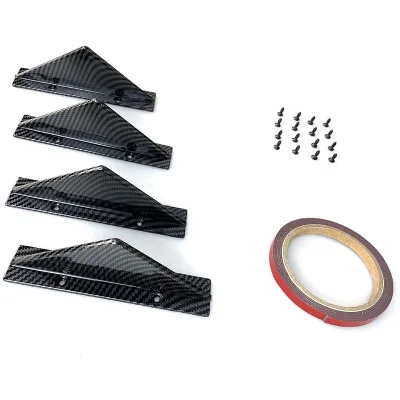
Most rear bumper diffusers are manufactured from ABS plastic or steel. Some products feature carbon fiber finishes or shark fin designs for aesthetic appeal. Buyers can choose between universal fitments or specific car models depending on the material and customization options provided by the supplier.
What is the minimum order quantity for these products?
The minimum order quantity is typically 50 units for many Rear Bumper Diffuser listings. Some suppliers may accept samples, but bulk orders usually start at this threshold. Buyers should verify the exact MOQ with the supplier, as it can vary based on customization requirements.
What certifications do rear bumper diffusers have?
Many rear bumper diffusers carry CE and ISO certifications, ensuring they meet international quality and safety standards. These certifications are common for products manufactured in China. Buyers should request certification documents to verify compliance before finalizing bulk purchases for their specific market requirements.
What is the price range for rear bumper diffusers?
Prices for rear bumper diffusers range from approximately $7.50 to $24.50 per unit. The cost depends on the material, design complexity, and whether the item is a universal fit or specific to a car model. Buyers should compare quotes from multiple suppliers to find the best value.
Can I customize the color of the diffuser?
Yes, customization is available for many rear bumper diffusers. Common colors include black, silver, red, and carbon black. Buyers can often request specific colors or finishes to match their vehicle. Suppliers usually accept custom orders, but buyers should confirm color options and any additional costs.