Rearview Blind Spot Mirror Suppliers and Manufacturers
Compare 27 verified Rearview Blind Spot Mirror suppliers by location, lead time, response time, MOQ, product size, mirror type and price range before you commit. Review the listed profiles, then send inquiry requests and ask for samples to confirm quality and customization options.
Suppliers List

Shanghai Anma Industry Co., Ltd.
- Trading Company
- China Shanghai
- Lead time30 days
- Avg. response≤ 4h
Main productsCar Accessories, Car Spare Parts, Car Tools, Car Interior Accessories, Car Exterior Accessories, Car Electrical Accessories, Car Lights, Car Mirror, Car Emergency Kits, Car Care Products
Main marketsSouth America,Others(foreignTradeCapacity.exportBusinessCapacityMarketOther),Southeast Asia/ Mideast,Europe,North America

Ningbo Lonsign Auto Accessories Co., Ltd.
- Verified by SGS
- Trading Company
- China Zhejiang
- Lead time30 days
- Avg. response≤ 2h
Main productsSteering Wheel Cover, Car Organizer, Wiper Blade, Sunshade, Car Floor Mat, Seat Cover
Main marketsNorth America


High Quality Car Side Universal 2" 3" Wide Angle Rear View Blind Spot Mirror
$0.20 - $0.40
MOQ: 5000 Pieces

Shanghai Huaqi Industrial Co., Ltd.
- Verified by TUVRHEINLAND
- Trading Company
- China Shanghai
- Lead time15 days
- Avg. response≤ 6h
Main productsCar Mats, Seat Cover, Car Cover, Wiper Blade, Air Compressor, Steering Wheel Cover, Car Lock, Baby Mirror, Car Jack, Racing Seat
Main marketsSouth America,Africa,Southeast Asia/ Mideast,Europe,Australia,North America


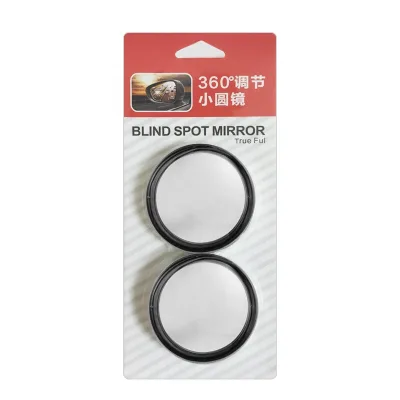
2 Pack Automotive Blind Spot Mirrors, Small Round Convex Adjustable 360° Rotate Wide Angle
$0.28 - $0.30
MOQ: 1000 Pieces

- Verified by BV
- Trading Company,Manufacturer/Factory
- China Shandong
- Lead time0 days
- Avg. response≤ 6h
Main productsAuto Glass, Front Windshield, Truck Glass, Bus Glass, Windshield Glass, Laminated Glass, Hot Curved Glass, Foam Net, Fruit Protection Bag
Main marketsWestern Europe

Shanghai Autobuy Industry (Group) Co., Ltd
- Verified by BV
- Trading Company
- China Shanghai
- Lead time30 days
- Avg. response≤ 25h
Main productsCar Acccessories, Car Seat Cover, Wheel Caps, Car Cover, Racing Seats, Modified Seats, Wiper Blades, Car Mats, Car Seat Cushion, Auto Parts
Main marketsSoutheast Asia/ Mideast


Door Mirror Multifunctional 360 Degree Front Rearrearview Blind Spots Mirror
$1.89 - $1.99
MOQ: 1000 sets


Factory Wholesale Automotive Accessories Blind Spot Car Rear View Mirrors
$1.98 - $2.58
MOQ: 1000 sets


Ningbo Motai Electronic Tech Co., Ltd.
- Manufacturer
- Zhejiang, China
- Lead time30 days
- Avg. response≤ 5h
Main productsTowing Mirror,Wing Mirror,Tractor Parts,Forklift Parts,Auto Accessories
Main marketsNorth America(50.00%), Africa(10.00%), Domestic Market(5.00%), Western Europe(5.00%), Northern Europe(5.00%), South America(5.00%), Central America(5.00%), Eastern Europe(5.00%), Mid East(3.00%), Southern Europe(2.00%), Oceania(2.00%), Southeast Asia(2.00%), Eastern Asia(1.00%)
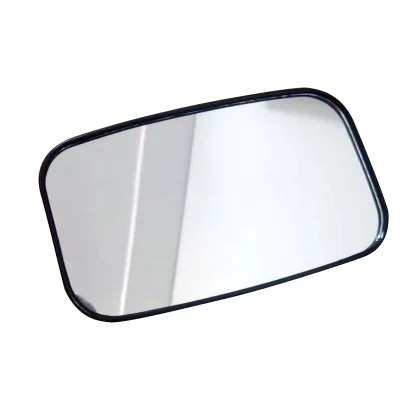
Hot Sales Universal Forklift Car Rearview Mirror Truck Blind Spot Mirror
$3.50 - $4.00
MOQ: 500 pieces
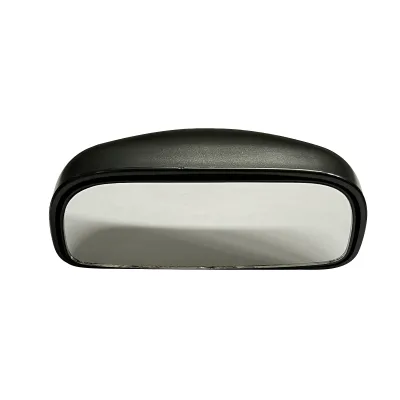

DEZHOU HAVI ELECTRONICS CO., LTD.
- Verified by BV
- Combined
- China Shandong
- Lead time15 days
- Avg. response≤ 10h
Main productsAluminum Mirror, Tempered Glass, Convex Mirror, LED Mirror
Main marketsDomestic


Custom Made Rearview Convex Adjustable Side Mirrors, Auto Car Blind Spot Mirror
$0.30 - $1.00
MOQ: 1000 Pieces


Shenzhen Yarui Technology Co., Ltd.
- Trading Company
- Guangdong, China
- Lead time15 days
- Avg. response≤ 3h
Main productsDiving Hard Boot,Diving Boots,Diving Upstream Boots,Neoprene Wader,Fishing Wader
Main marketsMid East(20.00%), North America(20.00%), Northern Europe(10.00%), Western Europe(10.00%), South America(10.00%), Southeast Asia(10.00%)
Shanghai Huaqi Industrial Co., Ltd.
- Verified by Intertek
- Trading Company
- Lead time30 days
- Avg. response≤ 4h
Main productsCar Cover, Car Mat, Car Seat Cover, Steering Wheel Cover, Wiper Blade
Main marketsNorth America(28%), South America(28%), Western Europe(12%)
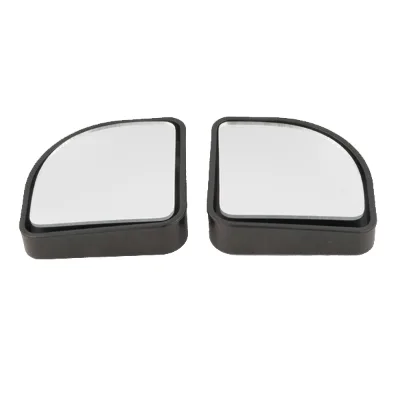
High Quality Auto Parts Rearview Mirror Best Selling Blind Spot Mirrors for Cars Cardboard 11
$0.50 - $0.52
MOQ: 3000 sets
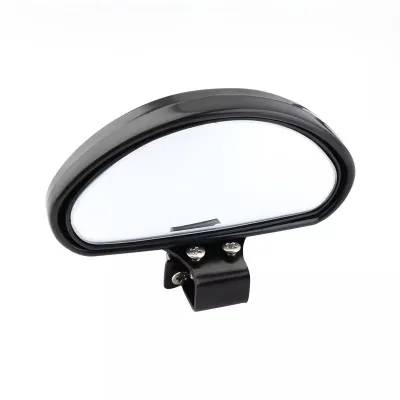
AUTOALL Wide Angle Rear Blind Spot Mirror-White 1 Year Warranty for Retrofit/Upgrade
$1.17 - $1.22
MOQ: 1000
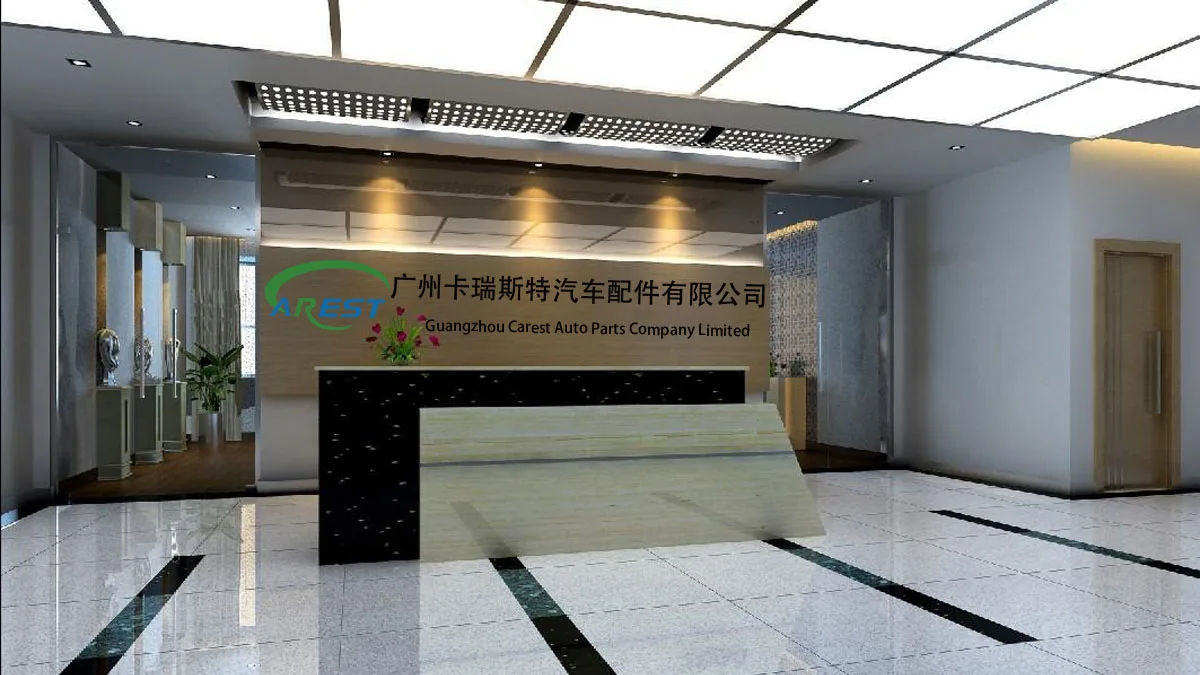
Guangzhou Carest Auto Parts Co., Ltd.
- Manufacturer, Distributor/Wholesaler, Business Service (Transportation, finance, travel, Ads, etc)
- guangdong, China
- Lead time10 days
- Avg. response≤ 7h
Main productsCar Conditioning sysytem,Automobile braking system,Car decoration parts,Auto lighting system,Automotive electronics
Main marketsEastern Europe(30.00%), North America(20.00%), Mid East(15.00%), South America(15.00%), South Asia(12.00%), Southeast Asia(5.00%), Africa(3.00%)

NINGBO CONFIDENCE CAR ACCESSORY LTD.
- Verified by BV
- Trading Company,Manufacturer/Factory,Group Corporation
- China Zhejiang
- Lead time23 days
- Avg. response≤ 4h
Main productsWiper Blade Wiper Arm, Car Steering Wheel Cover, Engine Parts Rebuild Overhaul Kit Crankshaft, Vacuum Cleaner Hoover, Portable Air Compressor Air Pump, Car Stereo Multimedia Player, Charging Cable, Car Dash Camera, Car Cover, Sporting Products
Main marketsSouth America,Eastern Europe,Mid East,North America,Southeast Asia,Eastern Asia,Western Europe,Africa
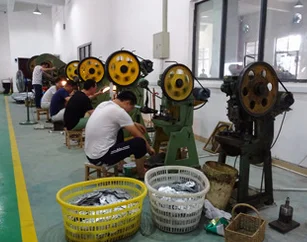
Guangzhou Luke Trading Ltd., Co.
- Trading Company, Agent, Distributor/Wholesaler
- Guangdong, China
- Lead time5 days
- Avg. response≤ 2h
Main productscar wheel hub center cap+sticker,LED Car logo emblem,Car Mirror,License plate frame,Car key case
Main marketsNorth America(60.00%), Western Europe(15.00%), Mid East(3.00%), Domestic Market(2.00%), South Asia(2.00%), Southern Europe(2.00%), Northern Europe(2.00%), Central America(2.00%), South America(2.00%), Eastern Asia(2.00%), Eastern Europe(2.00%), Oceania(2.00%), Africa(2.00%), Southeast Asia(2.00%)
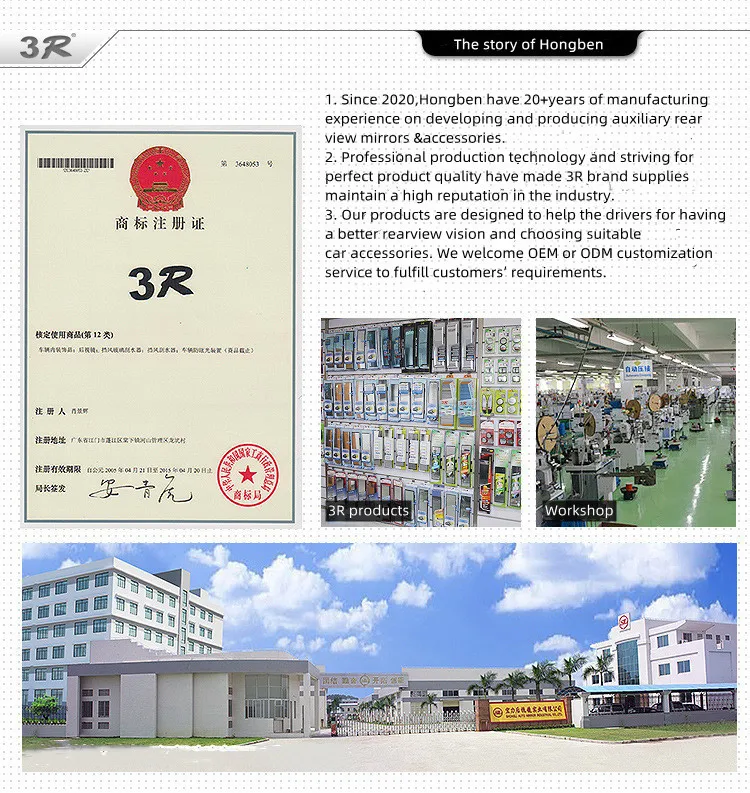
Jiangmen Hongben Car Accessory Industrial Co., Ltd.
- Manufacturer, Trading Company
- Guangdong, China
- Lead time30 days
- Avg. response≤ 2h
Main productsCar Blind Spot Mirror, Car Interior Mirror, Car Phone Holder, Car Door Guards, Car Organizer Storage
Main marketsDomestic Market(60.00%), Southeast Asia(30.00%), North America(5.00%), Eastern Europe(2.00%), South America(1.00%), Western Europe(1.00%), Mid East(1.00%)

Qingdao Salience Industry Co.,Ltd
- Verified by SGS
- Trading Company,Manufacturer/Factory
- China Shandong
- Lead time15 days
- Avg. response≤ 3h
Main productsLaminated Glass, Tempered Glass, Silver Mirror, Aluminium Mirror, Reflective Glass, Building Glass, Tinted Glass, Float Glass, Acid Etched Glass, Pattern Glass
Main marketsSouth America,Eastern Europe,Mid East,North America,Southeast Asia,Eastern Asia,Oceania,Western Europe,Africa

Car Blind Spot Mirror 2PCS HD Convex Glass Angle Adjustable for Side Rearview Mirrors
$2.59 - $3.16
MOQ: 1000 Square Meters


Shenzhen Alisi Electronic Technology Co., Ltd.
- Trading Company, Distributor/Wholesaler
- Guangdong, China
- Lead time3 days
- Avg. response≤ 2h
Main productselectron component,temperature controller,Auto parts,sensor,Wireless Controller
Main marketsSouth America(20.00%), Eastern Europe(20.00%), North America(15.00%), Western Europe(5.00%), Domestic Market(5.00%), South Asia(5.00%), Southern Europe(5.00%), Northern Europe(5.00%), Central America(5.00%), Eastern Asia(3.00%), Mid East(3.00%), Oceania(3.00%), Africa(3.00%), Southeast Asia(3.00%)
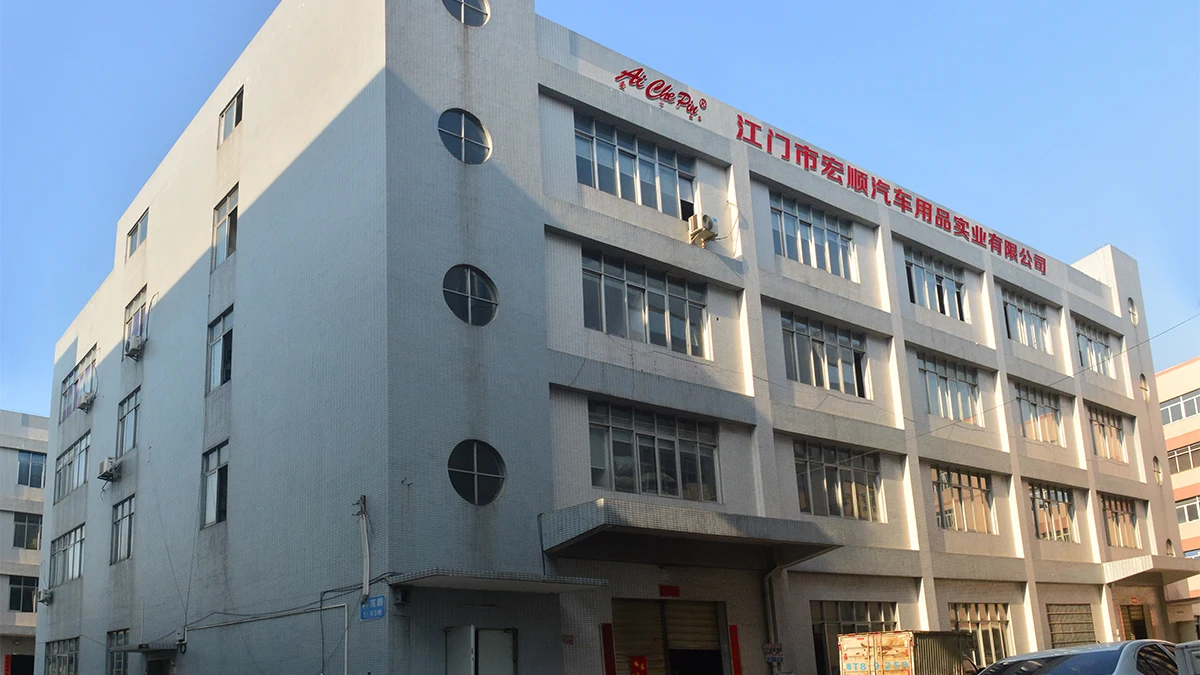
Jiangmen City Hongshun Car Accessories Industrial Co., Ltd.
- Manufacturer
- Guangdong, China
- Lead time30 days
- Avg. response≤ 2h
Main productsRearview mirror blind spot mirror,Car small round mirror,Small round mirror,Car interior mirror,Rear view mirror visor
Main marketsDomestic Market(32.00%), North America(11.00%), Western Europe(10.00%), Eastern Asia(9.00%), South America(8.00%), Eastern Europe(8.00%), Southern Europe(7.00%), Southeast Asia(5.00%), Oceania(5.00%), Northern Europe(5.00%)
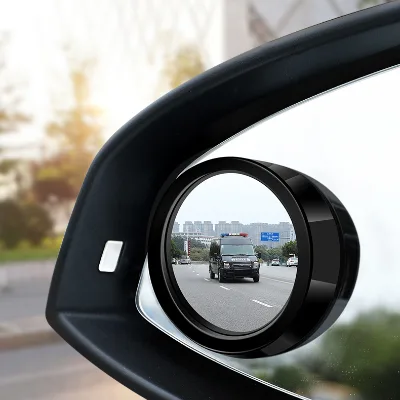
Cheapest Full Vision 360 Degree Wide Parking Assistant Waterproof Auto Rear View Blind Spot Mirror
$0.51 - $0.88
MOQ: 1 pairs
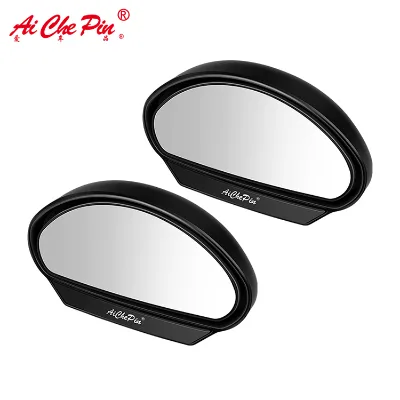

High Quality 360 Degree Rotate Adjustable 58Mm Small Black Blind Spot Mirror
$0.56 - $0.94
MOQ: 2 pairs
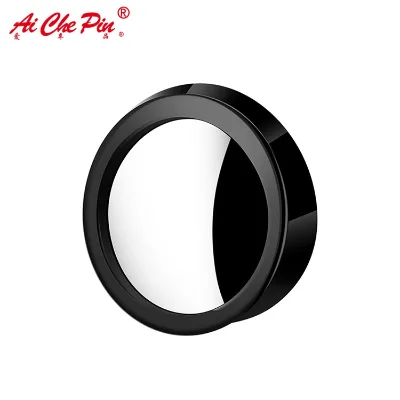
Yiwu Carclean Auto Accessory Factory
- Manufacturer, Trading Company
- Zhejiang, China
- Lead time15 days
- Avg. response≤ 6h
Main productscar organizer bag,car sunshade,car clean brush,lady handbag,school bag
Main marketsNorthern Europe(20.00%), North America(20.00%), Southern Europe(10.00%), South America(10.00%), Central America(10.00%), Western Europe(10.00%), Eastern Asia(10.00%), Eastern Europe(10.00%)

JINAN GUYUE AUTO PARTS CO., LTD.
- Verified by SGS
- Trading Company
- China Shandong
- Lead time15 days
- Avg. response≤ 9h
Main productsFAW Sinotruck Shacman Beiben Truck Spare Part, Bus Spare Parts, Light Truck Spare Parts, Tyre, Construction Machinery, Fuwa Ror BPW Trailer Spare Parts
Main marketsAfrica,Southeast Asia/ Mideast,North America

Mingshang Technology Co., Ltd.
- Manufacturer/Factory,Group Corporation
- China Guangdong
- Lead time23 days
- Avg. response≤ 4h
Main productsRear View Camera, Mobile DVR, Rear View System, Wireless Camera System, Vehicle Safety System, Ai Camera, 360 Camera System, Adas, DMS, Bsd
Main marketsEastern Europe,North America,Western Europe
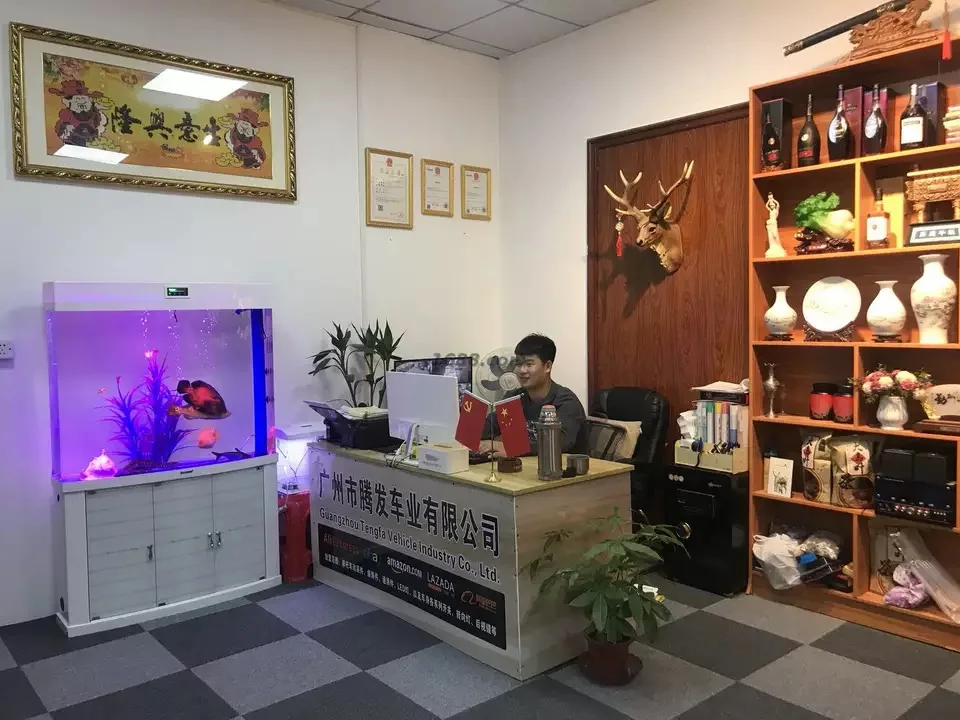
Guangzhou Tengfa Automobile Industry Co., Ltd.
- Trading Company
- Guangdong, China
- Lead time15 days
- Avg. response≤ 3h
Main productsRearview Mirror, Turn Signal, Handlebar, Hand Glue, Brake Disc
Main marketsSoutheast Asia(50.00%), Mid East(30.00%), South America(20.00%), South Asia(0.00%), Eastern Asia(0.00%), North America(0.00%), Oceania(0.00%), Western Europe(0.00%), Southern Europe(0.00%), Central America(0.00%), Northern Europe(0.00%), Africa(0.00%), Eastern Europe(0.00%), Domestic Market(0.00%)

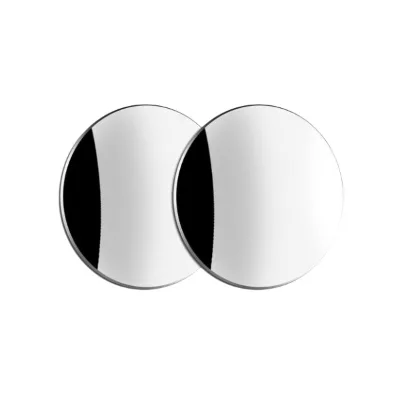
- Trading Company
- Shandong, China
- Lead time20 days
- Avg. response≤ 1h
Main productsSolar Glass,Mirrors,Bathroom Mirror,Lamianted Glass,Tempered Glass
Main marketsDomestic Market(34.38%), Northern Europe(7.67%), Western Europe(6.99%), Mid East(6.80%), Central America(6.67%), Eastern Europe(5.60%), Southern Europe(5.38%), Southeast Asia(4.65%), South Asia(4.32%), South America(4.23%), North America(3.78%), Africa(3.40%), Eastern Asia(3.11%), Oceania(3.02%)
Contact supplier
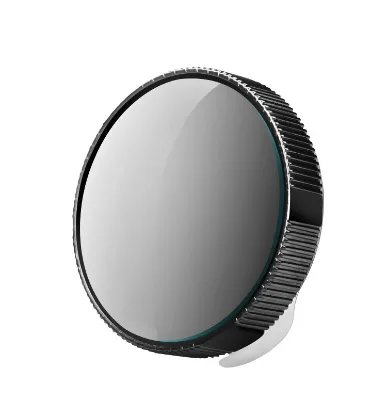
Modern Design Exterior Blind Sport Mirrors
Contact supplier

Hangzhou Guang Yi Hua Material Technology Co., Ltd
- Manufacturer/Factory
- China Zhejiang
- Lead time23 days
- Avg. response≤ 11h
Main productsTraffic Safety Products, Inspection Mirrors, Speed Humps, Wheel Stopper, Cable Protector, Warning Post, Plastic Barrier, Tyre Breaker, Road Stud
Main marketsEastern Europe,Mid East,Southeast Asia,Eastern Asia,Western Europe


Handle Type Under Vehicle Under Car Mirror Inspection Mirror Security Mirror
$26.00 - $30.00
MOQ: 100 Pieces

Wholesale Under Vehicle Search Inspection Mirror Adjustable Inspection Search Mirror
$26.00 - $30.00
MOQ: 100 Pieces

Under Car Search Mirror Under Vehicle Mirror Portable Adjustable Search Mirror
$26.00 - $30.00
MOQ: 100 Pieces
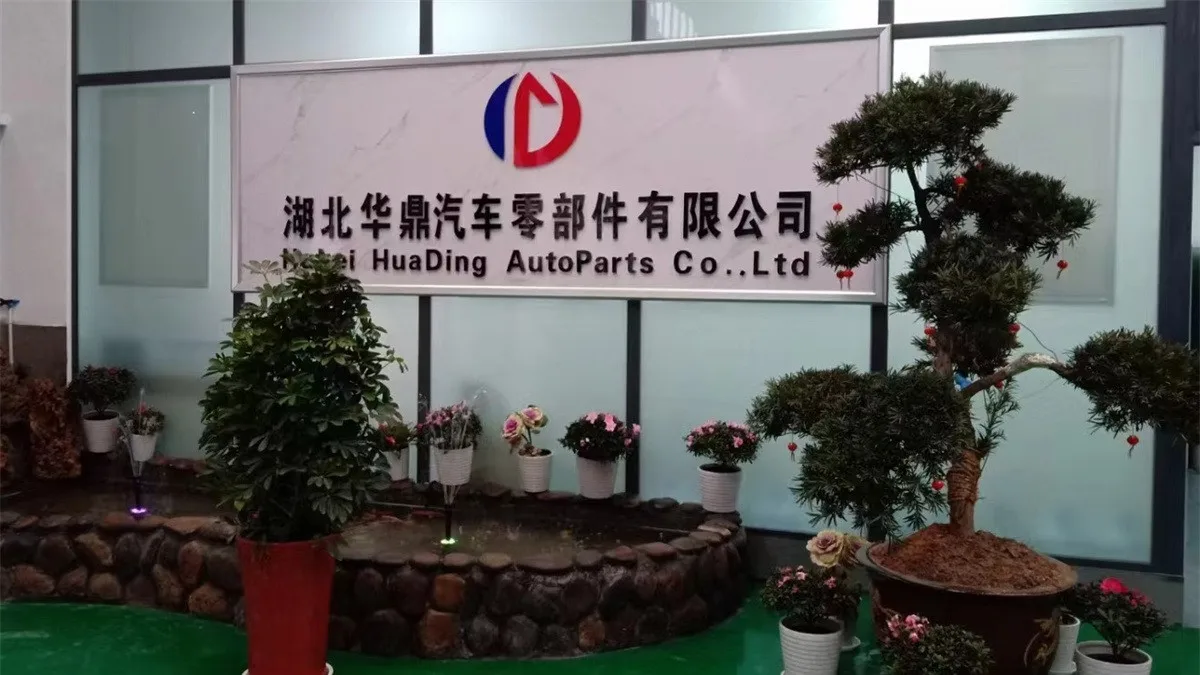
Hubei Huading Automotive Parts Co., Ltd.
- Manufacturer
- Hubei, China
- Lead time0 days
- Avg. response≤ 9h
Main productstruck spare parts,wiper motor,window regulator,cab assembly,truck door locks
Main marketsSouth America(50.00%), North America(15.00%), Mid East(10.00%), Eastern Asia(10.00%), Eastern Europe(10.00%), Africa(5.00%)

Shandong Syys Industrial &Commercial Co., Ltd.
- Verified by TUVRHEINLAND
- Trading Company
- China Shandong
- Lead time15 days
- Avg. response≤ 11h
Main productsAutoparts, Bus Spare Parts, Automotive, Bearing
Main marketsEurope

$30.00 - $50.00
MOQ: 1 Pieces

All-Purpose Truck Rearview Mirror, Dual-Curved Structure Ensures High-Definition Wide-Angle Vision
$30.00 - $50.00
MOQ: 1 Pieces
Yangzhou Boom New Energy Electric Vehicle Technology Co., Ltd.
- Trading Company
- Jiangsu, China
- Lead time0 days
- Avg. response≤ 14h
Main productsgolf cart,Lithium battery,Parts and components
Main marketsSouth America(40.00%), North America(30.00%), Eastern Europe(10.00%), Western Europe(10.00%), Northern Europe(10.00%)

Hefei Chipei Auto Parts Co., Ltd.
- Trading Company,Manufacturer/Factory
- China Anhui
- Lead time45 days
- Avg. response≤ 2h
Main productsAutomotive Parts, Motorcycle Parts, Auto Parts Supplier, Suspension Parts, Engine Parts, Car AC Compressor, Cooling System Parts, Ignition System Parts, Sway Bar Bushing, CV Axle / Drive Shaft
Main marketsEastern Europe,Mid East,North America,Southeast Asia,Eastern Asia,Oceania,Africa

Xuzhou Yeya Engineering Machinery Co., Ltd.
- Trading Company
- China Jiangsu
- Lead time0 days
- Avg. response≤ 13h
Main productsAccessories, Used Machinery, Electrical Electronic Components, Manufacturing Processing Machinery, Construction Machinery, Industrial Equipment Assemblies

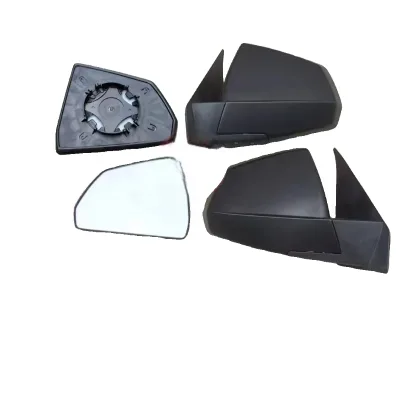
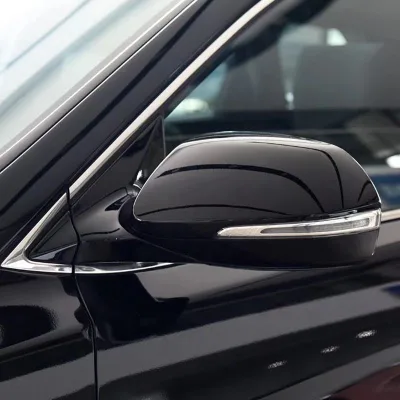
Replacement External Rearview Mirror - Easy Installation & Perfect Match
$29.99 - $79.99
MOQ: 1 Pieces


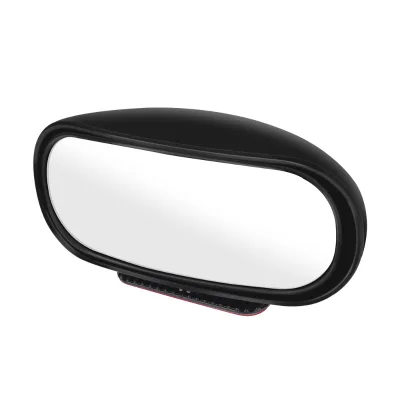
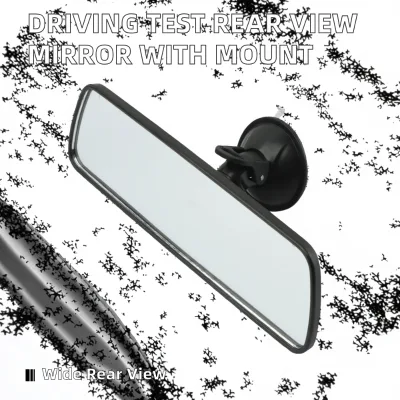

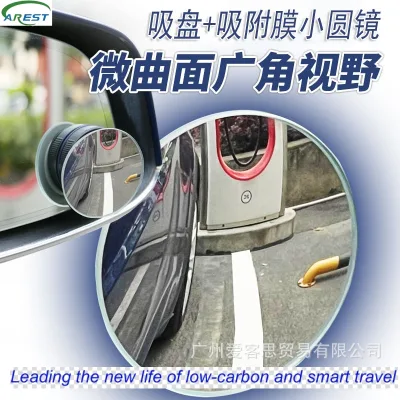


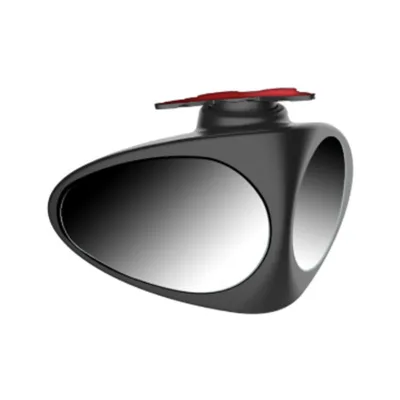
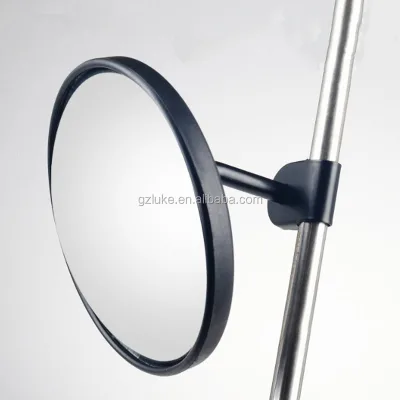
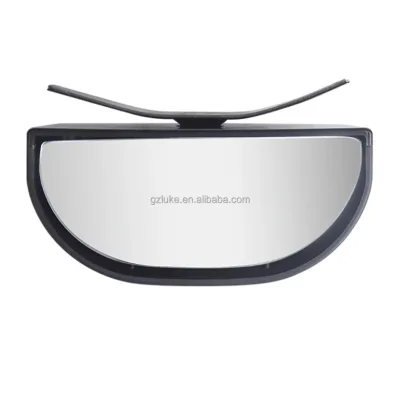
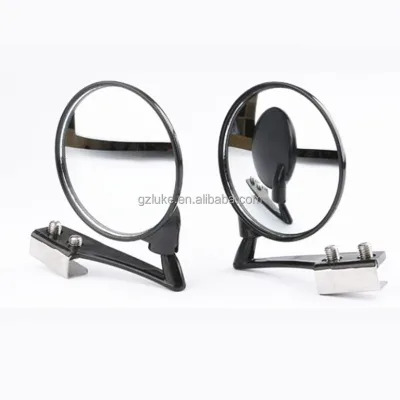
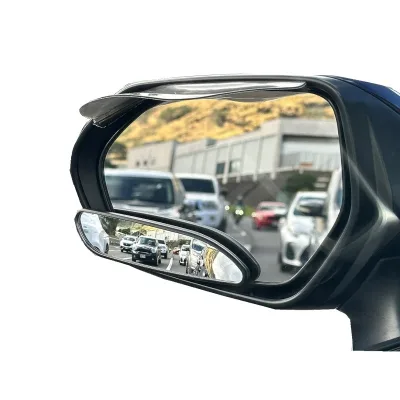
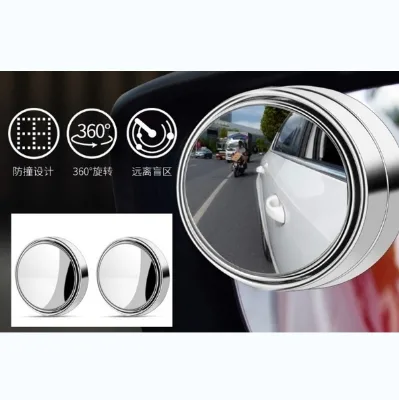
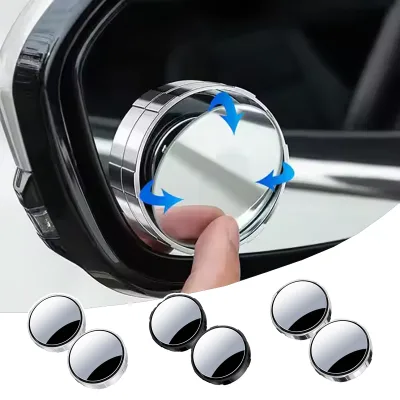
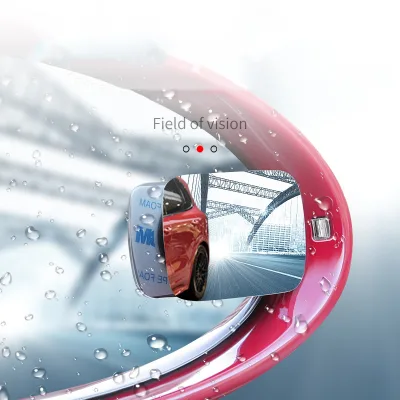


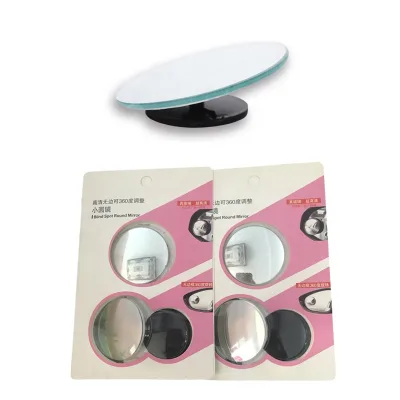


Comprehensive Sourcing Guide
Rearview Blind Spot Mirror Supplier Concentration and Factory Types
Suppliers offering the Rearview Blind Spot Mirror in current results cluster in a small number of Chinese provinces, with Shanghai and Zhejiang both appearing as documented locations. These are established automotive accessory regions, and the category sits alongside broader product lines such as car accessories, car spare parts, steering wheel covers, wiper blades, seat covers, car mats and car care products. This matters because many blind spot mirror suppliers treat the product as one SKU within a wide accessory catalog rather than as a dedicated manufacturing focus, which affects tooling depth, customization capability and consistency across repeat orders.
Supplier types also differ in ways that shape your sourcing approach. Company-type labels in the results include trading companies, which may consolidate output from multiple workshops and offer wider SKU breadth, while factory-type sellers typically emphasize production control and unit cost. Neither model is inherently better: a trading company can simplify multi-item consolidation, while a direct manufacturer may offer faster engineering feedback on mirror curvature, base materials such as plastic or aluminum, and ABS-plus-glass or aluminum-plus-glass constructions. When screening listings, note which suppliers display manufacturing evidence such as mold references, model numbers and material specifications, and which simply resell. Because documented locations here are limited to Shanghai and Zhejiang, buyers should not assume other clusters exist on this page; instead, verify any additional region through business licenses, factory audits or third-party inspection reports before committing to samples.
How to Verify Rearview Blind Spot Mirror Suppliers
Verification should start with the credentials a platform displays, then move to evidence the supplier provides directly. In the current results, some suppliers carry third-party verification labels such as SGS or TÜV Rheinland, while others show no system certification at all, so treat verification as a per-supplier check rather than a category-wide assumption. Cross-check the registered business scope against automotive mirror products, confirm the legal entity name matches the bank account used for deposits, and request a video call or live factory tour rather than relying on a static profile. For products listing CE or ISO marks in their attribute tables, ask for the actual certificate documents and verify the certificate number against the issuing body, since keyword-level claims are not proof of a valid, current certification.
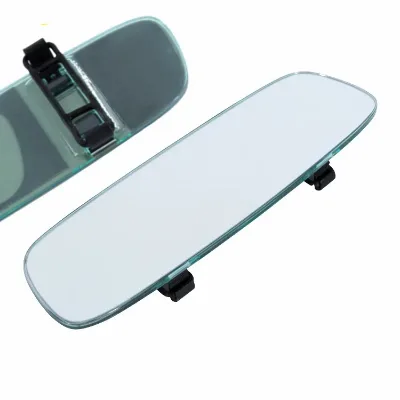
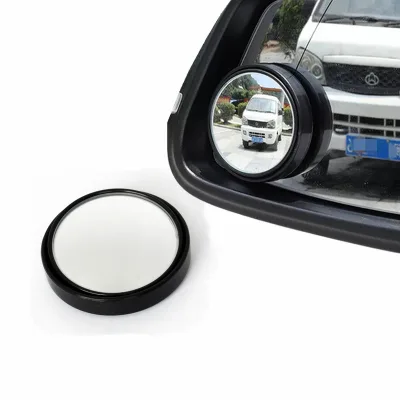
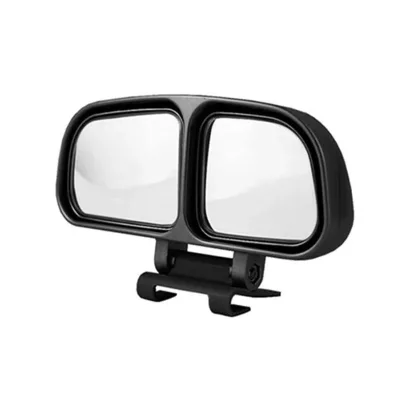
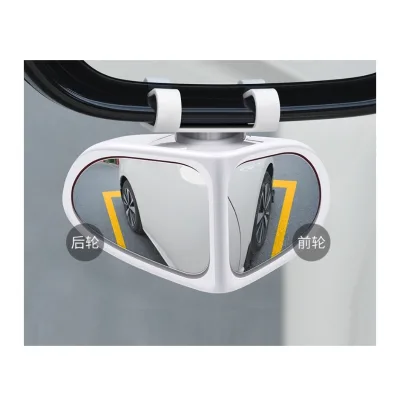
Product-level verification matters just as much in this category. Blind spot mirrors look similar across suppliers but differ in mirror type (spherical, double curvature, or flat), glass quality, adhesive backing, housing material and view angle claims that range from 30 degrees to a stated 360 degrees in the observed listings. Request physical samples before any bulk commitment: check image clarity, distortion at the mirror edge, adhesive strength after heat aging, and whether the adjustable pivot holds position over time. Ask each supplier which specifications are factory-standard and which are customizable, since several results list customization as available and OEM logo acceptance. Keep a written record of every claimed attribute so you can hold the supplier to the exact sample configuration during mass production.
What to Compare Across Rearview Blind Spot Mirror Suppliers
Build a comparison sheet using the attributes suppliers actually display, without assuming every supplier publishes every field. Documented data points in this category include response time (with observed averages ranging from under two hours to more than five hours), lead time (with listings showing roughly 15 days versus 30 days), MOQ (ranging from 500 pieces to 5,000 pieces across listings), unit price ranges (from roughly $0.18 to $0.75 depending on size and construction), and location. Response speed is a practical proxy for account management quality; a supplier answering within a couple of hours is easier to work with during quality disputes and shipment planning. Lead time differences of two weeks materially affect your replenishment cycle for a low-cost, high-turn accessory.
Beyond logistics metrics, compare product and commercial attributes side by side. Note mirror size options (2-inch, 3-inch, 4-inch, 6-inch and 7-inch variants appear), mirror material (ABS+glass versus aluminum+glass), base material, packaging style (slid card, color box, or carton), payment methods accepted, sample availability and customization options. Also weigh establishment year where displayed, since tenure can indicate stability, though it is not a guarantee of quality. Main-product lines deserve attention too: a supplier whose catalog centers on car mirrors and exterior accessories is more likely to have dedicated tooling than one listing blind spot mirrors among dozens of unrelated car accessories. Rank suppliers on a weighted score covering price, responsiveness, verification status, MOQ fit and specification completeness before requesting quotes.
Common Rearview Blind Spot Mirror Sourcing Risks
The most frequent risk in this category is specification drift between the approved sample and bulk production. Because blind spot mirrors are assembled from low-cost components—glass, ABS or aluminum housing, adhesive pad, pivot joint—substitutions are easy and hard to detect from photos. Suppliers may swap adhesive grade, thin the glass, or change the mirror curvature to protect margin after price negotiation. Protect yourself by sealing a golden sample, recording material specs in the purchase contract, and conducting pre-shipment inspection on a defined AQL basis. A second common risk is certification overstatement: attribute tables in the observed results show CE and ISO claims on some listings, but a claim in a listing is not a verified certificate, so always request and independently check documentation.
Commercial risks are equally real. Very low unit prices—some listings start below twenty cents—often hide costs in packaging, freight volumetrics, or mandatory accessory purchases. MOQ structures vary widely, and committing to a large first order before validating sell-through ties up cash in a slow-moving SKU. Payment method also matters: listings mention T/T, Western Union and PayPal, and only escrow-style or documentary payment structures give meaningful protection on unverified relationships. Finally, watch for inconsistent product data across a supplier's own listings—duplicated model numbers with different specifications, or conflicting view-angle claims—since this can signal resold inventory rather than direct production. Confirm who actually manufactures, who owns the tooling, and who is responsible for defective-unit replacement before deposit.
Rearview Blind Spot Mirror Regional Sourcing and Logistics
Regional knowledge should be grounded only in what the data confirms. The documented supplier locations in this category are Shanghai and Zhejiang, both well-connected coastal provinces with mature export infrastructure for automotive accessories. Shanghai offers direct access to one of the world's largest container ports, which simplifies FCL and LCL scheduling, while Zhejiang's accessory-manufacturing base supports dense networks of component suppliers for mirror glass, ABS housings and packaging. If a supplier claims a different region, ask for supporting evidence such as a business license address and factory photos with verifiable details, and never assume a cluster exists without documentation. Location also affects quoted prices, since inland suppliers may offset labor savings with higher inland freight to port.
Logistics planning for this product hinges on its physical profile. Blind spot mirrors are small and lightweight, typically packed in slid cards or color boxes and shipped in cartons, which makes them well suited to consolidated LCL shipments or mixing into broader accessory orders. Confirm carton dimensions, gross weight and stacking limits, because dense cartons of glass-faced mirrors can suffer corner damage without adequate internal packing. The observed lead times of roughly 15 to 30 days set your planning baseline, but add time for sample approval and, where applicable, third-party inspection before the goods leave the factory. For repeat orders, negotiate a rolling forecast with your supplier so raw materials—especially mirror glass—are staged ahead of confirmed purchase orders, shortening effective lead time.
Rearview Blind Spot Mirror Commercial Terms and Order Planning
Commercial terms should be locked in writing before any deposit changes hands. Observed payment references in this category include T/T, Western Union and PayPal; for a first order with an unverified supplier, favor structures that protect the buyer, such as escrow-style release or a staged T/T split tied to inspection approval. Confirm the Incoterm explicitly—FOB from the named port is common for Chinese accessory exports—and get the unit price broken out against the exact specification, size, packaging format and quantity tier. Some listings show price ranges rather than fixed prices, so treat quoted low ends as achievable only at higher volumes and confirm the price curve across your realistic order quantities.
Order planning should respect the MOQ and lead-time spread documented across suppliers. Minimums in the results range from 500 to 5,000 pieces per SKU, so match your first purchase order to the smallest tier that still unlocks your target price, and validate market demand before scaling. With lead times observed around 15 to 30 days, plan reorder points that account for production, inspection, and ocean transit; a stockout on a fast-moving accessory costs more than the freight premium of slightly earlier booking. Where customization is offered—OEM logos, custom packaging, tailored mirror sizes—factor in extra approval cycles and confirm whether tooling or printing plate fees apply. Finally, agree in advance on the defect allowance, replacement mechanism and who bears return freight, so post-shipment disputes have a documented path to resolution.
FAQs
What is the typical lead time for rearview blind spot mirrors?
The typical lead time for these mirrors is 30 days based on current supplier data. Some suppliers offer faster delivery with a 15-day lead time. Buyers should confirm specific timelines with the trading company before placing an order to ensure timely delivery.
What is the minimum order quantity for these mirrors?
The minimum order quantity varies by supplier, with some requiring 3000 pieces and others setting the limit at 5000 pieces. A few suppliers accept orders as low as 500 pieces. Buyers must check the specific MOQ listed for each product model before proceeding.
Where are the manufacturers of these mirrors located?
Manufacturers are located in China, specifically in Shanghai and Zhejiang provinces. All listed products originate from mainland China. Buyers should verify the exact factory location to assess shipping costs and logistics requirements for their specific sourcing needs.
What certifications do these rearview mirrors hold?
Some products carry CE and ISO certifications as listed in the product attributes. Other suppliers show no system certification data available. Buyers should request valid certification documents directly from the supplier to ensure compliance with their local safety standards.
What is the price range for these blind spot mirrors?
Prices range from 0.18 to 0.75 USD per unit depending on the model and specifications. Specific models like the 2-inch wide angle mirror start at 0.18 USD while others reach 0.75 USD. Buyers should compare unit costs against their required quantity to determine the best value.
How quickly do suppliers respond to inquiries?
Supplier response times vary, with some responding in under two hours and others taking over five hours. The average response time observed is around 3.73 hours. Buyers seeking urgent quotes should prioritize suppliers with the fastest recorded response times for better communication.
Are samples available for these car mirrors?
Samples are available for most Rearview Blind Spot Mirror models listed. Buyers can request samples to verify quality before committing to bulk orders. The sample availability is explicitly stated in the product attributes for many of the available mirror types.