Red Straight Tube Buddha Beads Suppliers and Manufacturers
Compare 12 verified suppliers offering Red Straight Tube Buddha Beads with details on location, lead times, and MOQ. Review product attributes like material and pricing to source directly from Jiangsu or Guangdong factories; review the available evidence before requesting comparable quotations from suitable candidates.
Updated
Suppliers List
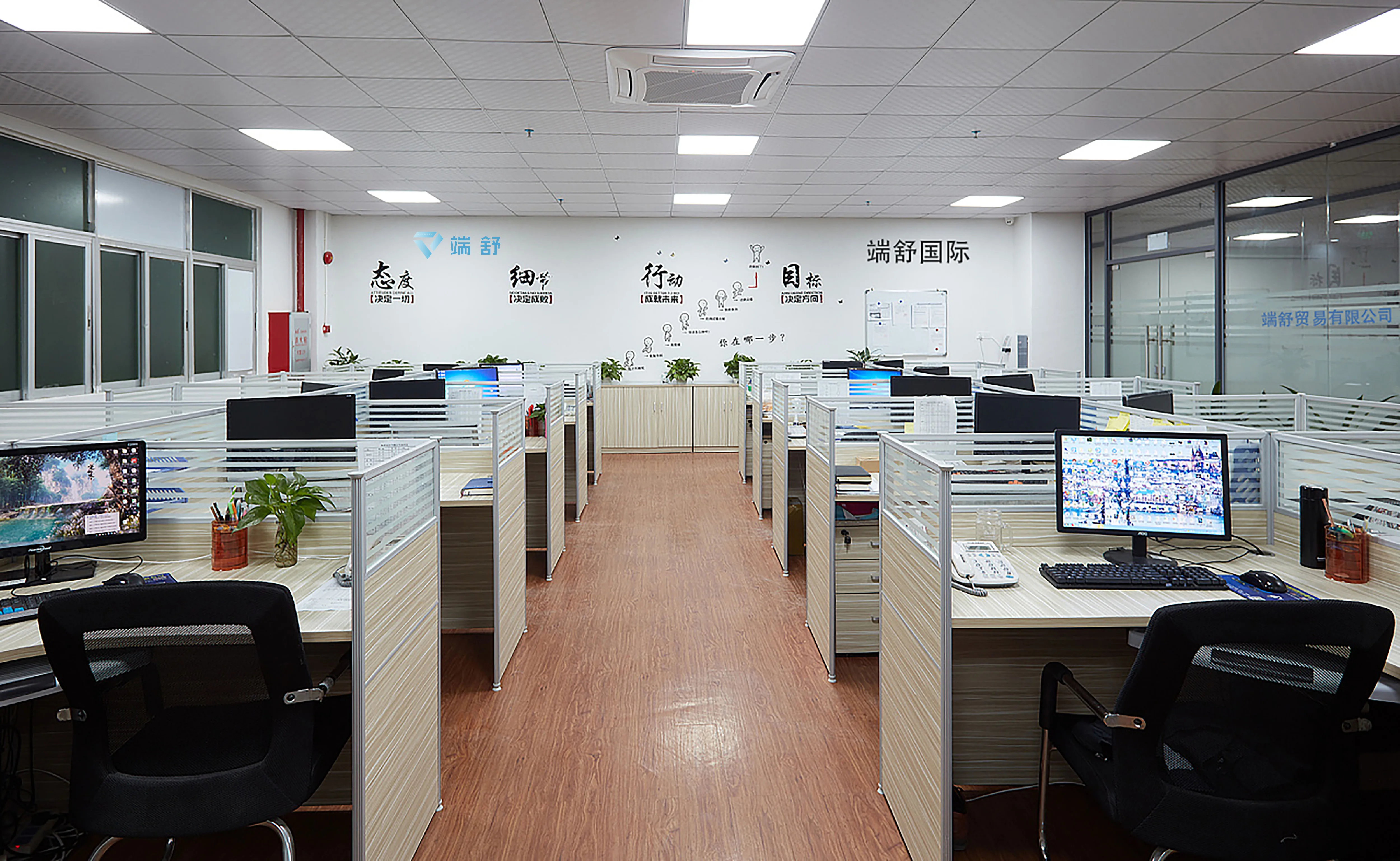
Lianyungang Duanshu Trading Co., Ltd.
- Trading Company
- Jiangsu, China
- Lead time3 days
- Avg. response≤ 2h
Main productsCrystal Bracelets,Crystal Raw Stone,Crystal Bangles,Crystal Healing Stone,Gravels/Chips
Main marketsNorth America(40.00%), Southeast Asia(20.00%), South America(10.00%), Oceania(10.00%), Western Europe(5.00%), Eastern Europe(5.00%), South Asia(5.00%), Northern Europe(3.00%), Africa(2.00%)
- Verified by Intertek
- Manufacturer, Trading Company
- Lead time7 days
- Avg. response≤ 2h
Main productsBeaded Jewelry, Natural Stone Bracelet, Fashion Necklace, Crystal Bracelets, Pearl Necklace
Main marketsNorth America(40%), Western Europe(35%), Oceania(10%)
Nanning Haosiqi Jewelry Company Ltd.
- Trading Company
- Guangxi, China
- Lead time7 days
- Avg. response≤ 2h
Main productsNatural Semi-precious stones,Natural Stone Pendant,Bracelet,Rings,Necklace
Main marketsNorth America(45.00%), South America(25.00%), Domestic Market(10.00%), Eastern Europe(5.00%), Mid East(5.00%), Oceania(5.00%), Southeast Asia(5.00%)
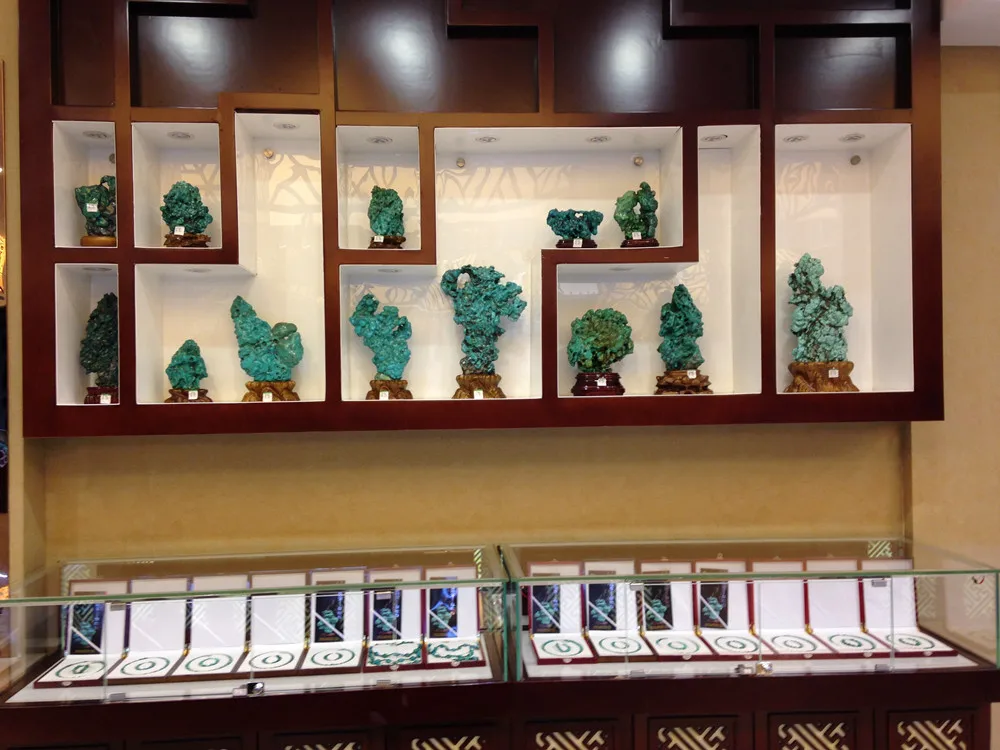
Guangzhou Lizhizhu Jewelry Co., Ltd.
- Manufacturer, Trading Company, Distributor/Wholesaler
- Guangdong, China
- Lead time10 days
- Avg. response≤ 7h
Main productsfashion jewelrys,jewelry findings,stone loose beads,glass beads,jewelry packages
Main marketsNorth America(20.00%), Western Europe(12.00%), Southeast Asia(12.00%), Mid East(10.00%), Eastern Europe(10.00%), South America(10.00%), Domestic Market(6.00%), Central America(6.00%), Eastern Asia(6.00%), Northern Europe(5.00%), Southern Europe(3.00%)
Yiwu Shanmei Arts And Gifts Co., Ltd.
- Verified by TüVRheinland
- Manufacturer, Trading Company
- Lead time20 days
- Avg. response≤ 8h
Main productsGemstone Jewelry, Metal Jewelry, Jewelry Accessories, Sterling Sliver Jewelry, Gemstone Decorations
Main marketsNorth America(40%), South America(30%), Southeast Asia(10%)
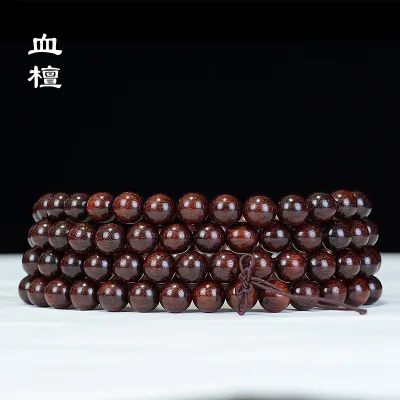
$2.5853 - $3.0509
MOQ: 5 Minimum
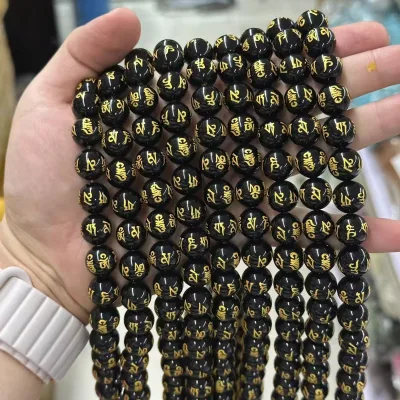
$3.8593 - $5.6602
MOQ: 5 Minimum
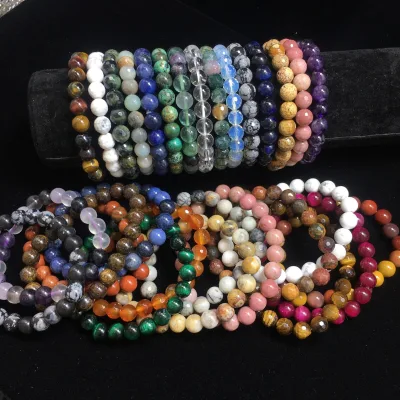
$0.6692 - $7.1512
MOQ: 20 Minimum
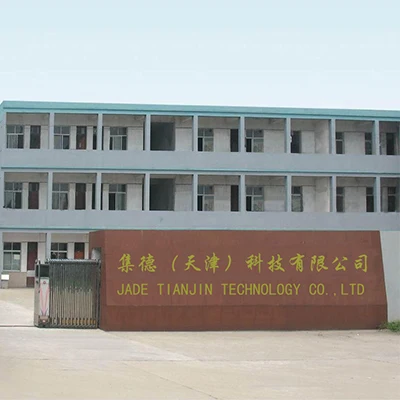
Jade (Tianjin) Technology Co., Ltd.
- Trading Company
- Tianjin, China
- Lead time7 days
- Avg. response≤ 4h
Main productsjade roller,gua sha,guasha,jade gua sha,Iastm tools
Main marketsSouth America(25.00%), Central America(20.00%), North America(20.00%), Domestic Market(15.00%), Northern Europe(5.00%), Southern Europe(5.00%), Africa(5.00%), Eastern Europe(3.00%), Western Europe(2.00%)

Guangzhou Milky Way Jewelry Limited
- Trading Company
- Guangdong, China
- Lead time10 days
- Avg. response≤ 3h
Main productsfashion jewelry,jewelry supplies,jewelry findings,jewelry material,art and gift
Main marketsNorth America(40.00%), Eastern Europe(12.00%), South America(12.00%), Africa(10.00%), Western Europe(10.00%), Northern Europe(8.00%), Eastern Asia(3.00%), Southern Europe(2.00%), Mid East(1.00%), Oceania(1.00%), Southeast Asia(1.00%)
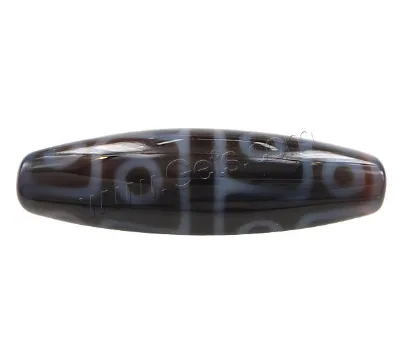
$9.0898 - $9.2545
MOQ: 2 pieces
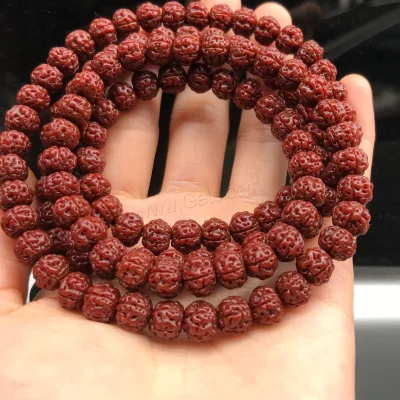

Guangzhou Feibei Decoration Co., Ltd.
- Manufacturer, Trading Company, Distributor/Wholesaler
- Guangdong, China
- Lead time15 days
- Avg. response≤ 4h
Main productsjewelry,bracelet,necklace,Stainless Steel Chain,balloons
Main marketsNorth America(45.00%), Western Europe(25.00%), South America(5.00%), Eastern Europe(5.00%), Mid East(3.00%), Southeast Asia(3.00%), Eastern Asia(3.00%), Northern Europe(2.00%), Domestic Market(2.00%), South Asia(2.00%), Southern Europe(2.00%), Central America(1.00%), Oceania(1.00%), Africa(1.00%)

- Trading Company
- Zhejiang, China
- Lead time14 days
- Avg. response≤ 7h
Main productsBracelet,Necklace,Keychain,Lanyard,Earrings
Main marketsNorth America(30.00%), Southeast Asia(20.00%), Eastern Europe(20.00%), South America(20.00%), Africa(5.00%), Mid East(2.00%), Western Europe(1.00%), Eastern Asia(1.00%), Oceania(1.00%)
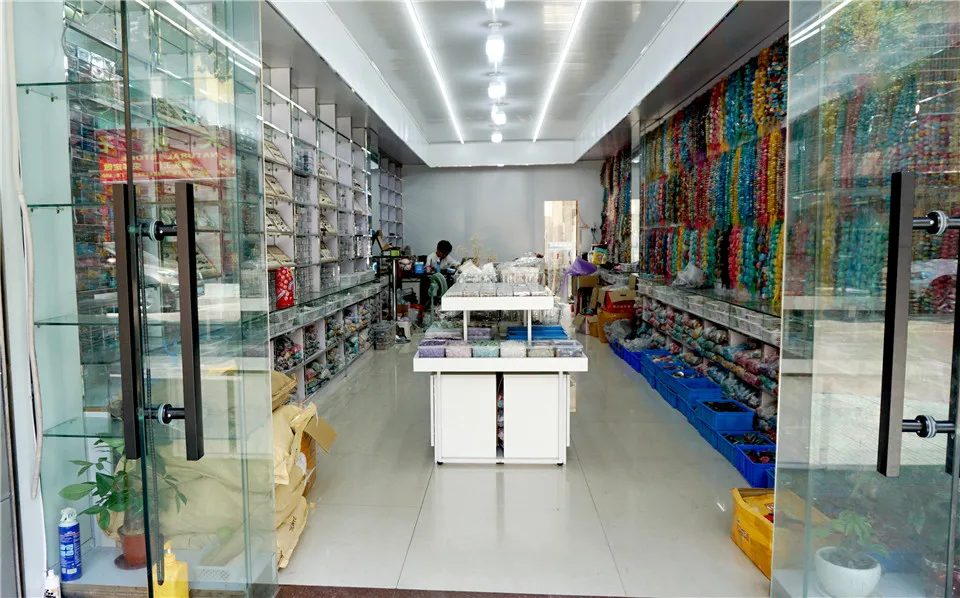
- Trading Company
- Zhejiang, China
- Lead time0 days
- Avg. response≤ 6h
Main productsNatural stone pendant,Natural stone necklace,Agate Pendant,Earrings,Arts and Crafts
Main marketsWestern Europe(40.00%), Southern Europe(20.00%), North America(20.00%), Eastern Europe(10.00%), South America(10.00%)

Foshan Hongshi Technology Co., Ltd
- Verified by TUVRHEINLAND
- Manufacturer/Factory
- China Guangdong
- Lead time23 days
- Avg. response≤ 5h
Main productsMuslim Rosary, Muslim Prayer Beads, Bracelets, Bead Jewelry, Earring, Fashion Necklaces, Islamic Tasbih Bead, Necklace, 33 Beads Tasbih, Olive Wood Tasbih
Main marketsSouth America,Eastern Europe,Mid East,North America,Southeast Asia,Eastern Asia,Oceania,Western Europe,Africa


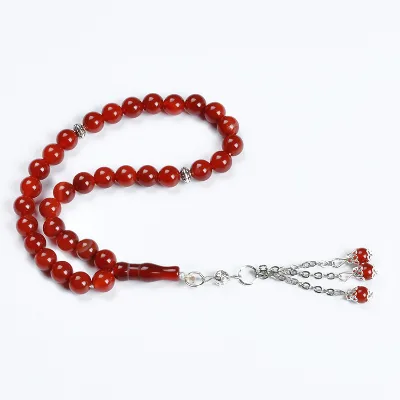
Natural Agate Tianzhu 8*12mm 33 Muslim Rosary Bead Islam Prayer Beads Tasbih Misbaha Tasbeeh Subha
$1.50 - $1.80
MOQ: 10 Pieces

$3.50 - $3.70
MOQ: 2 Pieces

Guangzhou Li Daimi Trade Co., Ltd.
- Manufacturer, Trading Company
- Guangdong, China
- Lead time5 days
- Avg. response≤ 2h
Main productsstainless steel jewelry,gemstone jewelry,handmade jewelry,Cuff-links & tie clip,sterling silver jewelry
Main marketsNorth America(50.00%), South America(30.00%), Domestic Market(5.00%), Western Europe(5.00%), Southeast Asia(5.00%), Eastern Europe(5.00%)
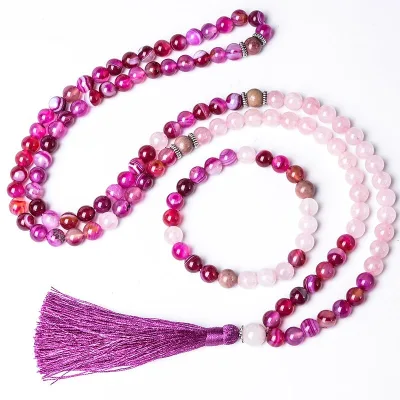
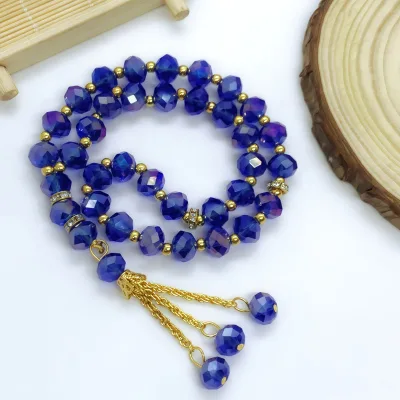
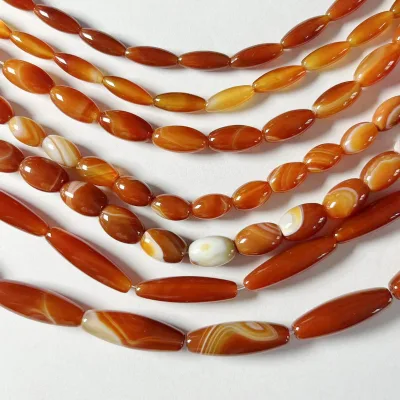
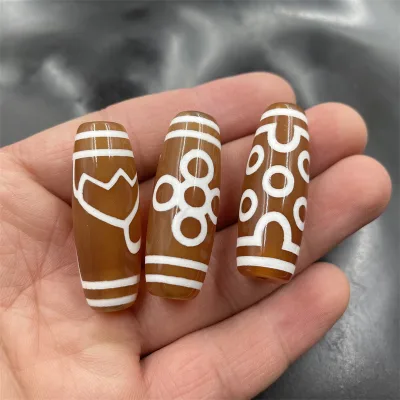
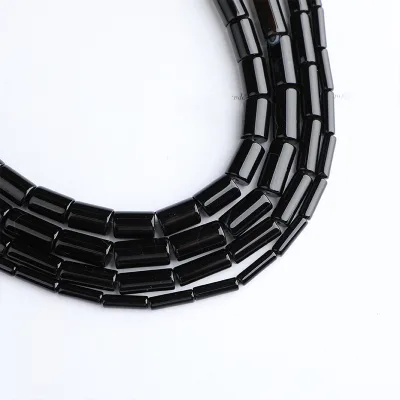

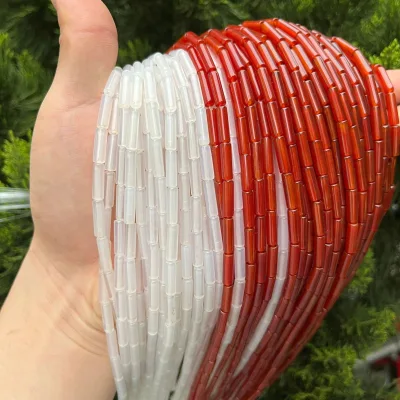
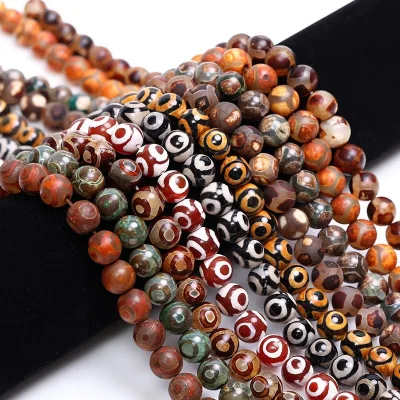
Comprehensive Sourcing Guide
Red Straight Tube Buddha Beads Supplier Concentration and Factory Types
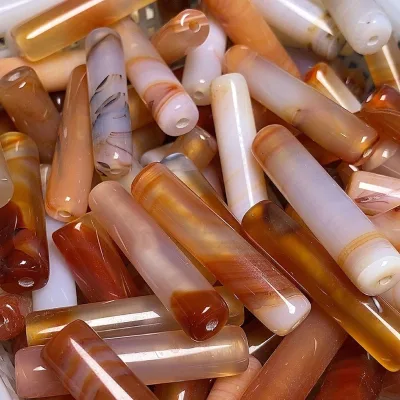
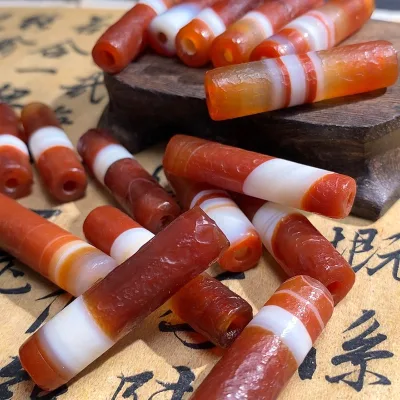
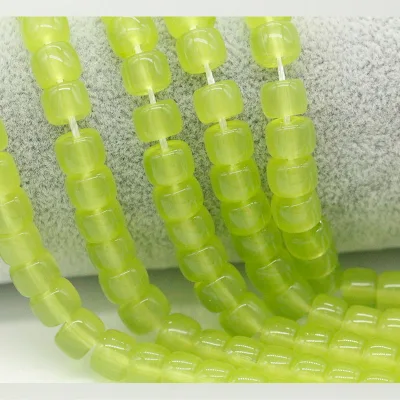
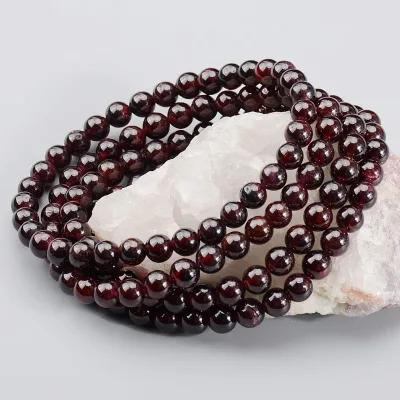
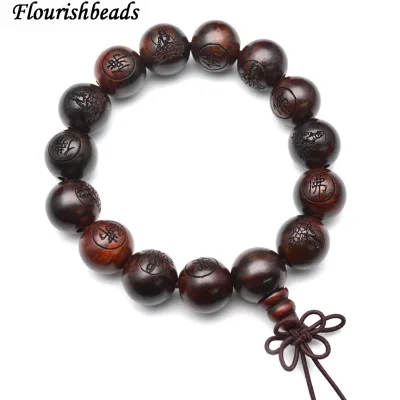
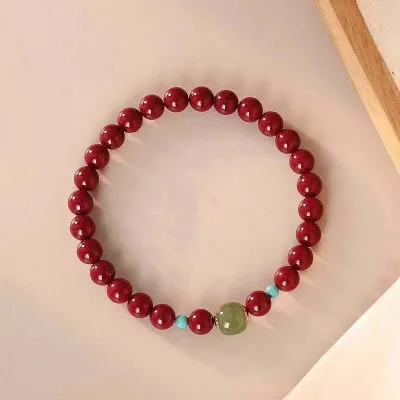
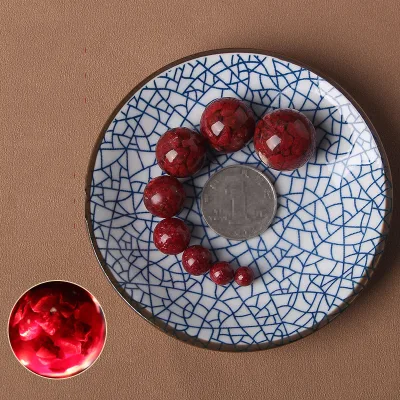
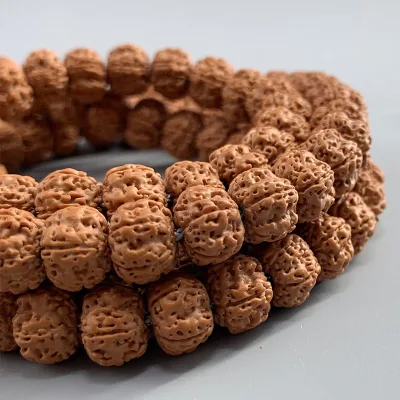
Current data indicates a concentration of suppliers in Jiangsu, China, offering a mix of trading companies and manufacturers for Red Straight Tube Buddha Beads. Some entities list themselves as trading companies, while others operate as manufacturers or a hybrid of both, suggesting a diverse supply chain structure in this region. The primary product categories observed include crystal bracelets, raw stones, and specific items like natural Brazilian red agate processed straight tube beads. This clustering allows buyers to access a variety of forms, from loose beads to finished pendants, often sourced from the same geographic hub.
When evaluating the factory types, buyers should note that some suppliers provide sample processing and customized graphic processing capabilities, indicating in-house production capacity. Others may focus on trading, aggregating goods from various sources. The presence of specific product attributes like "polished" techniques and "mascot" styles suggests that some facilities handle detailed finishing work. Buyers must verify if a supplier is a direct manufacturer or a trading intermediary by checking their stated company type and capacity details. This distinction impacts control over quality and customization options for Red Straight Tube Buddha Beads.
How to Verify Red Straight Tube Buddha Beads Suppliers
Verification of suppliers requires checking for specific credentials and verification statuses provided in the search results. Some suppliers display Intertek verification, which serves as a third-party confirmation of their business operations. Additionally, system certifications such as CE may be listed, though buyers should confirm if these apply specifically to the Red Straight Tube Buddha Beads or general company compliance. The absence of a specific certification for a product does not negate the supplier's overall verification status, but it requires further inquiry to ensure product safety and compliance standards are met for the intended market.
Response time is another critical metric for verifying supplier reliability and engagement levels. Data shows response times as low as two days, which indicates a responsive communication channel for potential buyers. However, not all suppliers may display this metric, so buyers should actively test communication channels before placing orders. Establishing a clear line of communication helps confirm the supplier's ability to handle inquiries about Red Straight Tube Buddha Beads specifications. Buyers should also look for evidence of established business practices, such as detailed product attributes and clear shipping methods, to gauge operational maturity.
What to Compare Across Red Straight Tube Buddha Beads Suppliers
Comparing suppliers involves analyzing key operational metrics like lead time, minimum order quantity, and pricing structures. Lead times observed in the results vary, with some suppliers indicating a three-day window while others suggest a seven-day period for production. Minimum order quantities also differ, with some listings requiring 30 pieces and others setting the bar at 50 pieces. These variations directly impact the initial investment and inventory planning for buyers sourcing Red Straight Tube Buddha Beads. Buyers must align these constraints with their specific project needs and budget constraints.
Pricing and product specifications offer another layer for comparison. Price ranges for similar items like red agate beads can vary from 1.50 to 2.90 per unit, depending on the specific product attributes and order volume. Some suppliers offer mixed colors and sizes, while others focus on specific dimensions like 9.545 mm or 1040 mm. Buyers should compare the material composition, such as natural stone or crystal agate, and the finishing techniques like polishing. Evaluating these factors ensures that the selected supplier meets the quality and aesthetic requirements for the Red Straight Tube Buddha Beads project.
Common Red Straight Tube Buddha Beads Sourcing Risks
One significant risk involves the discrepancy between product descriptions and actual material quality. While some listings specify "natural stone" or "crystal agate," others may use generic terms like "material type" without clear verification. Buyers must be cautious of vague descriptions regarding the origin of the stones, as some products list "Place of Origin" as JIA or Guangdong, but the specific quarry or processing standard may not be detailed. This ambiguity can lead to receiving goods that do not match the expected quality or authenticity of Red Straight Tube Buddha Beads.
Another risk relates to shipping and packaging reliability. Although some suppliers list shipping methods like DHL, UPS, and FedEx, the actual delivery time can fluctuate based on logistics conditions. The single package size and weight vary, with some items weighing as little as 0.008 kg, which might affect shipping costs and handling. Buyers should verify the "Safe Package" claims and ensure that the packaging is sufficient to protect the beads during transit. Inconsistent packaging or shipping delays can disrupt project timelines and increase the overall cost of sourcing Red Straight Tube Buddha Beads.
Red Straight Tube Buddha Beads Regional Sourcing and Logistics
Regional sourcing in Jiangsu, China, offers a centralized hub for Red Straight Tube Buddha Beads, but buyers should also consider other potential clusters like Guangdong. Some product attributes explicitly mention Guangdong as the place of origin, indicating that sourcing may extend beyond a single province. Buyers should verify the specific location of the factory or warehouse to understand the logistics implications. Proximity to major ports can influence shipping efficiency and costs, making it essential to confirm the exact origin of the goods before finalizing an order.
Logistics planning must account for the diverse shipping methods available, including DHL, UPS, and EMS. The delivery time for products can range from 2 to 10 days, depending on the shipping method and destination. Buyers should calculate the total lead time by combining the supplier's production time with the transit time. For urgent orders, selecting a supplier with a shorter lead time and reliable shipping partner is crucial. Understanding the regional logistics network helps buyers manage expectations and ensure timely delivery of Red Straight Tube Buddha Beads to their destination.
Red Straight Tube Buddha Beads Commercial Terms and Order Planning
Commercial terms for Red Straight Tube Buddha Beads often include specific minimum order quantities and pricing tiers. Buyers should note that some suppliers require a minimum of 30 pieces, while others set the threshold at 50 pieces. Pricing can vary significantly, with some items listed between 1.50 and 2.90 per unit. These terms directly affect the financial planning and inventory strategy for the project. Buyers must negotiate these terms to align with their budget and volume requirements, ensuring that the order size is feasible for their business model.
Order planning should also consider the customization options and production capacity of the supplier. Some suppliers offer sample processing and customized graphic processing, which can be vital for unique Red Straight Tube Buddha Beads designs. Buyers should confirm the availability of these services and the associated lead times. Additionally, understanding the packing details, such as single package size and weight, helps in planning storage and distribution. Clear communication regarding these commercial terms ensures a smooth transaction and reduces the risk of misunderstandings during the order fulfillment process.
FAQs
What is the minimum order quantity for red agate beads?
The minimum order quantity varies by product type. Some straight tube beads require a minimum of 30 pieces, while others start at 50 pieces. Buyers should check the specific listing details to confirm the exact MOQ before placing an order to ensure it meets their production needs.
How long does delivery take for these crystal crafts?
Delivery times typically range from 2 to 10 days depending on the supplier and order volume. Some manufacturers list a general lead time of 3 days, while others may take up to 7 days for processing. Shipping methods like DHL or FedEx are commonly used for faster transit.
What materials are used in these red buddha beads?
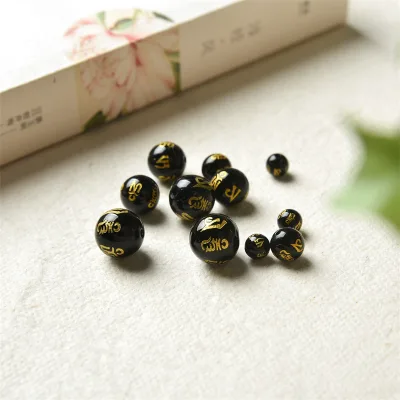
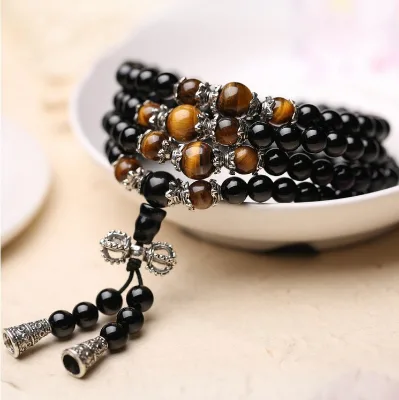
These beads are primarily made from natural stone, specifically red agate or onyx. The material is often classified as crystal or agate, with a polished finish. Some listings also mention mixed materials like quartz or tiger eye for related prayer bead sets, ensuring a natural stone aesthetic.
Where are these crystal beads manufactured?
The products are manufactured in China, with specific origins listed as Jiangsu or Guangdong. Buyers can verify the place of origin on individual product pages, which often specify the province to help assess logistics and supplier location for international shipping and customs clearance purposes.
What is the price range for wholesale red agate beads?
Prices for wholesale red agate beads generally range from $1.50 to $2.90 per piece. The cost depends on the specific model, size, and quantity ordered. For example, straight tube beads may start around $1.50, while more complex sets or larger quantities might reach higher price points.
Are these suppliers verified for quality assurance?
Some suppliers are verified by Intertek, indicating a level of quality assurance for their manufacturing processes. Buyers should look for verification badges on supplier profiles to ensure reliability. This verification helps confirm that the company meets certain standards for product quality and business practices.