Red Wall Schuko Socket Suppliers and Manufacturers
Explore 24 verified options for Red Wall Schuko Socket from China Zhejiang. Compare lead times, certifications like CE and ISO, and pricing ranges. Contact suppliers directly to request samples or customizations; review the available evidence before requesting comparable quotations from suitable candidates.
Updated
Suppliers List

Wenzhou Huafeng Electric Co., Ltd.
- Verified by SGS
- Combined
- China Zhejiang
- Lead time30 days
- Avg. response≤ 5h
Main productsWall Switch, Socket, Plug, Circuit Breakers, Lighting Equipment, Wall Socket, Swith Socket, LED Bulb, Switches, Cable Tie
Main marketsSouth America,Africa,Others(foreignTradeCapacity.exportBusinessCapacityMarketOther),Europe,North America


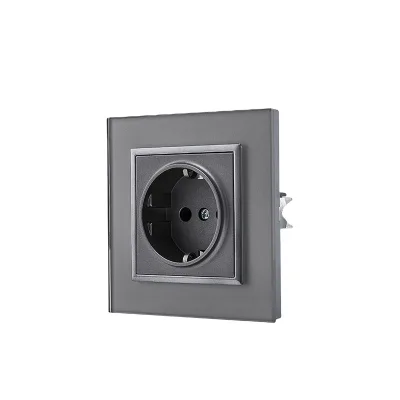
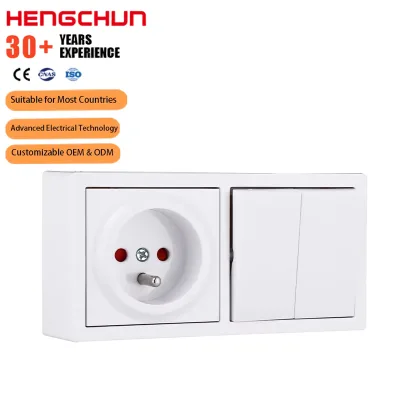
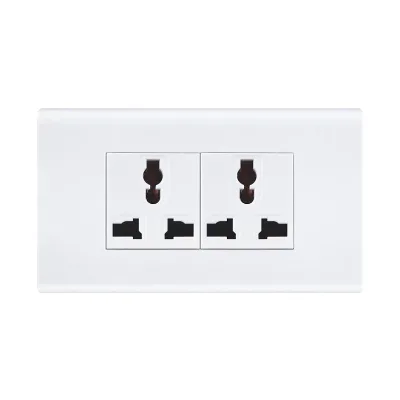
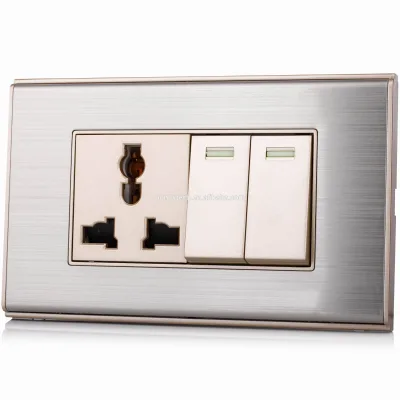
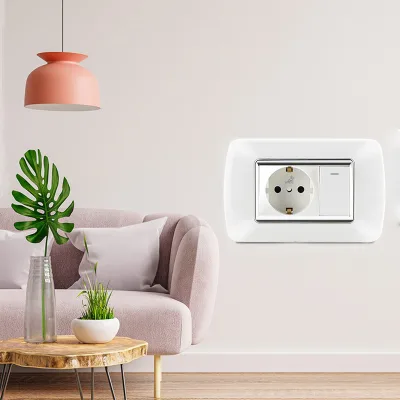
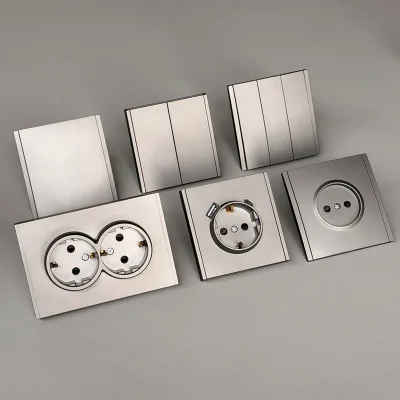
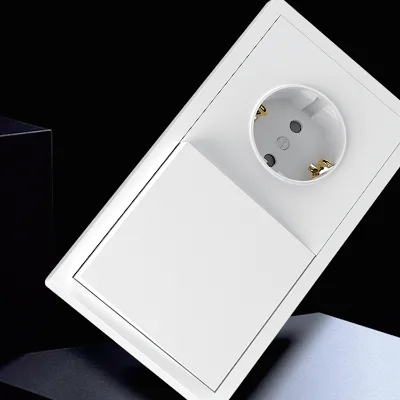
European Standard 1 gang silver gray frame electric wall outlet Schuko Socket
$1.388 - $1.428
MOQ: 1000 Pieces
Shanghai Shinelite Electric Co., Ltd.
- Verified by TüVRheinland
- Trading Company
- Lead time25 days
- Avg. response≤ 3h
Main productsWall Switch, Switch Socket, Electrical Accessories, Smart Switch, Led Lighting
Main marketsAfrica(35%), Mid East(34%), Southeast Asia(20%)

Etman Electric(Changzhou) Co., Ltd
- Verified by TUVRHEINLAND
- Combined
- China Jiangsu
- Lead time15 days
- Avg. response≤ 8h
Main productsUSB Socket, Power Module, Perilex Plug, Electric Stove Plug, Dcl Socket, Lamp Socket, Power Plug, LED Light Accessory, Wall Box Accessory, Electric Cables
Main marketsEurope

Fuzhou Keruida Electric Porcelain And Appliance Co., Ltd.
- Verified by SGS
- Combined
- China Fujian
- Lead time15 days
- Avg. response≤ 5h
Main productsRetro Switch
Main marketsEurope

Wenzhou Boden Electric Co., Ltd.
- Manufacturer, Trading Company
- Zhejiang, China
- Lead time5 days
- Avg. response≤ 4h
Main productsWall Switch,Wall Socket,Plug for Eu,Adapter,Power Stripe (Export Sales)
Main marketsEastern Europe(68.00%), Western Europe(13.00%), Northern Europe(5.00%), Southeast Asia(5.00%), South Asia(3.00%), Southern Europe(3.00%), Mid East(2.00%), Africa(1.00%)
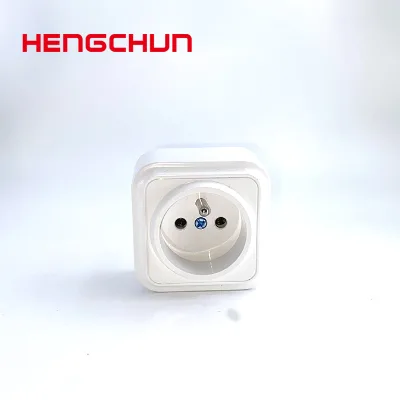
WenZhou HENGCHUN electric Co.,Ltd
- Verified by TüVRheinland
- Manufacturer, Trading Company
- Lead time7 days
- Avg. response≤ 2h
Main productsWall Switch, Wall Socket, Extend Socket, Plug
Main marketsEastern Europe(30%), Africa(30%), South Asia(20%)

WENZHOU ELENDAX ELECTRICAL CO., LTD.
- Combined
- China Zhejiang
- Lead time30 days
- Avg. response≤ 6h
Main productsWall Switch, Socket, Plug, Extension Socket, Adaptor, Lamp Holder, Power Cord, Outlet, Power Strip, Switch
Main marketsOthers(foreignTradeCapacity.exportBusinessCapacityMarketOther),Southeast Asia/ Mideast,Europe
Zhongshan Gamder Electric Appliance Co., Ltd.
- Manufacturer
- Guangdong, China
- Lead time30 days
- Avg. response≤ 9h
Main productsWall Switch, Wall Socket, Smart Lighting, LED Driver
Main marketsDomestic Market(50.00%), Mid East(20.00%), Africa(10.00%), North America(5.00%), Western Europe(4.00%), South America(3.00%), Eastern Europe(3.00%), South Asia(2.00%), Southeast Asia(2.00%), Central America(1.00%)
Yiwu Binge Electrical Co., Ltd.
- Verified by SGS Group
- Manufacturer, Trading Company
- Lead time15 days
- Avg. response≤ 3h
Main productsWifi Smart Switch & Socket , Zigbee Switch and Socket, Mechanical Switch & Socket
Main marketsWestern Europe(45%), Eastern Europe(30%), Southern Europe(10%)
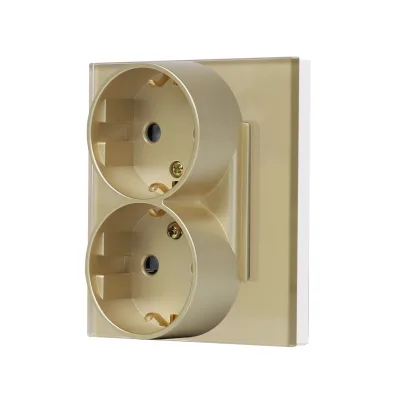
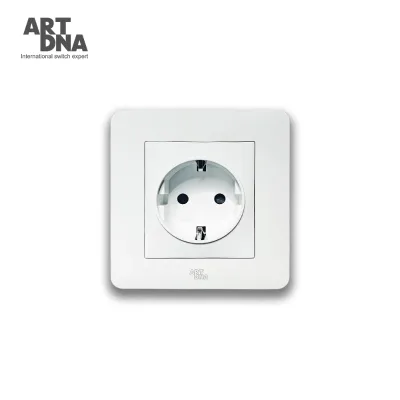
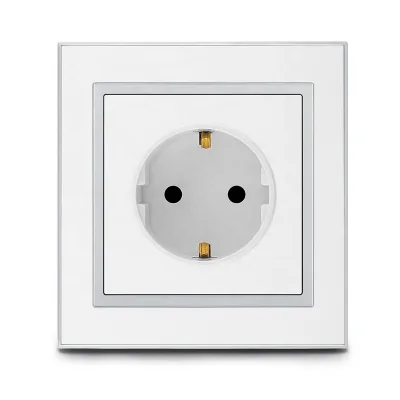
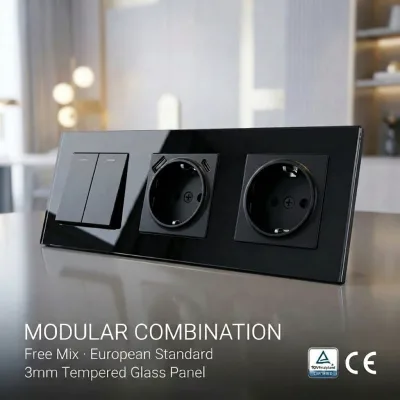
EU Double Power Socket Schuko Socket Glass Panel 16A EU Standard Wall Outlet CE ROHS
$1.70 - $2.30
MOQ: 20 pieces
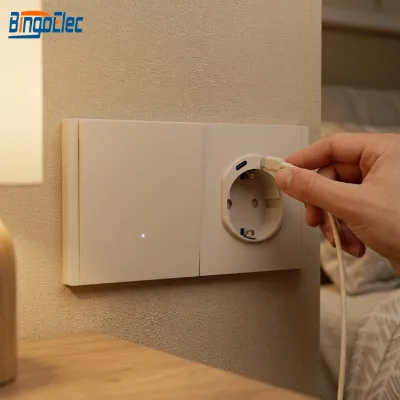
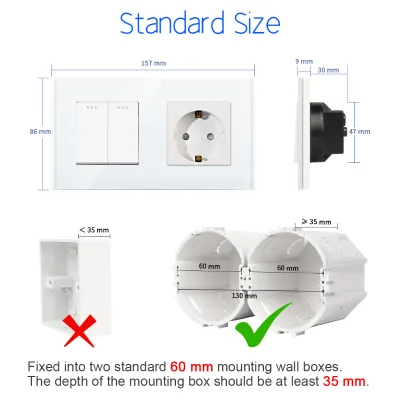
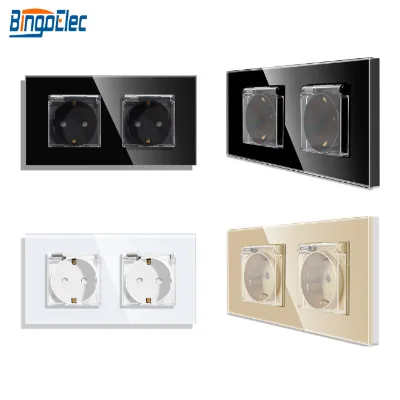

Wenzhou Elendax Electrical Co., Ltd.
- Manufacturer
- Zhejiang, China
- Lead time30 days
- Avg. response≤ 5h
Main productsWall Switches,Sockets,Plugs,Lamp Holders,Adapters
Main marketsEastern Europe(65.00%), Southeast Asia(16.00%), Eastern Asia(13.00%), Domestic Market(6.00%)
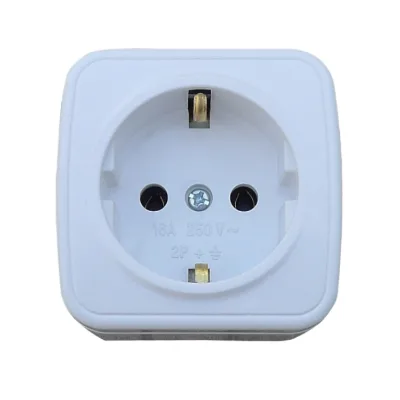
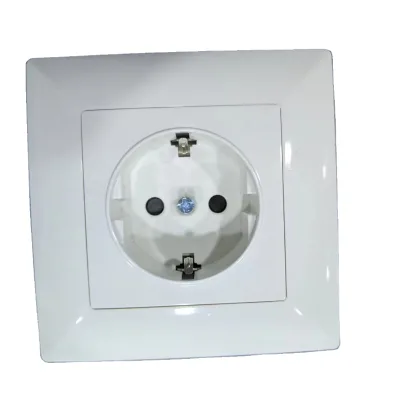
Wall Socket Ip20 10a Abs Surface Mounted Single Schuko Socket Outlet Wall Socket
$0.26 - $0.29
MOQ: 2000 pieces
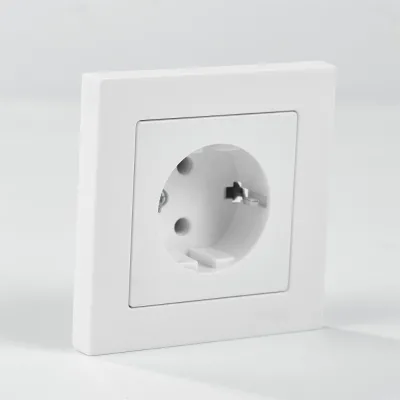
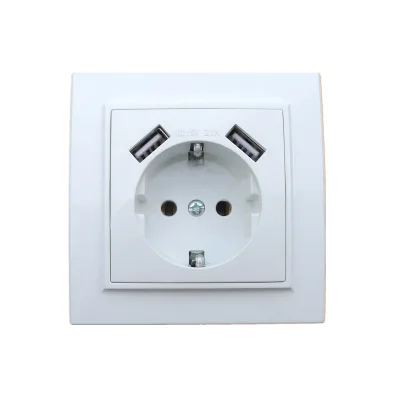
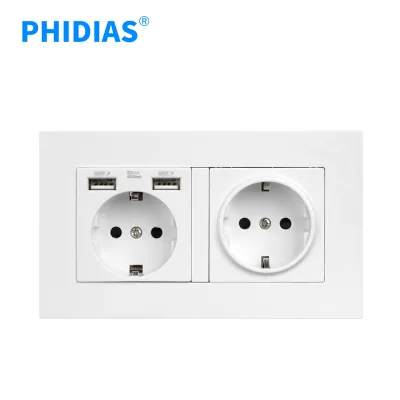
Electrical Wall Socket EU USB Socket
$1.60 - $1.71
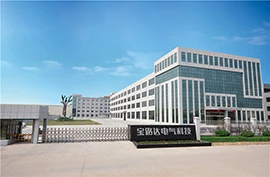
Taizhou Baoluda Electric Technology Co., Ltd.
- Manufacturer
- Zhejing, China
- Lead time30 days
- Avg. response≤ 4h
Main productsIndustrial Plug and Socket.,industrial socket,terminal block,Socket Box,AC switch
Main marketsDomestic Market(30.00%), North America(25.00%), Western Europe(10.00%), Southern Europe(10.00%), Northern Europe(10.00%), South America(5.00%), Oceania(5.00%), Southeast Asia(5.00%)
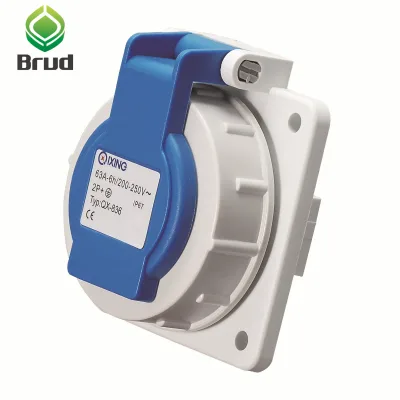
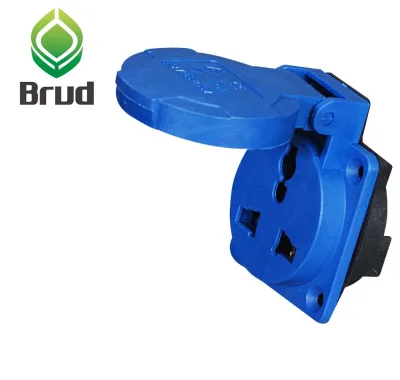
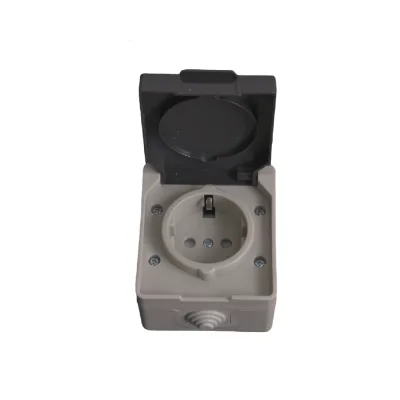
High Quality IP54 3 Pin 10A 230V EN/CEE/IEC Schuko Socket for Housing Industrial
$1.2335 - $3.0808
MOQ: 1 pieces
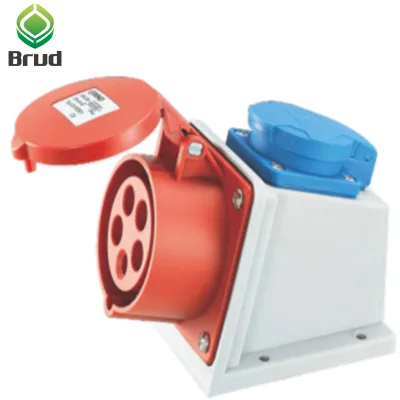
$4.8817 - $5.7859
MOQ: 10 pieces

Fuzhou Colshine Electric Co., Ltd.
- Verified by SGS
- Trading Company,Manufacturer/Factory
- China Fujian
- Lead time23 days
- Avg. response≤ 14h
Main productsLED Corn Light, LED Street Light, LED Yard Light, LED Dusk to Dawn Light, Sauna Lamp, Pendant Light, Porcelain Lampholder, Metal Lampholder, Halogen Lampholder, Retro Switch & Socket
Main marketsSouth America,Eastern Europe,Mid East,North America,Southeast Asia,Eastern Asia,Oceania,Western Europe,Africa

Wenzhou Tianmin Technology Co., Ltd
- Verified by TUVRHEINLAND
- Combined
- China Zhejiang
- Lead time15 days
- Avg. response≤ 22h
Main productsWall Switch and Socket, Plug, Lamp Holder
Main marketsAfrica,Others(foreignTradeCapacity.exportBusinessCapacityMarketOther)
Foshan City Shunde District Honlly Technology Co., Ltd.
- Manufacturer
- Guangdong, China
- Lead time25 days
- Avg. response≤ 1h
Main productsWall switch,Wall socket,Pop up socket,PVC box,Distribution box
Main marketsDomestic Market(20.00%), Southeast Asia(15.00%), Mid East(10.00%), South America(10.00%), South Asia(10.00%), Central America(10.00%), Oceania(5.00%), Africa(5.00%), Southern Europe(5.00%), Eastern Europe(5.00%), Eastern Asia(5.00%)
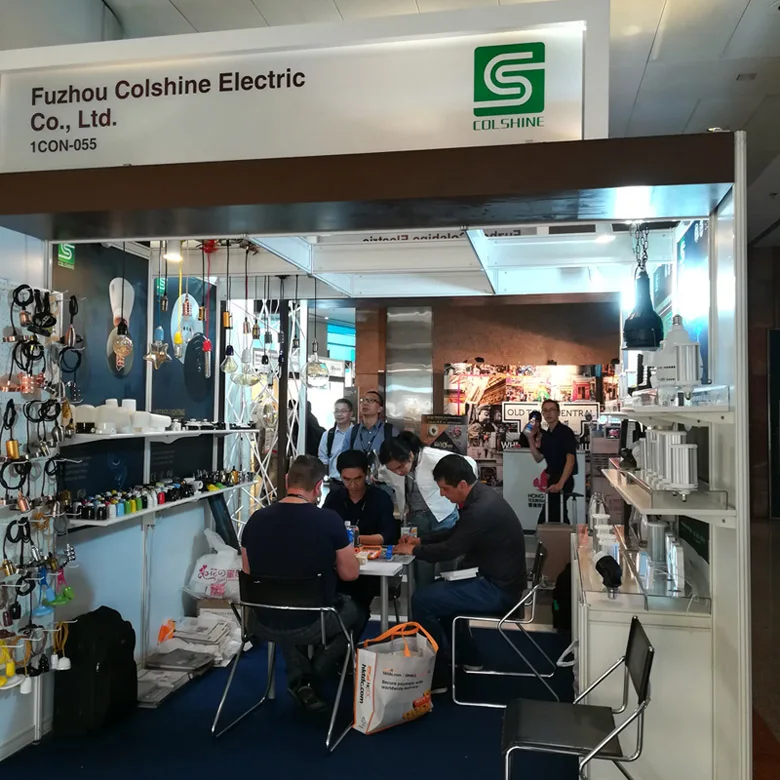
Fuzhou Colshine Electric Co., Ltd.
- Manufacturer, Trading Company
- Fujian, China
- Lead time30 days
- Avg. response≤ 6h
Main productsLed Corn Bulbs,Led High Bays,Sauna Lamp,Retro Switch and Socket,Pendant Light
Main marketsEastern Europe(20.00%), Western Europe(20.00%), Southern Europe(20.00%), Northern Europe(15.00%), South America(10.00%), North America(10.00%), Central America(5.00%)
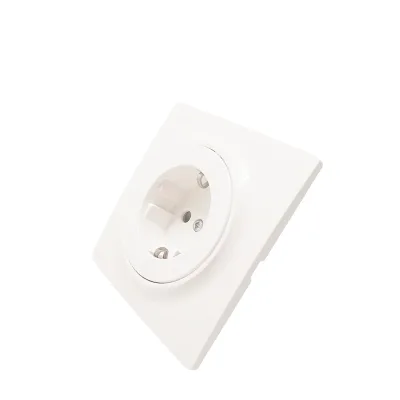
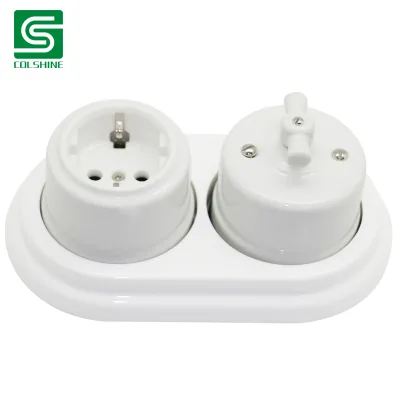
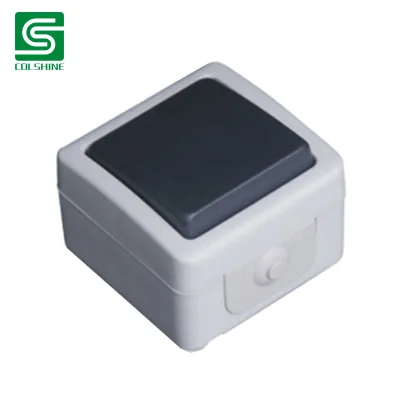
$13.3308 - $15.3802
MOQ: 600 pieces
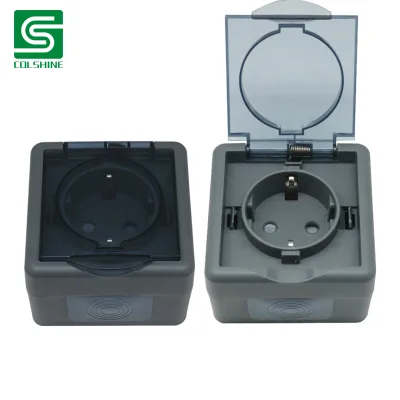
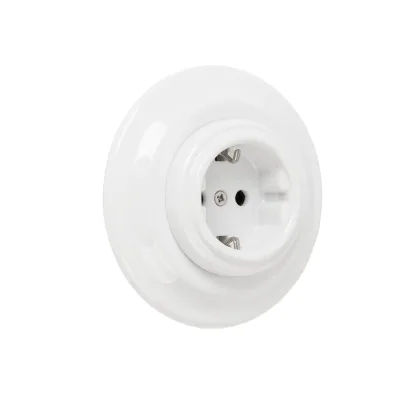
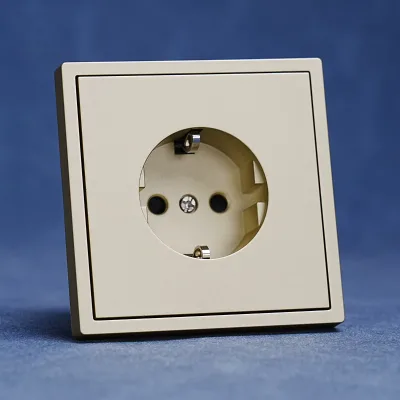
Germany Schuko Ceramic Socket Vintage Porcelain Built in Socket Without Earth
$4.1018 - $6.1527
MOQ: 5 pieces

Wenzhou Sunny Electrical Co., Ltd.
- Verified by CTI
- Trading Company,Manufacturer/Factory
- China Zhejiang
- Lead time23 days
- Avg. response≤ 7h
Main productsWall Switch, Socket, Light Switch, Electric Switch, Plug, Electrical Switch, Power Socket, Socket Outlet, Switch Plate, Lamp Holder
Main marketsSouth America,Mid East,North America,Southeast Asia,Eastern Asia,Africa
Zhongshan Jinlangye Electric Co., Ltd.
- Manufacturer
- Guangdong, China
- Lead time30 days
- Avg. response≤ 2h
Main productsBritish Standard Wall Switch And Socket, South American Standard Wall Switch And Socket, Southeast Asia Standard Wall Switch And Socket, Stainless Steel Wall Switch And Socket, North American Standard Wall Switch And Socket
Main marketsNorth America(50.00%), South America(20.00%), Western Europe(20.00%), South Asia(6.00%), Mid East(2.00%), Southeast Asia(2.00%)

Wenzhou Sinoamigo Electric Co.,Ltd
- Verified by BV
- Manufacturer/Factory
- China Zhejiang
- Lead time23 days
- Avg. response≤ 2h
Main productsFloor Boxes, Floor Sockets, Receptacles, Desk Sockets, Wall Switches, Sockets, Wiring Solution, Outlet Boxes, Outlets, Electrical Outlet
Main marketsSouth America,Mid East,North America,Eastern Asia,Africa
Zhejiang Bowang Intelligent Technology Co., Ltd.
- Verified by TüVRheinland
- Manufacturer, Trading Company
- Lead time25 days
- Avg. response≤ 10h
Main productsWall Switch, Floor Socket, Extention Socket, Alloy Copper
Main marketsSoutheast Asia(50%), Africa(20%), Mid East(20%)
Wenzhou E-Life Technologies Co., Ltd.
- Verified by SGS Group
- Manufacturer, Trading Company
- Lead time40 days
- Avg. response≤ 3h
Main productsSwitches, Sockets, Voltage Protectors, Power Strips, Waterproof Boxes
Main marketsAfrica(40%), Southeast Asia(20%), South America(10%)

Wenzhou Huifeng Alloy Technology Co., Ltd.
- Manufacturer, Trading Company
- Zhejiang, China
- Lead time25 days
- Avg. response≤ 4h
Main productsSilver Contact, Socket, Switch Accessories, Wall Switches, Mould
Main marketsDomestic Market(50.00%), South Asia(10.00%), South America(10.00%), Mid East(10.00%), Southeast Asia(10.00%), North America(5.00%), Eastern Europe(5.00%)

Wenzhou Desheng Mold Technology Co., Ltd
- Verified by BV
- Combined
- China Zhejiang
- Lead time30 days
- Avg. response≤ 3h
Main productsPlastic Injection Mold, Switch Socket Mold, Plastic Switch Mold, Switch Socket
Main marketsDomestic

Shenzhen Boxin Technology Co., Ltd.
- Manufacturer
- Guangdong, China
- Lead time6 days
- Avg. response≤ 3h
Main productsuniversal travel adapter,ac power connector,plug adapter,power socket,power plug
Main marketsNorthern Europe(20.00%), Eastern Europe(15.00%), Central America(15.00%), Southern Europe(10.00%), South America(10.00%), Western Europe(10.00%), Eastern Asia(5.00%), North America(5.00%), Mid East(5.00%), Africa(5.00%)
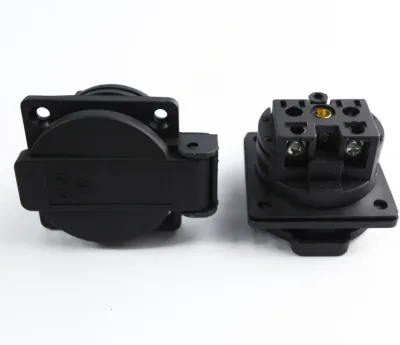
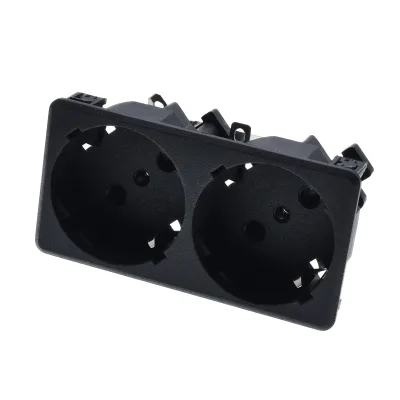
$1.7156 - $1.7665
MOQ: 500 pieces
ZHEJIANG HONGHUO ELECTRIC CO.,LTD.
- Verified by Intertek
- Manufacturer, Trading Company
- Lead time0 days
- Avg. response≤ 12h
Main productsWall Switches, Sockets, Plugs
Main marketsEastern Europe(90%), Mid East(10%)
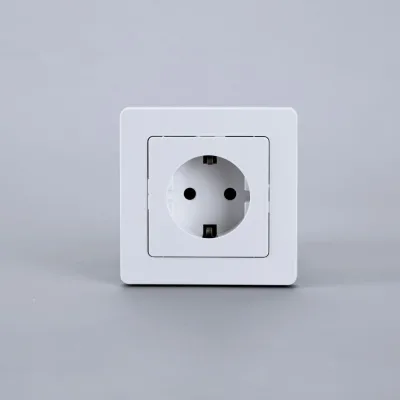
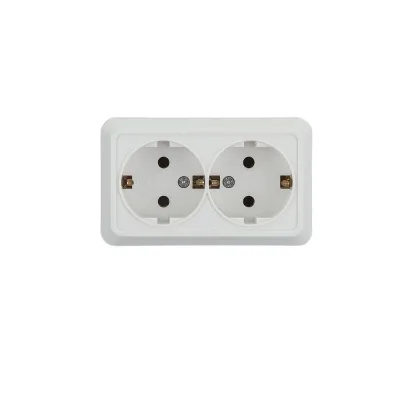
$0.4087 - $0.7156
MOQ: 5 Minimum
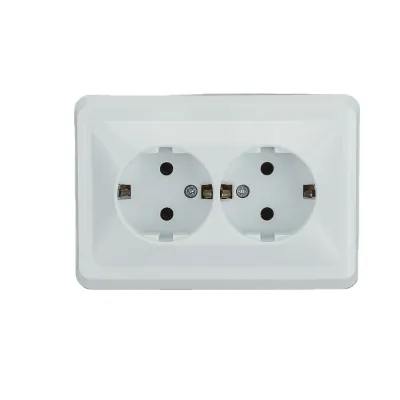
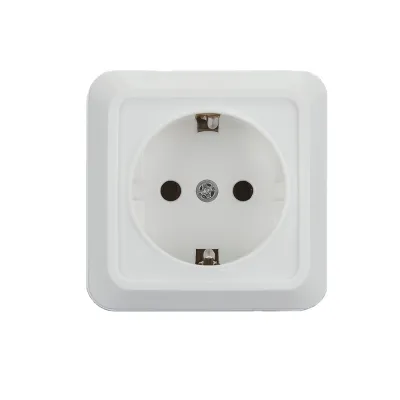










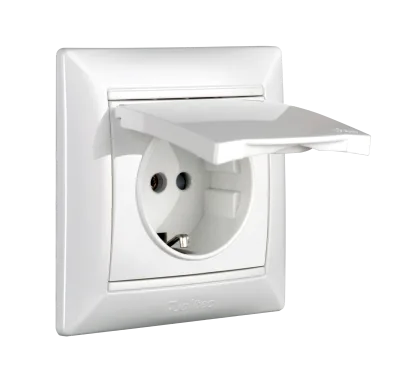
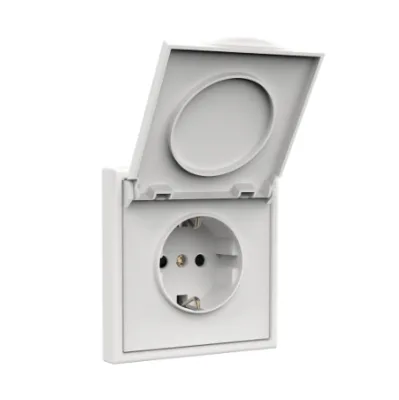
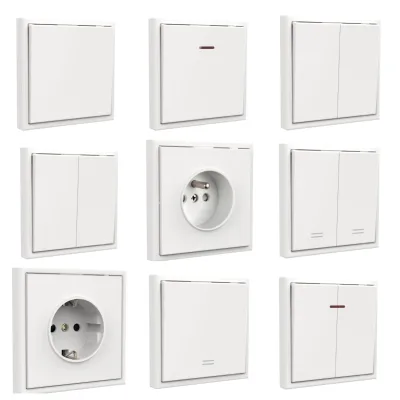
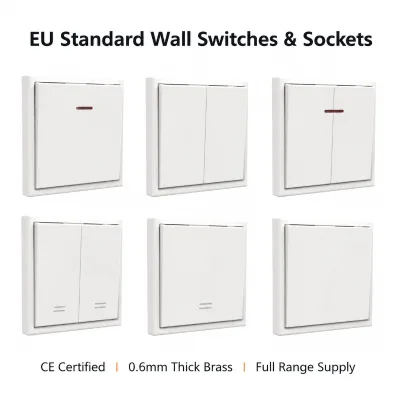


Comprehensive Sourcing Guide
Red Wall Schuko Socket Supplier Concentration and Factory Types
The available data indicates a concentration of manufacturing activity in China, specifically within the Zhejiang province, with Wenzhou appearing as a documented city for product origins. This regional clustering suggests a specialized industrial ecosystem for electrical components, where suppliers often share supply chains for raw materials like flame-retardant PC plastic and aluminum alloy. Buyers should verify if a supplier's stated location matches these known clusters, as proximity to established manufacturing hubs often correlates with faster production cycles and lower logistics costs. When evaluating factory types, the results show a mix of combined entities and trading companies, each offering distinct advantages for sourcing red wall schuko sockets.
Combined suppliers frequently possess ODM capabilities and maintain their own brands, which can facilitate custom design work for specific red finishes or unique socket configurations. These entities often hold ISO9001:2015 certification, indicating a structured approach to quality management that is critical for electrical safety standards. In contrast, trading companies may offer a broader portfolio of electrical accessories, including smart switches and LED lighting, alongside standard wall sockets. Buyers must distinguish between these models to ensure they are engaging with a manufacturer capable of direct customization or a distributor focused on rapid aggregation of existing stock.
How to Verify Red Wall Schuko Socket Suppliers
Verification of supplier credibility relies heavily on third-party audit results and specific system certifications rather than general claims. The observed data includes verification from SGS and TüVRheinland, which serve as concrete indicators of a supplier's operational integrity and compliance with international standards. Buyers should prioritize suppliers displaying these specific verification badges, as they confirm that the facility has undergone rigorous external inspection. Additionally, system certifications such as ISO9001:2015, SASO, GCC, and CE provide evidence that the supplier adheres to recognized quality and safety protocols, which is essential for products like schuko sockets that must meet strict electrical safety requirements.
Beyond certifications, buyers must scrutinize the specific product attributes listed in the supplier's catalog to ensure they match the required Red Wall Schuko Socket specifications. The data shows products with certifications like CE, ROHS, and TUV, alongside specific material attributes such as flame-retardant PC plastic or aluminum alloy shells. It is crucial to confirm that the listed certifications apply to the exact model being sourced, as a supplier might hold a general ISO certificate while a specific product line lacks the necessary CE or TUV approval for the target market. Buyers should request test reports that explicitly link the certification to the Red Wall Schuko Socket model to avoid receiving non-compliant goods.
What to Compare Across Red Wall Schuko Socket Suppliers
When comparing potential partners, key operational metrics such as lead time, minimum order quantity (MOQ), and response time provide a clear picture of supplier reliability and scalability. The observed data reveals lead times of approximately 30 days and response times ranging from 3 to 4.88 hours, which are critical factors for planning production schedules and managing inventory levels. Buyers should compare these figures across multiple suppliers to identify those that can meet tight deadlines without compromising quality. A supplier with a shorter response time may offer better communication support, while a consistent lead time ensures predictable delivery schedules for large orders of red wall schuko sockets.
Price and customization capabilities are equally vital dimensions for comparison, as they directly impact the total cost of ownership and product differentiation. The data indicates price ranges for similar electrical sockets, with minimum prices starting around 0.95 and maximums reaching 2.69, depending on materials and features like grounding or switch integration. Buyers must evaluate whether the price difference correlates with specific value-adds, such as the availability of custom packaging or the use of premium materials like brushed aluminum. Furthermore, the presence of ODM capabilities and customization options allows buyers to tailor the Red Wall Schuko Socket to their brand requirements, making this a decisive factor when selecting between suppliers with similar base pricing.
Common Red Wall Schuko Socket Sourcing Risks
One significant risk in sourcing red wall schuko sockets involves the discrepancy between claimed certifications and actual product compliance. While suppliers may list broad certifications like CE or ISO, the specific product attributes must be verified to ensure they meet the safety standards of the destination market. For instance, a socket listed with a CE mark must also demonstrate compliance with specific voltage and current ratings, such as 16A or 250V, which are critical for safe operation. Buyers should be wary of suppliers who cannot provide detailed test reports linking their general certifications to the specific Red Wall Schuko Socket model, as this could lead to customs seizures or safety liabilities.
Another risk pertains to the reliability of supply chain commitments, particularly regarding lead times and production capacity. The data shows varying lead times and MOQs, which can create bottlenecks if a supplier overpromises on delivery dates. A supplier claiming a 30-day lead time might face delays if they lack the necessary ODM capacity or if raw material shortages occur. Additionally, the distinction between trading companies and combined suppliers can affect risk exposure; trading companies may not have direct control over production quality, whereas combined suppliers with their own brands might offer more stability. Buyers should assess the supplier's ability to handle volume fluctuations and ensure they have contingency plans for potential delays.
Red Wall Schuko Socket Regional Sourcing and Logistics
Sourcing from the identified region of China, specifically Zhejiang and Wenzhou, offers logistical advantages due to the established infrastructure for exporting electrical equipment. The concentration of manufacturers in this area facilitates efficient shipping and reduces the complexity of coordinating with multiple vendors. However, buyers must verify the specific port of origin and shipping terms to ensure that logistics costs are accurately calculated. The data indicates that products originate from Wenzhou, China, which is a major hub for electrical manufacturing, but buyers should confirm if the supplier uses direct shipping or consolidates goods through other locations to optimize freight rates.
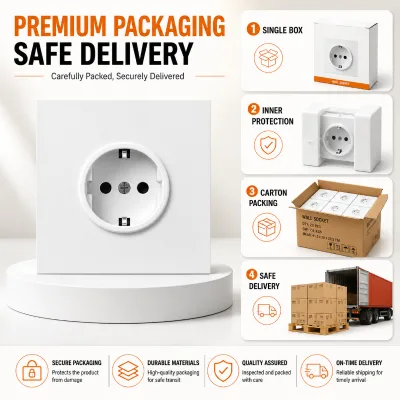
Logistics planning also requires attention to packaging standards and product protection during transit. The observed data includes specific packing details, such as 1PC/Poly Bag or 100PCS/Outer Carton, which influence how many units can be shipped per container and how well the red wall schuko sockets are protected. Buyers should ensure that the packaging meets the requirements for long-distance shipping, especially if the destination involves humid or rough handling conditions. Additionally, understanding the supplier's experience with international shipping and their ability to handle customs documentation is essential to avoid delays at the destination port.
Red Wall Schuko Socket Commercial Terms and Order Planning
Commercial terms for red wall schuko sockets often include specific pricing structures based on order volume, with minimum order quantities ranging from 500 to 1000 units. Buyers should carefully review these MOQs to ensure they align with their inventory needs and cash flow constraints. The data shows price variations based on product features, such as the inclusion of switches or specific materials, which can affect the final unit cost. It is advisable to negotiate pricing tiers that reflect the buyer's long-term commitment, as suppliers may offer discounts for larger or recurring orders of red wall schuko sockets.
Order planning must also account for customization lead times and the availability of specific product attributes. The data indicates that customization is available for many products, but this may extend the production timeline beyond standard lead times. Buyers should confirm the specific timeline for custom red wall schuko sockets, including the time required for mold creation or material sourcing. Additionally, understanding the payment terms and escrow options provided by the platform can mitigate financial risks. Buyers should ensure that payment schedules are tied to clear milestones, such as production completion or shipment, to protect their investment while maintaining a positive relationship with the supplier.
FAQs
What is the price range for red wall schuko sockets?
Prices for these sockets typically range from $0.95 to $2.70 per unit depending on material and certification. Basic models with PC plastic shells are available near the lower end, while aluminum alloy or brushed finishes cost more. Buyers should verify specific pricing based on order volume and customization requirements.
What certifications are available for these sockets?
Common certifications include CE, ROHS, TUV, and ISO standards. Some products also hold SASO and GCC certificates for specific regional markets. These certifications ensure compliance with safety and quality regulations for electrical equipment. Buyers should request valid certificates for their target market before placing orders.
What is the minimum order quantity for these products?
Minimum order quantities generally range from 500 to 1000 pieces per model. Specific requirements depend on the socket type and customization needs. Standard items often have lower MOQs, while custom branded products may require higher volumes. Confirm exact MOQs with suppliers to align with your inventory planning.
Where are these sockets manufactured?
These products are primarily manufactured in Wenzhou, Zhejiang, China. This region is a known hub for electrical equipment production. The location supports efficient supply chains for components like switches and sockets. Buyers can expect consistent quality and competitive pricing from suppliers based in this industrial area.
What is the typical lead time for production?
Standard lead times are approximately 30 days for production. This duration allows for quality control and packaging preparation. Expedited options may be available for urgent orders, subject to supplier capacity. Buyers should confirm lead times early to manage inventory levels and delivery schedules effectively.
What materials are used for the socket shells?
Shells are commonly made from flame retardant PC plastic or aluminum alloy. PC plastic offers durability and safety, while aluminum provides a premium aesthetic. Some models feature brushed aluminum or tempered glass finishes. Material choice affects both price and visual appeal for different installation environments.