Red Light Therapy Head Massager Suppliers and Manufacturers
Explore 24 verified suppliers offering Red Light Therapy Head Massager options with varying lead times, response speeds, and certifications. Compare dimensions like ISO standards, origin locations, and pricing to source the right equipment for your needs today; review the available evidence before requesting comparable quotations from suitable candidates.
Suppliers List

Hubei YJT Intelligent Technology Group Co., Ltd.
- Verified by SGS
- Combined
- China Hubei
- Lead time15 days
- Avg. response≤ 1h
Main productsLaser Treatment Instrument, Physiotherapy Rehabilitation, Medical Laser Physical Therapy, Rehabilitation Therapy Equipment, Low Level Laser Therapy, Home Healthcare, Laser Acupuncture, Cold Laser Treatment Instrument, Health Care, Health Care Cold Laser Therapeutic
Main marketsSoutheast Asia/ Mideast,East Asia(Japan/ South Korea),Domestic,Europe,Australia,North America
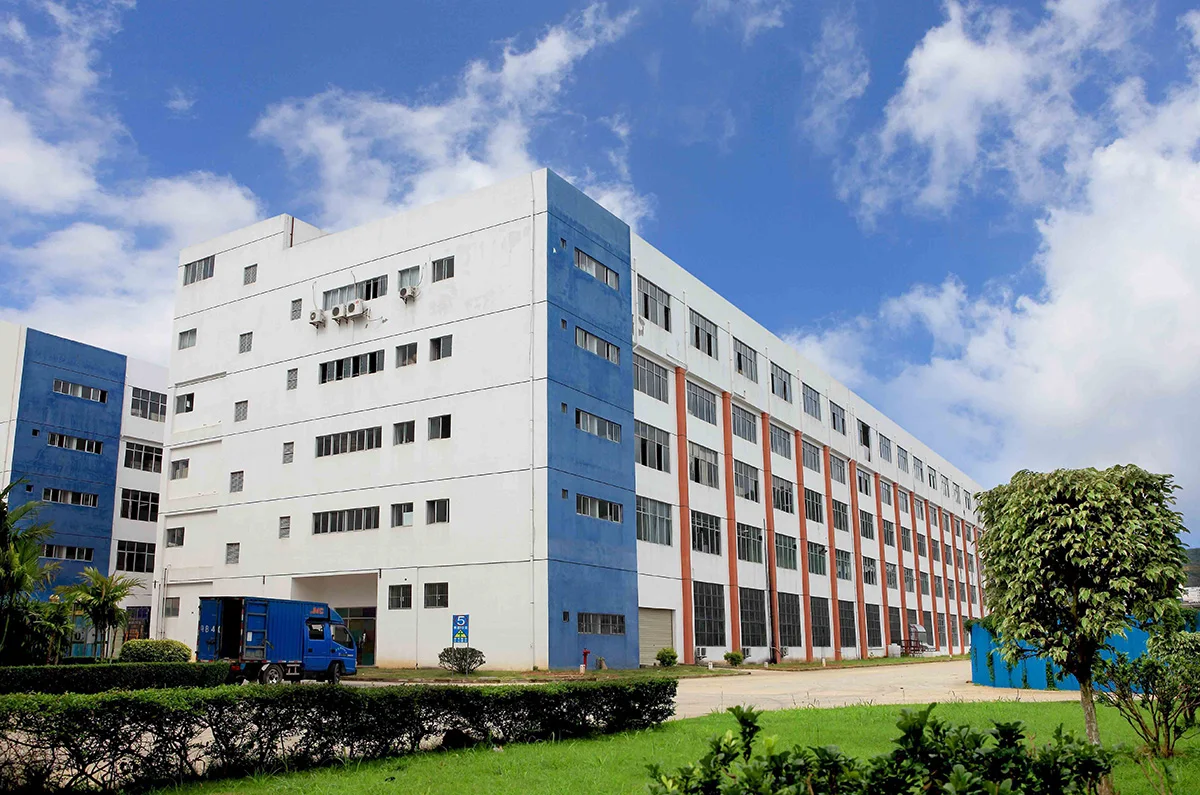
Wenzhou Gude Electronic Technology Co., Ltd.
- Manufacturer, Trading Company
- Zhejiang, China
- Lead time25 days
- Avg. response≤ 2h
Main productsmassage pillow,massage gun,shoulder massager,neck massager,foot massager
Main marketsNorth America(30.00%), Eastern Asia(25.00%), Domestic Market(15.00%), Southeast Asia(10.00%), Eastern Europe(10.00%), Mid East(10.00%)
Shenzhen Baichang Technology Co., Ltd.
- Verified by CTI
- Combined
- China Guangdong
- Lead time15 days
- Avg. response≤ 6h
Main productsBeauty Device, Blackhead Cleanser, RF Beauty Device, Eyes Massage, Cleansing Spatula, Cleansing Brush, Hg01 Hair Growth Cap, Hair Dryer, Head/Scalp Massager, Other Massage Device
Main marketsEast Asia(Japan/ South Korea),Domestic


Professional Silicone Vibration Smart Electric Red Light Head Massager
$22.57 - $23.29
MOQ: 2000 Pieces

High Quality Electric Scalp Massager Red Light Electric Head Therapy with Masaage Feature
$22.57 - $25.29
MOQ: 2000 Pieces

Silicone Vibration Smart Electric Red Light Head Massager for Hair Growth
$22.57 - $25.29
MOQ: 2000 Pieces

Electric Red Light Scalp Massage Comb Brush for Hair Growth Head Massager
$13.29 - $14.00
MOQ: 2000 Pieces
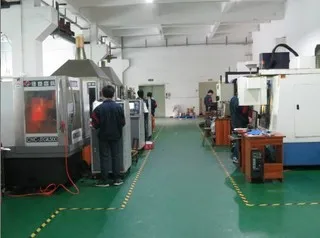
Shenzhen Fulinyun Technology Co., Ltd.
- Trading Company
- Guangdong, China
- Lead time25 days
- Avg. response≤ 11h
Main productsFacial LED Light Therapy Mask, Red Infrared Light Therapy Pannel, Laser LED Light Therapy Helmet, Red Light Therapy Device Blanket, Far Infrared Sauna Blanket
Main marketsNorth America(30.00%), Western Europe(20.00%), Domestic Market(7.00%), South America(5.00%), Oceania(5.00%), Southern Europe(5.00%), Central America(5.00%), Northern Europe(5.00%), Eastern Europe(5.00%), Southeast Asia(5.00%), South Asia(2.00%), Eastern Asia(2.00%), Africa(2.00%), Mid East(2.00%)

- Verified by SGS
- Trading Company,Manufacturer/Factory
- China Guangdong
- Lead time23 days
- Avg. response≤ 3h
Main productsBeauty Devices, Skin Care Instrument, LED Face Masks, Makeup Tools, Beauty Instrument (OEM/ODM), OEM / ODM Electronics, Beauty Device, Home Air Care Appliances, Furniture, Electric Bakhoor Burners
Main marketsSouth America,Eastern Europe,Mid East,North America,Southeast Asia,Eastern Asia,Oceania,Western Europe,Africa
Shenzhen Kimriber Technology Co., Ltd.
- Verified by TüVRheinland
- Trading Company
- Lead time3 days
- Avg. response≤ 2h
Main productsMassage Gun, Neck & Shoulder Massager, Eye Massager, Foot Massager, Back Massager
Main marketsNorth America(40%), Eastern Asia(15%), Eastern Europe(10%)
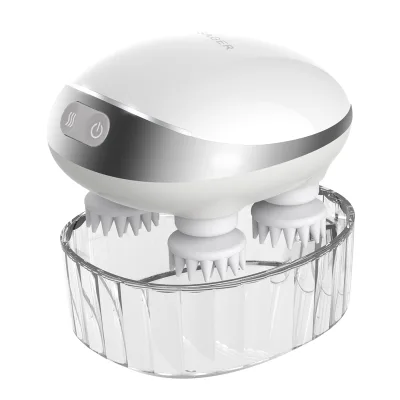
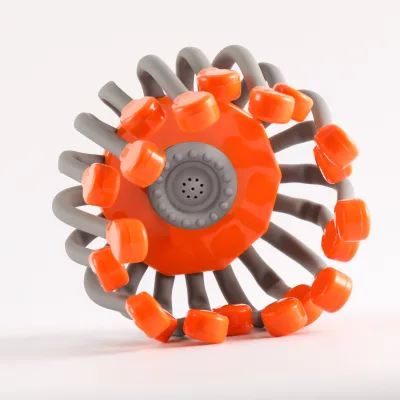
$17.52 - $18.99
MOQ: 54 pieces
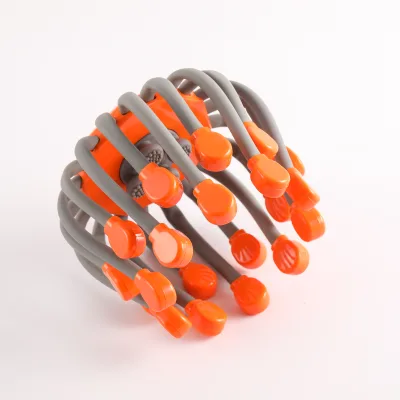
$19.06 - $20.52
MOQ: 27 pieces
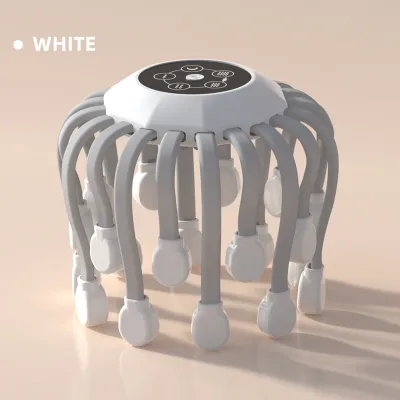

Wenzhou Hexi Electronic Technology Co., Ltd.
- Verified by SGS
- Combined
- China Zhejiang
- Lead time23 days
- Avg. response≤ 5h
Main productsNeck and Back Massager, Massage Gun, Massage Pillow, Foot Massager, Beauty& Personal Care, Water Flosser, Eye Massager, Electric Toothbrush, Hair Curler, Knee Massager
Main marketsAfrica,Southeast Asia/ Mideast,Europe

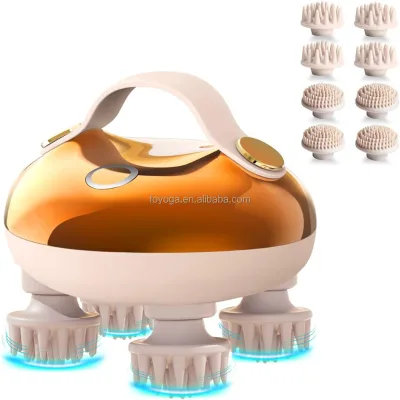
Silicone Scalp Massager Tools Head SPA with Red Light Head Massage Machine
$14.50 - $17.00
MOQ: 100 Pieces

Portable Red Light Therapy Photon Beauty Heating Vibration Eye Massager
$11.00 - $13.00
MOQ: 500 Pieces


$4.00 - $5.00
MOQ: 100 Pieces
Hubei Huangtai Electronic Technology Co., Ltd.
- Verified by SGS Group
- Manufacturer, Trading Company
- Lead time20 days
- Avg. response≤ 2h
Main productsNeck Shoulder Massager, Massage Pillow, Massage Gun, Foot Massager
Main marketsNorth America(55%), Eastern Asia(20%), Domestic Market(10%)

Monica Technology (Shenzhen) Co., Ltd.
- Verified by SGS
- Trading Company
- China Guangdong
- Lead time30 days
- Avg. response≤ 22h
Main productsPet Product, Pet Water Dispenser, Sports Repair Products, Beauty Equipment, Pet Daily Necessities, Tens Products, Outdoor Sports Products, Phototherapy Beauty Products, Work out Repair Products, Phototherapy Sports Rehabilitation Products
Main marketsEast Asia(Japan/ South Korea)
Huizhou Youmay Medical Equipment Co., Ltd.
- Manufacturer, Trading Company
- Guangdong, China
- Lead time15 days
- Avg. response≤ 12h
Main productsMassage Gun
Main marketsNorth America(60.00%), Western Europe(30.00%), Eastern Asia(10.00%)
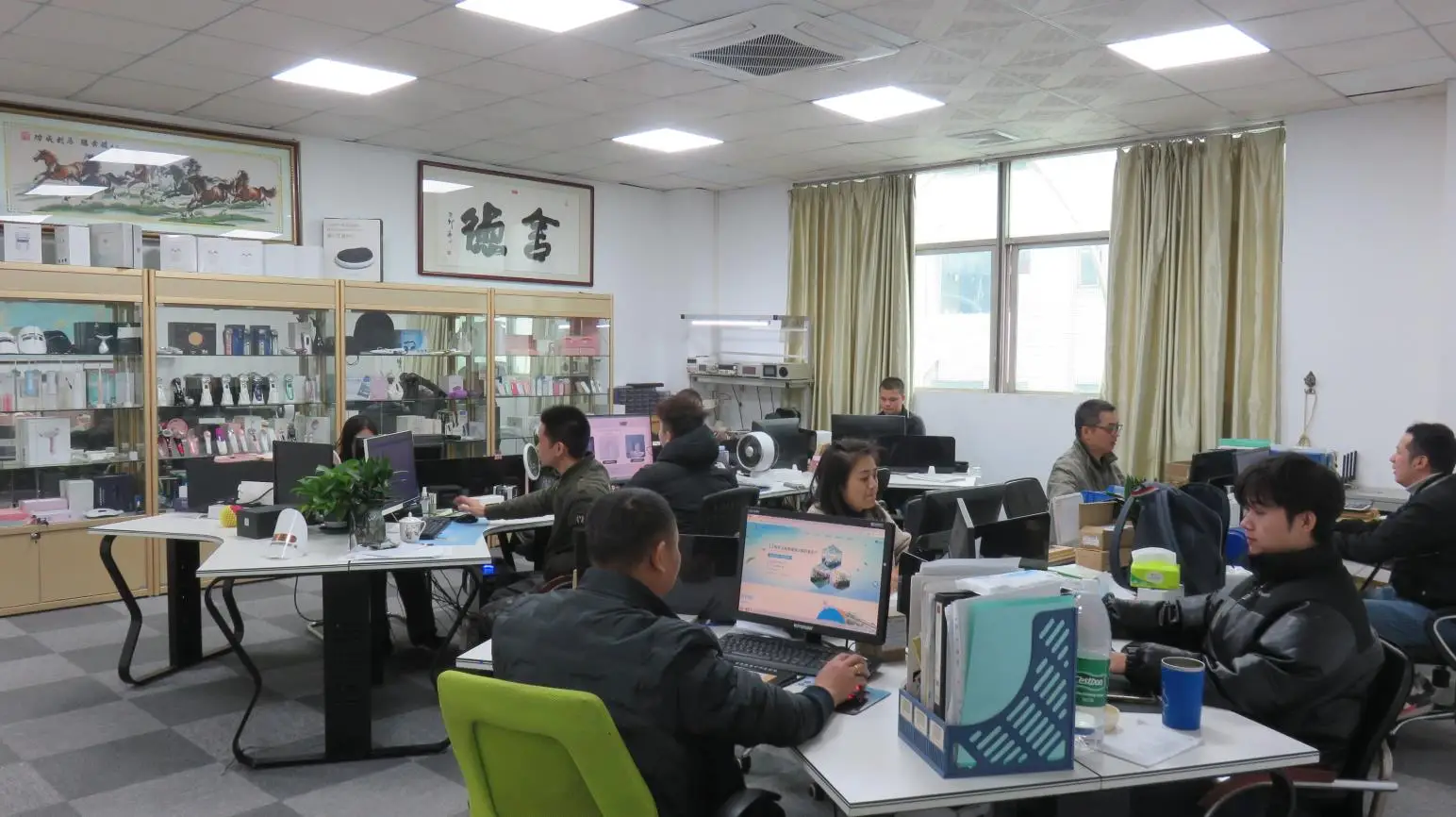
Shandong Chengchang Health Technology Co., Ltd.
- Trading Company
- Shandong, China
- Lead time15 days
- Avg. response≤ 3h
Main productsBeauty equipment,Massager,A protector,medical equipment,Health care equipment
Main marketsSoutheast Asia(20.00%), Domestic Market(15.00%), Mid East(10.00%), South America(5.00%), South Asia(5.00%), Southern Europe(5.00%), Northern Europe(5.00%), Central America(5.00%), Western Europe(5.00%), Eastern Asia(5.00%), Eastern Europe(5.00%), Oceania(5.00%), Africa(5.00%), North America(5.00%)
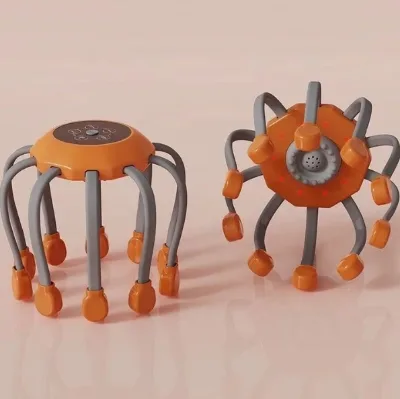
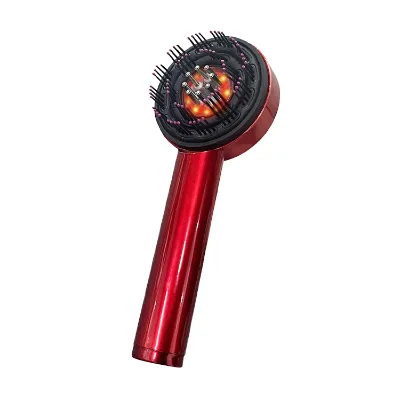
$11.03 - $18.28
MOQ: 2 Minimum
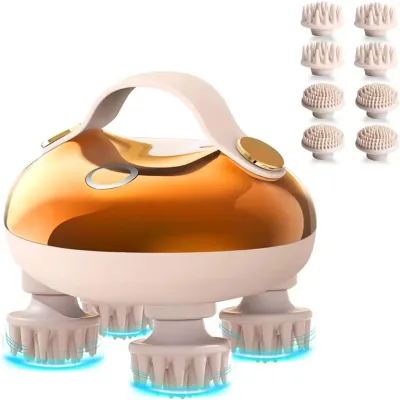
$13.50 - $15.90
MOQ: 2 pieces
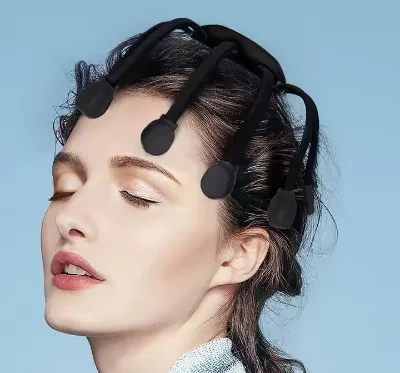
$11.03 - $18.28
MOQ: 2 Minimum
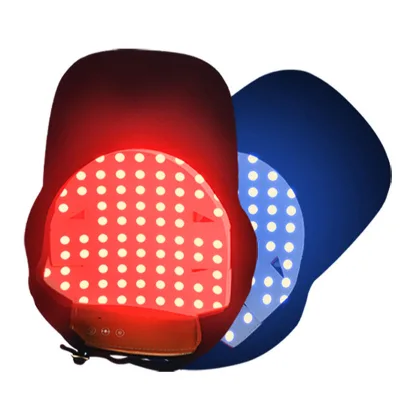
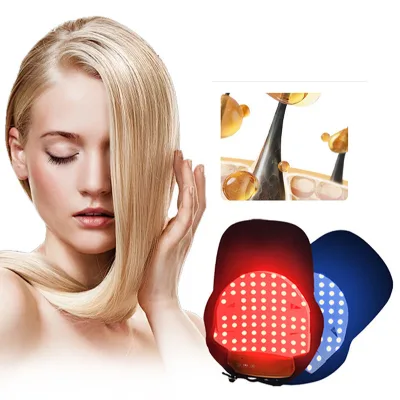
Home Version Infrared Light Cap for Charging on the Head the Red Light Promotes Hair Growth
$14.20 - $15.22
MOQ: 2 Minimum

Shenzhen Azure Technology Co., Ltd.
- Verified by SGS
- Combined
- China Guangdong
- Lead time15 days
- Avg. response≤ 3h
Main productsRed Light Therapy, Red Light Therapy Panel, Red Light Therapy Mask, Red Light Therapy Belt, Red Light Therapy Torch, Red Light Therapy Bed, Beauty Equipment, Physical Therapy Equipment, PDT Machine, Skin Care Product
Main marketsSouth America,Africa,Southeast Asia/ Mideast,East Asia(Japan/ South Korea),Domestic,Europe,Australia,North America

- Verified by BV
- Combined
- China Zhejiang
- Lead time30 days
- Avg. response≤ 5h
Main productsJade Massage Bed, Infrared Massager, Infrared Heating Pad, Foot/Knee/Waist Massager, Pemf Mat, Massage Pillow/Cushion, Jade Therapy Device, Massage Belt, Health Care Products, Photon Mat
Main marketsSoutheast Asia/ Mideast,Europe

Therapeutic LED Red Light Therapy Infrared Heated Massage Cushion for Chronic Pain
$109.00 - $179.00
MOQ: 2 sets

Health LED Red Light Therapy Heated Massage Cushion for Full Body Relaxation
$89.00 - $189.00
MOQ: 2 Pieces


LED Red Light Therapy Heated Massage Cushion for Targeted Pain Management
$145.00 - $239.00
MOQ: 2 Pieces

Premium LED Red Light Therapy Heated Massage Cushion with Infrared Heating Function
$47.00 - $89.00
MOQ: 2 sets
Taizhou Kaisum Fitness Equipment Co., Ltd.
- Verified by SGS
- Combined
- China Zhejiang
- Lead time30 days
- Avg. response≤ 2h
Main marketsEast Asia(Japan/ South Korea),Domestic,Australia

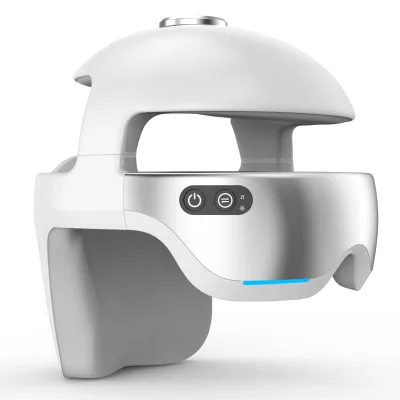
Multifunctional Helmet Vibrating Smart Head Massager for Relieve Anxiety
$42.00 - $100.00
MOQ: 1 Pieces

Shenzhen Kingstar Industrial Co., Ltd.
- Trading Company
- Guangdong, China
- Lead time15 days
- Avg. response≤ 13h
Main productsTWS Earphone,Bluetooth Speaker,Mini Fan,Massage Gun,Smart Watches
Main marketsNorth America(44.00%), Eastern Europe(22.00%), South America(22.00%), Southeast Asia(12.00%)
Shenzhen Foyoga Technology Co., Ltd.
- Manufacturer, Trading Company, Distributor/Wholesaler
- Guangdong, China
- Lead time15 days
- Avg. response≤ 3h
Main productsMassager,Tens unit,Therapy product,Muscle stimulator,Health care product
Main marketsDomestic Market(16.00%), North America(10.00%), Eastern Europe(10.00%), Northern Europe(10.00%), South America(8.00%), Eastern Asia(7.00%), South Asia(6.00%), Africa(6.00%), Southeast Asia(5.00%), Southern Europe(5.00%), Mid East(5.00%), Central America(5.00%), Western Europe(5.00%), Oceania(2.00%)

Shenzhen Shanglaite Electronic Technology Co., Ltd
- Verified by SGS
- Combined
- China Guangdong
- Lead time15 days
- Avg. response≤ 13h
Main productsRed Light Therapy, Full Body Red Light Therapy Panel, Red Light Capsule, Red Light Therapy Pod, Red Light Therapy Bed
Main marketsEurope,Australia,North America


Cordless Bio-Light Therapy Lamp Hand Massager Red Light Therapy Wrap Pad for Neck
$10.70 - $11.70
MOQ: 1 Pieces


Guangdong Huajian Medicine Instruments Co., Ltd.
- Verified by TUVRHEINLAND
- Trading Company
- China Guangdong
- Lead time15 days
- Avg. response≤ 9h
Main productsBlood Pressure Monitor, Mesh Nebulizer, CPAP Machine, Ultrasound Machine, Glucometer /Test Strips
Main marketsSouth America

Red Light Therapy for Body Medical Devices 660nm 850nm Massage Belt and Pad
$17.50 - $22.00
MOQ: 10 Pieces

Hubei YJT Intelligent Technology Group Co., Ltd.
- Verified by TüVRheinland
- Manufacturer, Trading Company
- Lead time30 days
- Avg. response≤ 1h
Main productsSemiconductor Laser Therapy Device, Millimeter Wave Therapy Device, High Potential Therapy Device, Hair Growth Machine, LED Therapy Device
Main marketsDomestic Market(40%), North America(25%), Western Europe(18%)
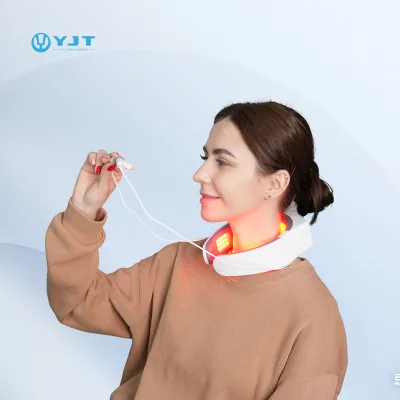
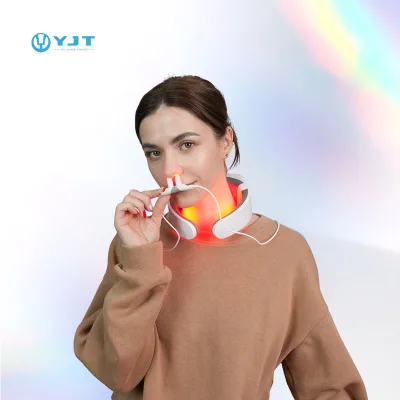
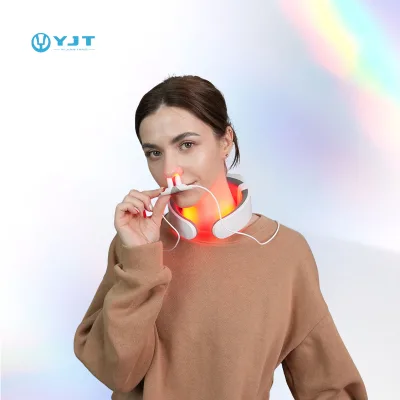
LED Neck Wrap for Daily Light Therapy Soothing Tension in Shoulder and Neck
$50.00 - $299.00
MOQ: 1 sets
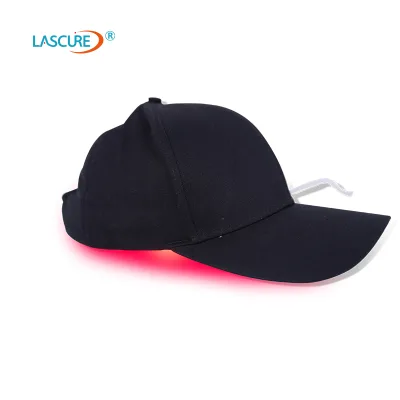
Shenzhen Simcos Technology Co., Ltd.
- Verified by SGS
- Combined
- China Guangdong
- Lead time30 days
- Avg. response≤ 4h
Main productsRed Light Therapy, Heated Gloves, Heated Socks, Infrared Light Therapy, Heated Insoles, Heated Jacket, Heated Vest, Red Light Therapy Panel
Main marketsEurope,North America

LED Infrared Red Light Therapy Belt Pain Relief Massager Device Knee Leg
$20.70 - $24.00
MOQ: 2 Pieces

LED 660nm 850nm Red Light Therapy Belt Device Chin Neck Pain Relief Therapy Beauty
$8.30 - $10.00
MOQ: 2 Pieces


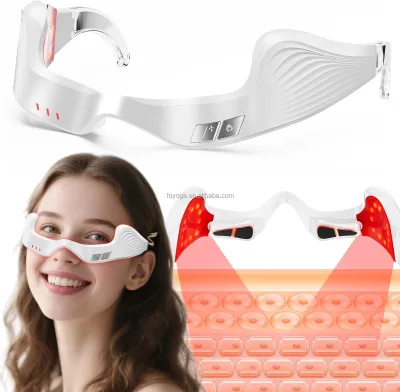
Silicone Red Light Therapy Eye Mask LED Wrinkle Removal Relaxation Eye Massage
$20.80 - $26.50
MOQ: 1 Pieces

Guangzhou Kapha Electronic Technology Co., Ltd.
- Verified by TUVRHEINLAND
- Combined
- China Guangdong
- Lead time15 days
- Avg. response≤ 1h
Main productsShockwave Therapy, Magneto Therapy, Radio Frequency, Laser Therapy, Ultrasound Therapy, Ifc Therapy, Infrared Therapy
Main marketsOthers(foreignTradeCapacity.exportBusinessCapacityMarketOther),Europe,North America


Advanced Red Light Therapy Machine for Physiotherapy and Pain Relief
$2980.00 - $3199.00
MOQ: 1 Pieces


Shenzhen BBier Lighting Co., Ltd.
- Verified by BV
- Combined
- China Guangdong
- Lead time15 days
- Avg. response≤ 5h
Main productsE40/E27 LED Corn Lights, E40/E27 LED Garden Lights, E40/E27 LED High Bay Lights, Parking Lot LED Retrofit Kits, LED Wall Pack Lights, LED Canopy Lights, LED Gas Station Lights, LED Shoebox Street Lights, 360deg LED Tube Lights, 210deg LED Tube Lights
Main marketsSouth America,Africa,Southeast Asia/ Mideast,East Asia(Japan/ South Korea),Europe,Australia,North America


High Quality Rechargeable LED Red Light Therapy Eye Care and Massage Mask
$43.00 - $45.00
MOQ: 1 Pieces


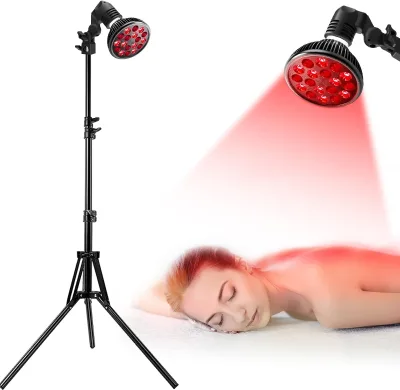
New Releases Touch Screen Infra Redlight LED Red Light Therapy with Stand
$110.00 - $115.00
MOQ: 1 Pieces

Shenzhen Youmei Electronics Co., Ltd.
- Manufacturer, Trading Company
- Lead time旺季: "1 - 1000":20,"> 1000":"To be negotiated", 淡季: "1 - 1000":20,"> 1000":"To be negotiated"
- Avg. response≤ 10h
Main productsMassage Gun,High speed hair dryer,Health care,Fitness Accessories,Home Use Beauty Equipment
Dongguan Qianying Electric Heating Technology Co., Ltd.
- Verified by TüVRheinland
- Manufacturer, Trading Company
- Lead time0 days
- Avg. response≤ 3h
Main productsHeated Jacket, Heated Glove, Heated Vest, Heated Socks, Red Light Therapy Cap
Main marketsNorth America(20%), Eastern Europe(15%), Southern Europe(12%)


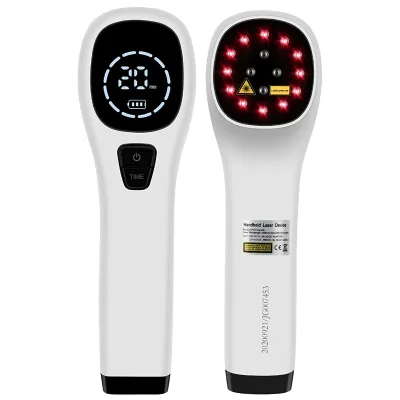
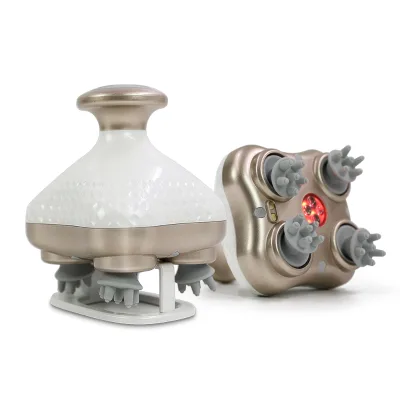
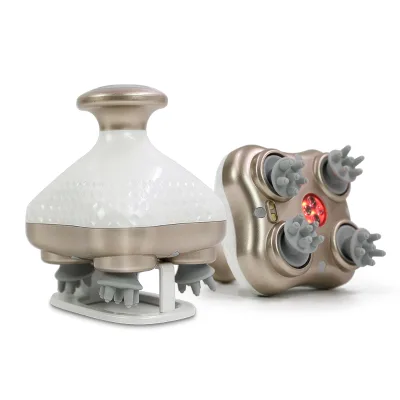


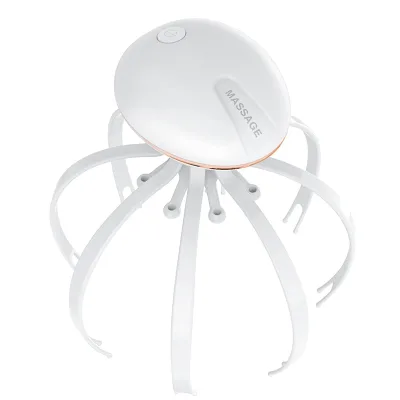
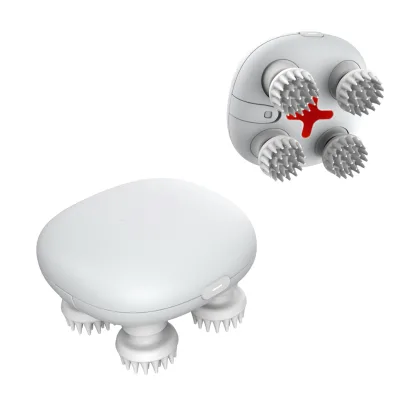


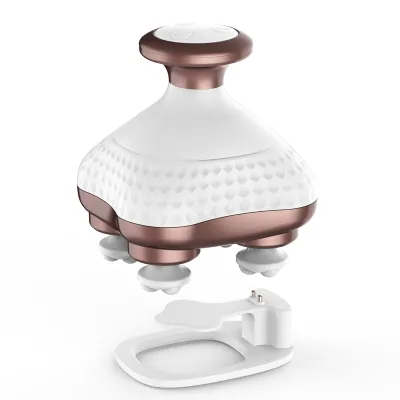
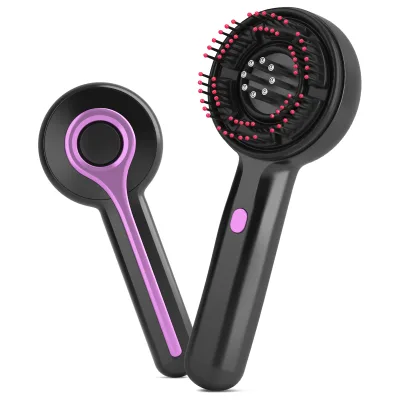


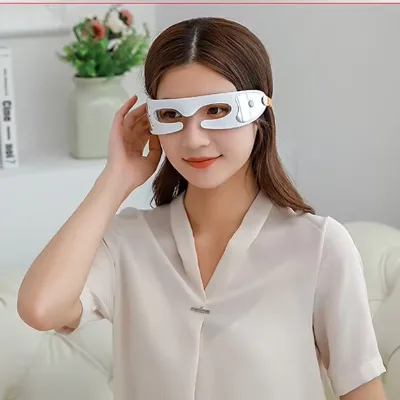
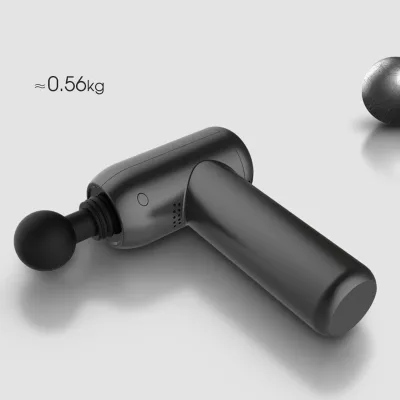
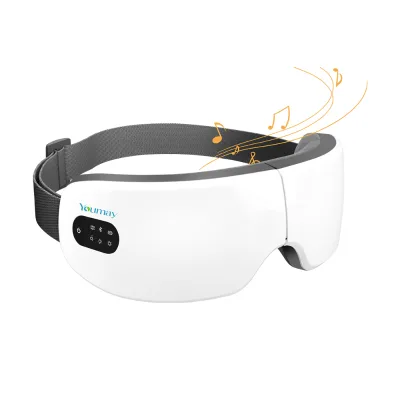
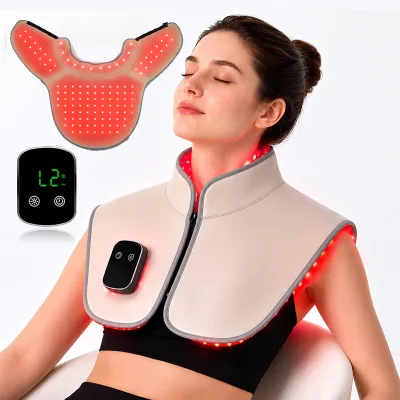
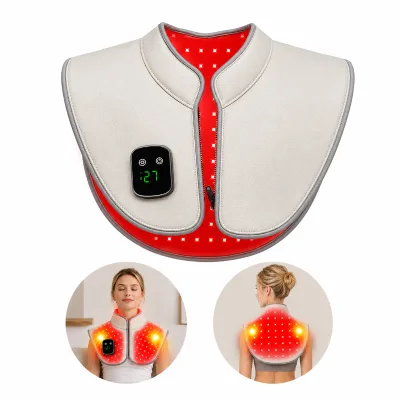
Comprehensive Sourcing Guide
Red Light Therapy Head Massager Supplier Concentration and Factory Types
Current data indicates that suppliers for red light therapy head massagers are concentrated in specific Chinese provinces, with Hubei and Zhejiang emerging as notable manufacturing hubs. Fact records show facilities in Hubei specializing in combined medical and rehabilitation equipment, while Zhejiang-based entities often list massage pillows and head massagers as primary products. These regions host a mix of manufacturer and trading company structures, where some entities operate as combined entities capable of both production and distribution. Buyers should verify if a supplier is a direct manufacturer or a trading company by checking their company type designation, as this distinction impacts pricing flexibility and direct communication with the production floor.
When assessing factory types, it is essential to distinguish between pure manufacturers and those offering combined services. Some suppliers in the results are labeled as combined entities, suggesting they may manage their own brand alongside original design manufacturing (ODM) capabilities. This structure allows for customization of products like the Red Light Therapy Head Massager, which often requires specific wavelength adjustments or ergonomic designs. However, not all suppliers in these regions offer the same level of in-house capability. Buyers must confirm whether the supplier has the specific engineering capacity to handle the technical requirements of LED therapy devices, such as power density and wavelength accuracy, rather than assuming all suppliers in these clusters possess these specialized skills.
How to Verify Red Light Therapy Head Massager Suppliers
Verification of suppliers for red light therapy head massagers requires a rigorous check of their certification status and verification badges. Available data points confirm that some suppliers hold ISO9001:2015 and ISO14001:2015 certificates, which are critical for ensuring quality management and environmental compliance in medical device production. Additionally, third-party verification badges like SGS provide an external layer of trust regarding the supplier's operational integrity. Buyers should not assume all suppliers possess these credentials; instead, they must request specific certificate documents and cross-reference them with the supplier's profile to ensure the certifications are current and relevant to medical or health care equipment manufacturing.
Beyond certifications, response time and verification status serve as immediate indicators of supplier reliability. The data shows response times varying significantly, with some suppliers responding within 0.71 hours while others may take longer. A rapid response time often correlates with a more active sales team and better communication channels, which is vital for resolving technical queries about product specifications like voltage or battery life. Buyers should prioritize suppliers with verified status and documented response metrics. It is also crucial to confirm the supplier's ability to provide detailed product attributes, such as the specific wavelengths of red and blue light, to ensure the device meets the intended therapeutic standards before committing to an order.
What to Compare Across Red Light Therapy Head Massager Suppliers
Comparing suppliers requires a detailed analysis of lead times, minimum order quantities (MOQ), and pricing structures. The observed data reveals a wide range in lead times, with some suppliers offering a 15-day turnaround while others require up to 25 days. Similarly, MOQs vary from as low as one unit to as high as 100 units, depending on the supplier's production model and customization requirements. Buyers must align these figures with their inventory needs and cash flow constraints. For instance, a supplier with a low MOQ might be ideal for testing the market, whereas a supplier with a longer lead time but lower unit cost might be better suited for bulk procurement once demand is established.
Pricing and product attributes are equally critical dimensions for comparison. The price range for red light therapy head massagers can span from approximately $8.50 to $299.00, reflecting differences in features, build quality, and brand positioning. Some products include advanced features like rechargeable lithium batteries, specific power densities, and multiple light wavelengths, which justify higher price points. Buyers should compare the technical specifications, such as the rated input power and lifespan of the LEDs, against the quoted price to determine value. Additionally, checking if customization is available is essential, as some suppliers offer tailored solutions while others only provide standard models, directly impacting the final product's suitability for the target market.
Common Red Light Therapy Head Massager Sourcing Risks
One significant risk in sourcing red light therapy head massagers is the potential mismatch between claimed specifications and actual product performance. While some suppliers list specific wavelengths like 630nm for red light and 465nm for blue light, others may provide vague or inconsistent data regarding power density and voltage. Buyers must verify these technical details through product evidence or direct inquiry to ensure the device delivers the intended therapeutic benefits. Relying solely on marketing keywords without confirming the underlying technical parameters can lead to receiving products that do not meet safety or efficacy standards, potentially resulting in returns or regulatory issues.
Another risk involves the variability in supply chain stability and after-sales support. Suppliers with longer lead times or those located in regions with less established logistics infrastructure may face delays that disrupt inventory planning. Furthermore, the availability of after-sales services, such as online technical support, varies among suppliers. Some products come with specific support mechanisms, while others may lack clear channels for troubleshooting or warranty claims. Buyers should assess the supplier's track record for handling post-sale issues and ensure that the contract includes clear terms for defect resolution. Without robust support mechanisms, any technical failures in the massager could lead to significant customer dissatisfaction and reputational damage.
Red Light Therapy Head Massager Regional Sourcing and Logistics
Regional sourcing decisions should be guided by the specific location data provided for each supplier. Fact records indicate that manufacturers are located in provinces such as Hubei and Zhejiang, with specific cities like Wuhan also appearing as origins for certain products. These locations influence shipping costs, transit times, and the overall logistics strategy. Buyers should consider the proximity of the supplier to major ports or logistics hubs to minimize shipping expenses and reduce delivery times. Additionally, understanding the regional manufacturing capabilities helps in anticipating potential bottlenecks or seasonal delays that could affect the supply chain.
Logistics planning must also account for the packaging and handling requirements of the products. The data shows that products are typically packed in cartons, which is standard for protecting electronic devices during transit. However, the specific dimensions and weight of the packaging, such as the single package size and gross weight, vary by model and supplier. Buyers need to calculate the total volume and weight of their order to determine the most cost-effective shipping method. Furthermore, verifying the origin of the product is crucial for compliance with import regulations in the destination country. Ensuring that the supplier provides accurate origin documentation helps avoid customs delays and ensures that the products meet all necessary import standards.
Red Light Therapy Head Massager Commercial Terms and Order Planning
Commercial terms for red light therapy head massagers often include specific conditions regarding payment, customization, and warranty. The data indicates that customization is available from some suppliers, allowing buyers to tailor products to their brand or market needs. However, this availability may come with higher MOQs or longer lead times. Buyers should negotiate clear terms regarding the customization process, including who bears the cost of tooling or design changes. Additionally, understanding the warranty terms and the supplier's policy on defective units is essential for managing risk. Clear commercial agreements help prevent disputes and ensure that both parties have a shared understanding of their obligations.
Order planning should be based on a realistic assessment of lead times and production capacity. With lead times ranging from 15 to 25 days, buyers must factor in these durations when scheduling their inventory replenishment. It is also important to consider the supplier's capacity to scale production if demand increases unexpectedly. Some suppliers offer ODM services, which can provide flexibility in adjusting production volumes, but this requires careful coordination. Buyers should establish a buffer stock strategy to mitigate the risk of stockouts due to production delays. By aligning order quantities with the supplier's capacity and lead time, buyers can maintain a steady supply of red light therapy head massagers while optimizing their working capital.
FAQs
What is the typical lead time for red light therapy head massagers?
The typical lead time for these devices is 15 days based on current supplier data. Some manufacturers in Zhejiang offer a longer window of 25 days. Buyers should confirm specific timelines with the supplier before placing an order to ensure timely delivery.
What are the minimum order quantities for these massagers?
Minimum order quantities vary significantly by product model and supplier. Some neck massagers allow orders as low as one unit, while head massagers often require a minimum of 100 units. Buyers must check the specific MOQ listed for each product listing before purchasing.
Do these devices come with ISO certifications?
Yes, many suppliers provide products with ISO9001:2015 and ISO14001:2015 certifications. Some listings also mention ISO function claims regarding blood circulation improvement. Buyers should verify the specific certificate details provided in the product attributes section of each supplier listing.
Where are these red light therapy massagers manufactured?
Manufacturing locations include Hubei and Zhejiang provinces in China. Specific products like neck massagers originate from Hubei, while head massagers are often produced in Zhejiang. Buyers can verify the exact place of origin listed in the product attributes for each item.
What wavelengths are used in these red and blue light devices?
Common wavelengths include red light at 630nm and blue light at 465nm. Some knee therapy devices also utilize near infrared light at 850nm. The specific wavelengths depend on the product model, so buyers should review the technical specifications provided in the product details.
How quickly do suppliers typically respond to inquiries?
Response times vary among suppliers, with some averaging 0.71 hours and others taking up to 2 hours. Faster response times are often associated with suppliers in Hubei, while Zhejiang-based manufacturers may have slightly longer intervals. Buyers should check the specific response time metric on each profile.
What is the price range for these therapy massagers?
Prices range from approximately 8.50 to 299.00 depending on the device type and features. Head massagers often fall between 8.50 and 11.00, while advanced neck and shoulder units can cost up to 299.00. Buyers should compare specific listings to find the best value for their needs.