Red Dot Laser Sight Suppliers and Manufacturers
Explore 11 verified suppliers offering Red Dot Laser Sight products with ISO 9001 certification and Guangdong origins. Compare response times, lead times, and customization options to find the right partner for your hunting or tactical needs; review the available evidence before requesting comparable quotations from suitable candidates.
Suppliers List

Guangzhou Miaozhun Jie Trade Co., Ltd.
- Verified by SGS
- Manufacturer/Factory
- China Guangdong
- Lead time15 days
- Avg. response≤ 10h
Main productsRed DOT Sight, Hunting Scope, Goggles & Glasses, Tactical Belts, Scope Mount & Raises, Night Vision
Main marketsEastern Europe,Mid East,North America,Southeast Asia,Eastern Asia,Western Europe,Africa

YINGTAN CITY AOXIANG OPTICS CO., LTD.
- Verified by SGS
- Combined
- China Jiangxi
- Lead time15 days
- Avg. response≤ 2h
Main productsRiflescope, Binoculars, Astronomical Telescope, Range Finder, Magnifier, Compass, Night Vision, Gun Brush, DOT Sight, Spotting Scope
Main marketsSouth America,East Asia(Japan/ South Korea),Domestic,Europe,Australia,North America

Hunan Yi Sichuang Information Technology Co., Ltd.
- Verified by SGS
- Trading Company
- China Hunan
- Lead time15 days
- Avg. response≤ 7h
Main productsRed DOT Sights, Rifle Scopes, Light, Laser, Handguard
Main marketsSouth America,Africa,Southeast Asia/ Mideast,East Asia(Japan/ South Korea),Domestic,Europe,North America


OEM ODM Compact Tactical Red DOT Sight 1X20mm Red Illuminated Reflex Sight for Hunting
$21.00 - $27.00
Moq: 50

3-9X40 Tactical Scope 25.4mm Tube, Red/Green Illuminated Reticle & Red Laser Sight
$16.30 - $19.60
Moq: 50

New Optics Ipx67 High Grade Shockproof 10 Level Illmuninated Setting Tactical Red DOT Sight
$45.50 - $51.00
Moq: 100

Jinhua Fanyue Outdoor Products Co., Ltd.
- Trading Company
- Zhejiang, China
- Lead time30 days
- Avg. response≤ 3h
Main productsCOMPACT SCOPE(SHORT SCOPE ),FFP,FLASHBONE SCOPE,LASER SCOPE,LONG SCOP
Main marketsEastern Asia(40.0%), South America(20.0%), North America(15.0%), South Asia(5.0%), Central America(5.0%), Western Europe(5.0%)
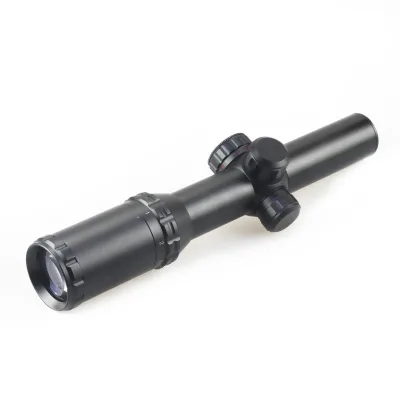
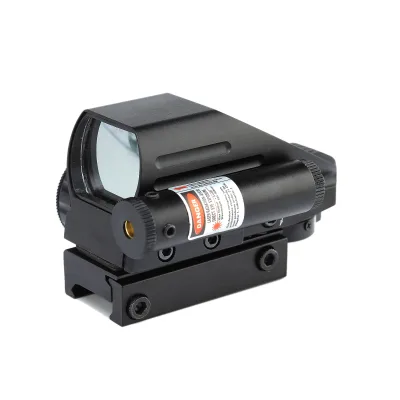
Aluminum Metal Red and Green Dot Sight with Red Laser Sight Outdoor Sports Optics
$16.50 - $19.50
Moq: 100
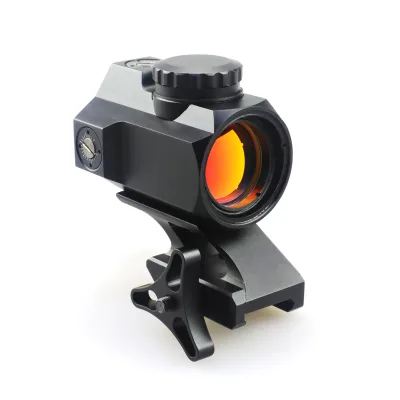
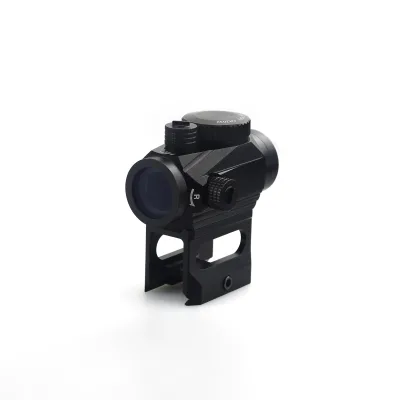
Chongqing Dontop Optics Co., Ltd.
- Manufacturer
- Chongqing, China
- Lead time45 days
- Avg. response≤ 4h
Main productsscopes,Binoculars,rangefinders,lens,mounts
Main marketsNorth America(25.0%), Western Europe(22.0%), Eastern Asia(10.0%), Eastern Europe(10.0%), Northern Europe(9.39%), Southern Europe(8.0%), South America(4.6%), Oceania(4.0%), South Asia(3.0%), Southeast Asia(2.0%), Mid East(1.0%), Africa(1.0%), Domestic Market(0.01%)
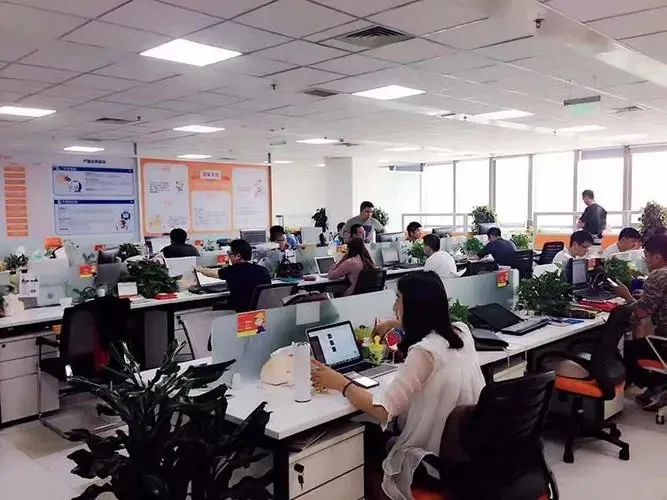
Shenzhen Ehighy Technology Co., Ltd.
- Manufacturer, Trading Company
- Guangdong, China
- Lead time0 days
- Avg. response≤ 2h
Main productsSights,Lights,laser,Night Vision Goggles,testing instrument
Main marketsDomestic Market(32.0%), North America(14.3%), Mid East(8.4%), Eastern Europe(8.1%), South America(7.6%), Southeast Asia(6.9%), Western Europe(5.6%), Northern Europe(5.4%), Eastern Asia(3.2%), Southern Europe(3.1%), South Asia(2.1%), Africa(1.2%), Central America(1.1%), Oceania(1.0%)
Chongqing Jizhou Enterpeises Co., Ltd.
- Verified by SGS Group
- Manufacturer, Trading Company
- Lead time30 days
- Avg. response≤ 4h
Main productsBinocular Monocular, Telescope, Laser Range Finder, Night Vision, Scope
Main marketsNorth America(30%), Oceania(10%), Northern Europe(10%)
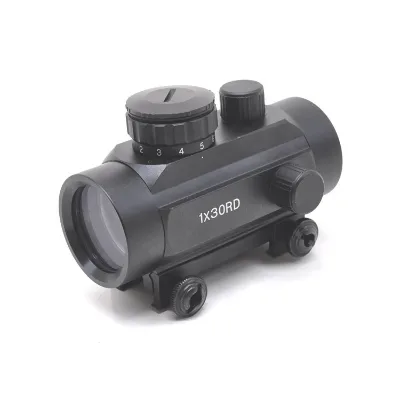
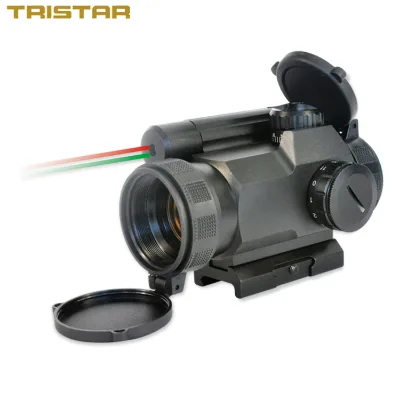
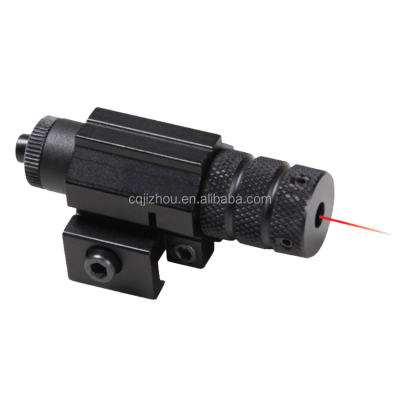
$7.30 - $7.90
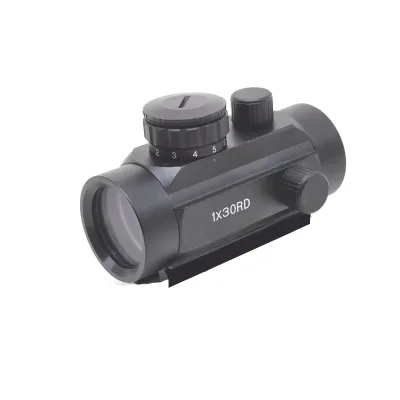

Chongqing Dontop Optics Co., Ltd.
- Trading Company,Manufacturer/Factory
- China Chongqing
- Lead time38 days
- Avg. response≤ 5h
Main productsBinoculars, Rifle Scope, Range Finder, Spotting Scope, Telescope, Lenses, Red DOT, Night Vision, Monoculars, Mount
Main marketsSouth America,Eastern Europe,Mid East,North America,Southeast Asia,Eastern Asia,Oceania,Western Europe,Africa

Daqin (luoyang) Supply Chain Co., Ltd.
- Manufacturer, Trading Company
- Henan, China
- Lead time0 days
- Avg. response≤ 2h
Main productsToy Gun,Toy Gun Model,Simulation Toy Weapons,Outdoor Sports,Stuffed Toys
Main marketsEastern Europe(20.0%), Southern Europe(20.0%), Western Europe(20.0%), South America(10.0%), Northern Europe(10.0%), Central America(10.0%), North America(10.0%)

Dongyang Baiyun Erains Optics Co., Ltd.
- Trading Company
- China Zhejiang
- Lead time45 days
- Avg. response≤ 14h
Main productsLaser Sight, Tactical Flashlight, Red DOT, Compass, Laser Scope, Mini Plant, Power Ball, LED Flashlight, Love Pearl
Main marketsEurope,North America

Ningbo Barride Optics Co., Ltd.
- Trading Company,Manufacturer/Factory
- China Zhejiang
- Lead time75 days
- Avg. response≤ 3h
Main productsMicroscope, Telescope, Binoculars, Riflescope, Magnifier, Spotting Scope, Range Finer, Astronomical Telescope, Night Vision, Biological Microscope
Main marketsSouth America,Eastern Europe,Mid East,North America,Southeast Asia,Eastern Asia,Oceania,Western Europe,Africa


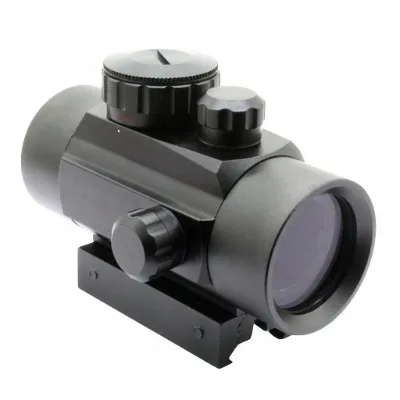
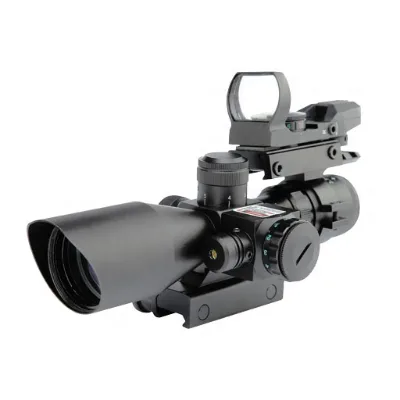
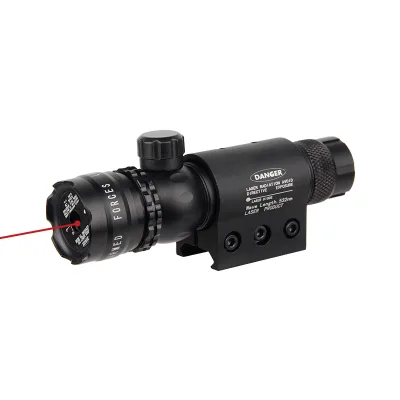
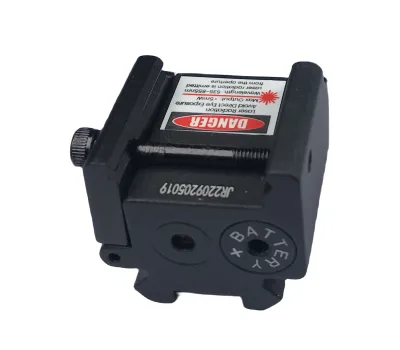


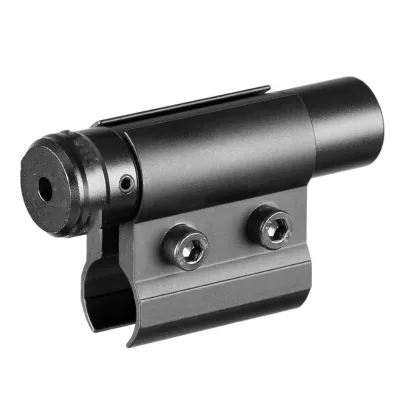
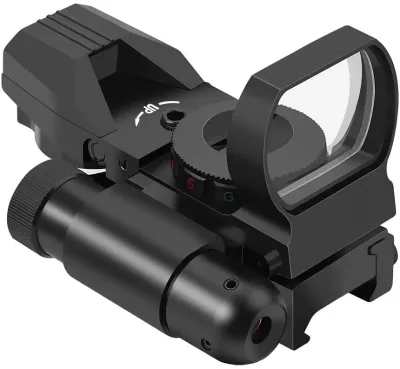


Comprehensive Sourcing Guide
Red Dot Laser Sight Supplier Concentration and Factory Types
The current supplier landscape for red dot laser sights shows a distinct concentration of manufacturing activity within specific Chinese provinces, with Guangdong emerging as a primary hub for production facilities. Data indicates that a significant portion of verified manufacturers and factories are located in Guangdong, suggesting a mature ecosystem for optical components and tactical accessories. This clustering allows for efficient supply chains where raw materials for optics, such as aluminum alloys and specialized glass, are readily available near the production lines. Buyers should prioritize regions where the density of manufacturers is high, as this often correlates with specialized labor pools and established logistics networks tailored to small, precision optical goods.
Factory types in this sector vary from pure manufacturers to combined entities that may blend production with trading functions. The available data confirms the presence of Manufacturer/Factory entities that offer both OEM and ODM capabilities, alongside their own branded lines like Focuhunter. These facilities typically possess the capacity to handle custom specifications, such as specific recoil ratings or waterproofing standards, which are critical for tactical applications. However, some suppliers are listed as "Combined" entities, which may indicate a trading company structure that sources from multiple factories rather than owning the production line directly. Buyers must distinguish between these models to ensure they are dealing with the actual source of production when quality control and customization are paramount.
How to Verify Red Dot Laser Sight Suppliers
Verification of Red Dot Laser Sight suppliers requires a rigorous check of their operational credentials and third-party audit results. The presence of ISO 9001 system certification is a baseline indicator of quality management processes, and some suppliers in the current results have explicitly listed this standard. Beyond general certifications, buyers should look for specific verification badges such as SGS, which provides an independent assessment of the supplier's business legitimacy and operational stability. These third-party validations are essential because they confirm that the company exists as a legal entity and has undergone external scrutiny regarding their business practices and product capabilities.
In addition to certifications, the response time of a supplier serves as a practical metric for their operational efficiency and customer service readiness. Current data shows response times varying significantly, with some suppliers demonstrating a rapid response capability of approximately two hours, while others may take longer. A faster response time often correlates with a more active sales team and better communication channels, which is vital when resolving technical queries about product specifications like eye relief or laser wavelength. Buyers should also examine the supplier's main product list to ensure it aligns with their specific needs, such as hunting scopes or tactical belts, rather than a generic assortment that might indicate a lack of specialization in red dot laser sights.
What to Compare Across Red Dot Laser Sight Suppliers
When evaluating multiple suppliers, the minimum order quantity (MOQ) is a critical commercial parameter that directly impacts inventory planning and cash flow. The data reveals a wide range in MOQ requirements, with some suppliers setting a threshold of ten units for specific red dot sight models, while others require orders of one hundred units for laser accessories. This variation allows buyers to select partners that match their scale, whether they are testing a new market with small batches or securing stock for large-scale distribution. Comparing these thresholds helps in identifying suppliers who are flexible enough to accommodate different business stages without imposing prohibitive entry barriers.
Lead time and production capacity are equally vital factors to compare when assessing supplier reliability and delivery schedules. Available information indicates lead times can be as short as fifteen days for certain products, which is a competitive advantage for buyers needing rapid restocking. Furthermore, the capacity for customization, including OEM and ODM services, varies among suppliers, with some offering their own brands while others focus entirely on private labeling. Buyers should also scrutinize product attributes such as waterproof ratings, impact resistance, and illumination colors to ensure the technical specifications meet the intended application, whether for hunting, tactical training, or recreational shooting.
Common Red Dot Laser Sight Sourcing Risks
One significant risk in sourcing red dot laser sights involves the discrepancy between claimed specifications and actual product performance, particularly regarding durability and environmental resistance. While product data lists attributes like "Waterproof" and "Shockproof," buyers must verify the specific standards, such as IPX7 ratings or recoil resistance values like 1000 G, to ensure they meet the rigorous demands of tactical use. Relying solely on marketing keywords without demanding detailed test reports or certification documents can lead to receiving products that fail under stress, resulting in reputational damage and potential safety hazards for end-users.
Another risk stems from the variability in supplier response times and the potential for communication breakdowns during the order fulfillment process. If a supplier has a slow response time, it may indicate a lack of dedicated support staff or inefficient internal processes, which can delay critical order confirmations or troubleshooting sessions. Additionally, the distinction between a manufacturer and a trading company can obscure the true source of quality control issues. If a trading company is the point of contact, they may not have direct oversight of the factory floor, making it harder to enforce strict quality standards or resolve production defects quickly when they arise.
Red Dot Laser Sight Regional Sourcing and Logistics
Geographic location plays a pivotal role in determining shipping costs, transit times, and the overall logistics efficiency for Red Dot Laser Sight orders. The current supplier data highlights a strong concentration of manufacturers in Guangdong, a region known for its robust export infrastructure and proximity to major ports. Sourcing from this cluster can significantly reduce lead times and freight costs compared to suppliers located in less developed industrial zones. Buyers should prioritize suppliers in established manufacturing hubs where logistics networks are optimized for handling small, high-value optical goods, ensuring that products arrive in pristine condition without excessive transit delays.
However, not all suppliers are located in the same region, and some may be based in areas like Jiangxi, which could introduce different logistical considerations. While these locations might offer competitive pricing, the distance from major shipping hubs could increase freight expenses and extend delivery windows. Buyers must evaluate the total landed cost, including shipping and insurance, rather than focusing solely on the unit price. Understanding the specific location of each supplier allows for better planning of inventory replenishment cycles and helps in mitigating the risks associated with supply chain disruptions that might affect specific regions differently.
Red Dot Laser Sight Commercial Terms and Order Planning
Pricing structures for red dot laser sights vary based on product complexity, customization levels, and order volume, requiring careful financial planning. Current data shows unit prices ranging from approximately five dollars for laser sights to nearly twenty-two dollars for more complex red dot scopes, with prices often fixed at specific points rather than fluctuating widely. Buyers should analyze these price points against the specified MOQ to determine the most cost-effective order size. Understanding the price-to-MOQ ratio is essential for budgeting, as ordering just above the minimum threshold might yield a lower per-unit cost than ordering significantly higher quantities if the supplier does not offer tiered pricing.
Commercial terms also include the availability of payment security measures and the clarity of product specifications in the contract. While some suppliers may offer escrow services to protect buyer funds, this is not universally guaranteed and must be confirmed before finalizing any transaction. Buyers should ensure that all product attributes, such as battery types, laser wavelengths, and mounting dimensions, are explicitly detailed in the purchase agreement to avoid disputes over product quality. Clear communication regarding these terms, combined with a thorough review of the supplier's response time and verification status, forms the foundation of a secure and successful procurement strategy for red dot laser sights.
FAQs
Where are red dot laser sights manufactured?
Most red dot laser sights listed originate from Guangdong, China. Some suppliers also operate from Jiangxi, China. Buyers should verify the specific factory location for each product to ensure it matches their logistics requirements and import regulations.
What is the typical lead time for these products?
The standard lead time for red dot laser sights is 15 days. This duration applies to manufacturing and preparation for shipment. Buyers should confirm if expedited options exist, as lead times can vary based on order volume and customization needs.
Are these sights waterproof and shockproof?
Yes, many models feature waterproof ratings like IPX7 and are shockproof. Some units withstand 1000 G recoil impacts. Buyers must check specific product attributes for exact ratings, as protection levels differ between standard and tactical grade scopes.
What certifications do the manufacturers hold?
Suppliers often hold ISO 9001 or ISO9001:2015 system certifications. Some companies are verified by SGS. These credentials indicate adherence to quality management standards, though buyers should request current certificates to confirm active compliance for their specific orders.
What is the minimum order quantity required?
Minimum order quantities vary by product, typically starting at 10 units for scopes. Some laser sights require a minimum of 100 units. Buyers need to check the specific MOQ for each item to plan their inventory and budget effectively.
Can these sights be customized for branding?
Customization is available for many red dot laser sights. Suppliers offer OEM and ODM services with own brand options. Buyers should discuss specific branding requirements and design constraints directly with the manufacturer to ensure the final product meets their market needs.
What is the response time for supplier inquiries?
Supplier response times vary, with some averaging around 9.41 hours and others as fast as 2 hours. Faster response times often indicate higher availability. Buyers should prioritize suppliers with quick reply rates to ensure efficient communication during the sourcing process.