Refillable Biodegradable Cosmetic Jar Suppliers and Manufacturers
Source 20 verified suppliers for Refillable Biodegradable Cosmetic Jar packaging. Compare ISO certifications, lead times, and MOQs from factories in China. Request samples to verify material quality and customization options; review the available evidence before requesting comparable quotations from suitable candidates.
Suppliers List

Ullwin (Shanghai) Industrial Co., Ltd
- Verified by SGS
- Trading Company
- China Shanghai
- Lead time30 days
- Avg. response≤ 13h
Main productsMedical & Health Care Products, Cosmetic Packaging
Main marketsSouth America,Africa,Southeast Asia/ Mideast,East Asia(Japan/ South Korea),Europe,Australia,North America


Refillable Face Cream Containers, Plastic Round Cosmetic Jars for Skin Care
$0.50 - $0.60
MOQ: 10000 Pieces

Empty PP Plastic Refillable Cosmetic Cream Jars with Spatula Spoon for Packaging
$0.60 - $0.80
MOQ: 10000 Pieces

Ningbo Langyi Plastic Industry Co., Ltd.
- Verified by TUVRHEINLAND
- Combined
- China Zhejiang
- Lead time23 days
- Avg. response≤ 5h
Main productsCosmetic Packaging, Trigger Sprayer, Mist Sprayer, Lotion Pump, Cream Pump, Cosmetic Bottle, Acrylic Bottle, Airless Bottle, Cream Jar, Packaging Bottles
Main marketsSouth America,Southeast Asia/ Mideast,Europe
Kinpack(Ningbo) Packaging Technology Co., Ltd.
- Manufacturer/Factory
- China Zhejiang
- Lead time23 days
- Avg. response≤ 4h
Main productsAirless Bottle, Glass Bottle, Trigger Sprayer
Main marketsSouth America,Eastern Europe,Mid East,North America,Southeast Asia,Eastern Asia,Oceania,Western Europe,Africa


Eco Friendly Refillable 50g 100g Recyclable Plastic Jar with Spoon for Cosmetic Skincare
$0.48 - $0.50
MOQ: 10000 Pieces


YUYAO YUHUI COMMODITY CO., LTD.
- Verified by BV
- Combined
- China Zhejiang
- Lead time30 days
- Avg. response≤ 2h
Main productsTrigger Sprayer, Lotion Pump, Cosmetic Jar, Plastic Bottle, Plastic Case, Plastic Cap, Fine Mist Sprayer, Foam Pump, Treatment Pump, Plastic Travel Bottle Set
Main marketsSouth America,Africa,Southeast Asia/ Mideast,East Asia(Japan/ South Korea),Europe,Australia,North America

Round 5ml Cosmetic Containers with Lids Lotion Cream Refillable Packaging Jar
$0.02 - $0.25
MOQ: 10000 Pieces


Yuyao Xianghao Mold Technology Company Limited
- Verified by BV
- Trading Company
- China Zhejiang
- Lead time30 days
- Avg. response≤ 10h
Main productsInjection Mold, Plastic Mold, Injection Molding, Rapid Prototyping, 3D Pritting, Manhole Cover Mold, Silicone Rubber Mould, Wire Rack, Car Air Compressor, LED Light
Main marketsNorth America

- Verified by BV
- Trading Company,Manufacturer/Factory
- China Zhejiang
- Lead time45 days
- Avg. response≤ 3h
Main productsPet Bottles, PP_PE Bottles, Plastic Tubes, Sustainable Packaging, R&D Service, PCR Pacakgaing, Sugarcane Packaging, Mono Material Packaging, Abl Tubes, Aluminum Tubes
Main marketsSouth America,Eastern Europe,Mid East,North America,Southeast Asia,Eastern Asia,Oceania,Western Europe,Africa

NINGBO KINPACK COMMODITY CO., LTD.
- Verified by TUVRHEINLAND
- Trading Company
- China Zhejiang
- Lead time30 days
- Avg. response≤ 8h
Main productsFoam Pump, Ailress Bottle, Trigger Sprayer, Lotion Pump, Airless Jars, Treatment Pump, Lotion Bottle, Mini Trigger Sprayer, Cosmetics Package, Outdoor Products
Main marketsSouth America,Africa,Southeast Asia/ Mideast,East Asia(Japan/ South Korea),Domestic,Europe

Eco Friendly 50g 100g ABS Refillable Plastic Jar for Skin Care Cosmetics
$0.58 - $0.65
MOQ: 10000 Pieces

Refillable 15g 30g 50g 100g PP Plastic Airless Jar for Cosmetic Skincare
$0.50 - $0.63
MOQ: 10000 Pieces

Eco Friendly Refillable 50g 100g Recyclable Plastic Jar with Spoon for Cosmetic Skincare
$0.48 - $0.50
MOQ: 10000 Pieces

Refillable 15ml 30ml 50ml PP Airless Plastic Jar for Skin Care Cosmetics
$0.40 - $0.46
MOQ: 5000 Pieces


Hangzhou Bona Packaging Co., Ltd.
- Verified by SGS
- Trading Company,Manufacturer/Factory,Group Corporation
- China Zhejiang
- Lead time23 days
- Avg. response≤ 3h
Main productsPlastic Tube, Cosmetic Tube, Cosmetic Packaging, Plastic Jar, Plastic Bottle, Airless Bottle, Cosmetic Bottle, Bottle, Jar, Packing Bottle
Main marketsSouth America,Eastern Europe,Mid East,Southeast Asia,Eastern Asia,Oceania,Western Europe

Eco Friendly Replaceable Refillable Cosmetic Plastic 50ml 100ml 240ml 8oz Face Cream Jar
$0.30 - $0.35
MOQ: 3000 Pieces

Customized Plastic Cosmetic Cream Jar 1oz 2oz 4oz 6oz Pet Refillable Double Packaging Acrylic Jar
$0.30 - $0.35
MOQ: 3000 Pieces

ningbo crown commodity co.,ltd
- Verified by SGS
- Combined
- China Zhejiang
- Lead time30 days
- Avg. response≤ 25h
Main productsPerfume Sprayer, Lotion Pump, Trigger Sprayer, Pet Bottle, Cosmetic Package, Eyeliner Package
Main marketsAfrica,Southeast Asia/ Mideast,Europe,North America

YUYAO YIHE COMMODITY CO., LTD.
- Verified by TUVRHEINLAND
- Manufacturer/Factory
- China Zhejiang
- Lead time23 days
- Avg. response≤ 4h
Main products20ml Pocket Perfume Bottle with Caps, Trigger Sprayer, Lotion Pump, Mist Sprayer, Pet Bottle, Disc Top Cap, Flip Top Cap, Foam Sprayer, Foam Sprayer Bottle, Perfume Sprayer
Main marketsSouth America,Eastern Europe,Mid East,North America,Southeast Asia,Eastern Asia,Oceania,Western Europe

Yuyao Zhuoxin Import & Export Co., Ltd.
- Trading Company,Manufacturer/Factory
- China Zhejiang
- Lead time0 days
- Avg. response≤ 8h
Main productsTrigger Sprayer, Lotion Pump, Mist Sprayer, Cream Pump, Plastic Vacuum Bottle, Plastic Acrylic Jar, Plastic Cap, Card/Pen Perfume Sprayer, Lipstick Case, Cream Jar
Main marketsSouth America,Eastern Europe,Mid East,North America,Southeast Asia,Eastern Asia,Oceania,Western Europe,Africa

Zibo Chuangxinzhe International Trade Co., Ltd
- Verified by TUVRHEINLAND
- Trading Company
- China Shandong
- Lead time15 days
- Avg. response≤ 3h
Main productsGlass Bottle, Glass Jar, Bottle, Glass Storage Jar, Glass Tube, Mason Jar, Food Jar, Dropper Bottle, Empty Candle Jars, Perfume Bottle
Main marketsSouth America

Portable Refillable Glass Cream Jar with Screw Lid for Eye Cream Cosmetic Container
$0.04 - $0.51
MOQ: 50000 Pieces


Glass Cream Jar Face Cream Container Mask Jar and Refillable Cosmetic Container Sun Cream Bottle
$0.05 - $0.44
MOQ: 50000 Pieces

Jinhua Allies Import and Export Co., Ltd.
- Verified by SGS
- Manufacturer/Factory
- China Zhejiang
- Lead time23 days
- Avg. response≤ 5h
Main productsCanister, Container, Bottle, Cosmetic, Make up, Plastic Packaging, Eyeshadow, Palette, Box, Compact Case
Main marketsSouth America,Mid East

$0.18 - $0.80
MOQ: 10000 Pieces


$0.80 - $3.00
MOQ: 10000 Pieces

Best Price Refillable Face Cream Jar Body Butter Cosmetic Airless Pump Jar
$0.12 - $0.78
MOQ: 10000 Pieces


Wholesale 10g 15g High-End Cream Bottles Beauty Cosmetic Bottles Double-Layer Cosmetic Jars
$0.25 - $0.85
MOQ: 10000 Pieces

- Verified by CTI
- Trading Company
- China Zhejiang
- Lead time30 days
- Avg. response≤ 4h
Main productsAirless Bottle, Glass Bottle, Comb, Cosmetic Packaging, Food Packaging, Sprayer, Lotion Pump Machine, Gift, Roll on Ball
Main marketsAfrica,Southeast Asia/ Mideast


Eco-Friendly for Beauty Cream and Cosmetic Packaging Jar Airless Bottle
$0.72 - $0.80
MOQ: 12000 Pieces

Ningbo YMS Imp & Exp Co., Ltd.
- Trading Company
- China Zhejiang
- Lead time45 days
- Avg. response≤ 9h
Main productsLipstick Case, Cosmetic Compact, Lip Gloss Case, Mascara Tube, Eyeliner Bottle, Cosmetic Pen, Acrylic Jar, Cosmetic Pot, Loose Powder Container, Airless Lotion Bottle
Main marketsSouth America,Southeast Asia/ Mideast,Europe
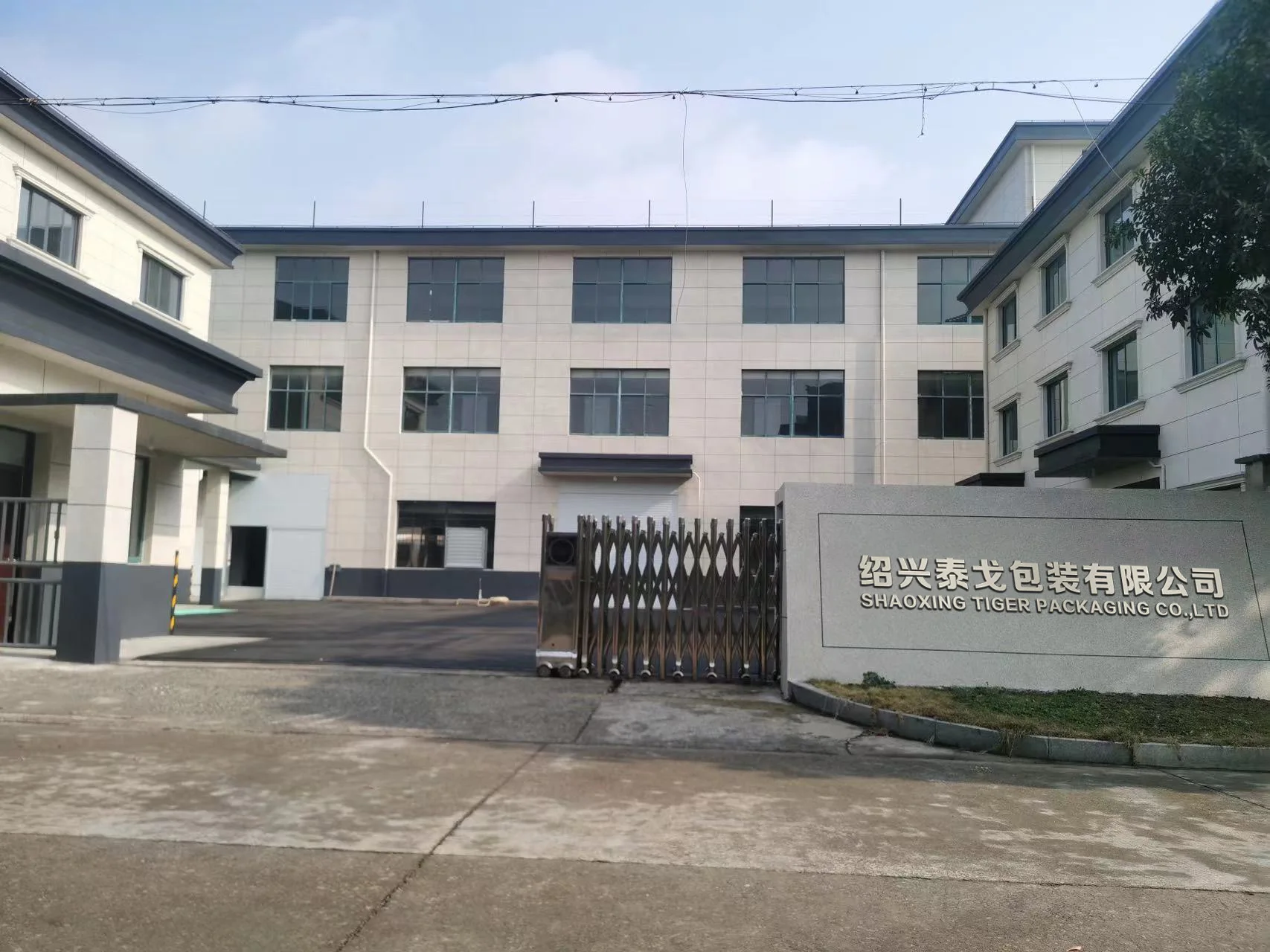
Shaoxing Tiger Packaging Co., Ltd.
- Trading Company
- Zhejiang, China
- Lead time20 days
- Avg. response≤ 3h
Main productsPlastic Cap, Mist Sprayer, Lotion Pump, Lip Stick Tube, Plastic Bottle
Main marketsDomestic Market(50.00%), North America(15.00%), Southeast Asia(15.00%), Eastern Asia(10.00%), Mid East(10.00%)
NOVA PACKAGING TECHNOLOGY(SHANDONG) Co., LTD
- Verified by CTI
- Manufacturer/Factory
- China Shandong
- Lead time45 days
- Avg. response≤ 6h
Main productsPerfume Bottle, Glass Bottle, Dropper Bottle, Essential Oil Bottle, Perfume Cap, Custom Perfume Bottle, Perfume Pump Sprayer, Car Perfume Bottle, Diffuser Bottle, Mini Perfume Bottle
Main marketsSouth America,Eastern Europe,Mid East,North America,Southeast Asia,Eastern Asia,Oceania,Western Europe,Africa

Sustainable Recyclable Packaging with Screw Lids Reusable Amber Glass Cosmetic Jars
$0.13 - $0.19
MOQ: 2000 Pieces

Refillable Cosmetic Packaging Set 5-Piece Glass Bottles Jars with Secure Black Lids
$0.18 - $0.47
MOQ: 1000 Pieces

Xuzhou Selead Packaging Material Co., Ltd.
- Verified by SGS
- Trading Company
- China Jiangsu
- Lead time15 days
- Avg. response≤ 6h
Main productsGlass Bottle, Plastic Bottle, Water Bottle, Glass Jar, Mason Jar, Wine Bottle, Cosmetic Bottle, Beverage Bottle, Glass, Candle Holder
Main marketsAfrica,Southeast Asia/ Mideast,Europe,North America

$0.15 - $0.50
MOQ: 5000 Pieces


$0.15 - $0.50
MOQ: 5000 Pieces


Frosted Glass Bottle Cosmetic Cream Container Jar for Cream Skin Care with Bamboo Lid
$0.15 - $0.50
MOQ: 5000 Pieces
Ningbo Somewang Packaging Co., Ltd.
- Verified by SGS
- Combined
- China Zhejiang
- Lead time23 days
- Avg. response≤ 4h
Main productsCosmetic Packaging, Cosmetic Bottle, Plastic Bottle, Cosmetic Tube, Cream Jar, Lotion Pump, Mist Sprayer, Trigger Sprayer, Plastic Cap, Glass Bottle
Main marketsSoutheast Asia/ Mideast,Europe,North America


High Quality Refillable Series Airless Bottle Airless Jar Cosmetic Packaging
$0.83 - $1.20
MOQ: 10000 Pieces

High Quality Refillable Series Airless Bottle Airless Jar Cosmetic Packaging
$0.83 - $1.20
MOQ: 10000 Pieces
Impac International Trading Co., Ltd. (zhangjiagang)
- Verified by Intertek
- Trading Company
- Lead time30 days
Main productsAcrylic Bottles And Jars, Plastic Bottles And Jars, Glass Bottles And Jars, Cosmetic Packaging, Spray Bottles
Main marketsNorth America(45%), Western Europe(25%), South America(8%)


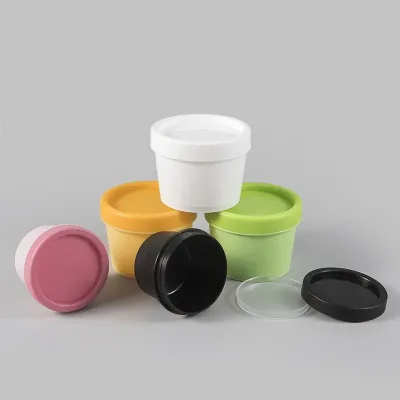
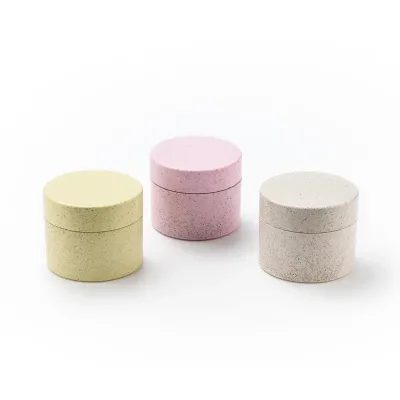
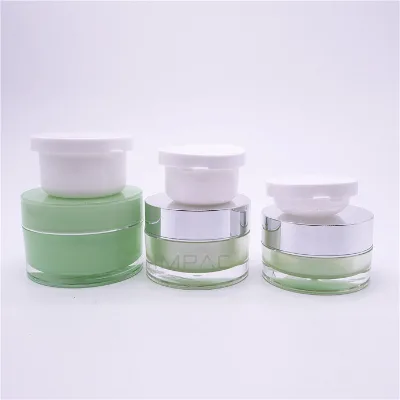
Comprehensive Sourcing Guide
Refillable Biodegradable Cosmetic Jar Supplier Concentration and Factory Types
The current supplier landscape for refillable biodegradable cosmetic jars reveals a distinct concentration of manufacturing and trading entities within specific Chinese provinces, primarily Shanghai and Zhejiang. Suppliers located in Shanghai often operate as trading companies, leveraging their proximity to major ports and logistics hubs to facilitate international trade. These entities typically focus on a broad range of medical and health care products alongside cosmetic packaging, indicating a diversified operational model that may offer flexibility in sourcing multiple item types from a single partner. In contrast, suppliers based in Zhejiang, particularly in areas like Yuyao, frequently present as combined entities or direct manufacturers. These factories often specialize in a narrower, more technical range of items such as trigger sprayers, mist sprayers, lotion pumps, and airless bottles, suggesting a deeper technical capability in complex plastic molding and assembly processes. This geographic and structural divergence allows buyers to choose between the logistical convenience of trading companies and the specialized production capacity of regional factories.
Factory types vary significantly in their operational focus and certification status, which directly impacts the reliability and scope of supply for refillable biodegradable cosmetic jars. Some suppliers hold ISO9001:2015 certificates, providing a baseline assurance of quality management systems, while others may display verification badges from third-party agencies like SGS or TÜV Rheinland, indicating rigorous external audits of their business legitimacy and product standards. The presence of OEM and ODM capabilities is a critical differentiator, with some manufacturers explicitly stating their ability to produce custom designs under their own brand or for private label clients. Buyers must carefully distinguish between pure trading entities that may outsource production and actual factories with in-house molding and assembly lines. Understanding this distinction is vital for assessing lead times, communication efficiency, and the ability to handle complex customization requests for biodegradable materials, which require specific handling and production knowledge to maintain their eco-friendly properties throughout the manufacturing cycle.
How to Verify Refillable Biodegradable Cosmetic Jar Suppliers
Verifying the legitimacy and capability of suppliers requires a multi-layered approach that goes beyond simple profile reviews. Buyers should prioritize suppliers who display independent verification badges from recognized agencies such as SGS or TÜV Rheinland, as these indicate that a third party has physically inspected the business operations and product quality. It is essential to cross-reference these verification statuses with the supplier’s declared company type, ensuring that a manufacturer claiming to be a factory actually possesses the necessary production equipment and workforce. For trading companies, verification helps confirm their financial stability and export experience, which are crucial for managing international logistics and compliance. Additionally, checking for specific system certifications like ISO9001:2015 provides evidence of a structured quality management system, which is particularly important for cosmetic packaging that must meet strict hygiene and safety standards. These credentials serve as foundational proof that the supplier operates with a level of professionalism and accountability required for global trade.
Beyond static credentials, active verification involves assessing the supplier’s responsiveness and technical transparency during the inquiry phase. A rapid response time, such as those observed in the range of 3.96 to 12.54 hours, can indicate a well-staffed sales team and efficient internal communication processes, which are vital for resolving issues quickly during production. Buyers should also request detailed product specifications and ask for evidence of material composition, particularly regarding the biodegradable claims. Suppliers should be able to provide clear documentation on the base materials used, such as HDPE or other plastics, and explain how these materials meet eco-friendly standards. Inquiring about sample availability is another critical step; suppliers who readily offer samples demonstrate confidence in their product quality and allow buyers to physically assess the jar’s durability, seal integrity, and aesthetic finish. This hands-on verification process helps mitigate the risk of receiving substandard products that fail to meet the specific requirements of the cosmetic brand.
What to Compare Across Refillable Biodegradable Cosmetic Jar Suppliers
When evaluating multiple suppliers for refillable biodegradable cosmetic jars, several key dimensions must be compared to determine the best fit for your specific business needs. Lead time is a critical factor, with observed ranges varying from 23 to 30 days, depending on the complexity of the order and the supplier’s current production load. Buyers should also closely examine the Minimum Order Quantity (MOQ), which can range from 5,000 to 10,000 pieces, impacting inventory management and cash flow. Pricing structures also vary, with unit costs ranging from approximately $0.30 to $0.85, influenced by material choices, customization levels, and order volume. Response time is another important metric, as faster replies often correlate with better customer service and problem-solving capabilities. By comparing these quantitative metrics across different suppliers, buyers can create a balanced scorecard that weighs cost against speed and reliability, ensuring that the selected partner aligns with their operational constraints and market demands.
In addition to quantitative metrics, qualitative aspects such as customization options and product features play a significant role in supplier selection. Buyers should compare the extent of customization offered, including logo printing, color matching, and neck finish options, as these details are crucial for brand differentiation. The availability of eco-friendly and refillable designs is a key differentiator, with some suppliers explicitly highlighting their commitment to sustainable packaging solutions. It is also important to compare the range of main products offered, as suppliers with a broader portfolio may provide better bundling opportunities for complementary items like pumps and sprayers. Additionally, assessing the supplier’s capacity for OEM and ODM services can reveal their ability to innovate and adapt to unique design requirements. By thoroughly comparing these factors, buyers can identify suppliers that not only meet their basic packaging needs but also support their brand’s sustainability goals and aesthetic vision.
Common Refillable Biodegradable Cosmetic Jar Sourcing Risks
One of the primary risks in sourcing refillable biodegradable cosmetic jars is the potential discrepancy between claimed eco-friendly attributes and actual material performance. Buyers must be cautious of suppliers who use vague terminology without providing concrete evidence of biodegradability or recyclability. It is essential to verify the specific materials used, such as HDPE or other plastics, and ensure they meet recognized environmental standards. Another significant risk is the variability in product quality, which can arise from inconsistent manufacturing processes or the use of lower-grade raw materials. This can lead to issues such as poor seal integrity, leakage, or aesthetic defects, which can damage brand reputation and result in customer complaints. To mitigate these risks, buyers should request detailed material certifications and conduct rigorous quality checks on samples before committing to large orders. Understanding the specific material properties and their environmental impact is crucial for ensuring that the packaging aligns with the brand’s sustainability commitments.
Logistical and communication risks also pose significant challenges in the sourcing process. Delays in production or shipping can disrupt supply chains, leading to stockouts and lost sales opportunities. Buyers should be aware of potential lead time variations and establish clear communication channels with their suppliers to monitor production progress. Additionally, language barriers and cultural differences can lead to misunderstandings regarding product specifications and quality expectations. To address these risks, buyers should invest time in building strong relationships with their suppliers and establishing clear, documented agreements regarding quality standards, delivery schedules, and payment terms. It is also advisable to use secure payment methods, such as escrow services, to protect financial interests until the goods are received and verified. By proactively identifying and addressing these potential risks, buyers can create a more resilient and reliable sourcing strategy for their refillable biodegradable cosmetic jars.
Refillable Biodegradable Cosmetic Jar Regional Sourcing and Logistics
Sourcing refillable biodegradable cosmetic jars from China offers access to established manufacturing clusters that provide significant advantages in terms of cost efficiency and production capacity. Suppliers located in Shanghai benefit from proximity to major international ports, facilitating efficient export logistics and reducing transit times for global shipments. This location is particularly advantageous for trading companies that coordinate multiple suppliers and manage complex export documentation. Meanwhile, suppliers in Zhejiang, particularly in Yuyao, are known for their specialized expertise in plastic packaging and molding, offering a high degree of technical precision and customization capabilities. Buyers should consider the logistical implications of sourcing from these regions, including shipping costs, customs clearance procedures, and potential tariffs. Understanding the regional strengths and logistical networks can help buyers optimize their supply chain and reduce overall procurement costs.
Logistics planning also involves selecting the appropriate shipping method and packaging configuration to ensure product safety and cost-effectiveness. Suppliers typically use standard export cartons or custom packaging solutions to protect the jars during transit, minimizing the risk of damage. Buyers should work closely with their suppliers to determine the most efficient packing configuration, considering factors such as container load capacity and product fragility. Additionally, it is important to coordinate with freight forwarders to secure competitive shipping rates and reliable transit times. For urgent orders, air freight may be necessary, although it comes at a higher cost. By carefully planning the logistics and leveraging the regional advantages of Chinese manufacturing hubs, buyers can ensure a smooth and efficient supply chain for their refillable biodegradable cosmetic jars, supporting their business operations and customer satisfaction.
Refillable Biodegradable Cosmetic Jar Commercial Terms and Order Planning
Commercial terms and order planning are critical components of a successful sourcing strategy for refillable biodegradable cosmetic jars. Buyers should negotiate clear payment terms, such as a 30% deposit with the remaining 70% paid upon balance, to manage cash flow and mitigate financial risk. It is also important to establish clear delivery timelines and penalties for delays, ensuring that the supplier is accountable for meeting production schedules. Order planning should take into account the supplier’s lead time, MOQ, and production capacity to avoid stockouts or excess inventory. Buyers should also consider the potential for seasonal demand fluctuations and plan their orders accordingly to ensure a steady supply of packaging materials. By carefully managing commercial terms and order planning, buyers can create a stable and predictable supply chain that supports their business growth and operational efficiency.
In addition to payment and delivery terms, buyers should also consider the long-term relationship with their suppliers and the potential for future collaboration. Building a strong partnership can lead to better pricing, priority production slots, and improved customer service. Buyers should regularly review their supplier performance and provide feedback to encourage continuous improvement. It is also advisable to diversify the supplier base to reduce dependency on a single source and mitigate the risk of supply chain disruptions. By adopting a strategic approach to commercial terms and order planning, buyers can optimize their procurement process and achieve better value for their investment in refillable biodegradable cosmetic jars. This proactive management of supplier relationships and order logistics is essential for maintaining a competitive edge in the dynamic cosmetic packaging market.
FAQs
What is the price range for refillable cosmetic jars?
Prices for refillable plastic cosmetic jars typically range from $0.30 to $0.85 per unit. Specific costs depend on capacity, material type, and customization requirements. Buyers should verify exact pricing based on order volume and specific product models selected from available listings.
What is the minimum order quantity for these jars?
Minimum order quantities generally start at 5,000 pieces for standard plastic jars. Some suppliers require a minimum of 10,000 pieces for specific models or customized designs. Buyers must check individual product listings to confirm the exact MOQ applicable to their chosen specifications.
How long does production take for these containers?
Production lead times typically range from 23 to 30 days after order confirmation. Some suppliers offer delivery within 25 to 30 days for specific models. Buyers should confirm exact timelines with suppliers, as lead times may vary based on customization and order volume.
Are these jars certified for quality assurance?
Many suppliers hold ISO9001:2015 or ISO certifications for their manufacturing processes. Product standards may also include SGS verification for specific items. Buyers should request current certification documents to ensure compliance with their quality requirements and regulatory standards for cosmetic packaging.
What materials are used for these refillable jars?
Common materials include plastic, PET, and HDPE for durability and eco-friendly options. Some jars are designed as small package tanks with refillable features. Buyers can select materials based on product compatibility, sustainability goals, and specific application requirements for cosmetics or personal care items.
Can I customize the logo and design?
Most suppliers offer customization options including logo printing and color selection. Surface printing methods like screen printing are available for branding. Buyers should confirm customization availability, minimum requirements, and additional costs with suppliers to ensure the final product meets their brand identity standards.