Washable Woven Baby Comforter Suppliers and Manufacturers
Explore 29 verified options for Washable Woven Baby Comforter from Anhui and Jiangsu factories. Compare certifications like CPC and CE, response times, and lead times to find the right partner. Contact suppliers directly to request samples and confirm pricing; review the available evidence before requesting comparable quotations from suitable candidates.
Suppliers List
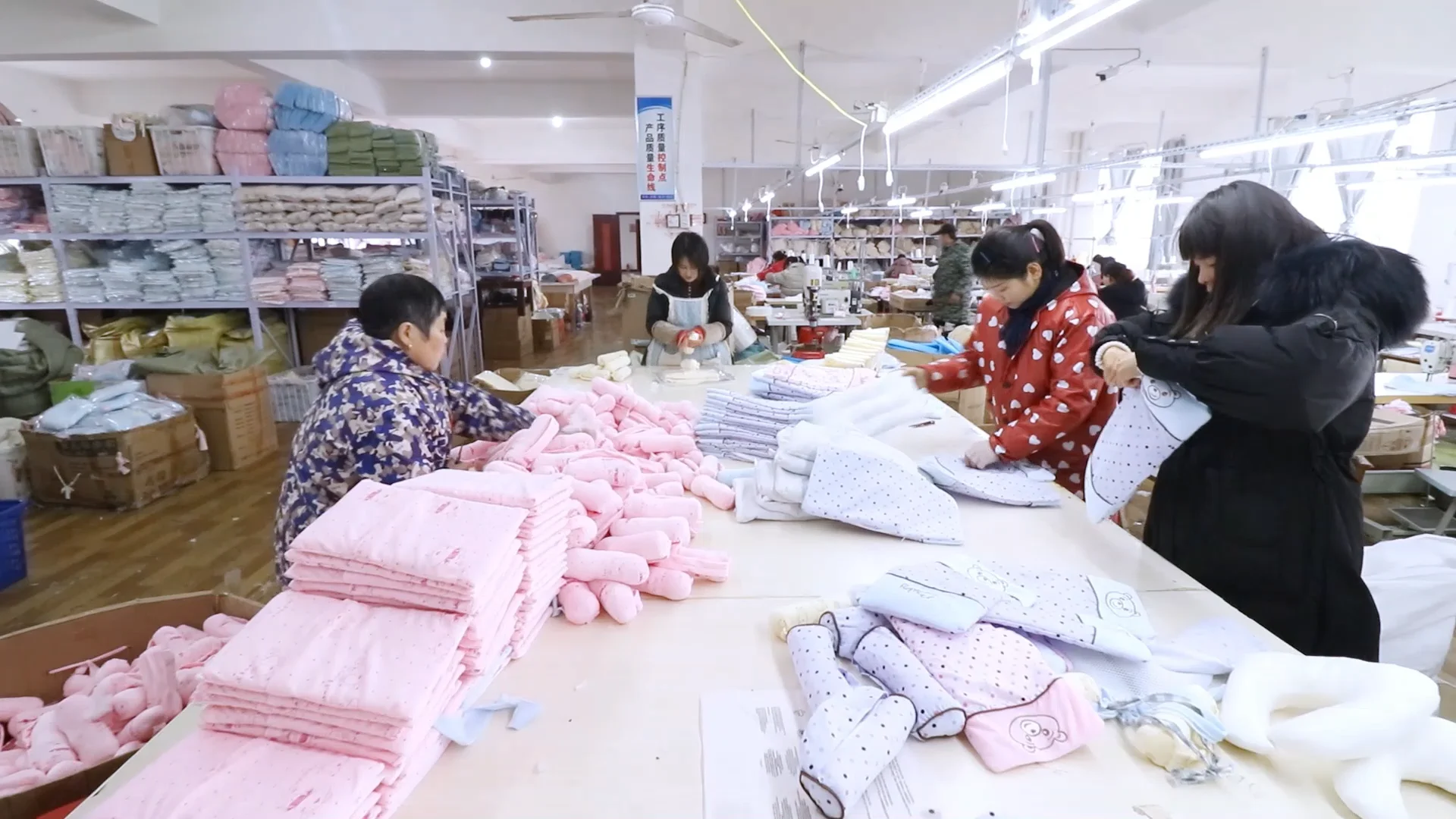
Shucheng Yulan childrens products Co., Ltd
- Manufacturer, Trading Company
- Anhui, China
- Lead time15 days
- Avg. response≤ 2h
Main productsNap Mat,Baby Nest,Baby Pillow,Footmuff,Baby Nest
Main marketsSoutheast Asia(50.00%), Western Europe(10.00%), Oceania(10.00%), North America(10.00%), Eastern Europe(10.00%), South America(10.00%)
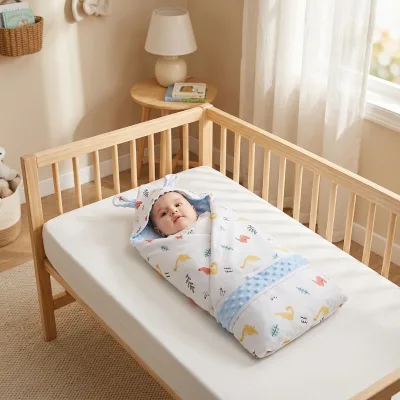
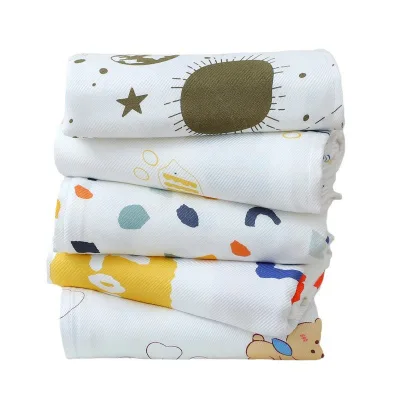
$5.14 - $7.71
MOQ: 500 pieces
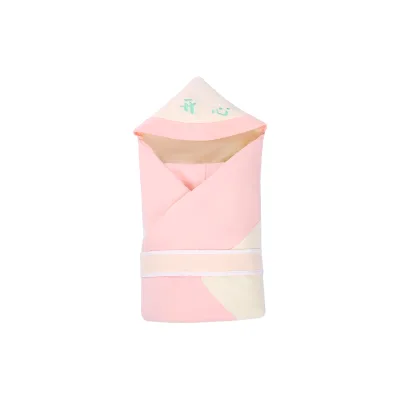
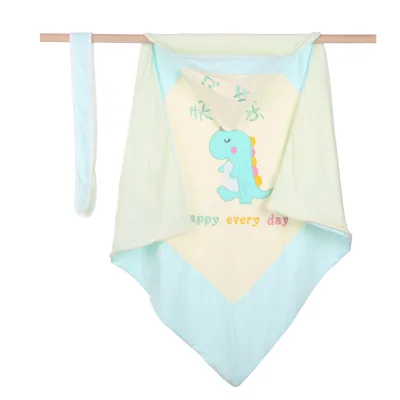
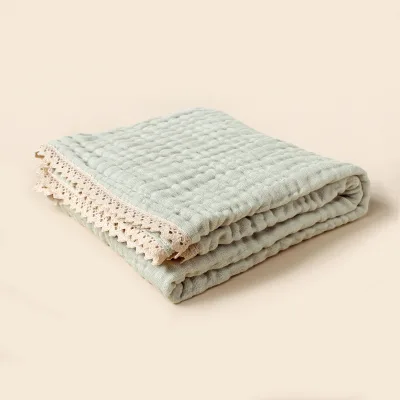
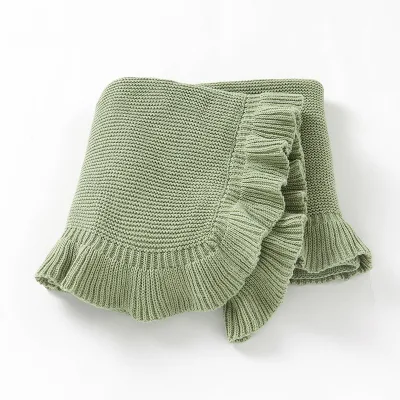
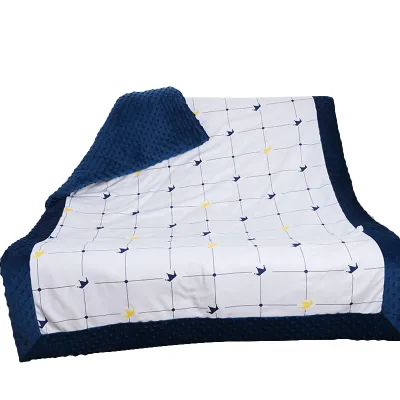
Guaranteed Quality Multiple Colors 90*90 cm Super Soft Removable Soft Baby Comforter
$5.99 - $12.02
MOQ: 1 pieces
Suzhou Mygreen Textiles Co., Ltd.
- Verified by Intertek
- Trading Company
- Lead time15 days
- Avg. response≤ 3h
Main productsBaby Blanket, Plush Toy, Baby Clothes, Baby Towel
Main marketsNorth America(35%), Eastern Europe(25%), South America(5%)
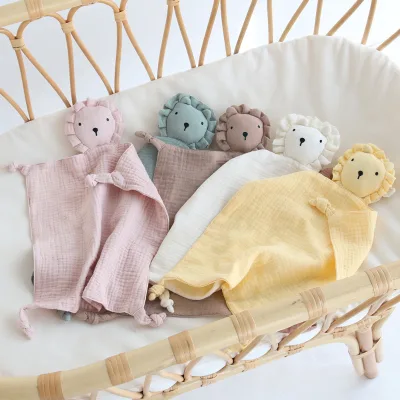
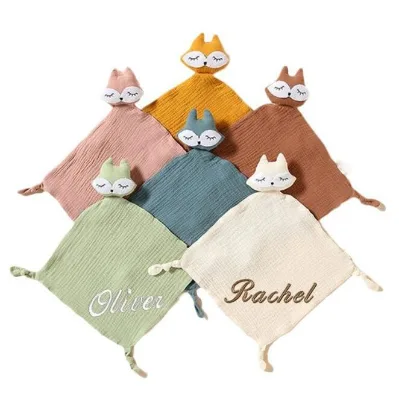
Ins Cotton Baby Comforter for Newborn Baby Sleeping Doll Cotton Cute lion Comforter Blanket
$2.77 - $3.38
MOQ: 20 pieces
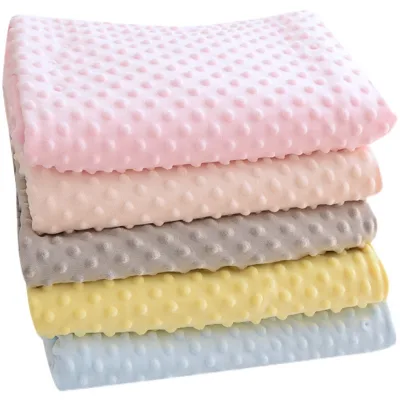
Winter Comforter Portable Receiving Nursing Swaddle 2 Layer Baby Soft Dot Fleece Blanket
$3.80 - $4.20
MOQ: 20 pieces
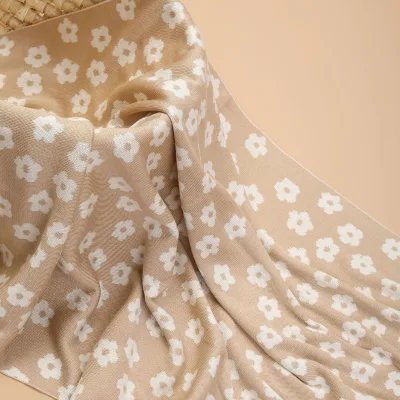
Soft Summer Ice Silk Knitted Baby Blanket Comfortable Cool Material Summer Baby Blanket
$5.12 - $5.63
MOQ: 20 pieces
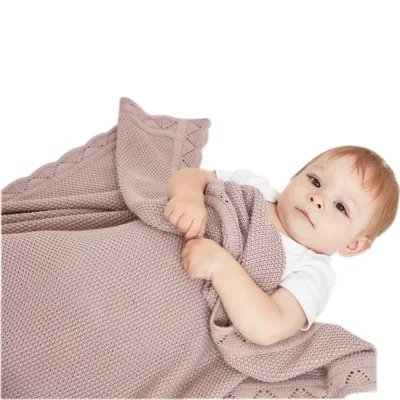
Ningbo Jiangbei Ringlong Import & Export Co., Ltd.
- Verified by BV
- Combined
- China Zhejiang
- Lead time23 days
Main productsKitchenware, Textile, Memory Foam Series, Household Items, Outdoor Products, Packing Box, Air Conditioning System, TV Products, Fitness, Baby Products
Main marketsEurope

- Verified by TUVRHEINLAND
- Trading Company
- China Jiangsu
- Lead time30 days
Main productsPlush Toy, Teddy Bear, Baby Toy, Pet Toy, Puppet, Doll, Plush Bag, Slippers, Cap, Electric Toy
Main marketsNorth America

- Verified by SGS
- Combined
- China Shandong
- Lead time30 days
Main productsBlanket, Towel, Robe, Sleepbag, Pajama, Babysuit, Bedding, Garments
Main marketsAfrica

Weihai Woollen Fabric Group Co., Ltd.
- Combined
- China Shandong
- Lead time30 days
Main productsWool Blanket, Cotton Blanket, Raschel Blanket, Hotel Blanket, Army Blanket, Mink Blanket, Wool Throw, Cashmere Throw, Electric Blanket, Blanket
Main marketsEast Asia(Japan/ South Korea),Australia,North America

Shanghai Easun Group Imp & Exp Co., Ltd.
- Verified by TUVRHEINLAND
- Trading Company
- China Shanghai
- Lead time15 days
Main productsBlankets, Home Slippers, Bedding Sets, Towel, Amenity Kits, Airline Supply, Hospital Supply, Hotel Supply, Railway Supply, Pillow&Case
Main marketsAfrica,Southeast Asia/ Mideast,Europe


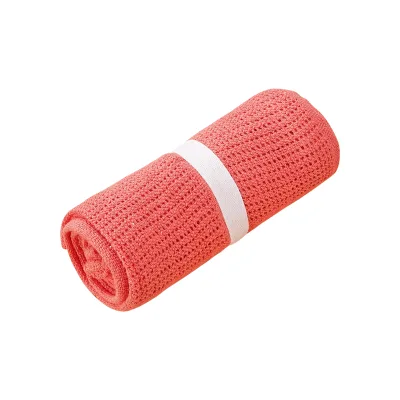
Wholesale Custom Blanket for Winter and Summer Cotton Knitted Baby Blanket
$0.89 - $3.50
MOQ: 1000 Pieces

Custom Breathable Knit Wrap Blanket Baby Soft Multi-Color Cotton Blanket
$0.89 - $3.50
MOQ: 1000 Pieces


- Verified by TüVRheinland
- Trading Company
- Lead time10 days
- Avg. response≤ 3h
Main productsReceiving Blankets, Baby's Bedding, Baby Clothing, Baby Play Mat, Baby Beach Towel
Main marketsNorth America(48%), Southeast Asia(24%), Northern Europe(10%)
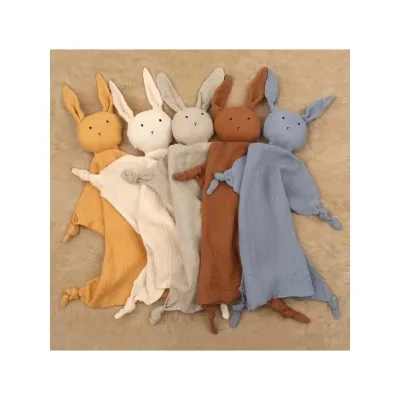
Hot Sale Muslin Non-toxic Organic Washable Infant Security Super Soft Baby Comforter Blanket
$2.34 - $2.95
MOQ: 20 pieces
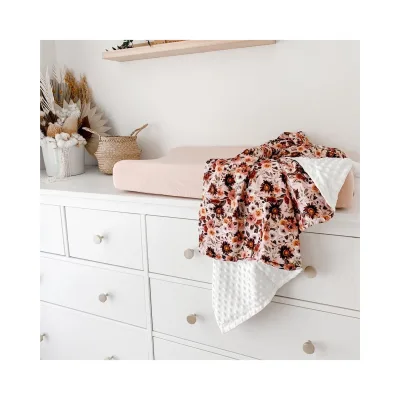
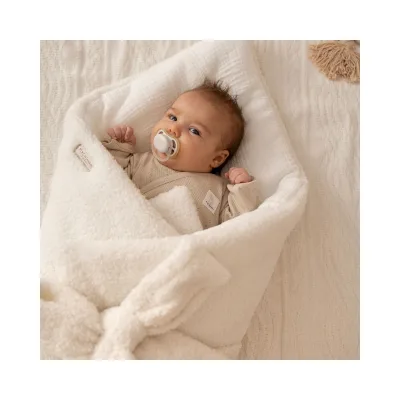
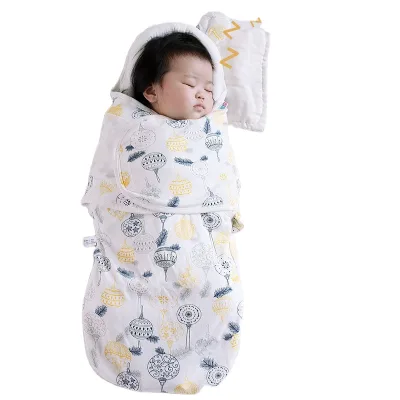
Baby Sleeping Bag Comfortable Baby Duvet 0-3M Cotton Custom Baby Swaddle with Straps
$9.71 - $10.73
MOQ: 50 pieces

Suntex Import & Export Trading Co., Ltd.
- Verified by SGS
- Trading Company,Manufacturer/Factory
- China Hebei
- Lead time23 days
Main productsBaby Diaper, Baby Blanket, Bedding Set, Baby Crib Bedding Product, Mattress Protector, Baby Muslin Swaddle, Towel, Baby Bath Product, Baby Garment, Table Cloth
Main marketsSouth America,Eastern Europe,Mid East,North America,Southeast Asia,Eastern Asia,Oceania,Western Europe,Africa

Ningbo Yinzhou Xindew Textile Co., Ltd.
- Trading Company
- China Zhejiang
- Lead time15 days
Main productsKnitting Needles, Knitting Looms, Knitting Crochet Hook Set, Acrylic Yarn, Elastic Tape, Zipper, Thread, Hook and Loop, Baby Blankets, Baby Bibs
Main marketsSouth America,Africa,Southeast Asia/ Mideast,East Asia(Japan/ South Korea),Domestic,Europe,Australia,North America


MOQ: 3000 Sets

2 Layer 100% Cotton Printed Baby Blanket with Embroidery.
MOQ: 3000 Pieces
- Verified by Intertek
- Manufacturer, Trading Company
- Lead time30 days
- Avg. response≤ 5h
Main productsBaby Products

Jinjiang Jiaxing Import and Export Co., Ltd.
- Verified by CTI
- Manufacturer/Factory
- China Fujian
- Lead time120 days
Main productsShoes, Slipper, Clothes, Promotion Gifts, Silicone Products, Outdoor Sports Products, Bags, Fashion Accessories, Consumer Electronics
Main marketsSouth America,Eastern Europe,Mid East,North America,Southeast Asia,Eastern Asia,Oceania,Western Europe,Africa
Zhongshan Juezhier Mother & Baby Product Co., Ltd.
- Trading Company
- Guangdong, China
- Lead time0 days
- Avg. response≤ 5h
Main productspacifier clip,silicone teething,educational toy,felt book,crochet toy
Main marketsSouth America(30.00%), North America(30.00%), Southern Europe(10.00%), Western Europe(10.00%), Eastern Europe(10.00%)
- Manufacturer, Trading Company
- Lead time旺季: "1 - 200":15,"201 - 500":20,"> 500":"To be negotiated", 淡季: "1 - 200":15,"201 - 500":20,"> 500":"To be negotiated"
- Avg. response≤ 3h
Main productsBaby Romper, Baby Blanket, Baby Pajama Set, Baby Comforter Blanket, Baby Sweatshirt Set
Zhangjiagang Acoshine Hometextile Co., Ltd.
- Manufacturer, Trading Company
- Jiangsu, China
- Lead time30 days
- Avg. response≤ 13h
Main productsBlanket,Cushion,Bathrobe
Main marketsWestern Europe(30.00%), North America(30.00%), Southeast Asia(20.00%), South Asia(2.00%), Southern Europe(2.00%), Northern Europe(2.00%), Central America(2.00%), South America(2.00%), Eastern Asia(2.00%), Mid East(2.00%), Oceania(2.00%), Africa(2.00%), Eastern Europe(2.00%)
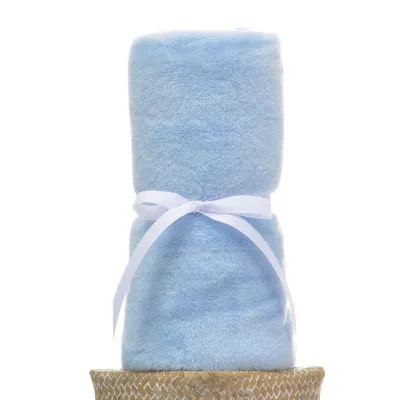
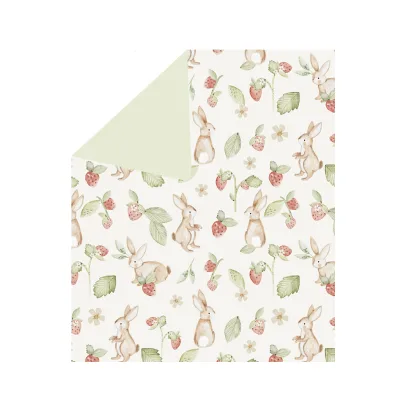
Custom Printed Super Soft Comforter Baby Blanket for Bedroom or Kindergarten Use Kids' Bedding
$1.63 - $2.65
MOQ: 10 pieces
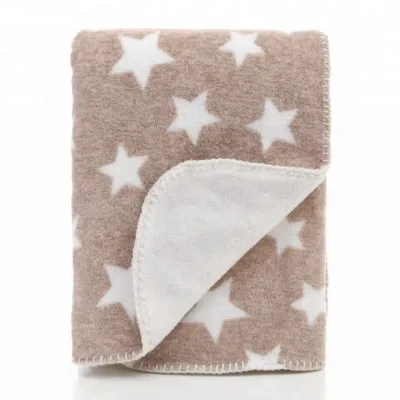
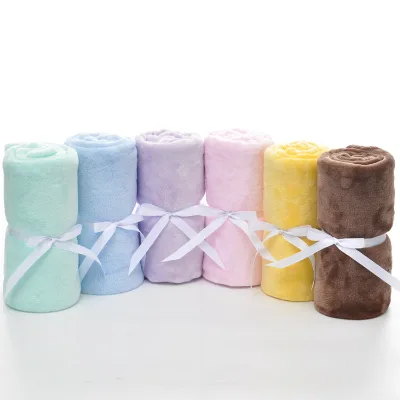
$1.65 - $2.68
MOQ: 10 pieces
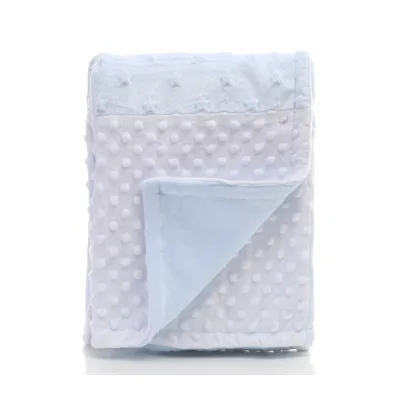
Quanzhou Baofu Clothing Co., Ltd.
- Verified by SGS Group
- Manufacturer, Trading Company
- Lead time7 days
- Avg. response≤ 1h
Main productsKnitted Sweater
Main marketsDomestic Market(100%)
Ningbo Yuxing Trading Co., Ltd.
- Trading Company
- Zhejiang, China
- Lead time0 days
- Avg. response≤ 2h
Main productsBaby Play Mat,Wooden Educational Toys,Baby Cushion Support,Shopping Cart Cover,Portable Diaper Bag
Main marketsNorth America(50.00%), Eastern Europe(20.00%), South America(20.00%), Domestic Market(10.00%), South Asia(10.00%), Southern Europe(10.00%), Northern Europe(10.00%), Central America(10.00%), Western Europe(10.00%), Eastern Asia(10.00%), Mid East(10.00%), Oceania(10.00%), Africa(10.00%), Southeast Asia(10.00%)

Hangzhou Chosen Textile Co., Ltd
- Verified by CTI
- Trading Company
- China Zhejiang
- Lead time45 days
Main productsOutdoor Products, Textile Products, Home Textile, Weighted Products, Promotional Products, Gift Products
Main marketsAfrica,Southeast Asia/ Mideast,East Asia(Japan/ South Korea),Europe,Australia,North America

Jinjiang Jiaxing Supply Management Co., Ltd.
- Verified by TUVRHEINLAND
- Trading Company
- China Fujian
- Lead time30 days
Main productsEVA Clogs, Flip Flop, Shoe Charms, Shopping Bags, Wristbands, Gifts, Promotional Gifts, Slipper, Sport Cap, Ball
Main marketsNorth America
Zhejiang Gangju Import & Export Co., Ltd.
- Verified by TüVRheinland
- Manufacturer, Trading Company
- Lead time15 days
- Avg. response≤ 6h
Main productsCloth Diaper, Baby Bib, Wet Bag, Baby Sleepping Bag, Muslin Swaddle Blanket
Main marketsNorth America(27%), Southeast Asia(10%), Oceania(10%)
Anhui Yichun Garment Co., Ltd.
- Verified by SGS Group
- Manufacturer, Trading Company
- Lead time45 days
- Avg. response≤ 1h
Main productsDown Jacket, Hoodies, Baby Soothing Sleeping Bag, Warm Baby Sleep Sack, Baby Pajamas
Main marketsDomestic Market(40%), North America(35%), Oceania(15%)
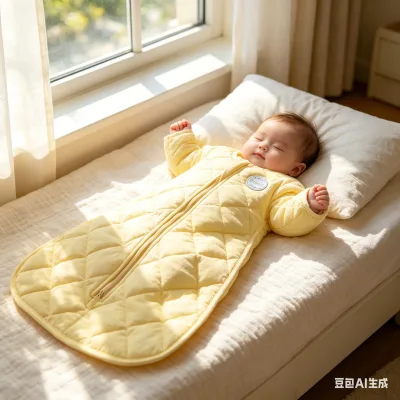
High Quality Hypoallergenic Long Sleeve Baby Wearable Blanket for Infant Nighttime Sleep
$9.99 - $15.99
MOQ: 1000
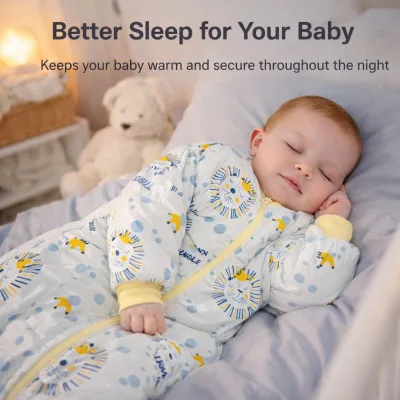
Factory Direct Washable Baby Sleeping Bags with High Antibacterial Rate for Winter
$9.68 - $11.24
MOQ: 20 Minimum
Yiwu Xiangliang Import And Export Co., Ltd.
- Verified by Intertek
- Manufacturer, Trading Company
- Lead time10 days
- Avg. response≤ 3h
Main productsBaby Clothing, Children Clothing, Baby Shoes, Baby Bibs, Baby Blanket
Main marketsSoutheast Asia(50%), North America(15%), South America(10%)

PUYANG SELFAIDING INDUSTRIAL CO., LTD.
- Verified by SGS
- Manufacturer
- China Henan
- Lead time15 days
Main productsAdult Bib, Pet Pad, Underpad, Baby Bib, Protective Panties, Washable Sanitary Pad, Compression Stockings, Patient Care Clothing, Pet Nest, Pet Toy

Hangzhou D&H Textile Co., Ltd.
- Verified by SGS
- Combined
- China Zhejiang
- Lead time15 days
Main productsHome Textiles, Clothing Products
Main marketsSoutheast Asia/ Mideast,Europe,North America

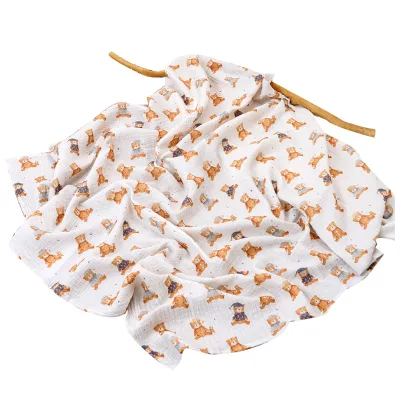
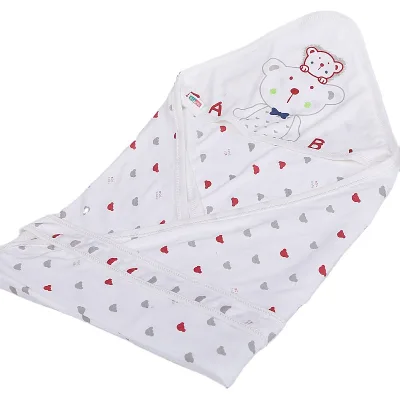
Baby Blankets Toddler Newborn Children's Baby Cover Blanket Little Bear Beddings
$1.99 - $3.59
MOQ: 300 Pieces

Baby Cover Blanket Double Layer Edge Soft Comfortable Cartoon Baby's Blankets
$2.79 - $3.79
MOQ: 300 Pieces

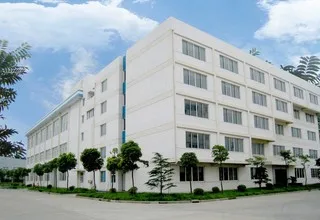
Yiwu Joyful Commodity Co., Ltd.
- Trading Company
- Zhejiang, China
- Lead time0 days
- Avg. response≤ 5h
Main productsBaby bibs,Baby name blanket,Newborn baby products,clothing,custom textile
Main marketsWestern Europe(30.00%), North America(30.00%), South Asia(10.00%), Northern Europe(10.00%), South America(10.00%), Southeast Asia(10.00%)
Nantong Longdu Home Textile Co., Ltd.
- Verified by CTI
- Combined
- China Jiangsu
- Lead time15 days
Main productsBeach Towel, Sports Towel, Kitchen Towel, Picnic Mat, Fleece Blanket, Pillow Blanket, Decorative Pillow, Poncho Towel, Blanket Hoodie, Bathrobe
Main marketsSouth America,Africa,Southeast Asia/ Mideast,East Asia(Japan/ South Korea),Domestic,Europe,Australia,North America

Nantong Javian Textile Co., Ltd
- Verified by SGS
- Manufacturer/Factory,Other
- China Jiangsu
- Lead time23 days
Main productsBedding and Sleeping Products, Mattress- Memory Foam or Letax Mattress, Pillows and Cushions, Vaccumed Packed Mattress Topper, Textile Bedding Set, Blanket Quilt Duvet and Comforter, Textile Fabric, Sheet Set in Microfiber Cotton Bamboo and Othe, U-Shaped Travel Pillow, Textile Tape and Lace
Main marketsSouth America,Eastern Europe,North America,Southeast Asia,Oceania,Western Europe
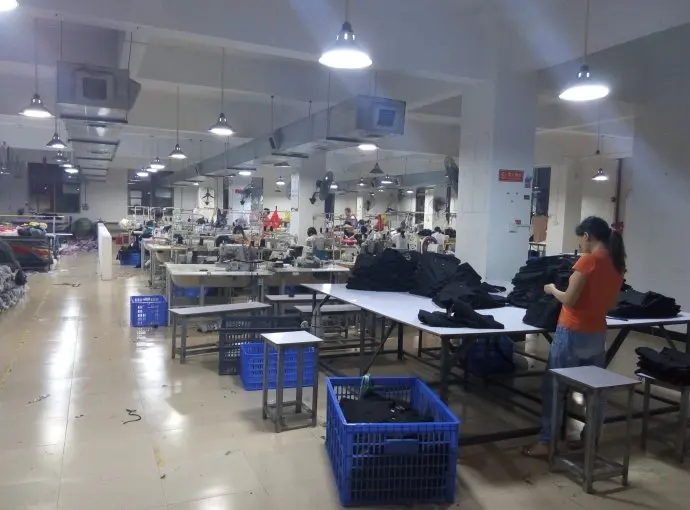
Shantou Minxin Clothing Co., Ltd.
- Manufacturer, Trading Company
- Guangdong, China
- Lead time5 days
- Avg. response≤ 4h
Main productsBaby Sleeping Bag,Baby Swaddle Blanket,Baby Products,Baby Clothing,Baby Sleeping Pillow
Main marketsDomestic Market(90.00%), Southeast Asia(5.00%), Eastern Europe(3.00%), North America(2.00%)
Zhejiang Gangju Import & Export Co., Ltd
- Verified by SGS
- Combined
- China Zhejiang
- Lead time15 days
Main productsCloth Diaper, Bib, Swaddle Blanket, Changing Mat, Wet Dry Bag, Baby Clothing, Baby Blanket
Main marketsSouth America,Africa,Europe,Australia,North America


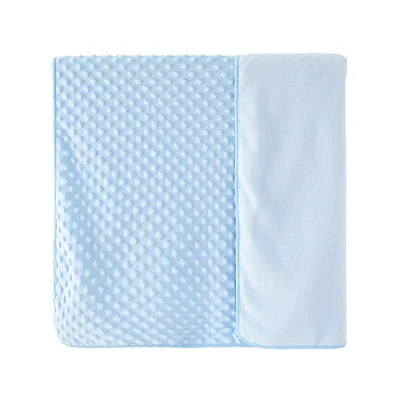
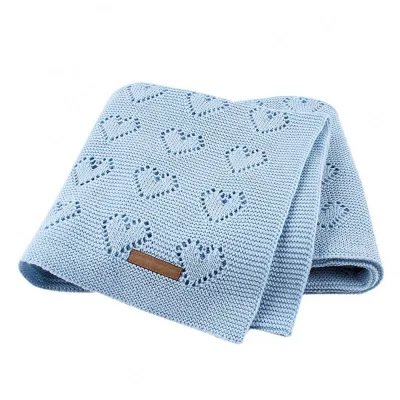
Manufacturers Best Seller Bedding Set Soft and Antibacterial Baby Blanket
$2.02 - $2.40
MOQ: 100 Pieces




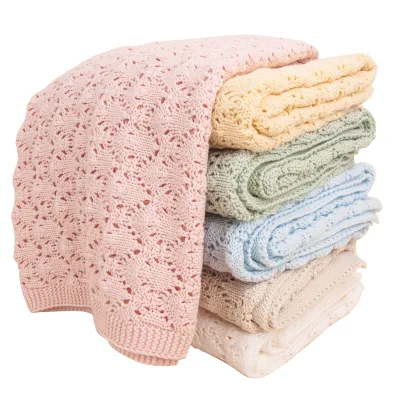
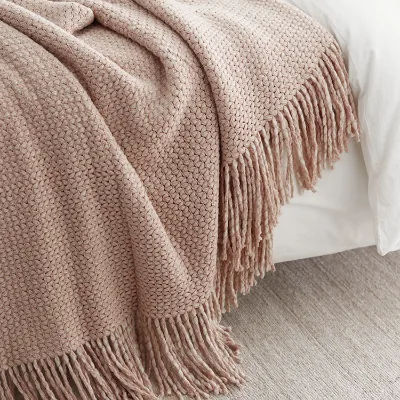
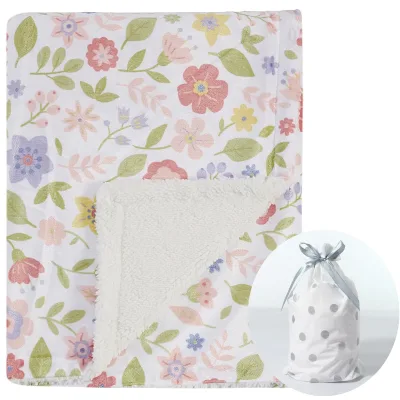
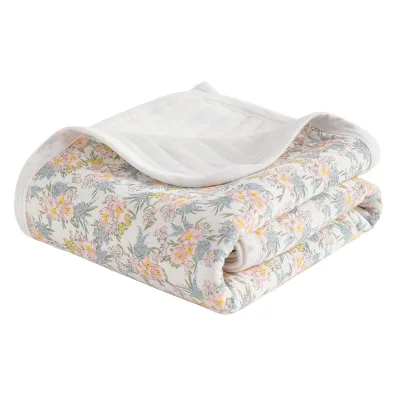


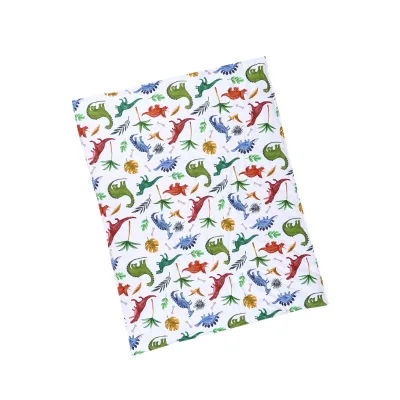
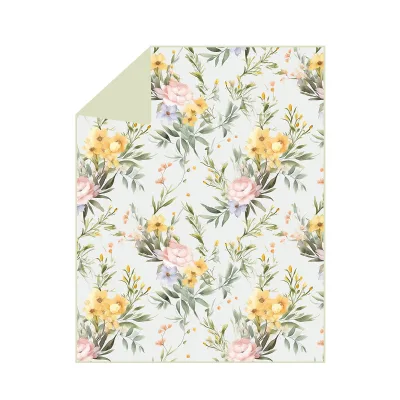
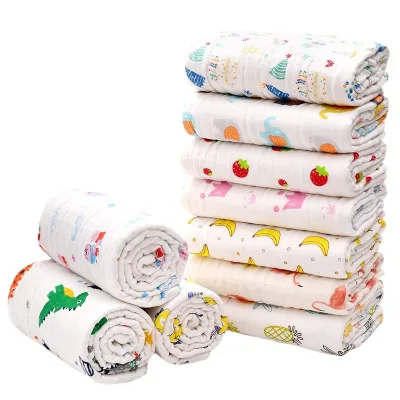
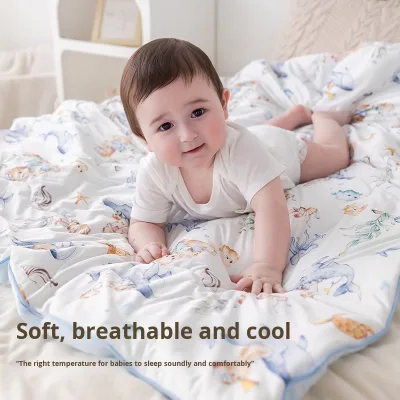




Comprehensive Sourcing Guide
Washable Woven Baby Comforter Supplier Concentration and Factory Types
Current data indicates a concentration of manufacturing activity in Anhui, China, where specific suppliers list their place of origin as this province. These entities often operate as both manufacturers and trading companies, offering a hybrid model that can streamline communication while maintaining direct production oversight. The primary product lines in this region frequently include nap mats, baby nests, and various comforters, suggesting a specialized cluster for infant bedding solutions. Buyers should verify if a supplier's claimed location matches their actual factory address, as trading companies may list a different origin than their production partners.
In contrast, some product evidence points to Jiangsu, China, as another potential origin for specific items like cotton muslin comforters. This geographic diversity means buyers must not assume a single cluster dominates the entire category. When evaluating factory types, look for explicit declarations of company type, such as "Manufacturer" or "Trading Company," to understand the supply chain structure. A manufacturer typically offers more control over customization and quality, while a trading company might provide a broader range of products like baby clothes or towels alongside comforters. Always confirm the physical location of the production facility before committing to a partnership.
How to Verify Washable Woven Baby Comforter Suppliers
Verification begins with checking for recognized system certifications that align with international safety standards for children's products. Available data shows suppliers holding CPC, CE, EN 71, ASTM F963, CPSIA, and REACH certifications, which are critical for ensuring the safety of materials used in baby comforters. Buyers should request valid certificates and cross-reference them with the issuing bodies to confirm authenticity. The presence of an Intertek verification badge on a supplier profile adds a layer of third-party validation regarding their business operations and product claims.
Beyond certifications, buyers must assess the supplier's responsiveness and capacity to handle custom requests. Response times listed in the data vary, with some suppliers indicating a two-day response window while others show three days. A faster response time often correlates with better communication channels and more active account management. Additionally, verify the supplier's capacity for sample processing and graphic design, as these capabilities are essential for customizing logos and patterns. Ensure the supplier explicitly states their ability to handle light customization or full on-demand production before placing a large order.
What to Compare Across Washable Woven Baby Comforter Suppliers
When comparing suppliers, the minimum order quantity (MOQ) is a primary differentiator that affects inventory planning and cash flow. The observed data reveals a wide range, with some suppliers offering an MOQ of just one piece, while others require a minimum of 20 or 500 pieces. This variance allows buyers to select partners that match their specific order volume needs, whether for testing a new design or launching a full product line. Always confirm the exact MOQ for the specific product variant, as it may differ based on material or customization level.
Lead times and pricing structures also require careful comparison to ensure alignment with project timelines and budget constraints. Lead times in the current results are noted as 15 days, but this can fluctuate based on order size and material availability. Price ranges vary significantly, with some items listed between $5.14 and $7.71, while others range from $10.50 to $12.00 or even higher for specialized features. Buyers should compare the price per unit against the material composition, such as 100% cotton versus polyester blends, to determine true value. Do not assume all suppliers offer the same lead time or price point without explicit confirmation.
Common Washable Woven Baby Comforter Sourcing Risks
One significant risk involves the discrepancy between claimed certifications and actual product compliance. While suppliers may list extensive certifications like CPC or CE, the specific product batch must be tested to ensure it meets these standards. Relying solely on a supplier's claim without requesting recent test reports can lead to non-compliant goods entering the market. Buyers should insist on seeing the specific test reports for the exact model number and material composition they intend to purchase, rather than accepting generic certification documents.
Another risk lies in the variability of material quality and construction details across different suppliers. Product attributes show variations in thread count, fabric layers, and filling materials, such as 100% cotton surface with polyester fiber filling versus pure cotton layers. These differences directly impact the comfort, durability, and safety of the final product. A supplier claiming "100% Cotton" might use a blend in the filling, which could affect breathability and washing performance. Buyers must verify the exact fabric composition and thread count specifications in the product details before finalizing any agreement.
Washable Woven Baby Comforter Regional Sourcing and Logistics
Logistics planning must account for the specific origins of the suppliers, which are currently identified in Anhui and Jiangsu provinces. These regions have established infrastructure for exporting textile goods, but shipping times and costs will vary based on the specific port of departure and the buyer's destination. Buyers should calculate the total landed cost, including freight, insurance, and customs duties, rather than focusing solely on the unit price. Understanding the geographic location helps in estimating transit times and potential delays due to regional logistics bottlenecks.
Packaging dimensions and weight are critical factors for logistics efficiency and cost calculation. Product data indicates single package sizes ranging from 25x15x2.5 cm to 55x35x4 cm, with gross weights varying from 0.045 kg to 1.250 kg. These variations significantly impact the number of units that can fit into a shipping container, directly affecting freight costs per unit. Buyers should request detailed packing lists and dimensions for their specific order to optimize container utilization. Accurate logistics planning ensures that the product arrives on time and within the allocated budget.
Washable Woven Baby Comforter Commercial Terms and Order Planning
Commercial terms regarding customization and branding are essential for order planning, as many suppliers offer customized logo printing and digital graphic design services. The data shows options for customized logos, woven labels, and hangtags, allowing buyers to brand the products effectively. However, the minimum order quantities for customized items may differ from standard stock items, often requiring higher volumes to justify the setup costs. Buyers should clarify the MOQ for custom orders and the associated sample costs, which can be substantial, such as $35 USD plus shipping.
Payment terms and sample policies also play a crucial role in the finalization of orders. Some suppliers require sample costs to be paid upfront, which may be deducted from the final bulk order. It is vital to confirm the sample cost structure and the timeline for sample delivery before proceeding with mass production. Additionally, verify the production lead time for customized orders, as these may exceed the standard 15-day window observed for stock items. Clear communication on these commercial terms prevents misunderstandings and ensures a smooth transition from sampling to full-scale production.
FAQs
What certifications do these baby comforters hold?
Suppliers in Anhui, China offer products with CPC and CE certifications. Some manufacturers also provide EN 71, ASTM F963, CPSIA, REACH, and Declaration of Conformity. These standards ensure safety for infants aged 0 to 6 years. Always verify specific certificates for your target market before placing bulk orders.
What is the minimum order quantity for custom blankets?
Minimum order quantities vary by product type and customization needs. Some suppliers accept orders as low as one piece for custom designs. Others require a minimum of 20 pieces or 500 units depending on the material and production method. Check specific product listings to confirm the exact MOQ for your requirements.
How long does production take for these items?
Lead times for manufacturing these baby comforters typically range around 15 days. Response times from suppliers are generally fast, often within two to three days. Actual delivery schedules depend on order volume and customization complexity. Confirm the specific timeline with the supplier before finalizing your purchase agreement.
Are these comforters made from safe materials?
Many options use 100% cotton or bamboo fiber with polyester fiber filling. Some products feature anti-static and anti-dust mite properties for added safety. Materials are often quilted or woven for durability. Ensure the fabric meets your specific safety standards and check for certifications like CPC or CE before purchasing.
Can I get a customized logo on the product?
Yes, most suppliers offer customized logo printing via digital printing or woven labels. You can request specific designs for branding purposes. Customization is available for various sizes and colors. Verify the logo placement options and any additional costs associated with the branding process before confirming your order details.
What sizes are available for these baby blankets?
Available sizes include 90 by 90 cm, 100 by 130 cm, and larger options up to 200 by 230 cm. Some products come in standard square shapes like 27 by 27 cm. Custom sizes may be available upon request. Check the product specifications to find the dimensions that best fit your needs.
Where are these manufacturers located?
Manufacturers are primarily located in Anhui, China, with some suppliers based in Jiangsu, China. These regions specialize in producing baby furniture and bedding. The location affects shipping times and logistics costs. Verify the exact origin of the product to ensure it meets your sourcing preferences and delivery expectations.