Restaurant Serving Menu Folder Suppliers and Manufacturers
Compare 17 verified suppliers of restaurant serving menu folders based on location, lead times, and certifications. Review MOQs, response times, and product specs to select the right factory for your needs; review the available evidence before requesting comparable quotations from suitable candidates.
Updated
Suppliers List

Xiamen Le Young Imp. & Exp. Co., Ltd
- Verified by BV
- Trading Company,Manufacturer/Factory
- China Fujian
- Lead time23 days
- Avg. response≤ 4h
Main productsLeather Folder, Trave Wallet, Leather Notebook, Leather Compendium, Leather Portfolio, Leather Diary, Leather Journal, Hotel Supply, Leather Card Holder, Leather Wallet
Main marketsSouth America,Eastern Europe,Mid East,North America,Southeast Asia,Eastern Asia,Oceania,Western Europe,Africa

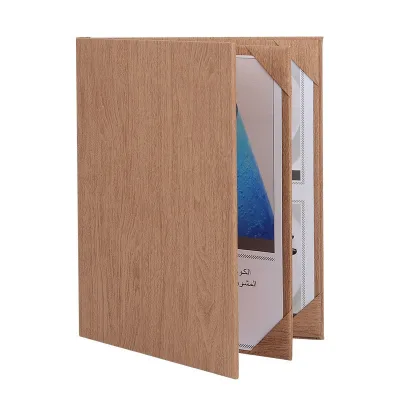
A4 Restaurant Menu Covers Service Guide Inserts Holder Hotel Menu Bill Folder
$3.59 - $4.05
MOQ: 300 Pieces


Premium Leather Hotel Bar Wine List Menu Holder A4 Restaurant Menu Covers
$2.45 - $3.05
MOQ: 300 Pieces

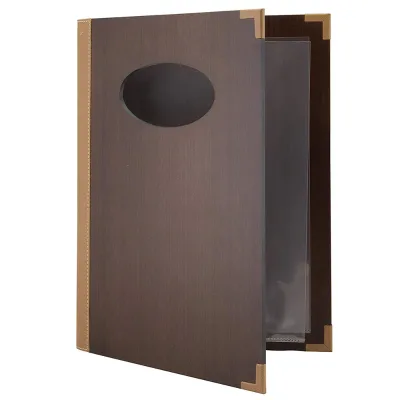
Magnetic PU Leather Office Clipboard Restaurant Hotel Menu Folder Bill Folder
$0.58 - $3.99
MOQ: 300 Pieces

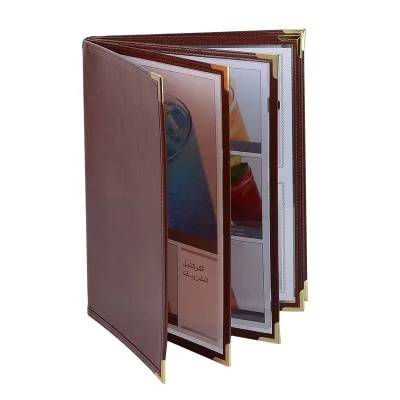
Brown 6 Views Folder PU Leather Menu Cover A4 Restaurant Menu Holder with Protect Corner
$2.82 - $4.75
MOQ: 500 Pieces

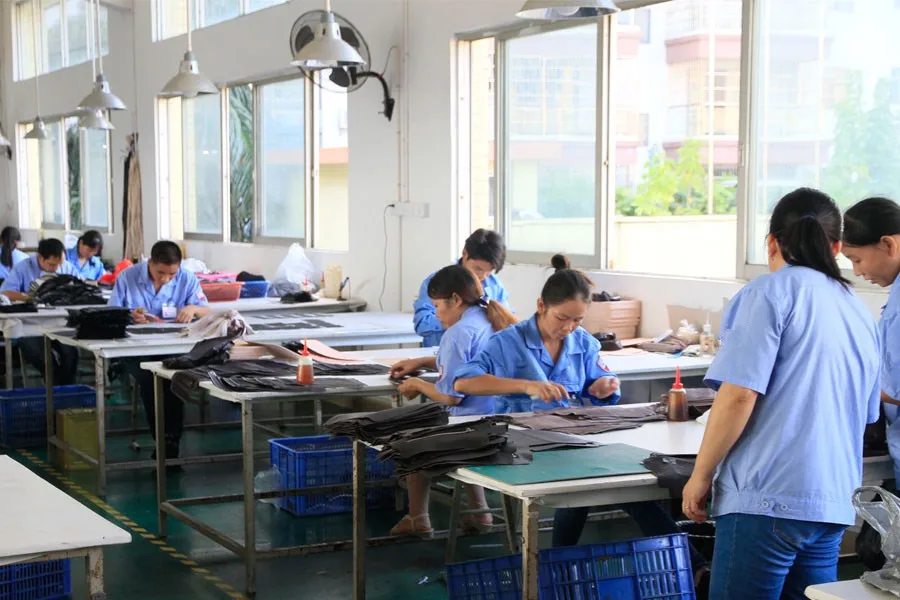
Shenzhen Green Owner Leather Co., Ltd.
- Manufacturer, Trading Company, Distributor/Wholesaler
- Guangdong, China
- Lead time25 days
- Avg. response≤ 2h
Main productsleather watch case,leather jewelry case,leather keychain,leather pouch,leather sunglasses case
Main marketsNorthern Europe(30.00%), North America(20.00%), Western Europe(15.00%), Southern Europe(10.00%), South America(10.00%), South Asia(5.00%), Southeast Asia(5.00%), Africa(5.00%)
Xiamen BG Industrial Co., Ltd.
- Verified by TüVRheinland
- Trading Company
- Lead time28 days
- Avg. response≤ 7h
Main productsPortfolio, Passport Wallet, Decor Tray, Notebook, Luggage Tag
Main marketsNorth America(70%), Oceania(10%), Eastern Asia(10%)
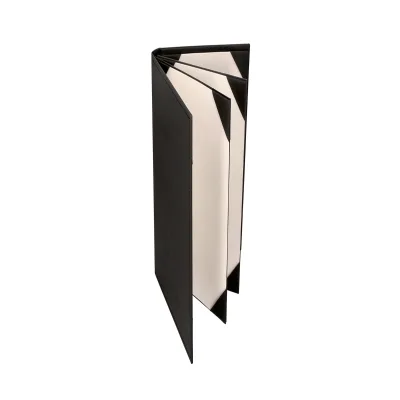
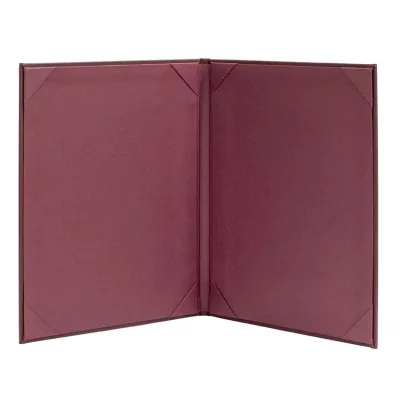
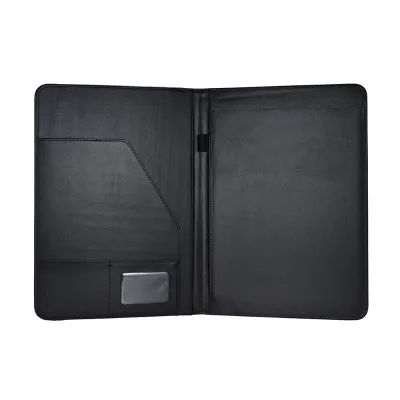
Hotel Restaurant Bill Menu Leather Folder A4 Information Compendium Covers
$3.8967 - $4.3069
MOQ: 500 pieces

DRAGON GEAR INTERNATIONAL LIMITED
- Trading Company
- Hong Kong S.A.R.
- Lead time15 days
- Avg. response≤ 9h
Main productsMenu Cover,LED Menu Holder,Check Presenter,Leather file,Leather Folder
Main marketsWestern Europe(11.12%), Oceania(11.11%), Domestic Market(10.00%), North America(8.00%), Eastern Asia(8.00%), Mid East(8.00%), South America(8.00%), Africa(8.00%), Eastern Europe(8.00%), Southeast Asia(8.00%), South Asia(3.77%), Northern Europe(3.00%), Southern Europe(3.00%), Central America(2.00%)
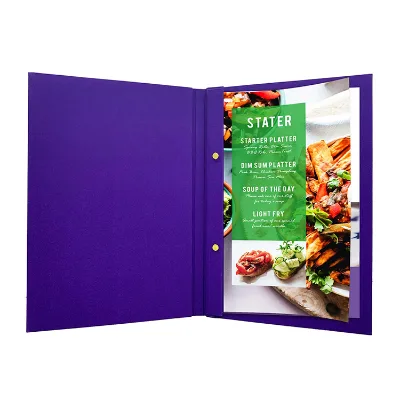
$7.1931 - $8.7335
MOQ: 50 pieces
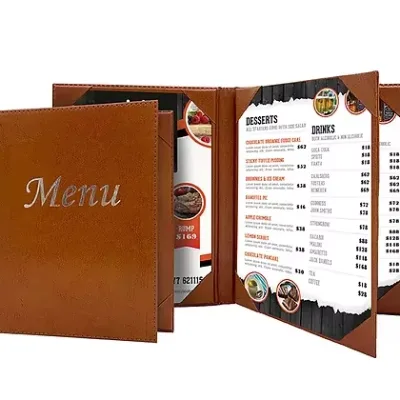
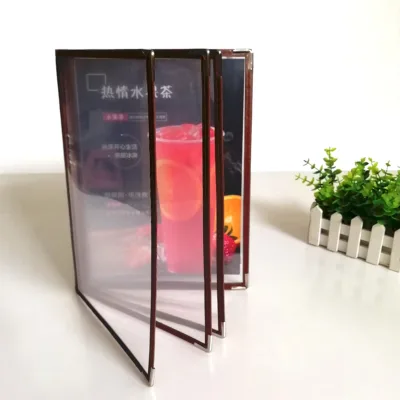
Personalized Brown Restaurant Menu Panels 4 Pages Menu Book Four Corners Fixed Menu Folder
$8.7036 - $9.7275
MOQ: 50 pieces
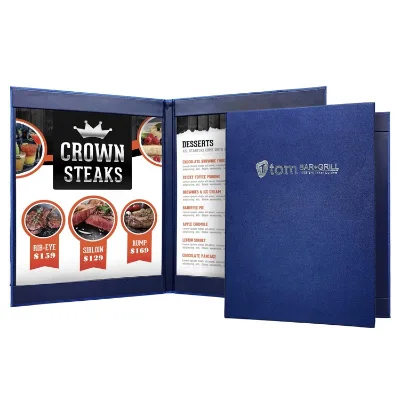
Wholesale Personalized 2 Page Menu Horizontal Bar Hotel Menu Folder A4 Restaurant Menu Covers
$6.009 - $7.0449
MOQ: 50 pieces
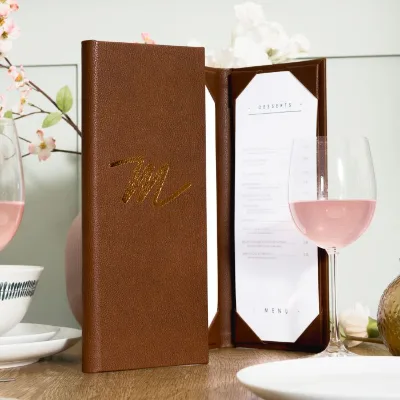
$6.6796 - $9.1452
MOQ: 50 pieces
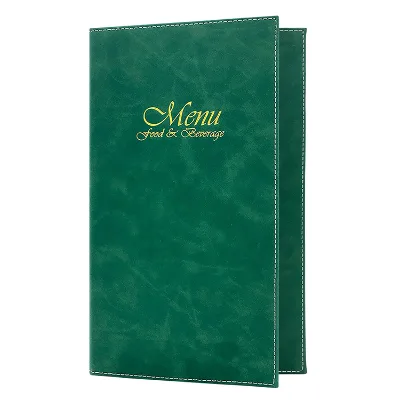
$6.988 - $8.1182
MOQ: 50 pieces
Shenzhen Pengyang Import And Export Co., Ltd.
- Manufacturer, Trading Company, Distributor/Wholesaler
- Guangdong, China
- Lead time0 days
- Avg. response≤ 5h
Main productsMenu Cover,Certificate Holder,home and out door products,office supplies,premium gifts
Main marketsNorth America(60.00%), Northern Europe(10.00%), Western Europe(10.00%), Africa(10.00%), South America(10.00%)
Wuhan Ce Mao Culture And Creativity Co., Ltd.
- Verified by SGS Group
- Manufacturer, Trading Company
- Lead time0 days
- Avg. response≤ 2h
Main productsPacking Box, Metal Stickers, Crystal Stickers, Paper Box, Custom Brochure

Guangzhou Unique Hotel Supplies Co., Ltd.
- Verified by CTI
- Trading Company,Manufacturer/Factory
- China Guangdong
- Lead time15 days
- Avg. response≤ 6h
Main productsServing Tray, Ice Bucket, Gn Pan, Kitchenware, Water /Beer Cup, Plastic Products, Pitchers/Kettles, Food Plate Cover, Bowls, Organizer and Holder
Main marketsSouth America,Eastern Europe,Mid East,North America,Southeast Asia,Eastern Asia,Africa

Custom Hotel Accessory Pocket Menu Holder Leather Bill Folder for Restaurant Guestroom
$1.80 - $17.40
MOQ: 50 Pieces


Easton Hotel Supplies Co., Ltd.
- Verified by TUVRHEINLAND
- Trading Company
- China Guangdong
- Lead time15 days
- Avg. response≤ 3h
Main productsHotel Accessories, Hotel Amenity, Hotel Supplies, Wall Mounted Hair Dryer, Magnifying Mirror, Ironing Board, Welcome Tray, Wooden Hanger, Digital Safe, Luggage Rack
Main marketsSoutheast Asia/ Mideast

Wenzhou Gangtong Stationery & Crafts Co., Ltd.
- Manufacturer, Trading Company
- Zhejiang, China
- Lead time30 days
- Avg. response≤ 6h
Main productsStationery & Office Supplies,Ring Binder,Clipboard Folder,Portfolio,Card Holder
Main marketsSouth Asia(100.00%), Central America(100.00%), North America(52.00%), Western Europe(20.00%), Domestic Market(10.00%), South America(8.00%), Northern Europe(2.00%), Mid East(2.00%), Africa(1.00%), Oceania(1.00%), Eastern Asia(1.00%), Southern Europe(1.00%), Southeast Asia(1.00%), Eastern Europe(1.00%)

- Trading Company,Manufacturer/Factory
- China Guangdong
- Lead time23 days
- Avg. response≤ 12h
Main productsHotel Amenity, Hotel Supplies, Hair Dryer, Ironing Board, Safe Box, Ice Bucket, Magnifying Mirror, Luggage Rack, Waste Bin, Electric Kettle
Main marketsSouth America,Eastern Europe,Mid East,North America,Southeast Asia,Eastern Asia,Oceania,Western Europe,Africa


Hotel Black Leather Amenity Guest Directory A4 Folder Welcome Board Cashier Folder Note Pad Holder
$1.98 - $6.23
MOQ: 50 Pieces

Guangzhou Huiding Leather Co., Ltd.
- Verified by TüVRheinland
- Trading Company
- Lead time25 days
- Avg. response≤ 2h
Main productsLeather Watch Boxes, Leather Jewelry Boxes, Jewelry Tray, Leather Storage Boxes, Leather Box Packaging
Main marketsNorth America(20%), Mid East(15%), Oceania(10%)
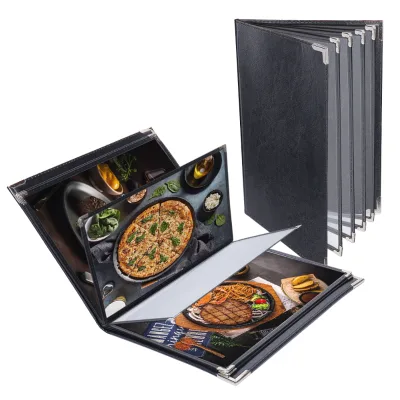
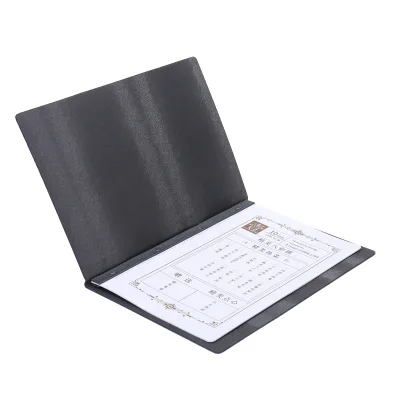
$11.00 - $12.00
MOQ: 50 pieces
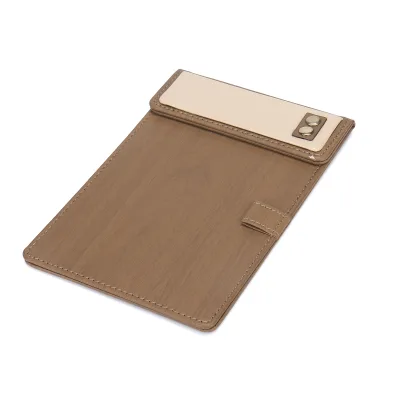
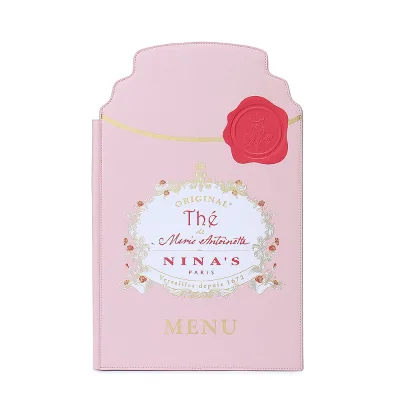

LION PROMOTIONAL GIFT CO., LIMITED
- Verified by TUVRHEINLAND
- Trading Company
- China Zhejiang
- Lead time30 days
- Avg. response≤ 25h
Main productsPromotional Gifts, Giveaways, Advertising Gift, Premium Items, Publicity Material, Freebie Items, Marketing Gifts, Campaign Gifts, Promotional Products, China Gifts Supplier
Main marketsAfrica,Europe,North America

Chongqing Colorful Technology Co., Ltd.
- Verified by BV
- Combined
- China Chongqing
- Lead time15 days
- Avg. response≤ 4h
Main productsSmart Card, PVC Card, Bisiness Card, Metal Card, Gift Card, Thank You Card, Plastic Card
Main marketsSoutheast Asia/ Mideast,Europe,North America


Wholesale Custom Design Waterproof Hotel Wedding Menu Paper PP PVC Menu Hotel Restaurant Menu
$0.12 - $0.70
MOQ: 200 Pieces

Jiang-house Co-operated Co., Limited
- Verified by BV
- Manufacturer/Factory
- China Guangdong
- Lead time23 days
- Avg. response≤ 11h
Main productsPersonal Planner, Journals, Agenda, Baby Book, File Folder, Ring Binder, Notebook, Wedding Book, Paper Box, Board Game
Main marketsEastern Europe,North America,Western Europe


Menu Binder Restaurant PU Leather Binder Cafe Bar Menus Hardcover Menu Covers
$0.99 - $1.99
MOQ: 10 Pieces


Hardcover Hotel Binder Restaurant Menu Binder Soft Touch Laminated Leather Menu Binders
$0.99 - $1.99
MOQ: 10 Pieces

- Verified by BV
- Manufacturer/Factory
- China Guangdong
- Lead time15 days
- Avg. response≤ 6h
Main productsOutdoor and Indoor Lighting, Bar Lights, Festival Lights, Pet Products, Kid Toys
Main marketsSouth America,Eastern Europe,Mid East,North America,Southeast Asia,Eastern Asia,Oceania,Western Europe,Africa

Premium PU Leather Menu Folder Waterproof Coffee Menu Cover for Restaurant Brochure Menu Folder
$0.50 - $1.00
MOQ: 100 Pieces

$3.00 - $4.00
MOQ: 10 Pieces
Dongguan B.Bontic Color Printing Co., Ltd.
- Verified by TüVRheinland
- Manufacturer, Trading Company
- Lead time10 days
- Avg. response≤ 2h
Main productsTextile Accessories, Heat Transfer Products, Printing And Packaging Products, Emobossed Leather Products, Menu Folder(Cover)
Main marketsNorth America(30%), Western Europe(30%), Eastern Asia(10%)
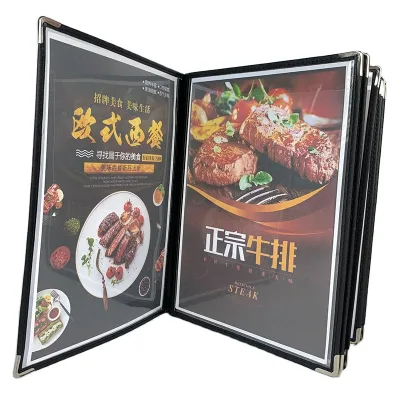
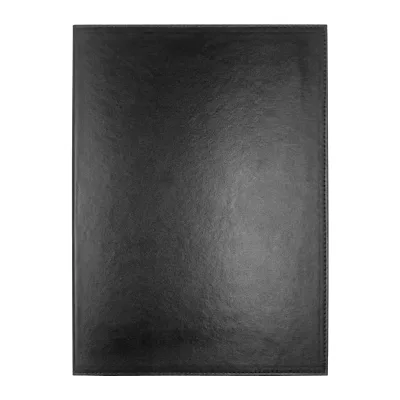
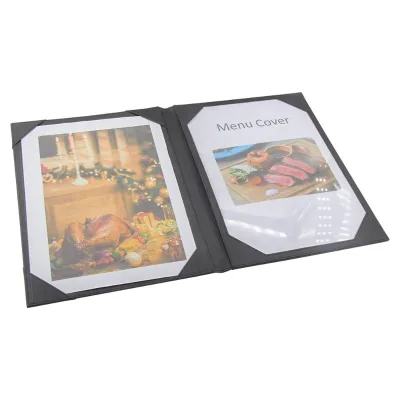
Custom Design/size Hotel Restaurant Flip Plastic Pu Leather Folder Book 8.5"x14" Menu Holder
$3.40 - $4.90
MOQ: 50 pieces

Guangzhou Weiye Color Printing Co., Ltd.
- Verified by BV
- Combined
- China Guangdong
- Lead time15 days
- Avg. response≤ 3h
Main productsPaper Box, Packing Box, Paper Bag, Gift Bag, Picture Album, PVC/Pet Box, Envelope, Sticker, Hag Tag, Red Packets/Greeting Card
Main marketsEurope




Comprehensive Sourcing Guide
Restaurant Serving Menu Folder Supplier Concentration and Factory Types
The current supplier landscape for restaurant serving menu folders reveals a distinct geographic concentration in China, with specific manufacturing hubs identified in Fujian and Guangdong provinces. These regions are well-established centers for leather goods and commercial hospitality supplies, offering buyers access to a dense network of production capabilities. Suppliers in these areas typically specialize in materials such as PU leather, genuine leather, and PVC, which are standard for durable menu covers and bill folders. The presence of these specific locations allows for efficient sourcing of raw materials and finished goods, reducing the logistical complexity for international buyers who require consistent quality and timely delivery. Understanding this geographic distribution is crucial for evaluating the potential for factory visits or remote audits, as the proximity to material suppliers can influence both cost structures and production flexibility.
In terms of company structure, the available results indicate a mix of trading companies and manufacturer/factory entities. This dual nature of the supply base provides buyers with varying levels of direct control and service flexibility. Trading companies often offer a broader range of product variations and may handle more complex customization requests by coordinating with multiple workshops, while manufacturers typically provide deeper insights into production processes and potentially lower base costs for high-volume orders. The distinction is important because it affects how buyers approach negotiations and quality assurance. Some suppliers explicitly list OEM and ODM capabilities, indicating they can adapt designs to specific brand requirements, while others may focus on standard catalog items. Buyers should carefully review the company type to determine if they need a partner for custom development or a straightforward vendor for standard hospitality supplies.
How to Verify Restaurant Serving Menu Folder Suppliers
Verification is a critical step in mitigating risk when sourcing restaurant serving menu folders from international suppliers. One of the primary indicators of reliability found in the current data is the BV verification status, which suggests that the supplier has undergone third-party inspections of their business operations and facilities. Buyers should prioritize suppliers with such verified credentials, as they provide an additional layer of confidence regarding the legitimacy of the business. Beyond verification badges, it is essential to examine the supplier’s response time, which serves as a proxy for operational efficiency and customer service quality. A response time of approximately 3.21 hours or lower, as observed in some results, indicates a responsive team capable of addressing inquiries and resolving issues promptly, which is vital for maintaining smooth communication throughout the procurement process.
Another key aspect of verification involves assessing the supplier’s certification and quality management systems. The presence of ISO 9000 certification among some suppliers signals a commitment to standardized quality management practices, which can be particularly important for large orders where consistency is paramount. Buyers should request copies of these certificates and verify their validity through the issuing bodies. Additionally, examining the product evidence for specific attributes such as waterproofing, dustproofing, and non-slip features can help gauge the supplier’s attention to detail and product functionality. Suppliers that provide detailed product specifications, including material composition and functional features, are generally more transparent and reliable. Buyers should also look for evidence of customization capabilities, such as logo embossing or color options, as these indicate a supplier’s ability to meet specific branding needs.
What to Compare Across Restaurant Serving Menu Folder Suppliers
When evaluating multiple suppliers for restaurant serving menu folders, buyers must compare several key dimensions to identify the best fit for their specific needs. One of the most significant factors is the minimum order quantity (MOQ), which can vary substantially across different suppliers. For instance, some suppliers may require an MOQ of 300 pieces, while others might set the threshold at 500 pieces. This variation can impact the initial investment and inventory management strategies for buyers, especially those testing new products or operating with limited storage space. Buyers should align their order volumes with the supplier’s MOQ requirements to avoid unnecessary costs or stockouts. Additionally, comparing the lead times is crucial for planning production schedules and ensuring timely delivery to restaurants or hotels. Lead times of around 23 to 25 days are common, but buyers should confirm these estimates with each supplier to account for potential delays.
Price and customization options are also critical comparison points. The price range for menu folders can vary based on material quality, design complexity, and order volume. Buyers should compare the unit prices across different suppliers, keeping in mind that lower prices may sometimes correlate with lower material quality or fewer customization options. Customization features, such as logo printing, color choices, and specific dimensions, should be evaluated to ensure they meet the buyer’s branding requirements. Suppliers that offer flexible customization, including OEM and ODM services, can provide greater value by allowing buyers to create unique products that stand out in the market. Buyers should also consider the sample lead time, which is often around seven days, as this affects the speed at which they can approve product quality before committing to a full order.
Common Restaurant Serving Menu Folder Sourcing Risks
Sourcing restaurant serving menu folders from international suppliers involves several potential risks that buyers must proactively manage. One significant risk is the variability in product quality, particularly when dealing with different materials such as PU leather, genuine leather, and PVC. Without proper quality control measures, buyers may receive products that do not meet their expected standards for durability, appearance, or functionality. This risk is heightened when working with suppliers that have limited verification credentials or unclear quality management systems. Buyers should mitigate this risk by requesting detailed product samples and conducting thorough inspections before approving bulk orders. Additionally, ensuring that the supplier has clear specifications for materials and finishes can help prevent discrepancies between the ordered product and the final delivery.
Another common risk is the potential for delays in production and shipping, which can disrupt supply chains and impact business operations. Lead times can vary based on order volume, customization complexity, and the supplier’s current production capacity. Buyers should be aware that lead times of 23 to 25 days are estimates and may be subject to change due to unforeseen circumstances. To mitigate this risk, buyers should maintain open communication with their suppliers and request regular updates on production progress. Additionally, incorporating buffer time into their planning can help account for potential delays. Buyers should also consider the supplier’s response time and reliability in addressing issues, as a responsive supplier is more likely to proactively manage and resolve any problems that arise during the production process.
Restaurant Serving Menu Folder Regional Sourcing and Logistics
The geographic concentration of suppliers in China, specifically in Fujian and Guangdong provinces, offers distinct advantages for sourcing restaurant serving menu folders. These regions are well-developed industrial hubs with established supply chains for leather goods and hospitality supplies, facilitating efficient production and logistics. Buyers can benefit from the proximity to raw material suppliers, which can reduce lead times and costs associated with material sourcing. Additionally, the presence of multiple suppliers in these areas fosters competition, which can lead to better pricing and service options. However, buyers must also consider the logistical implications of sourcing from these regions, including shipping costs, transit times, and customs procedures. Understanding the local infrastructure and logistics networks can help buyers optimize their supply chain and ensure timely delivery of products.
Logistics planning is crucial for managing the flow of goods from the supplier to the final destination. Buyers should work closely with their suppliers to determine the most cost-effective and efficient shipping methods, whether by sea, air, or express courier. The choice of shipping method will depend on factors such as order volume, urgency, and budget constraints. For large orders, sea freight may be the most economical option, while smaller or urgent orders may require air freight or express services. Buyers should also consider the packaging and labeling requirements to ensure that products are protected during transit and comply with international shipping regulations. Proper packaging can prevent damage and reduce the risk of losses, while accurate labeling facilitates smooth customs clearance and distribution.
Restaurant Serving Menu Folder Commercial Terms and Order Planning
Commercial terms and order planning are essential components of a successful sourcing strategy for restaurant serving menu folders. Buyers should carefully review the payment terms, delivery conditions, and warranty policies offered by each supplier to ensure they align with their business requirements. Common payment terms may include a deposit followed by the balance upon shipment, or other arrangements that provide security for both parties. Buyers should also consider the supplier’s return and refund policies in case of quality issues or discrepancies. Clear commercial terms help prevent misunderstandings and disputes, ensuring a smooth transaction process. Additionally, buyers should plan their orders based on their sales forecasts and inventory needs, taking into account the supplier’s lead times and MOQ requirements.
Order planning involves coordinating with suppliers to schedule production and delivery dates that meet the buyer’s business needs. Buyers should provide accurate forecasts and update their suppliers regularly to ensure that production capacity is available and materials are sourced in a timely manner. Effective communication and collaboration with suppliers can help optimize production schedules and reduce lead times. Buyers should also consider the potential for seasonal demand fluctuations and plan their orders accordingly to avoid stockouts or excess inventory. By carefully managing commercial terms and order planning, buyers can build a reliable and efficient supply chain for restaurant serving menu folders, supporting their business growth and customer satisfaction.
FAQs
What is the typical lead time for menu folders?
Manufacturers in China generally require 23 to 25 days to produce and ship leather menu folders. This timeframe accounts for material sourcing, manufacturing, and quality checks. Buyers should confirm exact dates with suppliers before placing orders to ensure timely delivery for restaurant operations.
What is the minimum order quantity for leather menu covers?
Most suppliers set the minimum order quantity at 300 pieces for standard leather menu covers. Some manufacturers require 500 pieces for specific models or customizations. Buyers should verify the exact MOQ with the supplier, as it varies by product model and customization requirements.
Are custom logos available on restaurant menu folders?
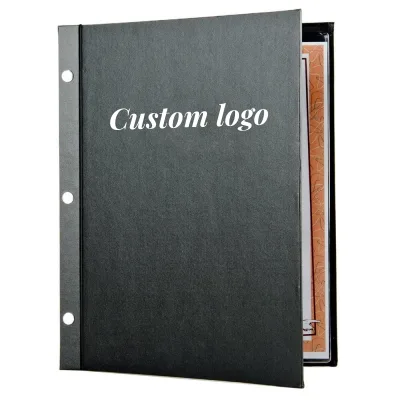
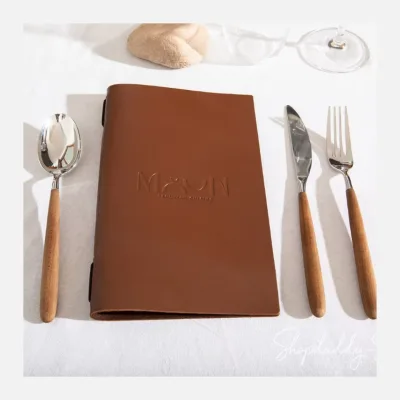
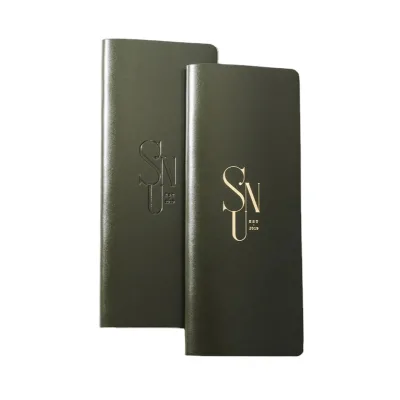
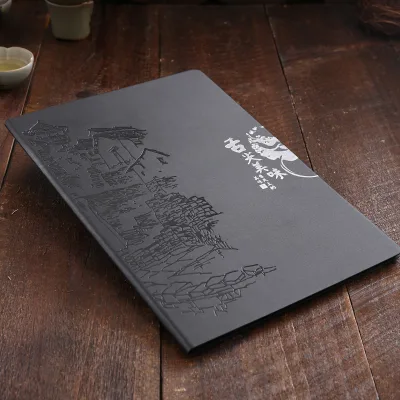
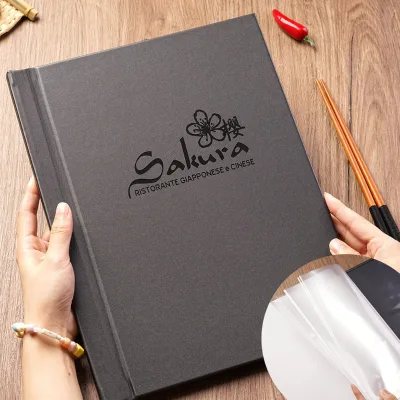
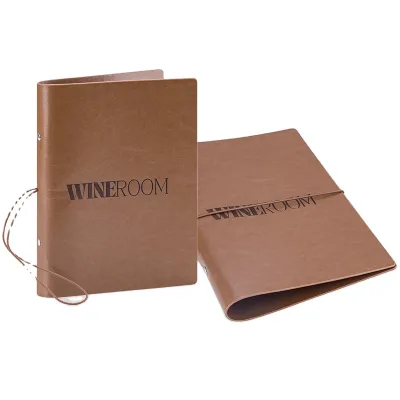
Yes, customization is widely available for leather menu folders. Suppliers accept customized logos and offer options like embossing or printing. Buyers can choose from various colors, including black, brown, or red. This allows restaurants to brand their menu covers to match their interior design.
What is the price range for A4 leather menu covers?
The price for A4 leather menu covers typically ranges from $0.58 to $4.99 per piece. Costs depend on material quality, such as genuine leather versus PU, and customization options. Buyers should request quotes for specific models to get accurate pricing based on their order volume.
How quickly do suppliers respond to inquiries?
Suppliers on this platform respond to inquiries within 2 to 3.21 hours on average. This rapid response ensures buyers can quickly clarify product details, pricing, and shipping terms. Prompt communication helps streamline the sourcing process and facilitates faster decision-making for restaurant supply needs.
What certifications do menu folder suppliers hold?
Many suppliers hold ISO 9000 system certification, indicating adherence to quality management standards. Additionally, some suppliers are verified by Bureau Veritas (BV). These certifications provide assurance of product quality and manufacturing reliability. Buyers should request certification documents to verify compliance with their specific requirements.