RET CET Physiotherapy Machine Suppliers and Manufacturers
Source 27 RET CET Physiotherapy Machine suppliers from China. Compare verified attributes including lead times, MOQs, response speeds, and certifications to identify suitable partners. Review product specifications and request quotes directly; review the available evidence before requesting comparable quotations from suitable candidates.
Updated
Suppliers List

Beijing Sunrise Science&Technology Co., Ltd.
- Verified by SGS
- Trading Company
- China Beijing
- Lead time15 days
- Avg. response≤ 4h
Main productsIPL Laser, Hair Removal Laser, 808nm Diode Laser, CO2 Fractional Laser, Cavitation, Hifu, ND YAG Laser, Tattoo Removal Laser, E-Light Beauty Machine
Main marketsSouth America,East Asia(Japan/ South Korea),Europe

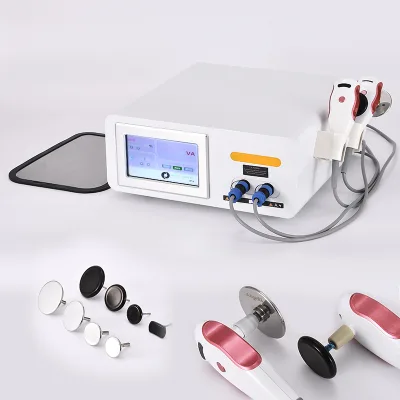
Rehabilitation Physiotherapy Ret Cet Smart Tecar Physiotherapy Diathermy Machine
$1100.00 - $1200.00
MOQ: 1 Pieces

$1599.00 - $1799.00
MOQ: 1 Pieces

Tecar Therapy Physiotherapy Pain Removal Ret Cet Treatment Tecar Therapy Physio Machine
$1150.00 - $1280.00
MOQ: 1 Pieces

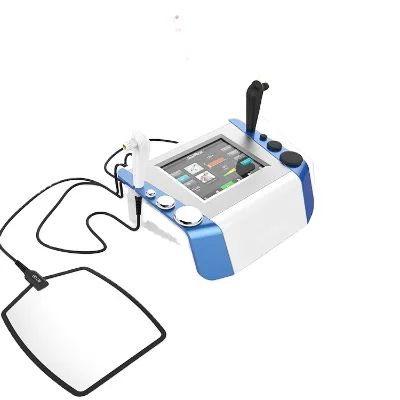
Smart Tecar Ret Cet RF Shockwave Diathermy Physiotherapy 448kHz Tissue Regeneration Therapy Machines
$1100.00 - $1200.00
MOQ: 1 Pieces

$1150.00 - $1280.00
MOQ: 1 Pieces

$1100.00 - $1200.00
MOQ: 1 Pieces
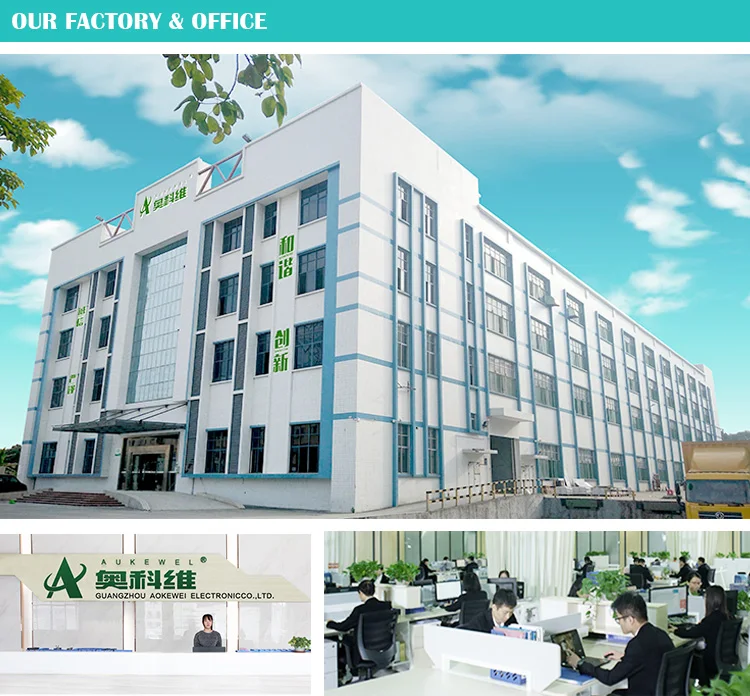
Guangzhou Aukewel Electronic Co., Ltd.
- Manufacturer, Trading Company
- Guangdong, China
- Lead time45 days
- Avg. response≤ 8h
Main productsHydrogen Gas & Water Generator /Ultrasound /TENS / Phototherapy Equipment/ Terahertz RF Thermal Foot Massager
Main marketsDomestic Market(60.00%), Southeast Asia(10.00%), Western Europe(9.00%), Eastern Europe(9.00%), North America(4.00%), Mid East(2.00%), South Asia(1.00%), South America(1.00%), Southern Europe(1.00%), Eastern Asia(1.00%), Northern Europe(1.00%), Africa(1.00%)
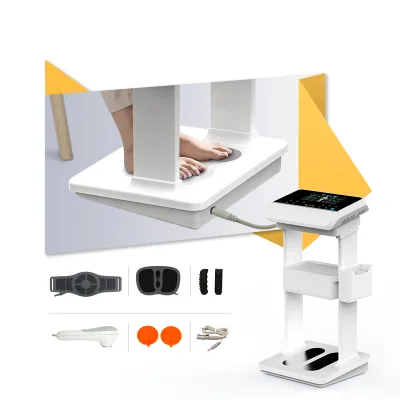
Multi -function Ret Cet Rf Physiotherapy Machine for Pain Relief and Weight Loss
$2400.00 - $2500.00
MOQ: 100 pieces
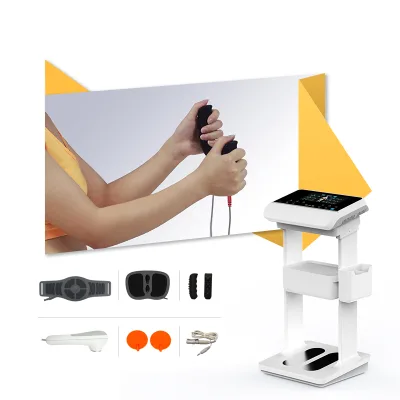
AUKEWEL Therapy Physiotherapy Pain Removal Ret Cet Treatment Tecar Therapy Physio Machine
$2400.00 - $2500.00
MOQ: 100 pieces
Foshan Nanhai Feier Electronic Technology Co., Ltd.
- Verified by SGS Group
- Manufacturer, Trading Company
- Lead time15 days
- Avg. response≤ 3h
Main productsBeauty Equipment, Massage Equipment, Weight Loss Equipment, Laser Hair Removal Equipment, HIFU High Intensity Ultrasound
Main marketsNorth America(25%), Eastern Europe(25%), Southeast Asia(25%)
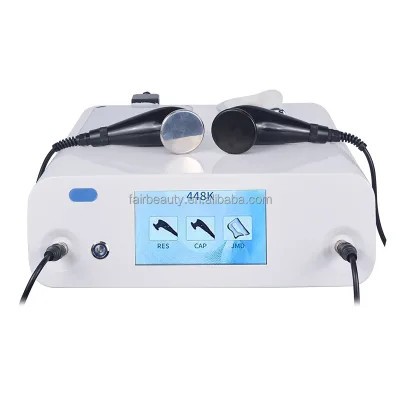
$245.00 - $300.00
MOQ: 1 pieces
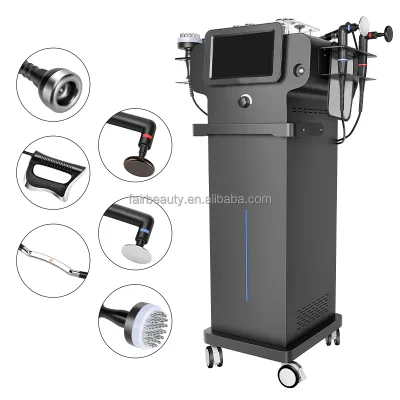
$534.2748 - $616.4706
MOQ: 1 pieces
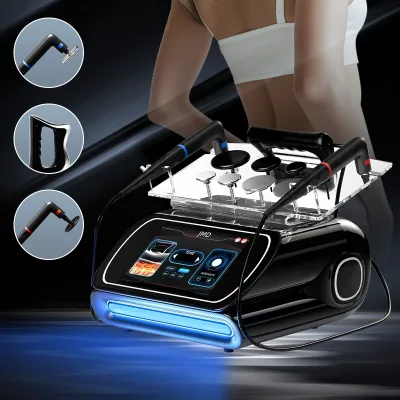
$400.00 - $450.00
MOQ: 1 pieces
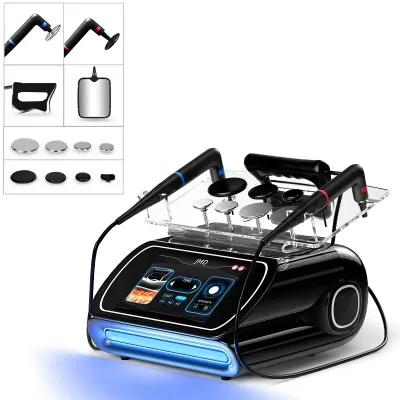
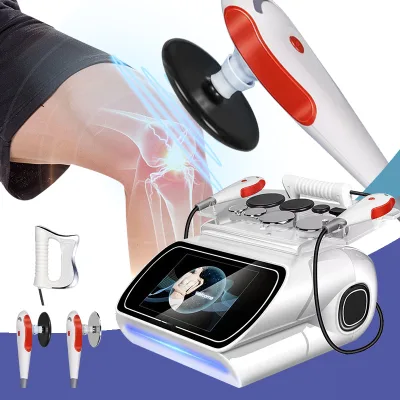
$325.00 - $428.00
MOQ: 1 pieces
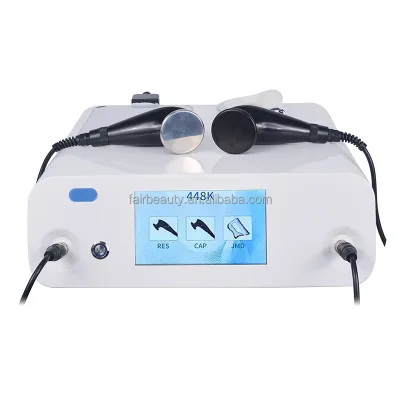

Changsha GOMECY Electronics Limited
- Verified by SGS
- Manufacturer/Factory,Group Corporation
- China Beijing
- Lead time15 days
- Avg. response≤ 7h
Main productsPhysiotherapy & Rehabilitation, Diode Laser Hair Removal, Laser & Light-Based Treatments, 980nm &1470nm Diode Laser, Body Sculpting & Slimming, Pmst & Tecar & Shockwave Physical Therapy, CO2 Fractional Laser Beauty Machine, Salon & SPA Essentials, Facial & Body Treatment, Multi-Functional Salon Systems
Main marketsSouth America,Mid East,North America,Southeast Asia,Eastern Asia,Oceania,Western Europe,Africa

$2299.00 - $2899.00
MOQ: 1 Pieces

$1000.00 - $1700.00
MOQ: 1 Pieces

$1000.00 - $1700.00
MOQ: 1 Pieces
Guangzhou Maglev Plasma Beauty Co., Ltd.
- Verified by TüVRheinland
- Manufacturer, Trading Company
- Lead time旺季: "1 - 1":15,"> 1":"To be negotiated", 淡季: "1 - 1":15,"> 1":"To be negotiated"
- Avg. response≤ 3h
Main productsWeight Loss And Beauty Equipment
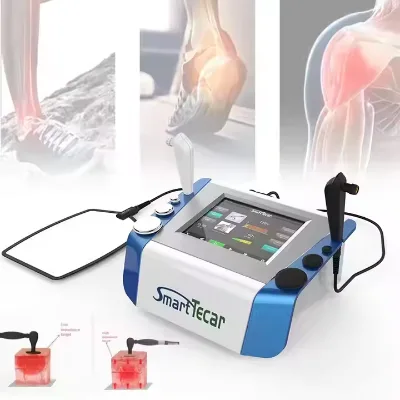
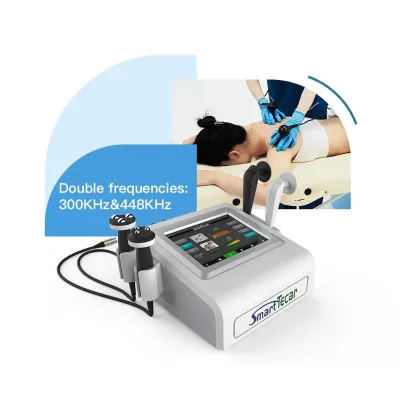
$1027.8447 - $1131.7604
MOQ: 1 pieces
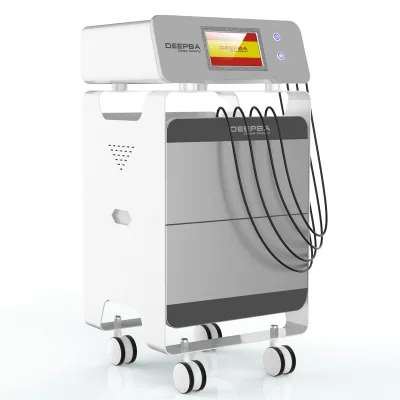

Guangzhou T&B Beauty Equipment Co., Ltd.
- Verified by BV
- Trading Company
- China Guangdong
- Lead time15 days
- Avg. response≤ 5h
Main productsShockwave Machine, Hyberbaric Chamber, Pemf Machine, Tecar Machine, Pressotherapy Machine, Cryotherapy Chamber, Emsculpt Machine, Hifu Face Lifting Machine, Microneedle RF, Cryolipolysis Body Slim Machine
Main marketsSouth America,Southeast Asia/ Mideast,East Asia(Japan/ South Korea),Europe,Australia,North America


High Frequency Cet Ret Tecar Therapy Physiotherapy Machine for Pain Relief Clinic
$799.00 - $899.00
MOQ: 1 Pieces

$500.00 - $850.00
MOQ: 1 unit

Advanced Ret Cet Technology Muscle Relaxation Tecar Therapy Machine for Physiotherapy Center
$1480.00 - $1680.00
MOQ: 1 Pieces

300W Tecar Therapy Physiotherapy Machine 448kHz Cet Ret RF Rehabilitation Physical Therapy Equipment
$799.00 - $850.00
MOQ: 1 Pieces

$850.00 - $899.00
MOQ: 1 Pieces

Beijing Nubway S & T Co., Ltd.
- Verified by BV
- Combined
- China Beijing
- Lead time15 days
- Avg. response≤ 2h
Main productsCryolipolysis, Diode Laser Hair Removal Machine, Muscle Sculpting Machine, 5D Hifu, Infrared RF Vacuum Roller Slimming Machine, Picosecond Laser, Q Switched ND YAG Laser, Fractional CO2 Laser, Fractional RF Microneeding Machine, IPL Shr Elight
Main marketsSouth America,Africa,Southeast Asia/ Mideast,East Asia(Japan/ South Korea),Europe,Australia,North America

Pain Cellulite Reduction Body Care System Ret Cet RF Tecar Therapy Physiotherapy Body Slim Machine
$1600.00 - $2200.00
MOQ: 1 Pieces

$1600.00 - $2200.00
MOQ: 1 Pieces
Hengyang Zike Trading Co., Ltd.
- Verified by SGS Group
- Trading Company
- Lead time5 days
- Avg. response≤ 3h
Main productsHydra Facial Machine, Body Slimming Machine, Meso Gun, Oxygen Facial Machine, Opt Hair Removal Machine
Main marketsNorth America(10%), South America(10%), Eastern Europe(10%)
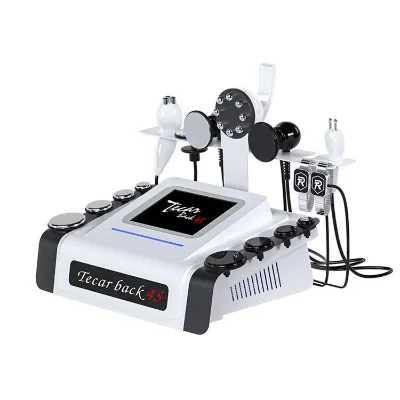
$1021.5184 - $1123.7725
MOQ: 1 units
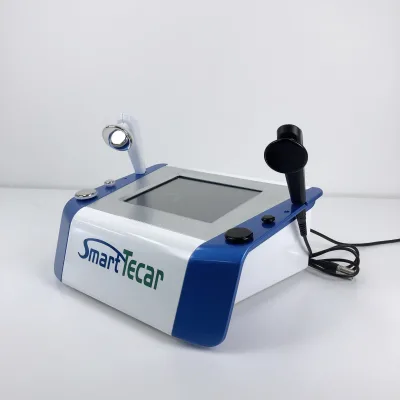
$919.2643 - $1123.7725
MOQ: 1 pieces

Wuhan Yuanguang Ruikang Technology Co., Ltd.
- Verified by TUVRHEINLAND
- Combined
- China Hubei
- Lead time15 days
- Avg. response≤ 24h
Main productsHousehold Appliances
Main marketsSoutheast Asia/ Mideast,Domestic,Europe

Tecar Physiotherapy Machine Diathermy Ret and Cet for Physical Therapy & Pain Relief
$899.00 - $1199.00
MOQ: 1 Pieces

RF Radio Frequency Diathermy Cet Ret Tecar Physiotherapy Machine for Rehabilitation
$899.00 - $1199.00
MOQ: 1 Pieces

Physiotherapy Equipment 448kHz Cet & Ret Diathermy Tecar Therapy Machine for Rehabilitation
$899.00 - $1199.00
MOQ: 1 Pieces

448kHz RF Diathermy Cet Ret Tecar Therapy Machine for Rehabilitation & Tissue Repair
$899.00 - $1199.00
MOQ: 1 Pieces

RF Radio Frequency Cet & Ret Tecar Therapy Machine for Rehabilitation & Pain Relief
$899.00 - $1199.00
MOQ: 1 Pieces

Guangzhou T&B Beauty Equipment Co., Ltd.
- Verified by BV
- Trading Company
- China Guangdong
- Lead time15 days
- Avg. response≤ 3h
Main productsTecar RF Physio Machine, Magneto Emtt Physio Machine, Shockwave Pain Relief Machine, Pressotherapy Slim Massage Machine, Hifu Face Lifting Machine, Fat Remove Machine, Endospheres Slim Machine, Trusculpt Flex ID Machine, RF Slim Machine
Main marketsSouth America,Southeast Asia/ Mideast,East Asia(Japan/ South Korea),Europe,Australia,North America

$799.00 - $950.00
MOQ: 1 Pieces

Physiotherapy Cet Ret RF Therapy Pain Relief Physio 448kHz Tecar Machine
$799.00 - $950.00
MOQ: 1 Pieces

448kHz Cet Ret RF Tecar Therapy Physiotherapy 448kHz Back Pain Relief Machine
$550.00 - $900.00
MOQ: 1 pieces

$799.00 - $950.00
MOQ: 1 Pieces

448kHz Tecar RF Cet Ret Pain Relief Tecar Physical Therapy Physiotherapy Diathermy Machine
$500.00 - $899.00
MOQ: 1 Pieces

Tecar Physiotherapy Diatermia 448kHz Ret Cet Tecar Physical Therapy Machine
$500.00 - $850.00
MOQ: 1 units
Guangzhou Konmison Electronic Technology Co., Ltd.
- Verified by SGS Group
- Manufacturer, Trading Company
- Lead time3 days
- Avg. response≤ 7h
Main productsSlimming Machine, Hydra Dermabrasion Machine, Anti-wrinkle Machine, Hair Removal & Tattoo Removal Machine, Breast Enlargement Machine
Main marketsNorth America(30%), Eastern Europe(23%), South America(10%)
Beijing Flagship Beauty Technology Co., Ltd.
- Trading Company
- Beijing, China
- Lead time0 days
- Avg. response≤ 3h
Main productsDerma roller,Derma pen,Beauty &Personal Care Device,Hydra beauty machine,Laser beauty machine
Main marketsSouthern Europe(10.00%), Northern Europe(10.00%), Central America(10.00%), Western Europe(10.00%), Mid East(10.00%), Oceania(10.00%), Africa(10.00%), Eastern Europe(10.00%), South America(10.00%), North America(10.00%)

Baoding Triangel Rsd Electronics Technology Limited
- Verified by SGS
- Trading Company
- China Hebei
- Lead time15 days
- Avg. response≤ 8h
Main productsClass IV Therapy Laser 980nm Machine, Laser Hair Removal Machine 808nm, Cryolipolysis Fat Freezen, Diode Laser 980nm 1470nm Machine, Shockwave Machine, Q-Switched ND: YAG Tattoo Removal Laser, Picosecond Laser, Vascular Removal Laser 980nm Machine, Fiber-Coupled Diode Laser Euiqpment, Endolaser and Lipolysis Laser
Main marketsSouth America,Southeast Asia/ Mideast

Factory Physiotherapy Cet Ret Diathermy Tecar Body Rehabilitation Therapy
$1800.00 - $2000.00
MOQ: 1 Pieces

$1000.00 - $1300.00
MOQ: 1 Pieces
Hebei Mita Biotechnology Co., Ltd.
- Verified by SGS Group
- Trading Company
- Lead time旺季: "1 - 1":7,"> 1":"To be negotiated", 淡季: "1 - 1":7,"> 1":"To be negotiated"
- Avg. response≤ 2h
Main productsLaser Hair Removal, hifu machine, cryolipolysis machine, beauty bed, Co2 Fractional Laser Mac
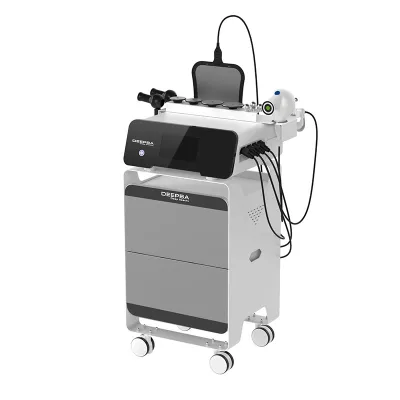
Multi-functional Smart Therapy Physio Machine Ret and Cet Handles Pain Relief Beauty Equipment
$1899.00 - $2099.00
MOQ: 1 pieces
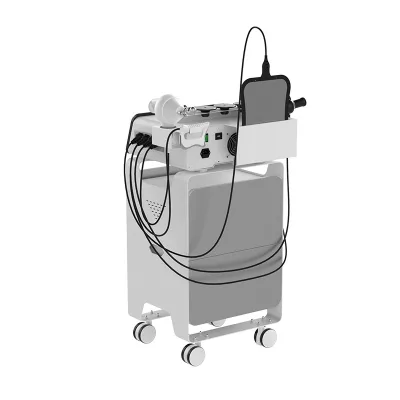
Hot Selling Portable Physical Therapy Anti Wrinkle Ret Cet Tecar 448khz Diathermy Beauty Machine
$1989.3663 - $2198.8834
MOQ: 1 pieces
Guangzhou Auro Beauty Equipment Co., Ltd.
- Manufacturer, Trading Company
- Lead time旺季: "1 - 10":7,"> 10":"To be negotiated", 淡季: "1 - 10":7,"> 10":"To be negotiated"
- Avg. response≤ 6h
Main productsvacuum cavitation machine,lipo laser machine,infrared press therapy machine,electro muscle stimulator machine,microdermabrasion machine
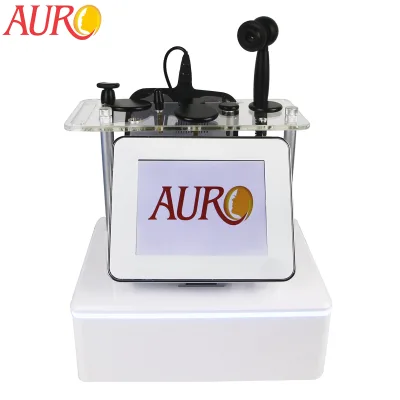
$299.00 - $325.00
MOQ: 1 pieces
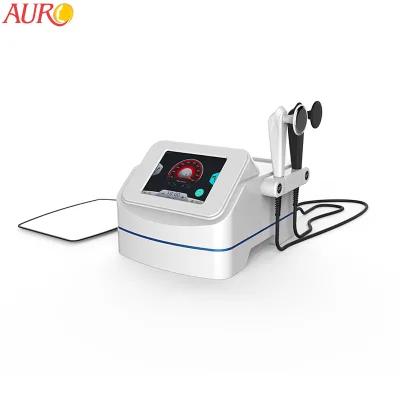
$815.00 - $850.00
MOQ: 1 pieces
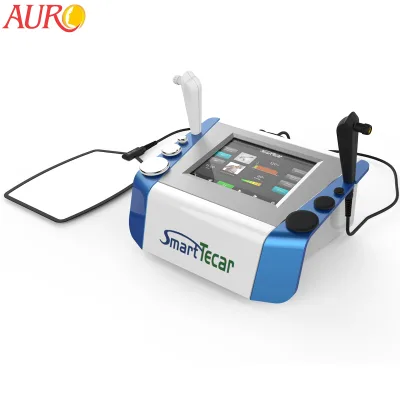
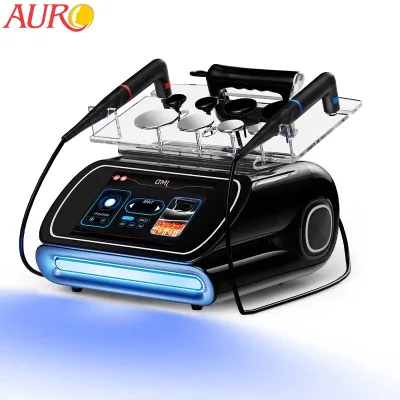
$362.5944 - $388.494
MOQ: 1 pieces
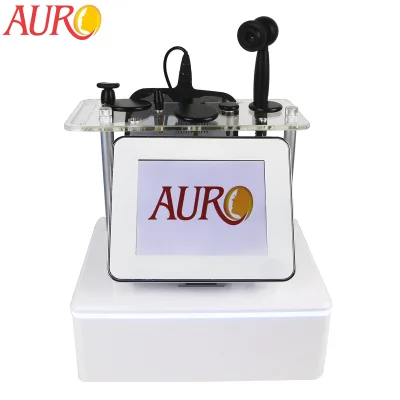
$299.00 - $325.00
MOQ: 1 pieces
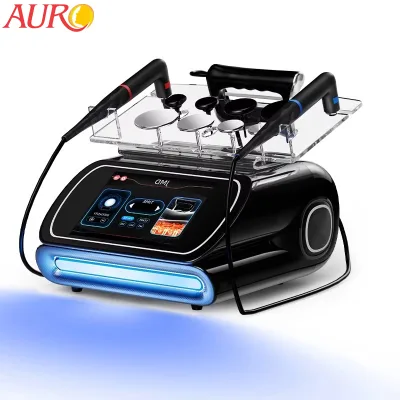
$359.3623 - $385.0314
MOQ: 1 pieces
Feier Electronic Technology (guangzhou) Co., Ltd.
- Trading Company
- Guangdong, China
- Lead time5 days
- Avg. response≤ 2h
Main productsVacuum Cavitation Machine,Fat Freezing Machine,Vacuum Butt Lifting Machine,Oxygen Jet Facial Machine,Body Sculpting Machine
Main marketsNorth America(40.00%), Southern Europe(10.00%), Western Europe(10.00%), Eastern Europe(10.00%), South America(10.00%), Mid East(5.00%), Northern Europe(5.00%), Southeast Asia(5.00%), Eastern Asia(5.00%)
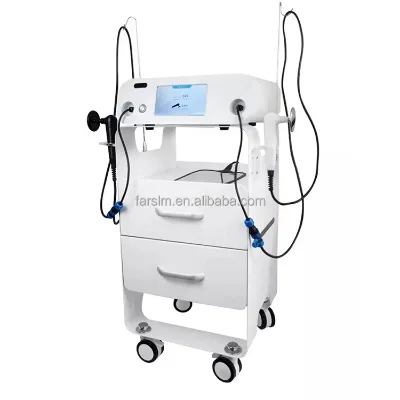
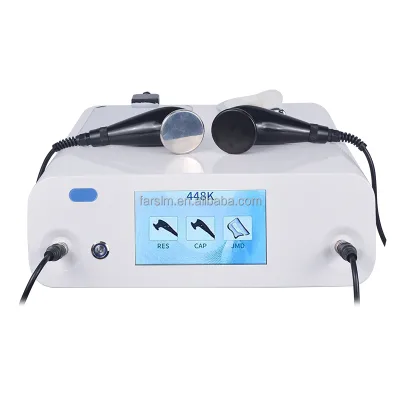
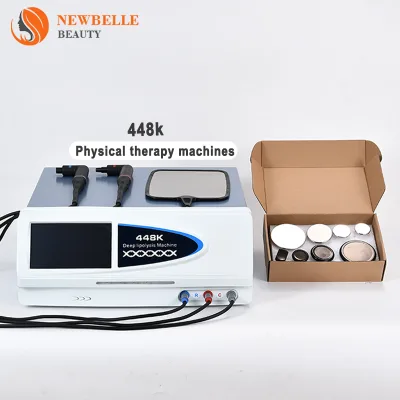
Health and Beauty Body Care System Machine 448K CET RET Machine for Pain Relief Physical Therapy
$253.469 - $310.3685
MOQ: 1 pieces
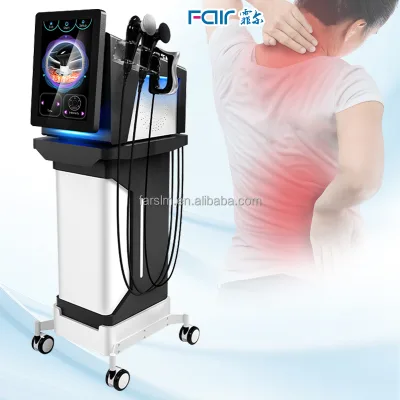
$513.3737 - $636.5843
MOQ: 1 pieces
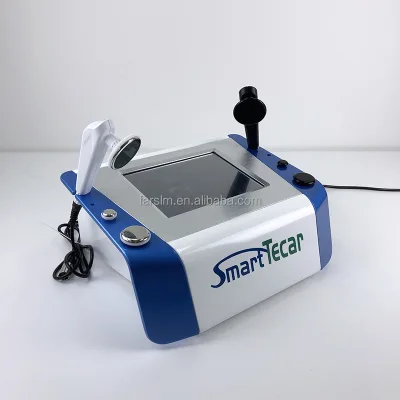

Guangzhou Newbelle Technology Co., Ltd.
- Verified by BV
- Trading Company
- China Guangdong
- Lead time15 days
- Avg. response≤ 2h
Main productsShockwave Therapy, Hydro Facial Machine, Pressotherapy Machine, Cryotherapy Machine, Cryoskin Machine, Microcurrent RF Machine
Main marketsSouth America,Africa,Southeast Asia/ Mideast,Europe

$899.00 - $1250.00
MOQ: 1 Pieces

Thermotherapy RF Machine Cet Ret Handles Therapy Pain Relief Samrt Tecar Physiotherapy Machine Tecar
$599.00 - $850.00
MOQ: 1 Pieces

New Ret Cet RF 448kHz Diatherapy Body Shape Machine Tecar Therapy Physiotherapy Pain Relief
$1399.00 - $1799.00
MOQ: 1 Pieces


$899.00 - $1250.00
MOQ: 1 Pieces


GUANGZHOU KONMISON TECHNOLOGY CO., LIMITED
- Verified by BV
- Trading Company
- China Guangdong
- Lead time30 days
- Avg. response≤ 8h
Main productsBeauty Machine, Beauty Equipment, Slimming Machine, Cavitation Weight Loss Beauty Machine, Skin Care Machine, RF Skin Lifting Rejuvenation Machine, IPL Hair Removal Machine, Laser Hair Removal Machine, LED Facial Mask Beauty Device
Main marketsEurope,Australia

$758.00 - $848.00
MOQ: 1 Pieces

$284.00 - $308.00
MOQ: 1 Pieces

Guangzhou allfond electronics co.,ltd
- Verified by SGS
- Trading Company
- China Guangdong
- Lead time15 days
- Avg. response≤ 6h
Main productsSlimming Machine, Beauty Equipment, Derma Roller, Tattoo Equipment, ND YAG Laser Machine, Cavitation RF Vacuum, Hifu, 808nm Diode Laser, EMS Sculpting Machine, Cryolipolysis Machine
Main marketsSoutheast Asia/ Mideast,Europe,North America

Cet Ret RF Machine New Model Physiotherapy Relieve Pain RF Tecar Therapy
$1050.00 - $1120.00
MOQ: 1 Pieces

Portable 448kHz Tecar Diathermy Physiotherapy Cet Ret Monopolar RF Machine for Pain Relief
$890.00 - $990.00
MOQ: 1 Pieces

448K Tecar Therapy Physio Physiotherapy Tecar Cet Ret Shockwave EMS Theapy Beauty Machine
$1500.00 - $1580.00
MOQ: 1 Pieces

$900.00 - $1000.00
MOQ: 1 Pieces

Diathermy Tecar Body Phisiotherapy Cet Ret Therapy Terapia Smart Tecar 448K RF Machine
$289.00 - $344.00
MOQ: 1 Pieces
Guangzhou Newbelle Technology Co., Ltd.
- Verified by SGS Group
- Trading Company
- Lead time4 days
- Avg. response≤ 4h
Main productsHydro Dermabrasion Machines, Hair Removal Machines, Pressotherapy, Slimming Machines, Cryoskin
Main marketsNorth America(70%), South America(10%), Southern Europe(10%)
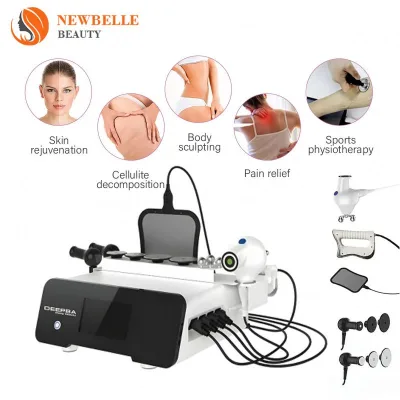
$1548.654 - $1858.5914
MOQ: 1 sets
$1032.0917 - $1238.7166
MOQ: 1 sets
$921.7822 - $1126.8503
MOQ: 1 sets
$2156.6201 - $2722.7451
MOQ: 1 Minimum
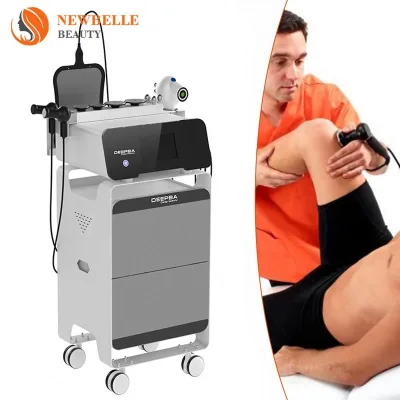
ABS Standing Ret Cet Machine for Body Pain Management Electric Tecar Therapy Pain Relief
$670.9644 - $1446.3475
MOQ: 1 pieces
Foshan Health Info Technology Co., Ltd.
- Verified by SGS Group
- Trading Company
- Guangdong, China
- Lead time10 days
- Avg. response≤ 4h
Main productsHair Removal Machine, Hifu Machine, Hydrafacial Machine, Fractional CO2 Laser Machine, Laser Tattoo Removal Machine
Main marketsNorth America(25%), South America(10%), Southeast Asia(10%)
$492.1552 - $591.1922
MOQ: 1 sets
$514.5279 - $773.3442
MOQ: 1 sets
$636.4286 - $770.0882
MOQ: 1 sets
$305.3626 - $439.0222
MOQ: 1 sets
Shaanxi Keysun Bio-Tech Co., Ltd.
- Manufacturer, Trading Company
- Shaanxi, China
- Lead time20 days
- Avg. response≤ 6h
Main productsBeauty Machine/Health Care Product/Skin Care Product/Cosmetics
Main marketsNorth America(30.00%), Eastern Europe(10.00%), Africa(10.00%), South America(8.00%), Mid East(6.00%), South Asia(5.00%), Western Europe(5.00%), Southern Europe(5.00%), Southeast Asia(5.00%), Oceania(5.00%), Eastern Asia(4.00%), Northern Europe(4.00%), Central America(2.00%), Domestic Market(1.00%)
$235.00 - $325.00
MOQ: 1 Minimum
Shandong Eledeep Bio Tech Co., Ltd.
- Trading Company
- Lead time旺季: "1 - 50":30,"51 - 200":35,"> 200":"To be negotiated", 淡季: "1 - 50":30,"51 - 200":35,"> 200":"To be negotiated"
- Avg. response≤ 4h
Main productsHair growth,Hair extension,Scalp Care,body Care,Beauty Beauty Furniture
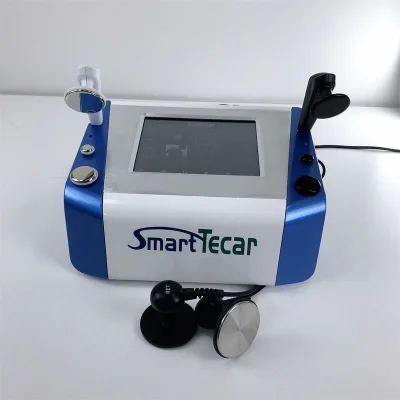
$925.9858 - $1008.2969
MOQ: 2 sets
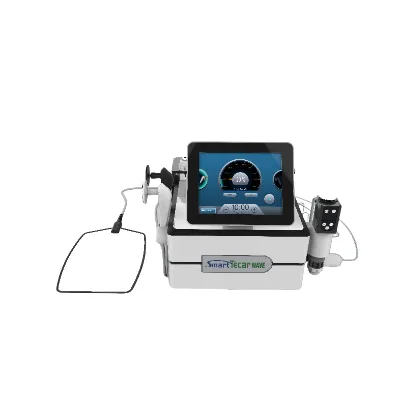
T 448KHZ Tecar Therapy Ret Cet Rf Smart Tecar Wave Plus Tecar Physiotherapy Machine
$1099.00 - $1499.00
MOQ: 1 sets
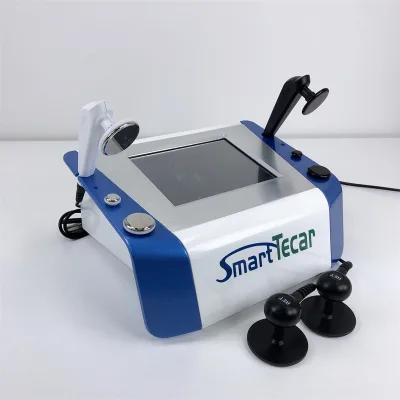
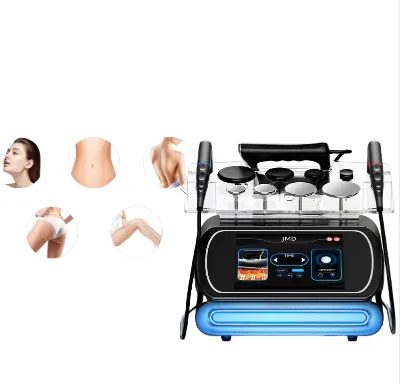
$379.1302 - $481.8753
MOQ: 1 pieces
Tianjin Yingsaifu Technology Development Co., Ltd.
- Trading Company
- Tianjin, China
- Lead time21 days
- Avg. response≤ 2h
Main productscavitation machine,diode laser hair removal,roller massage,hydro facial machine,Fat freezing
Main marketsNorth America(49.00%), Western Europe(20.00%), Southern Europe(15.00%), Domestic Market(15.00%), Southeast Asia(10.00%), South America(8.00%), Africa(7.00%), Central America(5.00%), Eastern Europe(5.00%), Northern Europe(3.00%), South Asia(2.00%), Eastern Asia(2.00%), Mid East(1.00%)
$495.2585 - $540.188
MOQ: 1 sets
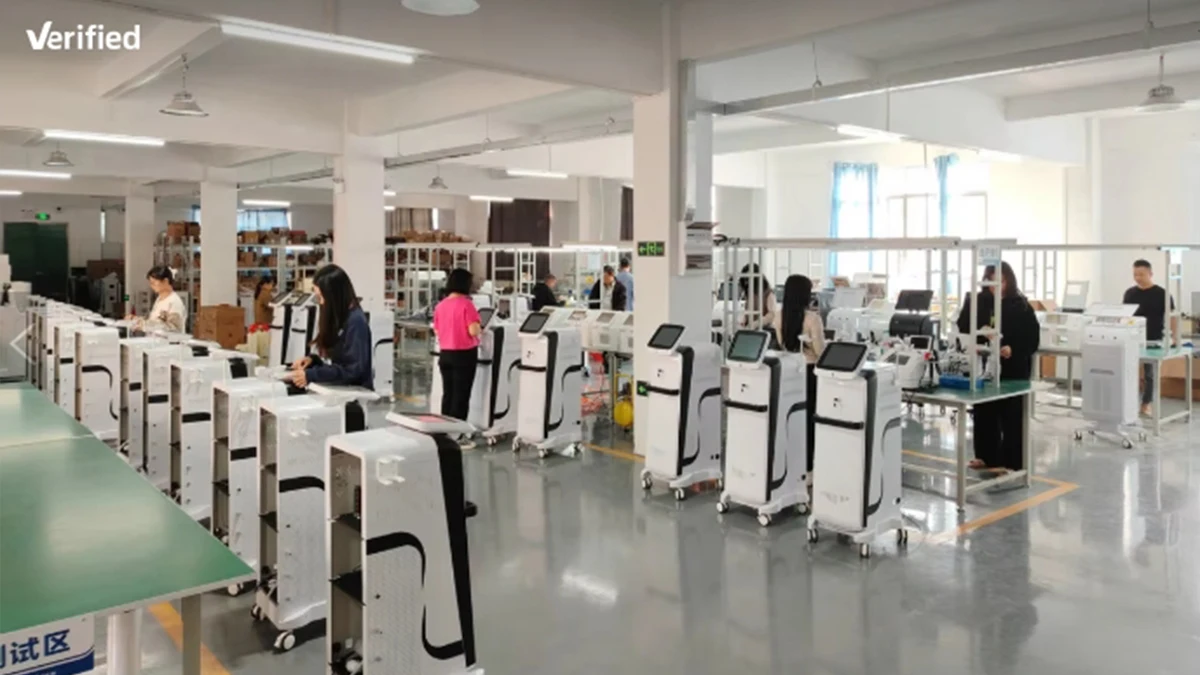
Guangzhou Kya Electronic Co., Ltd.
- Manufacturer
- Guangdong, China
- Lead time5 days
- Avg. response≤ 1h
Main productsLaser Beauty Equipment,Skin Management Machine,Slimming Machine,Scalp Analyzer Machine,Hair Removal Machine
Main marketsDomestic Market(20.00%), Mid East(10.00%), North America(10.00%), Eastern Europe(8.00%), Southeast Asia(8.00%), South America(8.00%), Eastern Asia(6.00%), Central America(6.00%), Southern Europe(5.00%), Northern Europe(5.00%), Western Europe(5.00%), South Asia(5.00%), Oceania(2.00%), Africa(2.00%)
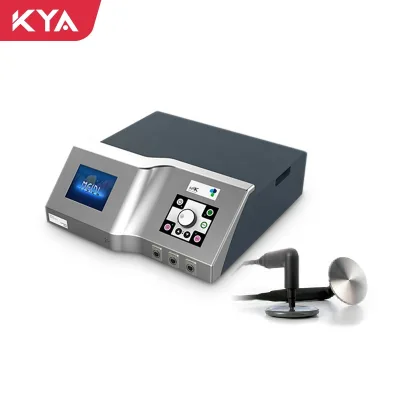
$733.1183 - $835.6523
MOQ: 1 pieces
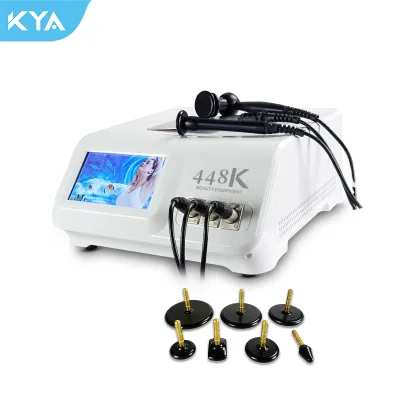
$302.4763 - $363.997
MOQ: 1 pieces

Guangzhou Beir Electronic Technology Co., Ltd.
- Verified by BV
- Trading Company
- China Guangdong
- Lead time15 days
- Avg. response≤ 10h
Main productsLipolaser, Coolsculpting, Diode Lipolaser, Cryo Lipolaser System, Lipo Laser, Cryolipolysis, E-Light and IPL Beauty Equipment, RF Fractional Skin Tighten, Pressotherapy Lymphatic Drainage, Dermaroller and Micro Needles
Main marketsSoutheast Asia/ Mideast,East Asia(Japan/ South Korea),Europe,Australia,North America

448kHz Tecar Therapy Machine Cet Ret RF EMS Vacuum Shockwave Physiotherapy Equipment
$1399.00 - $1949.00
MOQ: 1 set

Tecar Therapy Physiotherapy Cet Ret RF Shockwave Physiotherapy 3 in 1 Instrument
$1249.00 - $1799.00
MOQ: 1 set

Shockwave Physical Therapy Equipment Multifunction Cet Ret 448K Tecar Therapy Machine
$1249.00 - $1799.00
MOQ: 1 set

Hebei Tuosite Import & Export Trade Co., Ltd.
- Verified by CTI
- Trading Company
- China Hebei
- Lead time15 days
- Avg. response≤ 4h
Main productsBeauty Equipment, Medical Equipment, Skin Care Equipment, Diode Laser Equipment, Hair Removal Equipment, Muscle Building Equipment, Cryolipolysis Equipment, Cavitation Vacuum Equipment, Roller Infrared Massage Cellulite Equipment
Main marketsEurope

448kHz 20kHz Cet Ret RF Diathermy Machine for Body Slimming Rehabilitation
$1500.00 - $2200.00
MOQ: 1 Pieces

448kHz Ret Cet RF Machine for Body Slimming Skin Tightening & Rejuvenation
$1500.00 - $2200.00
MOQ: 1 Pieces

Comprehensive Sourcing Guide
RET CET Physiotherapy Machine Supplier Concentration and Factory Types
The current supplier landscape for Ret Cet Physiotherapy Machines reveals a distinct geographic concentration in China, with specific results indicating presence in Beijing and Guangdong. This clustering suggests established industrial ecosystems dedicated to medical and beauty equipment manufacturing. Buyers should note that the company types vary significantly within these regions, ranging from pure trading companies to integrated manufacturers. Understanding this distinction is critical for evaluating supply chain stability and pricing structures. Trading companies often aggregate products from multiple factories, offering broader catalogs but potentially less direct control over production quality. In contrast, manufacturers may provide more direct communication regarding technical specifications and customization options. The presence of both types in the same geographic areas indicates a mature market where specialized factories often work alongside trading entities to facilitate international sales.
When assessing supplier types, it is essential to look beyond the general location and examine the specific operational model declared by each vendor. Some suppliers identify as both manufacturers and trading companies, which can imply they have in-house production capabilities while also handling export logistics. This hybrid model can offer benefits such as faster response times and flexible order sizes, but it requires careful verification to ensure the claimed manufacturing capacity is genuine. Buyers should prioritize suppliers who clearly articulate their role in the production process, especially for complex devices like Ret Cet machines that involve advanced RF and shockwave technologies. The geographic concentration in China provides a logistical advantage for global shipping, but buyers must verify that the specific factory location aligns with their quality and compliance requirements.
How to Verify RET CET Physiotherapy Machine Suppliers
Verification is a critical step in mitigating risk when sourcing medical and beauty equipment. Buyers should prioritize suppliers who have undergone third-party verification processes, such as SGS, which adds a layer of credibility to their operational claims. While system certifications like ISO may not be explicitly listed for all suppliers, the presence of product-specific certifications such as ISOCE or CE ROHS FCC on individual machine listings serves as a strong indicator of regulatory compliance. These certifications are particularly important for Ret Cet machines, which involve electrical and thermal components that must meet safety standards for clinical or commercial use. Buyers should request copies of these certificates and verify their validity with the issuing bodies to ensure they are current and applicable to the specific models being considered.
Beyond documentation, buyers should assess the supplier's responsiveness and transparency as key indicators of reliability. Response times can vary significantly, with some suppliers demonstrating rapid engagement while others may take longer to provide detailed quotations or technical data. A quick response time often correlates with a more organized sales process and better after-sales support potential. Additionally, buyers should inquire about the warranty terms and after-sales service provisions, such as onsite installation or remote troubleshooting capabilities. Suppliers that clearly outline their support structures are often more committed to long-term customer relationships. It is also advisable to check for any discrepancies between the supplier's declared main products and the specific Ret Cet machines they are offering, ensuring that the vendor has specialized expertise in this niche rather than offering it as a generic add-on.
What to Compare Across RET CET Physiotherapy Machine Suppliers
When evaluating multiple suppliers, buyers should compare key operational metrics such as lead times, minimum order quantities, and pricing structures. Lead times can range from approximately 15 days to 45 days, depending on the supplier's production capacity and current order backlog. Shorter lead times may be advantageous for buyers needing quick inventory replenishment, while longer lead times might indicate a more customized or high-volume production process. Minimum order quantities also vary, with some suppliers offering low MOQs of just one unit, which is ideal for testing the market or small clinics, while others may require larger bulk orders. Understanding these constraints helps buyers align their procurement strategy with their inventory management capabilities and cash flow requirements.
Pricing and product specifications are equally important factors in the comparison process. Prices for Ret Cet Physiotherapy Machines can range from around $1,100 to $1,800, depending on the features, brand, and included accessories. Buyers should compare not just the base price but also the value proposition, including warranty periods, included handles, and display features. Some machines offer advanced features like LCD displays, customizable settings, and specific RF frequencies, which may justify a higher price point. Additionally, buyers should consider the gross weight and packaging dimensions, as these impact shipping costs and handling requirements. By systematically comparing these attributes across different suppliers, buyers can identify the best balance of cost, quality, and service for their specific needs.
Common RET CET Physiotherapy Machine Sourcing Risks
One significant risk in sourcing Ret Cet Physiotherapy Machines is the potential mismatch between advertised specifications and actual product performance. Buyers must be cautious of vague descriptions or missing technical details, such as exact RF frequencies or power outputs. Some listings may claim broad applications like pain relief and tissue repair without providing clear evidence of clinical efficacy or regulatory approval for these specific uses. This lack of transparency can lead to compliance issues in the buyer's home market, particularly if the equipment is intended for professional medical use. Buyers should insist on detailed technical datasheets and verify that the claimed functions are supported by the machine's design and certification status.
Another risk is the variability in after-sales support and warranty enforcement. While some suppliers offer warranties of one to two years, the practical implementation of these warranties can vary widely. Buyers should clarify whether the warranty covers parts, labor, or both, and whether replacement parts are readily available. In some cases, suppliers may be located in different regions, complicating the logistics of returns or repairs. Additionally, the risk of receiving substandard components, such as low-quality handles or displays, is present if the supplier does not have strict quality control measures in place. Buyers should request sample units or video demonstrations of the machine in operation to assess build quality and functionality before committing to larger orders.
RET CET Physiotherapy Machine Regional Sourcing and Logistics
Sourcing from China offers logistical advantages due to the established infrastructure for exporting medical and beauty equipment. Suppliers in Beijing and Guangdong benefit from proximity to major ports and efficient logistics networks, which can reduce shipping times and costs. However, buyers must account for the specific packaging requirements of these machines, which often involve aluminum alloy boxes or standard export cartons. The gross weight of these units can vary, with some machines weighing around 18kg to 35kg, impacting freight charges and handling requirements. Buyers should work with suppliers who provide accurate packaging dimensions to ensure efficient container loading and minimize shipping expenses.
Customs clearance and import regulations are also critical considerations when sourcing from China. Buyers must ensure that the products meet the regulatory requirements of their destination country, including any specific medical device classifications or electrical safety standards. Suppliers who provide comprehensive documentation, including certificates of origin and detailed product descriptions, can facilitate smoother customs clearance. Additionally, buyers should consider the impact of currency fluctuations and trade policies on the final landed cost. Working with suppliers who have experience in international shipping can help mitigate these risks, as they can provide guidance on Incoterms and documentation requirements. Proper planning of logistics and compliance can significantly enhance the overall sourcing experience.
RET CET Physiotherapy Machine Commercial Terms and Order Planning
Commercial terms such as payment methods and delivery conditions play a crucial role in the procurement process. Buyers should negotiate clear terms regarding payment schedules, such as deposits and balance payments upon shipment, to protect their financial interests. Escrow services can provide an additional layer of security by holding funds until the buyer confirms receipt and satisfaction with the goods. Delivery terms, such as FOB or CIF, should be clearly defined to determine who is responsible for shipping costs and insurance. Buyers should also consider the impact of lead times on their inventory planning, ensuring that they have sufficient stock to meet customer demand without overstocking.
Order planning should also include considerations for customization and branding. Some suppliers offer customization options, allowing buyers to add their own logos or specific features to the machines. This can be valuable for building a unique brand identity in the market. However, customization may increase lead times and costs, so buyers should plan accordingly. Additionally, buyers should establish clear communication channels with their suppliers to address any issues that may arise during production or shipping. Regular updates and proactive problem-solving can help maintain a smooth supply chain. By carefully planning commercial terms and order logistics, buyers can minimize risks and maximize the value of their sourcing investments.
FAQs
What is a RET CET Physiotherapy Machine used for?
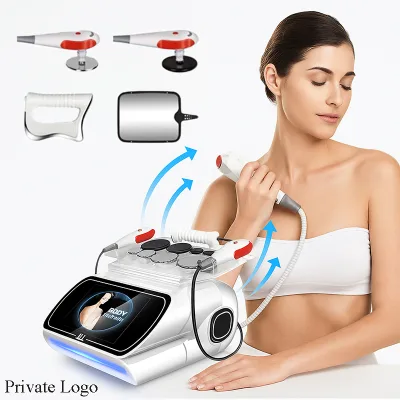
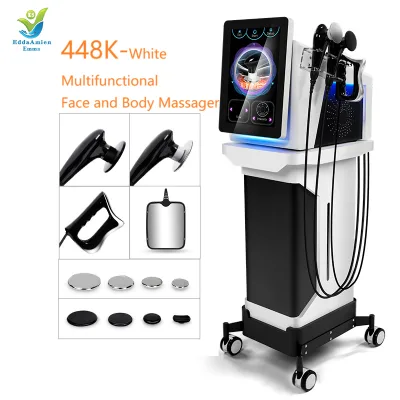
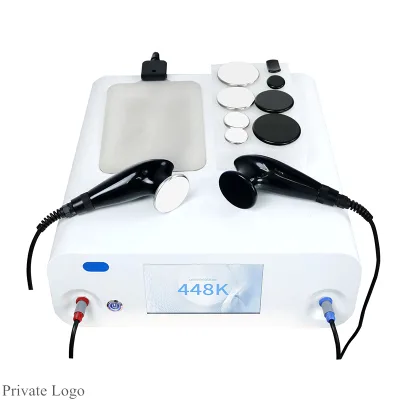
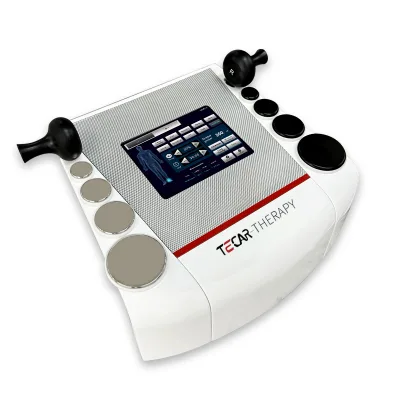
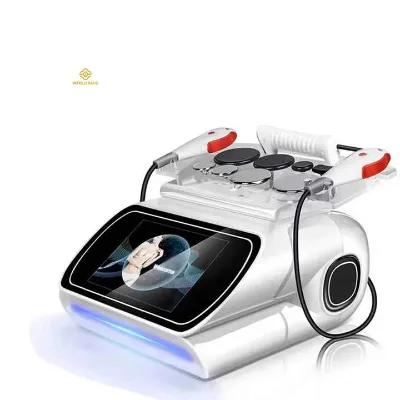
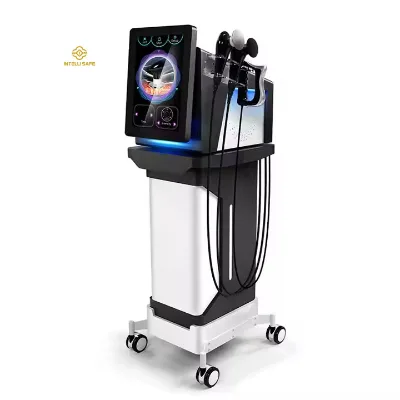
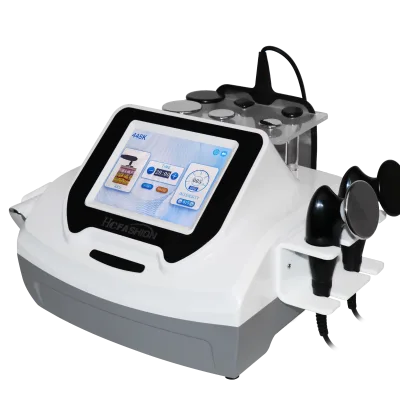
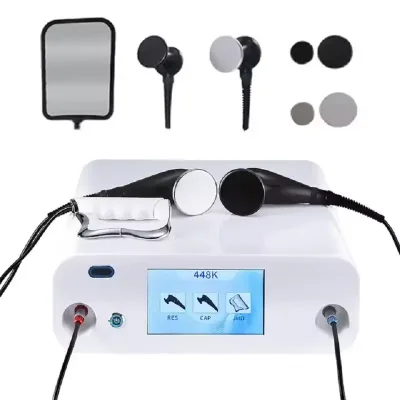
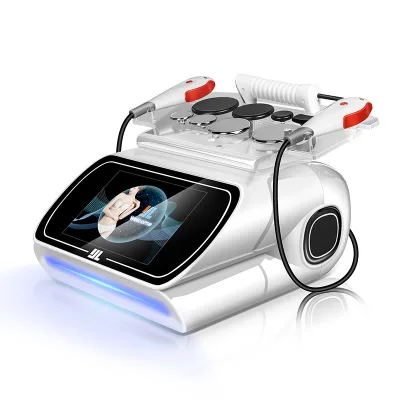
A RET CET Physiotherapy Machine delivers radiofrequency energy for pain relief, rehabilitation, and tissue repair. The CET handle targets superficial tissues while the RET handle heats deeper structures, supporting diathermy-style treatment. Listed applications include physical therapy, joint treatment, and sports-injury rehabilitation, and some models are positioned for use in rehabilitation centres, hospitals, and clinics rather than only beauty salons.
How much does a RET CET Physiotherapy Machine cost?
Listed prices for comparable RET CET physiotherapy machines on this page range roughly from 1,100 to 1,799 US dollars per unit, depending on configuration. Higher-priced listings often bundle shockwave functions or add branded diathermy features. Confirm the exact configuration, included handles, and warranty terms with the supplier before comparing quotations, since accessories and software options can shift the final price.
What is the typical minimum order quantity?
The listings shown here state a minimum order quantity of 1 unit, so clinics and small distributors can order a single machine for evaluation. This is common for high-value therapy devices where a first unit serves as a sample. Always confirm current MOQ terms directly with the supplier, because quantities can change with customization requests or accessory bundles.
What is the lead time for these machines?
Reported lead times in the current results range from about 15 days to 45 days after order confirmation. The shorter figure typically applies when units are in stock, while longer lead times reflect production scheduling or customization. Ask the supplier to confirm the lead time for your exact configuration, quantity, and destination before placing a deposit or committing to a project timeline.
Which certifications should I verify before buying?
Several listings display ISOCE certification, and one multifunction model lists CE, ROHS, and FCC certificates, so ask for copies of the actual certificates matching the shipped model. One supplier on this page shows SGS verification. Note that some companies list no system certification at all, so request certificate numbers, issuing bodies, and validity dates for the specific machine serials you will receive.
How fast do suppliers of these machines respond?
Reported average response times among the suppliers here are roughly 3.31 hours and 8 hours, so most enquiries receive a reply within a business day. Response speed can vary by time zone and enquiry complexity, so include your quantity, target configuration, and delivery country in the first message. Fast first replies usually signal better support during installation and after-sales service.
Can I get a customized RET CET machine?
Multiple product listings on this page state that customization is available, which typically covers color options such as blue or black, branding, and packaging in aluminum alloy cases. Customized orders may extend lead time and affect minimum order terms, so agree on specification changes in writing. Request updated quotations, photos, and a confirmed production schedule before paying any deposit for customized units.
Do these machines support both CET and RET handles?
Yes, the listed machines specify CET and RET handles, with radiofrequency frequencies around 300-450kHz and some models marketed at 448kHz. Maximum power on one listing reaches 3000W, and units ship with LCD displays in aluminum alloy packaging. Confirm handle count, frequency range, and power output for the exact model quoted, because specifications differ between the shockwave-combined and standalone diathermy versions.