Resin Polarized Sunglasses Suppliers and Manufacturers
Explore 21 verified suppliers offering Resin Polarized Sunglasses with customizable frames and lenses. Compare lead times, MOQs, certifications like CE and FDA, and prices ranging from $1.50 to $12.00. Contact suppliers directly to request samples and verify production capabilities.
Suppliers List

Xiamen Langxue Spectacles Co., Ltd.
- Combined
- China Fujian
- Lead time30 days
- Avg. response≤ 8h
Main productsSunglasses, Eyeglasses, Reading Glasses, Metal Sunglasses, Optical Frames, Safety Glasses, Eyewears, Optical Glass, Spectacles, Sports Sunglasses
Main marketsSouth America,Domestic,Europe,North America

Wenzhou Dilicn Optical Co., Ltd
- Verified by TUVRHEINLAND
- Trading Company
- China Zhejiang
- Lead time15 days
- Avg. response≤ 6h
Main productssports sunglasses, reading glasses, optical frames
Main marketsSouth America,Europe,North America

Sky & Sea Optical MFY Co., Ltd.
- Verified by SGS
- Combined
- China Zhejiang
- Lead time60 days
- Avg. response≤ 4h
Main productsOptical Frame, Sunglasses, Reading Glasses, 3D Glasses, Blocking Pad, Eyeglasses, Optical Frames, Glasses Case, Safety Glasses, Lens Cleaner
Main marketsSouth America,Europe,North America

Wenzhou Yangming Eyewear Accessories Co., Ltd
- Verified by SGS
- Combined
- China Zhejiang
- Lead time30 days
- Avg. response≤ 3h
Main marketsDomestic

Shanghai Touch Industrial Development Co., Ltd.
- Verified by TUVRHEINLAND
- Combined
- China Shanghai
- Lead time15 days
- Avg. response≤ 5h
Main productsInstant Hot Pack, Hot Cold Pack, Gel Eye Mask, Gel Ice Pack, Gel Bottle Cooler, Instant Ice Pack, Hand Warmer, Heat Pack, Cooling Scarf, Gel Beads
Main marketsSouth America,Others(foreignTradeCapacity.exportBusinessCapacityMarketOther),Southeast Asia/ Mideast,East Asia(Japan/ South Korea),Domestic,Europe,Australia,North America

Changzhou Sitan Imp. and Exp. Co., Ltd.
- Verified by BV
- Trading Company,Manufacturer/Factory
- China Jiangsu
- Lead time45 days
- Avg. response≤ 10h
Main productsFitness Equipment, Barbell Series, Resistance Bands, Agility & Speed, Yoga Ball, Massage Series, Power Rack, Weight Ball, Charging Notebook, Custom Logo Goods
Main marketsSouth America,Eastern Europe,Mid East,North America,Southeast Asia,Eastern Asia,Oceania,Western Europe,Africa

- Verified by SGS
- Trading Company
- China Zhejiang
- Lead time30 days
- Avg. response≤ 3h
Main productsOptical Frames, Sunglasses, Reading Glasses, Blue Block Glasses, Glasses Cases, Clean Cloth, Glasses Accessories, Clip on Glasses, Glasses Lenses
Main marketsSouth America,Africa,Southeast Asia/ Mideast,Europe,North America

Danyang Xinjingjie Glasses Co., Ltd.
- Trading Company
- China Jiangsu
- Lead time0 days
- Avg. response≤ 5h
Main productsEyeglasses Accessories, Kids Eyeglasses, Sunglasses, Optical Glasses, Sun Lens/ Tinted Lens, Blue Cut Lenses

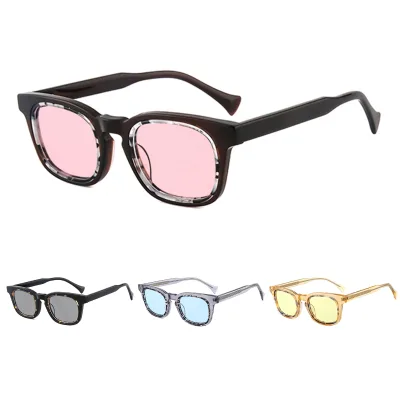
Sunglasses Pink Lens Large Frame Sports Sunglasses Cycling Polarized Sun Glasses
$5.00 - $5.50
Moq: 10


Wenzhou Readsun Optical Co., Ltd.
- Trading Company,Manufacturer/Factory
- China Zhejiang
- Lead time60 days
- Avg. response≤ 5h
Main productsSunglasses, Reading Glasses, Optical Frame, Plastic Sunglasses, Kid's Sunglasses, Metal Sunglasses, Sport Sunglasses, Titanium Optical Frame, LED Reading Glasses, Promotion Sunglasses
Main marketsSouth America,Eastern Europe,Mid East,North America,Southeast Asia,Eastern Asia,Oceania,Western Europe,Africa

- Verified by BV
- Trading Company
- China Zhejiang
- Lead time30 days
- Avg. response≤ 6h
Main productsSunglass, Optical Frame, Sports Sunglasses, Kid's Optical Frames, Reading Glasses, Polarized Sunglasses, Eyeglasses Frame, Sun Glasses, Eyewear Frame, Sunglasses Case
Main marketsEurope,North America
Taizhou Hannibal E-Commerce Co., Ltd.
- Verified by Intertek
- Trading Company
- Lead time30 days
- Avg. response≤ 2h
Main productsSunglasses

Shanghai David International Trade Co., Ltd.
- Verified by TUVRHEINLAND
- Combined
- China Shanghai
- Lead time15 days
- Avg. response≤ 7h
Main productsPromotional Gifts, Gift Sets, Tshirts, Hats, Hot Packs, Hot Cold Packs, Ice Packs, Bags, Umbrellas, Water Bottles
Main marketsSouth America,Africa,Southeast Asia/ Mideast,East Asia(Japan/ South Korea),Domestic,Europe,Australia,North America

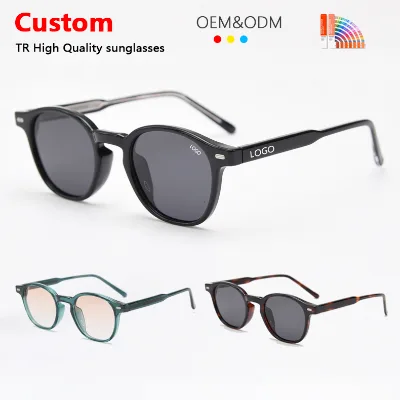
Hot Sale for Unisex Sunglass Retro Round Injection Acetate Polarized Sunglasses
$0.50 - $0.70
Moq: 1000


Changzhou Showhum Precision Technology Co., Ltd.
- Verified by SGS
- Manufacturer/Factory
- China Jiangsu
- Lead time45 days
- Avg. response≤ 4h
Main productsCNC Part, CNC Machine Part, Car Parts, CNC Milling Part, Plastic Products, Forged Part, Welding Part, Waterjet Cutting Parts, Motorcycle Parts, Bicycle Parts
Main marketsSouth America,Eastern Europe,Mid East,North America,Eastern Asia,Western Europe

Jinjiang Jiaxing Supply Management Co., Ltd.
- Verified by TUVRHEINLAND
- Trading Company
- China Fujian
- Lead time30 days
- Avg. response≤ 1h
Main productsEVA Clogs, Flip Flop, Shoe Charms, Shopping Bags, Wristbands, Gifts, Promotional Gifts, Slipper, Sport Cap, Ball
Main marketsNorth America

- Verified by TUVRHEINLAND
- Trading Company
- China Zhejiang
- Lead time15 days
- Avg. response≤ 10h
Main productsSport Wear, Yoga Pants, Sports Bra, Sports Cap, Waist Bag, Sports Sock, Sports Towel, Quick Dry Clothes, Yiwu Buying Agent, Sourcing Agent
Main marketsSouth America,Europe,North America

Innovation Plastic Industry Co., Ltd.
- Combined
- China Jiangsu
- Lead time30 days
- Avg. response≤ 11h
Main productsGlasses Case, Eyewear Case, Metal Case, Aluminum Case, Handmade Case, Lens Cleaning Cloth, Glasses Pouch, Plastic Case, Eyewear Cords
Main marketsAfrica,Europe,North America

- Verified by TUVRHEINLAND
- Trading Company,Manufacturer/Factory
- China Jiangsu
- Lead time23 days
- Avg. response≤ 4h
Main productsMedal, Coin, Lapel Pin, PVC Patch, Embroidery Patch, Keychain, Button Badge, Silicone Wristband, Lanyards, Gift
Main marketsSouth America,Eastern Europe,Mid East,North America,Oceania,Western Europe

Wenzhou Higo Optical Co., Ltd.
- Combined
- China Zhejiang
- Lead time45 days
- Avg. response≤ 15h
Main productsEyeglass, Optical Frames, Eyewear, Optical Frame, Spectacle Frame
Main marketsDomestic,Europe
Changsha Shen Rui Technology Co., Ltd.
- Trading Company
- Hunan, China
- Lead time15 days
- Avg. response≤ 2h
Main productssunglasses,Eyeglasses Parts,reading glasses,eyeglass frame,anti blue light glasses
Main marketsWestern Europe(25.0%), North America(25.0%), Domestic Market(18.0%), Eastern Asia(10.0%), Eastern Europe(3.0%), South America(3.0%), Southeast Asia(3.0%), Mid East(3.0%), Oceania(3.0%), South Asia(3.0%), Central America(1.0%), Africa(1.0%), Southern Europe(1.0%), Northern Europe(1.0%)

TAIZHOU HARSOUL IMP. & EXP. CO., LTD.
- Trading Company
- China Zhejiang
- Lead time30 days
- Avg. response≤ 13h
Main productsPromotion Gifts, Promotional Bag, Promotional Jewelry, Promotional Toys, Promotional Stationery, Promotional Plastic Goods
Main marketsOthers(foreignTradeCapacity.exportBusinessCapacityMarketOther),Europe,North America

Wenzhou Guanmin Import and Export Co., Ltd.
- Verified by BV
- Trading Company,Manufacturer/Factory
- China Zhejiang
- Lead time120 days
- Avg. response≤ 6h
Main productsShopping Bag, Cooler Bag, Notebook, Pen, Color Pencil, Lanyard, Beach Ball, Umbrella, Sunshade, Air Freshener
Main marketsSouth America,Eastern Europe,Mid East,North America,Southeast Asia,Eastern Asia,Western Europe






Comprehensive Sourcing Guide
Resin Polarized Sunglasses Supplier Concentration and Factory Types
Eyewear sourcing pages for this category typically return a mix of factories and combined trading operations, many concentrated in China's Fujian province, with several suppliers identifying Xiamen as their manufacturing origin. This region is widely recognized for eyewear production, and the supplier profiles in this category reflect that concentration: listings show origins in Xiamen and broader Fujian, with main products spanning sunglasses, optical frames, reading glasses, safety glasses, and sports sunglasses. A combined company type usually signals a supplier that manufactures some lines and trades others, which can matter when you need consistent quality on custom frames versus stock catalog designs.
Beyond location, distinguish supplier types by what the listings reveal. Some suppliers offer their own brand alongside ODM and OEM services, which indicates design and tooling capability rather than pure assembly. Product-level evidence shows the typical manufacturing range here: acetate frames with polarized lenses, PC-frame fashion sunglasses, alloy-frame unisex designs, and Monel metal frames, all using TAC polarized or CR lenses with UV attributes. When shortlisting, check whether the factory type matches your need: a manufacturer with ODM capacity suits custom acetate or metal designs, while a combined or trading entity may offer broader catalog breadth and consolidation across frame materials. Note that concentration alone is not proof of capability; a Fujian address should be treated as a starting filter, and factory verification through audit or video walk-through remains necessary before committing tooling fees or deposits.
How to Verify Resin Polarized Sunglasses Suppliers
Verification starts with the attributes a listing displays and ends with evidence the buyer obtains directly. Supplier pages in this category commonly show location (Fujian, China), company type, response time (one listing shows an average of roughly 7.3 hours), lead time (30 days appears as a displayed figure), and system certification status — which, notably, one profile lists as NIL, meaning no verified management-system certification is displayed. Treat a NIL certification field as a prompt to ask directly about ISO status and factory audit reports rather than assuming either compliance or noncompliance. Response time is a usable, low-cost signal: message several candidates with identical technical questions and compare speed and specificity of answers.
Product-level verification matters just as much as company-level checks. Listings here display standards such as CE, FDA, UV400, AS/NZS1067:2003, EN1836:2005, and SGS references on specific models — but these are claimed on individual products, not audited credentials of the factory. Request the actual test certificates by report number for the exact model you intend to order, and confirm which lab issued them. For polarized performance specifically, ask how polarization is tested (TAC polarized lenses are common in this category) and request samples to verify with a polarized test card. Confirm the origin claim independently: several listings state "Made in Xiamen," which you can cross-check during an on-site or third-party audit. Finally, verify business registration, export license, and whether the displayed lead time applies to your customization level or only to stock designs.
What to Compare Across Resin Polarized Sunglasses Suppliers
Build a comparison matrix using the dimensions actually visible on supplier pages, then fill gaps through direct inquiry. Displayed attributes in this category include location, company type, average response time, lead time, and whether the supplier offers own-brand, ODM, or OEM production. Main-product breadth is another useful signal: one profile lists sunglasses, eyeglasses, reading glasses, metal sunglasses, optical frames, safety glasses, and sports sunglasses, indicating diversified tooling. Do not assume every supplier displays the same fields; where MOQ, price, or lead time is missing, record "not stated" and ask, rather than estimating.
On the product side, compare concrete specifications: frame material (acetate, PC, alloy, Monel appear in this category), lens material and polarization attribute, lens color options, size customization, logo customization, packaging configuration, and model-level standards such as CE, FDA, and UV400. Price ranges shown here run from about 1.50 to 12.00 USD per piece depending on material and design — acetate with metal decoration sits at the top, PC fashion frames lower — and MOQs displayed range from 600 to 1,200 pieces. Compare suppliers on price-to-specification rather than price alone: a 5.90–8.00 USD acetate square with TAC polarized lenses is a different product from a 3.00 USD alloy frame. Weight lead time and response time equally with price, since a 30-day lead time paired with slow replies often signals capacity or communication constraints that will surface during production.
Common Resin Polarized Sunglasses Sourcing Risks
The most frequent risk in this category is certificate confusion. Listings display standards such as CE, FDA, UV400, AS/NZS1067, EN1836, and SGS at the product level, but these claims attach to specific models and can lapse, apply only to certain lens variants, or describe lens grade rather than full compliance documentation. A buyer who orders a customized color or size may unknowingly place the model outside the scope of the displayed certificate. Mitigate by tying every purchase order to a documented certificate for that exact model and revision, and re-confirm certification whenever you change lens material, lens color, or frame decoration.
Customization drift is the second major risk. These listings advertise extensive flexibility — different lens colors with different REVO coatings, sizes from S to L, custom logos, multiple frame colors, and even vintage design adaptations — and every added variable increases the chance that the pre-production sample differs from mass production. Polarized lens quality is a particular vulnerability: TAC polarized lenses vary widely in polarization efficiency, scratch resistance, and delamination risk, so specify lens performance in writing and test production lots, not just golden samples. Quantity and packaging risk matters too: the standard carton here is 300 pieces with polybag and inner-box packing, which is light protection for acetate or PC frames shipped long distances — confirm inner-box materials and drop-test expectations. Finally, the NIL system-certification display on some profiles means quality-system consistency is unproven; without an audit, you are relying on product certificates alone, which do not guarantee batch-to-batch consistency across repeat orders.
Resin Polarized Sunglasses Regional Sourcing and Logistics
The evidence in this category points firmly to Fujian province as the sourcing base, with Xiamen repeatedly named as the product origin on individual listings. This matters practically: Xiamen hosts a deep eyewear supply chain — frame materials, lenses, coatings, temples, hinges, and packaging all source locally — which shortens component lead times and makes it easier to combine acetate, PC, alloy, and metal frame programs with one supplier or within one region. When evaluating suppliers, ask which parts of production are in-house versus subcontracted within the cluster, because a listing spanning optical frames, safety glasses, and sports sunglasses may rely on partner workshops for some lines.
Logistics planning should start from the displayed lead time of 30 days, but treat that as production time only, excluding sampling, sea freight, and customs. Confirm whether the 30-day figure applies to repeat orders of existing models or to new customizations — custom logo, custom lens color, or custom sizing almost always extends the timeline. Carton configuration is standardized at roughly 300 pieces per carton in these listings, so calculate volume from that basis: carton dimensions appear for at least one product (83×27×55 cm), and you should request the same data for your chosen model to compute container utilization. For heavier acetate and metal designs, ask about gross weight per carton. Choose freight mode by order size: small customization runs suit air or express, while 600–1,200 piece MOQ programs generally justify LCL or FCL sea freight. Always confirm export documentation responsibility before signing.
Resin Polarized Sunglasses Commercial Terms and Order Planning
Commercial planning should anchor on the numbers the listings actually display. Prices in this category range from about 1.50 USD for PC sports frames to 12.00 USD for acetate designs with metal decoration, and MOQs run from 600 pieces on higher-value acetate models to 1,200 pieces on alloy fashion frames. Confirm in writing whether quoted prices are FOB Xiamen or another Incoterm, and whether they include your customization requirements — logo printing, custom lens colors, or custom packaging often carry separate tooling or setup charges not reflected in the listed range. Because some supplier profiles display no system certification, consider structuring payment against milestones: a deposit at order, a balance after pre-shipment inspection of a production sample, protecting you if batch quality diverges from the approved golden sample.
Order planning should sequence milestones against the displayed 30-day lead time: sample approval, then deposit, then mass production, then inspection, then shipment. Plan a production window buffer for first-time customization, since size runs (S/M/M+/L), lens color options (smoke, green, brown, mirror finishes), and vintage or new design adaptations are all advertised as available and each adds approval steps. Use the standard packing configuration — one piece per polybag, 10 or 12 per inner box, 300 per carton — as your baseline and negotiate upgrades for fragile acetate. Reorder planning benefits from response-time data: a roughly 7-hour average response suggests reasonable communication, but test it with a real inquiry before placing the first order.
Word count check: Section 1: ~231 · Section 2: ~233 · Section 3: ~229 · Section 4: ~232 · Section 5: ~230 · Section 6: ~229 · Total: ~1384 words ✓
FAQs
What is the typical MOQ for Resin Polarized Sunglasses?
Typical MOQs for Resin Polarized Sunglasses range from about 600 to 1,200 pieces per style, depending on the frame material and customization level. Acetate designs often sit at the lower end of that range, while alloy or PC models may require larger orders. Always confirm MOQ for your specific frame, lens color, and logo requirements before sampling.
How long is the standard production lead time?
Production lead time for Resin Polarized Sunglasses is commonly around 30 days after order confirmation and deposit. Customized acetate frames, special lens colors, or logo applications can extend this timeline. Ask suppliers to confirm the exact schedule for your quantity and specification, and factor in additional time for shipping and destination-country customs clearance.
Which certifications should Resin Polarized Sunglasses have?
For most export markets, CE and UV400 protection are the baseline requirements, while FDA compliance matters for the United States. Listings frequently cite CE, FDA, UV400, and AS/NZS1067 or EN1836 standards. Request current, verifiable certificates from the supplier and check which standards apply to your target market before placing a deposit.
Can I customize frame color, lens color, and logo?
Yes, customization is widely available on Resin Polarized Sunglasses, including frame color, lens color, size, and logo printing. Many suppliers list frames in black, green, brown, red, and other colors, with smoke, green, or brown lens options. ODM and OEM services are common, so provide your design files or references early to confirm feasibility and cost.
What price range should I expect per pair?
Indicative unit prices range from roughly $1.50 to $12.00 per pair depending on materials and features. PC-frame fashion models usually fall in the low range, alloy frames occupy the middle, and acetate polarized designs command higher prices. Treat listed prices as references only, since final quotes depend on lens type, quantity, and customization depth.
Where are the main production hubs for these sunglasses?
Fujian province, and Xiamen in particular, is a major production hub for Resin Polarized Sunglasses and broader eyewear. Many combined manufacturer-trader companies there produce sunglasses, optical frames, reading glasses, and safety glasses. Focusing your search on this region gives you access to concentrated tooling, materials, and finishing capacity for eyewear orders.
How quickly do suppliers usually respond to inquiries?
Response times vary by supplier, with observed average response times around seven hours. Some suppliers answer within a few hours on business days, while others may take longer during peak production periods. Send a detailed inquiry covering your target price, MOQ, and certifications, since complete briefs typically receive faster and more accurate replies.
How are sunglasses packed for export orders?
Standard export packing is one pair per polybag, then 10 to 12 pairs per inner box, and 300 pairs per carton. Carton sizes vary by model, so ask for the exact carton dimensions and gross weight to calculate freight accurately. Custom packaging with your branding is usually possible; confirm any extra cost and minimum order for it.