Retro Hand Woven Hobo Bag Suppliers and Manufacturers
Explore 21 verified options for Retro Hand Woven Hobo Bag suppliers and manufacturers in China. Compare response times, lead times, MOQs, and product specifications like material and dimensions to find the right partner for your needs; review the available evidence before requesting comparable quotations from suitable candidates.
Suppliers List

Yangzhou Bozhiyue Import and Export Trading Co., Ltd.
- Verified by SGS
- Trading Company
- China Jiangsu
- Lead time15 days
- Avg. response≤ 6h
Main productsLuxury Handbag, Sling Bag, Tote Bag, Shopping Bag, Canvas Bag, Garment Bag
Main marketsEurope

Guangzhou Victory Leather Factory
- Verified by SGS
- Manufacturer/Factory
- China Guangdong
- Lead time45 days
- Avg. response≤ 6h
Main productsFashion Handbag, Lady Handbag, Hobo, Tote, Satchel, Wallet, Backpack, Shoulder Bag, Canvas Bag, Nylon Bag
Main marketsSouth America,Eastern Europe,Mid East,North America,Eastern Asia,Oceania,Western Europe


Vintage Crocodile Pattern Hobo Shoulder Bag Women Retro Metal Buckle Underarm Bag
$5.90 - $8.70
MOQ: 300 Pieces

$7.00 - $8.70
MOQ: 300 Pieces

Woven Leather Crescent Shoulder Bag Vintage Underarm Hobo Purse Removable Crossbody Strap
$8.50 - $9.50
MOQ: 300 Pieces

Shijiazhuang Zhongxuan Trading Co., Ltd.
- Verified by SGS
- Manufacturer/Factory
- China Hebei
- Lead time15 days
- Avg. response≤ 15h
Main productsHandbag, Shoes, Clothes, Scarf, Cap, Bag, Shoulder Bag, Luggage, Jewelry, Ring
Main marketsSouth America,Eastern Europe,North America,Africa

Guangzhou Zexin Leather Co., Ltd.
- Verified by SGS
- Combined
- China Guangdong
- Lead time30 days
- Avg. response≤ 15h
Main productsLadies Handbag, Handbag, Fashion Handbag, PU Handbag, Leather Handbag, Women Handbag, Fashion Bag, Designer Handbag, Lady Bag, Leather Bag
Main marketsDomestic,Europe,North America


Women Fashion Fabric Woven Hobo Bag Color Contrast Women Handbag Ladies Shoulder Bag
$6.50 - $7.90
MOQ: 300 Pieces



- Trading Company
- Zhejiang, China
- Lead time0 days
- Avg. response≤ 1h
Main productshandbag,shoulder bags,backpack,wallet,sports bag
Main marketsWestern Europe(20.00%), South America(20.00%), North America(20.00%), Northern Europe(18.00%), Mid East(12.00%), Eastern Europe(10.00%)

Guangzhou Qinglange E-commerce Co., Ltd.
- Trading Company,Manufacturer/Factory
- China Guangdong
- Lead time45 days
- Avg. response≤ 4h
Main productsHandbag, Genuine Leather Handbag, PU Leather Handbag, Leather Tote Bag, Custom Logo Bag, Backpack, Men Backpack, Laptop Backpack, Business Backpack, Custom Logo Backpack
Main marketsSouth America,Eastern Europe,Mid East,North America,Southeast Asia,Eastern Asia,Oceania,Western Europe,Africa

Guangzhou Jieting Leather Goods Factory
- Verified by SGS
- Combined
- China Guangdong
- Lead time30 days
- Avg. response≤ 9h
Main productsBag, Lady Handbag, Sports Bag, Wallet, Backpack, Luxury Bag, Belt, Fashion Bag, Shoes, Handbag
Main marketsOthers(foreignTradeCapacity.exportBusinessCapacityMarketOther),Europe

Guangzhou Wangjia Leatherware Co., Ltd.
- Manufacturer/Factory
- China Guangdong
- Lead time30 days
- Avg. response≤ 5h
Main productsWestern Cowboy & Cowgirl Belts, Western Buckles, Buckle Sets, Conchos, Dog Collars & Hat Belts, PU Belts, Leather Belts, PU Handbags, Straw Beach Bags, Wallets
Main marketsSouth America,Eastern Europe,Mid East,North America,Southeast Asia,Eastern Asia,Oceania,Western Europe,Africa

Fashion Soft Weave Braided Ladies Handbags Women Hobo Bag PU Leather Shoulder Bags
$12.30 - $12.60
MOQ: 100 Pieces

Hobo Bag for Women Handbags Crossbody Leather Purse Ladies Chic Shoulder Bag
$7.80 - $8.40
MOQ: 100 Pieces

$8.90 - $9.50
MOQ: 100 Pieces

Retro Cotton and Printed Western Women's One Shoulder Bohemian Handheld Crossbody Bag
$13.00 - $14.50
MOQ: 100 Pieces
Quanzhou Bo Ming Trading Co., Ltd
- Manufacturer/Factory
- China Fujian
- Lead time0 days
- Avg. response≤ 3h
Main productsShoes, Bags, Briefcase, Shoulder Bags, Clothing, Watches, Belts, Hats, Sunglasses, Scarves

Vintage Suede Hobo Shoulder Bag Retro Gold Buckle Adjustable Strap Women Underarm Handbag
$41.90 - $49.90
MOQ: 1 Pieces

Classic Print Canvas Hobo Bag for Women Adjustable Leather Strap Crossbody Purse
$19.90 - $33.90
MOQ: 1 Pieces

Qingdao Best Ever Handcrafts Co., Ltd.
- Trading Company
- China Shandong
- Lead time30 days
- Avg. response≤ 5h
Main productsStorage Basket, Cotton Rope Basket, Laundry Basket, Fabric Storage Basket, Place Mats, Rope Bags, Diaper Caddy, Bag
Main marketsAfrica,Europe,Australia,North America
Guangzhou Muxi Leather Co., Ltd.
- Verified by TUVRHEINLAND
- Combined
- China Guangdong
- Lead time15 days
- Avg. response≤ 10h
Main marketsDomestic

$7.60 - $9.60
MOQ: 50 Pieces

Jingcheng Digital Technology (Quanzhou, Fujian) Co., Ltd.
- Trading Company
- China Fujian
- Lead time0 days
- Avg. response≤ 1h
Main productsBags, Clutches, Backpacks, Handbags, Fashion Watches (Quartz/Smart), T-Shirts, Hoodies, Jackets, Activewear, Yoga Wear

Wholesale Designer Replica Luxury Small Vintage Capacity Genuine Handle Hobo Bag
$5.99 - $69.90
MOQ: 1 Pieces


Guangzhou Molinca Leather Bags Co., Ltd.
- Verified by SGS
- Combined
- China Guangdong
- Lead time23 days
- Avg. response≤ 1h
Main productsGenuine Leather Bag, Lady Bag, Custom Genuine Leather Bag, Women Bag, Shoulder Bag, Lady Handbag, Leather Handbag, Crossbody Bag, Bucket Bag, Handwoven Bag
Main marketsDomestic

Bohemian Woven Suede Leather Shoulder Crossbody Hobo Bag OEM Factory Supply
$38.60 - $43.30
MOQ: 3 Pieces

Women's Split Leather Woven Braided Hobo Handbag Hand Carry Shoulder Crossbody Wholesale
$24.50 - $27.00
MOQ: 3 Pieces

Women's Split Leather Woven Soft Hobo Bag Braided Strap Hand Carry Factory Wholesale
$24.50 - $27.00
MOQ: 3 Pieces

Women's Woven Leather Hobo Handbag Braided Handle Zip Top Minimalist Shoulder Bag OEM ODM Wholesale
$31.40 - $33.80
MOQ: 3 Pieces

Elegant Women's Split Cow Leather Woven Flap Crossbody Shoulder Bag Factory
$23.80 - $26.20
MOQ: 30 Pieces

Guangzhou Haoen Leather Co., Ltd.
- Trading Company,Manufacturer/Factory,Other
- China Guangdong
- Lead time45 days
- Avg. response≤ 3h
Main productsHandbag, Bags, Backpack, Tote, Wallet, Cosmetic Bag, Travel Bag, Leather Bag
Main marketsSouth America,Eastern Europe,Mid East,North America,Southeast Asia,Eastern Asia,Oceania,Western Europe,Africa
Yiwu Zhengshang International Trade Co., Ltd.
- Trading Company
- China Zhejiang
- Lead time0 days
- Avg. response≤ 17h

$6.24 - $7.12
MOQ: 2 Pieces

Dongguan Yongfeng Webbing Co.,Ltd
- Verified by SGS Group
- Manufacturer, Trading Company
- Lead time0 days
- Avg. response≤ 5h
Main productsKnitted Bag, Webbing, Shoelaces, Insoles, Knitted Upper
Main marketsDomestic Market(50%), Eastern Europe(15%), Southeast Asia(15%)

Guangzhou Tina Import & Export Trade Co., Ltd
- Verified by SGS
- Trading Company
- China Guangdong
- Lead time45 days
- Avg. response≤ 7h
Main productsHandbags, Shoes, Belts
Main marketsSouth America,Eastern Europe,North America,Southeast Asia,Western Europe

Jinjiang Jiaxing Supply Management Co., Ltd.
- Verified by TUVRHEINLAND
- Trading Company
- China Fujian
- Lead time30 days
- Avg. response≤ 1h
Main productsEVA Clogs, Flip Flop, Shoe Charms, Shopping Bags, Wristbands, Gifts, Promotional Gifts, Slipper, Sport Cap, Ball
Main marketsNorth America
Shanghai Tuanjue Trading Co., Ltd.
- Trading Company
- China Shanghai
- Lead time0 days
- Avg. response≤ 25h
Main productsLadies' Bag

Guangzhou Belys Leather Co., Ltd.
- Verified by TUVRHEINLAND
- Trading Company
- China Guangdong
- Lead time30 days
- Avg. response≤ 3h
Main productsHandbags, Wallets, Cosmetic Bags, Backpacks, Computer Bags, Shoes, Travel Bags, Packing Cubes, School Bags, Phone Purses
Main marketsSouth America
Yang Donggui Food Businesstrading Company
- Trading Company
- China Fujian
- Lead time0 days
- Avg. response≤ 1h
Main productsClothing, Shoe, Jewelry, Watch, Bag, Belt, Down Jacket


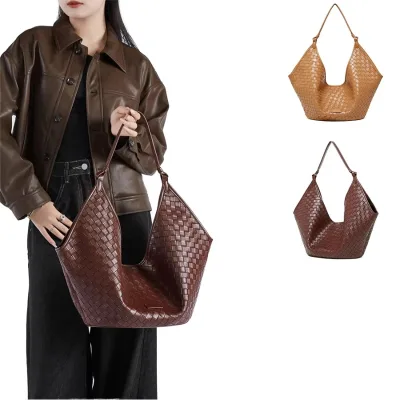
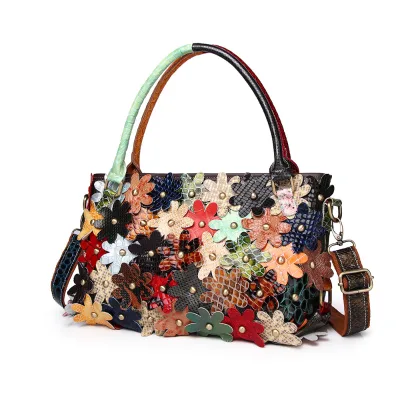


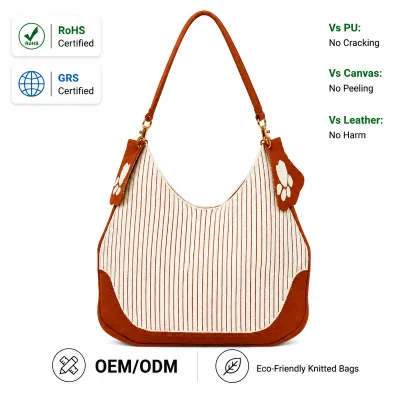
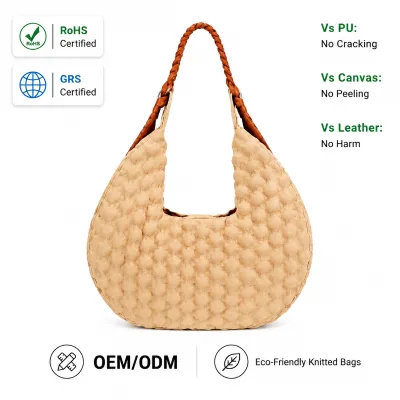


Comprehensive Sourcing Guide
Retro Hand Woven Hobo Bag Supplier Concentration and Factory Types
Sourcing a Retro Hand Woven Hobo Bag starts with understanding where the relevant supplier base actually sits. Supplier results for this category point to two Chinese provinces with active listings: Jiangsu and Guangdong. Jiangsu-based results include trading companies whose main products span luxury handbags, sling bags, tote bags, shopping bags, canvas bags and garment bags, with woven and hobo-style women's bags appearing among their product listings. Guangdong results include manufacturer/factory-type businesses whose main products cover fashion handbags, lady handbags, hobos, totes, satchels, wallets, backpacks, shoulder bags, canvas bags and nylon bags. This tells you the category is served both by intermediaries who consolidate weaving workshops and by factories that produce bags directly.
Because the category blends handcraft weaving with conventional bag assembly, supplier types behave differently. A trading company may coordinate several small workshops and offer breadth across woven, canvas and straw constructions, while a factory may control cutting, stitching and finishing but outsource braided or crochet elements. When you evaluate a supplier profile, check whether the company type is labeled as a trading company or a manufacturer/factory, since this affects who controls quality on the woven portion of the bag. If search results in your session show no location for a listing, do not assume a cluster; instead, ask the supplier directly for the production city, the workshop count behind woven styles, and whether the weaving step happens in-house or at a partner site.
How to Verify Retro Hand Woven Hobo Bag Suppliers
Verification for this category should focus on evidence rather than branding claims. In the observed supplier results, some suppliers carry an SGS verification label, which indicates a third-party business identity check rather than a product-quality audit; treat it as a baseline, not proof of weaving craftsmanship. Check whether the supplier's listings include concrete product evidence: for example, listings in this category include named products such as a vintage rope print canvas hobo handbag, a genuine cowhide leather hobo shoulder bag, hand woven small bags, woven evening clutches and woven leather handbags, with model numbers, packing methods, dimensions and origin fields filled in. A supplier whose woven-bag listings contain complete attribute data is easier to audit than one with only stock photos.
Next, verify production claims through questions tied to this product's construction. Ask how the woven body is produced, whether crochet or rope-weave steps are handmade, and request photos of the workshop floor showing weaving in progress. For verified labels, ask which entity was verified and whether the certificate covers the specific entity you would pay. Check responsiveness using the displayed response-time figure where available — observed suppliers show average response times of roughly five to six hours — and confirm the figure still holds by timing a sample inquiry. Finally, cross-check the main products list against your requirement: a supplier whose core range is handbags, hobos and totes is a stronger category fit than a general merchandise seller whose woven bag is a single opportunistic listing.
What to Compare Across Retro Hand Woven Hobo Bag Suppliers
Build a comparison table using the dimensions that supplier profiles actually display. In observed results, comparable fields include lead time, minimum order quantity, response time, company type, location, verification label and main products. Lead times differ sharply between the suppliers in this category: one Jiangsu-based supplier shows a lead time of around 15 days, while a Guangdong factory-type supplier shows roughly 45 days. That spread matters if you are replenishing a seasonal woven-bag program, so record each supplier's stated lead time and confirm it against your target ship date rather than assuming uniformity. MOQs also vary by product rather than supplier alone; observed listings show MOQs as low as 10 pieces for woven styles and woven PU bags, which supports small trial orders.
Beyond those headline numbers, compare product-level attributes that appear in listings: material (canvas, cowhide leather, PU, straw or rope weave), hardness, lining material, closure type, waterproofing claim, customization availability, logo acceptance, packing method and dimensions. One supplier lists OEM, ODM and own-brand capability, which is relevant if you need private-label woven bags, but do not assume every supplier offers the same services. Response time, where displayed, is a useful proxy for communication quality during a weaving-heavy production run that typically requires frequent approvals. Weigh verification labels, location and main-product fit together: a manufacturer with a longer lead time may still win if it controls the woven construction end to end.
Common Retro Hand Woven Hobo Bag Sourcing Risks
The first risk cluster concerns material and construction ambiguity. Listings in this category range from rope-print canvas and straw woven bags to genuine cowhide leather and PU woven bags, sometimes under similar "woven hobo" naming. A buyer ordering "woven" may receive machine-made PU embossed to look woven instead of hand-woven natural fiber or leather. Mitigate this by specifying the weave type, fiber or leather grade, lining material and closure in the purchase order, and by requiring a pre-production sample against the listing's stated attributes — observed listings provide dimensions such as 381323cm or 301323cm, which you can use as measurable checkpoints.
The second risk cluster concerns consistency and scale. Handmade crochet and rope weaving produce natural variation between units, so agree in writing on an acceptable variation range for weave tension, color and trim. Packing is frequently listed as a simple OPP bag or polybag, which offers little protection for woven straps and tassel hardware during transit; budget for reinforced inner cartons. Additional risks include customization promises that are not matched by a stated MOQ or logo process — some listings state customization is available and accept customized logos, so test that promise with a sample before committing. Finally, lead-time drift is a practical risk: hand weaving cannot be accelerated easily, so a supplier quoting a short lead time should be asked which portion of production is handmade. Verify the origin field on each listing rather than assuming all goods ship from the same province.
Retro Hand Woven Hobo Bag Regional Sourcing and Logistics
Within the evidence available for this category, Jiangsu and Guangdong are the two provinces represented in supplier locations, and they justify different logistics planning. A Jiangsu trading-company supplier in this data set shows a lead time of around 15 days, which suits faster replenishment cycles, while the Guangdong factory-type supplier shows roughly 45 days, consistent with made-to-order factory production. Guangdong's manufacturing base generally offers dense ancillary supply for hardware, zippers and leather trims, which matters for hobo bags combining woven bodies with metal rings or tassel hardware. Where a listing provides an origin field — for example, one woven clutch listing states Zhejiang, China — record it, because a single supplier may source different styles from different provinces.
Plan logistics around the fragility and bulk of woven bags. Hand-woven bodies resist compression better than structured leather bags, but tassel rings, braided handles and buckle hardware can deform under carton pressure, so specify inner boxing and desiccants for sea freight. Confirm with each supplier which port they habitually ship from, since province of registration does not always equal province of dispatch. For air freight trials at MOQ quantities around 10 pieces per style, dimensional weight of soft hobo shapes is usually manageable, but ask each supplier to confirm packed dimensions — several listings state individual item dimensions, and one lists a 221512 packing standard — before calculating freight. Never book freight against an assumed origin; use the supplier's stated origin and shipping point for every quote.
Retro Hand Woven Hobo Bag Commercial Terms and Order Planning
Commercial terms in this category reward staged commitments. Observed product pricing spans a wide band: woven PU small bags list at roughly 11–13 dollars, woven evening clutches at 16–19 dollars, canvas rope-print hobo bags around 22 dollars, cowhide leather hobo shoulder bags at 24.50 dollars, woven leather handbags at 37–40 dollars and grey leather hobo bags at 42.50 dollars. Use these bands only as an orientation, because material choice — PU versus genuine cowhide versus canvas — is the dominant price driver, not supplier identity. Open with sample orders at the low MOQs shown in listings, commonly 10 pieces, then negotiate tiered pricing for repeat orders. Confirm whether quoted prices are FOB or include inland charges, and whether the price holds across mixed colors, since some listings specify mixed-color assortments.
Order planning should respect the handmade component. Place woven-bag orders earlier than you would for machine-sewn canvas bags, buffer the supplier's stated lead time, and lock the production calendar against your season — several listings position these bags for summer, vacation and wedding-party use, so retail windows are concentrated. Agree on an inspection checkpoint after weaving but before final assembly, and define acceptance tolerances for weave irregularity. Confirm packing — many listings specify OPP bags or polybags — and negotiate upgraded export cartons. Finally, record which suppliers state OEM/ODM capability and logo acceptance, and validate customization cost with a paid sample before adding private-label requirements to a bulk purchase order.
FAQs
What is the typical lead time for retro hand woven hobo bags?
Lead times vary by supplier, with some offering 15 days and others requiring up to 45 days for production. Buyers should confirm specific timelines before ordering to ensure timely delivery for their inventory needs.
What is the minimum order quantity for these bags?
Most suppliers list a minimum order quantity of 10 pieces for retro hand woven hobo bags. Some specific models may require exactly 10 PCS, so verify the MOQ for your chosen style before finalizing the purchase.
Where are these bags typically manufactured?
Manufacturing locations include Jiangsu and Guangdong in China, with some products originating from Zhejiang. Buyers should check the specific origin listed for each product to understand the supply chain and logistics involved.
What materials are used for these handbags?
Materials range from canvas and PU to genuine cowhide leather and woven fabrics. Options include soft or medium soft hardness, with some featuring polyester or leather linings depending on the specific design and style selected.
Are customization options available for these bags?
Yes, customization is available for many models, including logo printing and design adjustments. Buyers can request specific colors, shapes, and packaging details to meet their brand requirements when sourcing these retro hand woven hobo bags.
What is the price range for these bags?
Prices typically range from 9.00 to 42.50 per unit depending on material and design. Canvas and PU options start lower, while genuine leather models command higher prices within this observed market range.
How quickly do suppliers respond to inquiries?
Response times vary, with some suppliers replying within approximately 5 to 6 hours. Buyers should expect different response speeds based on the specific supplier type, whether they are a trading company or a manufacturer.