Retro Finned Oil Pan Suppliers and Manufacturers in China
Compare 15 verified suppliers offering Retro Finned Oil Pan options with ISO certifications and OEM capabilities. Review lead times, MOQs, and response rates to select a factory in Zhejiang, China, then request quotes for specific models; review the available evidence before requesting comparable quotations from suitable candidates.
Suppliers List

Deqing Lizheng Metal Works Co., Ltd.
- Verified by SGS
- Combined
- China Zhejiang
- Lead time15 days
- Avg. response≤ 5h
Main productsWelding, Sheet Metal Fabrication, Medical Equipment Parts, Metal Casting, Fasteners
Main marketsDomestic

Ningbo Fausto Industry CO., Ltd.
- Manufacturer/Factory,Group Corporation
- China Zhejiang
- Lead time23 days
- Avg. response≤ 25h
Main productsDie Casting Parts, Telecommunication Equipments and Parts, Aluminum Die Casting, Mould, Mould Tooling, Mold, Auto Parts, Transmission, Oil Pan, Car Parts
Main marketsSouth America,Eastern Europe,North America,Eastern Asia,Oceania,Western Europe

Hangzhou Spenic Trading Co., Ltd.
- Trading Company
- Zhejiang, China
- Lead time45 days
- Avg. response≤ 7h
Main productsHand Toos,Auto Tools,Electric Tools,Outdoor Tools,Garden Tools
Main marketsEastern Europe(30.00%), North America(15.00%), Southeast Asia(15.00%), Africa(13.00%), South America(10.00%), Mid East(7.00%), Northern Europe(5.00%), Western Europe(5.00%)

Jinjiang Sidebo Technology Industrial Co., Ltd.
- Verified by CTI
- Trading Company,Manufacturer/Factory
- China Fujian
- Lead time23 days
- Avg. response≤ 7h
Main productsEngine Cylinder Block, Oil Pan Sump, Timing Cover, Oil Pickup Screen Connection Suction Strainer, Oil Dipstick and Lead Tube, Aluminum Oil Pan, Engine Oil Pump, Oil Pan and Cylinder Head Gasket, Expansion Freeze Plugs, Cylinder Head
Main marketsSouth America,North America,Western Europe

Chongqing Xinchenzhan Technology Co., Ltd.
- Trading Company
- Chongqing, China
- Lead time5 days
- Avg. response≤ 2h
Main productsEngine Assembly, Cylinder Blocks, Oil Pumps, Oil Sump, Cylinder Heads
Main marketsNorth America(20.00%), Eastern Europe(18.00%), South Asia(15.00%), Southeast Asia(15.00%), South America(10.00%), Western Europe(8.00%), Southern Europe(4.00%), Eastern Asia(3.00%), Africa(3.00%), Mid East(3.00%), Oceania(1.00%)
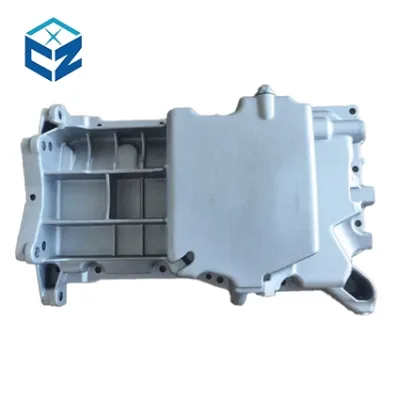
Brand New Aluminum Oil Pan for for 2.4L Engine Oil Pan Sump Castings 12578194/12601240/12578193
$22.66 - $23.68
MOQ: 50 pieces
Yongkang Qimei Industry & Trade Co., Ltd.
- Manufacturer, Trading Company
- Zhejiang, China
- Lead time15 days
- Avg. response≤ 5h
Main productscookware set,saucepot,saucepan,fry pan,wok
Main marketsNorth America(45.00%), South America(25.00%), Eastern Europe(5.00%), Africa(3.00%), Mid East(3.00%), Southeast Asia(2.00%), Western Europe(1.00%), Eastern Asia(1.00%)
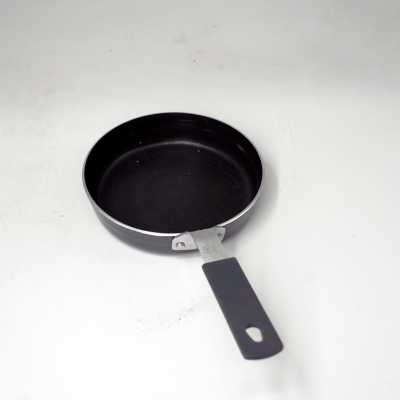
Aluminium Non Stick Deep Fryer Pan
$1.50 - $2.00
Contact supplier

Hebei Bigking Cookware Co., Ltd.
- Manufacturer/Factory
- China Hebei
- Lead time23 days
- Avg. response≤ 16h
Main productsCast Iron Cookware, Cast Iron Dutch Oven, Cast Iron Skillet, Cast Iron Grill Pan, Cast Iron Casserole, Cast Iron Oven Dish, BBQ, Fondue Set, Teapot, Frying Pan
Main marketsSouth America,Eastern Europe,North America,Western Europe

Hebei Debien Technology Co., Ltd.
- Verified by TUVRHEINLAND
- Trading Company
- China Hebei
- Lead time30 days
- Avg. response≤ 5h
Main productsCast Iron Pulley, Taper Lock Bush, Transmission Pulley, Casting Part, Cast Iron Cookware, Dutch Oven
Main marketsSouth America,Africa,Southeast Asia/ Mideast,East Asia(Japan/ South Korea),Europe,Australia,North America

Hot Selling Mini Oil Pan Small Frying Pan Cooking Pot Mini Milk Pot Hot Oil Hand Hot Oil Pan
$1.90 - $3.20
MOQ: 100 Pieces

Carbon Pans Pre-Seasoned Nonstick Cooking Wok Fry Pan Breakfast Frying Pan
$20.00 - $21.00
MOQ: 100 Sets

$1.90 - $3.20
MOQ: 100 Pieces

$13.50 - $15.80
MOQ: 100 Pieces

Hebei Cookwin Kitchen Products Co., Ltd.
- Verified by BV
- Trading Company,Manufacturer/Factory
- China Hebei
- Lead time30 days
- Avg. response≤ 2h
Main productsCast Iron Cookware, Cast Iron Casserole, Cast Iron Frypan, Cast Iron Skillet, Cast Iron Dutch Oven, Cast Iron Griddle, Cast Iron Fondue, Cast Iron Wok, Cast Iron Teapot, Cast Iron Pipe and Fitting
Main marketsSouth America,Eastern Europe,Mid East,North America,Southeast Asia,Eastern Asia,Oceania,Western Europe,Africa


Small Frying Pan Enameled Frypan Cookware Baking Pan Kitchen Cast Iron Deep Fryer
$2.00 - $4.00
MOQ: 100 Pieces


Hebei Shangqiao Imp. & Exp. Co., Ltd.
- Verified by SGS
- Trading Company
- China Hebei
- Lead time30 days
- Avg. response≤ 14h
Main marketsEurope,North America

Xingtai Huaiyang Enamel Co., Ltd
- Verified by SGS
- Trading Company
- China Hebei
- Lead time30 days
- Avg. response≤ 2h
Main productsCast Iron Cookware, Enamel Casserole, Cast Iron Dutch Oven, Cast Iron Skillet, Cast Iron Casserole, Cast Iron Fry Pan, Cast Iron Fondue Set, Cast Iron Pissa Pan, Cast Iron Pot, CAS Iron Griddle
Main marketsDomestic
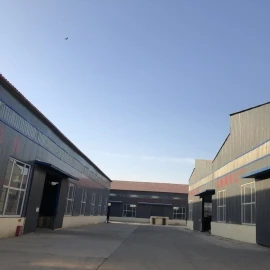
Hebei Langju Trading Co., Ltd.
- Trading Company
- Hebei, China
- Lead time60 days
- Avg. response≤ 10h
Main productscast iron fry pan,cast iron dutch oven,cast iron casserole,cast iron skillet,cast iron griddle pan
Main marketsNorth America(30.00%), Western Europe(25.00%), Domestic Market(10.00%), Oceania(10.00%), Africa(10.00%), Eastern Europe(10.00%), South America(5.00%)

- Verified by TUVRHEINLAND
- Trading Company
- China Zhejiang
- Lead time15 days
- Avg. response≤ 5h
Main productsHome, Kitchen, Outdoors, Garden, Sports, Travel, Pet Supplies
Main marketsNorth America

- Verified by SGS
- Trading Company,Manufacturer/Factory
- China Zhejiang
- Lead time23 days
- Avg. response≤ 6h
Main productsTent, Project Screen, Bicycle, Trampoline, Backpack, Kitchenware, Hammock, Pet Accessories, Garden Products
Main marketsSouth America,Eastern Europe,Mid East,North America,Southeast Asia,Eastern Asia,Oceania,Western Europe,Africa

Guangzhou ola Machinery Equipment Co., Ltd.
- Verified by SGS
- Combined
- China Guangdong
- Lead time23 days
- Avg. response≤ 3h
Main marketsDomestic


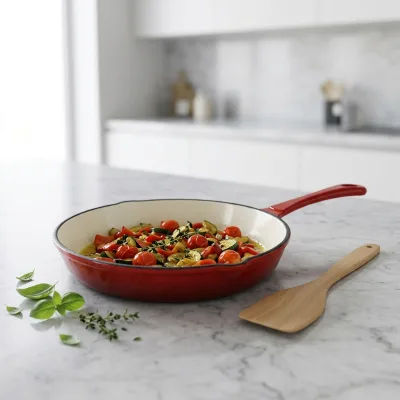
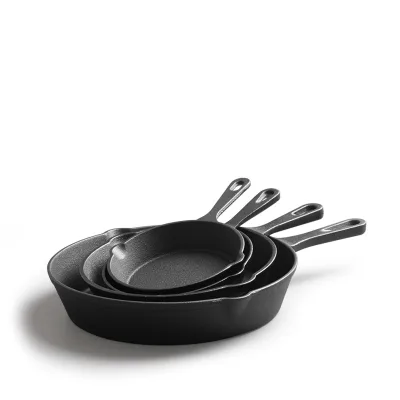


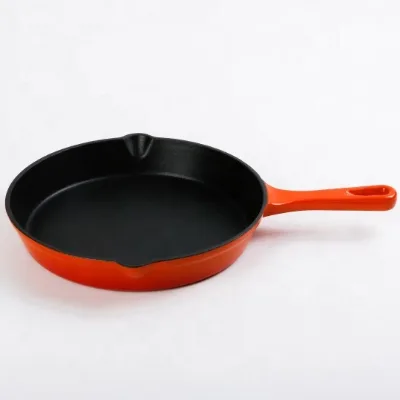


Comprehensive Sourcing Guide
Retro Finned Oil Pan Supplier Concentration and Factory Types
Current data indicates a concentration of manufacturing capabilities in Zhejiang, China, where suppliers offer combined operations including welding, sheet metal fabrication, and metal casting. These facilities often list main products such as cast aluminum oil pans, transmission oil pans, and various automotive engine components alongside other metal casting services. The supplier types observed range from combined entities to manufacturers, factories, and group corporations, suggesting a diverse ecosystem capable of handling complex casting requirements. Some suppliers also operate as trading companies, focusing on tools and equipment, which may offer different sourcing pathways for specific Retro Finned Oil Pan needs.
When evaluating the factory types, buyers should note that some entities possess ODM and OEM capacities, allowing for customization against original samples or drawings. This capability is critical for retro finned designs that may require specific modifications to fit older vehicle models. The presence of ISO 9001:2015 and TS 16949 certifications among these manufacturers signals a commitment to quality management systems, though buyers must verify if these specific standards apply to the Retro Finned Oil Pan production line. The mix of manufacturer and trading company profiles means that direct factory access might vary, influencing the level of technical support and customization flexibility available for specialized automotive casting projects.
How to Verify Retro Finned Oil Pan Suppliers
Verification processes should prioritize checking for specific system certifications like ISO 9001:2015, TS 16949, and ISO 14001, which appear in the profiles of several active suppliers. These certifications are essential for automotive parts, ensuring that the manufacturing processes meet rigorous quality and environmental standards. Buyers must also look for third-party verification badges, such as SGS, which provide an additional layer of trust regarding the supplier's operational integrity. It is crucial to confirm that these certifications are current and specifically cover the production of aluminum die casting parts, as general company certifications may not guarantee quality for specialized oil pan components.
Beyond certifications, response times and lead times serve as practical indicators of supplier reliability and operational efficiency. Data shows response times ranging from approximately 4.75 hours to 25 hours, with lead times varying between 15 and 45 days depending on the supplier and order complexity. A faster response time often correlates with better communication channels, which is vital when discussing technical specifications for retro finned designs. Buyers should verify these metrics directly with the supplier to ensure they align with project timelines, as a discrepancy between advertised and actual performance can lead to significant delays in the procurement of critical engine components.
What to Compare Across Retro Finned Oil Pan Suppliers
Comparative analysis should focus on key operational dimensions such as minimum order quantities (MOQ), delivery times, and pricing structures. Available data reveals MOQs ranging from 50 units for specific automotive series to 100 units for general cast aluminum pans, with some kitchenware suppliers listing significantly higher thresholds. Delivery times are similarly variable, with some suppliers offering a 15-day turnaround while others require up to 45 days. Buyers must carefully compare these figures against their inventory needs and production schedules to avoid stockouts or excessive holding costs, ensuring the selected supplier can meet the specific volume requirements for retro finned oil pans.
Pricing and customization options are equally critical factors in the comparison process. Product listings indicate price ranges that can vary significantly based on the specific application, such as models for Mitsubishi, Fiat, or GM series, with some items priced as low as $3.00 and others reaching $100.00. Customization availability is frequently noted as "Available," allowing for tailored solutions, but buyers must confirm the scope of these customizations, including surface finishes like polishing and specific packing requirements. Additionally, warranty terms, often cited as 24 months, should be compared to assess the long-term value and risk mitigation offered by different suppliers, ensuring the final selection balances cost with quality assurance.
Common Retro Finned Oil Pan Sourcing Risks
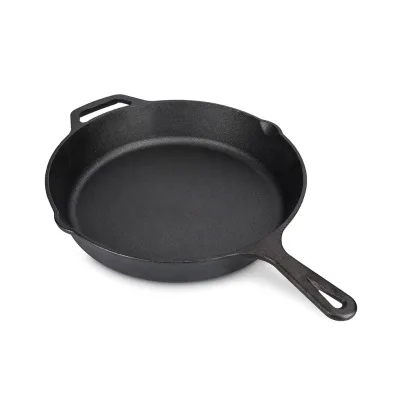
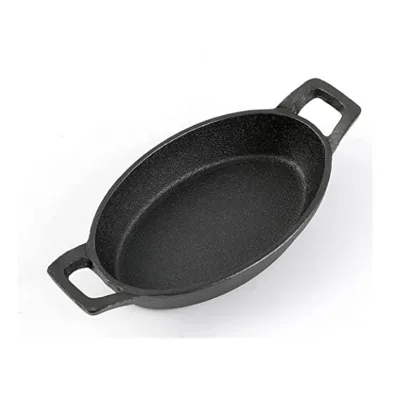
One significant risk involves the potential mismatch between product categorization and actual application, as some listings appear under unrelated categories like kitchenware or cookware. For instance, certain oil pan products are categorized under "Home & Garden" or "Cookware," which may indicate a lack of specialized automotive focus or a mislabeling of the product's intended use. Buyers must rigorously verify that the listed product is indeed an automotive oil pan designed for vehicles like cars, trucks, or tractors, rather than a kitchen utensil, to avoid receiving non-compliant parts that cannot be installed in an engine system.
Another risk pertains to the consistency of material specifications and certification claims. While many suppliers list ISO certifications and aluminum material types, the specific grade of aluminum or the exact casting process used for retro finned designs may not be detailed in the initial product attributes. There is also a risk regarding the "as drawing" standard, which implies that the final product depends entirely on the provided design; any ambiguity in the drawing could lead to manufacturing errors. Buyers should request detailed material test reports and process validation documents to ensure the oil pans meet the necessary durability and performance standards for automotive applications.
Retro Finned Oil Pan Regional Sourcing and Logistics
Sourcing from Zhejiang, China, offers access to a robust manufacturing cluster specializing in metal casting and automotive parts, but it introduces specific logistical considerations. The region's concentration of suppliers means buyers can often find multiple options for similar products, yet shipping times and costs will vary based on the specific factory location within the province. Lead times observed in the data, ranging from 15 to 45 days, must be factored into the total delivery timeline, including international freight and customs clearance. Buyers should plan for these variables to ensure timely arrival of parts, especially for retro projects where engine availability might be limited.
Logistics planning also requires attention to packaging standards, which can impact the safety of the oil pans during transit. Product attributes indicate packing methods such as pallets, cartons, or shipping cartons, with some suppliers offering specific protection for delicate cast aluminum parts. For international orders, verifying that the packaging meets export standards is essential to prevent damage during shipping. Additionally, buyers should confirm the origin of the goods, as some listings explicitly state "China" as the place of origin, which may influence tariff classifications and import duties. Understanding these regional logistics nuances helps in creating a realistic procurement schedule and budget.
Retro Finned Oil Pan Commercial Terms and Order Planning
Commercial terms for retro finned oil pans often include specific warranty periods, with 24 months being a common offering across various automotive series. Buyers must clarify the scope of this warranty, including whether it covers manufacturing defects, material failures, or installation issues, as terms can vary between suppliers. Payment terms and escrow options should also be negotiated to protect the buyer's financial interests, ensuring that funds are only released upon satisfactory delivery and inspection of the goods. Understanding these commercial conditions is vital for managing risk and ensuring a smooth transaction process.
Order planning should account for the variability in lead times and the potential need for sample approval before full-scale production. With lead times ranging from 15 to 45 days, early planning is essential to avoid production bottlenecks. Buyers should also consider the MOQ requirements, which can range from 50 to 500 units depending on the supplier and product type. For smaller orders, negotiating a lower MOQ or combining orders with other components might be necessary. Additionally, confirming the customization process, including the acceptance of custom logos and specific design modifications, ensures that the final product meets the exact requirements of the Retro Finned Oil Pan project.
FAQs
What is the typical lead time for oil pan orders?
Lead times vary by supplier and product type. Some manufacturers offer a 15-day delivery window for cast aluminum oil pans, while others may require up to 23 days for die casting parts. Buyers should verify specific timelines based on their order volume and customization needs before confirming production schedules.
Which certifications do these oil pan suppliers hold?
Many suppliers provide ISO 9001:2015 certificates, and some hold additional TS 16949 or ISO 14001 certifications. These standards ensure quality management and environmental compliance. Buyers should request current certification documents to verify that the supplier meets specific industry requirements for automotive or industrial applications.
What is the minimum order quantity for oil pans?
Minimum order quantities differ significantly across suppliers. Some manufacturers require a minimum of 50 units for specific series, while others set the threshold at 100 units. A separate cookware supplier lists a much higher MOQ of 500 units. Buyers must check the specific product listing for the exact requirement.
Are customization options available for oil pan designs?
Yes, customization is available for many oil pan products. Suppliers offer OEM and ODM services, allowing buyers to request specific drawings or original samples. Customization options include surface finishes like polishing and specific material requirements. Buyers should confirm design capabilities and associated costs with the supplier directly.
Where are the oil pan manufacturers located?
The primary manufacturing locations for these suppliers are in Zhejiang, China. This region is known for its metal fabrication and casting capabilities. Buyers sourcing from this area should consider logistics and shipping times when planning their procurement strategy for automotive parts or industrial equipment components.
What is the response time for supplier inquiries?
Response times vary among the listed suppliers. Some companies respond within approximately 4.75 hours, while others may take up to 25 hours to reply. Trading companies might have different response speeds compared to manufacturers. Buyers should expect varying reply times and plan their communication accordingly.
What materials are used for the oil pans?
The oil pans are primarily made from cast aluminum or aluminum die casting materials. Some products specify wet oil pan types with polishing surface finishes. Buyers should verify the exact material grade and composition to ensure compatibility with their engine systems and to meet specific durability or weight requirements.