Retro Antique Brass Portable Compass Suppliers and Manufacturers
Compare 24 suppliers of the Retro Antique Brass Portable Compass across verified sourcing profiles, customization options, lead times, and order terms. Browse product listings, then contact shortlisted suppliers to request quotes and samples; review the available evidence before requesting comparable quotations from suitable candidates.
Suppliers List

- Verified by SGS
- Trading Company
- China Zhejiang
- Lead time15 days
- Avg. response≤ 13h
Main productsTents, BBQ Grill, Folding Table and Chair, Cooler Bag, Outdoor Lamp, Beach Mat, Picnic Blanket, Sleeping Bag, Water Bottle, Hammock
Main marketsEurope,Australia


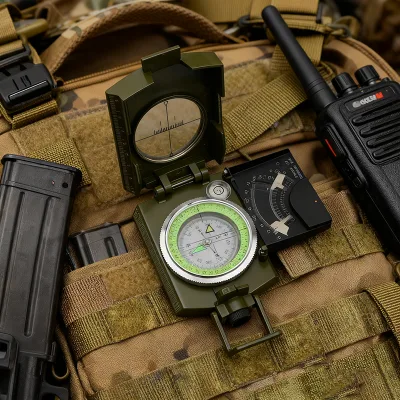
Functional Pocket Camping Vintage Antique Navigational Nautical Marine Lensatic Compass
$0.40 - $0.42
MOQ: 2500 Pieces

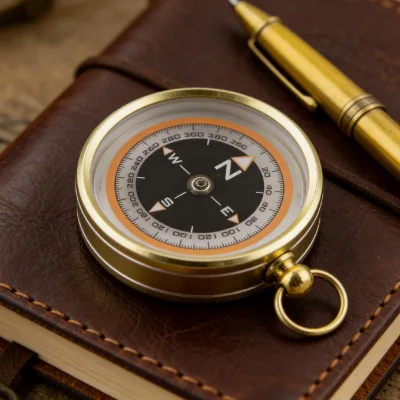
Graduation Gifts Camping Boating Hikers Man Leather Antique Brass Compass
$1.80 - $2.00
MOQ: 500 Pieces

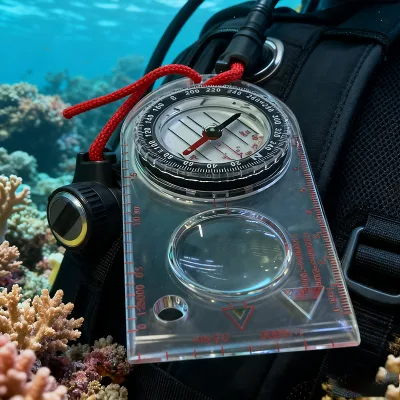
Compact Accurate Simple Sighting Mirror Plastic Portable Exploration Compass
$0.80 - $1.00
MOQ: 1000 Pieces
Jaxy Optical Instrument Co., Ltd.
- Manufacturer, Trading Company
- Lead time旺季: "1 - 500":15,"> 500":"To be negotiated", 淡季: "1 - 500":15,"> 500":"To be negotiated"
- Avg. response≤ 3h
Main productsBinoculars and Telescope, Magnifier, Whistle, Compass, 3D glasses
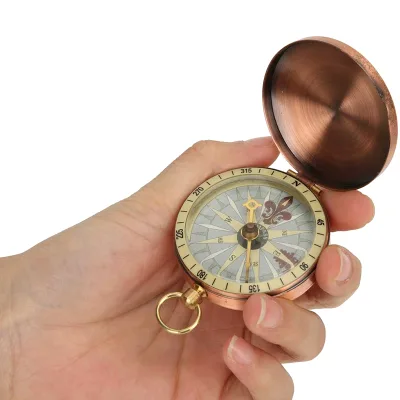
Portable Vintage Retro Flip Cover Metal Copper Compass for Camping Hiking Boating
$2.55 - $3.50
MOQ: 100 pieces
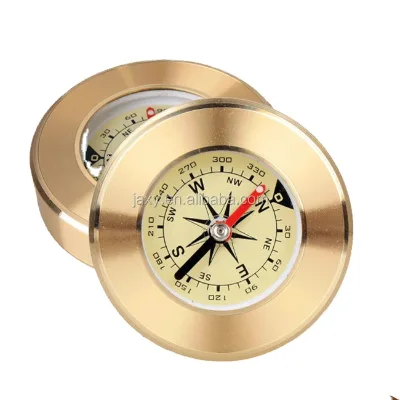
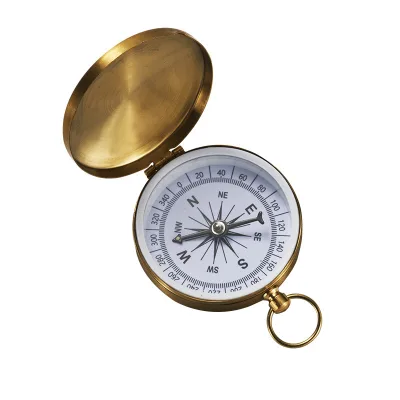
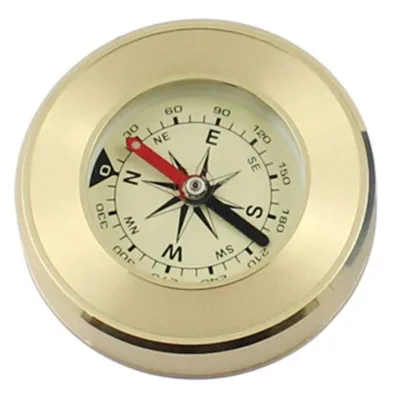
Antique Metal Crafts Gift Travel Souvenir 57mm Small Pocket Brass Compass
$1.95 - $2.40
MOQ: 500 pieces
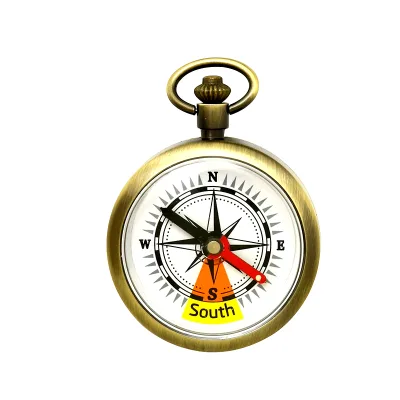
Antique Bronze Vintage Zinc Alloy Compass for Outdoor Collectors Sailing Hiking
$1.95 - $2.89
MOQ: 100
Hangzhou Power Outdoor Products Co., Ltd.
- Trading Company
- Zhejiang, China
- Lead time20 days
- Avg. response≤ 1h
Main productsoutdoor tents,outdoor furnitures,hiking bags,outdoor lighting,outdoor kitchen
Main marketsNorth America(20.00%), Mid East(10.00%), Oceania(10.00%), Northern Europe(10.00%), Eastern Asia(10.00%), South America(10.00%), South Asia(5.00%), Southern Europe(5.00%), Southeast Asia(5.00%), Central America(5.00%), Western Europe(5.00%), Eastern Europe(5.00%)
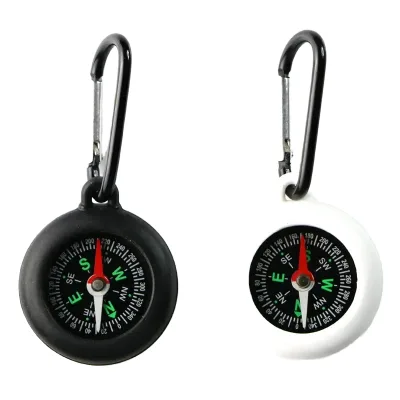
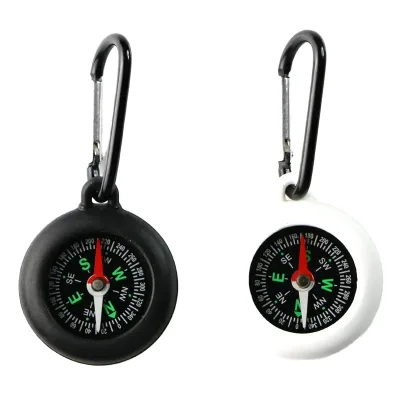
Nautical Antique Brass Compass with Leather Cover - Classic Maritime Navigation Tool and Collectible
$0.63 - $0.66
MOQ: 1 pieces
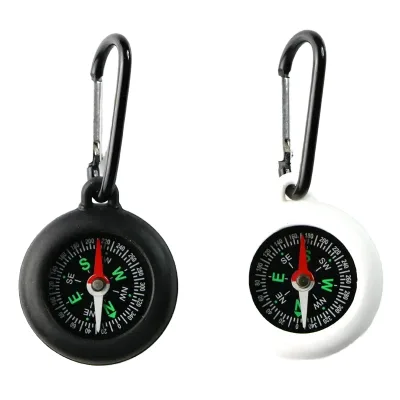
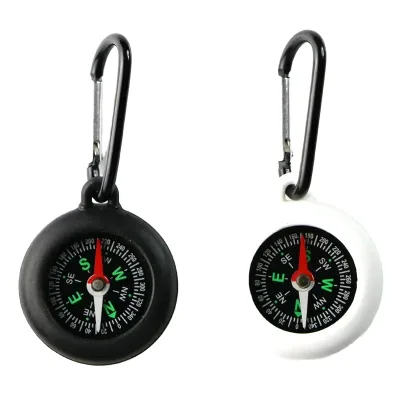
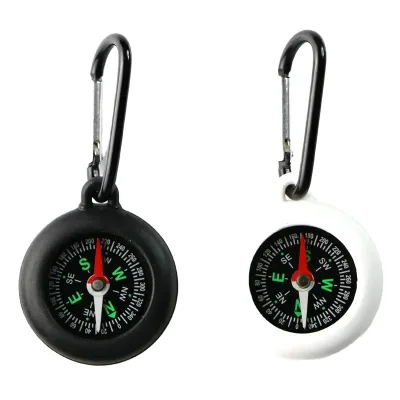
$0.63 - $0.66
MOQ: 1 pieces
Shenzhen Hui Shi Da Technology Co., Ltd.
- Manufacturer, Trading Company, Agent
- Guangdong, China
- Lead time0 days
- Avg. response≤ 2h
Main productsComputer accessories,LED Series,Consumer Electronics,Auto and motorcycle parts,Cars motorcycles
Main marketsEastern Europe(22.10%), North America(20.50%), Western Europe(15.60%), South Asia(12.30%), South America(10.40%), Africa(9.50%), Northern Europe(8.60%), Southern Europe(1.00%)

Jaxy Optical Instrument Co., Ltd.
- Manufacturer, Trading Company
- Zhejiang, China
- Lead time30 days
- Avg. response≤ 3h
Main productsbinoculars,telescope,magnifier,campig survival tool,3d glasses
Main marketsNorth America(35.00%), Eastern Europe(30.00%), South America(15.00%), Northern Europe(5.00%), Western Europe(3.00%), Southeast Asia(3.00%), Africa(3.00%), South Asia(2.00%), Southern Europe(2.00%), Mid East(1.00%), Central America(1.00%)
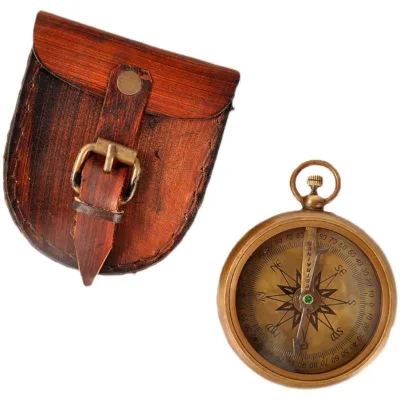
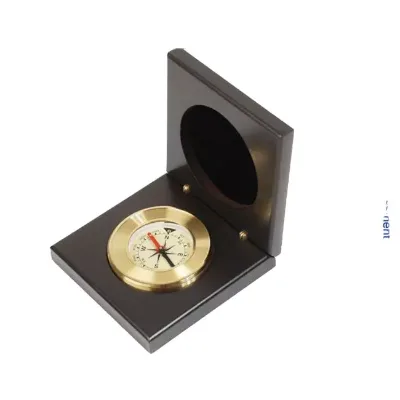
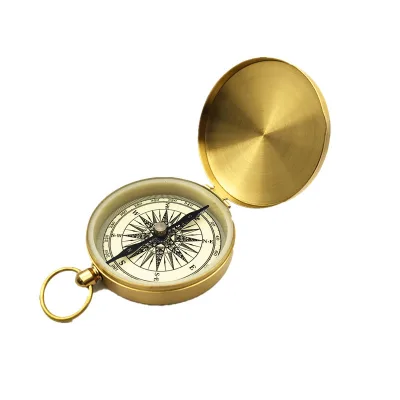
Antique Brass Engraved Pocket Compass Wholesale Navigation Positioning Equipment
$3.55 - $4.50
MOQ: 100 pieces
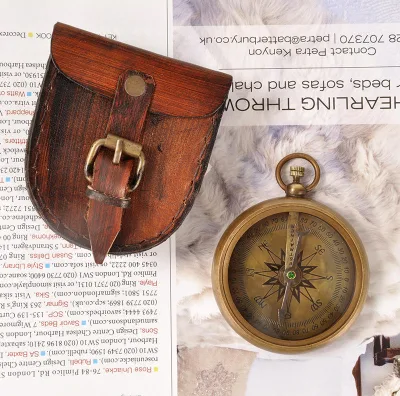
$29.10 - $29.90
MOQ: 100 pieces
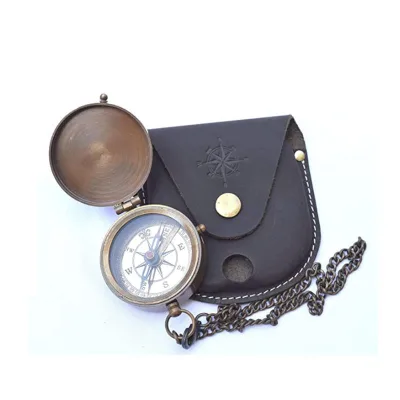
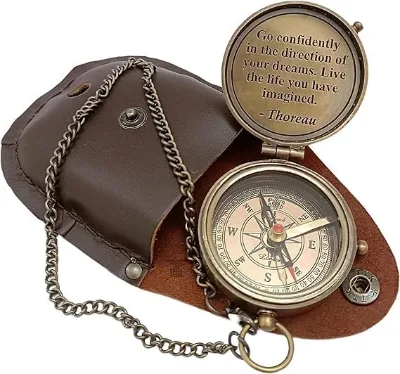
Nautical Brass Compass with Leather Case for for Birthday Wedding Valentine's Day Hiking
$1.37 - $2.01
MOQ: 100 pieces
YINGTAN CITY AOXIANG OPTICS CO., LTD.
- Verified by SGS
- Combined
- China Jiangxi
- Lead time15 days
- Avg. response≤ 3h
Main productsRiflescope, Binoculars, Astronomical Telescope, Range Finder, Magnifier, Compass, Night Vision, Gun Brush, DOT Sight, Spotting Scope
Main marketsSouth America,East Asia(Japan/ South Korea),Domestic,Europe,Australia,North America

Map Outdoor Adventure Functional Compass Foldable Portable Compass for Travel
$0.70 - $1.30
MOQ: 100 Pieces

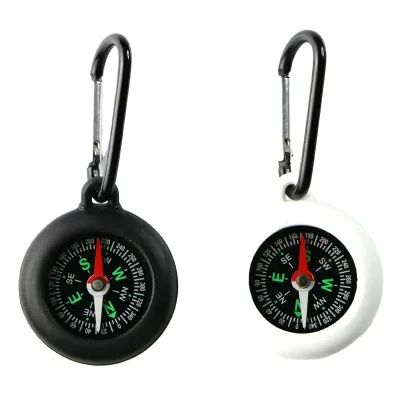
Portable Outdoor Adventure Compass Functional Clip Carabiner Compass for Travel
$1.00 - $1.60
MOQ: 100 Pieces

Multifunctional Outdoor Adventure Zinc Alloy Body Compass Waterproof Metal Compass
$1.50 - $2.50
MOQ: 100 Pieces

Hot Sale Compass Outdoor Adventure DC30-1 Compass for Adults and Children
$0.70 - $1.00
MOQ: 100 Pieces
Yiwu Runson Outdoor Products Co., Ltd.
- Trading Company
- Zhejiang, China
- Lead time15 days
- Avg. response≤ 7h
Main productsOutdoor survival kit,Outdoor whistle,Outdoor compass,Outdoor poncho,Outdoor sleeping bag
Main marketsNorth America(50.00%), Western Europe(10.00%), Eastern Europe(10.00%), South America(10.00%), Central America(5.00%), Southern Europe(5.00%), South Asia(2.00%), Africa(2.00%), Eastern Asia(2.00%), Mid East(2.00%), Oceania(1.00%), Southeast Asia(1.00%)
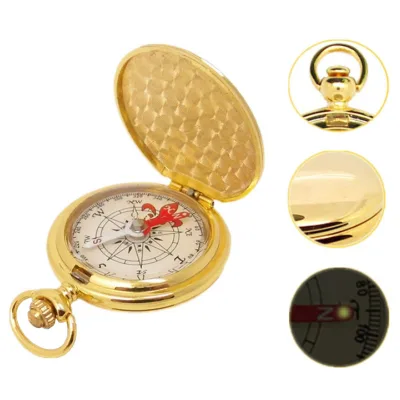
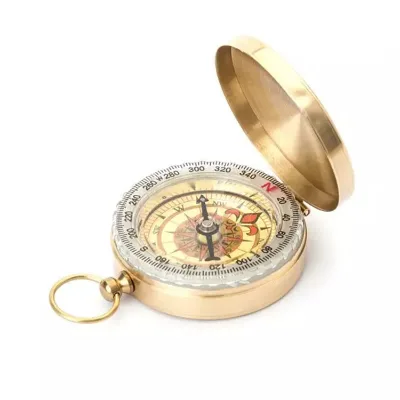
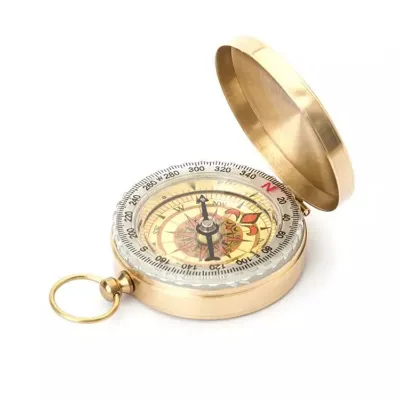
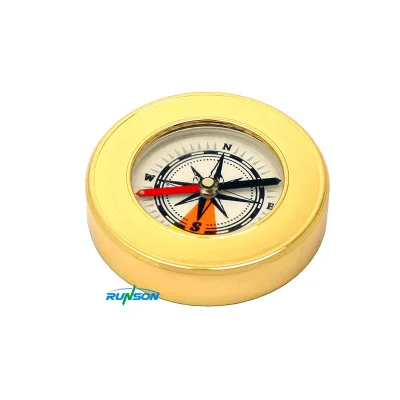
$1.85 - $2.15
MOQ: 1000 pieces
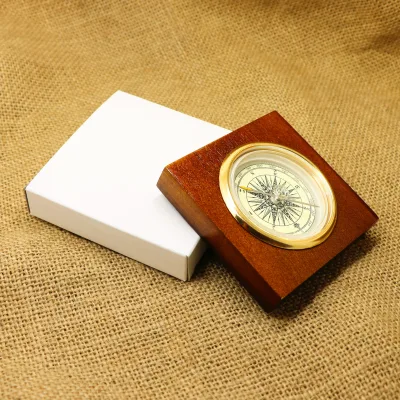

Zhangzhou Green-Lake Import & Export Co., Ltd.
- Verified by TUVRHEINLAND
- Trading Company
- China Fujian
- Lead time15 days
- Avg. response≤ 17h
Main productsCanned Food
Main marketsSouth America,Eastern Europe,Mid East,North America,Southeast Asia,Eastern Asia,Oceania,Western Europe,Africa

- Verified by BV
- Trading Company
- China Fujian
- Lead time23 days
- Avg. response≤ 4h
Main productsMouth Care and Soap, Field Kitchen Trailer, Camping Tents, Boots and Shoes, Camo Uniform and Clothes, Outdoor Backpacks and Bags, Camouflage Net and Ghillie Suit, Blankets and Sleeping Bags, Canteens and Mess Tins, Tactical Helmet
Main marketsSouth America,Africa,Southeast Asia/ Mideast,East Asia(Japan/ South Korea),Europe,Australia,North America


Luminous Portable High-Precision American Multi-Functional Outdoor Camping Compass
$6.30 - $7.00
MOQ: 2 Pieces

Daqin (luoyang) Supply Chain Co., Ltd.
- Manufacturer, Trading Company
- Henan, China
- Lead time0 days
- Avg. response≤ 2h
Main productsToy Gun,Toy Gun Model,Simulation Toy Weapons,Outdoor Sports,Stuffed Toys
Main marketsEastern Europe(20.00%), Southern Europe(20.00%), Western Europe(20.00%), South America(10.00%), Northern Europe(10.00%), Central America(10.00%), North America(10.00%)
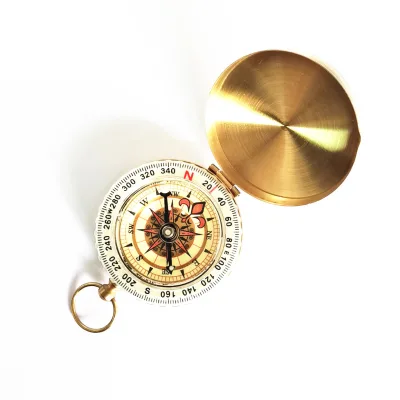
Wholesale Portable Brass Golden Compass for Camping Hiking and Navigation for Outdoor Activities
$1.18 - $1.40
MOQ: 10 pieces
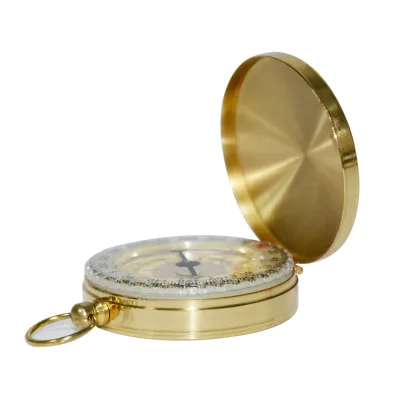
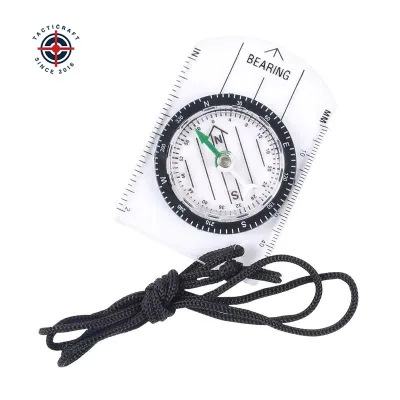
$0.40 - $0.58
MOQ: 10 pieces

Chongqing Dontop Optics Co., Ltd.
- Trading Company,Manufacturer/Factory
- China Chongqing
- Lead time38 days
- Avg. response≤ 5h
Main productsBinoculars, Rifle Scope, Range Finder, Spotting Scope, Telescope, Lenses, Red DOT, Night Vision, Monoculars, Mount
Main marketsSouth America,Eastern Europe,Mid East,North America,Southeast Asia,Eastern Asia,Oceania,Western Europe,Africa

Jinjiang Jiayi Supply Chain Management Co., Ltd.
- Verified by BV
- Trading Company
- China Fujian
- Lead time30 days
- Avg. response≤ 1h
Main productsGift, Shoe, Garment, Machine
Main marketsDomestic


Outdoor Wilderness Survival Multifunctional Waterproof Clamshell Compass
$0.48 - $0.55
MOQ: 200 Pieces
- Verified by TUVRHEINLAND
- Trading Company
- China Zhejiang
- Lead time30 days
- Avg. response≤ 11h
Main productsSports and Outdoor
Main marketsSoutheast Asia/ Mideast,Europe
Ningbo Tombo Outdoors Co., Ltd.
- Trading Company
- Zhejiang, China
- Lead time25 days
- Avg. response≤ 6h
Main productsOutdoor Goods,Head Lamp,Optical Binocular,Magnifier,Compass
Main marketsNorth America(30.00%), Western Europe(10.00%), Central America(5.00%), South America(5.00%), Southern Europe(5.00%), Mid East(5.00%), South Asia(5.00%), Northern Europe(5.00%), Eastern Europe(5.00%), Southeast Asia(4.00%), Eastern Asia(2.00%), Domestic Market(1.00%), Africa(1.00%)

Shanghai Claymore Industrial Co., Ltd.
- Trading Company,Manufacturer/Factory
- China Shanghai
- Lead time45 days
- Avg. response≤ 5h
Main productsMilitary Uniform, Body Armor, Combat Packs, Tent, Helmet, Camping, Knit Clothing, Boot, Belt, Military Caps
Main marketsSouth America,Eastern Europe,Mid East,North America,Southeast Asia,Eastern Asia,Oceania,Western Europe,Africa
Cixi Mengkeyuan E-Commerce Co., Ltd.
- Trading Company
- Zhejiang, China
- Lead time0 days
- Avg. response≤ 4h
Main productsDream Catcher,Wind Chime,Hand-woven Boho Tapestry,Handmade Car Pendant,Crystal Pendant
Main marketsNorth America(20.00%), Northern Europe(10.00%), Western Europe(10.00%), Eastern Europe(10.00%), Mid East(10.00%), Southern Europe(5.00%), Africa(5.00%), Central America(5.00%), Southeast Asia(5.00%), Eastern Asia(5.00%), South America(5.00%), Oceania(5.00%)
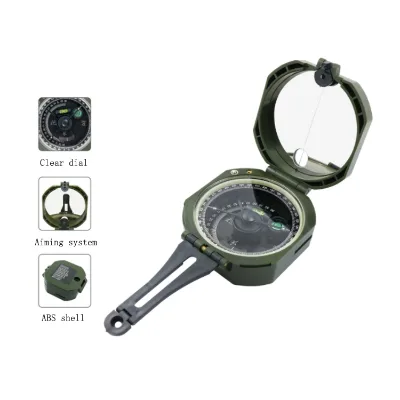
High-Precision Professional Outdoor Multi-Functional Geological Compass Novelty Gift
$8.96 - $11.91
MOQ: 1 Minimum
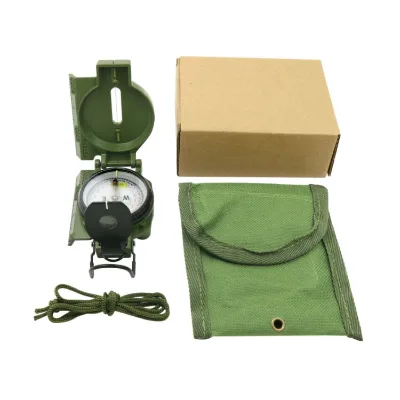
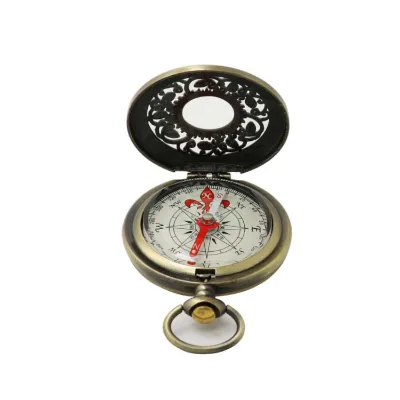

Ningbo Barride Optics Co., Ltd.
- Trading Company,Manufacturer/Factory
- China Zhejiang
- Lead time75 days
- Avg. response≤ 3h
Main productsMicroscope, Telescope, Binoculars, Riflescope, Magnifier, Spotting Scope, Range Finer, Astronomical Telescope, Night Vision, Biological Microscope
Main marketsSouth America,Eastern Europe,Mid East,North America,Southeast Asia,Eastern Asia,Oceania,Western Europe,Africa

Zhongshan Refine Clock Watch Co., Ltd.
- Manufacturer, Trading Company
- Guangdong, China
- Lead time40 days
- Avg. response≤ 6h
Main productsclock,Mechanical movement,Mechanical table clock,Gift clock,awards
Main marketsSouthern Europe(25.00%), North America(20.00%), Western Europe(10.00%), Mid East(10.00%), Northern Europe(5.00%), Central America(5.00%), Southeast Asia(5.00%), South America(5.00%), Eastern Europe(5.00%), South Asia(5.00%), Eastern Asia(3.00%), Africa(2.00%)
Betoyy (yiwu) Outdoor Supplies Co., Ltd.
- Trading Company
- Zhejiang, China
- Lead time20 days
- Avg. response≤ 2h
Main productsCamping accessories,survival kit,whistle,compass,travel bag
Main marketsNorth America(25.00%), Northern Europe(15.00%), South Asia(8.00%), Southeast Asia(8.00%), Oceania(8.00%), Eastern Europe(6.00%), Domestic Market(5.00%), Eastern Asia(5.00%), Mid East(5.00%), Southern Europe(4.00%), Central America(4.00%), South America(3.00%), Western Europe(2.00%), Africa(2.00%)

Changzhou KB Instruments & Meter Co., Ltd.
- Trading Company
- China Jiangsu
- Lead time30 days
- Avg. response≤ 3h
Main productsPressure Gauge, Manometer, V Line Thermometer, Industrial Thermometer, Bimetal Thermometer, Exhaust Gas Thermometer, Digital Pressure Gauge, Digital Thermometer, Nautical Barometer, Nautical Quartz Clock
Main marketsAfrica,Southeast Asia/ Mideast,East Asia(Japan/ South Korea),Domestic,Europe,Australia

Chongqing Minghao Optical Equipment Co., Ltd.
- Manufacturer, Trading Company
- Chongqing, China
- Lead time30 days
- Avg. response≤ 3h
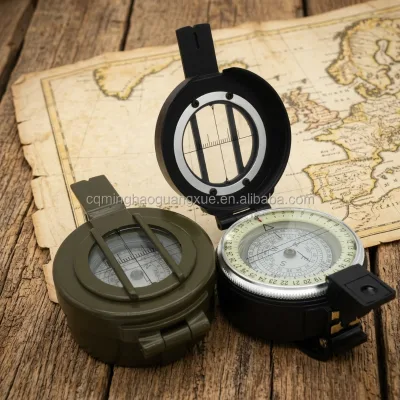
Main productsMonocular,Binocular,Magnifier,Spotting Scope,Compass
Main marketsDomestic Market(60.00%), North America(30.00%), Northern Europe(10.00%)
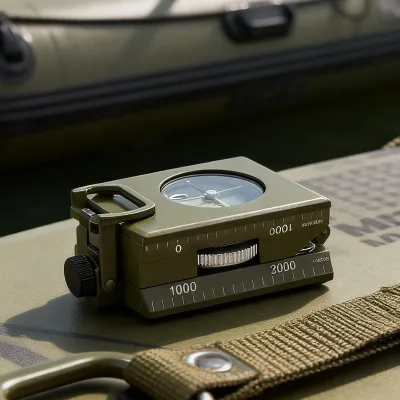
Hot Sells Flip Compass Professional Outdoor Hiking Adventure Compass Acrylic Magnetic Compass
$2.15 - $3.38
MOQ: 5 pieces
Hefei Johold Outdoor Products Co., Ltd.
- Trading Company
- Anhui, China
- Lead time15 days
- Avg. response≤ 2h
Main productsSurvival Kits,Flashlight,Emergency Whistle,Camping Tent,Tactical backpack
Main marketsNorth America(30.00%), Western Europe(20.00%), Northern Europe(15.00%), Eastern Europe(15.00%), Southeast Asia(5.00%), South America(5.00%), Eastern Asia(5.00%), Africa(5.00%)
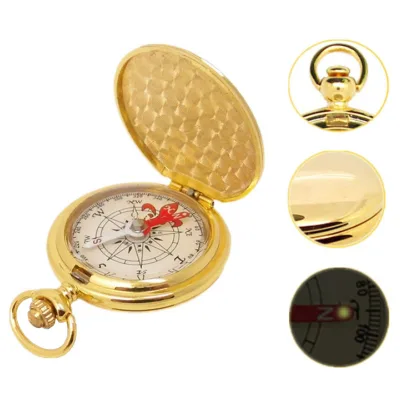
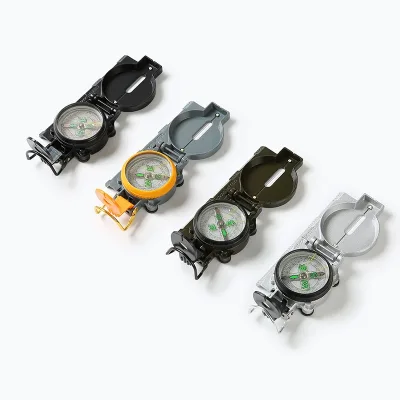
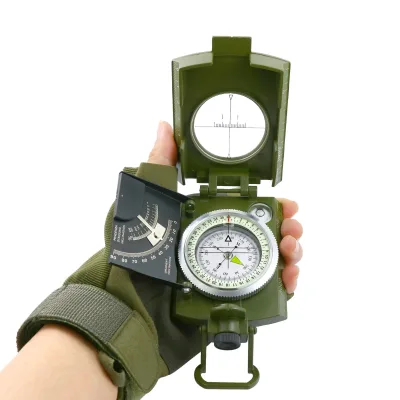
Johold High Quality Professional Rule Compass Metal Multifunctional Compass with Carry Bag
$5.88 - $6.45
MOQ: 50 pieces
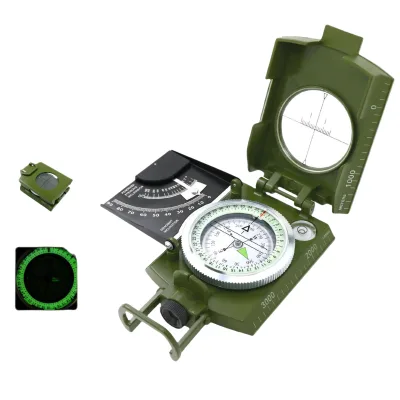
2024 High Quality Professional Rule Compass Metal Multifunctional Compass with Carry Bag
$5.88 - $6.45
MOQ: 50 pieces
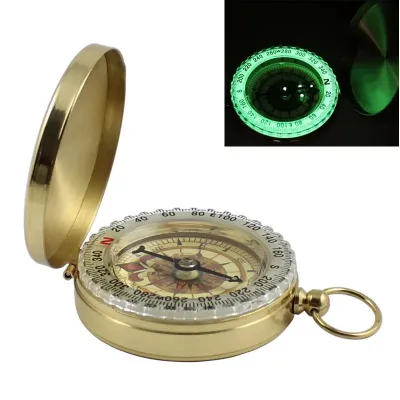
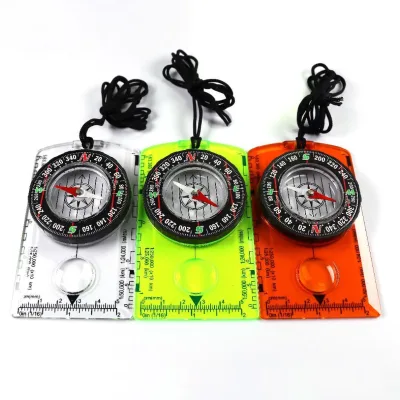

- Trading Company,Manufacturer/Factory
- China Guangdong
- Lead time23 days
- Avg. response≤ 3h
Main productsBow Thrusters, Windlasses, Winches, Capstan, Lifeboat, Mooring Bollards, Centrifugal Pumps, Gangway Ladder, Accommodation Ladder, Panama Chocks
Main marketsSouth America,Eastern Europe,Mid East,North America,Southeast Asia,Eastern Asia,Oceania,Western Europe,Africa

- Verified by BV
- Trading Company,Manufacturer/Factory
- China Zhejiang
- Lead time23 days
- Avg. response≤ 5h
Main productsSpiral Slicer, Tent, Hammock, Garden Decoration, Garden Light, Kitchenware, Homeware, Camping, Travel Suitcase, Organizer
Main marketsSouth America,Eastern Europe,Mid East,North America,Southeast Asia,Eastern Asia,Oceania,Western Europe,Africa


Multifunctional Waterproof Compass, Durable Compass for Underwater Navigation Ci19058
$17.78 - $21.34
MOQ: 100 Pieces




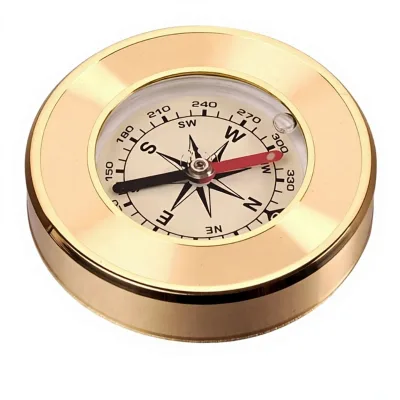
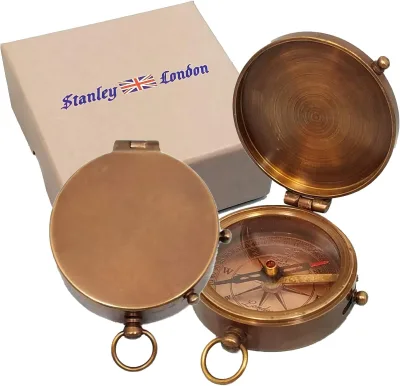
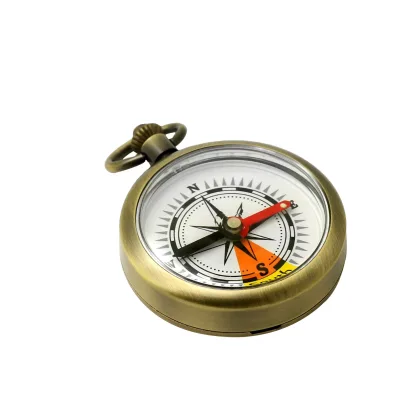
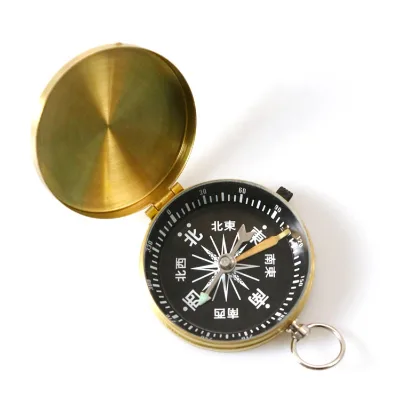
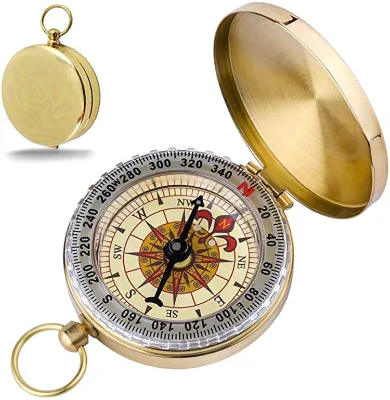


Comprehensive Sourcing Guide
Retro Antique Brass Portable Compass Supplier Concentration and Factory Types
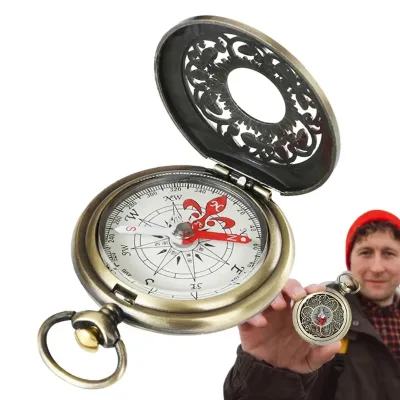
When sourcing Retro Antique Brass Portable Compass units, the first structural question is who actually makes them. The search results here show suppliers based in Zhejiang, China, listing compasses among broader camping and outdoor product lines such as tents, BBQ grills, folding tables, cooler bags and sleeping bags. This pattern matters: a supplier whose catalog is dominated by general outdoor goods may treat compasses as a sideline, while others list binoculars, telescopes, magnifiers, whistles and compasses together, suggesting an optics-and-navigation specialization. Neither profile is automatically better, but the mix tells you where a compass order sits in that supplier's revenue and attention.
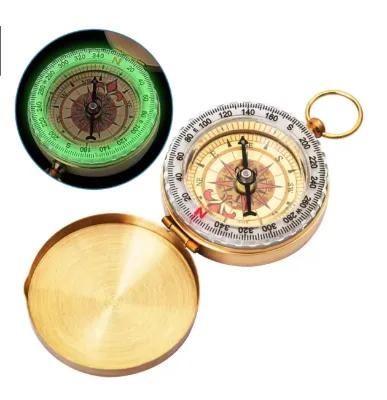
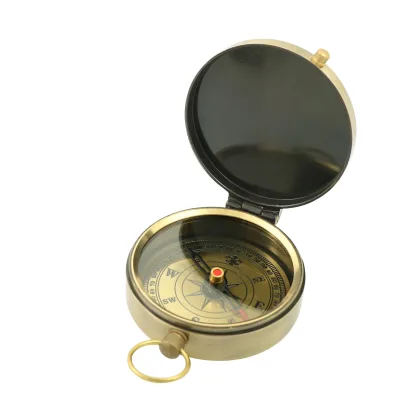
Company type is the second structural filter. Results include pure trading companies as well as combined manufacturer-and-trading-company profiles. For a decorative, brass-finished collectible item with engraving and antiquing work, a manufacturer profile may give you more direct control over finishing quality, while a trading company can aggregate complementary gift packaging and multiple compass models. The product records themselves reveal capability signals worth noting: models offering ODM and OEM service, customization marked as available, and attributes covering engraving, waterproofing, noctilucence and antique finishes. Where a location is not displayed or is vague, do not assume a cluster; instead, ask each supplier for its factory address and the city where brass machining and antique finishing are actually performed, then triangulate that address against business licenses and third-party audit reports before committing.
How to Verify Retro Antique Brass Portable Compass Suppliers
Verification should start with the credentials visible on the platform profile and move quickly to documents you request directly. In the current results, one supplier shows SGS verification, which is a meaningful third-party screening signal but not a substitute for your own checks. Response time is another displayed data point: some profiles show multi-hour response figures, and a supplier answering in roughly three hours is structurally easier to develop than one averaging around twelve, though both figures are snapshots rather than guarantees. Treat displayed response times as a screening heuristic, then test responsiveness yourself with a technical question about antique finishing or liquid-damped movements.
Beyond platform labels, verify what the product pages assert. Listings here describe compasses as waterproof, quakeproof, durable and safe, with functions spanning navigation, barometer, thermometer, hygrometer and altimeter readings. Ask each supplier which of those claims are tested, by whom, and request sample units so you can check needle accuracy, liquid damping, hinge durability and the consistency of the brass antiquing across several pieces. Request the business license, confirm the registered name matches the receiving bank account, and ask whether the entity is a manufacturer or trading company and where production occurs. For engraving-heavy gift models, ask who performs the engraving and request photos of work-in-progress. Finally, confirm model numbers, since the listings reference specific codes such as WXY- and WDC- series models; a supplier who cannot document its own model numbering is a risk flag regardless of how polished the storefront appears.
What to Compare Across Retro Antique Brass Portable Compass Suppliers
Build a comparison sheet from attributes suppliers actually display, and never assume every supplier publishes the same fields. Lead time is a strong example: one profile here shows a flat 15-day lead time, while another scales by order quantity, quoting 15 days for 1 to 500 units and requiring negotiation above 500 in both peak and off-peak seasons. That difference changes your reorder planning depending on expected volumes. Response time, discussed earlier, belongs on the same sheet, as does company type, verification status, and whether the profile lists ODM and OEM capability for custom logos and engraving.
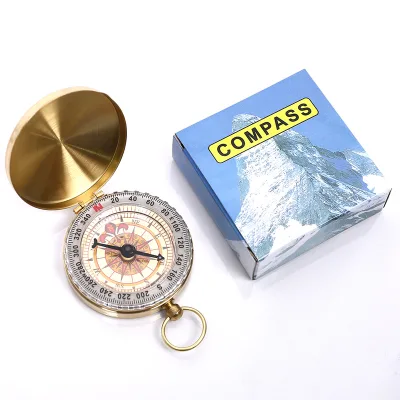
Product-level economics deserve equal rigor. Displayed MOQs in this category range widely, from 100 pieces on a copper flip-cover model to 800 and 1,000 on engraved brass gift models and 2,500 on a budget lensatic unit, with unit prices spanning roughly $0.40 to $3.50 across the listed models. Note the inverse pattern between MOQ and price, and remember these are listing figures, not quotes. Compare packing specifications too, since one model specifies a paper box and another a color box with defined carton dimensions and gross weight per batch, all of which affect landed cost. Also compare main-product fit: a supplier whose primary lines are tents, coolers and sleeping bags may quote compasses less competitively than a compass and optics specialist. Where a field such as escrow status or establishment year is not displayed, record it as unknown and request it, rather than estimating or letting an unfilled cell bias your shortlist.
Common Retro Antique Brass Portable Compass Sourcing Risks
The most common risk in this category is decorative overreach on a functional instrument. Listings here advertise multifunction dials combining navigation with barometer, thermometer, hygrometer, altimeter and gradient readings, plus claims of waterproofing, quakeproofing and noctilucence. On a low-priced brass gift compass, some of those functions may be cosmetic rather than calibrated. Always sample and test: a compass needle that does not settle accurately, a dial that fogs inside, or an antiqued finish that transfers to the box are all defects you will only catch in hand. Build a simple acceptance checklist covering needle accuracy, damping behavior, glass clarity, hinge and lid function, and finish consistency.
Second is the collectible-versus-instrument ambiguity. Several models here are explicitly positioned as gifts and decorative nautical collectibles, which is fine for gift-channel buyers but dangerous if your customers expect field-grade navigation performance. Match the model series to the channel, and get written confirmation of what each model is intended for. Third is catalog mismatch: suppliers here list compasses alongside picnic blankets, hammocks and water bottles, so confirm the compass line has dedicated tooling rather than outsourced stock that could vary between orders. Fourth is specification drift on engraving and packaging, where paper box versus color box and antique tone variations can quietly change between production runs. Finally, watch for stale listing data, since MOQ and price figures shown online often differ from current quotations. Reconfirm every number in writing before sampling, and do not assume displayed verification or response statistics reflect the current state of the account.
Retro Antique Brass Portable Compass Regional Sourcing and Logistics
The displayed location evidence here points to Zhejiang, China, a coastal province with well-developed export logistics for small metal goods and outdoor products. That combination of confirmed location and product mix, spanning compasses and general camping equipment, is consistent with a region where consolidated shipments of mixed outdoor goods are routine. When a supplier's location is not displayed or seems inconsistent with production claims, treat it as an open question: ask for the factory address, cross-check it against the business license, and ask which port shipments normally leave from and which freight forwarders the supplier has worked with.
Compass logistics have two characteristics that shape planning. First, the goods are small, dense and non-hazardous, so air freight is viable for samples and rush replenishment, while sea freight suits bulk orders; one listing's batch data, with carton dimensions of 36 by 22 by 38 centimeters and 25 kilograms gross weight per batch, gives you a realistic basis for volume calculations. Second, liquid-damped compasses and acrylic components can be sensitive to extreme temperature swings in transit, so confirm packaging protects against leakage and cracking, especially for sea shipments. For lead-time planning, use the displayed figures as a starting frame: 15 days for orders up to 500 units appears on one profile, with quantities above that marked as negotiated, meaning larger orders may extend well beyond the headline number. Always confirm the production calendar around peak season, since one supplier explicitly distinguishes peak and off-peak terms, and build buffer time for engraving-heavy gift orders.
Retro Antique Brass Portable Compass Commercial Terms and Order Planning
Order planning in this category should start from the MOQ and price structure visible in listings, then negotiate around it. Displayed MOQs here run from 100 pieces on a copper retro flip-cover model through 500, 800 and 1,000 pieces on brass gift and collectible models, up to 2,500 on a low-cost lensatic unit. Corresponding price bands run from roughly $0.40 to $3.50 per unit depending on model, materials and finish. Use these as anchors for negotiation, not as quotes: request itemized quotations covering engraving, logo customization, packaging choice, and any tooling or setup fees for custom models, since ODM and OEM capability is advertised but the cost of using it is not displayed.
Commercial terms to settle in writing include payment structure, sample policy, intellectual property handling for custom engravings, and quality remedies. Ask whether platform escrow or trade assurance is available on the transaction, since escrow can mitigate risk on first orders, but confirm availability rather than assuming it. On the product side, lock the model number, finish tone, engraving artwork, packing format and the claimed attributes you intend to market, such as waterproofing or noctilucence, into a specification sheet signed before production. Plan reorders using the displayed lead-time framework of 15 days for smaller quantities, with larger volumes negotiated case by case. For a gift-driven category, align first production with your seasonal selling windows well in advance, order pre-production samples from the actual tooling, and reserve capacity during peak season. Finally, document every agreed figure, because displayed listing data can change without notice.
FAQs
What is the typical minimum order quantity for a Retro Antique Brass Portable Compass?
Minimum order quantities vary by model, with some brass compasses starting at 100 pieces and others requiring 500, 800, 1,000, or even 2,500 units. Lower MOQ designs usually carry a higher unit price, while high-volume lensatic models are priced lower. Always confirm the MOQ for the specific model and finish you want before requesting a quotation.
How long does production and delivery usually take for these compasses?
Listed lead times are around 15 days, covering typical order sizes for compasses and related outdoor products. Some suppliers state that orders above 500 units have a lead time to be negotiated, so larger volumes need individual confirmation. Peak and off-season terms can differ, so ask for a written production schedule with your quotation.
Can I get a custom logo engraved on an antique brass compass?
Yes, customization is available on several models, and some listings explicitly accept customized logos on brass and copper compass bodies. Engraving works well on the antique finish and suits graduation, corporate, and travel gift uses. Confirm whether tooling or setup fees apply, and request a sample with your artwork before mass production begins.
What features do these retro compasses offer besides navigation?
Beyond basic navigation, some models function as a barometer, thermometer, hygrometer, altimeter, and time display in one instrument. Many units are waterproof and quakeproof, and certain designs include noctilucence so the dial can be read in low light. Check the attribute list for each model, since features like luminous dials are not present on every compass.
What do these compasses cost per unit?
Listed prices range from roughly 0.40 to 3.50 US dollars per piece depending on the model. Simple lensatic and pocket compasses sit at the lower end, while larger copper flip-cover and engraved gift models reach the higher end. Price typically depends on material, size, and order quantity, so obtain tiered quotes for your target volume.
Where are these compasses supplied from and what product support exists?
The suppliers are based in Zhejiang, China, and many also carry tents, sleeping bags, folding tables, and other camping gear in their main product lines. Several operate as manufacturers combined with trading companies and offer ODM and OEM services. This makes it easier to source matching outdoor accessories alongside your compass order from a single supplier.
How quickly do compass suppliers respond to inquiries?
Response times on the platform range from about 3 hours to roughly 12 hours, so most inquiries receive a reply within half a day. Faster responders are helpful when you need samples, revised quotations, or production updates quickly. Message suppliers with your model, quantity, and customization requirements to make the first reply more useful.
Are the compasses suitable as gift items and collectibles?
Yes, several models are positioned as decorative gift and nautical collectible pieces, with retro finishes, engraved cases, leather packaging, and tabletop designs. Common gift occasions include graduations, corporate giveaways, and travel-themed presents. Products usually ship in paper or color boxes, and gift-oriented models can often be engraved with custom text or logos.