Reusable Plastic Seed Starting Tray Suppliers and Manufacturers
Source from 32 verified suppliers offering Reusable Plastic Seed Starting Tray options with ISO certifications and PET materials. Compare key dimensions such as MOQ, lead times, and response rates to identify suitable partners. Request samples to evaluate product quality and suitability for your agricultural needs.
Suppliers List
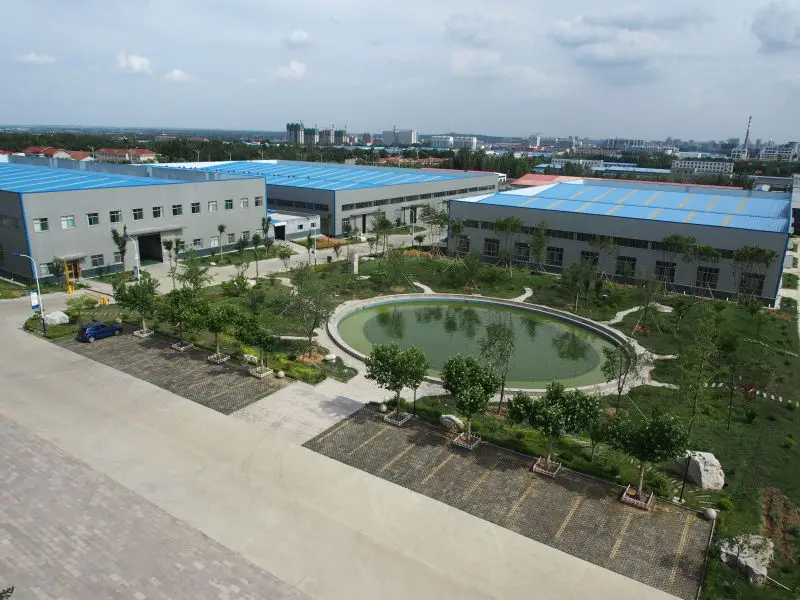
Weifang Merchants Creator Bio-tech Company Limited
- Manufacturer, Trading Company
- shandong, China
- Lead time30 days
- Avg. response≤ 4h
Main productsPlastic Products (PP,PS,PET Plastic Sheet And Related Plastic Material Disposable Products,Food And Vegetable Containers,Cups
Main marketsDomestic Market(90.00%), North America(7.00%), Western Europe(2.00%), Eastern Asia(1.00%)
Shandong Evergreen Industries Ltd.
- Verified by TüVRheinland
- Manufacturer, Trading Company
- Lead time20 days
- Avg. response≤ 3h
Main productsFlower Pots, Nursery Trays & Lids, Plastic Products, Hanging Baskets
Main marketsOceania(9%), North America(8%), South America(8%)

Xiamen Superb Technology Co., Ltd.
- Combined
- China Fujian
- Lead time15 days
- Avg. response≤ 5h
Main productsIrrigation System, Drip Tape, Solenoid Valve, Filter, Hydraulic Valve, Sprinkler, Irrigation Pipe, Connector, Micro Sprayer, Dripper
Main marketsSouth America,Africa,Others(foreignTradeCapacity.exportBusinessCapacityMarketOther),Southeast Asia/ Mideast,East Asia(Japan/ South Korea),Domestic,Europe,Australia,North America

Custom Plastic Seed Starting Tray Disposable & Reusable for Nursery Planting
$0.06 - $0.26
MOQ: 1000 Pieces

Nursery Plastic Tray Pots Plug Trays Microgreen Seeding Trays Starter Planting Trays
$0.06 - $0.20
MOQ: 10000 Pieces

Plastic Plug Cell Tray Seed Starter Seedling Tray for Greenhouse Nursery Germination
$0.12 - $0.13
MOQ: 1000 Pieces

Greenhouse Microgreen Growing Nursery Reusable Seed Starting Tray Planting Seedling Trays
$0.06 - $0.20
MOQ: 10000 Pieces


72 Cells Nursery Garden Planting Seed Starting Cell Growing Trays Seedling Tray
$0.14 - $0.16
MOQ: 1000 Pieces

Ningbo Qianxiang Huiya International Trade Co., Ltd.
- Verified by SGS
- Combined
- China Zhejiang
- Lead time23 days
- Avg. response≤ 5h
Main productsPVC Valve, PVC Ball Valve, Two PCS PVC Valve, PVC Butterfly Valve, PVC Pipe Fittings, PP Fitting, PP Saddle Clamp, Sprinkler, PVC Layflat Hose, HDPE Pipe Fittings
Main marketsSouth America,Southeast Asia/ Mideast,East Asia(Japan/ South Korea)

Laizhou Guoliang Packing Products Co., Ltd.
- Verified by TUVRHEINLAND
- Combined
- China Shandong
- Lead time15 days
- Avg. response≤ 7h
Main productsFood Packaging Tray, Fruit Tray, Frozen Food Box Packaging, Plastic Food Box, Foam Fruit Net, Bottle Foam Sleeve Net, Meat Tray, Fresh Food Tray, Food Packaging Container, Plastic Container Food Packaging
Main marketsAustralia,North America


Seed Starter Tray Plastic PS 288 Cells Nursery Seedling Tray Manufacturer
$0.02 - $0.03
MOQ: 200000 Pieces


High Quality Plastic Seed Starter Tray 105/200/288 Cells Nursery Seedling Tray
$0.02 - $0.03
MOQ: 200000 Pieces


Good Quality Seedling Tray Reusable 288 Cells Plastic Nursery Seed Tray
$0.02 - $0.03
MOQ: 200000 Pieces

Dongguan Riteng Industrial Co., Ltd.
- Trading Company,Manufacturer/Factory
- China Guangdong
- Lead time15 days
- Avg. response≤ 25h
Main productsPlastic Extrusion Profiles, Plastic Injection Profiles, Aluminum Extrusion Profiles, Nft Hydroponic System, Low-Smoke Halogen-Free Trunking
Main marketsSouth America,Eastern Europe,Mid East,North America,Southeast Asia,Eastern Asia,Oceania,Western Europe,Africa


Plastic Seedling Tray PS and PVC Nursery Tray Seed Tray for Greenhouse Accessories
$0.22 - $0.25
MOQ: 500 Pieces

- Manufacturer
- China Guangdong
- Lead time23 days
- Avg. response≤ 2h
Main productsPVC Trunking, PVC Pipe, PVC Fittings, Gi Box, Street Light, Flood Light, Light Fitting, AAC Cable, Metal Box, PPR Pipe
Main marketsAfrica,Southeast Asia/ Mideast,Australia


Plastic Seed Tray Hydroponic Seedling Nursery Starter Trays Micro Greens
$0.49 - $0.68
MOQ: 1000 Pieces


- Verified by TUVRHEINLAND
- Trading Company
- China Guangdong
- Lead time15 days
- Avg. response≤ 3h
Main productsHydroponics System, Nft Channel System
Main marketsSoutheast Asia/ Mideast
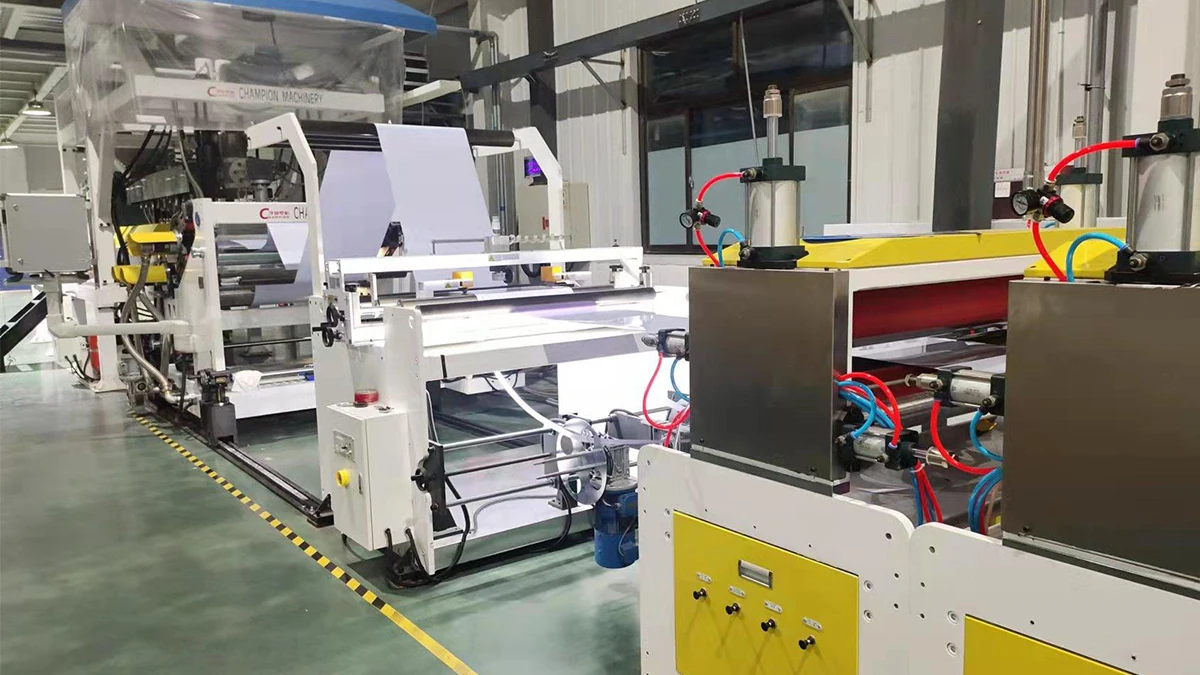
Beijing Daqian Plastic Products Factory
- Manufacturer, Trading Company
- Beijing, China
- Lead time0 days
- Avg. response≤ 2h
Main productsGeneral Plastic Products,Food Grade Plastic Products,Food Container,Plastic Packaging,Fruit Tray
Main marketsDomestic Market(60.00%), North America(30.00%), Northern Europe(10.00%)

Chongqing Bweiser Industry Company Limited
- Verified by CTI
- Trading Company,Manufacturer/Factory,Group Corporation
- China Chongqing
- Lead time45 days
- Avg. response≤ 3h
Main productsGarden Tools, Pizza Tools, Roadway Safety, BBQ, Raincoat, Handcrafts, Bait, Grillware, Cleaning Brush, Bar Shaker
Main marketsSouth America,Eastern Europe,Mid East,North America,Southeast Asia,Eastern Asia,Oceania,Western Europe,Africa

Durable Plastic Green Seedling Grow Trays Seed Starter Micro Green Growing Tray
$0.50 - $5.00
MOQ: 3000 Sets


Ningbo Hugeleaf Gardening Products Co., Ltd.
- Verified by TüVRheinland
- Trading Company
- Lead time35 days
- Avg. response≤ 3h
Main productsGarden Tools, Plastic Products, Garden Decoration, Pet Product, Outdoor Products
Main marketsNorth America(30%), Western Europe(30%), South America(5%)

Alusen(Dalian)Gardening Co., Ltd
- Verified by SGS
- Trading Company
- China Liaoning
- Lead time15 days
- Avg. response≤ 2h
Main productsRockwool Cubes/Plugs/Slabs, Expanded Clay Pebbles/ Leca/Clay Balls, Expanded Perlite/Vermiculite, Fabric Grow Bags, Seeding Trays, Hydroponic Grow Sponges, Lave Stone/ Pumice Stone/Pebbles Stone, Garden Edging, Garden Tools, Pet Products
Main marketsSouth America,Southeast Asia/ Mideast
Changzhou Hantechn Imp.& Exp. Co., Ltd.
- Verified by SGS Group
- Trading Company
- Lead time35 days
- Avg. response≤ 2h
Main productsPot&planter, Watering&irrigation, Plant Propagation, Hydroponic Gardening, Garden Tools
Main marketsWestern Europe(30%), South America(15%), Oceania(12%)

Changzhou Dengyue Polymer Group Co., Ltd.
- Verified by CTI
- Combined
- China Jiangsu
- Lead time15 days
- Avg. response≤ 4h
Main productsFoam, Sponge, Foam Rubber, EPDM, Cr, PVC, PU, Filter Foam, PE/EVA, NBR
Main marketsSouth America,Africa,Southeast Asia/ Mideast,East Asia(Japan/ South Korea),Domestic,Europe,Australia,North America

Yancheng Shunyu Agricultural Machinery Co., Ltd.
- Verified by SGS
- Combined
- China Jiangsu
- Lead time30 days
- Avg. response≤ 4h
Main productsHarvester Parts, World Harvester Parts, Cultivators Parts, General Parts, Agriculture Drone Parts, Grandemac Harvester
Main marketsAfrica,Southeast Asia/ Mideast,North America


Garden Germination Seed Starter Tray Polystyrene Plastic Rice Seedling Tray
$0.55 - $0.60
MOQ: 5000 Pieces

- Verified by SGS
- Trading Company
- China Shandong
- Lead time15 days
- Avg. response≤ 2h
Main productsDrip Tape, Rain Hose, PE Pipe, Cylindrical Pipe, Rain Gun, Micro Sprinkler, Mesh/Disc Filter, Fitting for Irrigation, Seedling Tray, Mulch Film
Main marketsAfrica


Seedling Tray Plastic Thicken 128 Cells Vegetable Germination Starting Grow Seedling Nursery Trays
$0.07 - $0.08
MOQ: 50 Pieces


- Verified by BV
- Trading Company
- China Zhejiang
- Lead time30 days
- Avg. response≤ 11h
Main productsLunch Box
Main marketsSouth America,Africa,Southeast Asia/ Mideast,East Asia(Japan/ South Korea),Europe,Australia,North America

$0.23 - $0.25
MOQ: 1000 Pieces

$0.23 - $0.25
MOQ: 1000 Pieces
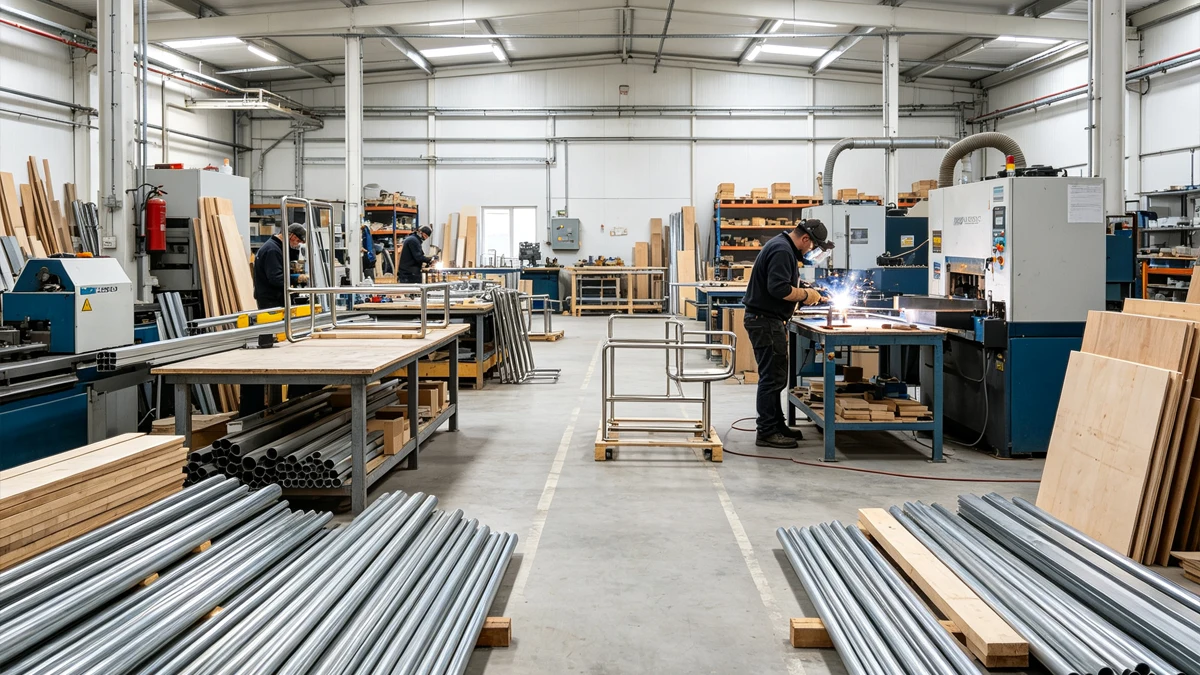
Hebei Ludi Environmental Protection Technology Co., Ltd.
- Manufacturer, Trading Company
- Hebei Province, China
- Lead time15 days
- Avg. response≤ 1h
Main productsSalon chair,Salon Mirror & Salon Furniture,Recliner Sofa & Home Furniture,Nail Table & Nail Tools,Barber chair tool cart
Main marketsDomestic Market(61.00%), North America(8.00%), Eastern Europe(6.00%), Mid East(5.00%), Northern Europe(3.00%), Central America(3.00%), Western Europe(3.00%), South America(3.00%), Southern Europe(3.00%), Africa(2.00%), Oceania(2.00%), South Asia(1.00%)

Xiamen Heseng Agricultural Technology Co.,Ltd
- Trading Company
- China Fujian
- Lead time30 days
- Avg. response≤ 3h
Main productsGreenhouse, Hydroponics, Green House, Blackout System, Irrigation, Growing Rack, Glass House, Hot House, Clod House, Growing Bench
Main marketsSouth America,Africa,Southeast Asia/ Mideast,Europe,Australia,North America

TAIZHOU TIANYI AGRICULTURE & FORESTRY MACHINERY CO., LTD.
- Manufacturer/Factory
- China Zhejiang
- Lead time23 days
- Avg. response≤ 2h
Main productsKnapsack Hand Sprayers, Electric / Battery Sprayers, Knapsack Power Sprayers, Air Pressure Sprayers, Brush Cutters, Sprayer Parts & Accessories, Water Pumps, Mist Dusters, Seeding Tray, Seeder
Main marketsSouth America,Eastern Europe,Mid East,North America,Southeast Asia,Eastern Asia,Oceania,Western Europe,Africa


PS Garden Seed Starter Tray with Drainage for Vegetable Cultivation Seeding Tray
$0.12
MOQ: 2000 Pieces


Qingdao Rearun Industrial Co., Ltd.
- Verified by CTI
- Combined
- China Shandong
- Lead time30 days
- Avg. response≤ 3h
Main productsPlastic Injection, Plastic Pallet, Plastic Accessories for Household Appliances, Plastic Folding Box, Disposable Food Lunch Box, Logistics Breeding Turnover Box, Plastic Tiles for Parking Lot, Plastic Food Container, Plastic Tray, Livestock Products
Main marketsDomestic

- Verified by BV
- Trading Company
- China Guangdong
- Lead time30 days
- Avg. response≤ 4h
Main productsHydroponic System, Hydroponic Sponge, Nft Channel, Strawberry Gutter/Tower, Raised Garden Bed, Dutch Bucket, Plastic Net Pot, Substrate, Vegetable Mould, Greenhouse
Main marketsSouth America,Africa,Southeast Asia/ Mideast,East Asia(Japan/ South Korea),Europe,Australia,North America

Seed Starter Plastic Plant Black Rectangular Growing Trays Nursery Seedling Germination Trays
$0.39 - $0.98
MOQ: 1000 Pieces

$0.39 - $0.98
MOQ: 1000 Pieces

Gardening Germination Plastic Plant Growing Trays Nursery Starter Trays
$0.39 - $0.98
MOQ: 1000 Pieces

Seedlings Plant Growing Trays Nursery Polystyrene Starter Seed Growing Flat Tray
$0.39 - $0.98
MOQ: 1000 Pieces

28 50 72 128 144cells Seed Trays Seedling Starter Vegetable Plant Germination Tray
$0.39 - $0.98
MOQ: 1000 Pieces


- Verified by SGS
- Trading Company
- China Zhejiang
- Lead time15 days
- Avg. response≤ 23h
Main productsFitness Equipment, Trampoline, Treadmill, Dumbbell, Yoga Mat, Spinning Bike, Jump Rope, Pull up Bar, Gym Rack, Leg Press
Main marketsEurope,Australia

Factory Outlet Stable Eco-Friendly Plastic Moving Seed Starter Flower Pots Nursery Trays
$19.50 - $19.70
MOQ: 20 Sets

Wholesale Stable Eco-Friendly Plastic Moving Seed Starter Garden Planters Nursery Trays
$22.60 - $22.80
MOQ: 45 Sets
- Trading Company
- Henan, China
- Lead time3 days
- Avg. response≤ 1h
Main productsRain barrel net,shade sail,anti insect net,seed tray,Pe rope
Main marketsSouth America(20.00%), North America(20.00%), Eastern Asia(10.00%), Domestic Market(10.00%), Africa(10.00%), Eastern Europe(10.00%), Oceania(5.00%), South Asia(5.00%), Southern Europe(5.00%), Central America(5.00%), Western Europe(5.00%)
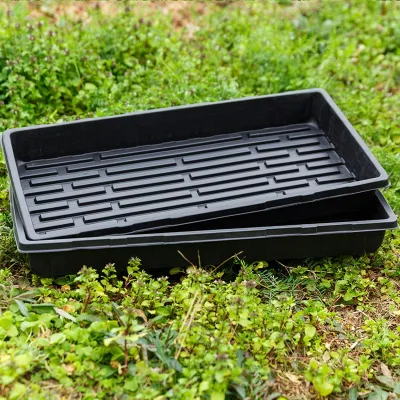
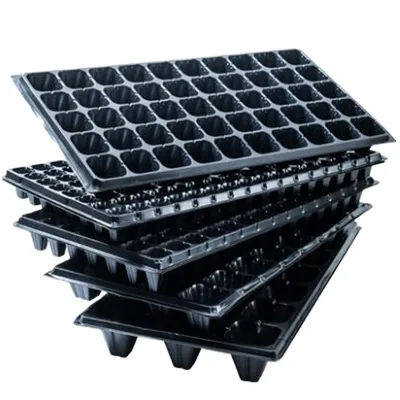
60g Super Thick Reusable Trays for Easy Transplantation Deep Plug Tray Seedling Seed Starter Trays
$0.09 - $0.12
MOQ: 10 pieces
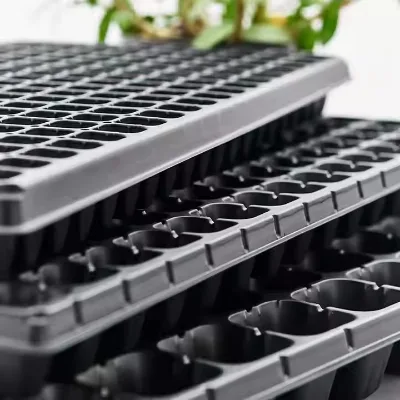

- Verified by SGS
- Trading Company
- China Zhejiang
- Lead time15 days
- Avg. response≤ 3h
Main productsGarden Sprinkler, Fram Irrigation Tools, Farm Dripper, Drip Tape, Drip Tape Accessories, Filter, Valve Box, Quick Coupling Valve, Watering Sprinkler, PP Compression Fittings
Main marketsSoutheast Asia/ Mideast,East Asia(Japan/ South Korea)

Custom Color 1020 Seed Starter Tray Black Green Blue Plastic Nursery Tray for Hydroponics
$0.05 - $0.07
MOQ: 20000 Pieces

Custom Color 1020 Seed Starter Tray for Hydroponics in Black Green Blue
$0.05 - $0.07
MOQ: 20000 Pieces
Hangzhou EDAR International Co., Ltd.
- Verified by TüVRheinland
- Manufacturer, Trading Company
- Lead time30 days
- Avg. response≤ 5h
Main productsGarden Products
Main marketsWestern Europe(60%), Northern Europe(20%), Oceania(10%)
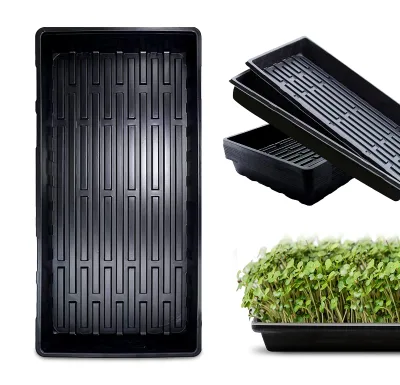
Heavy Duty Seed Starter Plant Tray Black Plastic Propagation Microgreens Growing Trays
$0.31 - $0.36
MOQ: 2000
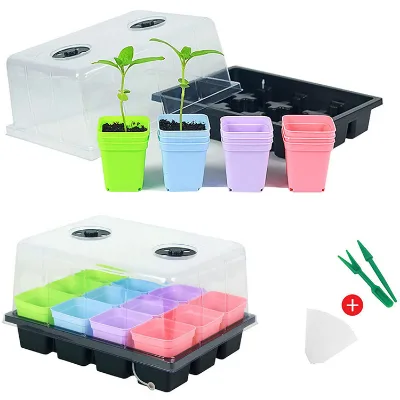

Hubei Fotma Machinery Co., Ltd.
- Verified by BV
- Trading Company
- China Hubei
- Lead time23 days
- Avg. response≤ 15h
Main productsTractor, Agricultural Implements, Rice Milling Machines, Oil Press Machines, Flour Mill Machines, Construction Equipment, Wheel Loader, Bulldozer, Truck Crane, Excavator
Main marketsSouth America,Africa,Southeast Asia/ Mideast,Europe,Australia,North America

GP Materials Technology (Jiangsu) Co.,Ltd
- Verified by BV
- Combined
- China Jiangsu
- Lead time15 days
- Avg. response≤ 6h
Main productsBiodegradable Resin, Disposable Biodegradable Packaging, Biodegradable Packaging Film, Biodegradable Food Containers, Biodegradable Tableware, Biodegradable Packaging, Biodegradable Bags, Biodegradable Nonwoven Bag, Biodegradable Stretch Film, Biodegradable Breathable Film
Main marketsDomestic,Europe
Hebei Huanchen Wire Mesh Products Co., Ltd.
- Manufacturer, Trading Company
- Hebei, China
- Lead time0 days
- Avg. response≤ 1h
Main productsgalvanized wire tomato hooks,tomato hooks,roller hooks,seed tray,plant clips
Main marketsNorth America(50.00%), Southern Europe(5.00%), Western Europe(5.00%), Northern Europe(5.00%), Eastern Asia(5.00%), Eastern Europe(5.00%), South America(5.00%), Oceania(4.00%), Central America(4.00%), Domestic Market(3.00%), Mid East(3.00%), Africa(3.00%), Southeast Asia(3.00%)
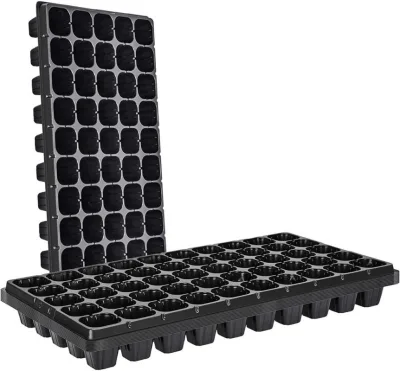
PS Black Plug Seed Starter Trays for Plant Propagation Nursery Seedling
$0.14 - $0.51
MOQ: 100 Minimum
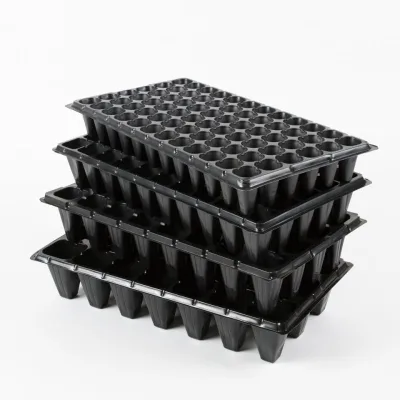
High Quality Durable Pet Square/Round Grow Starter Tray Seed Germination Vegetable
$0.14 - $0.51
MOQ: 100 Minimum

KEYFUN SAFETY EQUIPMENT GROUP LIMITED
- Verified by SGS
- Manufacturer/Factory,Group Corporation
- China Zhejiang
- Lead time23 days
- Avg. response≤ 20h
Main productsAgro Sprayer, Ear Muffs, Safety Helmet, Face Shield, Respirator, Gas Mask, Solo Port 423 Mist Blower Power Sprayer, Capacitor, Knapsack Sprayer, Cooper Pegler Matabi Jacto Bp Sprayer
Main marketsSouth America,Eastern Europe,Mid East,North America,Southeast Asia,Eastern Asia,Oceania,Western Europe,Africa
HEBEI GINZOE TRADING CO., LTD.
- Trading Company
- Hebei, China
- Lead time20 days
- Avg. response≤ 2h
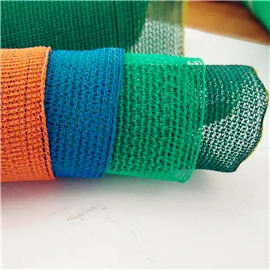
Main productsShade Net,Insect Net,Bird Net,PE Tarpaulin,Mesh Bag
Main marketsSouth America(20.00%), Mid East(15.00%), Africa(15.00%), Western Europe(10.00%), North America(10.00%), Southeast Asia(10.00%), Domestic Market(5.00%), Central America(5.00%), Oceania(5.00%), Eastern Europe(5.00%)
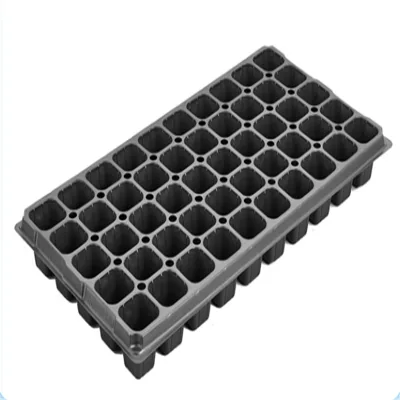
Excellent Quality Seed Starting Trays for Paddy
$0.15 - $0.35
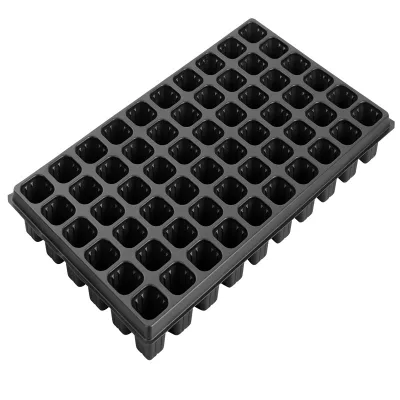
Professional Large Seed Trays for Seeds Start
$0.15 - $0.35
Hangzhou Yanjie Technology Co., Ltd.
- Trading Company
- Zhejiang, China
- Lead time30 days
- Avg. response≤ 1h
Main productsgrow tent kits,grow bags,grow trays,drying racks,trellis nettings
Main marketsNorth America(40.00%), Western Europe(15.00%), Southeast Asia(15.00%), Oceania(10.00%), South America(10.00%), Northern Europe(5.00%), Eastern Europe(5.00%)
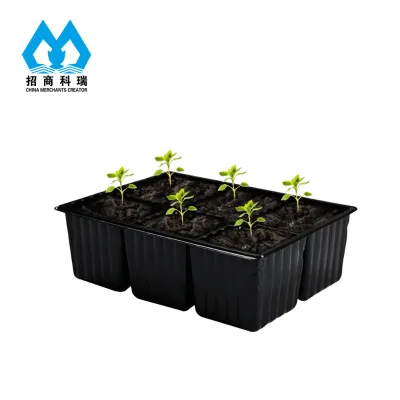
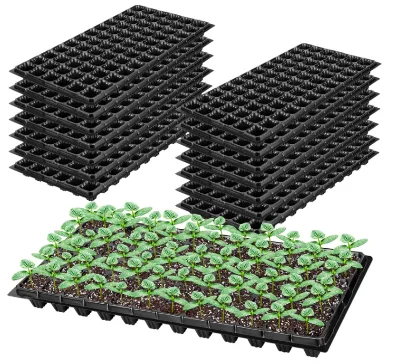
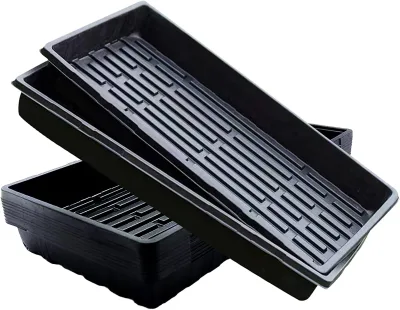


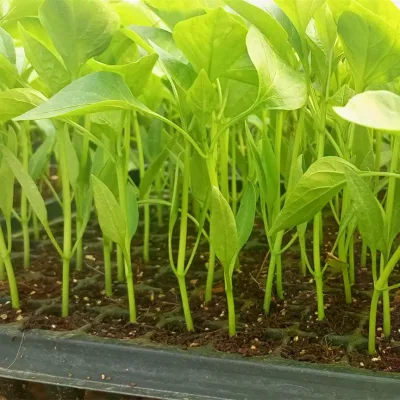
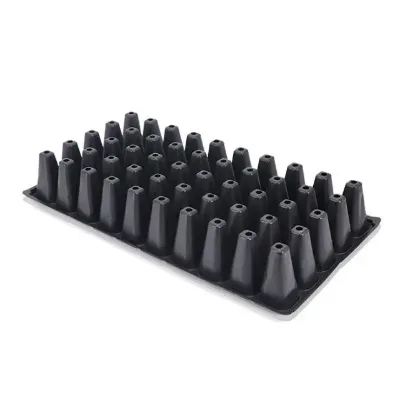
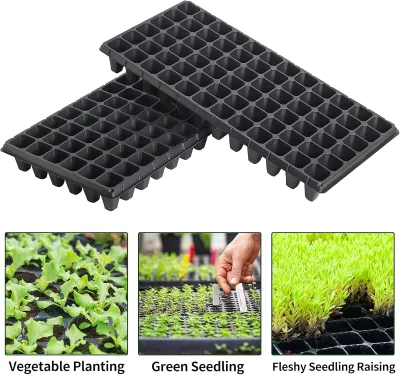
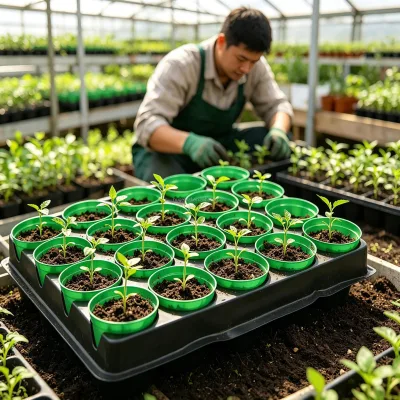


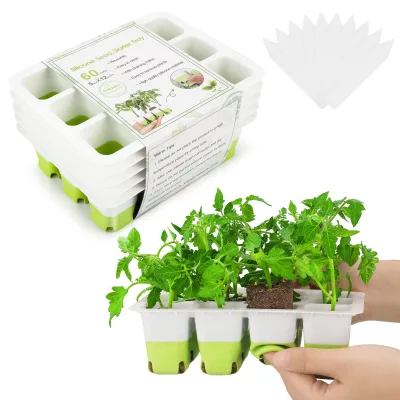




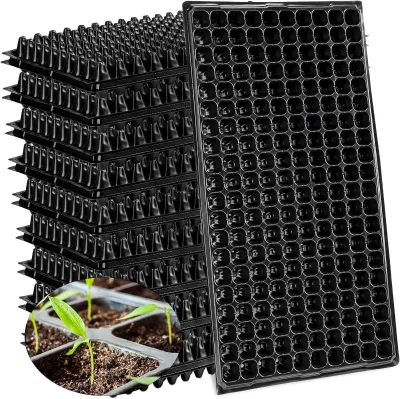
Comprehensive Sourcing Guide
Reusable Plastic Seed Starting Tray Supplier Concentration and Factory Types
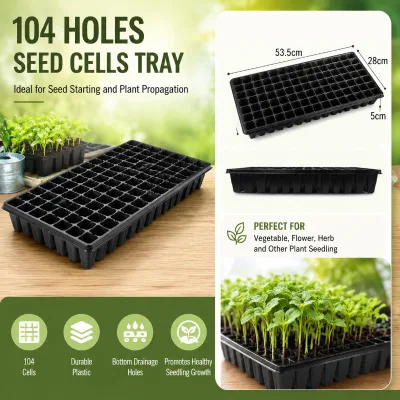
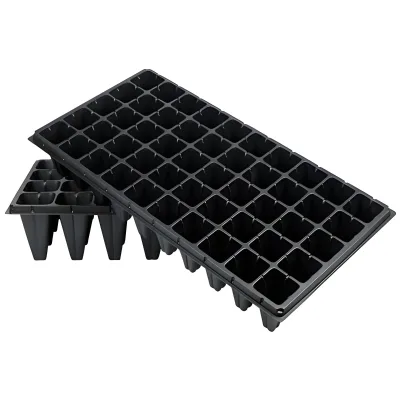
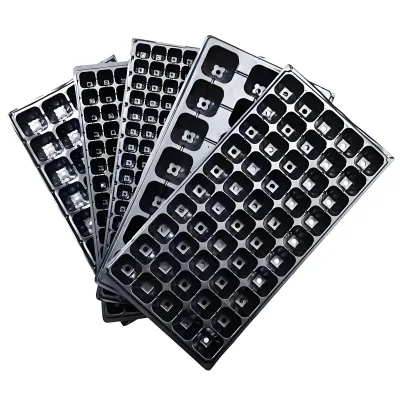
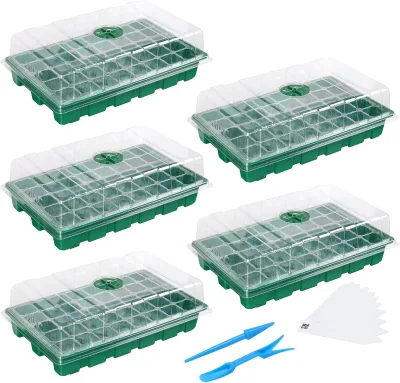
The current supplier landscape for reusable plastic seed starting trays shows a distinct concentration in Shandong, China, where multiple manufacturers and trading companies operate. This region serves as a primary manufacturing hub for plastic products, including PP, PS, and PET materials used in agricultural and garden supplies. Buyers observing results from this area will find a mix of direct manufacturers and trading firms, both capable of producing items like 12-cell seedling trays and heavy-duty nursery trays. The presence of these entities in Shandong suggests a localized supply chain for raw plastic materials and finished goods, which can influence production efficiency and logistics costs.
When evaluating factory types, it is essential to distinguish between manufacturers who own the production lines and trading companies that source from various factories. Some suppliers in the results list themselves as both, indicating a hybrid operational model that may offer flexibility in customization and volume. The main products often include flower pots, nursery trays, and related plastic materials, suggesting that these facilities have established capabilities in injection molding and plastic processing. Buyers should verify the specific nature of the supplier's operation to ensure they are dealing with a direct producer if quality control and customization are primary concerns, rather than a middleman who might add layers to the cost structure.
How to Verify Reusable Plastic Seed Starting Tray Suppliers
Verification of suppliers requires a rigorous check of their stated credentials and physical capabilities, particularly regarding certifications and factory audits. Several products in the current results list ISO certification, while others mention additional standards such as IMS, BSCI, QS, TUV, and specific material testing standards like ISO 527 and ASTM D792. These certifications indicate that the supplier has undergone third-party assessments for quality management and product safety. However, buyers must confirm that these certifications are current and applicable to the specific product line, such as the PET plastic seed trays, rather than being generic company credentials that do not cover the manufacturing process for the specific items being ordered.
Beyond certifications, the verification process should include checking the supplier's response time and lead time capabilities to gauge operational reliability. Data indicates response times ranging from three to four days, with lead times varying between 20 and 30 days depending on the order volume and product complexity. A supplier with a shorter lead time, such as 20 days, may offer faster turnaround for urgent orders, while a 30-day lead time might reflect a more complex production schedule or higher volume requirements. Buyers should also look for verification badges from recognized bodies like TüVRheinland, which can provide an additional layer of trust regarding the supplier's business legitimacy and financial stability.
What to Compare Across Reusable Plastic Seed Starting Tray Suppliers
Comparing suppliers requires a detailed analysis of key commercial and operational metrics, including Minimum Order Quantity (MOQ), pricing, and material specifications. The current market data shows significant variation in MOQs, with some suppliers requiring 50,000 pieces while others set the threshold at 100,000 pieces. This difference can drastically impact the initial investment required for a new buyer or a small-scale operation. Additionally, pricing varies, with unit costs observed around $0.10 to $0.23 depending on the specific product design, such as 6-cell versus 12-cell trays, and the material used, whether it is PET or other plastic types. Buyers must align their order volume with the supplier's MOQ to avoid unnecessary costs or rejected orders.
Material composition and product features are another critical area for comparison. While many suppliers offer PET plastic trays, others may use different plastic types or offer variations in thickness and durability. Some products are marketed as disposable, while others emphasize heavy-duty, reusable, and durable features suitable for long-term agricultural use. The size dimensions also vary, with specific measurements like 23610065mm or 17613355mm available. Buyers should compare these specifications against their specific agricultural needs, ensuring that the tray size and material strength match the intended application, whether for greenhouse seeding, nursery use, or home gardening.
Common Reusable Plastic Seed Starting Tray Sourcing Risks
One significant risk in sourcing reusable plastic seed starting trays is the discrepancy between claimed product attributes and actual delivery. Suppliers may list features such as "Eco-friendly" or "Heavy Duty," but without independent testing or specific material certifications, these claims can be difficult to verify. For instance, while some products are described as having a thickness of 0.25mm, others may vary, affecting the tray's longevity and reusability. Buyers must be cautious of suppliers who do not provide detailed material specifications or who fail to offer samples for physical inspection before committing to a large order.
Another risk involves the reliability of the supply chain and the potential for delays in production or shipping. Lead times can fluctuate based on raw material availability and production capacity, with some suppliers indicating a 30-day lead time while others promise 20 days. If a supplier fails to meet these timelines, it can disrupt planting schedules and cause financial losses. Furthermore, the complexity of custom orders, such as specific colors or branding, can introduce additional risks if the supplier lacks the necessary equipment or expertise to execute these customizations accurately. Buyers should mitigate these risks by establishing clear communication channels and setting realistic expectations regarding production schedules and quality standards.
Reusable Plastic Seed Starting Tray Regional Sourcing and Logistics
Sourcing from the Shandong region in China offers logistical advantages due to the concentration of manufacturers and established export infrastructure. The proximity of suppliers to major ports can reduce shipping times and costs, making it an attractive option for international buyers. However, buyers must also consider the specific logistics requirements for heavy plastic items, which can be bulky and require careful packaging to prevent damage during transit. Some suppliers offer packing options like 120 pieces per carton, which helps optimize container space and reduce shipping costs, but buyers should verify these details to ensure efficient loading and unloading.
In addition to shipping, buyers should evaluate the supplier's ability to handle international logistics and documentation. While many suppliers in the region are experienced in exporting to markets like America, they may have varying levels of expertise in handling customs clearance and compliance with local regulations. Buyers should confirm that the supplier can provide all necessary documentation, including certificates of origin and quality assurance reports, to facilitate smooth entry into their target market. Understanding the regional logistics landscape helps buyers plan their inventory and distribution strategies more effectively, ensuring that products arrive on time and in good condition.
Reusable Plastic Seed Starting Tray Commercial Terms and Order Planning
Commercial terms for reusable plastic seed starting trays often include specific requirements for payment, customization, and order planning. Many suppliers accept custom orders and offer OEM/ODM services, allowing buyers to tailor products to their specific branding and functional needs. However, these customizations may come with higher MOQs or longer lead times, so buyers must plan their orders well in advance to accommodate these variables. It is also crucial to understand the payment terms, as some suppliers may require deposits or full payment upfront, while others might offer more flexible arrangements for established clients.
Order planning should also account for the scalability of the supplier's production capacity. While some suppliers can handle large volumes, others may have limitations that could affect the ability to fulfill urgent or large-scale orders. Buyers should assess the supplier's capacity to ramp up production if demand increases, ensuring that they can meet future needs without compromising quality or delivery timelines. Additionally, buyers should consider the potential for price fluctuations based on raw material costs, as plastic prices can be volatile. Establishing a long-term relationship with a reliable supplier can help mitigate these risks and provide more stable pricing and supply chain management over time.
FAQs
What is the typical lead time for seedling trays?
The typical lead time for these plastic seedling trays is 30 days. Some suppliers offer faster delivery with a 20-day lead time. Buyers should confirm specific timelines based on order volume and current production schedules before placing an order.
What is the minimum order quantity for these trays?
The minimum order quantity varies by supplier, with options starting at 50,000 pieces or 100,000 pieces. Buyers must check the specific product listing to find the exact MOQ required for their order size and budget constraints.
Are these seedling trays ISO certified?
Yes, many of the available plastic seedling trays carry ISO certification. Some suppliers also hold additional certifications like BSCI, QS, and TUV. Buyers should verify the specific certificate details listed on the product page for their chosen item.
What materials are used to make these trays?
These trays are primarily made from PET plastic, though some listings mention PP or general plastic materials. The material choice affects durability and eco-friendliness. Buyers should review the product attributes to confirm the specific plastic type used.
Where are these plastic trays manufactured?
These plastic seedling trays are manufactured in Shandong, China. The location is consistent across multiple product listings. Buyers can expect shipping origins from this region when sourcing these agricultural supplies from the available supplier pool.
What is the price range for these trays?
The price range for these trays typically falls between 0.10 and 0.23 per unit. Specific costs depend on the cell count, material thickness, and order quantity. Buyers should compare the minimum and maximum prices listed for each specific product variant.
How quickly do suppliers respond to inquiries?
Suppliers generally respond within 3 to 4 days. This response time helps buyers get quick quotes and technical details. Buyers should expect a reply within this window when contacting manufacturers or trading companies for seedling tray inquiries.