Reusable Printed Chair Sash Suppliers and Manufacturers
Compare 15 verified suppliers offering Reusable Printed Chair Sash with varying lead times, response speeds, and locations in China. Review product attributes like material and size before contacting vendors for quotes; review the available evidence before requesting comparable quotations from suitable candidates.
Updated
Suppliers List

Nantong Henganxin Hotel & Event Supplies Manufacturer
- Manufacturer, Trading Company
- Jiangsu, China
- Lead time15 days
- Avg. response≤ 8h
Main productschair cover,table cloth,chair sash,towel,bathrobe
Main marketsSouth Asia(7.69%), Southern Europe(7.69%), Northern Europe(7.69%), Central America(7.69%), Western Europe(7.69%), Eastern Asia(7.69%), Mid East(7.69%), Oceania(7.69%), Africa(7.69%), Southeast Asia(7.69%), Eastern Europe(7.69%), South America(7.69%), North America(7.69%)
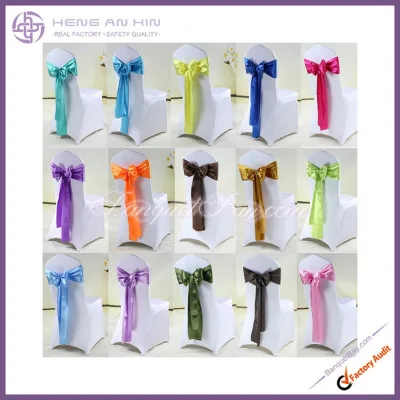
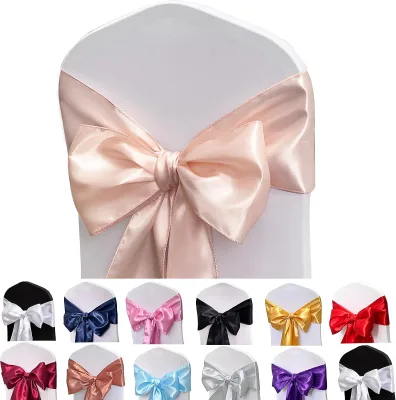
Wholesale Fancy Colorful Satin Chair Sash Wedding Chair Sashes Banquet Chair Sash
$0.3069 - $0.8174
MOQ: 50 Minimum
Shaoxing Bretton Textile Co., Ltd.
- Trading Company
- Zhejiang, China
- Lead time12 days
- Avg. response≤ 2h
Main productswedding backdrop,tablecloths,Customized cushion covers,home decor fabric,massage bed sheet
Main marketsNorth America(27.00%), Western Europe(16.00%), Northern Europe(10.00%), Eastern Europe(10.00%), Africa(7.00%), Southern Europe(5.00%), Mid East(5.00%), Southeast Asia(5.00%), Eastern Asia(3.00%), South Asia(3.00%), Central America(3.00%), South America(3.00%), Oceania(2.00%), Domestic Market(1.00%)

Shaoxing City Xinlan Textile CO., LTD.
- Verified by TUVRHEINLAND
- Combined
- China Zhejiang
- Lead time23 days
- Avg. response≤ 3h
Main productsHome Textile, Curtain, Cushion Cover, Shower Curtain, Macrame Handmade Products, Curtain Fabric, Tablecloth, Placemat, Blankets, Bedding
Main marketsNorth America


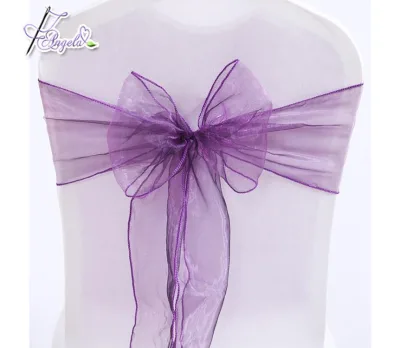
Modern Solid Plain Chiffon Chair Sash Event Wedding Chair Decoration Chair Sash
$0.80 - $1.15
MOQ: 100 pieces

Henan Yongnuo Trading Co., Ltd.
- Trading Company
- Henan, China
- Lead time30 days
- Avg. response≤ 3h
Main productsArtificial flower,Artificial plants,Wedding decoration,Crystal Candlestick,Artificial Peacock
Main marketsCentral America(15.00%), North America(15.00%), South America(10.00%), Northern Europe(10.00%), Eastern Europe(10.00%), Southeast Asia(7.00%), Domestic Market(5.00%), Western Europe(5.00%), Oceania(5.00%), Mid East(5.00%), Eastern Asia(4.00%), Africa(3.00%), South Asia(3.00%), Southern Europe(3.00%)

- Verified by TUVRHEINLAND
- Trading Company
- China Jiangsu
- Lead time30 days
- Avg. response≤ 3h
Main productsHat and Cap, Bandana, Wristband, Bag, Socks, Christmas Items, Knit Hat, Sweatband, Tool Bag, Knitted Hat
Main marketsEurope,North America
Nantong Junxiu Textile Co., Ltd.
- Verified by Intertek
- Trading Company
- Lead time20 days
- Avg. response≤ 2h
Main productsTable Cloth, Chair Cover, Napkin, Towel, Bedding Linen
Main marketsNorth America(40%), Domestic Market(12%), Southeast Asia(10%)

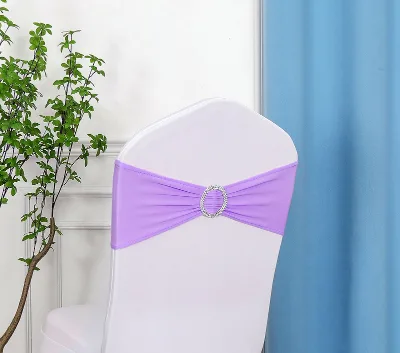
Multicolor Elastic Chair with Back Trim Sashes for Family and Banquet Occasions
$0.21
MOQ: 500 Minimum
Nantong Angela Textile Co. Ltd.
- Manufacturer, Trading Company
- Jiangsu, China
- Lead time20 days
- Avg. response≤ 4h
Main productswedding chair covers sashes,table linens napkins,hotel bed linens,towels robes slippers,table skirts runners
Main marketsWestern Europe(30.00%), North America(20.00%), Mid East(20.00%), Northern Europe(10.00%), Southeast Asia(10.00%), South America(10.00%)

Shaoxing Shecan Packaging Material Co., Ltd.
- Verified by BV
- Trading Company
- China Zhejiang
- Lead time30 days
- Avg. response≤ 6h
Main productsFlower Paper, Flower Wrapping Film, Ribbon, Flower Bag, Flower Box
Main marketsSouth America,Southeast Asia/ Mideast,Europe,North America
Hangzhou Kangyou Household Import And Export Co., Ltd.
- Trading Company
- Zhejiang, China
- Lead time15 days
- Avg. response≤ 2h
Main productsBar Products,Glassware,Kitchen Product,Jewelry,Wedding Products
Main marketsNorth America(50.00%), Western Europe(15.00%), Northern Europe(10.00%), South America(10.00%), Southeast Asia(10.00%), Southern Europe(5.00%)
Royal Blue Spandex Chair Sashes Decoration Wedding Chair Back Flower Chair Sashes for Wedding
$0.2096 - $0.4192
MOQ: 500 pieces


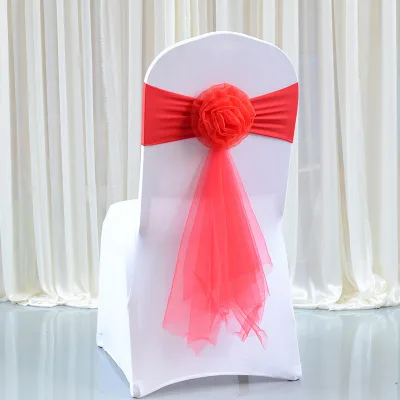
Purple Red Pink Royal Blue Spandex Rose Rosette Flower Chair Sashes for Chair Cover
$0.4716 - $0.6272
MOQ: 500 pieces
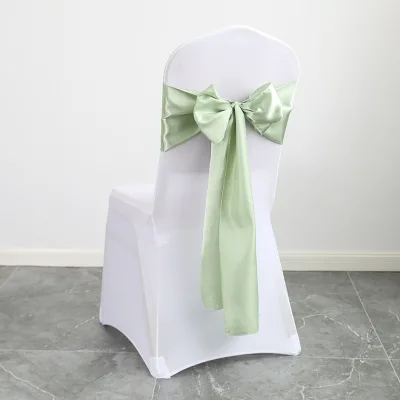
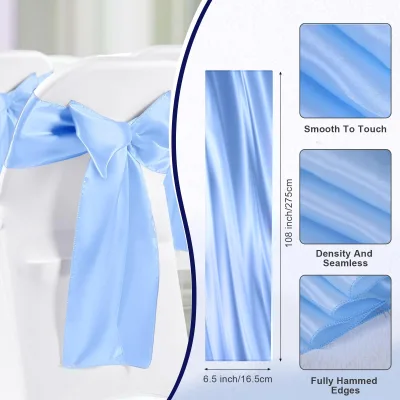
High Quality Grass Green Chair Sashes Blue Chair Sash Satin Chair Sashes for Wedding
$0.20 - $0.40
MOQ: 500
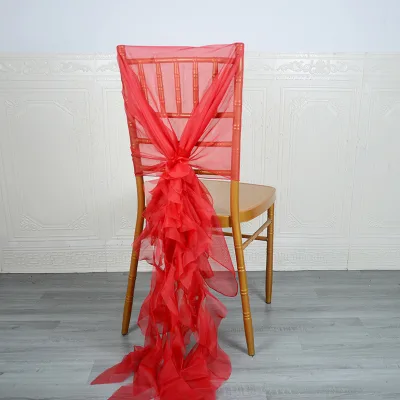
Romantic Garden Wedding Chair Sashes Pink Back Chair Covers for Banquet Wedding Decoration
$1.8533 - $2.7784
MOQ: 500 pieces
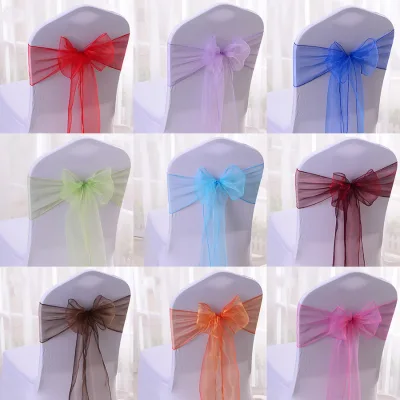
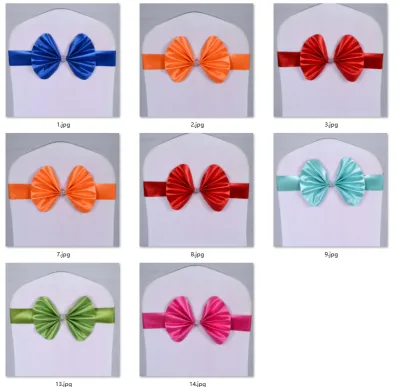
Decorative Creative Chair Back Flower Chair Sash Used by Wedding Banquet Exhibition Restaurant
$0.2066 - $0.3608
MOQ: 500 pieces
Shenzhen Global Hotel Supplies Co., Ltd.
- Trading Company
- Lead time旺季: "1 - 50":7,"> 50":"To be negotiated", 淡季: "1 - 50":7,"> 50":"To be negotiated"
- Avg. response≤ 2h
Main productsFruit & Vegetable Tool,Cooking Tools & Gadgets,Home Textiles,Pet Supplies,Garden Supplies
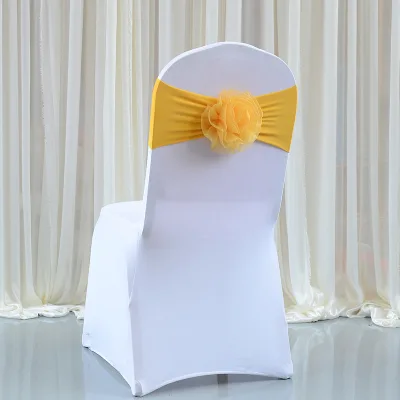
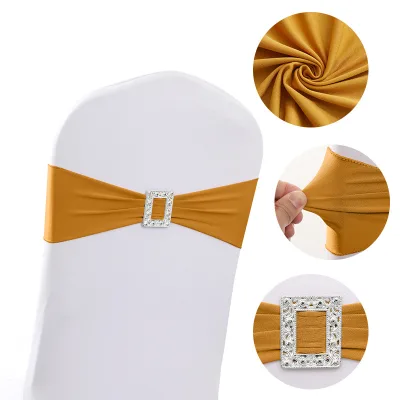
$0.1662 - $0.2081
MOQ: 50 pieces
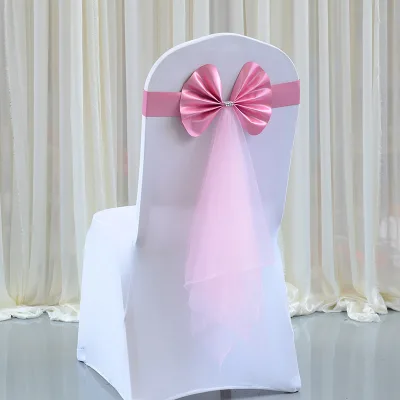
$0.3937 - $0.4656
MOQ: 20 pieces
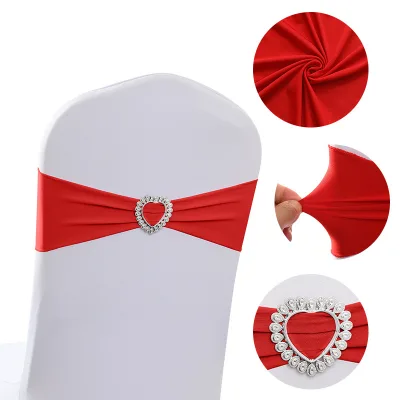
$0.1662 - $0.2081
MOQ: 50 pieces
Hangzhou Evenique Trading Co., Ltd.
- Trading Company
- Zhejiang, China
- Lead time0 days
- Avg. response≤ 8h
Main productstablecloth,Chair covers,Napkin,Chair Sashes,Table runners
Main marketsNorth America(50.00%), South America(30.00%), Eastern Europe(20.00%)
Shaoxing Annielu Houseware Co., Ltd.
- Verified by SGS Group
- Manufacturer, Trading Company
- Lead time20 days
- Avg. response≤ 2h
Main productsTable Cloth, Chair Cover, Artificial Flower, Backdrop , drapes
Main marketsNorth America(45%), Africa(8%), Mid East(7%)
Yiwu Dream Share Crafts Co., Ltd.
- Trading Company
- Zhejiang, China
- Lead time0 days
- Avg. response≤ 3h
Main productsBaby Shower Decoration,Party Decoration,Birthday Decoration,Christmas Decoration,Bachelorette & Bridal Decoration
Main marketsNorth America(80.00%), Eastern Europe(8.00%), South America(5.00%), Northern Europe(3.00%), Southern Europe(2.00%), Western Europe(2.00%)
Shaoxing Keqiao Chengyou Textile Co., Ltd.
- Verified by Intertek
- Manufacturer, Trading Company
- Lead time20 days
- Avg. response≤ 3h
Main productsTable Runner, Table Cloth, Chair Cover, Cloth Napkins, Backdrop Drape
Main marketsNorth America(70%), Domestic Market(16%), Western Europe(7%)
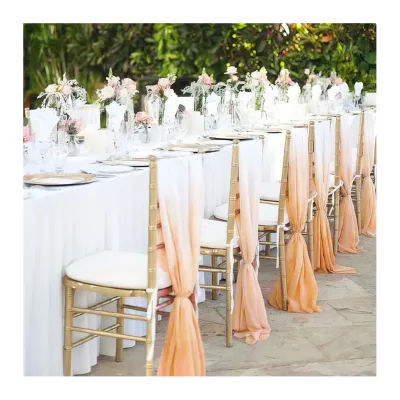
$1.28 - $1.55
MOQ: 100 pieces
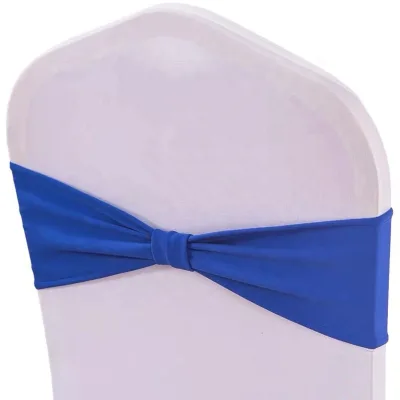
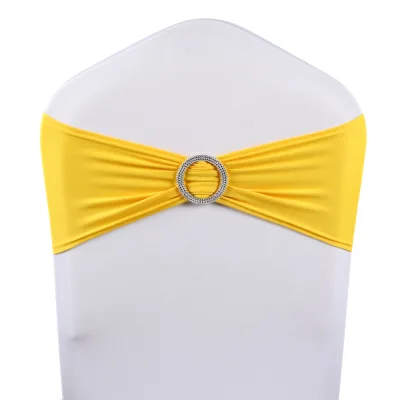
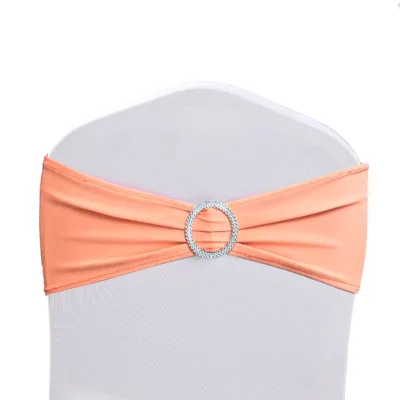
Pre Tied Spandex Stretch Chair Sashes with Buckle for Wedding Banquet Party
$0.3623 - $0.4656
MOQ: 100 bags
Guangdong Weisdin Industrial Co., Ltd.
- Verified by SGS Group
- Trading Company
- Lead time15 days
- Avg. response≤ 2h
Main productsBedding Sets, Duvet, Pillow, Towel, Bathrobe
Main marketsMid East(20%), North America(20%), South Asia(10%)


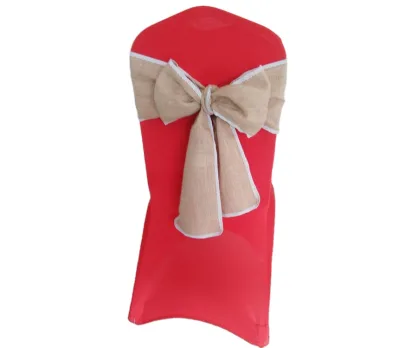


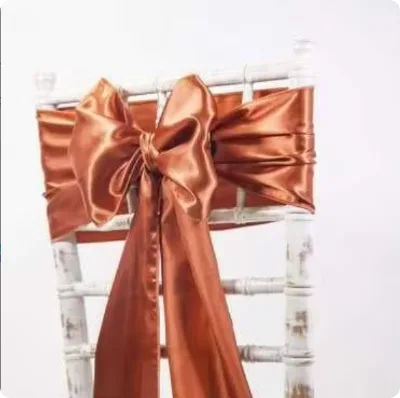

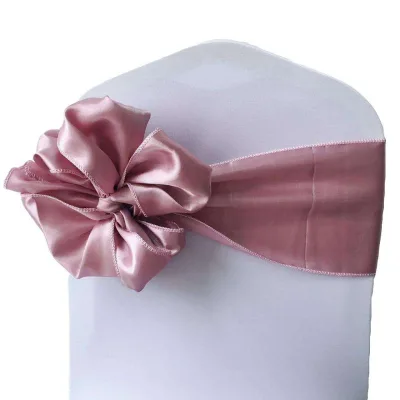

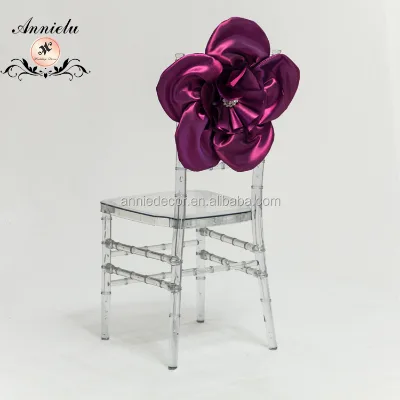
Comprehensive Sourcing Guide
Reusable Printed Chair Sash Supplier Concentration and Factory Types
Current data indicates a concentration of manufacturers and trading companies operating within Jiangsu and Zhejiang provinces in China. These regions host facilities producing items such as satin and spandex chair sashes, with specific product attributes including plain dyed patterns and universal sizing. Some suppliers in these areas list their company type as a manufacturer, while others operate as trading companies or combined entities. The presence of a verified certification from TÜV Rheinland for one supplier in Zhejiang suggests that quality assurance infrastructure exists within these clusters, though this specific credential applies only to the verified entity and not necessarily to all suppliers in the region. Buyers should recognize that factory types vary significantly even within the same geographic cluster, influencing production control and direct communication channels.
When evaluating supplier concentration, buyers must distinguish between pure manufacturers and trading companies based on the provided company type data. A manufacturer typically offers direct control over the production process for items like printed polyester sashes, whereas a trading company may aggregate products from multiple sources. The main products listed for these suppliers often include a broader range of home textiles, such as tablecloths and cushion covers, alongside the specific chair sashes. This diversification can indicate a supplier's capacity to handle larger orders or provide complementary items. However, the absence of a specific establishment year in the general data means buyers cannot assume longevity based solely on location. Verification of the actual factory floor and production capabilities remains essential to confirm the claimed manufacturer status before committing to a large order.
How to Verify Reusable Printed Chair Sash Suppliers
Verification begins with scrutinizing the specific attributes provided in the supplier profile, such as the TÜV Rheinland verification status observed for one Zhejiang-based entity. This certification serves as a concrete indicator of third-party audit compliance for that specific supplier, but it does not automatically extend to other vendors in the search results. Buyers should request similar documentation for any other supplier they consider, ensuring that the verification covers the specific product line of reusable printed chair sashes. The presence of a verified badge is a strong signal, yet it must be cross-referenced with the supplier's actual business license and production capacity to ensure the certification is current and relevant to the specific order requirements.
Beyond certifications, buyers must validate the operational metrics provided, such as response time and lead time, to gauge reliability. Data shows response times ranging from 2 to 8 hours and lead times varying between 12 and 23 days across different suppliers. A supplier claiming a two-hour response time should be tested with a specific inquiry to confirm the speed and quality of their communication. Similarly, the lead time of 12 days versus 23 days indicates significant differences in production scheduling and capacity. Buyers should ask for a detailed production schedule that aligns with the quoted lead time, ensuring that the timeline accounts for material sourcing, printing, and quality control. This verification process helps distinguish between suppliers who can meet urgent deadlines and those who may require longer planning horizons.
What to Compare Across Reusable Printed Chair Sash Suppliers
Comparing suppliers requires a systematic analysis of key operational dimensions, including minimum order quantities, pricing structures, and supply capabilities. The available data reveals a minimum order quantity of 50 pieces for several products, with prices ranging from approximately $0.29 to $1.20 per unit depending on the material and design. Some suppliers offer a supply ability of 10,000 pieces per day, which is a critical metric for large-scale events or bulk orders. Buyers should compare these figures directly to determine which supplier can accommodate their specific volume needs without compromising on cost or delivery speed. It is essential to note that price variations often correlate with material quality, such as satin versus spandex, and the complexity of the printed pattern.
In addition to cost and volume, buyers must evaluate the product attributes and customization options offered by each supplier. The data indicates variations in material composition, with options including polyester, satin, and spandex blends, as well as different patterns like plain dyed or printed designs. Some suppliers list specific sizes, such as 17cm by 275cm, while others offer universal sizing. The feature of being reusable is a key differentiator, and buyers should verify the durability claims against the material specifications provided. Comparing the packaging details, such as polybag and carton standard trade packing, is also necessary to ensure the products arrive in good condition. By aligning these product attributes with the specific requirements of the event or project, buyers can select the supplier that offers the best balance of quality, cost, and logistical fit.
Common Reusable Printed Chair Sash Sourcing Risks
One significant risk involves the discrepancy between claimed production capabilities and actual output, particularly regarding lead times and supply ability. While some suppliers list a supply ability of 10,000 pieces per day, this figure may not reflect the capacity available during peak seasons or for custom printed orders. Buyers face the risk of delayed shipments if the supplier overcommits on volume without adequate buffer stock or production slots. The variation in lead times, from 12 to 23 days, further complicates planning, as a supplier with a shorter quoted lead time might not have the resources to handle rush orders effectively. It is crucial to verify the current production load and confirm the feasibility of the quoted timeline before finalizing the order.
Another risk pertains to the consistency of product quality and the accuracy of material descriptions. The data shows a mix of materials, including satin, spandex, and polyester, with varying features like disposable or reusable. There is a potential risk that the printed pattern or color may not match the physical sample or the digital swatch card provided. Suppliers may claim a specific pattern, such as plain dyed or printed, but the actual output could differ in shade or clarity. Additionally, the absence of detailed establishment years for most suppliers makes it difficult to assess their long-term track record for quality consistency. Buyers should mitigate this risk by requesting physical samples and conducting a thorough quality inspection before approving the full production run.
Reusable Printed Chair Sash Regional Sourcing and Logistics
Sourcing from Jiangsu and Zhejiang provinces offers logistical advantages due to the proximity to major ports like Shanghai and Ningbo. The product attributes indicate that these ports are the primary dispatch points for chair sashes originating from these regions. This geographic concentration allows for streamlined shipping processes and potentially lower freight costs for international buyers. However, the specific lead times of 12 to 23 days must be factored into the overall logistics timeline, including the time required for customs clearance and inland transportation. Buyers should calculate the total transit time from the factory floor to the final destination, ensuring that the shipping schedule aligns with the event date or inventory requirements.
Logistics planning also involves understanding the packaging standards and handling requirements for the specific products. The data mentions standard trade packing with inner polybags and outer cartons, which is designed to protect the sashes during transit. However, the single package size and gross weight vary by product, affecting the number of units that can be shipped per container. For instance, a product with a single gross weight of 0.05 kg allows for a higher density of units compared to heavier items. Buyers should work with their freight forwarders to optimize container loading based on these specific dimensions and weights. Additionally, the payment terms, such as T/T, should be coordinated with the shipping schedule to ensure that funds are released only after the goods have been dispatched or verified.
Reusable Printed Chair Sash Commercial Terms and Order Planning
Commercial terms for reusable printed chair sashes often include specific payment methods and sample availability, which are critical for order planning. The data indicates that some suppliers offer samples, which is a valuable step for verifying quality before committing to a bulk order. Payment terms like T/T are common, and buyers should clarify the deposit percentage and the timing of the final payment relative to shipment. Understanding these terms is essential for cash flow management and risk mitigation. Buyers should also inquire about the availability of samples for different colors and patterns, as the color swatch card mentioned in the data may not fully represent the final product appearance.
Order planning must account for the minimum order quantities and the production lead times to ensure timely delivery. With an MOQ of 50 pieces and lead times ranging from 12 to 23 days, buyers need to schedule their orders well in advance of the event date. The supply ability of 10,000 pieces per day suggests that large orders can be fulfilled quickly, but this capacity may be subject to change based on current demand. Buyers should confirm the production schedule and request a detailed timeline that includes material procurement, printing, and quality control phases. By aligning the commercial terms and order planning with the supplier's capabilities, buyers can minimize the risk of delays and ensure that the reusable printed chair sashes are ready for use when needed.
FAQs
What is the price range for printed chair sashes?
Prices for printed chair sashes typically range from $0.29 to $1.20 per unit. The cost depends on the material, such as polyester or satin, and the specific pattern complexity. Buyers should expect minimum order quantities around 50 pieces. Higher durability features like spandex blends may increase the unit price slightly compared to standard disposable options.
What are the typical lead times for these orders?
Manufacturers generally offer lead times between 5 and 23 days. Some suppliers provide faster delivery windows of 5 to 7 days for specific items. Standard production cycles often take around 12 to 15 days. Buyers should confirm the exact timeline with the supplier based on order volume and customization requirements before finalizing the purchase agreement.
What is the minimum order quantity for printed sashes?
The minimum order quantity is typically set at 50 pieces. This standard applies to most suppliers offering reusable or disposable printed sashes. Buyers can order single items for samples in some cases. Bulk orders exceeding this threshold often qualify for better pricing tiers. Always verify the specific MOQ with the supplier to ensure it meets your event scale.
How quickly do suppliers respond to inquiries?
Response times vary, with many suppliers replying within 2 to 8 hours. Faster response rates are common among trading companies and verified manufacturers. Quick communication helps clarify material details and shipping logistics efficiently. Buyers should prioritize suppliers with shorter response times to ensure timely project coordination and faster resolution of any pre-order questions or concerns.
Where are these chair sashes manufactured?
Most printed chair sashes are manufactured in Jiangsu or Zhejiang provinces in China. These regions are known for textile production and home decor items. Buyers can find both manufacturers and trading companies in these locations. The origin ensures access to a wide variety of fabrics and patterns. Shipping ports like Shanghai and Ningbo facilitate efficient export logistics for international orders.
Are printed chair sashes reusable or disposable?
Printed chair sashes are available in both reusable and disposable varieties. Reusable options are often made from durable materials like spandex or polyester. Disposable versions may use lighter fabrics for single-event use. Buyers should check the product features to determine suitability. Reusable sashes offer long-term value, while disposable ones provide convenience for large gatherings.