Reusable Silicone Beer Bottle Caps Suppliers and Manufacturers
Source 17 verified suppliers for Reusable Silicone Beer Bottle Caps. Compare grounded dimensions including ISO9001:2015 certification, China-based locations, and lead times. Review pricing and MOQs to identify suitable partners for your procurement needs; review the available evidence before requesting comparable quotations from suitable candidates.
Suppliers List

Quanzhou Shengda Rubber Products Co., Ltd.
- Verified by TUVRHEINLAND
- Combined
- China Fujian
- Lead time15 days
- Avg. response≤ 4h
Main productsO Ring, Toilet Seat Hinge Top Fix Rubber Well Nut, Rubber Seal, Silicone Gasket, Silicone Washer
Main marketsEurope

Zhongshan Artigifts Premium Metal & Plastic Co., Ltd.
- Verified by BV
- Combined
- China Guangdong
- Lead time15 days
- Avg. response≤ 3h
Main productsPin, Key Chain, Label, Coin, Lanyard, Purse Hanger, PVC Key Holder, Button Badge, Trolley Coin, Medal
Main marketsSouth America,Africa,Others(foreignTradeCapacity.exportBusinessCapacityMarketOther),Southeast Asia/ Mideast,East Asia(Japan/ South Korea),Europe,Australia,North America
Xiamen Dream Top Electronic Technology Co., Ltd.
- Verified by Intertek
- Manufacturer, Trading Company
- Lead time10 days
Main productsSilicone Pendant Teether, Silicone Kitchen Utensils, Silicone Anti Stress Toys, Silicone Cup, Silicone Cover
Main marketsNorth America(30%), Western Europe(25%), Southeast Asia(23%)

- Verified by BV
- Manufacturer/Factory
- China Fujian
- Lead time15 days
- Avg. response≤ 25h
Main productsWater Bottle, Kitchen Ware, Shoes, Plastic Product, Bag, Toy
Main marketsSouth America,Eastern Europe,Mid East,North America,Southeast Asia,Eastern Asia,Oceania,Western Europe,Africa
Shenzhen Nicebest International Import & Export Co., Limited
- Verified by TüVRheinland
- Trading Company
- Lead time2 days
- Avg. response≤ 5h
Main productsKitchen Tabletop, Bathroom Products, Home Decoraction
Main marketsNorth America(40%), South America(30%), Mid East(10%)
Taizhou Huangyan Jinting Plastic Mould Co., Ltd.
- Manufacturer/Factory
- China Zhejiang
- Lead time23 days
- Avg. response≤ 9h
Main productsPet Bottle Preform, Plastic Bottle Preform, 5 Gallon Pet Preform, Water Bottle Preform, Plastic Pet Preform, Handles, Pet Preform, Pco1881 1810 Preform, Caps, Water Bottle
Main marketsSouth America,Eastern Europe,Mid East,North America,Southeast Asia,Eastern Asia,Western Europe,Africa
The TNN Development Limited China
- Verified by TUVRHEINLAND
- Trading Company
- China Liaoning
- Lead time30 days
- Avg. response≤ 2h
Main productsRing Pull Cap, Glass Bottle, Pet Preform, Beverage Production Line, Trigger Sprayer, Bottle Cap, Crown Cap, I-Beam Crossmember, Blow Molding Machine, PVC Pet Rigid Film
Main marketsAfrica


Beverage Drink Beer Caps Colour Ringtab Bottle Cap Size Different Drink Bottle Metal Lid
$0.02 - $0.02
Moq: 1000000

Jinjiang Jiaxing Supply Management Co., Ltd.
- Verified by TUVRHEINLAND
- Trading Company
- China Fujian
- Lead time30 days
- Avg. response≤ 1h
Main productsEVA Clogs, Flip Flop, Shoe Charms, Shopping Bags, Wristbands, Gifts, Promotional Gifts, Slipper, Sport Cap, Ball
Main marketsNorth America
Zhaoqing Fanxingsijin E-Commerce Co., Ltd.
- Trading Company
- Guangdong, China
- Lead time0 days
- Avg. response≤ 2h
Main productscustom kpop products,promotional gifts,business gifts,silicone & pvc products,paper craft & packing
Main marketsNorth America(60.0%), Eastern Asia(10.0%), Southern Europe(5.0%), Northern Europe(5.0%), Central America(5.0%), Western Europe(5.0%), Eastern Europe(5.0%), Oceania(5.0%)

- Manufacturer/Factory,Other
- China Shanghai
- Lead time0 days
- Avg. response≤ 12h
Main productsBottle Cap Bottle Cover Bottle Closure, Plastic Cap Plastic Lid, Metal Screw Cap Tin Cap Tin Lid, Bottle Rings Screw Rings, Silicon Cap, Glass Candle Holder Candle Cup Candle Jar, Votive Holder Tea Light Holder, Glass Cup, Glass Jar Spice Jar Wine Bottle
Dongguan Chengda Rubber and Plastic Co., Ltd
- Verified by SGS
- Trading Company,Manufacturer/Factory
- China Guangdong
- Lead time23 days
- Avg. response≤ 8h
Main productsSilicone Products, Machnie Part, Silicone Gifts, Silicone Bag, Medicial Products, Silicone Bra, Custom Silicone Product, Silicone Toy
Main marketsEastern Europe

Custom Silicone Rubber Wine Bottle Cap T Shape Silicone Rubber Wine Bottle Stopper
$0.10 - $0.25
Moq: 500

Custom T Shape Silicone Rubber Wine Bottle Lid T Shape Silicone Rubber Pipe Cap
$0.10 - $0.25
Moq: 500

Ningbo Henghong Packaging Co., Ltd.
- Verified by SGS
- Trading Company
- China Zhejiang
- Lead time15 days
- Avg. response≤ 19h
Main productsLotion Pump Mist Sprayer Plastic Cap
Main marketsOthers(foreignTradeCapacity.exportBusinessCapacityMarketOther),Europe


Colorful Plastic Flip Top Silicone Cap for Bottle
Contact supplier

- Manufacturer/Factory
- China Guangdong
- Lead time30 days
- Avg. response≤ 16h
Main productsCeramic Porcelain Bottle, Glass Bottle, Spirits Bottle, Bottle Cap Stopper Cork, Fabric Bags, Brandy Vodka Tequila Whisky Gin Bottle, Packaging Box, Bottle Stopper, Liquor Bottle, Bottle Accessories
Main marketsSouth America,Eastern Europe,Mid East,North America,Southeast Asia,Eastern Asia,Oceania,Western Europe
Hangzhou Happyway Imp and Exp Co., Ltd.
- Verified by CTI
- Trading Company
- China Zhejiang
- Lead time30 days
- Avg. response≤ 4h
Main productsWine Tool, Wine Opener, Wine Stopper, Champagne Stopper, Ice Bucket, Dropstop Disc, Wine Aerator, Wine Box/Wine Tote
Main marketsSouth America,Europe,North America


Reusable Silicone Wine Bottle Stopper and Beverage Bottle Stopper with Grip Top
$0.48 - $0.50
Moq: 100
Ningbo Heyorigin Packaging Materials Co., Ltd
- Verified by CTI
- Combined
- China Zhejiang
- Lead time30 days
- Avg. response≤ 25h
Main productsBottle Cap, Plastic Bottle, Tableware, Disposable Cup, Disposable Tableware, Camping Tableware
Main marketsDomestic

Qingdao Weilian Plastic & Rubber Co., LTD.
- Trading Company,Manufacturer/Factory
- China Shandong
- Lead time23 days
- Avg. response≤ 10h
Main productsRubber Sealing Strip, Rubber Metal Bonded Part, Rubber Hose, Rubber Grommet, Rubber Buffer, Rubber Bushing, Rubber Gasket Seal, Silicone Rubber Cap, Rubber Stopper
Main marketsSouth America,Eastern Europe,Mid East,North America,Southeast Asia,Eastern Asia,Western Europe


Custom Silicone Rubber Plug Stopper Cap for Wine Bottle
Contact supplier
Xuzhou New Path Glass Products Co., Ltd.
- Verified by SGS
- Trading Company
- China Jiangsu
- Lead time15 days
- Avg. response≤ 12h
Main marketsSoutheast Asia/ Mideast


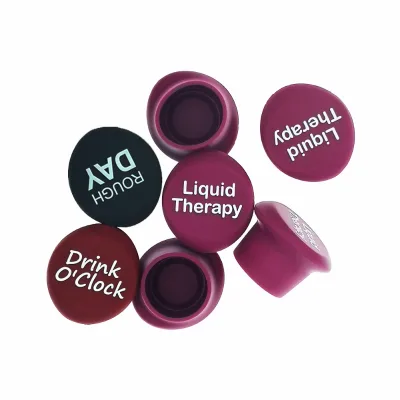
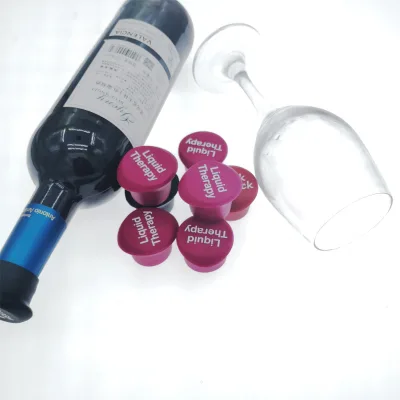
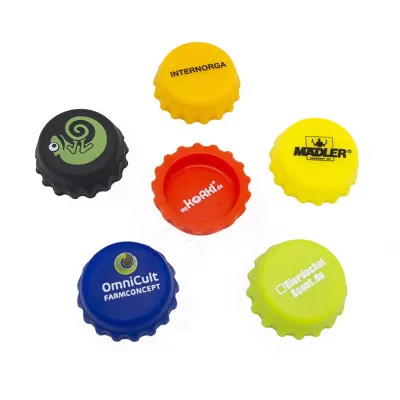


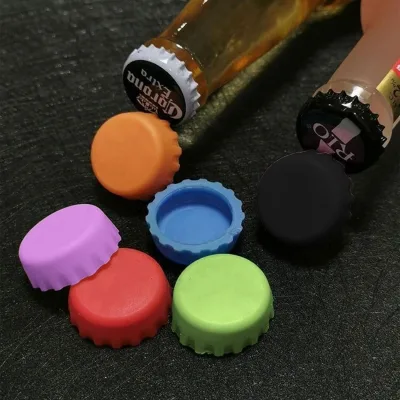
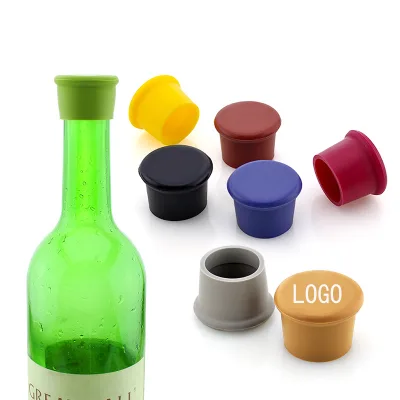
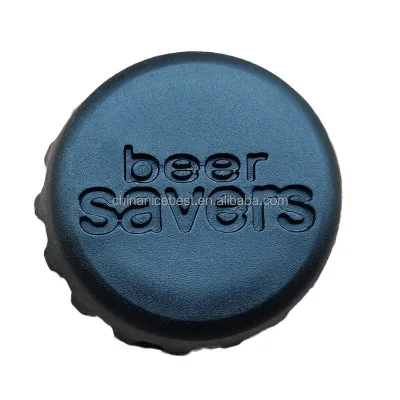


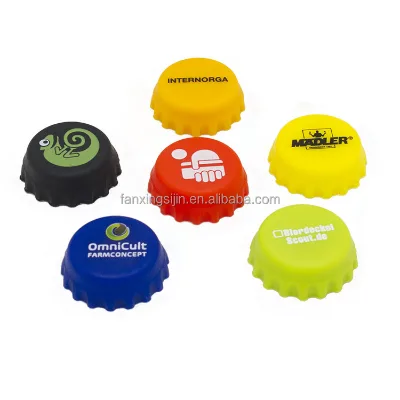
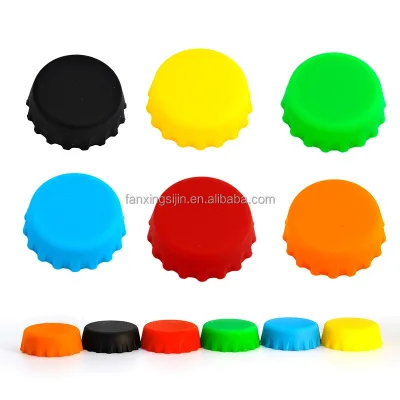


Comprehensive Sourcing Guide
Reusable Silicone Beer Bottle Caps Supplier Concentration and Factory Types
Current data indicates that verified manufacturing capabilities for Reusable Silicone Beer Bottle Caps are concentrated in specific Chinese provinces, with Fujian and Guangdong emerging as primary hubs. Suppliers in Fujian often list their origin explicitly in product attributes, suggesting a regional cluster for rubber and silicone molding operations. These facilities frequently combine OEM and ODM capacities, allowing them to handle both standard production runs and custom design requests for bottle caps. The presence of combined company types suggests a blend of manufacturing and trading functions, which can streamline communication but requires careful verification of actual factory ownership. Buyers should look for explicit location tags in supplier profiles to confirm if a vendor operates within these known clusters rather than relying on generic descriptions.
Factory types in this sector vary from pure manufacturers to combined entities that manage both production and sales. Evidence shows suppliers offering ODM and OEM services, indicating they possess the necessary tooling and engineering teams to modify existing designs or create new ones from scratch. Some suppliers specialize in specific product lines like rubber seals and gaskets, while others focus on beverage preservation accessories. When evaluating a potential partner, buyers must distinguish between a trading company that sources from multiple factories and a direct manufacturer with in-house molding capabilities. This distinction impacts quality control, lead time reliability, and the ability to implement rapid design changes. Always request proof of the physical production site if the company type is listed as combined to ensure direct oversight of the manufacturing process.
How to Verify Reusable Silicone Beer Bottle Caps Suppliers
Verification of suppliers in the Reusable Silicone Beer Bottle Caps market relies heavily on third-party audit reports and system certifications. Several suppliers in the current results display verification badges from recognized bodies such as TÜV Rheinland and BV, which serve as initial indicators of operational legitimacy. These audits often cover production capacity, quality management systems, and social compliance. Additionally, system certifications like ISO9001:2015 and ISO14001:2015 are frequently cited, suggesting adherence to international standards for quality and environmental management. Buyers should treat these certifications as baseline requirements rather than guarantees of product performance, as they validate the management system rather than specific product test results.
Beyond certifications, buyers must scrutinize response times and sample availability to gauge supplier reliability. Data shows response times ranging from approximately 2 to 3 hours, which can indicate the efficiency of the sales team and the readiness of the factory to engage. A fast response time often correlates with a well-stocked inventory or a streamlined communication channel, but it does not replace the need for physical verification. Buyers should also check for sample policies, as some suppliers offer free samples while others charge for them. Requesting a sample before placing a bulk order is critical to verify material quality, specifically ensuring the silicone is food-grade and meets the required durability standards for beer and wine preservation.
What to Compare Across Reusable Silicone Beer Bottle Caps Suppliers
When comparing suppliers, the primary dimensions to evaluate include minimum order quantities, lead times, and pricing structures. Current product listings reveal MOQs that vary significantly, with some suppliers requiring 100 units while others set the bar at 1000 or 5000 pieces. Lead times also differ, with production windows ranging from 7 to 18 days depending on the complexity of the order and customization level. Pricing per unit can fluctuate based on material specifications, such as the use of natural rubber versus pure silicone, and the inclusion of features like custom logos or specific colors. Buyers should create a comparison matrix to align these variables with their specific volume needs and budget constraints.
Another critical comparison factor is the range of customization options and material certifications. Suppliers differ in their ability to offer custom logos, colors, and shapes, with some providing universal compatibility for standard bottles while others focus on niche applications. Material attributes such as food-grade certification, eco-friendly status, and specific rubber types like NBR, FKM, or EPDM are essential for compliance in different markets. Some suppliers list specific standards like LFGB or SGS, which are vital for food contact applications. Buyers must verify that the claimed material properties match the intended use case, ensuring that the caps are safe for beverage storage and capable of withstanding repeated use without degrading.
Common Reusable Silicone Beer Bottle Caps Sourcing Risks
One significant risk in sourcing Reusable Silicone Beer Bottle Caps is the discrepancy between claimed material quality and actual product performance. While many suppliers advertise food-grade silicone, the specific formulation can vary, affecting durability, odor retention, and temperature resistance. Without independent third-party testing reports for the specific batch, buyers risk receiving products that fail to meet safety standards or degrade quickly after repeated use. This is particularly critical for beer and wine preservation, where the seal integrity must remain intact over time to prevent oxidation and spoilage. Buyers should insist on material test reports that specifically address food contact safety and mechanical strength.
Another risk involves the reliability of lead times and the potential for production delays due to customization complexities. Suppliers often provide estimated production times, but these can be extended if the design requires new mold creation or if raw material shortages occur. The variation in response times and the complexity of custom orders can lead to bottlenecks that disrupt supply chains. Furthermore, the use of combined company types may obscure the actual production capacity, leading to overpromising on delivery dates. Buyers should build buffer time into their planning and maintain clear communication channels to monitor production progress, ensuring that any delays are identified and addressed before they impact the final delivery schedule.
Reusable Silicone Beer Bottle Caps Regional Sourcing and Logistics
Regional sourcing in China, particularly in Fujian and Guangdong, offers distinct logistical advantages for buyers of Reusable Silicone Beer Bottle Caps. These provinces host established manufacturing clusters with access to raw materials and specialized molding equipment, which can reduce production costs and lead times. Suppliers in these regions often have experience with international shipping, utilizing sea, air, or express freight options to meet diverse delivery needs. The proximity to major ports facilitates efficient export processes, though buyers must account for customs clearance times and potential tariffs in their destination markets. Understanding the specific location of the factory helps in estimating transit times and selecting the most cost-effective shipping method.
Logistics planning must also consider packaging requirements and the fragility of the products during transit. While silicone caps are generally durable, the packaging must protect them from dust, deformation, and damage during long-haul shipping. Suppliers often offer customizable packing solutions, ranging from individual plastic bags to bulk carton boxes, which can impact the overall shipping volume and cost. Buyers should verify the packing specifications to ensure they align with their storage and retail requirements. Additionally, the choice of shipping method, whether sea freight for large volumes or air freight for urgent orders, will depend on the supplier's location and the buyer's urgency. Clear communication regarding packaging and shipping terms is essential to avoid unexpected costs or delays.
Reusable Silicone Beer Bottle Caps Commercial Terms and Order Planning
Commercial terms for Reusable Silicone Beer Bottle Caps often include specific payment methods and delivery conditions that buyers must carefully review. Common payment options include T/T, PayPal, Western Union, and Moneygram, each with its own implications for security and transaction speed. Delivery terms like EXW (Ex Works) are frequently cited, meaning the buyer is responsible for arranging and paying for all transportation from the factory gate. This places a significant logistical burden on the buyer but can offer more control over the shipping process. Buyers should clarify all Incoterms to understand their responsibilities regarding insurance, customs duties, and freight costs to avoid hidden expenses.
Order planning requires a strategic approach to managing MOQs and production timelines effectively. With MOQs ranging from 100 to 1000 pieces, buyers can tailor their initial orders to test the market without committing to excessive inventory. However, larger orders may offer better unit pricing, so buyers should calculate the break-even point based on their sales projections. Production times of 7 to 18 days necessitate advance planning, especially for seasonal demand or promotional campaigns. Buyers should establish a clear timeline that includes sample approval, production, and shipping to ensure timely delivery. Regular communication with the supplier regarding production status and any potential delays is crucial for maintaining a smooth supply chain and meeting market demands.
FAQs
What is the typical lead time for these caps?
The typical lead time is 15 days for standard orders. Some suppliers offer faster production windows of 7 to 18 days depending on customization needs. Buyers should confirm specific timelines before placing bulk orders to ensure timely delivery.
What is the minimum order quantity required?
Minimum order quantities vary by supplier, with common thresholds set at 1000 pieces. Some vendors accept smaller orders starting at 100 or 500 units. Always verify the specific MOQ for your chosen product model before finalizing purchase agreements.
Are these caps made from food-grade silicone?
Yes, many options are explicitly certified as food-grade silicone. These materials meet safety standards like LFGB and SGS for beverage preservation. Buyers should check product attributes to confirm food-grade status for direct contact with drinks.
Where are the manufacturers located?
Manufacturers are primarily located in Fujian and Guangdong provinces in China. These regions host facilities specializing in rubber seals and silicone bottle caps. Buyers can filter results by these specific locations to find nearby suppliers.
What certifications do the suppliers hold?
Suppliers often hold ISO9001:2015 and ISO14001:2015 system certifications. Some vendors also carry verification from TUVRHEINLAND or BV. These credentials indicate adherence to quality management and environmental standards for industrial production.
What is the price range per unit?
Unit prices typically range from 0.05 to 0.35 dollars depending on design and volume. Specific models may have fixed prices around 0.09 or 0.28 dollars. Bulk purchasing often influences the final cost per piece significantly.
Can suppliers provide custom logos or designs?
Customization is available for logos, colors, and specific designs. Options include printing, debossing, or embossing on the cap surface. Buyers can request unique features like multi-color options or specific material types to match their branding needs.