Reusable Recyclable Jute Bag Suppliers and Manufacturers
Source 19 verified suppliers for Reusable Recyclable Jute Bag products. Compare key dimensions including lead times, MOQs, response speeds, and pricing tiers to identify the right partner. Review detailed product attributes and request quotes directly to streamline your procurement process.
Suppliers List
Wenzhou Jiada Technology Co., Ltd.
- Manufacturer
- Lead time旺季: "1 - 500":7,"501 - 5000":14,"5001 - 15000":20,"> 15000":"To be negotiated", 淡季: "1 - 500":7,"501 - 5000":14,"5001 - 15000":20,"> 15000":"To be negotiated"
- Avg. response≤ 10h
Main productsShopping Bag, Cooler Bag, Canvas Bag, Burlap Bag, PP Woven Bag
Shanghai Rui Mao Textile Co., Ltd.
- Trading Company
- Shanghai, China
- Lead time0 days
- Avg. response≤ 4h
Main productscotton dust bag,cotton tote bag,poly mailer bag,enamel pin,poly carry bag
Main marketsNorth America(50.00%), Central America(10.00%), Western Europe(10.00%), Eastern Europe(10.00%), South America(10.00%), Southern Europe(5.00%), Northern Europe(5.00%)
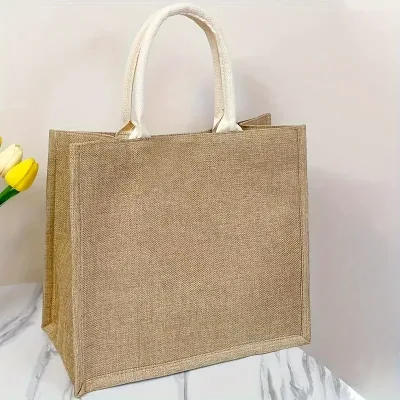
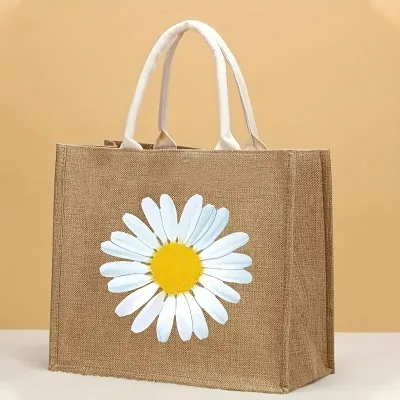
Wholesale Eco Friendly Burlap Grocery Foldable Reusable Tote Shopping Bags Jute Bag
$0.49 - $1.23
MOQ: 100 pieces
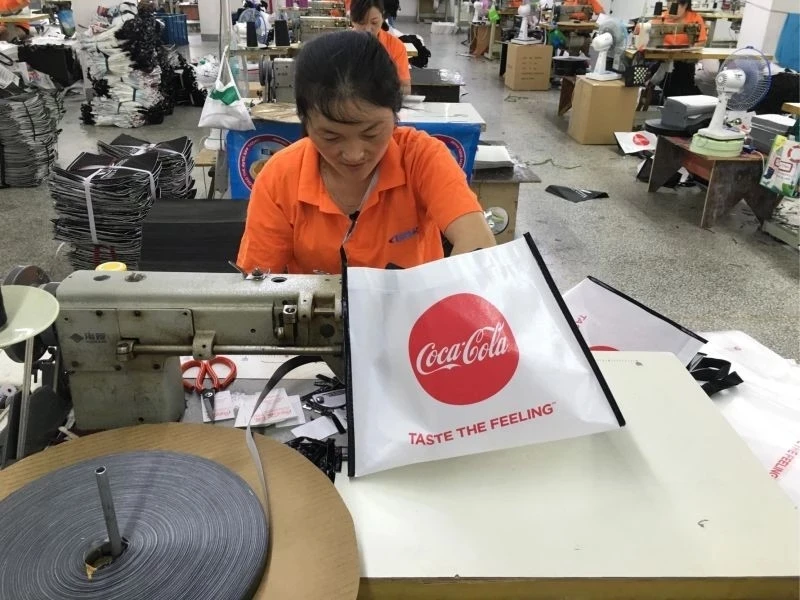
- Manufacturer, Trading Company
- Jiangsu, China
- Lead time3 days
- Avg. response≤ 6h
Main productscotton bags,cotton mesh bags,shopping bag,excavator part,turbocharger
Main marketsSouthern Europe(26.00%), Western Europe(25.00%), North America(20.00%), Eastern Europe(10.00%), South America(10.00%), Southeast Asia(4.00%), Central America(3.00%), Domestic Market(1.00%), South Asia(1.00%), Mid East(1.00%)

XIAMEN J-MAX INDUSTRY AND TRADE CO., LTD.
- Trading Company,Manufacturer/Factory
- China Fujian
- Lead time45 days
- Avg. response≤ 6h
Main productsSustainable Bags, Foldable Bags, Shopping Bags, Cooler Bags, Travel Bags, Backpack, ...etc
Main marketsSouth America,Eastern Europe,Mid East,North America,Southeast Asia,Eastern Asia,Oceania,Western Europe


Recyclable Material Certified Custom Beach Tote Jute Shopping Bag with Comfort Handle
$2.23 - $2.68
MOQ: 500 Pieces

Wholesale Customized Jute Bag Reusable Shopping Jute Bag for Daily Grocery
$2.32 - $2.77
MOQ: 500 Pieces

Durable Shopping Jute Bag Wholesale Customized Jute Bag Multi Storage Hand Bag
$2.32 - $2.77
MOQ: 500 Pieces

Wenzhou Guanmin Import and Export Co., Ltd.
- Verified by BV
- Trading Company,Manufacturer/Factory
- China Zhejiang
- Lead time120 days
- Avg. response≤ 6h
Main productsShopping Bag, Cooler Bag, Notebook, Pen, Color Pencil, Lanyard, Beach Ball, Umbrella, Sunshade, Air Freshener
Main marketsSouth America,Eastern Europe,Mid East,North America,Southeast Asia,Eastern Asia,Western Europe

Longgang Green Harmony Bags & Trading Co., Ltd.
- Verified by SGS
- Trading Company,Manufacturer/Factory
- China Zhejiang
- Lead time23 days
- Avg. response≤ 2h
Main productsNon Woven Bags, Canvas Bags, Non Woven Laminated Bags, Tyvek Bags, Jute Bags, Non Woven Suit Cover, Cotton Bags, Non Woven Ultrasonic Bags, PP Woven Bags, Polyester Drawstring Bags
Main marketsSouth America,Eastern Europe,Mid East,North America,Southeast Asia,Western Europe

Suzhou Flagbank Display Co., Ltd.
- Combined
- China Jiangsu
- Lead time15 days
- Avg. response≤ 6h
Main productsBeach Flag, Flag & Banner, Tent, Tension Fabric Display, 3X5FT Flag, Promotion Counter, Snap Frame, Swooper Flag, Pop up Wall, Pop up Banner
Main marketsSouth America,Africa,Southeast Asia/ Mideast,Domestic,Europe,Australia,North America
Wenzhou Lvlin Bag Making Co., Ltd.
- Verified by SGS
- Combined
- China Zhejiang
- Lead time15 days
- Avg. response≤ 3h
Main productsNonwoven Bag, Canvas Bag, Tote Bag, PP Woven Bag, Jute Bag
Main marketsDomestic


ISO9001 & BSCI Certified Eco-Friendly Jute Bag for Sustainable Shopping and Travel
$0.93 - $1.10
MOQ: 100

Guangzhou Gangchang Package Co., Ltd.
- Manufacturer, Trading Company
- Guangdong, China
- Lead time15 days
- Avg. response≤ 3h
Main productsPackaging Bag,Plastic Bag,Non woven Bag,Paper Bag,Organza Bag
Main marketsDomestic Market(28.11%), North America(20.76%), South America(17.30%), Oceania(10.38%), Africa(6.49%), Northern Europe(5.19%), Eastern Europe(4.33%), Western Europe(3.03%), Southern Europe(2.60%), Southeast Asia(1.73%), Eastern Asia(0.08%)

Qingdao Chenghaoda Science and Technology Co., Ltd.
- Verified by BV
- Manufacturer/Factory
- China Shandong
- Lead time15 days
- Avg. response≤ 15h
Main productsCustom Packaging Paper Bag, Custom Packaging Paper Box, Corrugated Carton/Gift Box, Custom Notebook, Decorative Books, Book/Booklet/Brochure/Catalog/Magazine Printing, Disposable Dishware
Main marketsNorth America,Eastern Asia,Western Europe

Customized Logo Printed Jute Bag Reusable Gift Packaging Shopping Tote Bag
$0.27 - $0.36
MOQ: 500 Pieces


Wholesale Custom Logo Printed Durable Eco-Friendly Jute Tote Bag for Shopping
$0.27 - $0.36
MOQ: 500 Pieces

Changzhou Runto Imp. and Exp.Co.,Ltd
- Verified by CTI
- Trading Company
- China Jiangsu
- Lead time15 days
- Avg. response≤ 8h
Main productsTote Bag, Caps, Charging Notebook, T-Shirt, Gift Box, Flags, Sunglasses, Silicone Bottle, Stainless Steel Bottle, USB Flash
Main marketsEurope

Eco-Friendly Jute Tote Bag with Custom Logo Laminated Reusable for Advertising
$1.30 - $2.00
MOQ: 1 Pieces

Laminated Jute Shopping Bag Custom Logo Reusable Eco-Friendly Promotional Tote
$1.30 - $2.00
MOQ: 1 Pieces
Guangzhou East Packaging Co., Ltd.
- Verified by SGS Group
- Trading Company
- Lead time5 days
Main productsPaper Bag/Paper Box, Non Woven Bag/Cotton Canvas Bag/Jute Bag
Main marketsNorth America(22%), Western Europe(18%), Mid East(13%)

DONGYAODA (XIAMEN) TRADING CO., LTD.
- Verified by SGS
- Trading Company,Manufacturer/Factory
- China Fujian
- Lead time15 days
- Avg. response≤ 9h
Main productsGift Sets, Paper Bag, Paper Box, Label& Sticker, Calendar, Trophy Award, Envelope, Cards, Tags, Packing Bag
Main marketsSouth America,Eastern Europe,Mid East,North America,Southeast Asia,Eastern Asia,Oceania,Western Europe,Africa
Hangzhou Initi Imp&Exp Co., Ltd.
- Verified by SGS
- Combined
- China Zhejiang
- Lead time30 days
- Avg. response≤ 7h
Main productsTote Bag, Cotton Bag, Canvas Bag, Drawstring Bag, Garment Bag, Cooler Bag, Cosmetic Bag, Shaker Bottle, Felt Bag, Corduroy Bag
Main marketsSoutheast Asia/ Mideast,East Asia(Japan/ South Korea),Europe,Australia,North America


Eco Friendly Laminated Reusable Jute Canvas Gift Tote Bags with Custom Logo
$0.20 - $0.53
MOQ: 100 Pieces

Wholesale Custom Pattern Implementation Eco-Friendly Large Capacity Jute Shopping Tote Bag
$0.98 - $1.56
MOQ: 100 Pieces


Eco-Friendly Large Capacity Jute Shopping Tote Bag Accept Custom Pattern Implementation
$0.98 - $2.24
MOQ: 100 Pieces

- Trading Company
- Hong Kong S.A.R.
- Lead time15 days
- Avg. response≤ 3h
Main productsPromotional gift set,Election Gifts,Events Gifts,keychain,silicone bracelet
Main marketsNorth America(80.00%), South America(10.00%), Mid East(10.00%)

- Verified by BV
- Manufacturer/Factory
- China Shandong
- Lead time23 days
- Avg. response≤ 3h
Main productsShopping Bag, Cotton Bag, Cooler Bag, Wooden Box, Promotional Item, Promotional Product, PVC Bag, Suit Cover, RPET Bag, PP Woven Bag
Main marketsSouth America,Eastern Europe,Mid East,North America,Southeast Asia,Eastern Asia,Oceania,Western Europe,Africa

China Size Customized Durable Reusable Natural Cotton Jute Grocery Printed Shopping Bags
$0.84 - $1.21
MOQ: 3000 Pieces

Biodegradable Recyclable Digital Printed Sustainable Jute Linen Handle Bag
$0.70 - $1.20
MOQ: 500 Pieces

Xiamen Top Green Bags Co., Ltd.
- Verified by SGS
- Trading Company,Manufacturer/Factory
- China Fujian
- Lead time45 days
- Avg. response≤ 6h
Main productsCooler Bags, Sports Bags, Apron, Promotional Bag, Waist Bag, Shoulder Bag, Travel Bags, Cosmetic Bag, Laptop Bag, Pencil Bag
Main marketsSouth America,Eastern Europe,North America,Southeast Asia,Eastern Asia,Oceania,Western Europe,Africa


Wholesale Jute Ladies Bags Reusable Waterproof Jute Bags for Gift From China
$0.99 - $2.00
MOQ: 500 Pieces

Sinopromotion Products Co., Ltd.
- Verified by BV
- Trading Company
- China Zhejiang
- Lead time30 days
- Avg. response≤ 8h
Main productsPromotional Pen, Ball Pen, Promotional Gifts, Stationery, Promotional Bag, Stainless Steel Mug, USB Flash
Main marketsSouth America,Africa,Southeast Asia/ Mideast,Europe,North America

MOQ: 500 Pieces

MOQ: 500 Pieces

MOQ: 500 Pieces
- Verified by CTI
- Trading Company
- China Zhejiang
- Lead time15 days
- Avg. response≤ 1h
Main marketsSoutheast Asia/ Mideast,Domestic,Europe,North America




Comprehensive Sourcing Guide
Reusable Recyclable Jute Bag Supplier Concentration and Factory Types
The landscape for sourcing Reusable Recyclable Jute Bag products features a mix of manufacturing entities and trading companies, each offering distinct operational advantages for buyers seeking specific volume tiers or customization levels. Manufacturer profiles indicate a primary focus on core product lines such as shopping bags, cooler bags, canvas bags, burlap bags, and PP woven bags, suggesting a robust infrastructure for textile-based packaging solutions. These entities often operate with established production capabilities that support high-volume orders, which is critical for buyers requiring consistent supply chain stability for large-scale retail or promotional campaigns. The presence of manufacturer-type suppliers implies direct access to production lines, potentially allowing for more transparent oversight of material sourcing and assembly processes, which are vital for maintaining the integrity of eco-friendly claims associated with jute materials.
Conversely, trading company suppliers provide a different value proposition, often aggregating products from multiple sources or specializing in specific niche items like cotton dust bags, poly mailers, and enamel pins alongside jute options. These entities may offer faster response times, with some reporting response metrics as low as four hours, which can be advantageous for buyers needing quick quotations or sample approvals. The diversity in company types means buyers must carefully assess whether their priority lies in direct manufacturing control or in the flexibility and breadth of product offerings provided by trading partners. Understanding this distinction helps in aligning supplier selection with specific project needs, whether that involves complex custom printing requirements or straightforward bulk purchases of standard tote designs.
How to Verify Reusable Recyclable Jute Bag Suppliers
Verifying the legitimacy and capability of suppliers requires a multi-layered approach that goes beyond surface-level product listings, focusing on tangible evidence of production capacity and compliance. Buyers should prioritize suppliers who provide detailed product attributes, such as specific material compositions like jute, and clear indications of customization options, including accepted logo printing methods and design flexibility. Evidence of product attributes like "Recyclable," "Eco-friendly," "Reusable," and "Durable" should be cross-referenced with the supplier’s stated main products to ensure consistency in their operational focus. Additionally, checking for specific product keywords and category classifications, such as Lifestyle Bags or Textile Packaging, helps confirm that the supplier operates within the relevant industry verticals rather than offering generic, unrelated goods.
Further verification involves examining the supplier’s response mechanisms and order handling procedures, which serve as indicators of their operational maturity and customer service quality. Suppliers with documented response times, such as those reporting ten-hour or six-hour response windows, demonstrate a commitment to timely communication, which is essential for resolving queries regarding samples, production schedules, or quality control issues. Buyers should also look for explicit statements on custom order acceptance and specific printing skills, such as digital printing, silk screen printing, or heat transfer printing, as these details reveal the supplier’s technical proficiency in handling branded merchandise. By rigorously checking these operational details, buyers can build a reliable shortlist of partners who are not only capable of producing the desired Reusable Recyclable Jute Bag products but also equipped to handle the logistical and communicative demands of international trade.
What to Compare Across Reusable Recyclable Jute Bag Suppliers
When evaluating multiple suppliers, buyers must systematically compare key operational metrics to determine the best fit for their specific procurement strategy, focusing on dimensions such as lead times, minimum order quantities, and pricing structures. Lead times vary significantly based on order volume and seasonal factors, with some suppliers indicating specific durations for different quantity brackets, such as seven days for smaller orders and up to twenty days for larger batches, while others may require negotiation for volumes exceeding fifteen thousand units. Comparing these timelines against project deadlines is crucial, as delays in production can impact market launch schedules and inventory management. Additionally, understanding the distinction between peak and off-peak season lead times allows buyers to plan their orders more effectively, ensuring that production schedules align with anticipated demand fluctuations.
Minimum order quantities and pricing are equally critical factors in the comparison process, as they directly impact the total cost of ownership and the feasibility of initial trial orders. Some suppliers set MOQs at one thousand pieces, which may be suitable for established brands with consistent demand, while others offer lower thresholds of one hundred or even fifty pieces, catering to startups or those testing new product lines. Price ranges also vary, with some products listed between zero point seven and one point zero dollars per unit, while others may range from zero point five to one point nine dollars, reflecting differences in material quality, printing complexity, and customization levels. By meticulously comparing these variables, buyers can identify suppliers that offer the optimal balance of cost efficiency, production flexibility, and volume capability, ensuring that their sourcing decisions are data-driven and aligned with their business objectives.
Common Reusable Recyclable Jute Bag Sourcing Risks
Sourcing Reusable Recyclable Jute Bag products involves inherent risks related to quality consistency, material authenticity, and supply chain transparency, which buyers must proactively mitigate through careful due diligence. One significant risk is the potential discrepancy between advertised eco-friendly claims and actual material composition, as jute quality can vary widely based on origin and processing methods. Buyers should be vigilant about verifying material specifications, such as whether the bags are made from pure jute or blended with other fibers, and ensure that features like "waterproof" or "washable" are substantiated by product attributes rather than just marketing language. Failure to verify these details can lead to product failures in the market, damaging brand reputation and resulting in costly returns or replacements.
Another common risk involves logistical delays and communication breakdowns, particularly when dealing with suppliers who have ambiguous lead time policies or slow response times. Suppliers with lead times listed as zero or those requiring negotiation for larger orders may lack the infrastructure to handle volume spikes, leading to missed deadlines and disrupted supply chains. Additionally, the risk of inconsistent printing quality or logo placement errors is prevalent in custom jute bag production, where variations in silk screen or digital printing techniques can affect the final product’s appearance. Buyers must establish clear quality control protocols and request pre-production samples to verify printing accuracy and material durability, thereby minimizing the likelihood of receiving substandard goods that do not meet their specifications or customer expectations.
Reusable Recyclable Jute Bag Regional Sourcing and Logistics
Regional sourcing considerations play a pivotal role in determining the overall cost structure and delivery efficiency for Reusable Recyclable Jute Bag orders, with location-based factors influencing both production capabilities and shipping logistics. Suppliers located in regions such as Shanghai and Jiangsu in China offer distinct advantages in terms of proximity to major ports and established textile manufacturing hubs, which can facilitate faster export processes and reduced transit times. The place of origin, whether specified as Zhejiang, Shanghai, or generally China, provides insight into the supplier’s logistical network and their ability to handle international shipping requirements, including customs documentation and freight coordination. Buyers should leverage this geographic information to estimate shipping costs and delivery windows, ensuring that their supply chain strategy accounts for regional transit variations.
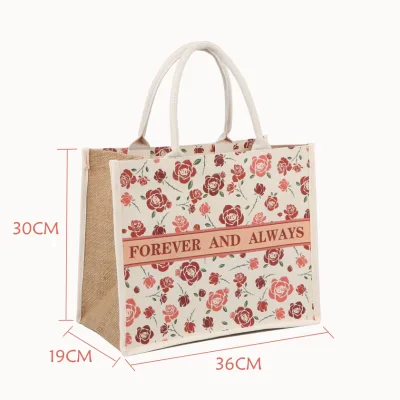
Logistics planning must also consider the packaging dimensions and weight of the products, as these factors directly impact freight charges and storage requirements. Product attributes such as single package sizes of twenty by ten by one centimeters or fifteen by fifteen by fifteen centimeters, along with gross weights around zero point three five to zero point five kilograms, provide essential data for calculating volumetric weight and optimizing container loading. Understanding these physical specifications allows buyers to negotiate more accurate shipping terms and select the most cost-effective transportation methods, whether by sea, air, or courier. By integrating regional location data with detailed packaging metrics, buyers can develop a comprehensive logistics strategy that minimizes costs and ensures timely delivery of their Reusable Recyclable Jute Bag inventory to global markets.
Reusable Recyclable Jute Bag Commercial Terms and Order Planning
Effective commercial term negotiation and order planning are essential for securing favorable pricing and ensuring smooth transaction execution when sourcing Reusable Recyclable Jute Bag products. Payment terms vary among suppliers, with options including telegraphic transfer, trade assurance, PayPal, and Western Union, each offering different levels of security and convenience for buyers. Utilizing trade assurance or similar escrow-like services can provide an additional layer of protection, ensuring that funds are released only upon satisfactory delivery and quality verification. Buyers should carefully review these payment options and align them with their internal financial policies and risk tolerance, prioritizing methods that offer the best balance of security and flexibility for their specific transaction volumes.
Order planning must also account for sample times and customization lead times, which can significantly impact the overall project timeline. Suppliers may require seven to ten days for sample production, while full-scale manufacturing can take ten to twenty-five working days depending on order complexity and volume. Buyers should incorporate these durations into their project schedules, allowing sufficient buffer time for design approvals, sample testing, and potential revisions. Additionally, understanding the supplier’s capacity for handling custom orders, including logo printing and design adjustments, is crucial for managing expectations and avoiding delays. By meticulously planning around these commercial and operational constraints, buyers can streamline their procurement process, reduce lead time risks, and ensure the timely availability of their Reusable Recyclable Jute Bag products in the market.
FAQs
What is the typical lead time for jute bag orders?
Lead times generally range from 7 to 20 days depending on order volume and season. Small orders under 500 pieces typically take 7 days, while larger batches up to 15,000 units may require 20 days. Quantities exceeding 15,000 pieces require negotiation. Some suppliers offer a 10 to 25 working day window for custom production.
What are the minimum order quantities for custom jute bags?
Minimum order quantities vary significantly among suppliers. Some manufacturers require a minimum of 1,000 pieces for standard production runs. Others accommodate smaller orders with a minimum of 100 pieces or even 50 pieces for customized designs. Buyers should verify specific MOQ requirements with the supplier before placing an order to ensure alignment with their volume needs.
What is the price range for wholesale jute shopping bags?
Wholesale prices for jute bags typically range from $0.49 to $1.90 per unit. Basic models may start around $0.50, while premium options with features like waterproofing or complex printing can reach $1.90. Prices depend on material quality, customization level, and order volume. Buyers should request detailed quotes to understand cost variations based on specific design requirements.
Are jute bags customizable with logos and designs?
Yes, most suppliers accept customized logos and designs for jute bags. Options include offset printing, digital printing, silk screen printing, and heat transfer printing. Buyers can request designs as per their demand, with surface handling including varnishing or screen printing. Customization allows for branding in various colors and styles, making these bags suitable for promotions and gifts.
What materials are used in eco-friendly jute tote bags?
Eco-friendly jute tote bags are primarily made from natural jute fiber, which is biodegradable and reusable. Some products combine jute with canvas or cotton for added durability. Features include being recyclable, durable, and eco-friendly. These materials ensure the bags are suitable for shopping, promotions, and daily use while maintaining environmental sustainability standards.
How quickly do suppliers respond to sourcing inquiries?
Supplier response times vary, with some responding within 4 hours and others taking up to 10 hours. Faster response times indicate higher availability and readiness to assist with sourcing needs. Buyers should prioritize suppliers with quicker response times to ensure efficient communication and timely order processing. Checking response metrics helps in selecting reliable partners for bulk purchases.