RGBW Sparkle Fibre Optic Lighting Suppliers and Manufacturers
Compare 20 verified suppliers offering RGBW Sparkle Fibre Optic Lighting with ISO 9001 certification and OEM capabilities. Review response times, lead times, and product specifications to select a suitable factory for your project needs; review the available evidence before requesting comparable quotations from suitable candidates.
Suppliers List

Nanjing Windon Projection Screen Co., Ltd.
- Verified by TUVRHEINLAND
- Manufacturer/Factory
- China Guangdong
- Lead time23 days
- Avg. response≤ 2h
Main productsProjector, 4K Laser Projector, 3D Mapping, Immersive Projection, Projection Screen, Curved Frame Projection Screen, Fast Fold Projection Screen, 3D Hologram Projector, Rear Projection Film, 3D Holographic Displays
Main marketsSouth America,Eastern Europe,Mid East,North America,Southeast Asia,Eastern Asia,Oceania,Western Europe,Africa
Dongguan Dassault Optical Fiber Co., Ltd.
- Trading Company
- Guangdong, China
- Lead time3 days
- Avg. response≤ 2h
Main productsPlastic optical fiber,Plastic Optic Cable,optical fiber lighting,fiber optic light engine kits,Fiber Optic Textile
Main marketsSouth America(20.0%), North America(20.0%), Eastern Asia(10.0%), Eastern Europe(8.0%), Central America(8.0%), Western Europe(8.0%), South Asia(7.000000000000001%), Oceania(6.0%), Africa(5.0%), Southeast Asia(5.0%), Mid East(3.0%)

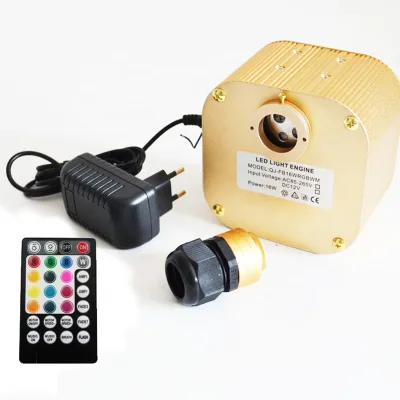
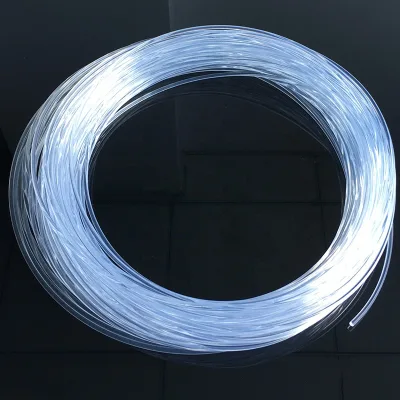
2.5mm Side Glow Fiber Optic Lights with LED Light Source
Contact supplier
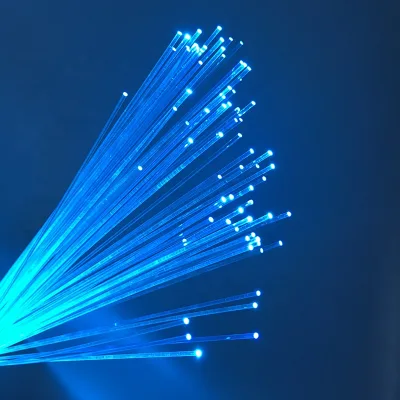
Shenzhen Jinzhi Optoelectronics Technology Co., Ltd.
- Manufacturer
- Guangdong, China
- Lead time4 days
- Avg. response≤ 3h
Main productsMedical fiber: holmium laser fiber and hair removal fiber,Large core diameter quartz optical fiber,Industrial fiber optic jumper,Plastic lighting fiber optic,Fiber optic connector transceiver
Main marketsNorth America(20.0%), Eastern Europe(15.0%), Domestic Market(15.0%), South America(10.0%), Mid East(10.0%), Western Europe(8.0%), Africa(5.0%), Southeast Asia(5.0%), Southern Europe(3.0%), Oceania(3.0%), Eastern Asia(2.0%), Northern Europe(2.0%), Central America(1.0%), South Asia(1.0%)
Anhui Polysen Extrusion Technology Co., Ltd.
- Verified by SGS
- Combined
- China Anhui
- Lead time45 days
- Avg. response≤ 4h
Main productsExtrusion Machine, Extrusion Mould, Plastic Profile, Extruder, Downtream Machine, Fiber Optic, Pelletizer/Granulator, Co-Extruder, Plastic Machinery, Welding Machine
Main marketsOthers(foreignTradeCapacity.exportBusinessCapacityMarketOther),Southeast Asia/ Mideast,Europe,North America
Yangzhou Rspof Technology Co., Ltd.
- Trading Company
- Jiangsu, China
- Lead time20 days
- Avg. response≤ 3h
Main productsPlastic Optic Fiber,Plastic optic cable,Video&Audio cables,Avago cables,RCA audio cables
Main marketsEastern Europe(20.0%), North America(20.0%), Western Europe(10.0%), Mid East(10.0%), Africa(10.0%), Southeast Asia(10.0%), South America(10.0%), Northern Europe(5.0%)

Guangzhou Gliszen Technology Co., Ltd
- Verified by TUVRHEINLAND
- Trading Company
- China Guangdong
- Lead time15 days
- Avg. response≤ 11h
Main productsLED Strip Light, Neon Light, Neon Sign, LED Display, LED Shelf Light, LED Lighting Solution, LED Panel Light, Power Supply, LED Controller, Connector
Main marketsSouth America,Africa,Southeast Asia/ Mideast,Europe,Australia,North America
Shenzhen Luk Technology Co., Ltd.
- Verified by SGS
- Manufacturer/Factory
- China Guangdong
- Lead time23 days
- Avg. response≤ 2h
Main productsLED Lighting, LED Strips, LED Modules, Neon Strip, Outdoor Lighting
Main marketsSouth America,Eastern Europe,Mid East,North America,Southeast Asia,Eastern Asia,Oceania,Western Europe,Africa


RGB LED/Light Decoration/Architectural Lighting/Event Light for LED Outdoor Lighting
$1.00 - $1.99
Moq: 100

LED Outdoor Lighting/RGB LED/LED Strip Light/LED Light Fitting for Decoration-Light
$1.00 - $1.99
Moq: 100

Yueqing Fiy Electric Co., Ltd.
- Verified by TUVRHEINLAND
- Combined
- China Zhejiang
- Lead time23 days
- Avg. response≤ 7h
Main productsIndustry Socket, Industry Plug, Solar String Light, Christmas Decoration, Solar Light, Christmas Lights, Solar LED Light, LED Strip Light, Industry Switch, Tools Switch
Main marketsSoutheast Asia/ Mideast,Domestic,Europe,North America

Dongguan Light Shines Electric Lighting Co.,Ltd
- Combined
- China Guangdong
- Lead time30 days
- Avg. response≤ 11h
Main productsLED Cabinet Light
Main marketsSoutheast Asia/ Mideast,North America


LED RGBW String Bulbs Party String Lighting for Festival Wedding Decoration String Light
$18.42 - $20.11
Moq: 1000


- Combined
- China Guangdong
- Lead time45 days
- Avg. response≤ 1h
Main productsResin Craft, Baby Doll, Christmas Tree, Christmas Wreath, Christmas Garland, Christmas Decoration, Artificial Flower, Artificial Plant, Artificial Tree, Christmas Ornaments
Main marketsSouth America,Europe,North America
Guangzhou Halance Technology Co., Ltd.
- Manufacturer
- Guangdong, China
- Lead time5 days
- Avg. response≤ 5h
Main productsFiber optic lighting,Fiber optic whip,Fiber optic fabric,Solid Side Glow Fiber,led moving head light
Main marketsDomestic Market(7.139999999999999%), South Asia(7.139999999999999%), Southern Europe(7.139999999999999%), Northern Europe(7.139999999999999%), Central America(7.139999999999999%), Western Europe(7.139999999999999%), Eastern Asia(7.139999999999999%), Mid East(7.139999999999999%), Oceania(7.139999999999999%), Africa(7.139999999999999%), Southeast Asia(7.139999999999999%), Eastern Europe(7.139999999999999%), South America(7.139999999999999%), North America(7.139999999999999%)

LED Fiber Optic Lighting Kit with 8 Colors and 300 Strands for Starry Sky Ceiling Decoration
$61.96 - $103.26
Moq: 10
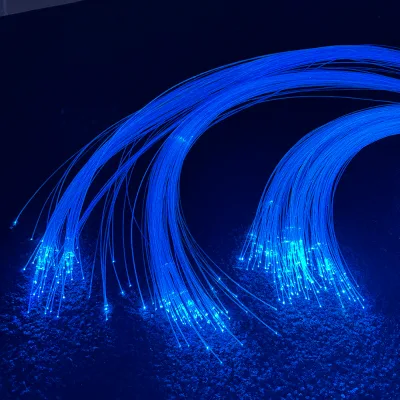
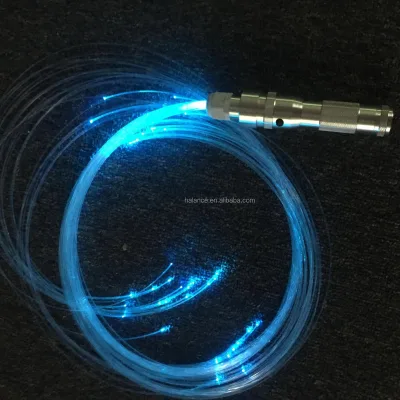

Fiber Optic Lighting for Wedding Hall
Contact supplier
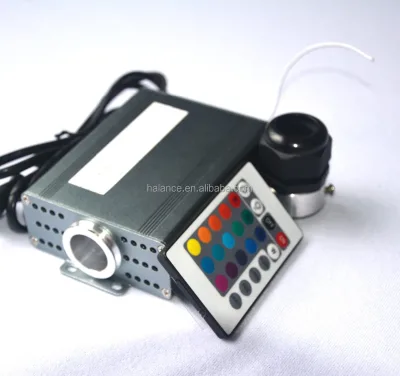
16W RGB LED Light Source Make Star Effect
Contact supplier
Shenzhen Amer Lighting Technology Co., Ltd.
- Manufacturer, Trading Company, Buying Office
- Guangdong, China
- Lead time5 days
- Avg. response≤ 3h
Main productspmma fiber optic,light engine/light source,fiber optic kit,side glow fiber,led festival light
Main marketsNorth America(30.0%), South Asia(20.0%), Western Europe(12.0%), Southern Europe(10.0%), Northern Europe(10.0%), South America(8.0%), Africa(6.0%), Oceania(4.0%)
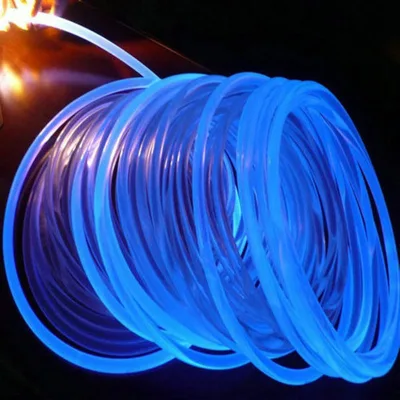
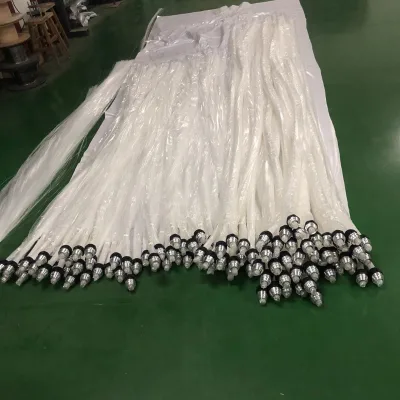
Customized 0.75mm 900pcs 3meter Long End Glow Fiber Optic Kit for Ceiling Decoration
$35.00 - $38.00
Moq: 2700
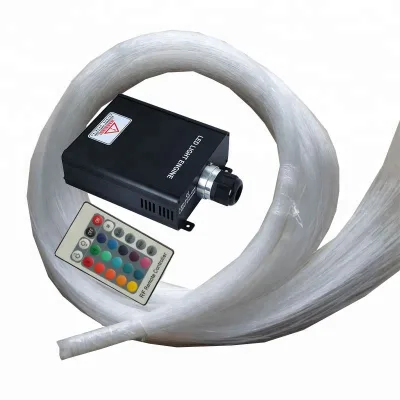
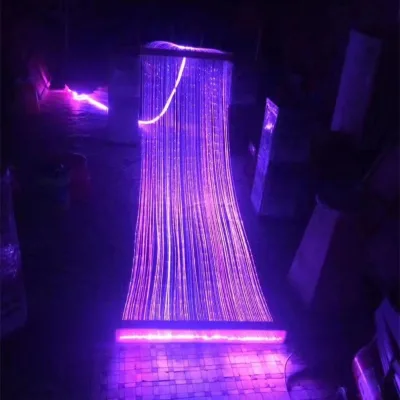
Dongguan WBovision Lighting Ltd.,
- Manufacturer
- China Guangdong
- Lead time15 days
- Avg. response≤ 4h
Main productsLED Outdoor Light, LED Spot Garden Light, LED Inground Light, LED Underwater Light, LED Recessed Wall Light, LED Wall Washer Light, LED Flood Light, LED Fountain Light
Main marketsSoutheast Asia/ Mideast,Australia,North America
Shenzhen Horich Technology Co., Ltd.
- Manufacturer, Trading Company
- Guangdong, China
- Lead time10 days
- Avg. response≤ 3h
Main productsPlastic Optical Fiber,ST/FC/SMA optical fiber cable,Fiber Optic Lights,LED engine,Car floor mats carpet
Main marketsDomestic Market(40.0%), Western Europe(30.0%), North America(20.0%), Eastern Asia(10.0%)
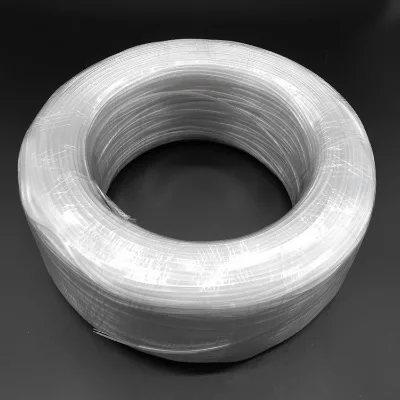
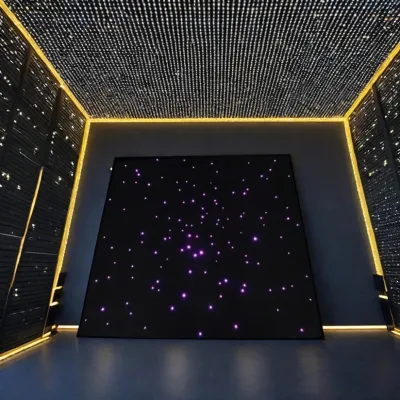
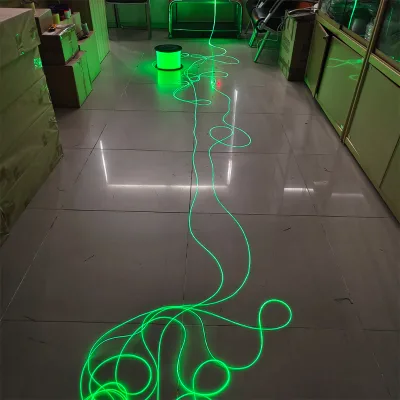
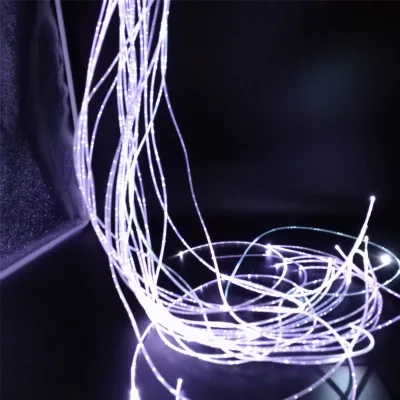
Multi-strand Sparkle End Glow Fiber, Chandelier Optical Fibers
Contact supplier

Shenzhen Maxblue Lighting Co., Ltd.
- Manufacturer/Factory
- China Guangdong
- Lead time15 days
- Avg. response≤ 3h
Main productsLED Track Light, LED Downlight, LED Strip Light, LED Panel Light, LED Linear Light, LED Lighting, LED Ceiling Spotlight, LED High Bay Light, LED Controller, LED Neon Flex
Main marketsSouth America,Eastern Europe,Mid East,North America,Southeast Asia,Eastern Asia,Oceania,Western Europe,Africa
Ningbo Hengboyi Lamp Co., Ltd.
- Verified by SGS
- Combined
- China Zhejiang
- Lead time15 days
- Avg. response≤ 3h
Main productsString Lights
Main marketsNorth America

Changzhou HITEK Electronics Co., Ltd.
- Combined
- China Jiangsu
- Lead time30 days
- Avg. response≤ 23h
Main productsHDMI Cable, Connector, Antenna, RCA Cable, DVI Cable, AV Cable, Vedio Cable, Audio Cable, USB Cable, Network Cable
Main marketsDomestic

Guangdong Laswim Water Environment Equipment Co., Ltd.
- Verified by BV
- Combined
- China Guangdong
- Lead time15 days
- Avg. response≤ 5h
Main productsSand Filter, Pool Pump, Pool Underwater Light, Salt Chlorinator, Heat Pump, Pool Ladder, Pool Plastic Fittings, Filtration Unit, Massage Products, Hydrotherapy Equipment
Main marketsSouth America,Africa,Southeast Asia/ Mideast,East Asia(Japan/ South Korea),Europe,Australia,North America

Qingdao Powtech Electronics Co., Ltd.
- Verified by TUVRHEINLAND
- Manufacturer/Factory
- China Shandong
- Lead time23 days
- Avg. response≤ 5h
Main productsInsulator, Insulation Piercing Connector, Surge Arrestor, ABC Clamp, Cutout Fuse, Line Hardware, Fiber Optic Cable, Patch Cord, Preformed Guy Grip, PLC Splitter
Main marketsSouth America,Eastern Europe,Mid East,North America,Southeast Asia,Eastern Asia,Oceania,Africa
Ever Heng Optical (Shenzhen) Co., Limited
- Manufacturer
- Guangdong, China
- Lead time5 days
- Avg. response≤ 4h
Main productsPlastic (PMMA MMA Arcylic) Optic fiber,Glass Quartz Silica optical fiber,Optic fiber cable,Plastic (PTFE PVC )tube,Optical fiber lighting products
Main marketsDomestic Market(29.4%), Mid East(8.3%), Western Europe(8.0%), Northern Europe(7.200000000000001%), Eastern Asia(6.4%), Southern Europe(6.0%), South Asia(6.0%), Central America(5.8%), Southeast Asia(5.4%), Eastern Europe(5.1%), North America(4.8%), South America(4.7%), Oceania(2.0%), Africa(0.9000000000000001%)







Comprehensive Sourcing Guide
RGBW Sparkle Fibre Optic Lighting Supplier Concentration and Factory Types
The current supplier landscape for RGBW Sparkle Fibre Optic Lighting shows a distinct concentration of manufacturing activity within China, specifically in the Guangdong region. This geographic clustering is evident from the verified location data associated with the available results, indicating that the majority of production capabilities for these specialized lighting solutions are centralized in this province. Buyers seeking these products should prioritize regions where the supply chain for optical fibers and LED light engines is already established, as this often correlates with higher efficiency and lower logistics costs. The presence of both manufacturers and trading companies in this area suggests a mature ecosystem where raw materials like PMMA fiber and integrated light units are readily accessible.
Within this region, the supplier base includes a mix of factory types, ranging from direct manufacturers to trading entities. The data indicates that some suppliers operate as manufacturers with their own brands, such as Windonscreen, while others function as trading companies facilitating the movement of goods. This distinction is critical for buyers because manufacturers typically offer greater control over customization and production timelines, whereas trading companies may provide a broader portfolio of products from different sources. Understanding this split helps buyers align their sourcing strategy with their specific needs for OEM capabilities or quick access to a variety of stock items. The concentration in Guangdong allows for a dense network of specialized vendors, but buyers must verify the specific operational model of each potential partner to ensure it matches their project requirements.
How to Verify RGBW Sparkle Fibre Optic Lighting Suppliers
Verification of suppliers in the RGBW Sparkle Fibre Optic Lighting sector requires a rigorous check of their operational credentials and third-party validations. The available data highlights that some suppliers have undergone verification processes by recognized bodies like TUVRHEINLAND, which serves as a tangible indicator of their business legitimacy. Buyers should actively look for such verification badges or certificates on supplier profiles, as these provide a layer of assurance regarding the company's existence and compliance with basic business standards. It is essential to confirm that the verification status is current and directly linked to the specific entity being evaluated, rather than a generic company profile that might not reflect the actual production facility.
Beyond basic verification, buyers must scrutinize the specific certifications held by the supplier and their products. The observed results include ISO 9001 system certification for some manufacturers, which signals a commitment to quality management processes. Additionally, product-level certifications such as CE are frequently listed, indicating compliance with safety and environmental standards for the European market. Buyers should request copies of these certificates and cross-reference them with the issuing authority to ensure authenticity. For products involving electrical components like RGBW light engines, verifying that the IP ratings (such as IP54 or IP55) are accurately tested and documented is crucial. This due diligence ensures that the supplier can deliver products that meet the necessary safety and performance criteria for the intended application, whether it is a home cinema or a commercial hotel installation.
What to Compare Across RGBW Sparkle Fibre Optic Lighting Suppliers
When evaluating multiple suppliers for RGBW Sparkle Fibre Optic Lighting, buyers should focus on comparing key operational metrics that directly impact project execution and cost. Lead time is a primary differentiator, with observed data showing variations ranging from three days to twenty-three days depending on the supplier and order complexity. A shorter lead time might be preferable for urgent projects, but it often comes with a trade-off in terms of customization flexibility or minimum order quantities. Buyers must weigh these factors carefully, as a supplier with a three-day lead time might be a trading company with limited stock, while a manufacturer with a twenty-three-day lead time might offer deeper customization for OEM orders.
Another critical comparison point is the Minimum Order Quantity (MOQ) and the associated pricing structure. The data reveals MOQs varying between ten and twelve units, with price ranges fluctuating based on specifications like panel size and light engine power. Some suppliers offer prices starting around twenty-eight dollars, while others may start at forty dollars, reflecting differences in material quality, such as the use of 0.75mm versus 1.5mm PMMA fiber. Buyers should also compare response times, which are recorded as low as 1.65 hours for some entities, indicating high availability for communication. A supplier with a fast response time and a low MOQ might be ideal for prototyping, whereas a supplier with a higher MOQ but lower unit cost could be better for large-scale deployments. These metrics must be analyzed together to determine the most cost-effective and efficient partner for the specific scope of the project.
Common RGBW Sparkle Fibre Optic Lighting Sourcing Risks
One significant risk in sourcing RGBW Sparkle Fibre Optic Lighting involves the inconsistency of product specifications and warranty terms across different suppliers. The observed data shows variations in warranty periods, with some suppliers offering one year while others provide only six months or two years. This discrepancy can lead to unexpected costs if a product fails shortly after installation, particularly in commercial settings like hotels or dust-free rooms where reliability is paramount. Buyers must explicitly clarify the warranty coverage, including what is excluded, such as damage from improper installation or power surges, before finalizing any agreement. Relying on general statements without written confirmation can result in disputes that are difficult to resolve across international borders.
Another prevalent risk is the potential mismatch between the claimed capabilities and the actual product performance, especially regarding color rendering and light engine efficiency. The data indicates differences in Color Rendering Index (CRI) values, with some products rated at 60 and others at 80, which significantly affects the visual quality of the star ceiling effect. Additionally, the emitting color capabilities vary, with some units offering static RGB while others support dynamic RGBW or DMX control. If a buyer assumes a supplier can provide a specific effect, such as a shooting star or color-changing sequence, without verifying the technical specifications, they may receive a product that does not meet the design intent. Buyers should request detailed technical datasheets and, if possible, sample units to validate the actual performance against the advertised claims before committing to a large order.
RGBW Sparkle Fibre Optic Lighting Regional Sourcing and Logistics
Sourcing RGBW Sparkle Fibre Optic Lighting from the identified cluster in Guangdong, China, offers logistical advantages due to the region's established export infrastructure. The concentration of manufacturers and trading companies in this area facilitates streamlined shipping processes, as many suppliers are accustomed to handling international freight for lighting products. Buyers should leverage this geographic advantage by selecting suppliers who have experience with the specific packaging requirements for fragile optical fibers and light engines, such as the carton and wooden frame combinations observed in the data. Proper packaging is essential to prevent damage during transit, especially for items like 60x60cm panels that are prone to bending or cracking if not secured correctly.
However, buyers must also account for the variability in shipping times and costs associated with different logistics providers. While the lead time for production might be short, the total time to delivery depends heavily on the chosen shipping method and the destination country. Some suppliers may offer expedited shipping options, while others might rely on standard sea freight to keep costs down. It is crucial for buyers to clarify who is responsible for freight costs and insurance, as well as the specific Incoterms agreed upon. Additionally, buyers should verify if the supplier can handle customs documentation accurately, as errors in declaring the product origin or value can lead to delays at the destination port. Understanding these logistical nuances ensures that the project timeline remains on track and that the products arrive in perfect condition.
RGBW Sparkle Fibre Optic Lighting Commercial Terms and Order Planning
Commercial terms for RGBW Sparkle Fibre Optic Lighting orders often include specific requirements regarding payment security and after-sales support. The data indicates that some suppliers offer after-sales service, while others do not, which is a critical factor for long-term project success. Buyers should prioritize suppliers who explicitly state their commitment to after-sales support, including troubleshooting and replacement policies, to mitigate the risk of product failure. Furthermore, the availability of escrow services or secure payment platforms should be confirmed to protect the buyer's funds until the goods are received and verified. This financial protection is particularly important when dealing with international transactions where legal recourse can be complex and costly.
Order planning must also consider the customization options and production capacity of the supplier. The observed data shows that some manufacturers offer OEM and ODM services, allowing for tailored solutions such as specific panel sizes or light engine configurations. Buyers should discuss their customization needs early in the process to ensure the supplier has the capacity to meet the demand without compromising quality. Additionally, the lead time for customized orders may be longer than for standard stock items, so buyers should factor this into their project schedule. It is also advisable to establish a clear communication channel for updates on production progress, ensuring that any potential delays are identified and addressed promptly. By carefully planning the commercial terms and order details, buyers can secure a reliable supply chain for their RGBW Sparkle Fibre Optic Lighting projects.
FAQs
What is the typical lead time for fiber optic lighting orders?
The typical lead time for fiber optic lighting orders is 23 days for manufacturers and 3 days for trading companies. Buyers should verify specific timelines based on the supplier type and order volume before confirming production schedules.
What certifications do these RGBW fiber optic lights hold?
Many products carry CE certification, while the manufacturing facility holds ISO 9001 system certification. Some suppliers also undergo verification by TÜV Rheinland. Buyers must check individual product listings to confirm specific certification details for their needs.
What is the minimum order quantity for these lighting panels?
Minimum order quantities vary between 10 and 12 units depending on the specific product model and supplier. Some listings require 12 units while others accept orders starting from 10 units. Always check the specific product page for the exact MOQ.
Where are these fiber optic lighting manufacturers located?
All listed suppliers are located in Guangdong, China. This region is a major hub for lighting manufacturing. Buyers should confirm the exact city or district within Guangdong when arranging logistics or visiting facilities for quality inspections.
What is the response time for supplier inquiries?
Supplier response times range from 1.65 to 2 hours based on the current data. Faster response times are observed for certain manufacturers. Buyers should expect replies within this window but should verify real-time availability before placing urgent orders.
What warranty periods are available for these ceiling lights?
Warranty periods vary from 6 months to 2 years depending on the specific product and supplier. Some models offer a 1-year warranty while others provide up to 2 years. Buyers must review the product attributes section to confirm the exact warranty duration.
What is the price range for RGBW fiber optic star ceiling lights?
Prices for these lights range from 28.98 to 60.00 per unit depending on specifications and order volume. Lower prices are often associated with trading companies while manufacturers may have different pricing structures. Buyers should compare specific product listings for accurate costs.