Finger Loop Chenille Yarn Suppliers and Manufacturers
Source 17 verified suppliers for Finger Loop Chenille Yarn. Compare key dimensions including ISO 9001 certification, TUVRHEINLAND verification, response times, and lead times. Review product specifications and pricing to identify suitable manufacturers for your textile needs; review the available evidence before requesting comparable quotations from suitable candidates.
Updated
Suppliers List

Suzhou Hanyun New Material Technology Co., Ltd.
- Verified by TUVRHEINLAND
- Manufacturer/Factory
- China Jiangsu
- Lead time23 days
- Avg. response≤ 4h
Main productsYarn, Recycled Yarn, Polyester Yarn, Nylon Yarn, Poly Yarn, Chemical Yarn, Cotton Yarn
Main marketsSouth America,Eastern Europe,Mid East,North America,Southeast Asia,Eastern Asia,Oceania,Western Europe,Africa

Shanghai Charmkey Textile Co., Ltd.
- Verified by BV
- Trading Company
- China Shanghai
- Lead time23 days
- Avg. response≤ 8h
Main productsYarn, Blended Yarn, Fancy Yarn, Acrylic Yarn, Cotton Yarn, Wool Yarn, Chenille Yarn, Chunky Yarn, T Shirt Yarn, Polyester Yarn
Main marketsEurope


$0.49 - $0.51
MOQ: 1 Pieces


Charmkey Supplier Cheap Price 100% Polyester Space Chenille Yarn for Hand Knitting
$0.45 - $0.65
MOQ: 2000 Pieces

Xingtai Xisibei Cashmere Co., Ltd.
- Trading Company
- Hebei, China
- Lead time15 days
- Avg. response≤ 4h
Main productscashmere yarn,tibetan yak yarn,silky cashmere yarn,blended yarn,cashmerino yarn
Main marketsNorth America(40.00%), Eastern Europe(10.00%), South America(10.00%), Domestic Market(9.00%), Western Europe(8.00%), Northern Europe(5.00%), Southeast Asia(5.00%), Oceania(5.00%), Southern Europe(5.00%), Eastern Asia(2.00%), Central America(1.00%)
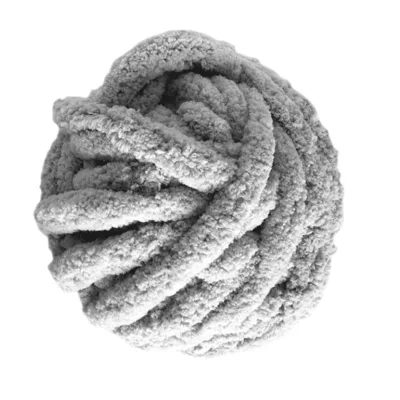
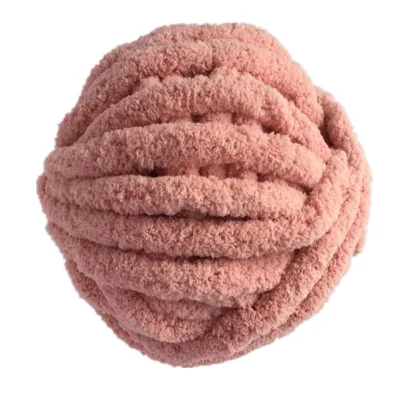
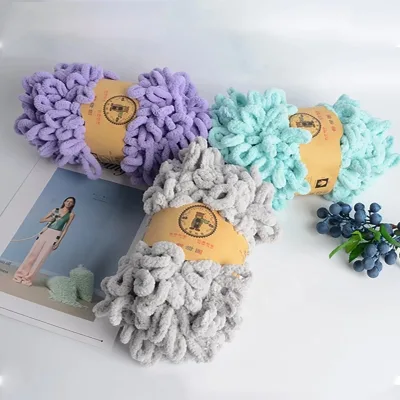
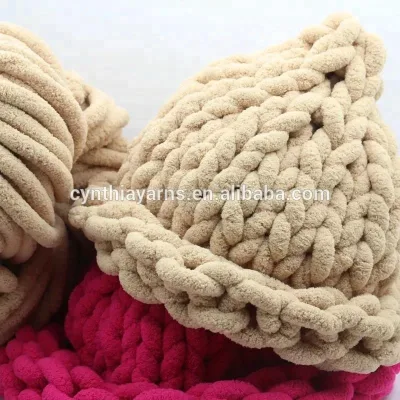
SALE on Vegan Yarn Chunky Chenille Yarn
$1.80 - $1.89
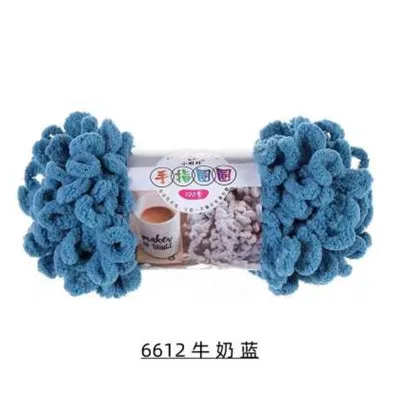
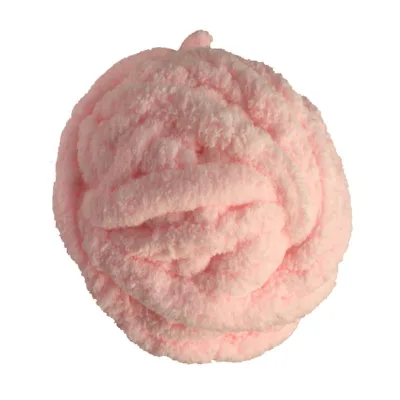

Xuzhou Seagor Import and Export Co., Ltd.
- Verified by TUVRHEINLAND
- Combined
- China Jiangsu
- Lead time30 days
- Avg. response≤ 14h
Main productsPolyester Cotton Yarn, Viscose Yarn, Nep Yarn, Core Spun Yarn, Lurex Yarn, Blend Yarn, Tencel Yarn, Grs Yarn, Recycled Yarn, Regenerated Yarn
Main marketsOthers(foreignTradeCapacity.exportBusinessCapacityMarketOther),Europe,North America
Shanghai Charmkey Textile Co., Ltd.
- Trading Company
- Lead time旺季: "1 - 250":20,"251 - 1000":25,"> 1000":"To be negotiated", 淡季: "1 - 250":20,"251 - 1000":25,"> 1000":"To be negotiated"
- Avg. response≤ 3h
Main productsChenille Yarn, Polyester Yarn, Acrylic Yarn, Wool Yarn, Blended Yarn
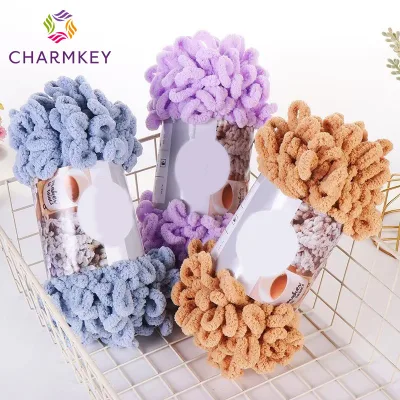
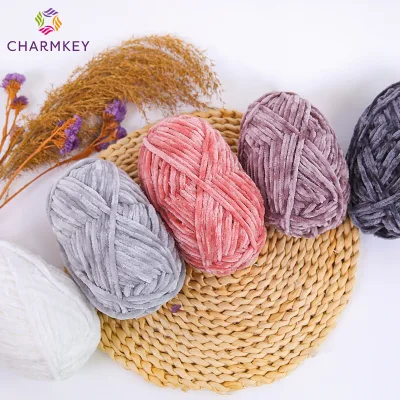
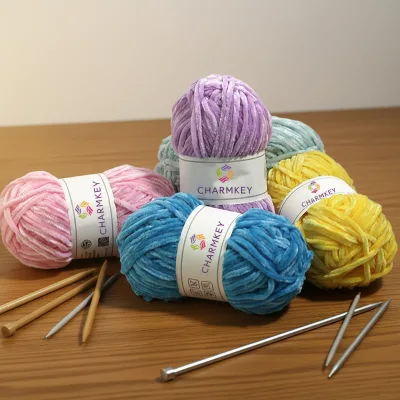
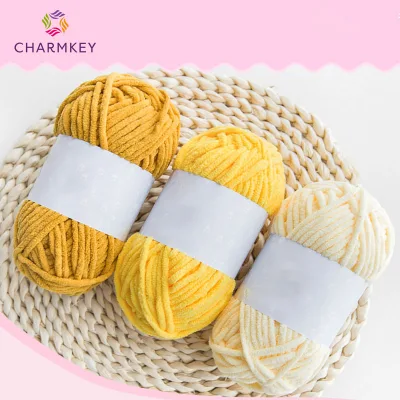
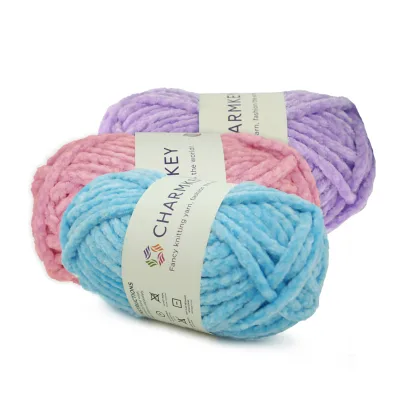
Wholesale Finger Loop Yarn Hand Chunky Velvet Yarn Chenille Yarn for Hand Knitting
$1.62 - $1.89
MOQ: 250 pieces
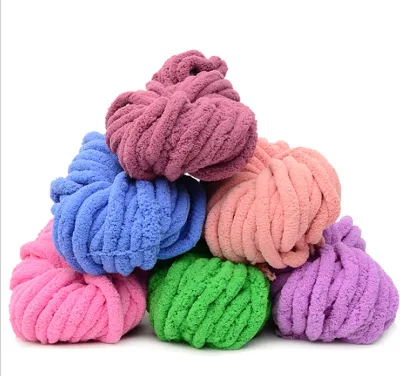

Zhuji Zhuotai Import and Export Co., Ltd.
- Verified by TUVRHEINLAND
- Trading Company
- China Zhejiang
- Lead time15 days
- Avg. response≤ 7h
Main productsNylon or Polyester DTY Yarn, Spandex Air Covered Yarn, Polyester or Nylon High Stretch Yarn, Viscose Filament Color Yarn, Dyed Yarn, Wool Blended Spun Yarn, Spandex Yarn, Rubber Thread, PP Yarn, Acrylic Yarn
Main marketsSouth America,Africa,Others(foreignTradeCapacity.exportBusinessCapacityMarketOther),Southeast Asia/ Mideast,Europe,North America
Shanghai Charmkey Textile Co., Ltd.
- Verified by TüVRheinland
- Trading Company
- Lead time旺季: "1 - 8000":8,"> 8000":"To be negotiated", 淡季: "1 - 8000":8,"> 8000":"To be negotiated"
- Avg. response≤ 3h
Main productsCake Yarn, Velvet Yarn, Acrylic Knitting Yarn, Chenille Yarn, Wool Yarn
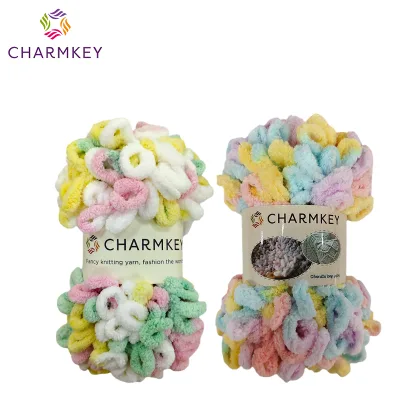
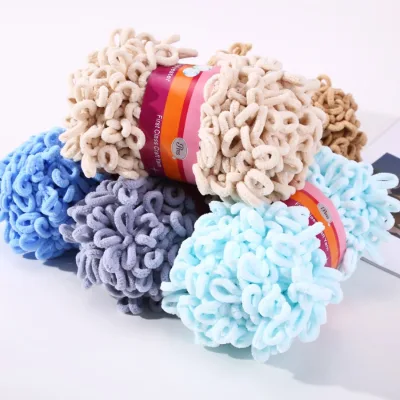
Wholesale DIY Finger Loop Yarn Polyester Chenille Yarn for Hand Knitted Home Throw Pillow Rug Thread
$1.3698 - $1.8997
MOQ: 10 pieces
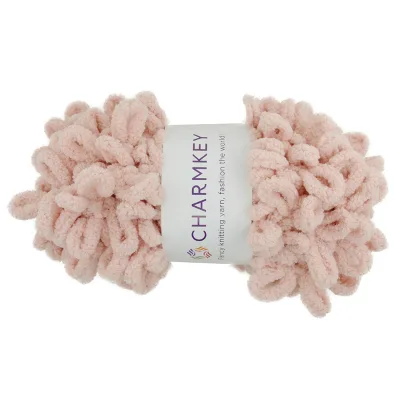
100% Polyester Chenille Finger Loop Yarn Dyed Fancy Style for Hand Knitting Blanket Price
$0.98 - $1.20
MOQ: 500 pieces
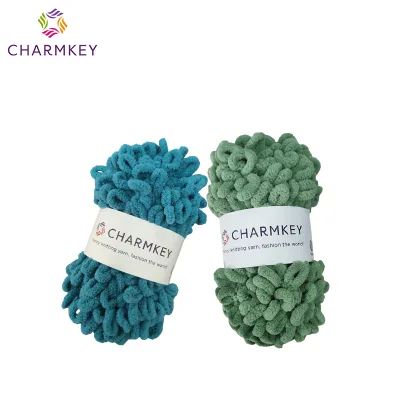
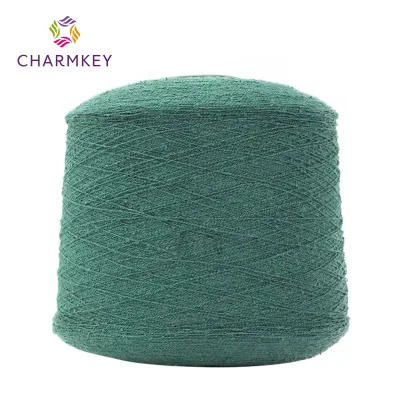
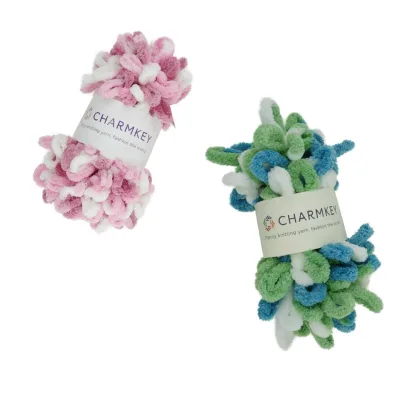
Charmkey Beautiful Multicolor Cheap Loop Thread Loop Knit Yarn for Knitting Blankets
$0.27 - $0.75
MOQ: 100 pieces

Zhangjiagang Essun Textile Co., Ltd.
- Trading Company
- Jiangsu, China
- Lead time0 days
- Avg. response≤ 16h
Main productsCore Spun Yarn,Flat Knitting Yarn,Fancy Yarn,Chenille Yarn,Hand Knitting Yarn
Main marketsEastern Europe(20.00%), South America(20.00%), Africa(20.00%), Western Europe(10.00%), Eastern Asia(10.00%), North America(10.00%), Southeast Asia(10.00%)
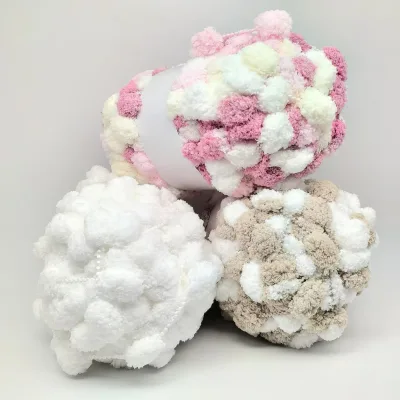
Colorful Chenille Ball Yarn Hand Knit Soft 100% Chunky Polyester Chenille Yarn
$4.8368 - $5.1452
MOQ: 1 kilograms
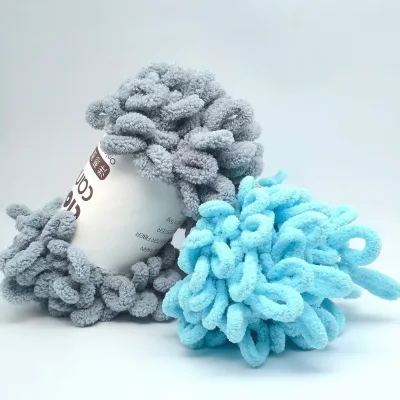
Tianjin Cando International Trading Co., Ltd.
- Trading Company
- Tianjin, China
- Lead time20 days
- Avg. response≤ 6h
Main productstufting,yarns,knitting machine,tufting material,DIY
Main marketsNorthern Europe(20.00%), South America(15.00%), North America(10.00%), Eastern Europe(10.00%), Western Europe(8.00%), Southern Europe(8.00%), Southeast Asia(5.00%), Central America(5.00%), Oceania(5.00%), South Asia(5.00%), Mid East(5.00%), Eastern Asia(2.00%), Africa(2.00%)

Shanghai Hoyia Textile Co., Ltd.
- Trading Company
- Shanghai, China
- Lead time15 days
- Avg. response≤ 3h
Main productshand made yarn,fancy yarn,crochet yarn,knit yarn,yarn
Main marketsDomestic Market(30.00%), Northern Europe(25.00%), Eastern Asia(10.00%), North America(10.00%), South America(5.00%), Central America(4.00%), Eastern Europe(3.00%), South Asia(3.00%)
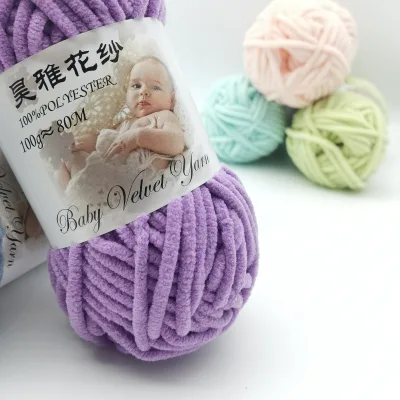
Chenille Yarn Giant 2cm Velvet Tube Yarn Arm Knitting Chunky Yarn Hand Knitting
$0.8204 - $1.0239
MOQ: 100 pieces
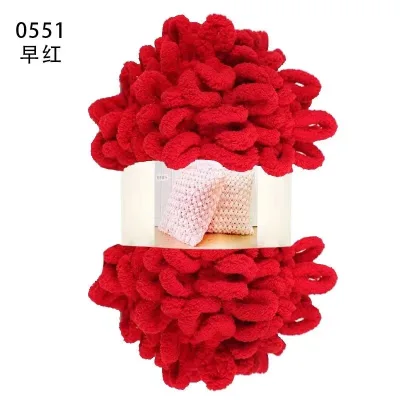
Soft Puffy Velvet Chenille Carpet Blanket Yarn Finger Loop Circle Yarn for Arming Knitting Crochet
$1.1272 - $1.3323
MOQ: 500 pieces
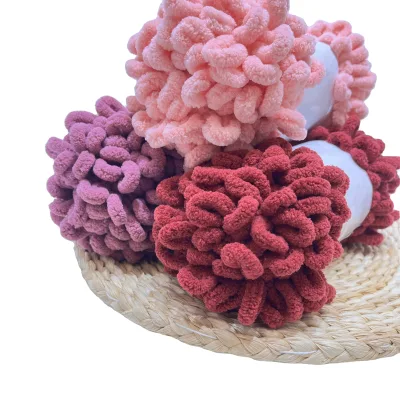
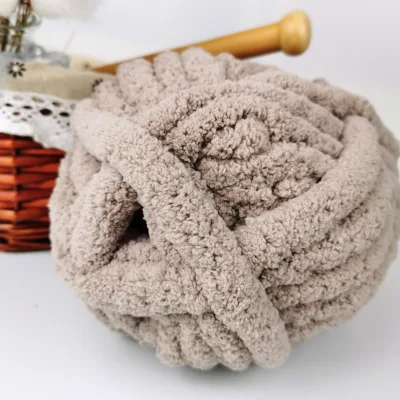
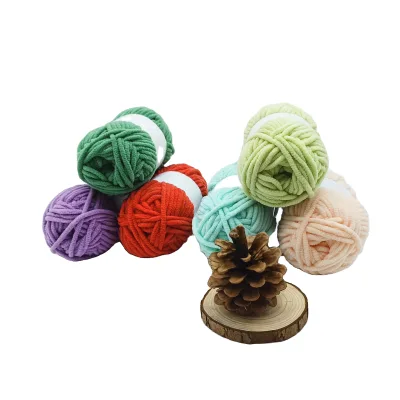
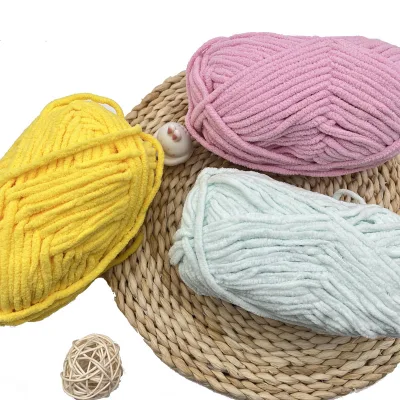
wholesale free sample 30colors 100gram 68m 100% polyester chunky chenille yarn
$0.7695 - $0.8518
MOQ: 100 pieces
Jiangsu Haite Fashion Co., Ltd.
- Verified by SGS Group
- Manufacturer, Trading Company
- Lead time40 days
- Avg. response≤ 2h
Main productsYarn
Main marketsNorth America(40%), Western Europe(18%), Domestic Market(15%)
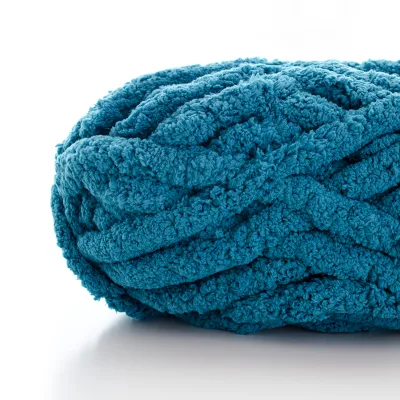
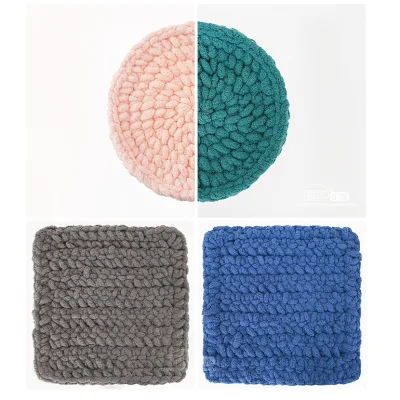
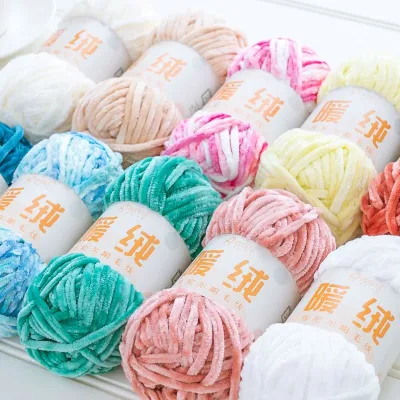
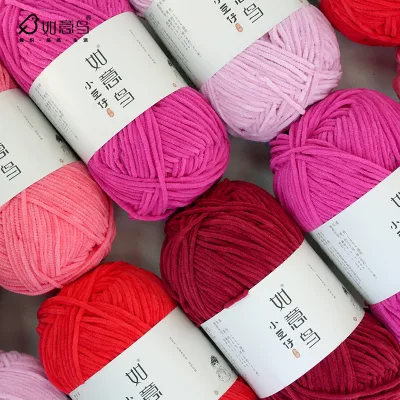
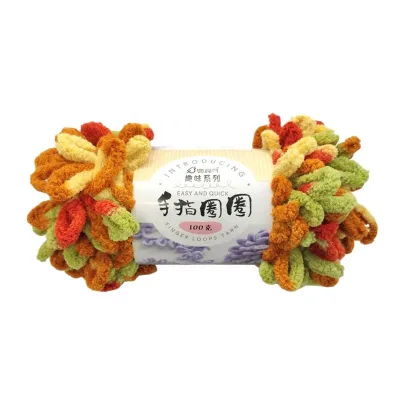
Yarncrafts Fancy Soft Puffy 100% Polyester Cheap Price Finger Loop Yarn Wholesale
$1.10 - $1.30
MOQ: 100


Baoding Zhongqing Textile Co., Ltd
- Verified by SGS
- Combined
- China Hebei
- Lead time15 days
- Avg. response≤ 7h
Main productsyarn
Main marketsDomestic

8-Ply Polyester Cotton Blended Yarn Textured Chenille Yarn for Premium Home Decor Knitting Yarn
$0.65 - $0.88
MOQ: 100 Rolls

Premium 8-Ply Cotton Blended Yarn Soft Chenille Yarn for Luxury Sweater and Blanket Knitting Yarn
$0.65 - $0.88
MOQ: 100 Rolls
Shanghai Charmkey Textile Co., Ltd.
- Verified by TüVRheinland
- Trading Company
- Lead time20 days
- Avg. response≤ 3h
Main productsCake Yarn, Rainbow Yarn, Velvet Yarn, Acrylic Knitting Yarn, Air Yarn
Main marketsNorth America(17%), Western Europe(16%), Oceania(12%)
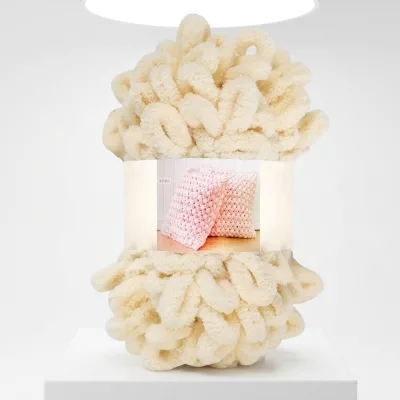
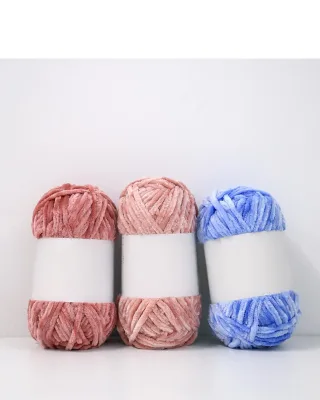
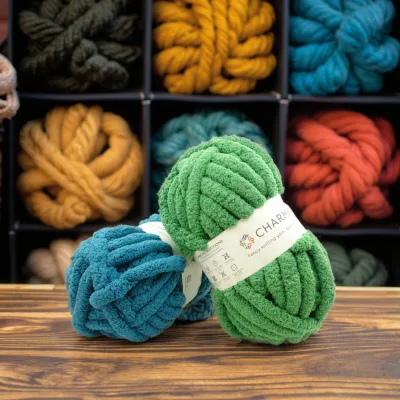
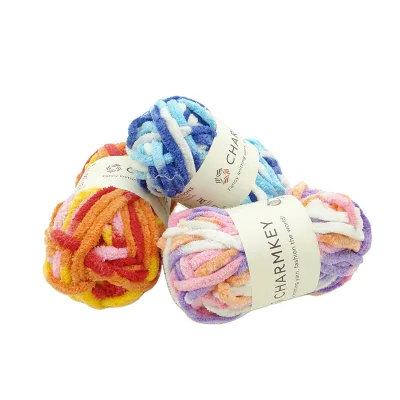
OEM Production Ice Fluffy Velvet Chunky Wholesale Chenille Yarn with 100% Polyester
$0.2769 - $0.6662
MOQ: 100 pieces
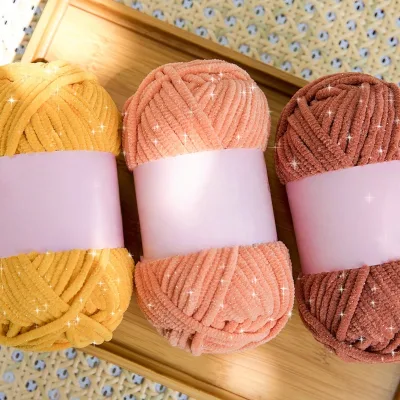
New Arrival 4.5mm 100% Polyester Chenille Metallic Fancy Yarn for Weaving Scarves and Dolls
$0.7081 - $0.9236
MOQ: 100 pieces
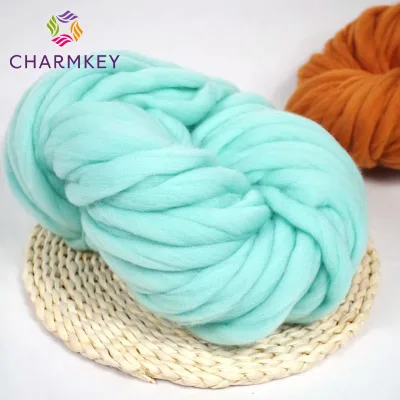
Wholesale Icelandic yarn Coarse yarn chunky chenille yarn crochet 20mm for hand knitting hat, scarf
$1.2575 - $1.4506
MOQ: 20 pieces
Yarn Craftsman Trading (Shanghai) Co., Ltd.
- Trading Company
- Shanghai, China
- Lead time30 days
- Avg. response≤ 10h
Main productsfancy yarn,woven blanket,wool yarn,knitting tool,baby accessories
Main marketsEastern Asia(40.00%), South America(20.00%), Southern Europe(15.20%), Eastern Europe(13.80%), Domestic Market(10.00%), Southeast Asia(1.00%)
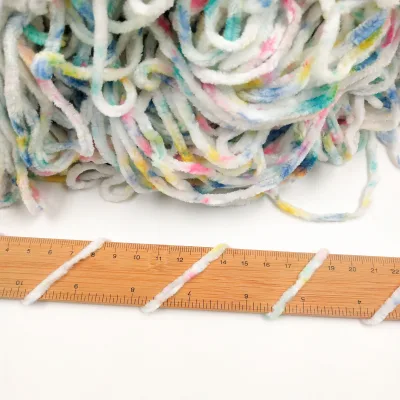
High Quality 100% Polyester Chenille Yarn Dyed Hand Crochet Yarn Fancy Knitting Yarn
$6.00 - $7.50
MOQ: 100
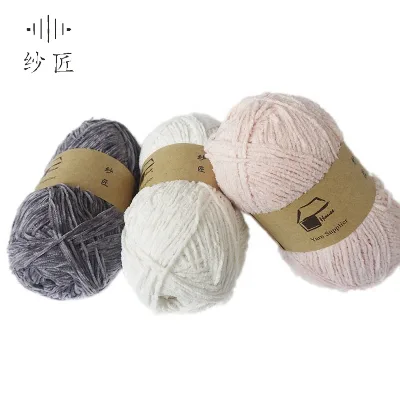
Best Selling Custom 4NM/1 100% Polyester Chenille Yarn Fancy Yarn Knitting Yarn
$6.1527 - $8.2036
MOQ: 100 kilograms
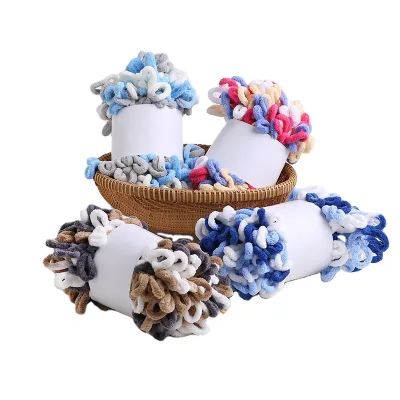
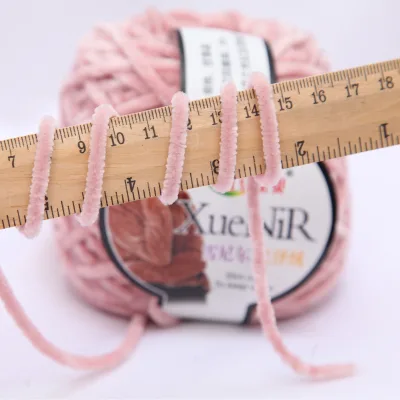
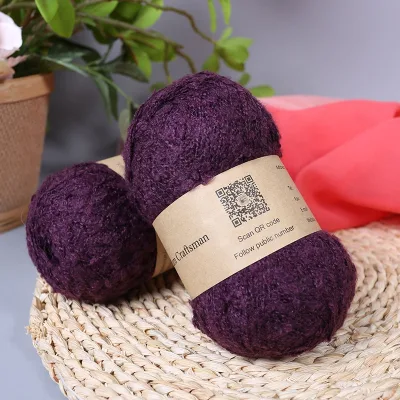
High Quality 4.8NM/1 100% Polyester Loop Yarn Fancy Yarn for Crochet Hand Knitting
$0.50 - $1.00
MOQ: 100
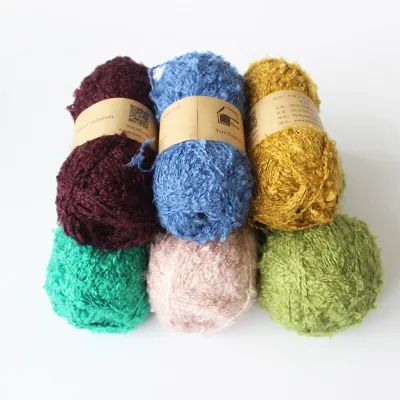
2020 Best Popular Big Loop 100% Acrylic Yarn for Handknitting Crochet Fancy Yarn
$0.40 - $1.00
MOQ: 100
Hebei Guzhong Trading Co., Ltd.
- Trading Company
- Hebei, China
- Lead time7 days
- Avg. response≤ 5h
Main productscrochet yarn,crochet toys,baby teether,crochet rattles,macrame cord
Main marketsNorth America(40.00%), Northern Europe(30.00%), Oceania(20.00%)

NINGBO FANST IMP.&EXP. CO., LTD.
- Verified by BV
- Trading Company
- China Zhejiang
- Lead time30 days
- Avg. response≤ 21h
Main productsPolyester Yarn, Acrylic Yarn, Knitting Yarn, Acrylic Knitting Yarn, LED Flash Torch, Headlamps, Bicycle Light, LED Work Light, Torches
Main marketsOthers(foreignTradeCapacity.exportBusinessCapacityMarketOther),Southeast Asia/ Mideast,Australia

Wuhu Lyman Technology Co., Ltd
- Verified by SGS
- Trading Company
- China Anhui
- Lead time15 days
- Avg. response≤ 7h
Main productsFelt, Industrial Felt, Nomex Felt, Needle Felt, Press Felt, Pbo Roller, Papermaking Felt, Pbo Belt, Felt Belt, Fiber
Main marketsSoutheast Asia/ Mideast




Comprehensive Sourcing Guide
Finger Loop Chenille Yarn Supplier Concentration and Factory Types
Current data indicates a concentration of manufacturers and factories located in Jiangsu, China, alongside trading companies operating from Shanghai. These entities primarily list Yarn, Recycled Yarn, Polyester Yarn, Nylon Yarn, and Chenille Yarn as their main products. The Jiangsu-based suppliers are identified as manufacturers capable of OEM and ODM services, suggesting direct production capabilities for specialized items like 100% Polyester Chenille Yarn. In contrast, the Shanghai-based entities are classified as trading companies, which may source from various factories to fulfill orders for blended yarns or fancy yarns. This distinction is critical for buyers seeking specific production control versus those prioritizing a broader catalog of textile raw materials.
Buyers should verify the specific factory type before engaging, as the operational model dictates quality control and customization flexibility. While some suppliers in the results hold ISO 9001 certification and TUVRHEINLAND verification, others display no system certification or rely on BV verification. The presence of RD capacity for OEM and ODM confirms that manufacturers can adapt products like Arm Knit Chunky Polyester Knitting Yarn to specific client needs. However, trading companies may offer a wider range of styles, such as Alize Puffy Hand Knit Chenille Yarn, without necessarily owning the production lines. Understanding this split helps buyers align their sourcing strategy with their need for direct manufacturing oversight or flexible product variety.
How to Verify Finger Loop Chenille Yarn Suppliers
Verification of supplier credentials requires checking specific badges and certification statuses provided in the search results. Some suppliers display TUVRHEINLAND verification, indicating a third-party audit of their business operations, while others show BV verification. It is essential to confirm if a supplier holds ISO 9001 system certification, as this suggests adherence to quality management standards. However, not all suppliers in the current results list certifications, with some showing NIL status. Buyers must not assume that a lack of displayed certification implies non-compliance but should treat it as a signal to request documentation directly. The presence of a verified badge is a strong initial indicator of legitimacy but should be cross-referenced with product-specific evidence.
Beyond general company verification, buyers must examine product-level evidence to ensure the supplier can deliver the exact specifications required. For instance, product attributes for 100% Polyester Chenille Yarn list specific features like High Strength, Eco-Friendly, and High Temperature-Resistant properties. Buyers should request test reports or samples that confirm these attributes, such as the "Light Appearance" or "Anti-Static" features listed for certain yarn types. The product evidence also details technical specifications like Fiber Length, which can be Continuous Filament or a combination of short fibers. Verifying that the supplier's actual output matches these detailed attributes prevents receiving substandard materials that fail to meet the intended usage, such as Hand Knitting or Embroidery applications.
What to Compare Across Finger Loop Chenille Yarn Suppliers
When evaluating potential partners, buyers should compare lead times, response speeds, and minimum order quantities to determine operational fit. The data shows a lead time of 23 days for certain manufacturers, while response times vary significantly, with some suppliers responding in 3.50 hours and others taking 7.18 hours. These metrics are vital for planning production schedules and managing inventory levels. A supplier with a faster response time may be better suited for urgent orders or quick prototyping, whereas a longer lead time might be acceptable for large, planned production runs. Buyers must also scrutinize the MOQ, which ranges from 5,000 units to 240,000 units depending on the specific product and supplier type.
Price and customization capabilities form another critical comparison dimension. Product evidence indicates price ranges, such as 1.36 to 1.54 for specific polyester yarns, while other items show placeholder values that require direct inquiry. Customization is listed as available for many products, allowing for tailored patterns, colors, and fiber compositions like Nylon or Spandex blends. However, the ability to customize often correlates with higher MOQs, such as the 240,000 unit requirement for some wholesale items. Buyers should compare the cost per unit against the flexibility offered, ensuring that the supplier can accommodate specific design needs without imposing prohibitive volume thresholds. This balance between cost, speed, and flexibility defines the commercial viability of the partnership.
Common Finger Loop Chenille Yarn Sourcing Risks
One significant risk involves the discrepancy between advertised product attributes and actual delivery quality. While product evidence lists features like Flame-Retardant or Anti-Bacterial properties, these claims must be validated through independent testing. Some suppliers list complex fiber compositions, such as Nylon/Polyester/Spandex blends, which can introduce variability in elasticity and strength if not manufactured consistently. Buyers face the risk of receiving yarn that does not meet the specified "High Strength" or "Eco-Friendly" standards if the supplier lacks rigorous internal quality control. This is particularly relevant for applications like Garment or Home Textile production, where material failure can lead to costly recalls or brand damage.
Another risk stems from the variability in packaging and shipping standards across different suppliers. Product attributes show diverse packing methods, ranging from 36 Kg Carton Boxes to 10 PCS/OPP Bags. Inconsistent packaging can lead to damage during transit or difficulties in handling upon arrival, especially for delicate items like Chunky Chenille Yarn. Furthermore, the lack of standardized pricing in some listings, indicated by negative values, suggests that final costs may fluctuate based on order volume or market conditions. Buyers must clarify all pricing terms and packaging requirements upfront to avoid unexpected expenses. Relying solely on listed data without confirming these logistical details can result in supply chain disruptions and budget overruns.
Finger Loop Chenille Yarn Regional Sourcing and Logistics
Sourcing from China, specifically Jiangsu and Shanghai, offers access to established textile clusters but introduces specific logistical considerations. Jiangsu-based manufacturers often provide direct factory access, which can streamline communication regarding production details like Technics or Structure. However, shipping from inland locations may require additional transit time compared to coastal hubs like Shanghai. Buyers should calculate the total delivery time by adding the 23-day lead time to the shipping duration from the specific port of origin. The location of the supplier directly impacts the efficiency of the supply chain, especially for time-sensitive orders requiring rapid turnaround.
Logistics planning must also account for the specific product dimensions and weight, which affect shipping costs. Product evidence lists weights such as 200-340GSM for certain knitted fabrics and packing sizes like 0.7X0.46X0.3m. These dimensions are crucial for calculating freight charges and optimizing container space. Buyers should verify if the supplier offers consolidated shipping or if each order incurs separate freight costs. Additionally, the origin country is listed as China for most products, which may subject shipments to specific import regulations or tariffs depending on the buyer's location. Understanding these regional logistics nuances helps buyers estimate total landed costs accurately and plan for potential delays in the supply chain.
Finger Loop Chenille Yarn Commercial Terms and Order Planning
Commercial terms regarding payment, samples, and order minimums are pivotal for successful procurement. Some suppliers indicate that samples are available, which allows buyers to verify quality before committing to large orders. However, the MOQ varies widely, with some products requiring 100kgs per color or 1000kgs per order, while others demand 240,000 units. Buyers must align their order volume with these thresholds to avoid rejection or excessive costs. It is also essential to confirm the payment terms and whether escrow services are available to protect funds until delivery is confirmed. The absence of explicit pricing in some listings necessitates direct negotiation to establish a clear cost structure.
Order planning should incorporate the specific product attributes and customization requirements to ensure the final output meets design specifications. For example, the "Number of Shares" can be Single Yarn or Multi-Ply, and the "Pattern" can be Raw or Dyed. These details influence the production process and the final appearance of the yarn. Buyers should provide detailed specifications early in the process to avoid misunderstandings. Additionally, the "Customization" status being available for many products suggests flexibility, but this often requires a longer lead time or higher volume. Careful planning of these variables ensures that the final product aligns with the buyer's brand standards and market expectations.
FAQs
What is the typical lead time for Finger Loop Chenille Yarn orders?
The typical lead time for these orders is 23 days. This duration applies to standard manufacturing runs from verified suppliers in China. Buyers should confirm specific timelines with the supplier before placing large orders to ensure production schedules align with delivery requirements.
What is the minimum order quantity for polyester chenille yarn?
The minimum order quantity varies by product type. For some polyester options, the MOQ is 24,000 units. Other specific items may require 5,000 units or 10,000 units. Buyers must check the specific product listing to determine the exact MOQ applicable to their order size.
Are these yarns certified with ISO 9001 standards?
Yes, some manufacturers hold ISO 9001 system certification. This indicates adherence to quality management standards during production. Buyers seeking certified suppliers should filter for those displaying this credential to ensure consistent quality control and reliable manufacturing processes for their textile projects.
What is the price range for 100% polyester chenille yarn?
The price range for 100% polyester chenille yarn is between $1.36 and $1.54 per unit. This pricing reflects current market rates for specific product listings. Buyers should request detailed quotes to understand how volume discounts or customization options might affect the final unit cost.
How quickly do suppliers typically respond to inquiries?
Supplier response times vary, with some averaging 3.50 hours and others taking up to 7.18 hours. Faster response times often indicate higher availability and readiness to assist with urgent sourcing needs. Buyers should prioritize suppliers with quicker response metrics for efficient communication.
Can suppliers provide custom colors for hand knitting yarn?
Yes, customization is available for many Finger Loop Chenille Yarn products. Buyers can request customized colors to match specific design requirements. This service allows for greater flexibility in textile projects, ensuring the final product meets precise aesthetic and branding standards.
What materials are commonly used in these yarn products?
Common materials include 100% polyester, nylon, and blended fibers like viscose. Some products feature recycled materials or specific blends for enhanced durability. Buyers should review product specifications to select the material that best suits their functional requirements, such as elasticity or breathability.