Screen Printing Squeeze Sauce Bottle Suppliers and Manufacturers
Compare 25 verified suppliers offering Screen Printing Squeeze Sauce Bottle options with ISO9001:2015 certification and Guangdong locations. Review lead times, MOQs, and pricing to select a partner for your packaging needs; review the available evidence before requesting comparable quotations from suitable candidates.
Suppliers List

WELSHINE COMMERCIAL EQUIPMENT CO. LTD
- Verified by TUVRHEINLAND
- Combined
- China Guangdong
- Lead time60 days
Main productsGn Pans, Storage Boxes, Storage Containers, Trays, Trolley, Glass Rack, Barrel, Tote Boxes, Bin, Jug
Main marketsDomestic


8/12/16/24/36oz Plastic Squeeze Sauce Bottles Dispenser Food Storage Container
$0.20 - $1.00
MOQ: 1 Pieces
Jiangmen Goodman Cleaning Supplies Co., Ltd.
- Verified by TUVRHEINLAND
- Combined
- China Guangdong
- Lead time15 days
Main productsFood Pan, Food Basket Tray, Storage Box, Cleaning Bucket, Trash Can
Main marketsEurope,North America

24oz Squeeze Bottle Sauce Food Grade Dessert Tools Plastic Squeeze Sauce Bottle
$0.27 - $0.31
MOQ: 1200 pieces

8oz Condiment Squeeze Bottle PP Squeeze Bottle Sauce Food Grade Sauce Bottles
$0.15 - $0.17
MOQ: 1200 pieces

20oz Dessert Tools Condiment Sauce Bottle with Lids Plastic Squeeze Sauce Bottle
$0.82 - $0.88
MOQ: 1000 pieces


4oz Chef's Squeeze Bottles Sauce Plastic Squeeze Condiment Bottles Plastic Sauce Bottle Squeeze
$0.18 - $0.40
MOQ: 100 pieces

32 Oz Plastic Squeeze Bottle Sauce Food Grade Kitchen Supplies Condiment Squeeze Bottle
$0.31 - $0.35
MOQ: 1200 pieces

Wuhan Yipai Packaging Co., Ltd.
- Trading Company
- Hubei, China
- Lead time18 days
- Avg. response≤ 10h
Main productsPlastic bottles,Plastic jars,Glass bottles,Glass jars,Plastic lids/closures
Main marketsNorth America(40.00%), South America(25.00%), Mid East(15.00%), Western Europe(10.00%), Central America(5.00%), Oceania(5.00%)
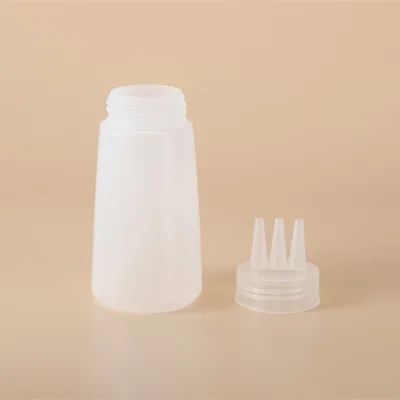
No Leakage Plastic Sauce Squeeze Bottle, 8oz Food Grade Three-hole Squeeze Sauce Bottle
$0.14 - $0.21
MOQ: 3000 pieces
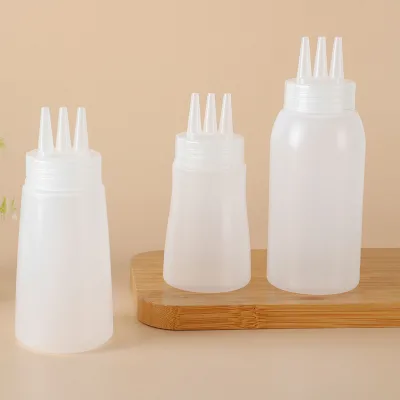
Guangzhou Yiwei New Material Co., Ltd
- Trading Company
- guangdong, China
- Lead time10 days
- Avg. response≤ 1h
Main productsplastic bottle,plastic jar,plastic cup,plastic soft tube,plastic packaging
Main marketsNorth America(50.00%), Mid East(40.00%), Western Europe(30.00%), Oceania(30.00%), Northern Europe(30.00%), Eastern Europe(30.00%), South Asia(20.00%), Southern Europe(20.00%), Southeast Asia(20.00%), Africa(10.00%), Eastern Asia(10.00%), Central America(10.00%), South America(10.00%), Domestic Market(5.00%)
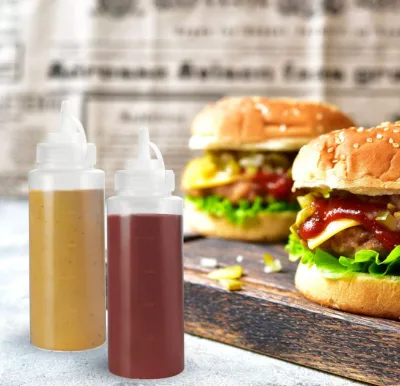
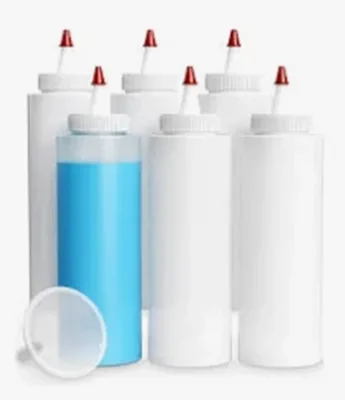
8.5 oz Condiment Squeeze Bottle Plastic Squeeze Bottles with Red Tip Cap Sauce Bottle
$0.18 - $0.19
MOQ: 5000
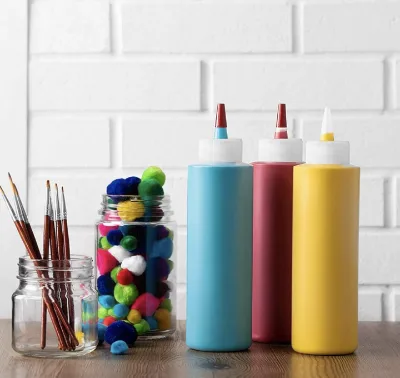
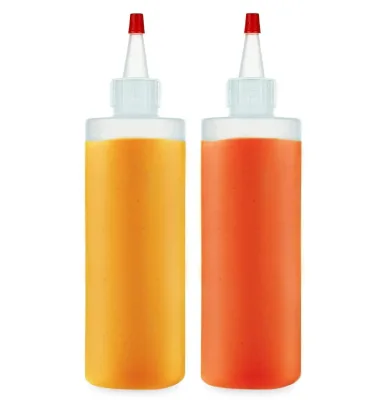
8 Ounce Plastic Squeeze Bottles with Red Tip Caps for Food Crafts Art Multi Purpose
$0.18 - $0.19
MOQ: 5000

Ningbo Beixuan International Trading Co., Ltd.
- Verified by TUVRHEINLAND
- Manufacturer/Factory
- China Zhejiang
- Lead time15 days
Main productsPlastic Bottle, Plastic Cup, Plastic Honey Jar, Plastic Food Container, Glass Juice/ Beverage Bottle, Glass Jar, Glass Wine Bottle, Glass Essential Oil Bottles, Cosmetic & Perfume Glass Bottles, Paper Cup
Main marketsSouth America,Eastern Europe,Mid East,North America,Southeast Asia,Eastern Asia,Oceania,Western Europe,Africa

$0.15 - $0.16
MOQ: 5000 Pieces


8 12 16 24oz Sauce Extrusion Kitchen Multi-Purpose Oil Condiment Plastic Squeeze Sauce Bottle
$0.18 - $0.19
MOQ: 5000 Pieces


500ml Sauce Squeeze Bottle Kitchen Supplies Wholesale Ketchup Plastic Bottle
$0.10 - $0.20
MOQ: 10000 Pieces
Xingtai Anmei Technology Co., Ltd.
- Trading Company
- Hebei, China
- Lead time10 days
- Avg. response≤ 11h
Main productsGlass Bottle,Plastic Bottle,Glass Jar,Plastic Jar,Paper Packaging
Main marketsNorth America(25.00%), Oceania(12.50%), Western Europe(12.50%), Northern Europe(10.00%), Eastern Europe(10.00%), Southeast Asia(10.00%), Southern Europe(5.00%), Mid East(5.00%), South America(5.00%), Eastern Asia(5.00%)
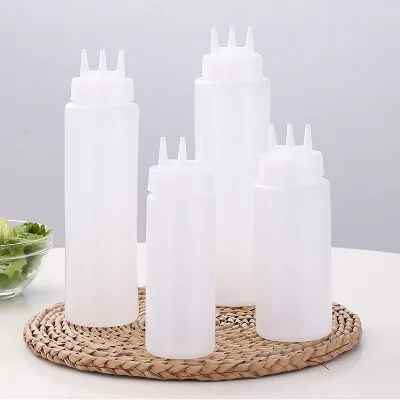
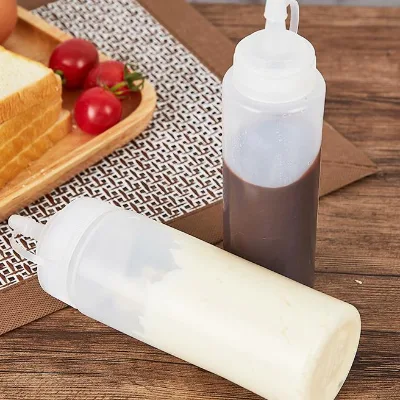
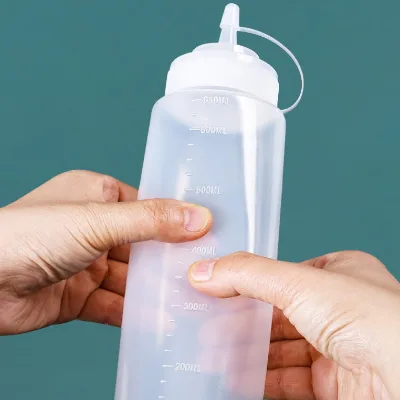
Three Hole Squeeze Sauce Bottle Soft Plastic Tip Bottle with Scale Tomato Salad Squeeze Sauce Bottle
$0.24 - $0.38
MOQ: 100 Minimum
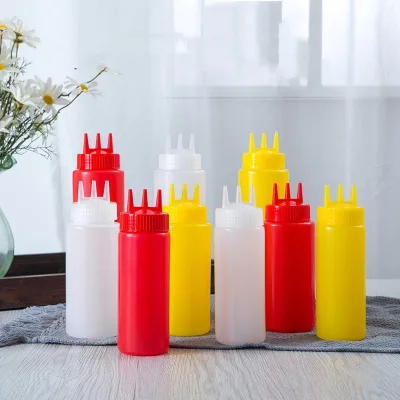
Hot Selling 8oz Sauce Bottles Kitchen Implements Plastic Squeeze Bottle 16oz 500ml Pet Sauce Bottle
$0.22 - $0.35
MOQ: 1000 Minimum
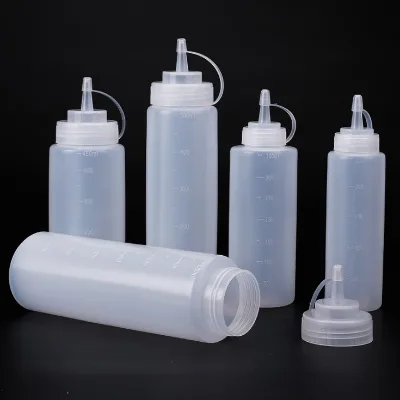
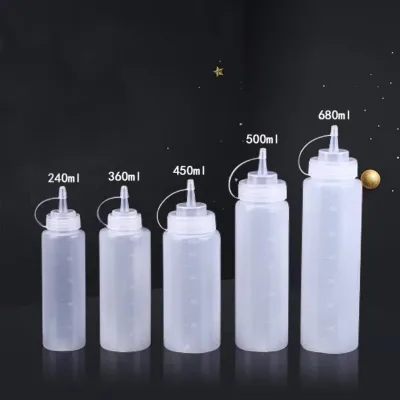
$0.26 - $0.33
MOQ: 100 pieces
Ancheng Hardware Manufacturing Co., Ltd.
- Verified by SGS
- Trading Company
- China Guangdong
- Lead time30 days
Main productsKitchenware, Restaurant Equipment, Catering Equipment
Main marketsAfrica,Southeast Asia/ Mideast,Europe,Australia,North America

Ningbo Partner Commodity Co., Ltd.
- Trading Company
- Zhejiang, China
- Lead time30 days
- Avg. response≤ 5h
Main productscosmetic jar,perfume bottle,cream jar,lotion bottle,makeup
Main marketsNorth America(20.00%)

HANG ZHOU KOSMETEK INDUSTRY CO., LTD.
- Verified by CTI
- Trading Company,Manufacturer/Factory
- China Zhejiang
- Lead time23 days
Main productsTrigger Sprayer, Lotion Pump, Mist Sprayer, Foam Pump, Nail Polish Bottle, Perfume Sprayer, Pet Preforms, Nail Polish Pump, Plastic Cap, Pet Bottles
Main marketsSouth America,Eastern Europe,Mid East,North America,Southeast Asia,Eastern Asia,Oceania,Western Europe,Africa

Durable Plastic Squeeze Sauce Jam Bottle for Food Grade Storage
MOQ: 10000 Pieces

Reusable Plastic Syrup Beverage Jam Squeeze Bottle for Kitchen Use
MOQ: 10000 Pieces

China Direct Reusable Squeeze Sauce Plastic Pet Bottle for Kitchen
MOQ: 10000 Pieces


Qingdao Greesing Supply Chain Co., Ltd.
- Trading Company,Manufacturer/Factory
- China Shandong
- Lead time23 days
Main productsPlastic Parts, Plastic Bottles, Plastic Trigger Sprayers, Plastic Lotion Pumps, Disposable Tablewares, Plastic Caps, Pet Preforms, Plastic Buckets, Plastic Injection Molding, Plastic Pallets
Main marketsSouth America,Eastern Europe,Mid East,North America,Southeast Asia,Eastern Asia,Oceania,Western Europe,Africa

Guangdong Shunde Toyon Plastic Products Co.,Ltd
- Combined
- China Guangdong
- Lead time30 days
Main productsPP Bottle, PE Bottle, Pet Bottle, Food Packing Bottle, Lubricant Bottle, Cosmetic Packing Bottle, Chemical Packing Bottle, Veterinary Medicine Packing Bottle, Agriculture Packing Bottle
Main marketsSoutheast Asia/ Mideast,Australia,North America

600ml PE Plastic Condiment Bottle Squeeze Bottle for Sauce Salad Ketchup
$0.20 - $0.50
MOQ: 10000 Pieces


PE Plastic Squeeze Sauce Bottle, Ketchup, Salad Dressing Dispenser, Square Squeeze Bottle
$0.20 - $0.50
MOQ: 5000 Pieces
Yuyao Yuge Commodity Packing Co., Ltd.
- Verified by SGS
- Combined
- China Zhejiang
- Lead time15 days
Main productsLotion Pump, Trigger Sprayer, Plastic Cap, Cosmetic Packaging
Main marketsSouth America,Europe,Australia,North America
Cixi Yangen Plastic Industry Co., Ltd.
- Verified by TüVRheinland
- Manufacturer, Trading Company
- Lead time10 days
- Avg. response≤ 4h
Main productsPlastic Bottle, Plastic Jar, Spice Bottle, Beverage Bottle, Honey Bottle
Main marketsOceania(23%), Mid East(21%), North America(15%)
- Trading Company
- Hubei, China
- Lead time25 days
- Avg. response≤ 2h
Main productsJuice Bottles,Food Containers,Honey Bottles,Sauce Squeeze Bottles,Medication Bottles
Main marketsCentral America(20.00%), Mid East(10.00%), Domestic Market(10.00%), Africa(10.00%), Southeast Asia(10.00%), South Asia(10.00%), South America(10.00%), North America(5.00%), Oceania(5.00%), Eastern Europe(5.00%), Eastern Asia(2.00%), Northern Europe(2.00%), Western Europe(1.00%)

Cangzhou Weikang Package Co., Ltd.
- Verified by BV
- Trading Company
- China Hebei
- Lead time15 days
Main productsPlastic Bottle, Spray Bottle, Medicine Bottle, Pill Bottle, Test Cassette, Capsule Bottle, Supplement Bottle, Hand Snitizer Bottle, Glass Bottle
Main marketsSouth America,Africa,Southeast Asia/ Mideast,East Asia(Japan/ South Korea),Domestic,Europe,Australia,North America
Shenzhen Zhenghao Plastic & Mold Co., Ltd.
- Combined
- China Guangdong
- Lead time23 days
Main productsPlastic Bottle, Plastic Jar, Plastic Container
Main marketsSouth America,Europe,Australia,North America

$0.20 - $0.40
MOQ: 5000 Pieces

Cangxian Yunce Plastic Products Co., Ltd.
- Manufacturer, Trading Company
- Hebei, China
- Lead time50 days
- Avg. response≤ 3h
Main productsPlastic Measuring cup,Plastic Measuring cylinder,Plastic Volumetric flask,Plastic Washing bottle,Plastic Check valve
Main marketsNorth America(32.65%), Eastern Europe(20.41%), Eastern Asia(18.37%), Africa(14.29%), Mid East(8.16%), South America(6.12%)
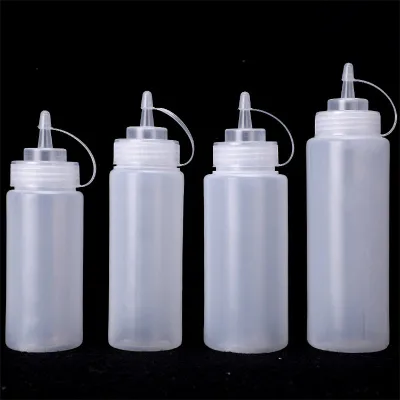
Wholesale Custom 120ml Plastic Chili Sauce Squeeze Bottles with Twist Top Caps
$0.18 - $0.20
MOQ: 1000
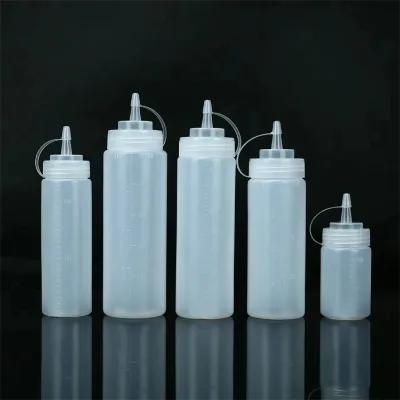
Customized Logo Plastic Condiment Dispenser Ketchup Mustard Sauce Bottle
$0.18 - $0.20
MOQ: 1000 pieces
Hubei Xinyujie Import and Export Trading Co., Ltd.
- Verified by SGS
- Combined
- China Hubei
- Lead time15 days
Main productsSingle Wall Paper Cup, Double Wall Paper Cup, Embossed Wall Paper Cup, Ripple Wall Paper Cup, Soup Paper Cup, Ice Cream Paper Cup, Paper Bucket, Paper Bowl, PP / Pet / PLA Plastic Cup, Fruit Plastic Barrel
Main marketsDomestic

Customized Printed Large Capacity Leakproof Squeeze Bottle for Condiments
$0.02 - $0.04
MOQ: 49999 Pieces

- Trading Company
- China Fujian
- Lead time0 days
Main productsTomato Sauce, Chilli Sauce, Tomato Ketchup, Soy Sauce, Tomato Paste, Oyster Sauce, Canned Food, Empty Tin Can, Instant Noodles, Quick Cooking Noodles

ZHUHAI KINGZEST FOOD CO., LTD.
- Verified by BV
- Combined
- China Guangdong
- Lead time15 days
Main productsWasabi Paste, Wasabi Powder, Soy Sauce, Sushi Vinegar, Tempura Batter Mix, Chicken Marinade, Durian Paste, Tomato Sauce, Mayonnaise, Yellow Mustard
Main marketsEurope

guangzhou huaxin plastic product co.ltd
- Verified by CTI
- Combined
- China Guangdong
- Lead time30 days
Main productsPlastic Tube, Cosmetic Tube, Soft Tube, Plastic Tube Packaging, PE Tube, Clear Plastic Tube, Hand Cream Tube, Eye Cream Tube, Pet Bottle, Cosmetic Jar
Main marketsSouth America,Africa,Southeast Asia/ Mideast,East Asia(Japan/ South Korea),Domestic,Europe,Australia,North America

- Verified by SGS
- Manufacturer/Factory
- China Shanghai
- Lead time30 days
Main productsCosmetic Packaging, Glass Dropper Bottle, Cosmetic Jar, Essential Oil Bottle, Glass Jar, Glass Bottle, Roll on Glass Bottle, Plastic Bottle, Airless Bottle and Jar, Personal Care
Main marketsSouth America,Eastern Europe,Mid East,North America,Southeast Asia,Eastern Asia,Oceania,Western Europe,Africa
Shaoxing Xinglong Packaging Technology Co., Ltd.
- Verified by SGS
- Trading Company,Manufacturer/Factory
- China Zhejiang
- Lead time150 days
Main productsPlastic Bottle, Plastic Airless Bottle, Glass Bottle, Plastic Jar, Coametic Bottle, Foundation Bottle, Lotion Bottle, Glass Jar, Dropper Bottle, Spray Bottle
Main marketsSouth America,Eastern Europe,Mid East,North America,Southeast Asia,Eastern Asia,Western Europe,Africa
Wuhan Newray Packaging Solutions Co., Ltd.
- Verified by TUVRHEINLAND
- Manufacturer/Factory
- China Hubei
- Lead time23 days
Main productsGlass Honey Jars, Glass Spice Jars, Glass Candy Jars, Glass Jam Jars, Glass Bird-Nest Jars, Glass Spirit and Wine Bottles, Glass Beverage Bottles, Glass Perfume and Diffuser Bottles, Glass Roll on Bottle, Glass Storage Bottles
Main marketsSouth America,Eastern Europe,Mid East,North America,Southeast Asia,Eastern Asia,Oceania,Western Europe,Africa

$0.16 - $0.30
MOQ: 5000 pieces

Clear 250ml 500ml Glass Water Bottle Empty Packaging Bottle for Beverage Juice
$0.16 - $0.30
MOQ: 5000 pieces

Rizhao Baibo Packaging Co., Ltd.
- Verified by TUVRHEINLAND
- Trading Company
- China Shandong
- Lead time15 days
Main productsGlass Vase, Glass Jar, Glass Bottle, Glass Beverage, Glass Candlestick Jar, Glass Lampshade
Main marketsNorth America






Comprehensive Sourcing Guide
Screen Printing Squeeze Sauce Bottle Supplier Concentration and Factory Types
The available data indicates a specific concentration of manufacturing activity in China Guangdong, where suppliers offer a diverse range of packaging solutions including squeeze bottles, storage containers, and various food service trays. This region serves as a primary hub for combined supplier types that handle both original design manufacturing and original equipment manufacturing capabilities. Buyers observing this geographic cluster should note that the facility types often integrate production lines for plastic molding with secondary processes like screen printing or logo application. The presence of combined company types suggests that some entities manage the entire workflow from raw material sourcing to final packaging, which can streamline communication for complex orders involving custom branding.
When evaluating the factory structure, it is essential to distinguish between pure manufacturers and trading companies that may also operate under a combined classification. The observed product evidence highlights specific models like GQ-SE3043 and GQ-SE3057, which are produced with specific attributes such as round shapes and food-grade materials. These items are often listed alongside broader categories like food pans and storage boxes, indicating that the factories possess versatile production lines capable of handling multiple product families. Buyers should verify if the specific screen printing capability is an in-house function or outsourced, as this impacts quality control and lead time consistency. The concentration in Guangdong implies a mature supply chain for plastic resins and printing inks, yet buyers must confirm the specific capacity for high-volume screen printing runs before committing to large orders.
How to Verify Screen Printing Squeeze Sauce Bottle Suppliers
Verification of supplier credentials is critical when sourcing screen printing squeeze sauce bottles, particularly given the food-grade nature of the products. The current data confirms that some suppliers hold ISO9001:2015 system certification and have undergone verification by TUVRHEINLAND, which serves as a tangible indicator of quality management systems. Buyers should prioritize suppliers displaying these specific credentials, as they suggest adherence to international standards for production consistency and safety. It is important to note that not all suppliers in the search results may display these specific verification badges, so buyers must actively request proof of certification rather than assuming it applies to every listing. The presence of a verified status from a recognized third party like TUVRHEINLAND adds a layer of trust regarding the supplier's operational stability and compliance.
Beyond certifications, buyers must verify the actual production capabilities related to screen printing and customization. The product evidence shows that customization is available for many items, with options for printing logos and accepting specific design styles. However, the availability of customization does not guarantee the quality of the screen printing process itself. Buyers should request samples that specifically demonstrate the durability and clarity of the printed logo, as well as the adhesion of the ink to the plastic surface. Additionally, verifying the supplier's response time and lead time is part of the verification process, as these metrics reflect their operational efficiency. A supplier claiming a short lead time must be able to demonstrate the capacity to meet that timeline without compromising the quality of the printed graphics or the structural integrity of the bottle.
What to Compare Across Screen Printing Squeeze Sauce Bottle Suppliers
Comparing suppliers requires a detailed analysis of key operational dimensions such as lead time, minimum order quantity, and pricing structures. The data reveals significant variation in lead times, with some suppliers indicating a standard lead time of 60 days while others offer a faster turnaround of 15 days. This discrepancy is crucial for buyers planning their inventory, as a shorter lead time may come with higher costs or limited customization options. Similarly, minimum order quantities vary widely, ranging from as low as 1 unit for certain sample orders to 1200 pieces for specific models like the 24oz squeeze bottle. Buyers must align their order volume with these MOQs to avoid unnecessary costs or the inability to place an order at all.
Pricing and product specifications also require careful comparison across different supplier listings. The observed price ranges for similar products span from $0.15 to $1.00 per unit, depending on the capacity, material, and customization level. For instance, a 4oz bottle may have a different price point compared to a 24oz version, and the inclusion of screen printing services can influence the final cost. Buyers should compare the unit price against the specific attributes provided, such as the material type, color options, and packing standards. Additionally, the availability of samples and the sample time, which is noted as 7 days in some cases, should be factored into the decision-making process. A supplier offering a lower price but a longer sample time might delay the overall project timeline, whereas a higher-priced supplier with rapid sample delivery could accelerate the product launch.
Common Screen Printing Squeeze Sauce Bottle Sourcing Risks
One significant risk in sourcing screen printing squeeze sauce bottles is the inconsistency in customization quality and the potential for ink degradation over time. While the product evidence confirms that customization is available and logos can be printed, the durability of these prints under various conditions is not explicitly detailed in the general data. Buyers face the risk of receiving bottles where the screen-printed logo fades, peels, or smears during shipping or when exposed to food products like cooking oil or salad sauces. This risk is heightened if the supplier does not use food-safe inks or if the curing process for the screen printing is not properly controlled. Without specific test results regarding ink adhesion and chemical resistance, buyers must treat the customization claim with caution and demand rigorous quality assurance protocols.
Another major risk involves the discrepancy between stated lead times and actual delivery performance. The data shows lead times ranging from 15 to 60 days, and while some suppliers claim a 35-day delivery window for specific products, this may not account for the time required for screen printing setup and drying. If a supplier underestimates the time needed for the printing process, it can lead to significant delays in the supply chain, affecting the buyer's ability to meet market demand. Furthermore, the variation in minimum order quantities can pose a financial risk if the buyer orders a small batch to test the market but finds that the supplier requires a much larger volume for production. This mismatch can result in wasted capital or the inability to fulfill orders if the supplier cannot accommodate the requested quantity.
Screen Printing Squeeze Sauce Bottle Regional Sourcing and Logistics
The primary sourcing region identified in the data is China Guangdong, which offers a concentrated ecosystem for plastic packaging and food service containers. This location provides logistical advantages due to its proximity to major ports and established supply chains for raw materials like plastic resins and printing inks. Buyers sourcing from this region should anticipate that the majority of suppliers will be based here, facilitating easier communication and potentially lower shipping costs for bulk orders. However, the specific logistics of screen printing add complexity, as the printed bottles may require special handling to prevent damage to the graphics during transit. Buyers must verify if the supplier uses protective packaging, such as cartons or custom inserts, to ensure the screen-printed surfaces remain intact.
Logistics planning must also account for the specific packing standards and dimensions provided in the product evidence. For example, some listings specify a packing size of 46.5x34x69cm for certain models, which impacts container loading efficiency and freight costs. Buyers should calculate the volume of the packed goods to optimize shipping, especially when ordering mixed SKUs with different capacities and sizes. The origin of the products is consistently listed as China, which means international shipping times and customs procedures will be standard for this region. Buyers should also consider the impact of seasonal factors on logistics, as peak seasons in Guangdong can lead to port congestion and extended transit times. Understanding these regional logistics nuances is essential for accurate cost estimation and delivery scheduling.
Screen Printing Squeeze Sauce Bottle Commercial Terms and Order Planning
Commercial terms for screen printing squeeze sauce bottles often include specific requirements for samples, payment structures, and customization approvals. The data indicates that samples are available with a sample time of 7 days, which allows buyers to evaluate the quality of the screen printing before committing to a full order. Buyers should plan their order timeline to include this sample phase, ensuring that any necessary adjustments to the design or ink color can be made before mass production begins. Additionally, the availability of OEM and ODM services suggests that suppliers are flexible in accommodating custom designs, but this flexibility often comes with specific commercial terms regarding tooling costs or setup fees. Buyers must clarify these costs upfront to avoid unexpected expenses during the order planning phase.
Order planning must also consider the minimum order quantities and the pricing tiers associated with different volumes. The observed MOQs range from 1 unit for samples to 1200 pieces for standard production runs, and buyers should structure their orders to meet these thresholds efficiently. For large-scale projects, buyers might negotiate better pricing by consolidating orders to meet higher volume thresholds, but they must balance this against their storage capacity and cash flow. The lead time variations, from 15 to 60 days, further complicate order planning, requiring buyers to place orders well in advance to ensure timely delivery. Buyers should also verify the payment terms and escrow options to protect their financial interests, ensuring that payments are released only after the goods meet the agreed-upon quality standards.
FAQs
What is the typical lead time for squeeze sauce bottles?
Lead times vary by supplier and order volume. Some manufacturers offer a 15-day delivery window for standard orders, while others may require up to 60 days for larger production runs. Buyers should confirm specific timelines with the supplier before placing an order to ensure timely delivery.
Are samples available for food grade squeeze bottles?
Yes, samples are available for most food grade squeeze bottle models. The typical sample time is seven days, allowing buyers to verify quality before bulk production. Customization options are also available on samples, ensuring the final product meets specific design and functional requirements for your business needs.
What is the minimum order quantity for these bottles?
Minimum order quantities differ based on the specific product model and customization level. Some items have an MOQ of just one unit, while others require 1000 or 1200 pieces. Buyers must check the specific product details to determine the exact threshold required for their purchase.
Do suppliers offer OEM and ODM services?
Many suppliers provide both OEM and ODM capabilities for squeeze sauce bottles. This allows buyers to customize product designs, logos, and packaging according to their brand standards. These services ensure that the final products align perfectly with your specific market requirements and operational needs.
What certifications do the manufacturers hold?
Suppliers often hold ISO9001:2015 system certification to ensure quality management standards. Additionally, some manufacturers are verified by third-party agencies like TÜV Rheinland. These credentials indicate a commitment to maintaining high production standards and safety protocols for food contact materials used in the bottles.
Where are the manufacturers located?
The primary manufacturing locations are in Guangdong, China. This region is known for its robust plastic packaging industry and efficient supply chains. Buyers sourcing from this area can expect access to a wide variety of product models and competitive pricing structures for their bulk orders.
What is the price range for plastic squeeze bottles?
Prices typically range from 0.15 to 1.00 USD per unit depending on size and features. Specific models like 8oz bottles may cost around 0.15 to 0.17 USD, while larger 20oz options can reach 0.82 to 0.88 USD. Final pricing depends on order volume and customization requirements.