Screw Mounting Pin Load Cell Suppliers and Manufacturers
Compare 15 suppliers of the Screw Mounting Pin Load Cell by location, lead time, MOQ, price range, certifications, and customization options. Review verified supplier profiles, then request quotes to confirm specifications and delivery terms before placing an order; review the available evidence before requesting comparable quotations from suitable candidates.
Suppliers List

Fibos Measurement Technology (Changzhou) Co., Ltd.
- Verified by SGS
- Combined
- China Jiangsu
- Lead time30 days
- Avg. response≤ 9h
Main productsLoad Cell, Force Transducer, Weihing Sensor
Main marketsSouth America,Southeast Asia/ Mideast,Europe,North America


100kg 500kg 1tonload Button Load Cell for Rolling Element Bearing Load Measurement
$92.00 - $98.00
MOQ: 1 Pieces


Yuyao Tongyong Meter Co., Ltd.
- Combined
- China Zhejiang
- Lead time30 days
- Avg. response≤ 8h
Main productsLoad Cell, Weighing Indicator, Weight Load Cell, Weight Sensor, Load Cell Sensor, Sensor, Digital Load Cell, Strain Gage Load Cell, Digital Crane Scales, Alloy Steel Load Cell
Main marketsSouth America,Africa,Southeast Asia/ Mideast,East Asia(Japan/ South Korea),Domestic,Europe,Australia,North America

Ningbo Santwell Sensor Technology Co., Ltd.
- Trading Company
- China Zhejiang
- Lead time30 days
- Avg. response≤ 5h
Main productsLoad Cell, Crane Scale, Weighing Indicator, Platform Scale, Kitchen Scale, Floor Scale, Animal Scale, Truck Scale, Jewelryscale, Junction Box
Main marketsSouth America,Africa,Southeast Asia/ Mideast,East Asia(Japan/ South Korea),Domestic,Europe,Australia,North America


Tbc Pin Load Cell for Hoist Crane Overload Protection Winch Force Monitoring
$135.00 - $150.00
MOQ: 5 Pieces


Guangdong South China Sea Electronic Measuring Technology Co., Ltd.
- Verified by TUVRHEINLAND
- Manufacturer/Factory
- China Guangdong
- Lead time0 days
- Avg. response≤ 24h
Main productsStrain Gauges, Weigh Pads, Pressure Sensors, Wheel and Axle Weighing Scales, Load Cells, Force Sensors, Instruments, Bending Plates, Personal Scales, Pressure Indicator

Huzhou Zhihe Technology Co., Ltd.
- Verified by SGS
- Combined
- China Zhejiang
- Lead time23 days
- Avg. response≤ 2h
Main productsLoad Cell, Double Shear Beam Load Cell, S Type Load Cell, Shear Beam Load Cell, Single Point Load Cell, Wheel Shape Load Cell, Column Type Load Cell, Crane Scale Load Cell, Load Pin, Junction Box
Main marketsSoutheast Asia/ Mideast,Domestic,Europe,Australia
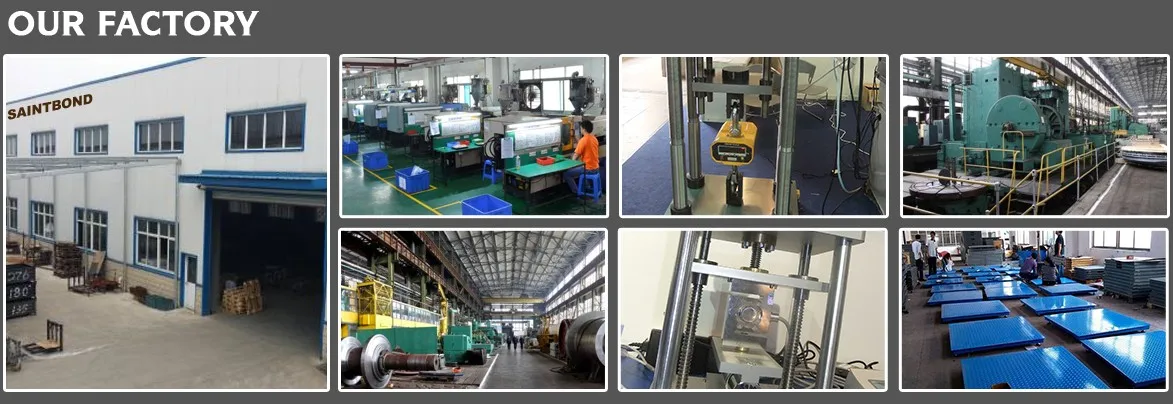
Ningbo Goldshine Electronic Co., Ltd.
- Trading Company
- Zhejiang, China
- Lead time30 days
- Avg. response≤ 8h
Main productsweighing scale,crane scale,wheel scale,floor scale,load cell
Main marketsSoutheast Asia(10.00%), South Asia(10.00%), North America(10.00%), Northern Europe(9.00%), South America(8.00%), Mid East(8.00%), Oceania(7.00%), Eastern Europe(7.00%), Africa(7.00%), Western Europe(6.00%), Eastern Asia(6.00%), Central America(5.00%), Domestic Market(5.00%), Southern Europe(2.00%)

- Manufacturer
- China Hubei
- Lead time30 days
- Avg. response≤ 2h
Main productsLoad Sensor, Safe Load Indicator, Load Moment Indicator, Crane Anti Collision System, Crane Safety Devices, Load Pin, Anemometer, Crane CCTV System, Overload Limiter, Anti Two Block Device
Main marketsSouth America,Africa,Southeast Asia/ Mideast,East Asia(Japan/ South Korea),Europe,Australia,North America

Ningbo Geantec Electronic Co., Ltd
- Verified by BV
- Trading Company,Manufacturer/Factory,Group Corporation
- China Zhejiang
- Lead time30 days
- Avg. response≤ 2h
Main productsLoad Cell, Transducer, Sensor, Weighing Load Cell, Truck Scale Load Cell, Celdas De Carga, Celula De Carga, Indicator, Testing Instrument, Instrument
Main marketsSouth America,Eastern Europe,Mid East,North America,Southeast Asia,Eastern Asia,Oceania,Western Europe,Africa


High Precision Force Load Pin Loadcell for Exact Load Measurement Solutions
$49.00 - $149.00
MOQ: 10 Pieces

Locosc Ningbo Precision Technology Co., Ltd.
- Verified by TUVRHEINLAND
- Manufacturer/Factory
- China Zhejiang
- Lead time15 days
- Avg. response≤ 5h
Main productsFloor Scale, Load Cell, Bench Scale, Platform Scale, Weighing Indicator, Truck Scale, Weighing Industrial Scale, Weighing Scale, Weighibridge, Sensor
Main marketsEastern Europe,Mid East,North America,Western Europe,Africa

Vipoo Electronic Technology Group Co., Ltd.
- Verified by SGS
- Combined
- China Fujian
- Lead time15 days
- Avg. response≤ 3h
Main productsWeighbridge, Load Cell, Bench Scale, Floor Scale, Weighing Pad, Platform Scale, Weighing Indicator, Force Sensor, Unattended Truck Scale System, Weighing System
Main marketsOthers(foreignTradeCapacity.exportBusinessCapacityMarketOther),Southeast Asia/ Mideast

Zhengzhou Sinoder Indutech Machinery Co., Ltd.
- Verified by BV
- Trading Company
- China Henan
- Lead time60 days
- Avg. response≤ 15h
Main productsOil Press Machine, Oil Refining Machine, Oil Solvent Extraction Plant, Oil Extraction Machine, Fertilizer Machine, Egg Tray Machine, Pellet Mill, Animal Feed Plant, Load Cell, Sensor Meter
Main marketsAfrica,Southeast Asia/ Mideast


MOQ: 1 Pieces

50kn to 50000kn Column Load Cell
MOQ: 1 Pieces

5kg to 5000kg Column Load Cell
MOQ: 1 Pieces

10kn to 150kn Column Load Cell
MOQ: 1 Pieces
Xi'an Gavin Electronic Technology Co., Ltd.
- Manufacturer, Trading Company
- Lead time旺季: "1 - 10":15,"> 10":"To be negotiated", 淡季: "1 - 10":15,"> 10":"To be negotiated"
- Avg. response≤ 2h
Main productsLoad Cell, Force Sensor, Torque Sensor, Weighing Scale, Weighing Indicator

Marques Electronic Technology (Ningbo) Co., Ltd.
- Combined
- China Zhejiang
- Lead time15 days
- Avg. response≤ 4h
Main productsWeighing Indicator, Load Cell, Scale, Weighing Accessory, Bench Scale, Balance, Scoreboard, Price Computing Scale, Cable, Junction Box
Main marketsEurope

Stainless Steel Weighing Module Equipped with Self-Restoring Rocker Pin Load Cell
$145.00 - $290.00
MOQ: 16 Pieces

IP68 Digital Type Stainless Steel Column Cylinder Self-Restoring Rocker Pin Load Cell
$67.00 - $198.00
MOQ: 20 Pieces

QINGDAO WEIGHT WORTH AUTOMATION EQUIPMENT CO., LTD.
- Verified by SGS
- Combined
- China Shandong
- Lead time15 days
- Avg. response≤ 1h
Main productsTruck Weighing Scale, Floor Scale, Weighbridge, Platform Scale, Livestock Scale, Unattended Weighing System, Table Scale, Industrial Electronic Scale, Load Cell, Weighing Indicator
Main marketsAfrica,Southeast Asia/ Mideast,Domestic

High-Precision Load Cell for Reliable Weight Measurement Applications
$300.00 - $350.00
MOQ: 10 Pieces


- Trading Company,Manufacturer/Factory
- China Zhejiang
- Lead time15 days
- Avg. response≤ 9h
Main productsElectronic Weighing Scale, Weighing Indicator, Load Cell, Pltform Scale, Waterproof Scale, Bench Scale, OIML Scale, Electronic Scale, Test Weight, Floor Scale
Main marketsSouth America,Eastern Europe,Mid East,North America,Southeast Asia,Eastern Asia,Oceania,Western Europe,Africa






Comprehensive Sourcing Guide
Screw Mounting Pin Load Cell Supplier Concentration and Factory Types
The current supplier landscape for screw mounting pin load cells reveals a distinct geographic concentration within China, specifically highlighting manufacturing hubs in Jiangsu and Zhejiang provinces. These regions are known for their robust electronic component and sensor manufacturing ecosystems, which provide the necessary infrastructure for producing high-precision force measurement devices. Suppliers located in these areas often benefit from established supply chains for raw materials such as stainless steel and strain gauge components, which are critical for the durability and accuracy of load cells. The presence of multiple suppliers in these specific provinces suggests a mature industrial cluster where specialized knowledge in transducer design and production is readily available. Buyers evaluating potential partners should consider the logistical advantages of sourcing from these concentrated regions, as they often offer streamlined production processes and competitive pricing structures due to the density of related industries. Understanding this geographic distribution helps in assessing the reliability and scalability of potential suppliers, as clusters often indicate a higher level of industry maturity and competitive pressure that can drive quality improvements.
In terms of company structure, the available data indicates a mix of combined entity types, including manufacturers that offer both Original Equipment Manufacturer (OEM) and Original Design Manufacturer (ODM) services alongside their own branded products. This dual capability is significant for buyers seeking customized solutions, as it suggests that these factories have the engineering capacity to adapt standard Screw Mounting Pin Load Cell designs to specific application requirements. The ability to produce both standard and customized units implies a flexible production line capable of handling varying order sizes and technical specifications. Furthermore, the presence of companies with their own brands indicates a level of market confidence and quality assurance, as they stand behind their products with established reputations. Buyers should look for suppliers that explicitly state their capacity for customization, as this often correlates with a deeper understanding of the technical nuances involved in screw mounting and pin load cell applications. This flexibility allows for tailored solutions that can integrate seamlessly into existing machinery or new product designs, providing a competitive edge in specialized industrial applications.
How to Verify Screw Mounting Pin Load Cell Suppliers
Verifying the credibility of Screw Mounting Pin Load Cell suppliers requires a multi-layered approach that goes beyond basic company profiles. One critical step is to check for third-party verification badges, such as SGS, which serve as an independent confirmation of the supplier's operational legitimacy and business practices. This verification acts as a foundational trust signal, indicating that the company has undergone external scrutiny regarding its business registration and operational capabilities. Additionally, buyers should rigorously examine the supplier's certification portfolio, specifically looking for ISO9001:2015 and ISO14001:2015 certificates. These certifications are not merely decorative; they demonstrate a systematic approach to quality management and environmental responsibility, which are crucial for ensuring consistent product quality in precision instruments like load cells. The presence of these specific standards suggests that the supplier has implemented rigorous internal controls over their manufacturing processes, from raw material inspection to final product testing. Buyers should request copies of these certificates and verify their validity through the issuing bodies to ensure they are current and applicable to the specific products being sourced.
Beyond certifications, buyers must assess the supplier's responsiveness and technical support capabilities, which are often reflected in their reported response times. A response time metric, such as the observed average of around eight hours, can indicate the efficiency of the supplier's communication channels and their readiness to address technical queries or order inquiries promptly. Fast response times are particularly important in the sensor industry, where technical specifications and customization requirements can be complex. Buyers should also verify the authenticity of product certifications, such as CE marks, which are frequently listed in product attributes. These marks indicate compliance with European health, safety, and environmental protection standards, which is essential for exporting to or operating within regulated markets. It is advisable to cross-reference these claims with the actual product datasheets and technical documentation provided by the supplier. By combining verification of business credentials with an assessment of communication efficiency and technical documentation accuracy, buyers can build a comprehensive picture of a supplier's reliability and suitability for long-term partnership.
What to Compare Across Screw Mounting Pin Load Cell Suppliers
When evaluating multiple suppliers for screw mounting pin load cells, buyers should systematically compare key operational metrics to identify the most suitable partner for their specific needs. One of the most critical factors is the minimum order quantity (MOQ), which can vary significantly between suppliers. For instance, some suppliers may offer an MOQ of just one unit, which is ideal for prototyping or small-scale testing, while others might require higher volumes, such as two units or more, to initiate production. This distinction is vital for buyers who are in the early stages of product development or require low-volume specialized components. Additionally, the price range for these components should be carefully analyzed, keeping in mind that costs can fluctuate based on capacity, material grade, and customization requirements. Prices observed in the current market range from approximately fifty-seven dollars to over one hundred dollars per unit, depending on the specific model and specifications. Buyers should not solely focus on the lowest price but should consider the value proposition, including the quality of materials like stainless steel and the precision of the strain gauge technology used.
Another crucial aspect of comparison is the lead time and production capacity. Suppliers with established OEM and ODM capabilities often have more flexible production schedules, but this can also mean longer lead times for customized orders. Buyers should inquire about the standard lead time for both standard and customized products, as this impacts project timelines and inventory management. The response time of the supplier is also a comparative metric that can influence decision-making, especially for urgent orders or technical support needs. Furthermore, buyers should compare the specific technical attributes of the load cells, such as the wiring type (e.g., four-wire versus five-wire), output signal type (analog versus digital), and IP ratings. These technical details determine the compatibility of the load cell with existing control systems and environmental conditions. By creating a comparison matrix that includes MOQ, price, lead time, response time, and technical specifications, buyers can make a data-driven decision that balances cost, speed, and technical suitability for their Screw Mounting Pin Load Cell requirements.
Common Screw Mounting Pin Load Cell Sourcing Risks
Sourcing screw mounting pin load cells from international suppliers introduces several risks that buyers must proactively manage to ensure project success. One significant risk is the potential mismatch between advertised technical specifications and the actual performance of the delivered products. Load cells are precision instruments, and even minor deviations in accuracy, linearity, or hysteresis can compromise the integrity of the entire weighing or force measurement system. Buyers should be cautious of suppliers who provide vague or incomplete technical data, as this may indicate a lack of rigorous quality control processes. Additionally, the risk of intellectual property infringement is present when working with suppliers that offer extensive OEM and ODM services. Buyers must ensure that their proprietary designs or specific technical requirements are protected through clear contractual agreements and non-disclosure agreements. This is particularly important when customizing load cells for unique applications, as the supplier may have access to sensitive design information that could be misused if not properly safeguarded.
Another common risk is the variability in product quality and consistency across different production batches. This can be exacerbated if the supplier relies on multiple sub-suppliers for critical components like strain gauges or housing materials. Buyers should verify the supplier's quality assurance processes, including their testing procedures for each batch of load cells. The absence of clear quality control documentation or the inability to provide test reports for specific batches can be a red flag. Furthermore, there is a risk related to after-sales support and warranty claims. If a load cell fails in the field, the ability to quickly obtain replacements or technical support is crucial. Buyers should assess the supplier's warranty terms and their responsiveness to post-sale issues. Language barriers and cultural differences can also complicate communication, leading to misunderstandings regarding technical requirements or delivery schedules. To mitigate these risks, buyers should establish clear communication protocols, request detailed product specifications, and consider using escrow services or other payment protections to ensure that funds are only released upon satisfactory delivery and inspection of the goods.
Screw Mounting Pin Load Cell Regional Sourcing and Logistics
Sourcing screw mounting pin load cells from specific regions in China, such as Jiangsu and Zhejiang, offers distinct logistical advantages that can impact the overall cost and efficiency of the procurement process. These provinces are well-connected to major ports and transportation networks, facilitating the efficient export of goods to international markets. The concentration of suppliers in these areas often leads to economies of scale, which can reduce shipping costs and improve delivery times. Buyers should consider the proximity of the supplier to major shipping hubs when evaluating logistics options, as this can influence the choice of freight forwarder and the overall transit time. Additionally, the local infrastructure in these regions is often optimized for the export of electronic components and sensors, meaning that suppliers may have established relationships with logistics providers who specialize in handling delicate and precision instruments. This can result in better packaging solutions and more reliable handling during transit, reducing the risk of damage to the load cells during shipping.
However, buyers must also account for the complexities of international logistics, including customs clearance, import duties, and regulatory compliance in the destination country. The origin of the products, clearly stated as China, means that buyers need to be aware of any trade restrictions or tariffs that may apply to their specific market. It is advisable to work with experienced freight forwarders who can navigate these regulatory requirements and ensure that all necessary documentation, such as certificates of origin and commercial invoices, is prepared correctly. The packaging of the load cells, which may include cartons, sponges, and wooden box pallets, should be evaluated for its suitability for long-distance transport. Proper packaging is essential to protect the sensitive components of the load cells from vibration, moisture, and physical impact during transit. Buyers should also consider the environmental impact of the packaging materials and ensure that they comply with any sustainability regulations in their region. By carefully planning the logistics strategy and leveraging the advantages of the supplier's regional location, buyers can optimize their supply chain and reduce the total cost of ownership for their Screw Mounting Pin Load Cell procurement.
Screw Mounting Pin Load Cell Commercial Terms and Order Planning
Effective order planning for screw mounting pin load cells requires a thorough understanding of the commercial terms offered by suppliers, including payment methods, pricing structures, and delivery conditions. Buyers should negotiate clear payment terms that align with their cash flow requirements and risk tolerance. Options such as escrow services can provide an additional layer of security, ensuring that payment is only released upon the satisfactory receipt and inspection of the goods. It is also important to clarify the pricing structure, including any discounts for bulk orders or long-term contracts. The observed price ranges for these components suggest that there is room for negotiation, especially for larger volumes or customized specifications. Buyers should request detailed quotations that break down the costs of the load cells, packaging, shipping, and any additional services, such as customization or testing. This transparency allows for accurate budgeting and comparison between different suppliers.
Delivery terms, such as Incoterms, should be explicitly agreed upon to define the responsibilities of both the buyer and the supplier regarding shipping, insurance, and risk transfer. Common terms like FOB (Free on Board) or CIF (Cost, Insurance, and Freight) have different implications for cost and risk allocation. Buyers should choose the term that best suits their logistics capabilities and risk appetite. Additionally, order planning should include a clear timeline for production, shipping, and delivery, taking into account any potential delays due to customization or supply chain disruptions. Establishing a regular communication schedule with the supplier can help monitor progress and address any issues promptly. Buyers should also consider the lead time for both standard and customized products, as this will impact inventory management and project scheduling. By carefully planning the commercial terms and order timeline, buyers can ensure a smooth procurement
FAQs
What is the typical lead time for screw mounting pin load cells?
The typical lead time for these products is 30 days based on current supplier data. Buyers should verify specific delivery schedules with individual vendors as production capacity varies. Some suppliers offer ODM and OEM services which may affect the timeline.
Are screw mounting pin load cells available with ISO certifications?
Yes, suppliers provide products with ISO9001:2015 and ISO14001:2015 certifications. Some listings also mention CE certification for specific models. Buyers must confirm the exact certification status for their required product model before placing an order.
What is the minimum order quantity for these load cells?
The minimum order quantity can be as low as one unit for certain models like the M3 Screw Mounting Column Load Cell. Other products such as the Stainless Steel Pin Load Cell require a minimum of two units. Always check the specific MOQ for the desired model.
Where are the manufacturers of screw mounting pin load cells located?
Manufacturers are primarily located in China, specifically in Jiangsu and Zhejiang provinces. Some suppliers are based in Ningbo, Zhejiang. Buyers should verify the exact factory location to ensure it meets their logistical or compliance requirements.
What is the price range for screw mounting pin load cells?
Prices range from approximately 57 to 180 units of currency depending on the model and capacity. Specific items like the Mini Single Point Load Cell start around 57, while larger capacity options can reach 180. The final price depends on customization and quantity.
Do suppliers offer customization for screw mounting pin load cells?
Yes, customization is available for many models including thread types and capacity. Suppliers list options for custom brands and specific production processes. Buyers should specify their requirements clearly to ensure the manufacturer can meet the custom design needs.
What response time can buyers expect from these suppliers?
Response times vary, with some suppliers showing an average of 7.38 and others around 8.95. These metrics indicate how quickly a vendor typically replies to inquiries. Buyers should expect a response within this timeframe but should verify current availability.