Screw-On Car Body Parts Kits Suppliers and Manufacturers
Compare 28 suppliers of Screw-On Car Body Parts Kits by location, lead time, MOQ, response time, certifications, OEM and ODM capability, and verified status. Review grounded supplier details, then request quotes to confirm fitment and customization for your vehicle models.
Suppliers List
Chongqing Shiwei Technology Co., Ltd
- Verified by SGS
- Trading Company,Manufacturer/Factory
- China Chongqing
- Lead time0 days
- Avg. response≤ 3h
Main productsAuto Parts, Auto Spare Parts, Li Car Parts, Byd Car Parts, Geely Car Parts, Chery Car Parts, Nio Car Parts
Main marketsSouth America,Eastern Europe,Mid East,North America,Southeast Asia,Eastern Asia,Oceania,Western Europe,Africa

High Quality Byd Seal 07 Full Body Parts Car Accessories Auto Spare Parts Body Kits
$5.26 - $589.00
MOQ: 10 Pieces


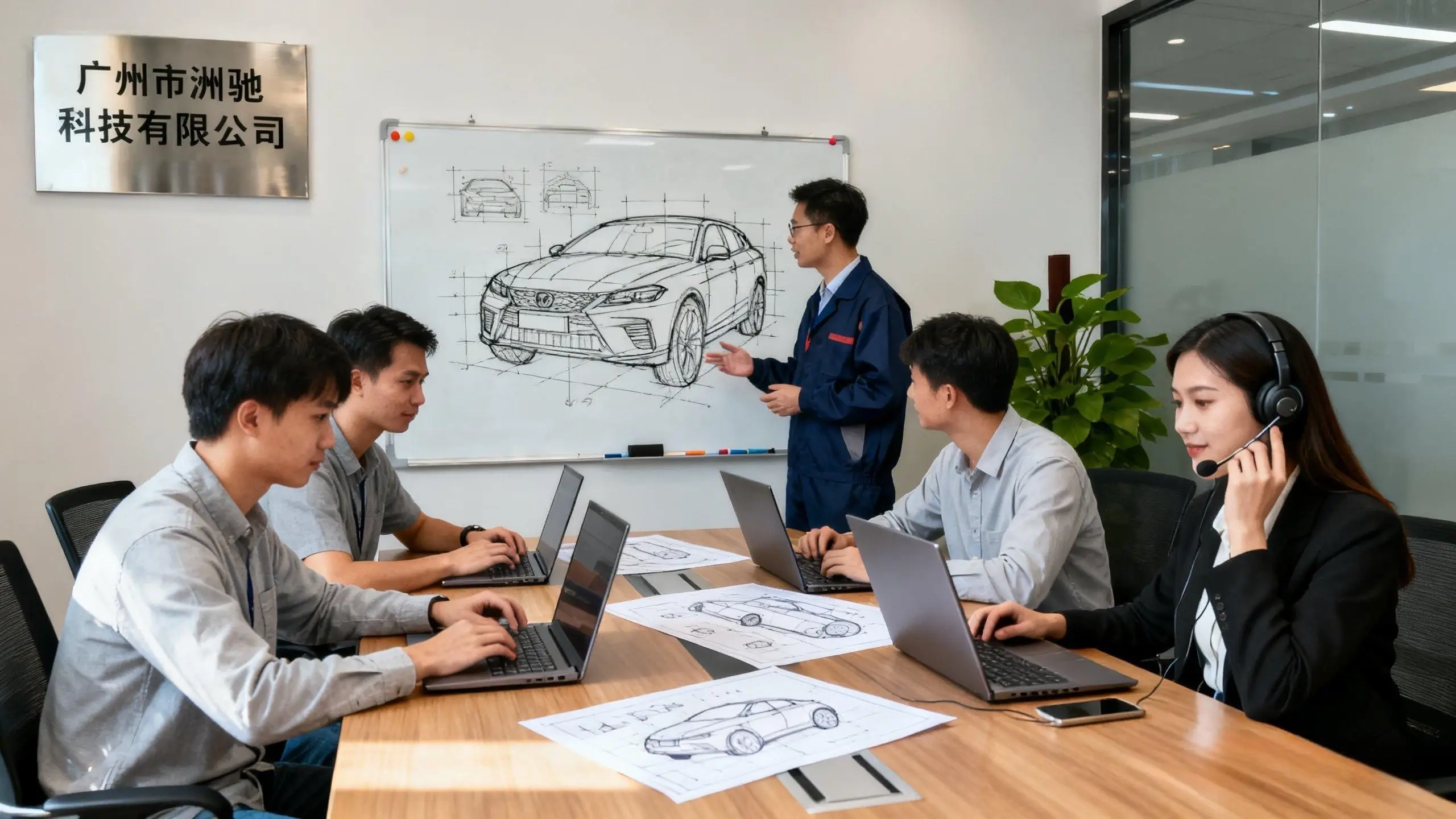
Guangzhou Zhouchi Technology Co., Ltd.
- Trading Company, Distributor/Wholesaler, Other
- Guangdong, China
- Lead time7 days
- Avg. response≤ 3h
Main productsAuto Body Kit,Carbon Fiber Product,Headlight Lens,Headlight DRL Tube,Headlight Ballast Module
Main marketsNorth America(35.00%), Mid East(20.00%), Western Europe(20.00%), South America(15.00%), South Asia(5.00%), Eastern Asia(5.00%)
Xingtai Hongmao Auto Part Co., Ltd.
- Verified by SGS
- Trading Company
- China Hebei
- Lead time30 days
- Avg. response≤ 5h
Main productsHydraulic Oil Seal, Auto Seal, Customized Rubber Gasket, Agricultural Machinery Oil Seal, Excavator Oil Seal, Bonded Seal, Tc Oil Seal, Un Oil Seal, PU Oil Seal, O Ring
Main marketsSouth America,Europe,North America


Auto Body Fastener Clips Body Car Front Bumper Box Buckle Trunk Clip Bumper Clip
$0.09 - $0.50
MOQ: 100 Pieces
Changzhou Carbon Tech Composite Material Co., Ltd.
- Verified by TüVRheinland
- Manufacturer, Trading Company
- Lead time7 days
- Avg. response≤ 5h
Main productsBody Kit, Bumpers, Carbon Fiber Parts, Head and Taillights, Hood
Main marketsDomestic Market(40%), Eastern Europe(20%), South America(10%)
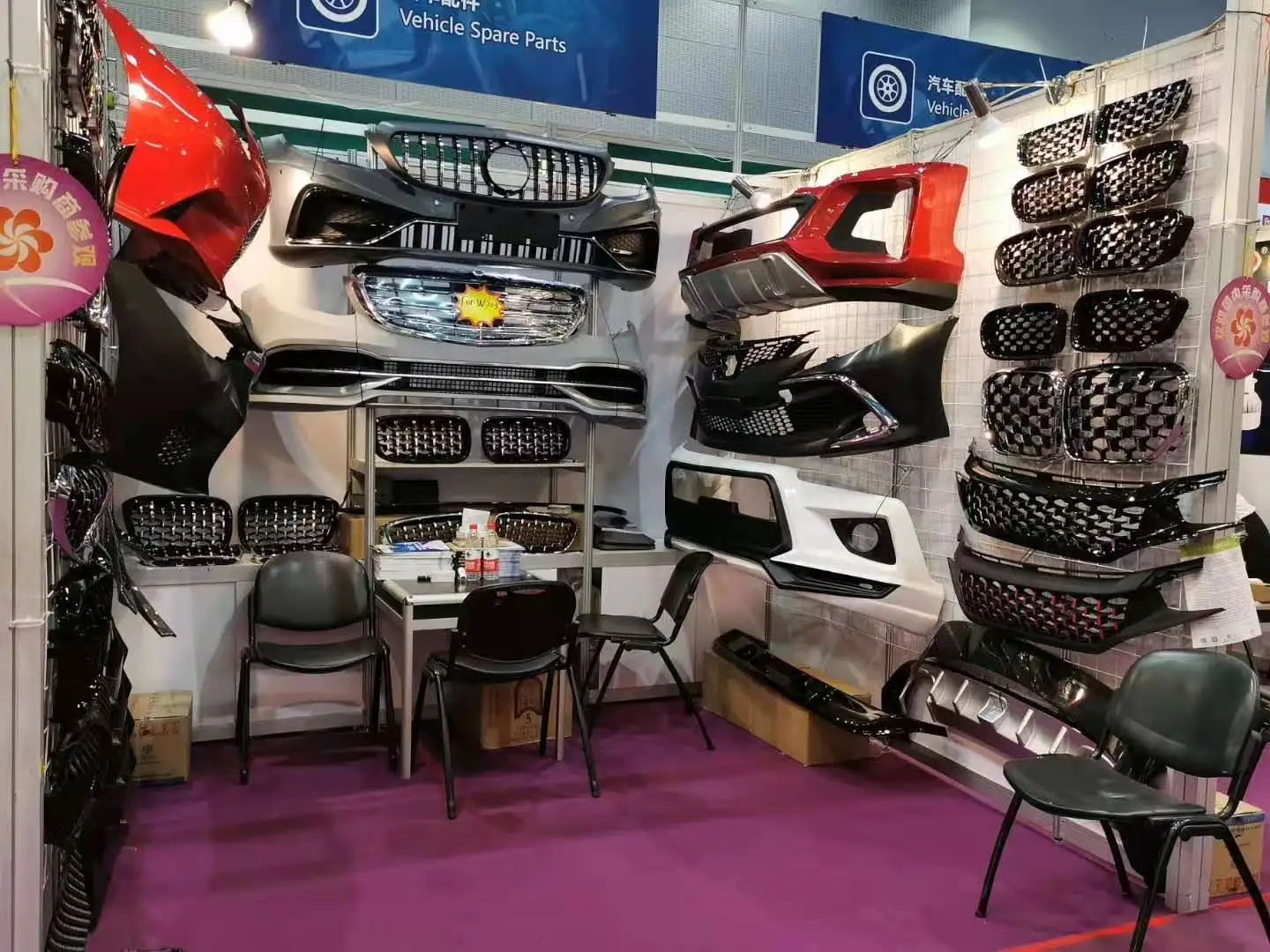
Yujiang County Runze Auto Accessories Co., Ltd.
- Trading Company
- Jiangxi, China
- Lead time6 days
- Avg. response≤ 8h
Main productsCar bumper,Car grill,Car spoiler,Car diffuser,Car bodykit
Main marketsSouth America(25.00%), North America(23.00%), Africa(15.00%), Mid East(12.00%), Central America(6.00%), Eastern Europe(6.00%), Southern Europe(2.00%), Oceania(2.00%), Western Europe(2.00%), Eastern Asia(2.00%), Southeast Asia(2.00%), Domestic Market(1.00%), South Asia(1.00%), Northern Europe(1.00%)
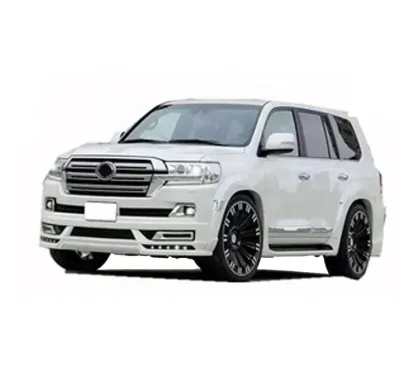
$814.34 - $875.50
MOQ: 1 sets
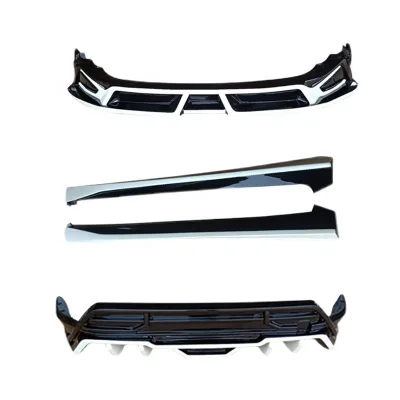
$300.00 - $350.00
MOQ: 1 sets
Dalian Eurocar Auto Parts Co., Ltd.
- Verified by Intertek
- Trading Company
- Lead time3 days
- Avg. response≤ 4h
Main productsAuto Body Kits, Auto Tuning Parts
Main marketsNorth America(28%), Southeast Asia(25%), South America(16%)
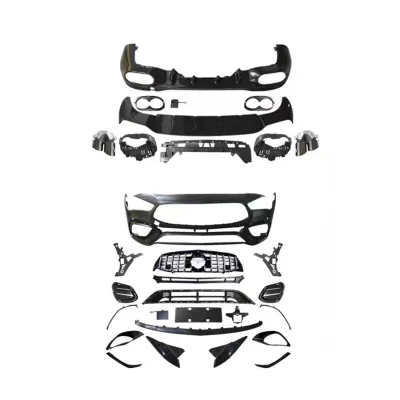
$509.95 - $611.94
MOQ: 1 sets
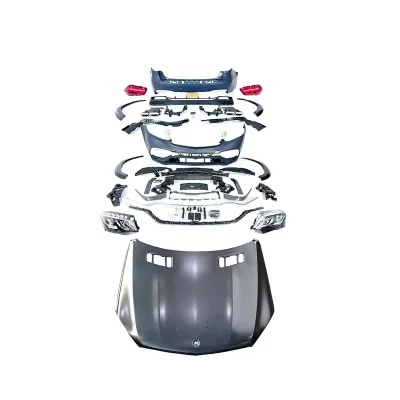
$1218.03 - $1766.15
MOQ: 1 sets
Tianjin Chenhui International Trade Co., Ltd.
- Verified by SGS
- Trading Company
- China Tianjin
- Lead time15 days
- Avg. response≤ 3h
Main marketsEast Asia(Japan/ South Korea)
Dongguan Feiyue FRP Products Co., Ltd.
- Verified by CTI
- Combined
- China Guangdong
- Lead time38 days
- Avg. response≤ 9h
Main productsFiberglass Sculpture, Fiberglass Chair, Fiberglass Shell, Bumper Car, Fiberglass Planter, FRP Medical Shell, Telephone Booth, Portable Toilet, Table and Chairs, Fiberglass Auto Parts
Main marketsDomestic


Wholesale Factory Price High Quality Fiberglass Body Kit Car Accessories Collision Bumper
$29.00 - $50.00
MOQ: 10 Pieces
- Trading Company
- Jiangsu, China
- Lead time20 days
- Avg. response≤ 3h
Main productsCar Bumpers, Car Fenders, Car Grill, Car Spoiler, Car Headlights
Main marketsNorth America(24.00%), Western Europe(15.00%), South America(10.00%), Central America(8.00%), Africa(8.00%), Southeast Asia(8.00%), Southern Europe(5.00%), Northern Europe(5.00%), Eastern Europe(5.00%), Mid East(5.00%), Eastern Asia(3.00%), Oceania(3.00%), South Asia(1.00%)
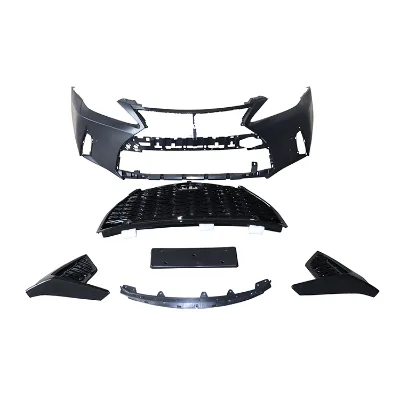
Car Parts for Lexus IS Body Kit 2006-2012 for Lexus IS Front Bumper 2006-2012
$217.00 - $242.00
MOQ: 50 sets
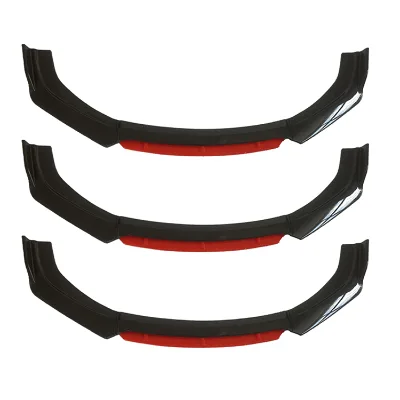
Guangzhou Chewang Auto Accessories Co., Ltd.
- Manufacturer, Trading Company
- Guangdong, China
- Lead time15 days
- Avg. response≤ 2h
Main productsAuto Parts,Automotive Products,Automotive exterior parts,Automotive exterior carbon fiber components,Automotive exterior modification parts
Main marketsMid East(20.00%), North America(20.00%), Southeast Asia(15.00%), Northern Europe(10.00%), Central America(10.00%), South Asia(10.00%), Eastern Europe(10.00%), Western Europe(5.00%)

Zhejiang YongZhu Casting Technology Co., Ltd.
- Manufacturer
- China Zhejiang
- Lead time30 days
- Avg. response≤ 11h
Main productsMachining Part, Die Casting, Sand Casting, Zinc Casting, Aluminum Casting, CNC Machine, Gravity Casting, Aluminum Extrusion, Steel Casting, Iron Casting
Main marketsEurope,Australia,North America

Jiangxi Heying Technology Co., Ltd.
- Verified by SGS
- Combined
- China Jiangxi
- Lead time15 days
- Avg. response≤ 9h
Main productsRotary Damper, Push Latch, Rivet, Auto Clips and Retainers, Plastic Screw and Nut, Book Screw, PCB Support, Wire Mount, Cable Clamp, Foot Pad
Main marketsEast Asia(Japan/ South Korea)


Auto Clips Parts Plastic Side Skirt Sill Clips Fasteners for Automobile Interior
$0.03 - $0.10
MOQ: 1000 Pieces


Zibo Baiwang Machinery Co., Ltd.
- Trading Company,Manufacturer/Factory
- China Shandong
- Lead time23 days
- Avg. response≤ 9h
Main productsBrake Discs Pad, Brake Drum S-Camshafts, Auto Brake Parts, Auto Parts for Byd Chery Jetour Tiggo, Milking Machine, Machining Parts, Auto Accessories, Secondhand Used Cars, Auto Parts of HOWO FAW Dongfeng Foton Haval, Accessories for Maxus Mg Baic Wuling
Main marketsSouth America,Eastern Europe,Mid East,North America,Southeast Asia,Eastern Asia,Oceania,Western Europe,Africa
Guangzhou Css Auto Accessories Co., Ltd.
- Trading Company
- Lead time旺季: "1 - 1":10,"2 - 10":15,"11 - 100":30,"> 100":"To be negotiated", 淡季: "1 - 1":10,"2 - 10":15,"11 - 100":30,"> 100":"To be negotiated"
- Avg. response≤ 2h
Main productsBody Kits, Car Bumpers, Car Spoiler, Carbon Fiber Auto Body Parts, Carbon Fiber Interior Trims
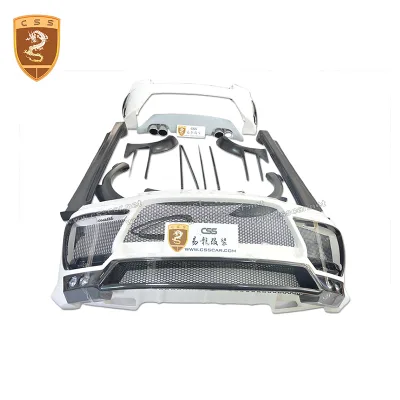
Turbo Style Car Bumper Body Parts for 08-12 Cayenn-e 957 Body Kit for Sale
$1688.00 - $1888.00
MOQ: 1 sets
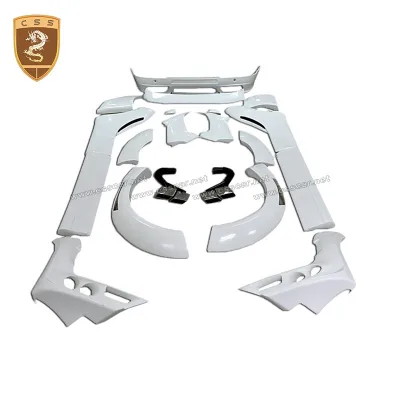
Top Quality Auto Parts Je Design Fiberglass Bodykit Car Bumpers Fender Flare for Q7 Body Kit
$1730.27 - $1882.94
MOQ: 1 sets

Shijiazhuang Yilushun Import and Export Trade Co., Ltd.
- Verified by BV
- Trading Company
- China Hebei
- Lead time15 days
- Avg. response≤ 4h
Main productsCar Clip, Sealing Strip, Mats Clips, Metal Screws, Cable Tie Tape, The Car Accessories, Automotive Service Set, Auto Clip, Plastic Rivet, Plastic Washer
Main marketsSouth America,Africa,Southeast Asia/ Mideast,East Asia(Japan/ South Korea),Domestic,Europe,Australia,North America
Zhengzhou Cooper Industry Co., Ltd.
- Trading Company
- Lead time旺季: "1 - 10":25,"> 10":"To be negotiated", 淡季: "1 - 10":25,"> 10":"To be negotiated"
- Avg. response≤ 2h
Main productsVehicle Parts & Accessories,Construction Machinery Attachments,Bus Spare Parts,Truck Spare Parts,Engine Parts
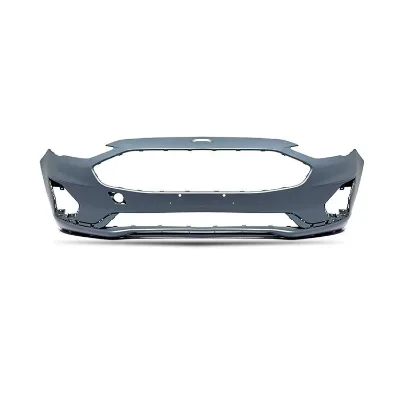
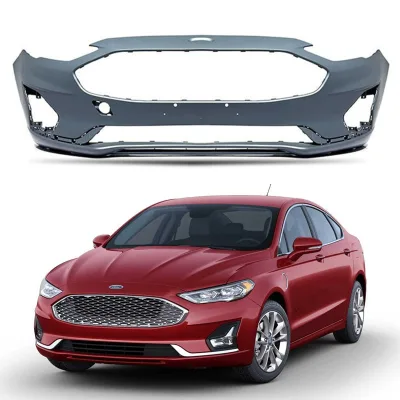
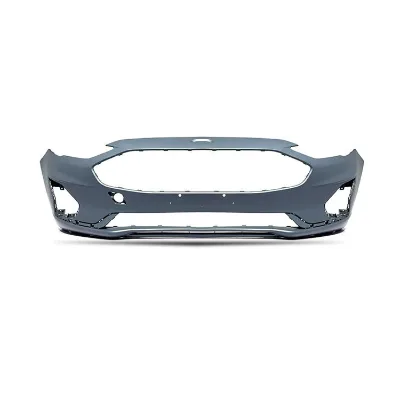
High-quality Forged Carbon Fiber Body Kit Front Bumper and Rear Bumper Cover
$45.90 - $49.90
MOQ: 10 sets
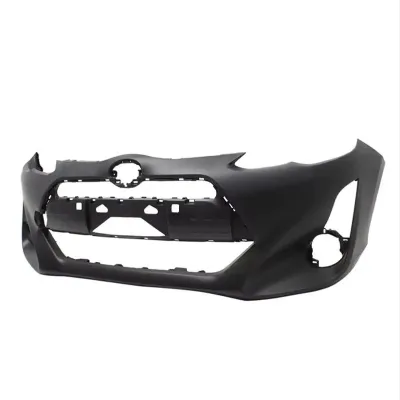
High Quality Car Bumper Suitable for Universal Cars Carbon Fiber Front Diffuser
$40.42 - $45.62
MOQ: 5 pieces

Changzhou Shijun Automobile Decoration Co., Ltd.
- Verified by SGS
- Combined
- China Jiangsu
- Lead time15 days
- Avg. response≤ 9h
Main productsAuto Part, Auto Body Part, Auto Spare Part, Auto Tuning, Auto Accessory, Headlight, Bumper, Auto Lamp, Car Body Kit, Grill
Main marketsSoutheast Asia/ Mideast,Europe

Customized Hot Sell Exact Fit Instrument Panel Car Auto Body Kit for LC200
$11.00 - $6500.00
MOQ: 1 Sets

Easy Install Hot Sell Standard Size Instrument Panel Car Auto Body Kit for LC200
$11.00 - $6500.00
MOQ: 1 Sets
Shenzhen Chaotaixiang Trading Co., Ltd.
- Manufacturer, Trading Company, Distributor/Wholesaler
- Guangdong, China
- Lead time10 days
- Avg. response≤ 6h
Main productsGauge meter,Spoiler,Steering Wheel,Air Intake Filter,seat belt
Main marketsNorth America(30.00%), Domestic Market(20.00%), Southeast Asia(7.00%), Oceania(6.00%), Africa(6.00%), South America(6.00%), Eastern Europe(5.00%), Mid East(4.00%), Eastern Asia(4.00%), Western Europe(3.00%), Central America(3.00%), Northern Europe(2.00%), South Asia(2.00%), Southern Europe(2.00%)

Changzhou Haosheng Vehicle Parts Co., Ltd.
- Combined
- China Jiangsu
- Lead time15 days
- Avg. response≤ 8h
Main productsAuto Spoiler, Spoiler, Car Spoiler
Main marketsSouth America,Southeast Asia/ Mideast,Domestic,Europe,Australia,North America
Chongqing Kisda Technology Co., Ltd.
- Verified by SGS
- Trading Company
- China Chongqing
- Lead time15 days
- Avg. response≤ 3h
Main productsCar Parts, Auto Parts, Car Spare Parts, Auto Spare Parts
Main marketsAfrica,Domestic
Leju(Guangzhou) Trading Co., Ltd.
- Verified by SGS Group
- Manufacturer, Trading Company
- Lead time10 days
- Avg. response≤ 3h
Main productsFender, Grille, Spoiler, Window Louver, Mirror Cover
Main marketsMid East(30%), Southeast Asia(20%), Africa(10%)

Yuyao Xianghao Mold Technology Company Limited
- Verified by BV
- Trading Company
- China Zhejiang
- Lead time30 days
- Avg. response≤ 11h
Main productsInjection Mold, Plastic Mold, Injection Molding, Rapid Prototyping, 3D Pritting, Manhole Cover Mold, Silicone Rubber Mould, Wire Rack, Car Air Compressor, LED Light
Main marketsNorth America
Dalian Eurocar Auto Parts Co., Ltd.
- Trading Company
- Lead time旺季: "1 - 1":7,"> 1":"To be negotiated", 淡季: "1 - 1":7,"> 1":"To be negotiated"
- Avg. response≤ 4h
Main productsAuto Body Kits, Auto Tuning Parts
CHONGQING POWERLAND MACHINERY CO., LTD.
- Verified by CTI
- Trading Company
- China Chongqing
- Lead time15 days
- Avg. response≤ 1h
Main productsEGR Valve, Sensor, Ignition Coil, Solenoid Valve, Electric Fan, Electric Vacuum Pump, Gasket, Plug, Bumper, Grille
Ningbo Evergreen Haoyi Machinery Co., Ltd.
- Verified by SGS
- Combined
- China Zhejiang
- Lead time30 days
Main productsPrecision Casting, CNC Machining, Forging, Auto Part, Lost Wax Casting, Investment Casting
Main marketsDomestic
- Verified by SGS Group
- Manufacturer, Trading Company
- Lead time7 days
- Avg. response≤ 4h
Main productsCar Bumper, Rear Spoiler, Side Vents, Interior Trim Kits, Wheel Rims
Main marketsWestern Europe(40%), North America(30%), Oceania(20%)
Ningbo Joy International Trade Co., Ltd.
- Verified by BV
- Trading Company
- China Zhejiang
- Lead time30 days
- Avg. response≤ 6h
Main marketsEurope
Ningbo Mecoo Trading Co., Ltd.
- Verified by TUVRHEINLAND
- Manufacturer
- China Zhejiang
- Lead time23 days
- Avg. response≤ 7h












Comprehensive Sourcing Guide
Screw-On Car Body Parts Kits Supplier Concentration and Factory Types
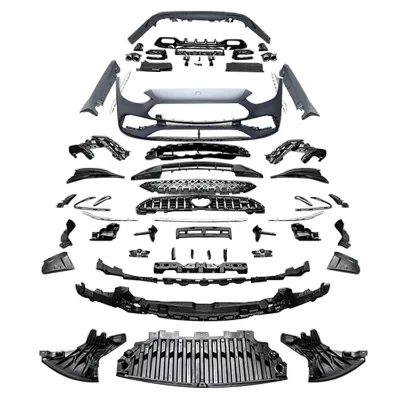
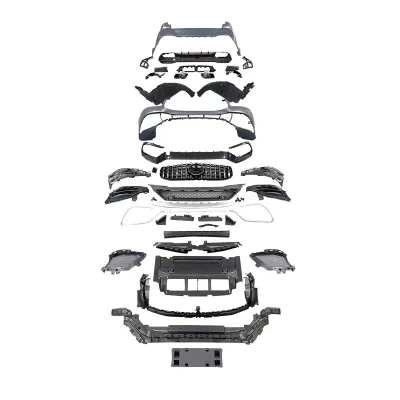
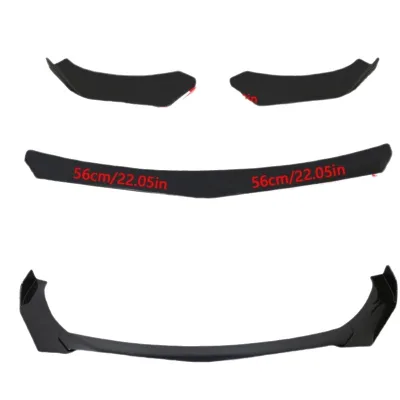
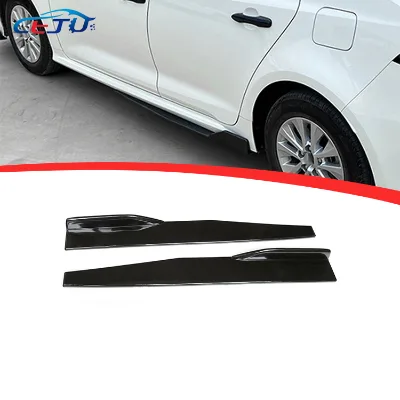
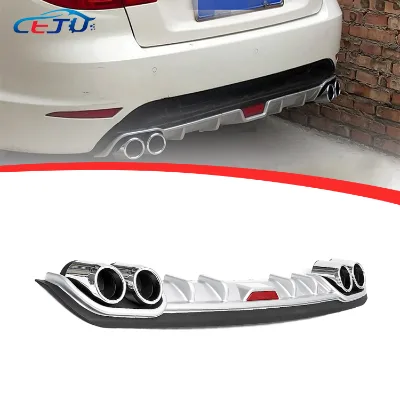
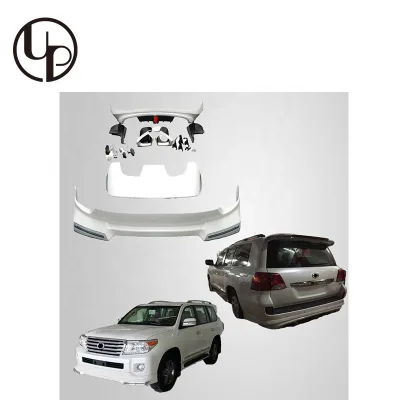
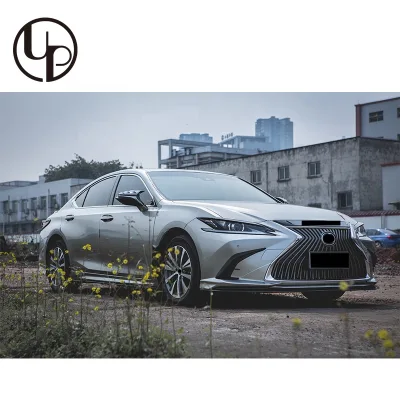
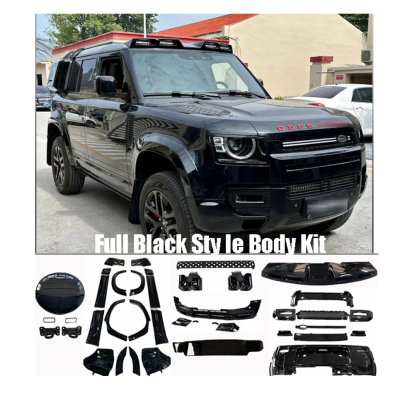
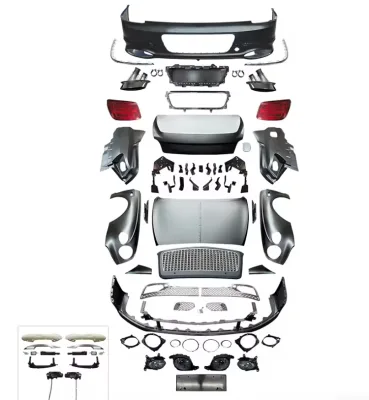
Suppliers of screw-on car body parts kits on major B2B platforms are heavily concentrated in China, and the current results reflect that pattern clearly. One group operates from Guangdong, listing body kits, front grilles, and bumper assemblies for specific models such as a Flying Spur 2024 facekit and a Sienna 2021+ Khadgar upgrade kit. A second group operates from Chongqing, a location tied to China's electric vehicle manufacturing base, and covers body kits and spare parts for models including the BYD Seal 07, Nissan Ariya, Lixiang L8, and Rising F7/R7. A third supplier sits in Hebei and specializes in supporting hardware such as nylon car body clips and bumper fasteners, which are frequently purchased alongside screw-on kits.
Company types vary in ways that matter to buyers. Some listings come from hybrid trading company and manufacturer/factory entities, others from pure trading companies or distributor/wholesaler structures. The Guangdong body kit suppliers are trading or wholesale focused, while the Chongqing group combines trading and manufacturing roles and advertises OEM and ODM capability. When no cluster location is displayed for a supplier, buyers should infer concentration by checking the place-of-origin attribute on individual product listings, such as the Guangdong origin recorded on body kit product pages, and by cross-checking whether the same model line appears repeatedly from one region before shortlisting.
How to Verify Screw-On Car Body Parts Kits Suppliers
Verification should start with the credentials that are actually displayed in supplier results rather than assumptions. In the current set, some suppliers carry SGS verification, and system certifications including ISO 9000, ISO 9001, ISO 14000, and ISO 14001 appear among supplier labels. These signals indicate audited quality and environmental management systems, but they are not shown for every listing, so buyers must confirm which credentials each specific supplier holds before relying on them. Company type is equally important: a manufacturer/factory designation supports direct production claims, while a trading company label means the seller likely sources from third parties, which affects traceability of fitment and material.
Beyond displayed labels, verification should focus on the evidence attached to product listings themselves. Strong listings state the car make, model year range, installation method (for example, screw-on attachment), condition, purpose such as replace/repair or retrofit/upgrade, material such as ABS or polypropylene, and items included with the kit, like mounting screws. A body kit listing that specifies park assist sensor cut-outs and a defined fitment window demonstrates far better product data discipline than a generic listing. Buyers should also test responsiveness directly: recorded response times in this category range from under three hours to around five, so a slow first reply during inquiry is a measurable early warning. Finally, request photos of the actual mold or finished kit rather than catalog renders before committing.
What to Compare Across Screw-On Car Body Parts Kits Suppliers
Build a comparison table using the supplier-label dimensions that appear in results: location, company type, main products, lead time, MOQ, response speed, verification status, certifications, and OEM/ODM capability. These attributes are not shown for every supplier, so mark gaps as unknowns rather than assuming defaults. In this category, lead times vary enormously: one Guangdong supplier lists a seven-day lead time, while a Hebei fastener supplier lists thirty days, a five-fold difference that directly affects project scheduling. Response times also range from roughly three hours to five, which matters when iterating on fitment questions.
Compare price bands and MOQ structure against kit scope. Displayed body kit pricing spans wide ranges, for example roughly 5 to 589 dollars per piece on a BYD Seal 07 kit listing, 3.84 to 578 dollars on a Nissan Ariya kit, and 750 to 810 dollars for a Flying Spur grille component, with MOQs of 1 set or 10 pieces depending on the listing. A low per-piece minimum on small clips is normal; a one-set MOQ on a full bumper assembly is likewise typical but signals sample-friendly ordering. Also weigh main-product alignment: a supplier whose catalog is entirely body kits and carbon fiber products will handle paint, packaging, and mold questions differently from a generalist auto parts trader. Prioritize suppliers with model-specific listings, customization availability, and consistent attribute completeness over those with the lowest quoted number.
Common Screw-On Car Body Parts Kits Sourcing Risks
The most frequent risk is fitment failure. Screw-on kits are marketed as no-drill upgrades, but listings sometimes only state "Size: Fit" without a precise model-year window, and one bumper listing explicitly declares universal fitment "No." Ordering without confirming the exact year range, sensor cut-outs, and mounting points can produce parts that require modification, defeating the screw-on promise. Related to this is material ambiguity: kits appear in both ABS and polypropylene, and the difference affects paint adhesion and impact behavior, yet some listings leave material blank. Always pin down the polymer and whether the quoted price includes painting or priming.
Second is the trading-layer risk. Many listings come from trading companies or distributors, so the party quoting you may not control the mold, the paint booth, or the packaging line. This shows up in lead-time volatility: the Hebei supplier's thirty-day stated lead time versus delivery windows of five to ten days or seven to fifteen days on other listings shows how wide the spread is within a single product family. Third is scope misunderstanding: an "items included" field that only lists screws means brackets, hardware for sensors, or trim pieces may be missing. Finally, watch for oversized volumetric weight surprises on bumpers, since some listings report zero single gross weight, which signals the seller has not calculated shipping accurately and your freight quote may change after ordering.
Screw-On Car Body Parts Kits Regional Sourcing and Logistics
Region selection should follow the evidence in product listings. Guangdong-origin listings in this category focus on modified and luxury vehicle body kits, grilles, and bumper assemblies, with carbon fiber products and headlight components listed among main products, suggesting a region suited to appearance and upgrade parts. Chongqing-origin suppliers concentrate on electric vehicle body parts for BYD, Nio, Li Auto, Geely, and Chery models, which makes that location relevant when sourcing kits for domestic Chinese EV platforms. Hebei appears in this result set as a fastener and seal specialist, useful for sourcing the clips and mounting hardware that screw-on kits depend on. When a supplier's region is not displayed, use the product-level place-of-origin field and the model coverage of the catalog to infer where the part will actually ship from.
Logistically, body kits are bulky, non-stackable freight. Carton packing is the stated standard across several listings, with dimensions based on accessory size, so expect palletized or crated sea freight for full bumper assemblies and air freight only for small clips or grille components. Confirm whether the quoted price is ex-works or includes inland delivery to the port, and ask how painted surfaces are protected in transit, since a screw-on kit's value is largely in its finish. Plan inspection before shipment for paint color match and pre-drilled hole alignment, because rectifying these after arrival is costly.
Screw-On Car Body Parts Kits Commercial Terms and Order Planning
Order planning should begin with the MOQ and price structure visible on listings. Full body kit assemblies in this category commonly carry a one-set MOQ, making a paid sample of a single set a realistic first step, while smaller components may carry minimums such as ten pieces. Wide per-piece price bands, such as the roughly 4-to-589-dollar ranges shown on EV kit listings, usually reflect different parts within a kit set, so ask suppliers to break the quote down by component rather than accepting a blended figure. For the premium grille listing at 750 to 810 dollars, confirm what drives the delta between the two price points, such as finish or inclusion of hardware.
On payment and terms, use platform protections where displayed, such as SGS-verified status and escrow-style trade assurance arrangements when offered, and confirm certification claims like ISO 9001 in writing before wire transfer. Anchor delivery expectations to stated figures: seven-day lead times on some Guangdong listings, seven-to-fifteen-day delivery windows on bumper kits, five-to-ten-day handling on clips, and thirty days on fastener lines from Hebei. Build your project timeline from the slowest component, order hardware and kit bodies together to avoid partial arrivals, and negotiate customization terms early, since several listings state customization is available but leave tooling costs and lead-time impact undefined. Reconfirm painted color codes and packaging in the proforma invoice before production starts.
Word count check: Section 1 ≈ 231, Section 2 ≈ 232, Section 3 ≈ 230, Section 4 ≈ 233, Section 5 ≈ 231, Section 6 ≈ 228; total ≈ 1385 words.
FAQs
What does a screw-on body kit include and how is it installed?
Screw-on body kits typically include front and rear bumper assemblies, grilles, and side components designed to bolt directly onto existing mounting points without cutting. Listings commonly state that screws are included, fitment is model-specific rather than universal, and installation is for replace or retrofit purposes. Confirm the exact parts included in each set, the attachment type, and whether professional installation is recommended before ordering.
What is the typical MOQ when sourcing screw-on body kits?
Minimum order quantities vary widely by part type, and the observed listings range from 1 set to 10 or 20 pieces. Larger body panels and complete bumper assemblies are often sold per single set, while smaller accessories such as clips carry higher MOQs. Always confirm the MOQ per SKU in writing, because mixed-model orders and customized finishes may carry different minimums than standard catalog items.
How long does production and delivery usually take?
Lead times differ by supplier and product complexity. Observed listings show delivery windows of 7-15 days for bumper assemblies and 5-10 days for smaller fastener parts, while some suppliers quote up to 30 days overall. Painted or customized kits generally take longer than finished stock. Ask each supplier to confirm current production time, packing method, and shipping duration to your destination port before placing an order.
Can screw-on body kits be customized for specific car models?
Many listings mark customization as available and build kits around specific models such as the BYD Seal 07, Nissan Ariya, Lixiang L8, and Sienna 2021+. Customization can cover paint color, model number, packaging, and sizing based on accessory dimensions. Provide the exact model year, trim, and any OE references, then request a fitment confirmation in writing, since universal fitment is commonly stated as not supported.
Which materials are commonly used for screw-on body parts?
Listings commonly reference ABS for grilles and polypropylene for bumper assemblies, chosen for impact resistance and paintability. Some suppliers also advertise carbon fiber products among their main offerings. Material choice affects weight, finish quality, and cost, so request the exact material specification for each component rather than relying on the kit description alone, and ask whether painted, unpainted, or primed versions are available.
How can I verify a body kit supplier before ordering?
Check whether the supplier holds third-party verification, such as SGS verification, and review system certifications like ISO 9001 or ISO 14001 where listed. Compare company type, since trading companies and manufacturers differ on customization depth and pricing. Confirm response time history, ask for product samples, and verify that the main products actually match your target models before committing to a first bulk order.
What price range should I expect for screw-on body kits?
Observed listings span a wide range, from under ten dollars for small clips and accessories to roughly 570-810 dollars for complete bumper assemblies and grilles. Price depends on part size, material, paint finish, and model coverage. Treat listed prices as reference points only, and request quotations for your exact model year and configuration, including packaging and freight terms, before comparing suppliers.
Do body kits ship ready to install or do they need preparation?
It depends on the listing and finish option. Some bumper assemblies are advertised as black painted and screw-on, while grilles may come finished in silver. Others are supplied unpainted for local color matching. Standard packing is carton, with sizing based on accessory dimensions. Ask whether the kit arrives primed or painted, which fasteners are included, and whether paint codes can be matched to your vehicle.