WiFi6 RISC-V ESP32 Development Board Suppliers and Manufacturers
Explore 27 verified options for the WiFi6 RISC-V ESP32 Development Board from Guangdong, China. Compare response times, lead times, and pricing across manufacturers and trading companies. Contact suppliers directly to request quotes for specific models; review the available evidence before requesting comparable quotations from suitable candidates.
Suppliers List
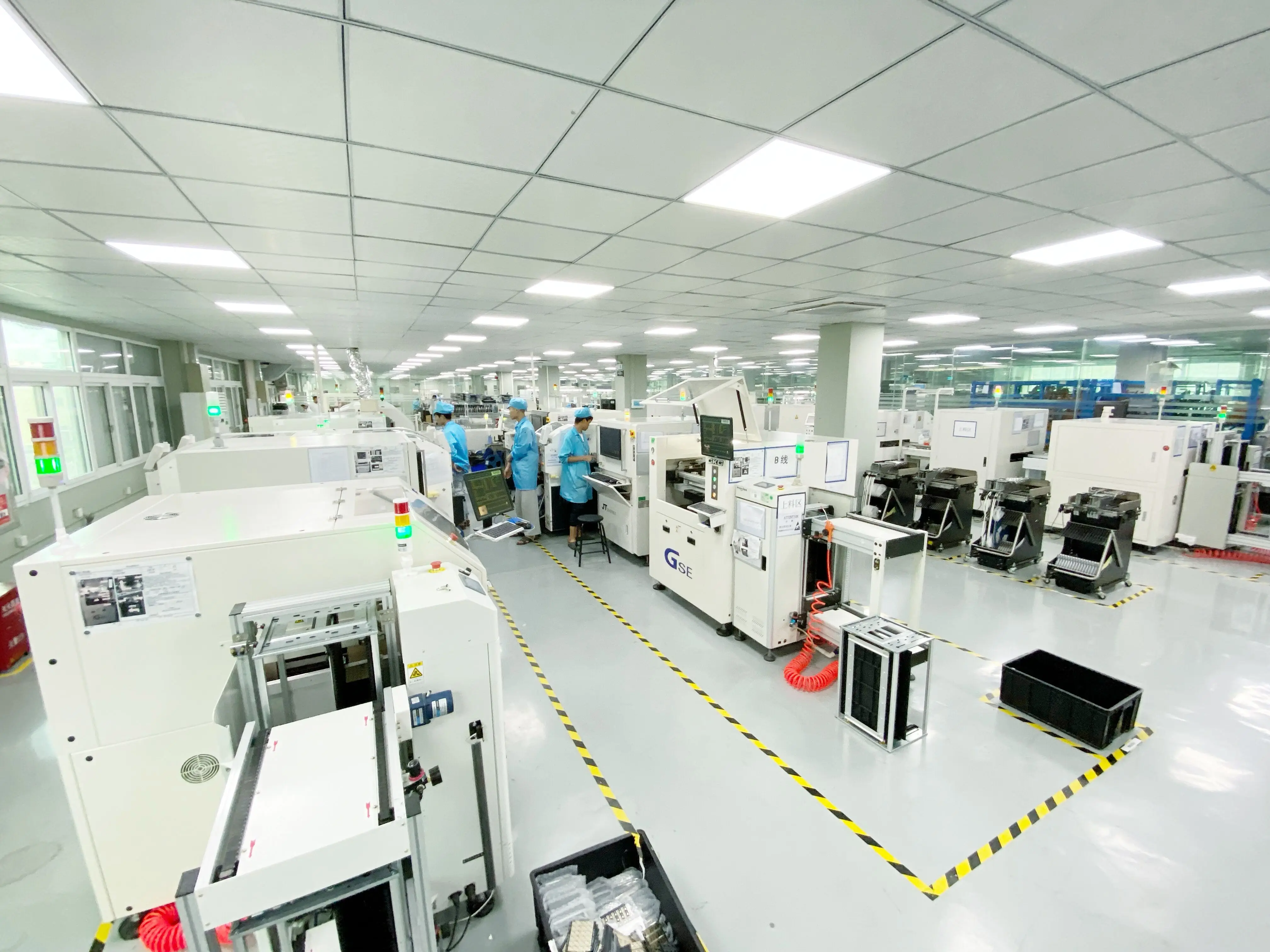
Shenzhen Duoweisi Tech Co., Ltd.
- Manufacturer, Trading Company, Distributor/Wholesaler
- Guangdong, China
- Lead time0 days
- Avg. response≤ 10h
Main productsDevelopment Board,Electronic Components,Modules,LCD LCD Screen,LED
Main marketsWestern Europe(15.0%), Southeast Asia(15.0%), Eastern Europe(15.0%), South America(15.0%), North America(15.0%), Central America(5.0%), Northern Europe(5.0%), Southern Europe(3.0%), South Asia(3.0%), Eastern Asia(3.0%), Mid East(2.0%), Oceania(2.0%), Domestic Market(1.0%), Africa(1.0%)

Shenzhen Andeweier Techology Co., Ltd.
- Manufacturer, Trading Company, Buying Office, Agent
- Guangdong, China
- Lead time15 days
- Avg. response≤ 4h
Main productsElectrical module,Consumer electronics,Home Electronics,PCBA
Main marketsNorth America(50.0%), Southeast Asia(10.0%), Eastern Europe(10.0%), South America(10.0%), Northern Europe(5.0%), Central America(5.0%), Mid East(5.0%), Oceania(5.0%)
Shenzhen Chenyusheng Technology Co., Ltd.
- Trading Company, Buying Office, Distributor/Wholesaler, Other
- Guangdong, China
- Lead time0 days
- Avg. response≤ 2h
Main productsIntegrated Circuit (IC),Module,Inductor,Resistor,Capacitor
Main marketsNorth America(22.0%), South America(14.000000000000002%), Eastern Asia(12.0%), Western Europe(11.0%), Eastern Europe(8.0%), Mid East(8.0%), Oceania(5.0%), Southeast Asia(5.0%), Africa(4.0%), Southern Europe(3.0%), Northern Europe(3.0%), Domestic Market(3.0%), Central America(2.0%)
Shenzhen Dongheng Electronic Technology Co., Ltd.
- Trading Company, Distributor/Wholesaler
- Guangdong, China
- Lead time0 days
- Avg. response≤ 1h
Main productsElectronic Components,Cables,Integrated Circuit,Development Boards,3D Printer Parts
Main marketsNorth America(40.0%), Southeast Asia(30.0%), South Asia(10.0%), Central America(10.0%), Mid East(10.0%)

Sunhokey Electronics Co., Ltd.
- Trading Company
- China Guangdong
- Lead time15 days
- Avg. response≤ 8h
Main products3D Printer
Main marketsEurope,North America
Shenzhen Goldtech Electronics Co., Limited
- Verified by SGS Group
- Trading Company
- Lead time7 days
- Avg. response≤ 7h
Main productsPCB, PCBA, IC, Capacitor, Circular Connector
Main marketsMid East(30%), Western Europe(30%), Eastern Europe(20%)
Beijing Mengxing Electronic Technology Co., Ltd.
- Verified by SGS Group
- Trading Company
- Lead time3 days
Main productsElectronic Component, Integrated Circuit, Transistor, PCBA
Main marketsDomestic Market(50%), North America(15%), Mid East(10%)

Shenzhen Ke Zhi You Technology Co., Ltd.
- Verified by CTI
- Trading Company,Manufacturer/Factory
- China Guangdong
- Lead time23 days
- Avg. response≤ 18h
Main productsArduino Board, Arduino Sheild, Arduino Starter Kit, 3D Printers, Arduino Robot, Arduino Sensor/Modules, Raspberry Pi, Smart Car, Display, Mico Bit: Bbc Board
Main marketsSouth America,Eastern Europe,Mid East,North America,Southeast Asia,Eastern Asia,Oceania,Western Europe,Africa
Shenzhen Boruijintong Technology Co., Ltd.
- Trading Company
- Guangdong, China
- Lead time3 days
- Avg. response≤ 3h
Main productsIntegrated Circuit ICs, Transistors /IGBT, Modules, Develop Boards And Kits, PCBA
Main marketsSoutheast Asia(22.0%), North America(17.0%), South America(11.0%), Western Europe(11.0%), Eastern Asia(7.000000000000001%), Northern Europe(6.0%), Mid East(6.0%), South Asia(5.0%), Central America(5.0%), Eastern Europe(5.0%), Southern Europe(4.0%), Africa(1.0%)
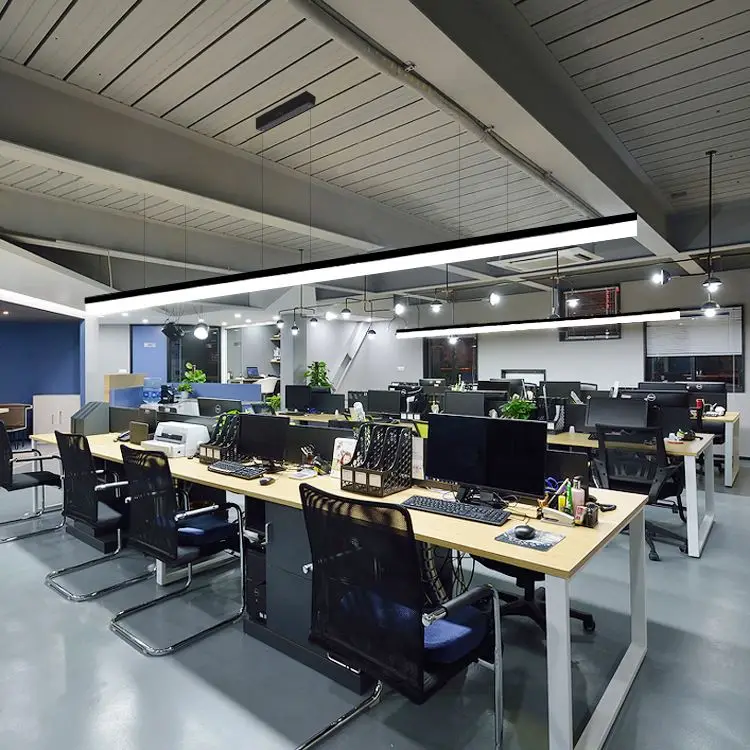
Shenzhen Huixin Tengda Trading Co., Ltd.
- Manufacturer, Trading Company
- Guangdong, China
- Lead time0 days
- Avg. response≤ 5h
Main productsElectronic products,data cables,3c digital accessories,Connectors,Consumer Electronics
Main marketsCentral America(20.0%), Mid East(20.0%), Southeast Asia(20.0%), South America(20.0%), North America(20.0%)

Shenzhen Chengsuchuang Technology Co., Ltd.
- Verified by BV
- Trading Company,Manufacturer/Factory
- China Guangdong
- Lead time23 days
- Avg. response≤ 2h
Main productsElectronic Hardware, Development Board, Sensors, Electronics Module, Development Accessorries, PCB&PCBA Manufacturing Service
Main marketsSouth America,Eastern Europe,Mid East,North America,Southeast Asia,Eastern Asia,Oceania,Western Europe,Africa
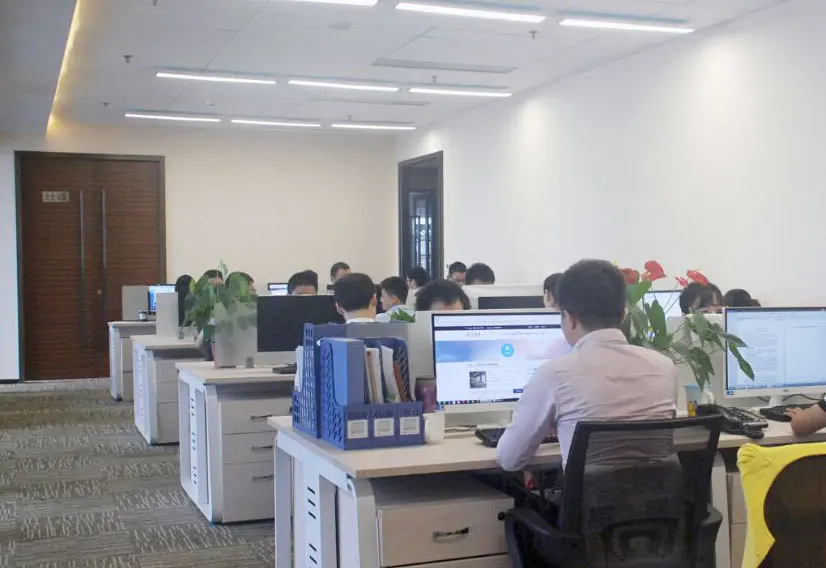
Shantou City Model Clothing Industry Co., Ltd.
- Manufacturer, Trading Company
- Guangdong Province, China
- Lead time7 days
- Avg. response≤ 2h
Main productsic,MCU,FBGA,IGBT,module
Main marketsNorth America(44.0%), Southeast Asia(18.0%), Western Europe(15.0%), Southern Europe(8.0%), Northern Europe(8.0%), Eastern Europe(7.000000000000001%)
Shenzhen Qianhai Ku Xian Sheng Industrial Co., Ltd.
- Manufacturer, Trading Company, Distributor/Wholesaler
- Guangdong, China
- Lead time0 days
- Avg. response≤ 5h
Main productsIC,Capacitor,Resistor,module,LED
Main marketsSouth America(20.0%), North America(20.0%), Northern Europe(10.0%), Western Europe(10.0%), Mid East(10.0%), Southern Europe(10.0%), Southeast Asia(10.0%), Domestic Market(5.0%), Africa(5.0%)
Shenzhen Silver Qiao Electronic Technology Co., Ltd.
- Manufacturer, Trading Company, Distributor/Wholesaler
- Guangdong, China
- Lead time7 days
- Avg. response≤ 3h
Main productsRaspberry Pi,Chips,Microbit,ARDUINO,BEAGLEBONE
Main marketsWestern Europe(30.0%), North America(30.0%), Domestic Market(10.0%), Southern Europe(10.0%), Eastern Europe(10.0%), Northern Europe(5.0%), South America(5.0%)
Shenzhen Bxf Electronic Technology Co., Ltd.
- Manufacturer, Trading Company
- Guangdong, China
- Lead time3 days
- Avg. response≤ 3h
Main productsRaspberry Pi,3D Printer,Drone,Electronic Components
Main marketsWestern Europe(30.0%), North America(25.0%), South America(20.0%), Mid East(5.0%), Southeast Asia(4.0%), South Asia(4.0%), Eastern Asia(4.0%), Northern Europe(2.0%), Domestic Market(1.0%), Oceania(1.0%), Southern Europe(1.0%), Africa(1.0%), Central America(1.0%), Eastern Europe(1.0%)
Shenzhen Gang Shun Microelectronics Co., Ltd.
- Manufacturer, Trading Company, Distributor/Wholesaler
- Guangdong, China
- Lead time15 days
- Avg. response≤ 2h
Main productsasd
Main marketsCentral America(10.0%), Western Europe(10.0%), Eastern Asia(10.0%), Mid East(10.0%), Oceania(10.0%), Africa(10.0%), Southeast Asia(10.0%), Eastern Europe(10.0%), South America(10.0%), North America(10.0%)
Shenzhen Jinxinrui Digital Technology Co., Ltd.
- Trading Company, Distributor/Wholesaler
- Guangdong Province, China
- Lead time5 days
- Avg. response≤ 1h
Main productsElectronics,Digital,Industrial Control,Electrical Products
Main marketsDomestic Market(100.0%), South Asia(100.0%), Southern Europe(100.0%), Northern Europe(100.0%), Central America(100.0%), Western Europe(100.0%), Eastern Asia(100.0%), Mid East(100.0%), Oceania(100.0%), Africa(100.0%), Southeast Asia(100.0%), Eastern Europe(100.0%), South America(100.0%), North America(100.0%)

Shenzhen rCloud Technology Co., Ltd
- Manufacturer
- China Guangdong
- Lead time15 days
- Avg. response≤ 9h
Main productsCard Reader, RFID Card Reader, Magnetic Card Reader, IC Card Reader, Hybrid Card Reader, DIP Card Reader, Bar Type LCD Display, Double Sided Monitor, LED Gaming Monitor, Curved Gaming Monitor
Main marketsSouth America,Southeast Asia/ Mideast,Europe,North America
- Agent, Distributor/Wholesaler
- Guangdong, China
- Lead time3 days
- Avg. response≤ 2h
Main productsSuper capacitor,IGBT,Sensor,Transistor,Integrated Circuit
Main marketsNorth America(30.0%), Southeast Asia(15.0%), Mid East(15.0%), Eastern Europe(10.0%), Southern Europe(5.0%), Northern Europe(5.0%), Western Europe(5.0%), South Asia(4.0%), Eastern Asia(2.0%), Oceania(2.0%), Central America(2.0%), South America(2.0%), Africa(2.0%), Domestic Market(1.0%)
Shenzhen Hapchuang Technology Co., Ltd.
- Verified by Intertek
- Trading Company
- Lead time7 days
Main productsIntegrated Circuit, Wireless Module, GPS Module, Diodes, Capacitors
Main marketsNorth America(25%), Eastern Asia(12%), Western Europe(11%)

Shenzhen Wonderwing Electronics., Ltd.
- Trading Company
- China Guangdong
- Lead time15 days
- Avg. response≤ 19h
Main productsDevelopment Board, IC Transistor, Diode, PCB Production, Arduino Uno R3, Arduino Mega, Arduino PRO Micro
Main marketsSouth America,Europe
Acebott Stem Education Tech Co., Ltd.
- Verified by TüVRheinland
- Trading Company
- Lead time3 days
Main productsSmart Home STEMS Tarter Kit, Smart Farm STEM Starter Kit, Smart Robot Car Kit, Quadruped Bionic Spider Robot Kit, Smart Security STEM Kit
Main marketsNorth America(30%), Western Europe(15%), Central America(15%)
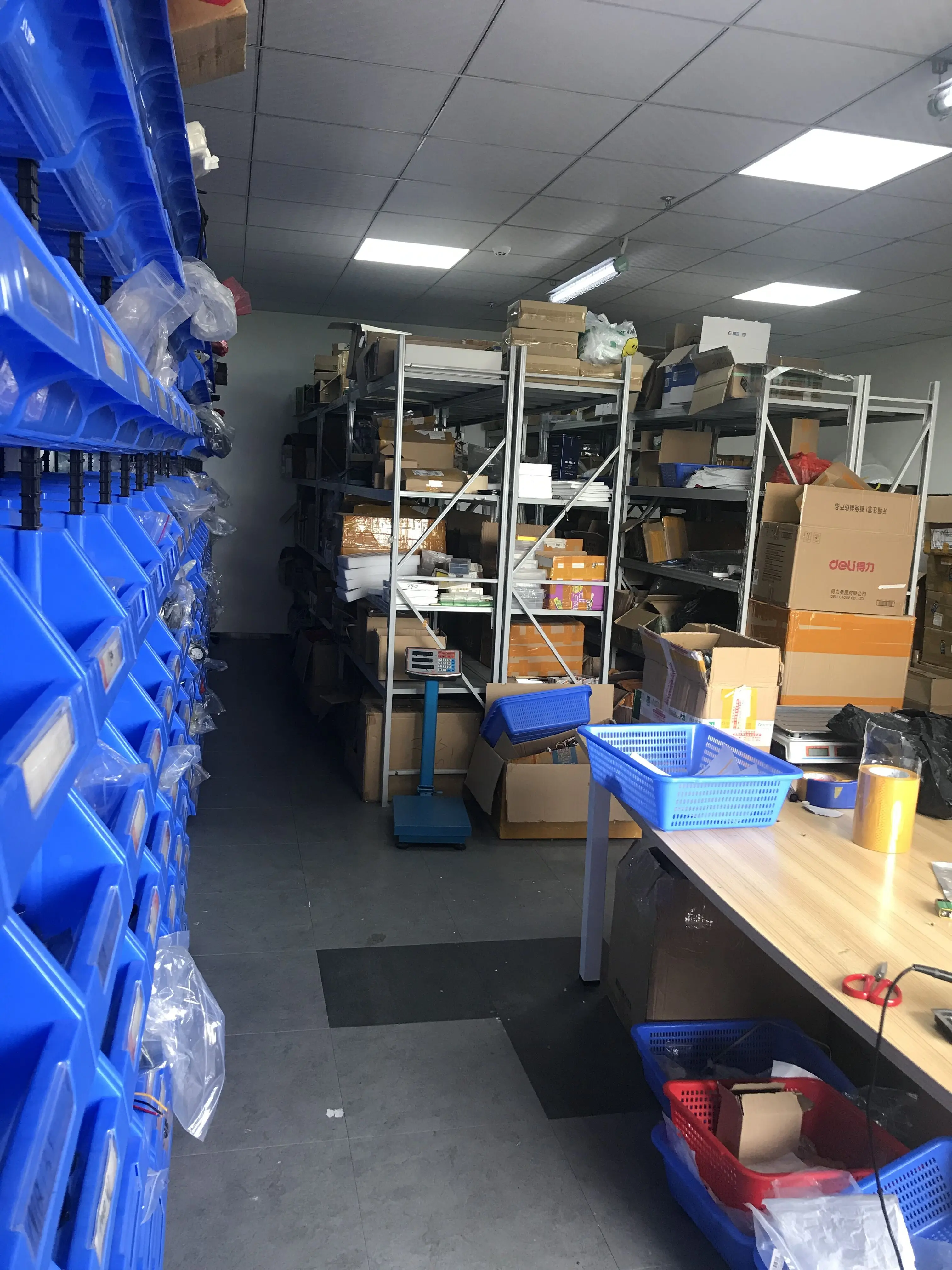
Shenzhen Aiconnecting Electronic Co., Ltd.
- Manufacturer, Trading Company
- Guangdong, China
- Lead time3 days
- Avg. response≤ 8h
Main productsFor Ardui,Raspberry Pi,3d Printer,Sensor Module,Wireless Bluetooth module
Main marketsWestern Europe(30.0%), North America(30.0%), South America(20.0%), Southern Europe(10.0%), Northern Europe(10.0%)

Shenzhen Hstd Import and Export Trade Co., Ltd.
- Verified by SGS
- Trading Company,Manufacturer/Factory
- China Guangdong
- Lead time15 days
- Avg. response≤ 5h
Main products3D Depth Camera, Camera Module, Thermal Imaging Camera, Microphone Array Board
Main marketsSouth America,Eastern Europe,Mid East,North America,Southeast Asia,Eastern Asia,Oceania,Western Europe,Africa

- Verified by BV
- Trading Company
- China Guangdong
- Lead time15 days
- Avg. response≤ 12h
Main productsIC, Transistor, Capacitor, Diodes, Reistor, Relay, Connector, Electronic Component, Intergrated Circuit, Sensor
Main marketsSouth America,Southeast Asia/ Mideast,Europe,North America
Beijing New Imagery Space Intelligent Technology Co., Ltd
- Trading Company
- Beijing, China
- Lead time50 days
- Avg. response≤ 2h
Main productsIOT,SmartController,SoftWave,PCBdesign
Main marketsDomestic Market(20.0%), Southeast Asia(10.0%), Mid East(7.000000000000001%), Eastern Europe(7.000000000000001%), Western Europe(6.0%), North America(6.0%), Southern Europe(6.0%), Northern Europe(6.0%), South Asia(6.0%), Oceania(5.0%), South America(4.0%), Central America(4.0%), Africa(3.0%), Eastern Asia(2.0%)
Shenzhen Chuangheying Electronic Technology Co., Ltd.
- Trading Company
- Guangdong, China
- Lead time0 days
- Avg. response≤ 8h
Main productsIntegrated Circuit; Discrete Semiconductor; Optoelectronic Components; Modules; Connectors
Main marketsSouth America(15.0%), Northern Europe(12.0%), Southeast Asia(10.0%), Eastern Asia(10.0%), Mid East(8.0%), North America(8.0%), Africa(8.0%), Domestic Market(6.0%), Southern Europe(6.0%), Eastern Europe(5.0%), Central America(5.0%), Western Europe(3.0%), Oceania(2.0%), South Asia(2.0%)






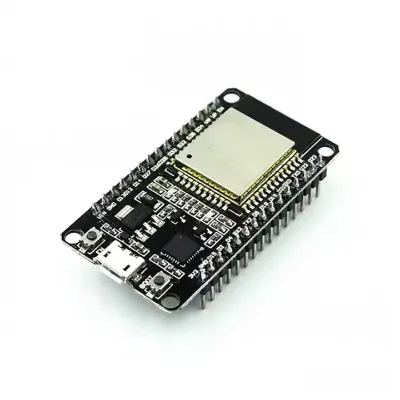
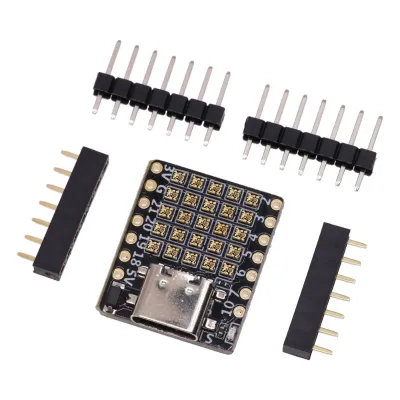
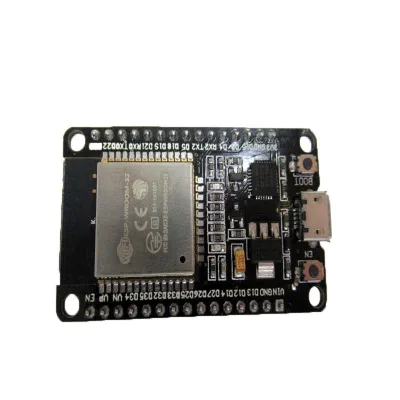
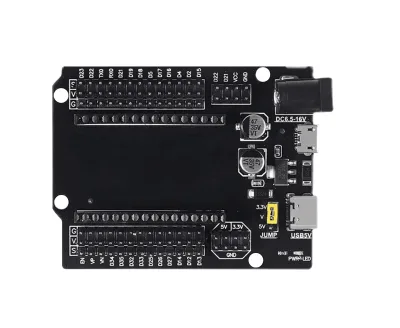








Comprehensive Sourcing Guide
WiFi6 RISC-V ESP32 Development Board Supplier Concentration and Factory Types
The current supplier landscape for WiFi6 RISC-V ESP32 Development Board components reveals a diverse mix of entity types operating primarily within Guangdong, China. This geographic concentration is significant because Guangdong serves as a major hub for electronic manufacturing, offering access to robust supply chains for integrated circuits and modules. Buyers evaluating these suppliers will encounter manufacturers, trading companies, distributors, wholesalers, buying offices, and agents. This variety means that the source of a specific development board can vary widely in terms of direct factory access versus intermediary services. Understanding this distribution helps buyers determine whether they are engaging with the original producer or a reseller who may add value through logistics or inventory management.
Within this ecosystem, the main products offered by these entities often extend beyond just the core development boards. Many suppliers list broader categories such as electronic components, modules, LCD screens, LEDs, electrical modules, consumer electronics, home electronics, PCBA services, integrated circuits, inductors, resistors, and capacitors. This suggests that many suppliers are not specialized solely in WiFi6 RISC-V ESP32 Development Board units but are part of a larger electronic component distribution network. For buyers seeking a single source for multiple electronic needs, this breadth of product offerings can be advantageous. However, it also requires careful verification to ensure that the supplier has specific expertise and inventory depth for the newer Wifi6 Risc V technology, rather than just general stock of older ESP32 variants.
How to Verify WiFi6 RISC-V ESP32 Development Board Suppliers
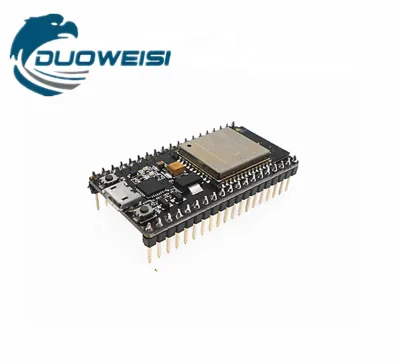
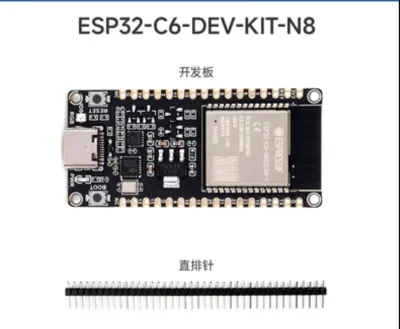
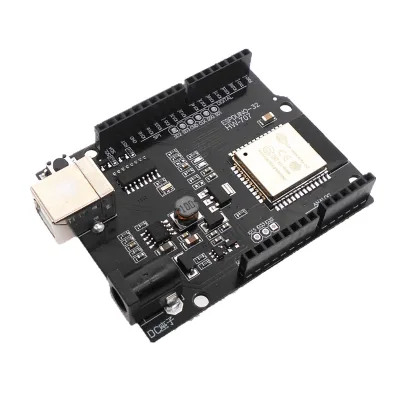
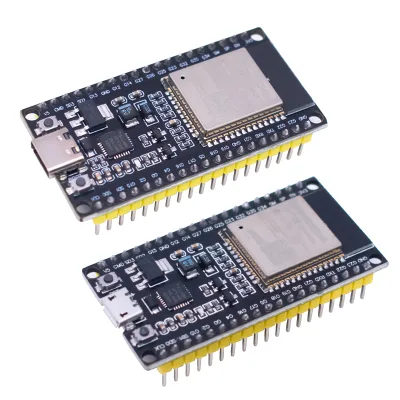
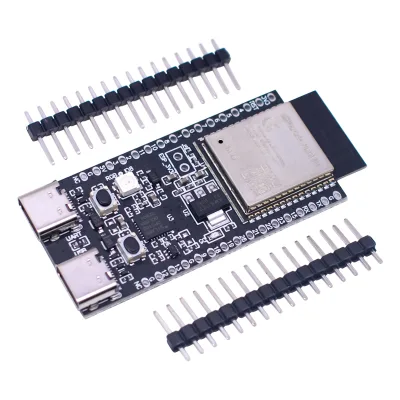
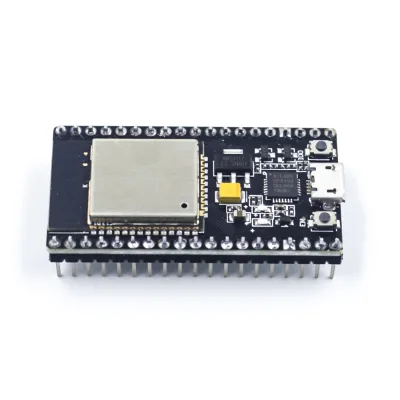
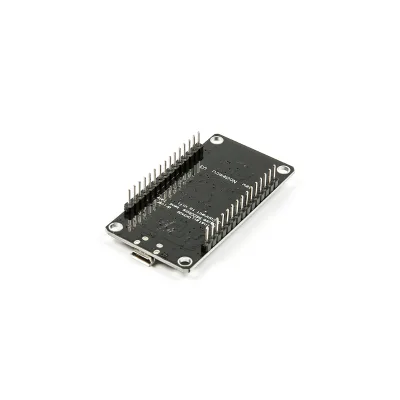
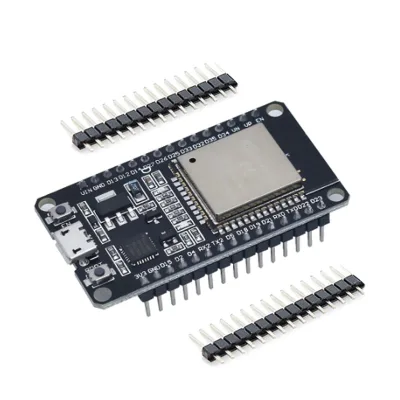
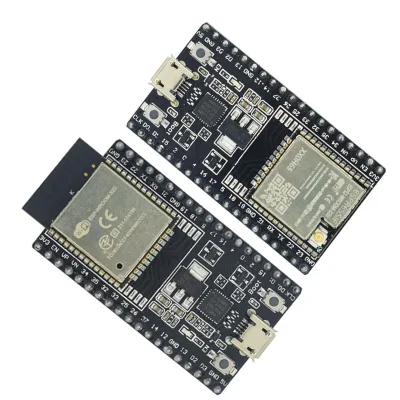
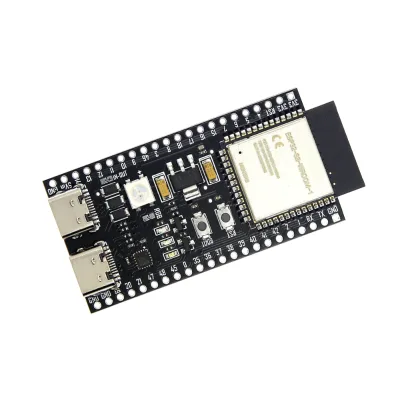
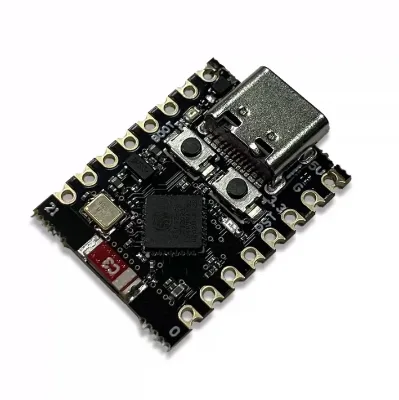
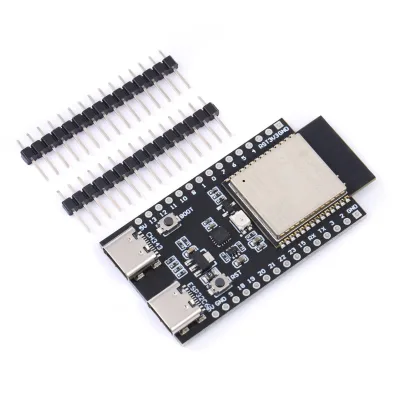
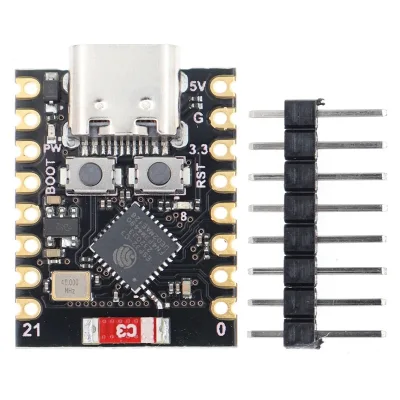
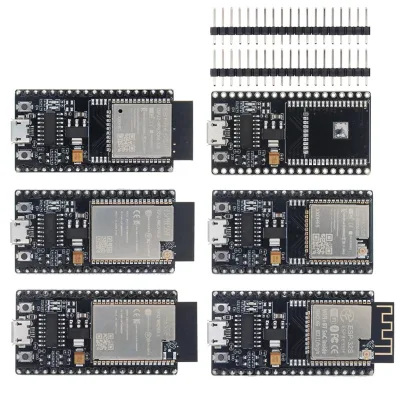
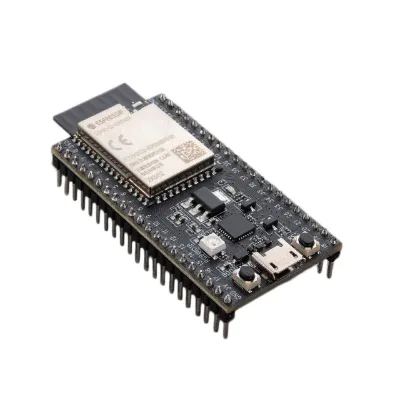
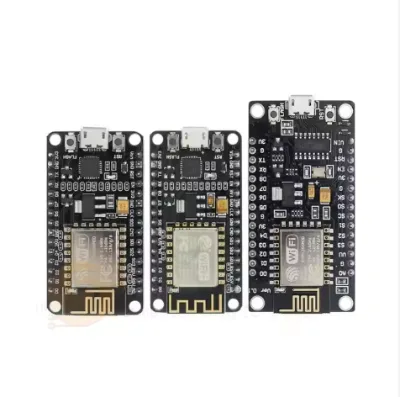
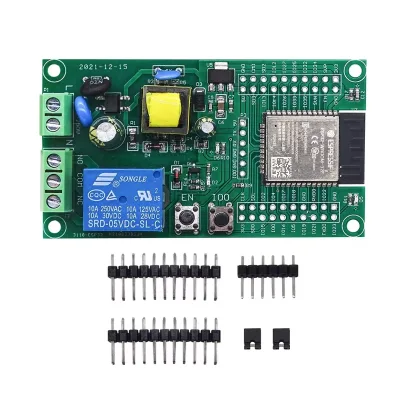
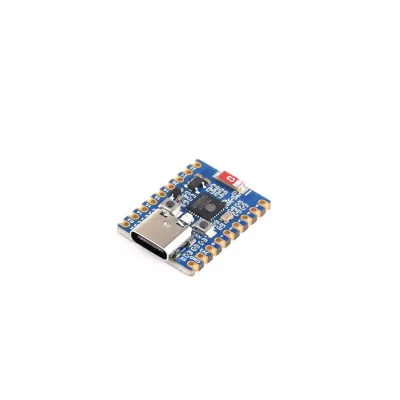
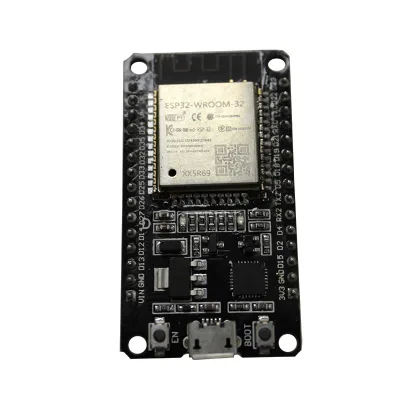
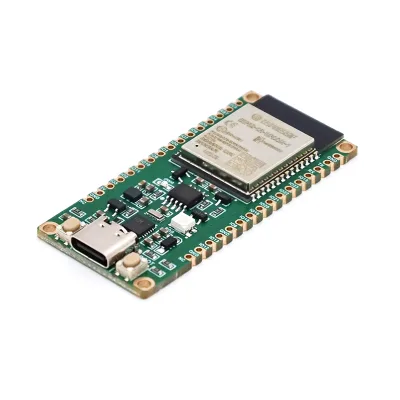
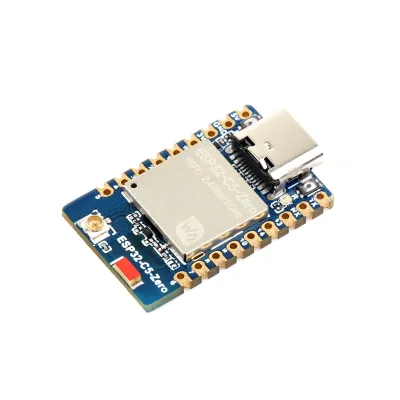
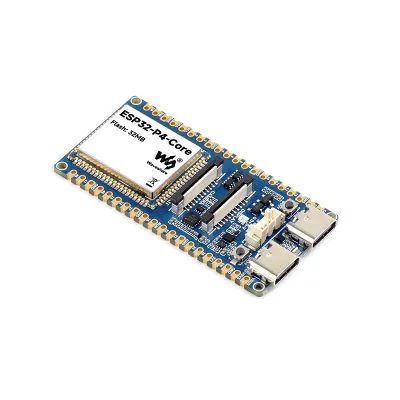
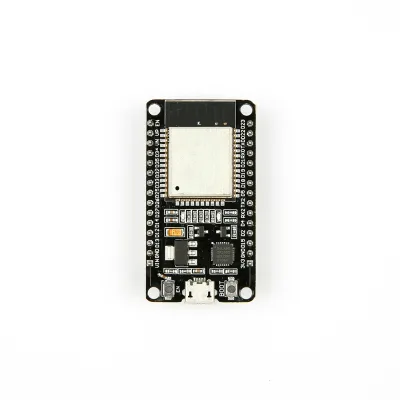
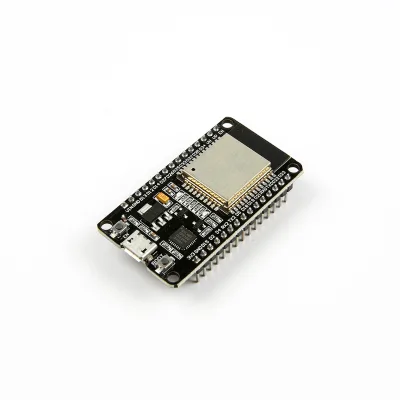
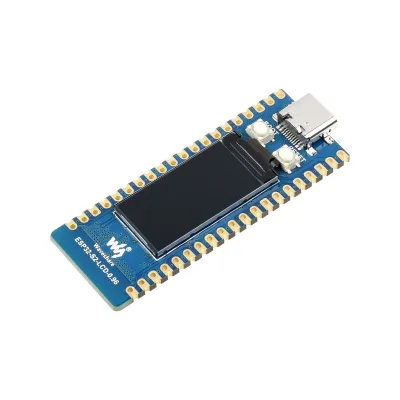
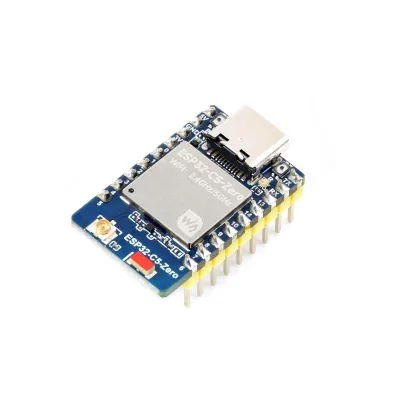
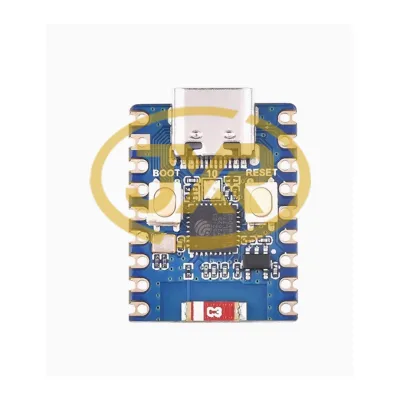
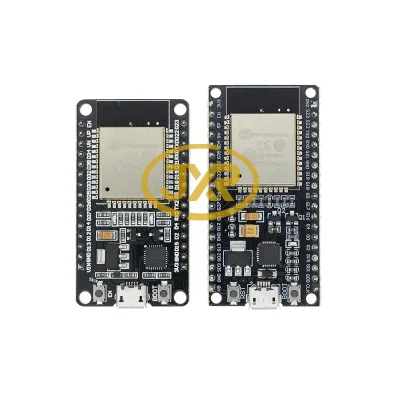
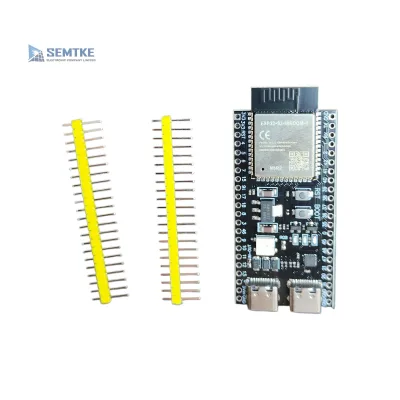
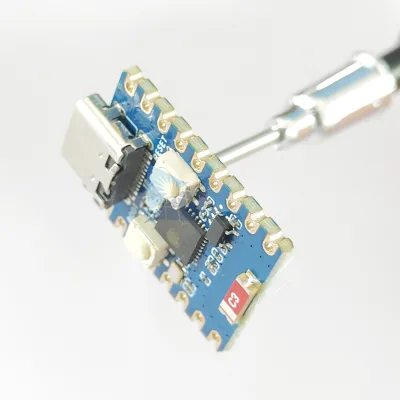
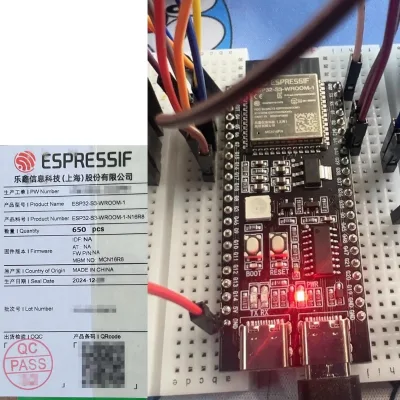
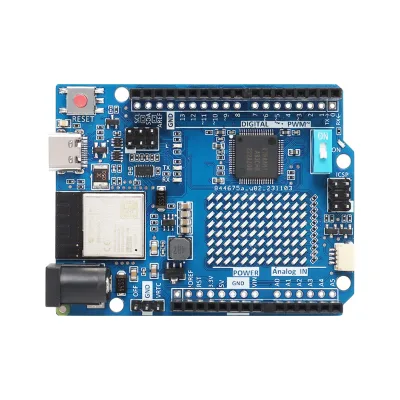
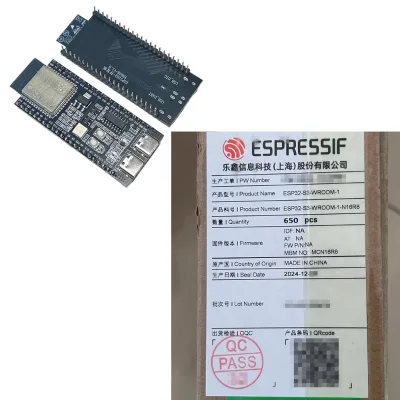
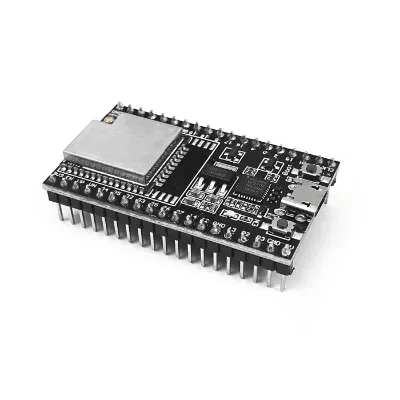
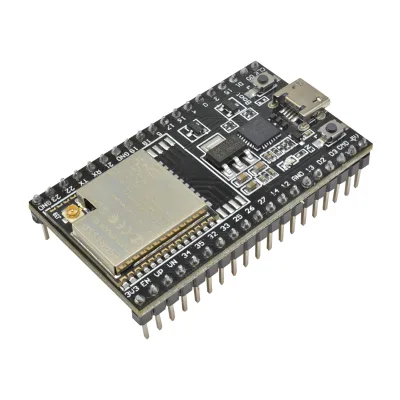
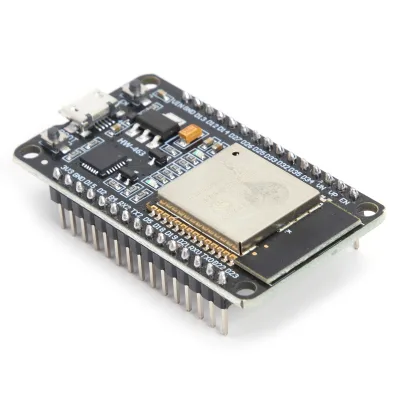
Verifying the authenticity and capability of suppliers requires a close examination of product specifications and brand claims. For instance, some listings for ESP32 development boards explicitly state the brand name as "Doweisi" or "NEW," while others use generic descriptions like "ESP32 Development Board" without a clear manufacturer identifier. Buyers must scrutinize these details to understand the origin of the chips and modules. The presence of specific model numbers, such as "esp32s" or "ESP32-C6-WROOM-1-N8," provides a concrete basis for verification. It is crucial to confirm that the supplier can provide documentation matching these exact part numbers, especially for the newer RISC-V based ESP32-C6 series, which requires specific firmware and hardware support distinct from the classic ESP32 architecture.
Response time and lead time are also critical indicators of supplier reliability and operational efficiency. Data shows that response times can vary significantly, with some suppliers responding within 2 hours, others within 4 hours, and some taking up to 10 hours. Similarly, lead times range from immediate availability, indicated by a lead time of 0, to longer production or shipping periods of 15 days or 1-3 working days. A supplier with a rapid response time and short lead time may be better suited for urgent prototyping needs, while those with longer lead times might be more appropriate for planned production runs. Buyers should use these metrics to gauge the supplier's responsiveness and their ability to meet project deadlines, ensuring that the communication flow is efficient and that delivery expectations are realistic.
What to Compare Across WiFi6 RISC-V ESP32 Development Board Suppliers
When comparing suppliers, price and minimum order quantity (MOQ) are primary differentiators that impact budgeting and inventory strategy. The price range for various ESP32 development boards spans from approximately $0.63 to $9.29 per unit, depending on the specific model and features. For example, the ESP8266-NodeMcu module is listed with a price range of $0.63 to $1.63, while the more advanced ESP32-C6-DevKitC-1-N8 module ranges from $7.45 to $9.29. The ESP32-C6-WROOM-1-N8 module is priced at $6.25, and the standard ESP32 development board is around $4.20. These variations reflect the technological differences and market positioning of each product. Buyers must align their budget with the specific technical requirements of their project, recognizing that newer Wifi6 Risc V boards command a premium over older Wi-Fi 4 or Bluetooth-only modules.
MOQ requirements also vary, with some suppliers offering an MOQ of just 1 unit, which is ideal for prototyping and small-scale testing. In contrast, other suppliers, such as those offering the ESP8266-NodeMcu, may require a minimum order of 5 pieces. This difference can influence the purchasing decision, especially for startups or researchers who need to minimize initial inventory costs. Additionally, suppliers may offer different payment terms, including PayPal, TT, Western Union, and Trade Assurance. The availability of Trade Assurance can provide an additional layer of security for buyers, ensuring that payments are protected until the goods are received and verified. Comparing these commercial terms alongside price and MOQ allows buyers to select a supplier that best fits their financial and operational constraints.
Common WiFi6 RISC-V ESP32 Development Board Sourcing Risks
One significant risk in sourcing WiFi6 RISC-V ESP32 Development Board components is the potential for counterfeit or substandard products. Some listings use generic brand names like "NEW" or "Original brand" without providing verifiable manufacturer details. This ambiguity can make it difficult to trace the origin of the chips and ensure they meet the required quality standards. Buyers must be cautious of suppliers who do not provide clear documentation or who use vague descriptions for their products. The risk is heightened with newer technologies like the ESP32-C6, where the market may not yet have a robust ecosystem of verified distributors. Ensuring that the supplier can provide proof of authenticity, such as batch numbers or manufacturer certificates, is essential to mitigate this risk.
Another risk involves the variability in product specifications and compatibility. The ESP32 family includes various models with different capabilities, such as Wi-Fi 6 support, Bluetooth 5, and IEEE 802.15.4 protocols. Some listings may not clearly specify which version of the ESP32 is being sold, leading to potential mismatches between the buyer's requirements and the delivered product. For example, a buyer needing Wifi6 support might inadvertently purchase an older ESP32 model that only supports Wi-Fi 4. Additionally, the physical dimensions and mounting types can vary, as seen in the single package sizes ranging from 2x2x3 cm to 5x2x5 cm. Buyers must carefully review the product attributes, including mounting type and package size, to ensure compatibility with their design and assembly processes.
WiFi6 RISC-V ESP32 Development Board Regional Sourcing and Logistics
The concentration of suppliers in Guangdong, China, offers logistical advantages for global buyers, but it also requires careful planning for shipping and customs. Many suppliers offer shipping via major carriers such as DHL, UPS, FedEx, EMS, and HK Post, which can provide reliable and tracked delivery options. The choice of shipping method can impact the lead time and cost of the order. For instance, express shipping options like DHL or UPS may offer faster delivery but at a higher cost, while postal services like EMS or HK Post may be more economical but slower. Buyers should consider the urgency of their project and the value of the goods when selecting a shipping method. Additionally, the single gross weight of the products, ranging from 0.010 kg to 0.050 kg, can influence shipping costs, especially for larger orders.
Logistics also involve understanding the packaging and handling of the electronic components. Suppliers typically use standard packaging, but the specific details can vary. For example, the single package size for the ESP32-C6-WROOM-1-N8 module is 2x2x3 cm, while the ESP32 Development Board is 5x2x5 cm. These dimensions are important for calculating shipping volumes and ensuring that the products are protected during transit. Buyers should also consider the environmental conditions during shipping, as electronic components can be sensitive to moisture and static electricity. Ensuring that the supplier uses appropriate packaging materials, such as anti-static bags, can help prevent damage to the boards. Clear communication with the supplier regarding packaging preferences can help mitigate these logistical risks.
WiFi6 RISC-V ESP32 Development Board Commercial Terms and Order Planning
Effective order planning requires a thorough understanding of the commercial terms offered by suppliers, including payment methods and service support. Many suppliers accept a variety of payment options, such as PayPal, TT, Western Union, and Trade Assurance. The availability of Trade Assurance is particularly valuable as it provides a secure payment platform that protects buyers until the goods are received and verified. Additionally, some suppliers offer BOM (Bill of Materials) services, which can be beneficial for buyers who need assistance with sourcing additional components for their projects. This value-added service can streamline the procurement process and reduce the administrative burden on the buyer. Understanding these commercial terms helps buyers choose a supplier that offers the best combination of security and support.
Lead time and response time are also critical factors in order planning. Suppliers with a lead time of 0 days can provide immediate shipment, which is ideal for urgent needs. However, for larger orders or custom requirements, lead times may extend to 15 days or more. Buyers should plan their orders accordingly, allowing sufficient time for production and shipping. Response time is equally important, as a quick response can facilitate faster communication and problem resolution. Suppliers with a response time of 2 hours are likely more responsive than those taking 10 hours. By considering these factors, buyers can develop a realistic timeline for their projects and ensure that they receive the necessary components when needed. Clear communication with the supplier about order status and delivery expectations can help avoid delays and ensure a smooth procurement process.
FAQs
What is the price range for ESP32-C6 RISC-V development boards?
Prices for ESP32-C6 modules typically range from 6.25 to 9.29 USD per unit. Specific models like the ESP32-C6-WROOM-1-N8 are listed at 6.25 USD, while DevKitC variants may cost up to 9.29 USD. Buyers should verify exact pricing based on quantity and specific module configurations before ordering.
What is the minimum order quantity for these development boards?
Minimum order quantities vary by supplier and product type. Some suppliers offer an MOQ of just 1 piece for standard boards, while others require a minimum of 5 pieces for specific modules like the ESP8266-NodeMcu. Buyers should check the specific product listing to confirm the applicable MOQ for their order size.
Where are these ESP32 development boards manufactured?
These development boards are manufactured in Guangdong, China. The products listed originate from this region, with specifications confirming the place of origin as China. Buyers sourcing these components should expect supply chains rooted in this specific manufacturing hub for electronic components and integrated circuits.
How quickly do suppliers typically respond to inquiries?
Supplier response times vary, with some reporting a response time of 2 hours, while others take up to 10 hours. Faster response times are often associated with trading companies or distributors. Buyers seeking rapid communication should prioritize suppliers with lower reported response times when evaluating potential partners.
What is the typical lead time for these modules?
Lead times differ significantly among suppliers. Some manufacturers list a lead time of 15 days, while others may ship within 1-3 working days for specific items. Buyers requiring urgent delivery should verify the current lead time with the supplier, as it depends on stock availability and production schedules.
What types of companies supply these ESP32 boards?
Suppliers include manufacturers, trading companies, distributors, wholesalers, and buying offices. This variety allows buyers to choose between direct manufacturing sources or intermediaries offering broader inventory. The company type influences pricing, MOQ, and service levels, so buyers should select based on their specific sourcing needs and volume requirements.