Infrared CO2 Detection Sensor Module Suppliers and Manufacturers
Explore 30 verified suppliers offering infrared co2 detection sensor modules with CE certification and TüVRheinland verification. Compare response times, lead times, and pricing to source components from Guangdong, China efficiently; review the available evidence before requesting comparable quotations from suitable candidates.
Suppliers List
Shenzhen Kaisheng Century Electronics Co., Ltd.
- Verified by TüVRheinland
- Trading Company
- Lead time1 days
- Avg. response≤ 2h
Main productsSemiconductor Electronic Components, RF Wireless Network Modules, Unmanned Machinery Components, Development Board Application Kits
Main marketsSouth America(18%), Eastern Asia(18%), North America(15%)
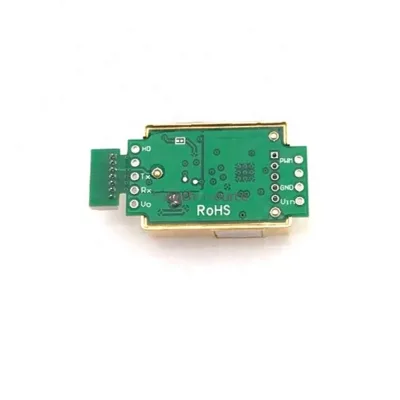
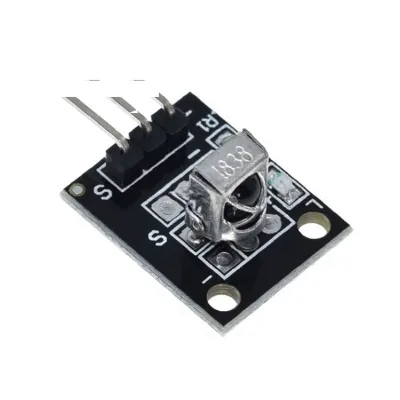
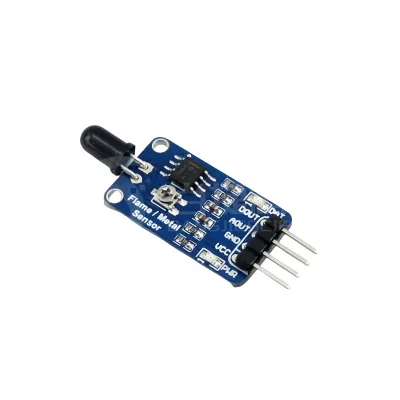
$0.05 - $0.09
MOQ: 10 Minimum
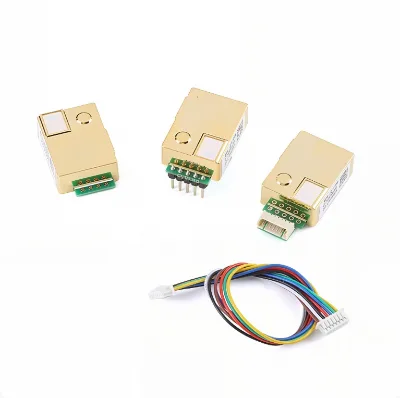
Shenzhen Jiaxinjie Technology Co., Ltd.
- Trading Company, Agent, Distributor/Wholesaler
- Guang Dong, China
- Lead time3 days
- Avg. response≤ 6h
Main productsElectronic products,Electronic module,IC Chip,Capacitance & Resistance,Medical equipment
Main marketsDomestic Market(10.00%), South Asia(10.00%), Southern Europe(10.00%), Eastern Europe(10.00%), South America(10.00%), North America(10.00%), Oceania(5.00%), Africa(5.00%), Southeast Asia(5.00%), Northern Europe(5.00%), Central America(5.00%), Western Europe(5.00%), Eastern Asia(5.00%), Mid East(5.00%)
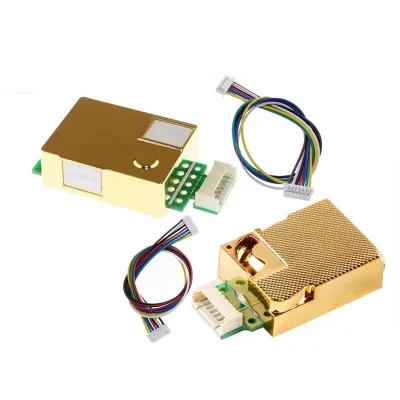
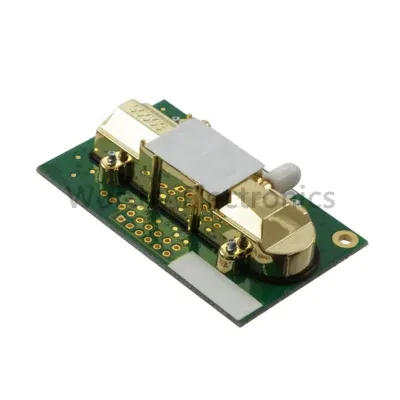
Infrared Carbon Dioxide Sensor MH-Z19B MH-Z19C CO2 Detection Sensor Module
$16.50 - $18.56
MOQ: 5 Minimum
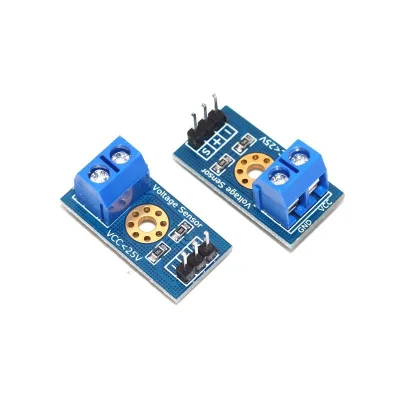
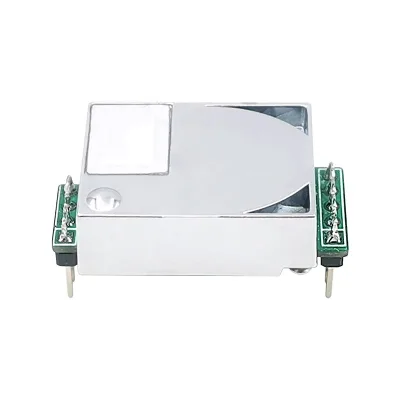
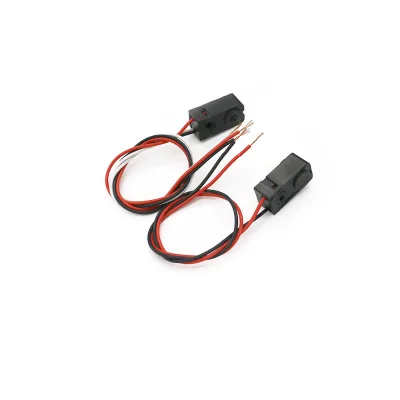
$6.65 - $8.18
MOQ: 5 Minimum
Henan Fosen Electronics Technology Co., Ltd.
- Verified by TUVRHEINLAND
- Combined
- China Henan
- Lead time15 days
- Avg. response≤ 4h
Main productsIndustrial Gas Detector, Prtable Gas Leak Detector, Air Quality Monitor, Alcohol Tester, Gas Sensor, Air Quality Sensor, Automotive Sensor, Temperatuer Data Logger, Lithiumion Battery Sensor, IoT Sensor
Main marketsSouth America,Africa,Others(foreignTradeCapacity.exportBusinessCapacityMarketOther),Southeast Asia/ Mideast,East Asia(Japan/ South Korea),Domestic,Europe,Australia,North America


Fosensor Carbon Dioxide CO2 Gas Detection Infrared Sensor Module for CO2 Monitor
$9.00 - $12.00
MOQ: 1 pieces

Carbon Dioxide CO2 Gas Detection Sensor Module for Air Conditioners Smart Home
$9.00 - $12.00
MOQ: 1 pieces

Industrial Infrared CO2 Gas Concentration Detection Sensor Module for Home School Hotel
$9.00 - $12.00
MOQ: 1 pieces

Fosensor Solid-State Electrolyte CO2 Digital Sensor Carbon Dioxide Sensor Module for HVAC
$9.20 - $9.60
MOQ: 1 pieces

Solid-State Electrolyte CO2 Carbon Dioxide Sensor Module for Industry Home Air Quality
$9.20 - $9.60
MOQ: 1 pieces
Henan Fosen Electronics Technology Co., Ltd.
- Verified by TüVRheinland
- Manufacturer, Trading Company
- Lead time10 days
- Avg. response≤ 2h
Main productsGas Sensor, Air Quality Monitor, Gas Detector, Air Quality Sensor, Fixed Gas Detector
Main marketsDomestic Market(50%), North America(8%), Mid East(8%)

Shenzhen Ke Zhi You Technology Co., Ltd.
- Verified by CTI
- Trading Company,Manufacturer/Factory
- China Guangdong
- Lead time23 days
- Avg. response≤ 18h
Main productsArduino Board, Arduino Sheild, Arduino Starter Kit, 3D Printers, Arduino Robot, Arduino Sensor/Modules, Raspberry Pi, Smart Car, Display, Mico Bit: Bbc Board
Main marketsSouth America,Eastern Europe,Mid East,North America,Southeast Asia,Eastern Asia,Oceania,Western Europe,Africa


Five Channel Infrared Detection Tracing Photoelectric Sensor Tracking Module
$3.20 - $3.50
MOQ: 10 Pieces


1 Channel Tracing Module/ Intelligent Vehicle Tracking Probe Infrared /Black White Line
$0.84 - $0.96
MOQ: 10 Pieces
Shenzhen Carn Technology Co., Ltd.
- Manufacturer, Buying Office, Agent
- Guangdong, China
- Lead time5 days
- Avg. response≤ 5h
Main productselectron component,sensor,capacitor,connector,module
Main marketsEastern Europe(20.00%), North America(20.00%), Mid East(10.00%), Oceania(10.00%), Central America(10.00%), Southeast Asia(10.00%), South America(10.00%), Africa(5.00%)

Shenzhen Chengsuchuang Technology Co., Ltd.
- Verified by BV
- Trading Company,Manufacturer/Factory
- China Guangdong
- Lead time23 days
- Avg. response≤ 2h
Main productsElectronic Hardware, Development Board, Sensors, Electronics Module, Development Accessorries, PCB&PCBA Manufacturing Service
Main marketsSouth America,Eastern Europe,Mid East,North America,Southeast Asia,Eastern Asia,Oceania,Western Europe,Africa

CO2 Monitor 0-5000ppm Ndir Mh-Z19 Mh-Z19b Infrared CO2 Carbon Dioxide Gas Sensor Module
$17.00 - $18.80
MOQ: 10 Pieces

Shenzhen Qianhai Ku Xian Sheng Industrial Co., Ltd.
- Manufacturer, Trading Company, Distributor/Wholesaler
- Guangdong, China
- Lead time0 days
- Avg. response≤ 5h
Main productsIC,Capacitor,Resistor,module,LED
Main marketsSouth America(20.00%), North America(20.00%), Northern Europe(10.00%), Western Europe(10.00%), Mid East(10.00%), Southern Europe(10.00%), Southeast Asia(10.00%), Domestic Market(5.00%), Africa(5.00%)
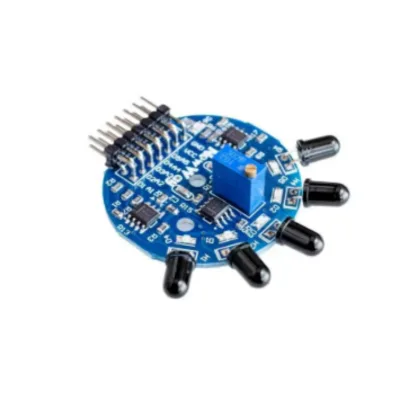
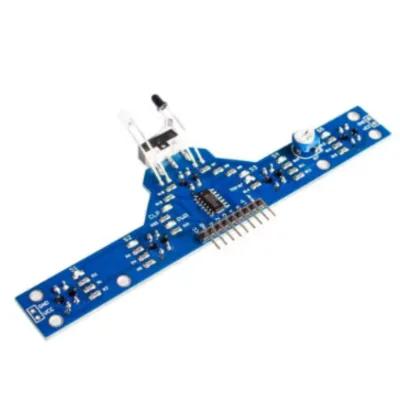
Five Channel Infrared Detection Tracing Photoelectric Sensor Tracking Module
$0.36 - $1.01
MOQ: 10 Minimum
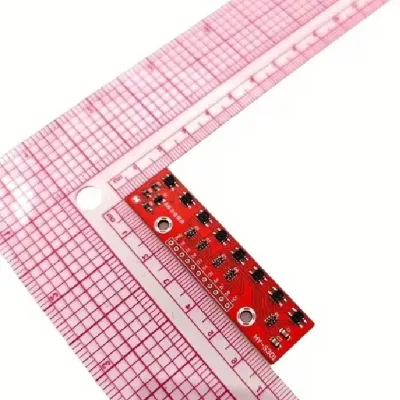
8 Channel IR Tracking Sensor Module for Track Trace Detect Detection Board
$1.53 - $1.62
MOQ: 10 pieces
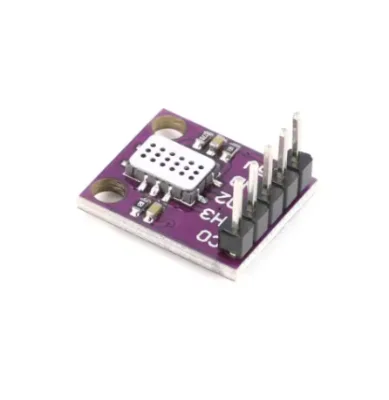
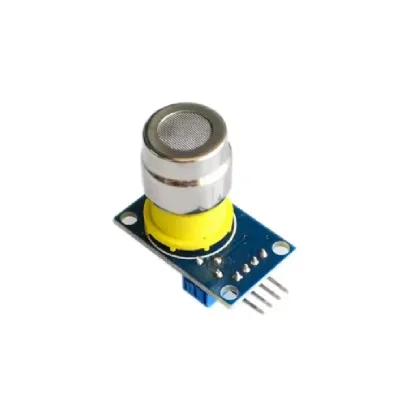
MICS--6814 Gas Sensor Module for Carbon Monoxide Nitrogen Dioxide Ammonia Gas Detector Module
$15.84 - $16.35
MOQ: 5 pieces

Hunan Gri Instrument Co., Ltd.
- Manufacturer, Trading Company
- Hunan, China
- Lead time5 days
- Avg. response≤ 1h
Main productsFixed Gas Detector,Portable Gas Detector,Wall Mounted Gas Detector,NDIR gas sensor
Main marketsSoutheast Asia(40.00%), South America(12.00%), Mid East(10.00%), North America(9.00%), Western Europe(8.00%), Southern Europe(5.00%), Eastern Asia(5.00%), Eastern Europe(4.00%), Oceania(4.00%), Northern Europe(2.00%), Africa(1.00%)
Shenzhen Duoweisi Tech Co., Ltd.
- Manufacturer, Trading Company, Distributor/Wholesaler
- Guangdong, China
- Lead time0 days
- Avg. response≤ 10h
Main productsDevelopment Board,Electronic Components,Modules,LCD LCD Screen,LED
Main marketsWestern Europe(15.00%), Southeast Asia(15.00%), Eastern Europe(15.00%), South America(15.00%), North America(15.00%), Central America(5.00%), Northern Europe(5.00%), Southern Europe(3.00%), South Asia(3.00%), Eastern Asia(3.00%), Mid East(2.00%), Oceania(2.00%), Domestic Market(1.00%), Africa(1.00%)
Shandong Renke Control Technology Co., Ltd.
- Verified by CTI
- Combined
- China Shandong
- Lead time23 days
- Avg. response≤ 6h
Main productsSoil Sensor, Wind Sensor, Weather Station
Main marketsSoutheast Asia/ Mideast,East Asia(Japan/ South Korea),Domestic,Europe,Australia,North America

Renke Infrared Ndir Module CO2 Gas Detection Transmitter Carbon Dioxide Sensor
$38.00 - $67.00
MOQ: 1 Pieces

Shenzhen Jinshengwei Technology Co., Ltd.
- Manufacturer, Trading Company
- Guangdong, China
- Lead time0 days
- Avg. response≤ 2h
Main productsConnector,Terminals,IC,Fuse,sensor
Main marketsSouth America(20.00%), South Asia(10.00%), Western Europe(10.00%), Mid East(10.00%), Africa(10.00%), Eastern Europe(10.00%), North America(10.00%)
China Moneypro Group Corporation Limited.
- Verified by TUVRHEINLAND
- Manufacturer/Factory
- China Guangdong
- Lead time23 days
- Avg. response≤ 22h
Main productsUav & Drone Platforms, Eo/IR Gimbal Camera Payloads, Inertial Navigation Systems (Imus)/Gyroscope, Infrared Thermal & Laser Sensing Module, Thermal Imaging Binocular & Observer, Night Vision Fusion Monocular & Optic Scope, Anti Jamming & Rtk Gnss Antenna, Anti Drone Radar Detector Systems, Turbojet & Turbofan & Turboshaft Engines, MIMO Nlos Manet Mesh Radio Datalink
Main marketsSouth America,Eastern Europe,Mid East,North America
Ningxia Maiya Sensor Technology Development Co., Ltd
- Verified by TUVRHEINLAND
- Trading Company
- China Ningxia
- Lead time15 days
- Avg. response≤ 4h
Main productsGas Analyzer, Gas Detector, Portable Gas Detector, Fixed Gas Detector, Gas Sensor, Eletrochemical Gas Sensor, Ndir Gas Sensor, Pid Gas Sensor, Air Quality Monitoring System
Main marketsSoutheast Asia/ Mideast,Europe


Advanced Methane and Ethane Gas Detection Module for Accurate Monitoring
$156.52 - $219.23
MOQ: 1 pieces
Shenzhen Crownhaosheng Technology Co., Ltd.
- Manufacturer, Trading Company
- Guangdong, China
- Lead time35 days
- Avg. response≤ 3h
Main productselectronic components,electronic device
Main marketsNorth America(40.00%), Western Europe(35.00%), Eastern Asia(9.00%), South America(8.00%), Eastern Europe(8.00%)

Shenzhen Toprie Electronics Co., Ltd.
- Verified by SGS
- Manufacturer
- China Guangdong
- Lead time15 days
- Avg. response≤ 4h
Main productsPressure Sensor, Power Meter, Sensor, Temperature Sensor, Level Transmitter, Paperless Recorder, Iiot Gateway, Data Logger, Data Acquisition Module, Liquid Level Sensor
Main marketsEurope,North America

Indoor Carbon Dioxide Detector Intelligent Air Quality Monitoring CO2 Sensor
$59.00 - $149.00
MOQ: 1 pcs

Shenzhen Allnewsemi Electronic Co., Ltd.
- Trading Company
- Guangdong, China
- Lead time3 days
- Avg. response≤ 4h
Main productsIC -Integrated Circuits-CHIP supplier,Electronic component supplier,BOM list One stop supporting services,Cooling fan,Smart accessories
Main marketsWestern Europe(30.00%), North America(20.00%), South America(10.00%), Domestic Market(5.00%), Eastern Europe(5.00%), Northern Europe(5.00%), Southern Europe(5.00%), Southeast Asia(5.00%), Eastern Asia(3.00%), Mid East(3.00%), South Asia(3.00%), Oceania(2.00%), Central America(2.00%), Africa(2.00%)
Shenzhen Hongruitai Electronics Co., Ltd.
- Manufacturer, Agent, Distributor/Wholesaler
- Guangdong, China
- Lead time0 days
- Avg. response≤ 1h
Main productsGas sensor module,air quality detector,microwave radar module,laser radar module,water quality detection module
Main marketsOceania(14.00%), Southern Europe(13.00%), Northern Europe(12.00%), Africa(11.00%), Domestic Market(11.00%), North America(10.00%), Southeast Asia(8.00%), Central America(8.00%), Eastern Europe(6.00%), Western Europe(5.00%), Mid East(5.00%), South America(4.00%), Eastern Asia(3.00%), South Asia(3.00%)

Kunshan Ast Optoelectronics Co., Ltd
- Verified by BV
- Combined
- China Jiangsu
- Lead time30 days
- Avg. response≤ 2h
Main productsAir Monitor Gas Monitor Cotroller, CO2 Temp Rh PAR Monitor
Main marketsDomestic,Europe,North America


Sensitive Portable Carbon Dioxide Sensor Detecting CO2 Controller with Data Recorder
$54.60 - $69.10
MOQ: 50 Pieces


Alarm Infrared Sensor Gas Meter Moniting Outdoor CO2 Carbon Dioxide Analyzer
$58.30 - $72.40
MOQ: 50 Pieces

Air Quality Controller Gas Detector CO2 Temperature Sensor Type-C Power Port
$28.90 - $38.50
MOQ: 50 Pieces


Jiangsu Aice Instrument Technology Co., Ltd.
- Verified by BV
- Trading Company
- China Jiangsu
- Lead time15 days
- Avg. response≤ 2h
Main productsindustrial temperature instruments
Main marketsSouth America,Others(foreignTradeCapacity.exportBusinessCapacityMarketOther),Southeast Asia/ Mideast,East Asia(Japan/ South Korea),North America


Industrial Infrared Temperature Sensor for Accurate Non-Contact Measurement
$47.60 - $63.50
MOQ: 1 Pieces

Industrial Precision Infrared Temperature Sensor for Accurate Measurements
$79.40 - $95.50
MOQ: 1 Pieces
- Distributor/Wholesaler
- Guangdong, China
- Lead time15 days
- Avg. response≤ 7h
Main productsGas Sensors,UV Sensors,Air Flow Sensors,Humidity Sensors,Pressure Sensors
Main marketsSouthern Europe(10.00%), Northern Europe(10.00%), Western Europe(10.00%), Eastern Europe(10.00%), Mid East(10.00%), North America(10.00%), Domestic Market(5.00%), South Asia(5.00%), Oceania(5.00%), Africa(5.00%), Central America(5.00%), Southeast Asia(5.00%), Eastern Asia(5.00%), South America(5.00%)

Shenzhen Taian Electronics Co., Ltd.
- Trading Company,Manufacturer/Factory,Other
- China Guangdong
- Lead time0 days
- Avg. response≤ 20h
Main productsBattery, Beam Sensors, Infrared Detector, Alarm Host, Outdoor Detector, Microwave Detector, Outdoor Horn, Vibration Sensors, Smoke Detector, Magnetic Contacts
Main marketsSouth America,Eastern Europe,Mid East,North America,Southeast Asia,Eastern Asia,Oceania,Western Europe,Africa

Shenzhen Yowexa Measurement Technology Co., Ltd.
- Verified by SGS
- Manufacturer/Factory
- China Guangdong
- Lead time23 days
- Avg. response≤ 12h
Main productsCoating Thickness Gauge, Data Logger, Temperature Humidity Monitor, Air Quality Monitor, Thermometer, Yw Meter
Main marketsSouth America,Eastern Europe,North America,Southeast Asia

Shenzhen Worthy Electronics corp
- Manufacturer, Agent, Distributor/Wholesaler
- Guangdong, China
- Lead time3 days
- Avg. response≤ 8h
Main productswholesale sales,One-stop ordering,Factory orders,Factory orders,Integrated circuit
Main marketsNorth America(20.00%), Southeast Asia(10.00%), Central America(10.00%), South Asia(10.00%), Mid East(8.00%), Africa(8.00%), South America(6.00%), Eastern Europe(5.00%), Western Europe(4.00%), Oceania(3.00%), Domestic Market(3.00%), Southern Europe(3.00%)
Shenzhen Dangjie Technology Co., Ltd.
- Trading Company, Agent, Distributor/Wholesaler, Other
- guangdong, China
- Lead time10 days
- Avg. response≤ 1h
Main productscomponents and parts,Integrated circuit,resistance,capacitance,triode
Main marketsDomestic Market(20.00%), Western Europe(20.00%), Eastern Europe(20.00%), South Asia(20.00%), Oceania(20.00%), Central America(10.00%), Southeast Asia(10.00%), Southern Europe(10.00%), Mid East(10.00%), North America(10.00%), Africa(5.00%), South America(5.00%), Eastern Asia(5.00%), Northern Europe(5.00%)

Hangzhou Safedoor Automation & Hardware Co., Ltd.
- Verified by TUVRHEINLAND
- Trading Company
- China Zhejiang
- Lead time15 days
- Avg. response≤ 15h
Main productsAutomatic Door, Door Opener, Automatic Door Operator, Sliding Door Operator, Swing Door Operator, Microwave Sensor and Photocell, Access Control Reader, Electric Locks, Automatic Door Battery, Glass Door
Main marketsOthers(foreignTradeCapacity.exportBusinessCapacityMarketOther),Southeast Asia/ Mideast


MOQ: 1 Pieces

Motion and Presence Infrared Sensor
MOQ: 10 Pieces

Hunan Rika Electronic Tech Co., Ltd.
- Verified by BV
- Combined
- China Hunan
- Lead time15 days
- Avg. response≤ 4h
Main productsWind Sensor, Radiation Sensor, Temperature Humidity Sensor, Rain Guage, Pyranometer, Soil Sensor, Level Sensor, Data Logger, Solar Radiation Shield, Weather Station
Main marketsSouth America,Southeast Asia/ Mideast,Europe

- Verified by SGS
- Manufacturer/Factory
- China Shaanxi
- Lead time0 days
- Avg. response≤ 9h
Main productsPressure Sensor, Pressure Transmitter, Level Measurement, Pressure Transducer, Water Level Sensor, Water Level Meter, Ultrasonic Level Sensor, Radar Level Sensor, Fuel Level Sensor, Flow Meter

- Verified by CTI
- Trading Company
- China Jiangsu
- Lead time15 days
- Avg. response≤ 15h
Main productsClinical Lab Equipment, Rehabilitation Equipment, Surgical Equipment, Medical Furniture, Medical Scales, X-ray Machine, Medical Disposables, Oxygen Concentrator, Medical Equipment, Medical Consumables
Main marketsSouth America,Africa,Southeast Asia/ Mideast,Europe,Australia

Kunming Gen Qian Commercial Co., Ltd.
- Trading Company
- China Yunnan
- Lead time15 days
- Avg. response≤ 5h
Main productsFire Extinguisher, FM200, Low Pressure CO2 Fire Fighting System, High Pressure Water Mist Fire Fighting System, Fire Fighting System for Tobacco Green Warehouse, Fire Fighting System for Tobacco Pmd Line, Fire Fighting System for Civil Building Project, Fire Fighting System for Warehouse Logistics, Fire Fighting System Fore Industry Field Project, High Pressure CO2 Fire Fighting System
Main marketsSouth America,Southeast Asia/ Mideast,Europe
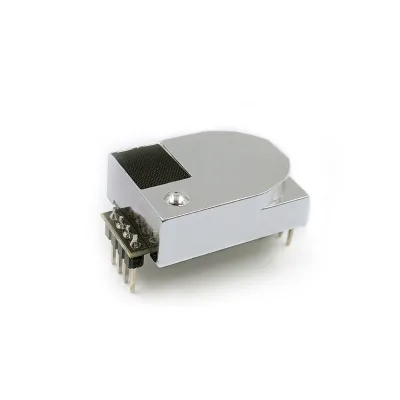
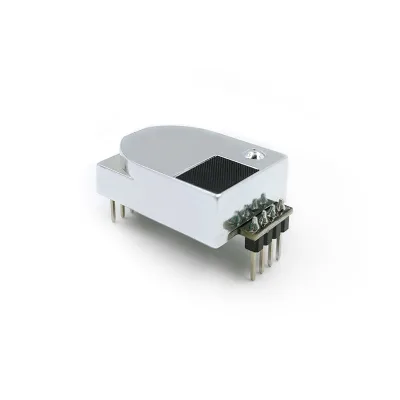
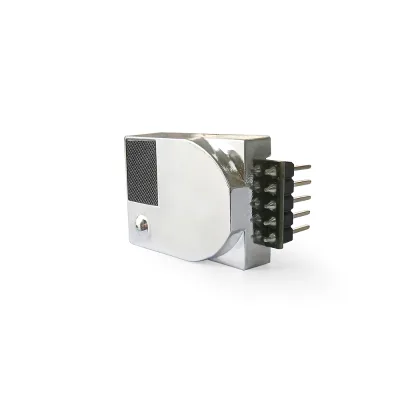


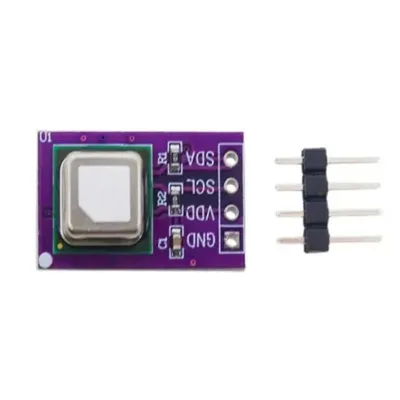
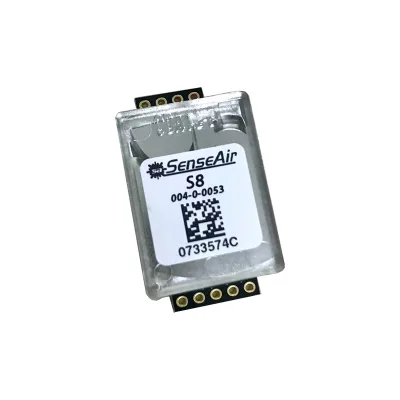
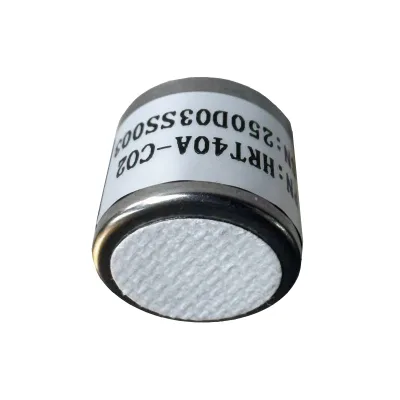
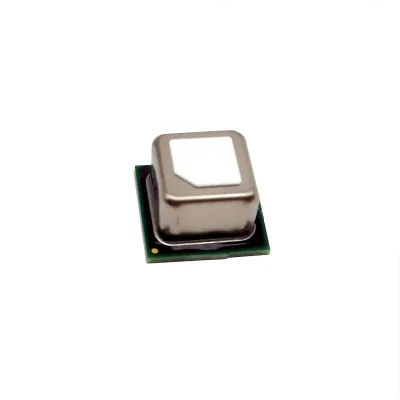
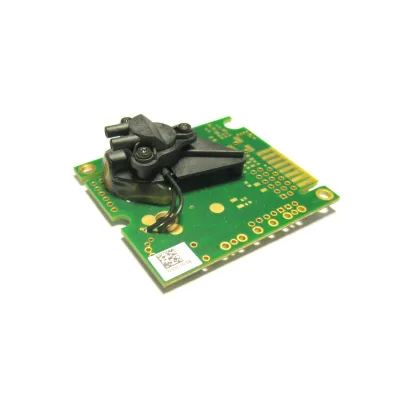
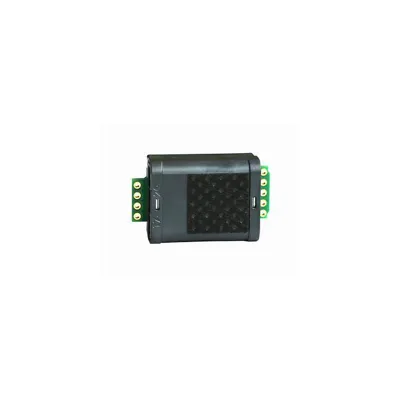
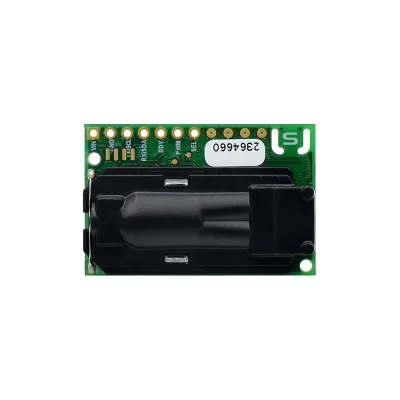
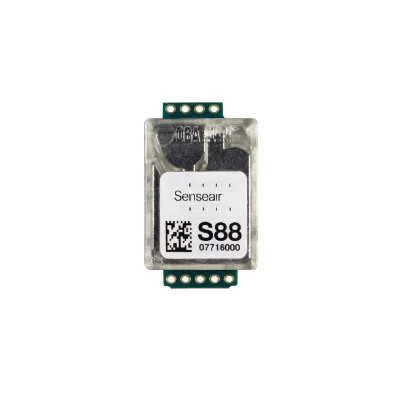




Comprehensive Sourcing Guide
Infrared CO2 Detection Sensor Module Supplier Concentration and Factory Types
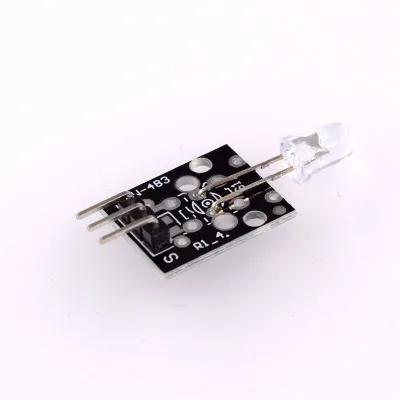
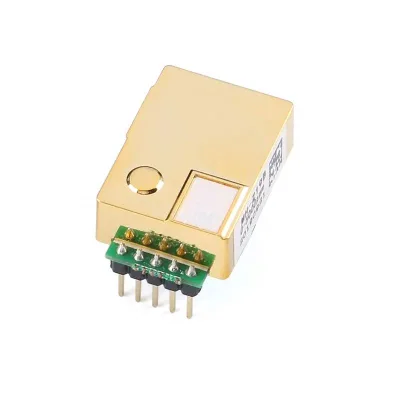
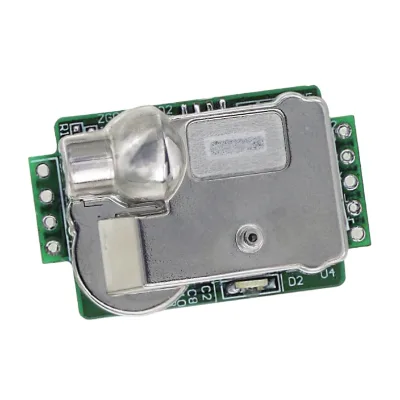
The current supplier landscape for Infrared CO2 Detection Sensor Module components reveals a distinct concentration of trading companies rather than direct manufacturing facilities. Data indicates that the primary entity type observed in search results is a Trading Company, which suggests these intermediaries aggregate products from various manufacturers rather than producing the semiconductor electronic components or RF wireless network modules in-house. This structural reality means buyers are often engaging with a distributor layer that manages inventory and logistics for items like the Infrared carbon dioxide sensor MH-Z19B CO2 sensor module or the ky-022 infrared sensor. While some suppliers list capabilities such as sample processing, graphic processing, and customized on-demand services, the trading company classification implies a focus on sourcing and distribution rather than deep fabrication control.
Buyers should not assume a specific geographic cluster exists without explicit confirmation from the supplier's verified profile, although product attributes for the Infrared carbon dioxide sensor MH-Z19B CO2 sensor module list the Place of Origin as Guangdong, China. This specific data point allows for a high-confidence observation that at least some inventory originates from this region, known for its dense electronics manufacturing ecosystem. However, because the majority of entities are trading companies, the actual factory location may differ from the supplier's registered address or the listed origin of a specific batch. To identify true manufacturing clusters, buyers must request the specific factory address associated with the production of the Infrared CO2 Detection Sensor Module and verify if the facility holds the necessary production licenses, rather than relying solely on the trading company's general location or the product's stated origin.
How to Verify Infrared CO2 Detection Sensor Module Suppliers
Verification of Infrared CO2 Detection Sensor Module suppliers requires a rigorous check of third-party credentials and system certifications to ensure operational legitimacy. The available data confirms that at least one supplier in the current results holds a TüVRheinland verification status, which serves as a concrete indicator of a verified business entity. Additionally, the presence of CE system certification on the supplier profile suggests compliance with specific European safety and quality standards for the electronic components they distribute. Buyers must explicitly request to see the current validity of these certificates and cross-reference the TüVRheinland verification ID with the official database to confirm the supplier has not been suspended or had their status revoked. Relying on unverified claims without checking the specific certification numbers is a significant risk when sourcing sensitive electronic modules.
Beyond static certifications, the responsiveness of the supplier is a critical metric for verifying their operational readiness and reliability. The observed response time of 2 hours for the current supplier pool indicates a high level of engagement, which is a positive signal for communication efficiency during the sourcing process. However, buyers should not assume all suppliers match this speed; instead, they should test the response time by sending a specific inquiry about the Infrared CO2 Detection Sensor Module and measuring the actual reply duration. A slow response time often correlates with poor inventory management or a lack of technical support staff, which can lead to delays in resolving issues regarding the Infrared carbon dioxide sensor MH-Z19B CO2 sensor module specifications. Verifying the supplier's ability to communicate quickly and accurately is as important as verifying their formal business credentials.
What to Compare Across Infrared CO2 Detection Sensor Module Suppliers
When evaluating multiple sources for Infrared CO2 Detection Sensor Module components, buyers must prioritize the comparison of lead times and minimum order quantities (MOQ) to align with their production schedules. The current data shows a lead time of 1 unit of time, which is a specific metric that can be used as a baseline for comparison against other potential suppliers. Similarly, the MOQ for the Infrared carbon dioxide sensor MH-Z19B CO2 sensor module is listed as 10 units, while the ky-022 infrared sensor has a different pricing structure but likely a comparable or distinct MOQ. Buyers should create a comparison matrix that lists the lead time and MOQ for each supplier to identify which partners can accommodate urgent orders or small-batch prototyping needs without incurring excessive costs or delays.
Price and product specifications are equally critical dimensions for comparison, as the market for Infrared CO2 Detection Sensor Module components can vary significantly in cost and technical capability. The observed price range for the Infrared carbon dioxide sensor MH-Z19B CO2 sensor module spans from 10.96 to 21.92, while the ky-022 infrared sensor ranges from 0.05 to 0.09, highlighting the diversity in product tiers available. Buyers must compare these price points against the specific technical attributes, such as the operating temperature of 60 degrees or the voltage range of 5~5.5V DC, to ensure they are not overpaying for lower-quality components or underestimating the cost of high-precision modules. Additionally, comparing the main products offered by each supplier, such as whether they specialize in semiconductor electronic components or development board application kits, helps determine if the supplier has the depth of inventory required for a comprehensive sourcing strategy.
Common Infrared CO2 Detection Sensor Module Sourcing Risks
One of the primary risks in sourcing Infrared CO2 Detection Sensor Module components is the potential mismatch between the stated product attributes and the actual delivered goods, particularly regarding brand and origin. The product evidence lists the Brand Name as "Original" or "Standard" and the Place of Origin as "Guangdong, China," but these labels can be generic and do not guarantee the authenticity of the semiconductor electronic components. Buyers face the risk of receiving counterfeit or refurbished units if the supplier does not provide a clear chain of custody or a certificate of authenticity for the Infrared carbon dioxide sensor MH-Z19B CO2 sensor module. This risk is compounded by the trading company structure, which may obscure the original manufacturer's identity and make it difficult to trace the source of any quality issues that arise after delivery.
Another significant risk involves the variability in technical specifications and the lack of detailed performance data for the Infrared CO2 Detection Sensor Module. While some product attributes list specific values like a warm-up time of 3 minutes or a measuring range of 0~10000ppm, many other fields are marked as "standard," which provides no actionable information for engineering validation. This ambiguity creates a risk that the supplied modules may not meet the precise requirements of the buyer's application, such as the specific voltage requirements or the sensitivity needed for air quality monitoring. Buyers must mitigate this risk by requesting detailed datasheets and test reports for the specific batch of Infrared CO2 Detection Sensor Module they intend to purchase, rather than relying on the generic product descriptions provided in the initial search results.
Infrared CO2 Detection Sensor Module Regional Sourcing and Logistics
Logistics planning for Infrared CO2 Detection Sensor Module components must account for the specific regional origins identified in the supplier data, such as the Guangdong, China location. This region is a major hub for electronics manufacturing, which generally implies efficient logistics infrastructure and established shipping routes for electronic components like the Infrared carbon dioxide sensor MH-Z19B CO2 sensor module. However, buyers should verify the specific shipping terms and the location of the warehouse where the goods are stored, as trading companies may consolidate inventory from multiple factories before dispatch. Understanding the exact origin of the stock is crucial for calculating accurate shipping times and costs, especially when the lead time is short and the supply chain is tight.
Buyers must also consider the impact of regional logistics on the overall lead time and the reliability of delivery for Infrared CO2 Detection Sensor Module orders. The observed lead time of 1 unit suggests that suppliers in this region are capable of rapid dispatch, but this does not account for international transit times or customs clearance procedures. To ensure timely delivery, buyers should confirm the specific shipping method and the estimated transit time from the supplier's location to their destination. Additionally, buyers should inquire about the packaging standards used for the Infrared carbon dioxide sensor MH-Z19B CO2 sensor module to prevent damage during transit, as electronic components are sensitive to static electricity and physical shock. Proper logistics planning is essential to maintain the integrity of the supply chain and avoid delays in the production schedule.
Infrared CO2 Detection Sensor Module Commercial Terms and Order Planning
Commercial terms for Infrared CO2 Detection Sensor Module orders must be carefully negotiated to align with the buyer's financial and operational constraints, particularly regarding payment security and order flexibility. The current data indicates a minimum order quantity of 10 units for the Infrared carbon dioxide sensor MH-Z19B CO2 sensor module, which sets a baseline for the smallest viable order. Buyers should verify if the supplier offers flexible MOQs for new customers or if they require a higher volume commitment for the Infrared CO2 Detection Sensor Module. Additionally, the use of escrow services should be confirmed to protect the buyer's funds until the goods are received and verified, ensuring that the transaction is secure and that the supplier meets the agreed-upon specifications.
Order planning for Infrared CO2 Detection Sensor Module components requires a clear understanding of the supplier's capacity to handle customized demands and sample processing. The supplier profile mentions capabilities for sample processing and customized on-demand services, which are valuable for buyers who need to prototype or test the Infrared carbon dioxide sensor MH-Z19B CO2 sensor module before committing to a larger order. Buyers should discuss the timeline for sample production and the cost implications of customization to ensure that the project stays within budget and schedule. Furthermore, buyers must establish a clear communication channel for order updates and issue resolution, leveraging the supplier's response time of 2 hours to maintain a proactive approach to supply chain management and ensure that any potential disruptions are addressed promptly.
FAQs
What is the typical price range for an Infrared CO2 Detection Sensor Module?
Listed infrared CO2 sensor modules on this page range from about 10.96 to 21.92 US dollars per unit, while smaller infrared receiver modules start near 0.05 to 0.09 US dollars. Final pricing depends on order quantity, packaging and shipping terms, so request a quotation for your specific volume before comparing offers from different suppliers.
What is the minimum order quantity for these CO2 sensor modules?
The sensor modules shown on this page are listed with a minimum order quantity of 10 units per order. This low MOQ makes the modules practical for prototyping and small production runs. Confirm the exact MOQ with each supplier in writing, since quantities can differ by model, packaging type and whether customization is requested.
How fast do suppliers on this page respond to inquiries?
The verified trading company on this page lists an average response time of 2 hours, which supports quick quotation cycles during sourcing. Response speed can vary with time zones, weekends and inquiry complexity, so include your target quantity, application and delivery requirements in the first message to get an accurate, complete reply quickly.
What is the typical lead time for shipping CO2 sensor modules?
The supplier on this page lists a lead time of 1 day for processing orders, though actual delivery depends on carrier transit and destination. For sample orders this short processing window helps you test modules quickly. Always confirm stock availability and production capacity before committing to a delivery date for larger volume purchases.
What technical specifications should I check on the MH-Z19B CO2 sensor module?
Review the measurement range of 0 to 10000ppm, supply voltage of 4.5 to 5.5V DC, average current below 20mA, peak current of 150mA at 5V, and a warm-up time of 3 minutes. Also confirm the output interface matches your controller, and ask for datasheets to verify accuracy claims for your air quality monitoring application.
Are the suppliers verified, and what certifications do they hold?
The trading company featured on this page is verified by TüV Rheinland and holds CE system certification, which indicates conformity assessment for European market requirements. Certification scope can differ between product lines, so request the specific certificate covering the CO2 sensor modules you plan to import and check its validity and applicable standards.
Do suppliers offer customization or sample processing for sensor modules?
The supplier on this page lists research and development capabilities including sample processing, graphic processing and customization on demand. This is useful if you need branded packaging, modified specifications or tailored module configurations. Discuss customization requirements early, because engineered changes may affect unit pricing, minimum order quantities and the stated one-day lead time.
Where are these infrared CO2 sensor modules manufactured?
The sensor modules listed on this page show a place of origin of Guangdong, China, a major hub for electronic components and development boards. Guangdong manufacturing typically offers dense component supply chains and export logistics. Verify the production location with your chosen supplier if origin labeling, import duties or logistics routing matter for your project.