Liquid Focusing DPM Code Reader Suppliers and Manufacturers
Explore 23 verified suppliers offering Liquid Focusing DPM Code Reader solutions with CE, FCC, and RoHS certifications. Compare response times, lead times, and pricing to source industrial barcode scanners and engines from China Guangdong and Jiangsu factories; review the available evidence before requesting comparable quotations from suitable candidates.
Suppliers List
Suzhou Langhuike Iot Technology Co., Ltd.
- Verified by Intertek
- Manufacturer, Trading Company
- Lead time15 days
- Avg. response≤ 1h
Main productsHandheld Scanners, PDA, Industrial Fixed Scanners, Barcode Reading Engine, Barcode Printer

Guangzhou Dafeng Machinery Co., Ltd.
- Verified by SGS
- Manufacturer/Factory
- China Guangdong
- Lead time15 days
- Avg. response≤ 3h
Main productsIndustrial Inkjet Printer, Handheld Inkjet Printer, Small Character Inkjet Printer, High Resolution Inkjet Printer, Printing Ink, Main Board, Printhead, Printer Spare Parts, Printer Ink, Pij Printer
Main marketsSouth America,Eastern Europe,Mid East,North America,Southeast Asia,Eastern Asia,Oceania,Western Europe,Africa


Dm290X-06-Lm Industrial Fixed Mount Barcode Reader for Dpm and Qr Code Reading
$1059.00 - $1062.00
MOQ: 1 Pieces

Dmv-8072vhd-0100 Industrial Vision Code Reader High Resolution Barcode Scanner for Automation
$8054.00 - $8068.00
MOQ: 1 Pieces


$700.00 - $750.00
MOQ: 1 Pieces


Suzhou Jiangteng Intelligent Technology Co., Ltd
- Verified by SGS
- Trading Company
- China Jiangsu
- Lead time30 days
- Avg. response≤ 2h
Main productsConveyor, Conveyor Belt, Sorting Machine, Weight Sorting Machine, Logistics Equipment, Dynamic Weighing Machine, Conveyor Machine, Scanning Machine, Conveyor System, Logistics Machine
Main marketsDomestic,Europe,North America

Shenzhen Dwell Electronics Co., Limited
- Verified by BV
- Trading Company,Manufacturer/Factory
- China Guangdong
- Lead time15 days
- Avg. response≤ 10h
Main productsAccess Control, Access Control Reader, Access Controller, Smart Card Reader, RFID Card Reader, RFID Reader, Single Door Access Controller, Standalone Access Controller, Lock, Access Control Card Reader
Main marketsSouth America,Eastern Europe,Mid East,North America,Southeast Asia,Eastern Asia,Oceania,Western Europe,Africa


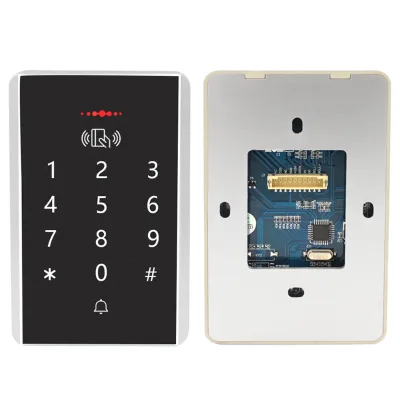
125kHz 13.56MHz Proximity Access Control Touch Screen Keypad Reader Wiegand Scanner
$11.50 - $13.00
MOQ: 1 Pieces


13.56MHz Common Interface Access Control RFID Keypad Card Reader 125kHz for Control Access System
$10.00 - $13.00
MOQ: 1 Pieces

- Manufacturer/Factory
- China Guangdong
- Lead time15 days
- Avg. response≤ 17h
Main productsAccess Control, Electromagnetic Lock, UHF Long Range Reader, RFID Access Control, Em Lock, Automatic Swing Door Opener, Frameless Bolt Lock, Glass Door Lock, Power Supply Controller, Access Exit Push Button
Main marketsSouth America,Eastern Europe,Mid East,North America,Southeast Asia,Eastern Asia,Oceania,Western Europe,Africa
Shenzhen Akusense Technology Co., Ltd.
- Verified by TüVRheinland
- Manufacturer, Trading Company
- Lead time10 days
- Avg. response≤ 2h
Main productsPhotoelectric Sensor, Proximity Sensor, Fiber Optic Sensor, Lidar Scanner, Displacement Sensor
Main marketsSoutheast Asia(30%), Eastern Asia(30%), Western Europe(15%)

Shenzhen Kernal Intelligent Technology Co., Ltd.
- Verified by TUVRHEINLAND
- Trading Company
- China Guangdong
- Lead time15 days
- Avg. response≤ 8h
Main productsDrives, PLC, Servo Motor, HMI
Main marketsDomestic

Hangzhou Huicui Intelligent Technology Co., Ltd.
- Trading Company
- Zhejiang, China
- Lead time0 days
- Avg. response≤ 6h
Main productsindustrial camera,FA lens,machine vision light,telecentric lens
Main marketsSouth Asia(20.00%), Eastern Europe(20.00%), South America(20.00%)

- Verified by BV
- Combined
- China Guangdong
- Lead time23 days
- Avg. response≤ 1h
Main productsRFID & Mobile ID Access Control Reader, Osdp Wiegand Access Control Reader, Qr Code Access Control Reader, HTTP Web Access Control Terminal, Wireless Access Control System, Biometric Access Control System, Time Attendance Terminal, RFID Smart Card Reader, RFID NFC Desktop Reader Writer, Customized IoT Devices
Main marketsSoutheast Asia/ Mideast,North America

Shinningpc Industrial Co., Ltd.
- Verified by TUVRHEINLAND
- Trading Company,Manufacturer/Factory
- China Guangdong
- Lead time15 days
- Avg. response≤ 12h
Main productsFace Peeling Machine, RF Equipment, IPL Machine, Laser Beauty Equipment, Slimming Machine, Slide Switches, Translators, Sensors, Cable Assemblies, Module Kits
Main marketsSouth America,Eastern Europe,Mid East,North America,Southeast Asia,Eastern Asia,Oceania,Western Europe,Africa

JingZhou SynTek Smart Technology Co., Ltd.
- Combined
- China Hunan
- Lead time15 days
- Avg. response≤ 4h
Main productsRFID Cards, RFID Ear Tags, RFID Wristbands, RFID Animal Microchips, iButton Keys, iButton Probe Readers, RFID Keyfobs, RFID Epoxy Keychains, RFID Animal Readers, RFID Reader Writer Duplicators
Main marketsEurope

- Verified by TUVRHEINLAND
- Trading Company,Manufacturer/Factory
- China Shandong
- Lead time15 days
- Avg. response≤ 3h
Main productsRFID Card, RFID Tag, RFID Label, RFID Inlay, RFID Wristband, UHF Reader, RFID Tunnel Reader, RFID Handheld Reader, RFID Antennas, RFID Printer
Main marketsSouth America,Eastern Europe,Mid East,North America,Southeast Asia,Eastern Asia,Oceania,Western Europe,Africa

IDeal Intelligent Technology Co., Ltd.
- Verified by TUVRHEINLAND
- Manufacturer/Factory
- China Guangdong
- Lead time15 days
- Avg. response≤ 4h
Main productsBarrier Radar Detector, RFID Readers, RFID Cards, Barrier Gate, Loop Detector, Face Recognition, Access Control, Turnstile Gate, Parking System, Parking Equipments
Main marketsSouth America,Eastern Europe,Mid East,North America,Southeast Asia,Eastern Asia,Oceania,Western Europe
Hangzhou Codewel New Material Co., Ltd.
- Trading Company
- Lead time旺季: "1 - 10":15,"> 10":"To be negotiated", 淡季: "1 - 10":15,"> 10":"To be negotiated"
- Avg. response≤ 1h
Main productsBarcode Printer,Printhead,Portable POS printer,Thermal Printer,Platern roller

Zuden Technology (HK) Co., Limited
- Verified by CTI
- Combined
- China Guangdong
- Lead time15 days
- Avg. response≤ 8h
Main productsAlarm System, Access Control, Electromagnetic Lock, Home Security System, Alarm Strobe Siren, Magnetic Contact, WiFi Home Security Wireless Burglar GSM Alarm, Home Security Wireless Burglar GSM Alarm System, Metal Standalone RFID Door Access Control, Smart Home
Main marketsSouth America,Southeast Asia/ Mideast,Europe,Australia

Waterproof RFID Proximity Access Control Card Reader with Wiegand Output
$4.90 - $9.90
MOQ: 100 Pieces


Universal RFID Card Reader for Parking & Access Control, 6c UHF Tag Compatibility
$4.90 - $9.90
MOQ: 100 Pieces

Shenzhen Xingtong IoT Technology Co., Ltd.
- Verified by SGS
- Combined
- China Guangdong
- Lead time23 days
- Avg. response≤ 4h
Main productsWireless Wired Barcode Scanner, Qr Code Module, Price Checker Kiosk, PDA Data Collector, POS, OEM San Engine
Main marketsOthers(foreignTradeCapacity.exportBusinessCapacityMarketOther),East Asia(Japan/ South Korea),Domestic,Australia


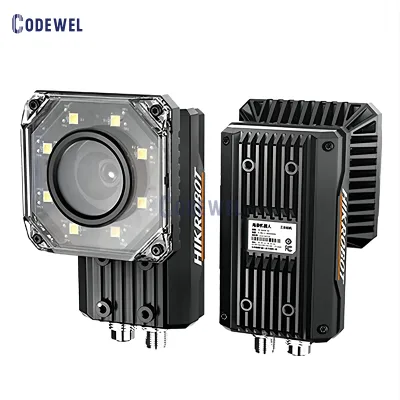
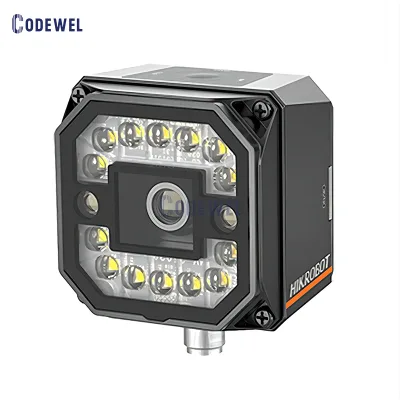
MV-ID5200M-00C-NNN Hikrobot Camera Compatible Industrial Code Reader for DPM and 2D Barcode Scanning
$2000.00 - $3000.00
MOQ: 1 Pieces

Guangzhou Bimeigao Intelligent System Technology Co., Ltd.
- Verified by TUVRHEINLAND
- Combined
- China Guangdong
- Lead time15 days
- Avg. response≤ 1h
Main productsLaser Marking Machine, Bottle Cap Marking Machine, Visual Inspection Machine, Automated Integrated Equipment, Qr Code Data Collection and Association System, Production Management System, One Item One Code Anti-Counterfeiting, UV Printer, Laser Engraving Machine, Labeling and Inspection Machine
Main marketsEast Asia(Japan/ South Korea),Domestic

$2800.00 - $3800.00
MOQ: 1 Sets

Inline Case Code Reader with Reject Station for Missing Label Detection in F&B
$3666.00 - $3889.00
MOQ: 1 Sets

High-Speed Deep Learning Barcode Scanner Reads Damaged/Dirty/ Low Contrast 1d 2D Dpm Codes
$2989.00 - $3125.00
MOQ: 1 Sets
Bosiny (chengdu) Information Technology Co., Ltd.
- Verified by TüVRheinland
- Manufacturer, Trading Company
- Lead time15 days
Main productsParking Boom Barrier, Hydraulic Bollard, Channel Management Turnstile, Biometric Identification, Access Control Card Readers
Main marketsSoutheast Asia(30%), Western Europe(22%), North America(20%)

Shenzhen Akusense Technology Co., Ltd.
- Verified by TUVRHEINLAND
- Combined
- China Guangdong
- Lead time15 days
- Avg. response≤ 5h
Main marketsSouth America,Southeast Asia/ Mideast,North America

Xiamen Swill Intelligence Technology Co., Ltd.
- Verified by BV
- Trading Company,Manufacturer/Factory
- China Fujian
- Lead time23 days
- Avg. response≤ 8h
Main productsPLC Module, Servo Motor, Frequency Converter, Step Motor, Circuit Breaker, Sensor, Transformer
Main marketsSouth America,Eastern Europe,Mid East,North America,Southeast Asia,Eastern Asia,Oceania,Western Europe,Africa

Jumicro Intelligent Equipment (Jiangsu) Co., Ltd
- Verified by CTI
- Combined
- China Jiangsu
- Lead time23 days
- Avg. response≤ 5h
Main productsSmart Sensing Rack, Smart Sensing Mobile Cart, Smart Stencil Storage Cabinet, Smart Solder Paste Storage Cabinet, First Article Inspection (Fai) Station, Stencil Inspection Machine, X-ray Inspection System, Smart X-ray Component Counter, Dry Storage Cabinet, SMT Auto Splice Machine
Main marketsSoutheast Asia/ Mideast,Domestic


High-Performance Code Transfer Device with 200W Quick Reading Camera
$23800.00 - $40000.00
MOQ: 1 Pieces

Dual-Station SMT Code Transfer Machine with Rapid Reading Speed Feature
$23800.00 - $40000.00
MOQ: 1 Pieces

Innovative Dual-Station Code Transfer Machine with 2 Seconds Reading Speed
$23800.00 - $40000.00
MOQ: 1 Pieces

Innovative Dual-Station Code Transfer Machine for Fast Reading Speed
$23800.00 - $40000.00
MOQ: 1 Pieces

Innovative Dual-Station Code Transfer Machine with Quick Reading Speed
$23800.00 - $40000.00
MOQ: 1 Pieces
Guangzhou Bimeigao Intelligent System Technology Co., Ltd.
- Verified by Intertek
- Manufacturer, Trading Company
- Lead time7 days
- Avg. response≤ 2h
Main productsLaser Marking Equipment, Visual Inspection Equipment

OSMeterings Instrument (Shanghai) Co., Ltd.
- Verified by SGS
- Combined
- China Shanghai
- Lead time30 days
- Avg. response≤ 1h
Main productsFlow Meter, Flow Meters, Flowmeter, Flowmeters, Gas Liquid Steam Oil Water Flow Meter, Electromagnetic Flowmeter, Turbine Flow Meter Flowmeter, Air Diesel Flow Meter, Precession Vortex Flow Meter, Positive Displacement Flow Meter
Main marketsSoutheast Asia/ Mideast


High-Precision Compact Liquid Flow Monitoring Device for Accurate Readings
$200.00 - $500.00
MOQ: 1 Pieces
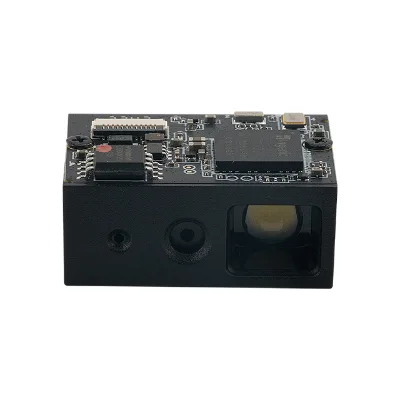
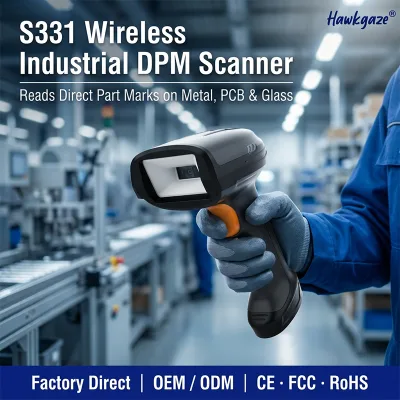


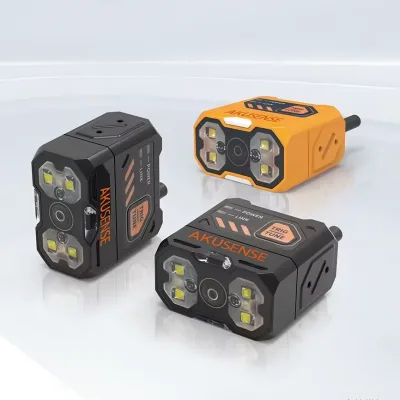
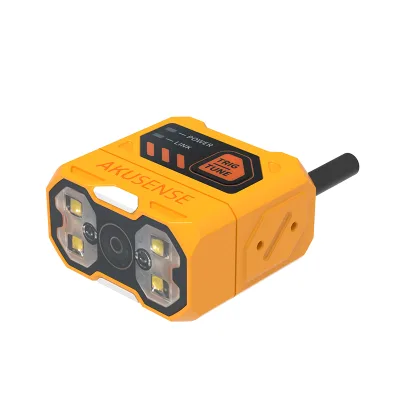






Comprehensive Sourcing Guide
Liquid Focusing DPM Code Reader Supplier Concentration and Factory Types
Suppliers in this category cluster in China's electronics manufacturing regions, and the current results point to Guangdong as a documented base for scanner and code-reading hardware, with at least one listing attributing product origin to Jiangsu. Guangdong's cluster advantage matters here because liquid focusing and DPM-capable readers combine optical modules, CMOS sensor integration, decoding firmware, and industrial housings, and nearby component ecosystems shorten development cycles for OEM scan engines and fixed-mount readers. When a supplier does not display a location, ask directly for the factory address and cross-check it against business registration records before assuming membership in an established cluster.
Factory types fall into two broad groups visible in supplier labels: manufacturers with in-house R&D capability and combined manufacturer-trading operations. Manufacturer listings cover handheld scanners, PDAs, industrial fixed scanners, barcode reading engines, and printers, while other companies position themselves around industrial vision readers and inkjet marking equipment, which often pairs naturally with code reading on production lines. Distinguish the two by asking who performs decoding software development, optical assembly, and final testing. A true manufacturer can describe its sample processing and customization workflow, whereas a trading company should still disclose its underlying factory. Neither type is automatically better; manufacturers may offer deeper engineering support, while trading companies may aggregate multiple models and hold stock, which matters for urgent replacement orders.
How to Verify Liquid Focusing DPM Code Reader Suppliers
Begin verification with third-party verification status, which some suppliers in this category display, such as Intertek or SGS verification badges. These indicate that a platform or inspection body has checked company credentials, but they are not product approvals. Next, confirm system certifications claimed on the profile, such as CE, FCC, RoHS, EMC declarations, or ISO 9001, by requesting certificate numbers and issuing bodies, then validate them on the certifier's database. A certificate without a verifiable number is marketing, not evidence, and DPM readers used in regulated production environments frequently require documented compliance from your side as well.
Product-level verification matters just as much. For liquid focusing readers, request the exact model number, sensor type, optical resolution figures, and reading mode specifications in writing, because listings in this category show attributes like CMOS scan elements, push-button triggered and auto-sensing modes, and specified resolution at defined PCS values. Ask for a live demonstration video or a sample test on your actual DPM-marked parts, since direct part marking on metal or curved surfaces is the hardest reading scenario. Also verify who guarantees decoding performance: some suppliers list SDK availability and customization on demand, others explicitly do not, so confirm firmware access, integration support, and whether the supplier performs incoming inspection. Keep all verification correspondence written, and treat unverifiable claims about performance, certification, or factory ownership as disqualifying until proven otherwise.
What to Compare Across Liquid Focusing DPM Code Reader Suppliers
Build a comparison table using attributes suppliers actually display rather than assuming every listing carries them. Useful dimensions include lead time, with current results showing figures such as 15 days and a 3–5 day delivery note on specific models; MOQ, which in this category can be as low as a single unit for certain scan engines; response speed, where supplier labels show averages of roughly one to just over two hours; and verification status, system certifications, and location. Also compare main product lines, because a supplier specializing in reading engines, fixed-mount industrial readers, and handhelds may support you differently than one selling printers or image sensors as adjacent lines.
Compare commercial signals next. Some listings show explicit price ranges, for example a scan engine priced in the high-tens of dollars and industrial fixed readers ranging from several hundred to several thousand dollars, while other suppliers require quotation, so normalize quotes to the same quantity, configuration, and Incoterm before ranking. Compare R&D depth using declared capabilities such as OEM, ODM, sample processing, graphic processing, and customization on demand. Compare product evidence quality: detailed attribute sets listing model numbers, interfaces, dimensions, warranty, and reading modes indicate a supplier that manages data carefully, whereas thin listings shift more verification work onto you. Finally, compare after-sales terms, warranty duration, and whether spare parts or repair support are offered, since DPM readers in continuous production lines need defined failure-response commitments, not just a warranty sentence on a listing page.
Common Liquid Focusing DPM Code Reader Sourcing Risks
The largest technical risk is conflating a general barcode reader with a genuine DPM-capable, liquid focusing reader. Listings in this category range from low-cost handhelds to fixed industrial vision readers, and marketing keywords sometimes blend categories, with one fixed-reader listing even displaying an unrelated brand attribute. If you order based on a keyword match alone, you may receive a device that reads printed labels but fails on dot-peened, laser-etched, or low-contrast direct part marks. Mitigate this by requiring benchmark tests on your own marked samples, specifying reading angle, lighting, and speed conditions, and putting pass criteria into the purchase contract.
Commercial risks cluster around identity and continuity. Some suppliers are manufacturers, others trading companies, and a few do not disclose which; ordering through an undisclosed intermediary can complicate warranty claims and firmware support. Certificate claims may not match delivered goods, so verify serial-level compliance for shipments. Single-unit MOQs invite small trial orders, but they also make it easy to approve a golden sample and later receive a different production batch, so define batch acceptance procedures. Additional risks include stock-only listings with no restock commitment, listed model numbers that differ from shipped units, no SDK or customization support where integration is needed, and long-term availability of repair parts. Ask each supplier about customization scope, sample-versus-production consistency, and spare-part commitments before committing to volume.
Liquid Focusing DPM Code Reader Regional Sourcing and Logistics
Documented supplier locations in this category include Guangdong and, for at least one handheld product listing, Jiangsu as the place of origin. Guangdong offers dense logistics infrastructure, frequent international flights and container sailings, and proximity to the component suppliers that liquid focusing optical assemblies depend on, which typically supports faster sample iterations. Jiangsu sits within the Yangtze delta manufacturing belt with strong electronics and industrial automation supply chains. When a shortlisted supplier displays no location, request the shipping-origin address explicitly, because freight costs, customs routing, and inspection-travel feasibility all depend on it.
Logistics planning should reflect product characteristics. Compact items such as scan engines and handhelds, with listed package sizes around tens of centimeters and weights of roughly a kilogram, ship economically by express courier for samples and small orders, while industrial fixed readers packaged in cartons move well by consolidated air or sea freight. Confirm whether goods ship from the factory directly or from a separate warehouse, since stated lead times like 15 days may exclude transit. For production-line integrations, plan a pilot shipment, factory acceptance testing before dispatch, and a safety stock buffer, because customs delays on precision optical equipment are harder to absorb when a scanning station is offline. Also clarify packaging quality for optical modules, shock and humidity protection, and who arranges export documentation, so the reader arrives calibrated and undamaged rather than needing rework at your site.
Liquid Focusing DPM Code Reader Commercial Terms and Order Planning
Order planning for this category should start with a paid sample or a minimum-order trial, which is feasible where suppliers list MOQs of one unit. Use the sample phase to lock specifications: exact model number, interface such as USB, reading modes, resolution at defined PCS, dimensions, and warranty duration, some listings showing one-year coverage. Then quote volume tiers explicitly, because displayed price ranges in this category span from under fifty dollars for scan engines to several thousand for high-resolution industrial vision readers, and the gap between list price and negotiated volume price can be substantial. Always specify Incoterms, currency, and validity period on every quote.
Structure payments and milestones around verification rather than trust. Where a marketplace offers escrow or platform-protected payment, use it; otherwise stage payments against milestones such as sample approval, production completion, and pre-shipment inspection, and avoid full upfront payment on first orders. Put the lead time, such as the 15-day figures shown on some listings, into the contract with a defined delay remedy, and confirm whether it starts from payment or from specification sign-off. Plan ongoing orders by confirming stock status, since some listings are marked as stock items with no long-term availability guarantee, and by agreeing on reorder lead times, firmware support, and spare-part supply. Keep acceptance criteria, warranty response times, and customization scope documented in the same file as your technical specification to prevent drift across repeat orders.
FAQs
What is a Liquid Focusing DPM Code Reader used for?
A Liquid Focusing DPM Code Reader is used to scan directly part-marked codes such as DataMatrix marks on metal, plastic, or curved surfaces. Liquid lens focusing adjusts the focal plane quickly, so one device can read codes at different working distances. This makes it suitable for electronics, automotive parts, and automated production lines where mark quality varies.
What price range should I expect for a Liquid Focusing DPM Code Reader?
Entry-level OEM scan engines on these listings start around 37.90 to 42.11 US dollars per unit with a minimum order of one piece. Industrial fixed-mount DPM readers are priced higher, typically from about 650 US dollars, and high-resolution vision code readers can exceed 8,000 US dollars. Always confirm current pricing with the supplier before ordering.
What is the typical minimum order quantity for DPM code readers?
Minimum order quantities can be very low on these listings; one listed scan engine has an MOQ of just 1 piece. This makes sampling and small pilot runs practical before committing to volume. Larger orders of fixed-mount industrial readers may carry different MOQ terms, so confirm the exact quantity requirement with each supplier in writing.
How long does delivery take for industrial DPM code readers?
One listed industrial fixed-mount barcode reader shows a delivery time of 15 days, and another product listing cites 3 to 5 days delivery. Actual lead times depend on order quantity, customization, and shipping method. Ask suppliers to confirm current production schedules and allow extra time for customized or OEM-configured liquid focusing readers.
Which certifications should a DPM code reader have?
Certifications listed for these suppliers include CE, FCC, RoHS, EMC, and Declaration of Conformity, with one supplier also holding ISO 9001 system certification. CE and FCC indicate compliance for major export markets, while RoHS relates to hazardous substances. Request copies of valid certificates and verify the certified scope covers the exact model you plan to purchase.
Can suppliers provide OEM or customized DPM code readers?
Yes, customization capability is present in the listings, with OEM and ODM capacity noted and product pages marked customization available. Some manufacturers also list sample processing and customized-on-demand services. Scope varies between suppliers, so describe your mounting, interface, lighting, and decoding requirements early and request a sample to validate reading performance on your actual marked parts.
How fast do these DPM code reader suppliers respond to inquiries?
Response times in the current results range from about 1 hour to roughly 2.17 hours, indicating suppliers on this page typically reply quickly to buyer inquiries. Fast response helps when you need quotes, samples, or technical answers about liquid focusing performance. Send a detailed inquiry with your code type and surface material to get relevant replies faster.
Should I choose a manufacturer or a trading company for DPM readers?
Listings on this page include both manufacturers and trading companies, so both options exist for DPM code readers. Manufacturers can support OEM customization and factory-level technical support, while trading companies may aggregate multiple brands and handle export logistics. Ask each supplier to state its company type, factory location, and whether in-house engineering support is available.