Self-Priming Automatic Diaphragm Pump Suppliers and Manufacturers
Explore 13 verified suppliers offering self priming automatic diaphragm pumps with customizable materials and pneumatic power. Compare response times, lead times, certifications, and pricing to find the right factory for your needs. Contact suppliers directly to request quotes; review the available evidence before requesting comparable quotations from suitable candidates.
Suppliers List

Shanghai Rudi Fluid Conveyor Co., Ltd.
- Verified by BV
- Combined
- China Shanghai
- Lead time15 days
- Avg. response≤ 6h
Main productsDiaphragm Pump, Membrane Pump, Pneumatic Pump, Air Operated Pump, Air Pump, Chemical Pump, Oil Pump, Air Pumps, Water Pump, Air Power Pump
Main marketsSouth America,Africa,Southeast Asia/ Mideast,Europe,North America

Shanghai Haoyang Pump Valve Manufacturing Co., Ltd.
- Verified by BV
- Combined
- China Shanghai
- Lead time15 days
- Avg. response≤ 5h
Main productsDiaphragm Pump, Air Powered Diaphragm Pump, Pneumatic Diaphragm Pump, Air Operated Double Diaphragm Pump, Diaphragm Dosing Pump, Stainless Steel Pump, Stainless Steel Diaphragm Pump, Electric Double Diaphragm Pump, Aluminum Alloy Pump, Air Diaphragm Pump
Main marketsSouth America,Africa,Southeast Asia/ Mideast,East Asia(Japan/ South Korea),Domestic,Europe,Australia,North America

Shanghai GLOMRO Industrial CO., LTD.
- Verified by BV
- Trading Company
- China Shanghai
- Lead time30 days
- Avg. response≤ 9h
Main productsSpray Dryer Machine, Particle Size Analyzer, Oxygen Bomb Calorimeter, Spot Cooler, Tensile Strength Testing Machine, Explosion Proof Air Conditioner, Tga, DSC, Differential Scanning Calorimeter, Air Leakage Tester
Main marketsSouth America,Africa,Southeast Asia/ Mideast,Domestic,Europe,Australia,North America

Anhui Hengnai Pump Industry Co., Ltd.
- Verified by CTI
- Trading Company,Individuals/Soho
- China Anhui
- Lead time0 days
- Avg. response≤ 3h
Main productsDiaphragm Pump, Multistage Pump, Magnetic Pump, Centrifugal Pump, Metering Pump, Self-Priming Pump, Submerged Pump

Dongguan DESUN Electronic Technology Co., Ltd
- Verified by BV
- Trading Company,Manufacturer/Factory
- China Guangdong
- Lead time15 days
- Avg. response≤ 7h
Main productsDC Pump, Mini Water Pump, Suction Water Pump, Self-Priming Water Pump, Electric Water Pump, Small Water Pump, High Pressure Water Pump, Submersible Pump, Diaphragm Pump, Centrifugal Pump
Main marketsSouth America,Eastern Europe,Mid East,North America,Southeast Asia,Eastern Asia,Oceania,Western Europe,Africa

12V 24V Low Flow Micro Electric DC Self Priming Pumps Diaphragm Mini Diaphragm Pump
$6.00 - $10.00
MOQ: 10 Pieces


60W 5L/Min Self-Priming Diaphragm Water Pump with Automatical Pressure Switch
$6.80 - $10.00
MOQ: 10 Pieces


JIANGYIN HETAI INDUSTRIES COMPANY LTD.
- Trading Company,Manufacturer/Factory,Group Corporation
- China Jiangsu
- Lead time15 days
- Avg. response≤ 13h
Main productsAir Operated Diaphragm Pump, Magnetic Pumps, Pump Parts, Pulsation Dampener, Pneumatic Components, Aodd Pump, Jet Aerator, Diaphragm Pump, Pneumatic Pump, Magnetic Driven Pump
Main marketsSouth America,Eastern Europe,Mid East,Southeast Asia,Eastern Asia,Africa

Zhejiang Yonjou Technology Co., Ltd.
- Verified by BV
- Trading Company,Manufacturer/Factory
- China Zhejiang
- Lead time23 days
- Avg. response≤ 9h
Main productsGear Pump, Diaphragm Pump, Screw Pump, Hot Oil Pump, Lobe Pump, Water Pump, Vacuum Pump, Dewatering Pump, Self Priming Pump, Chemical Pump
Main marketsSouth America,Eastern Europe,Mid East,North America,Southeast Asia,Eastern Asia,Oceania,Western Europe,Africa


Air Operated Pneumatic Diaphragm Pump
MOQ: 1 Sets


Aluminium Pneumatic Diaphragm Pump
MOQ: 1 Pieces

Pneumatic Diaphragm Pump Double Diaphragm Pump
MOQ: 1 Pieces

Changsha TOPS Industry & Technology Co., Ltd.
- Manufacturer/Factory
- China Hunan
- Lead time30 days
- Avg. response≤ 14h
Main productsDC Pump, Brushless Centrifugal Pump, Micro Diaphragm Pump, Micro Gear Pump, Liquid Cooling Pump, Solar Powered Hot Water Pump, Coffee Machine Pump, Car Circulation Pump, Micro Vacuump / Air Pump, Food Grade Pump
Main marketsSouth America,Eastern Europe,Mid East,North America,Southeast Asia,Eastern Asia,Oceania,Western Europe,Africa

High Pressure Diaphragm Air Pump
MOQ: 2 Pieces

MOQ: 200 Pieces

Diaphragm Air Pump Long Lifetime Automatic System Pump
MOQ: 200 Pieces


Shanghai Pacific Pump Manufacture (Group) Co., Ltd.
- Verified by BV
- Combined
- China Shanghai
- Lead time23 days
- Avg. response≤ 11h
Main productsFire Pump, Centrifugal Pump, Water Pump, Oil Pump, Chemical Pump, Split Case Pump, Vertical Turbine Pump, End-Suction Pump, Submersible Pump, Sewage Pump
Main marketsSouth America,Africa,Southeast Asia/ Mideast,Domestic,Europe,Australia,North America

Shijiazhuang Boda Industrial Pump Co., Ltd.
- Verified by BV
- Combined
- China Hebei
- Lead time30 days
- Avg. response≤ 16h
Main productsSlurry Pumps, Sewage Pumps, Submersible Pumps, Froth Pump, Dredging Pumps, Water Pumps, Fgd Pumps, Slurry Pump Parts, Chemical Pumps, Split Case Pump
Main marketsSouth America,Africa,Others(foreignTradeCapacity.exportBusinessCapacityMarketOther),Southeast Asia/ Mideast,Europe,North America

Suzhou Hepda Industrial Co., Ltd.
- Verified by SGS
- Combined
- China Jiangsu
- Lead time15 days
- Avg. response≤ 1h
Main productsDiaphragm Pump, Centrifugal Pump, Magnetic Pump, Chemical Pump, Submersible Pump, Self Priming Pump, Stainless Steel Submersible Pump Capable of Idli, PP Submersible Pump
Main marketsDomestic

Ultrapure Water Transfer Self-Priming, Easy to Operate Stainless Steel Pneumatic Diaphragm Pump
$200.00 - $1300.00
MOQ: 1 Pieces

Electronic Component Cleaning Self-Priming, Easy to Operate Stainless Steel Pneumatic Diaphragm Pump
$200.00 - $1300.00
MOQ: 1 Pieces
Shangqiu Fites Machinery Manufacturing Co., Ltd.
- Verified by Intertek
- Trading Company
- Lead time20 days
- Avg. response≤ 2h
Main productsCentrifugal Pump, Vortex Pump, Slurry Pump, Deep Well Pump, Drilling Rig
Main marketsEastern Europe(20%), South America(15%), North America(10%)
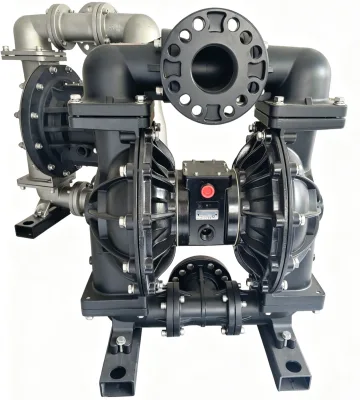
High-Quality Pneumatic Diaphragm Pump | Explosion-Proof and Corrosion-Resistant | Customizable
$1221.00 - $1339.00
MOQ: 1
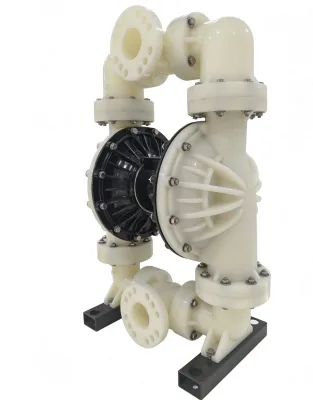

Shijiazhuang Sunbo Pump Co., Ltd.
- Verified by SGS
- Combined
- China Hebei
- Lead time15 days
- Avg. response≤ 10h
Main productsSlurry Pump, Centrifugal Pump, Sump Pump, Gravel Sand Pump, OEM Pump Parts, Heavy Duty Slurry Pump, Mineral Processing Pump, Horizontal Slurry Pump, Vertical Pump, High Pressure Slurry Pump
Main marketsSouth America,Europe,North America


Comprehensive Sourcing Guide
Self-Priming Automatic Diaphragm Pump Supplier Concentration and Factory Types
Current data indicates a concentration of manufacturing activity in Shanghai, China, where specific suppliers list their operational base. These entities often operate as combined entities, blending manufacturing capabilities with trading functions to offer a broader range of products. The primary product focus for these facilities includes various iterations of diaphragm pumps, such as pneumatic, air-operated, and chemical variants, alongside specialized models like self-priming units. This clustering suggests a regional ecosystem where supply chain logistics for raw materials like plastic, aluminum alloy, and stainless steel are optimized for pump assembly. Buyers should verify if a supplier's stated location matches their actual factory floor, as some combined companies may list a Shanghai address while outsourcing final assembly elsewhere.
Factory types in this sector frequently advertise ODM and OEM capacities, allowing for significant customization of pump specifications. Some facilities also promote their own brand alongside white-label services, indicating a mature production environment capable of handling diverse client requirements. The presence of combined company types implies that a single point of contact might manage both design and production, potentially streamlining communication. However, buyers must distinguish between pure manufacturers and trading companies that merely aggregate products from multiple factories. Verifying the physical presence of the facility in Shanghai and confirming the specific machinery used for diaphragm pump production remains essential before committing to a partnership.
How to Verify Self-Priming Automatic Diaphragm Pump Suppliers
Verification processes should prioritize third-party validation and system certifications to ensure supplier reliability. Several suppliers in the current results display BV verification status, which serves as a tangible indicator of business legitimacy. Additionally, system certifications such as ISO9001:2015 and ISO14001:2015 are frequently cited, suggesting adherence to quality management and environmental standards. Buyers must cross-reference these claims with official certification bodies rather than relying solely on supplier-provided documents. The presence of product-specific certifications like CE, ATEX, or SGS on individual pump models further validates compliance with safety and performance regulations required for specific industries.
Response time metrics provide another layer of verification regarding supplier engagement and operational efficiency. Data shows response times ranging from approximately 4.46 to 5.53, which can serve as a benchmark for expected communication speed. A supplier with a consistently low response time often indicates a dedicated sales team and streamlined internal processes. Buyers should test these response channels with specific technical inquiries about self-priming capabilities and material compatibility. Furthermore, checking for the availability of detailed product attributes, such as diaphragm material composition (Neoprene or FPM) and valve body types, helps confirm the depth of technical knowledge possessed by the supplier.
What to Compare Across Self-Priming Automatic Diaphragm Pump Suppliers
When evaluating multiple suppliers, lead time and minimum order quantity (MOQ) are critical comparative dimensions. Current observations reveal lead times of around 15 days for standard orders, though this can vary based on customization needs. MOQs also differ significantly, with some suppliers accepting orders as low as one unit, while others require minimums of 50 units. Buyers must align these constraints with their inventory strategy and cash flow requirements. Comparing the price ranges associated with different MOQs is essential, as unit costs often decrease with higher volume commitments. For instance, specific models show price ranges from 50 to 1000, while others span 1000 to 3000, reflecting differences in material and complexity.
Product specifications and customization options form another vital comparison point. Suppliers offer varying materials, including plastic, aluminum alloy, and stainless steel, each suited for different chemical or environmental conditions. The diaphragm material is another key differentiator, with options like Neoprene and FPM affecting durability and chemical resistance. Buyers should compare the maximum flow rates and working pressures listed for each model, such as 150L/Min or 568 Lpm, to ensure the pump meets operational demands. Additionally, the availability of intelligent types or explosion-proof features should be verified against specific application requirements. Packaging standards, ranging from carton boxes to fumigation-free wooden cases, also impact shipping costs and product protection.
Common Self-Priming Automatic Diaphragm Pump Sourcing Risks
One significant risk involves the discrepancy between advertised certifications and actual product compliance. While some suppliers list comprehensive certificates like ISO9001, CE, ATEX, and SGS, others may only display partial or generic standards. Buyers must ensure that the specific pump model ordered carries the necessary certifications for its intended use, particularly for hazardous environments where ATEX compliance is mandatory. Relying on a general company certification without verifying the product-specific certificate can lead to regulatory non-compliance and safety hazards. It is crucial to request test reports or third-party validation for the exact model being purchased to mitigate this risk.
Another risk pertains to the consistency of product attributes and performance claims. Variations in material specifications, such as the difference between plastic and aluminum alloy bodies, can drastically alter the pump's lifespan and suitability for specific fluids. Suppliers may list "No Leak" performance as a standard feature, but actual field performance depends on the quality of the diaphragm and valve assembly. Inconsistent weight and size specifications across different models, such as 8kg versus 68kg, indicate varying internal constructions that affect durability. Buyers should request samples or detailed engineering drawings to confirm that the physical attributes match the advertised specifications before placing large orders.
Self-Priming Automatic Diaphragm Pump Regional Sourcing and Logistics
Sourcing from Shanghai, China, offers logistical advantages due to the region's established port infrastructure and manufacturing density. The concentration of suppliers in this area facilitates easier coordination for factory audits and quality inspections. However, buyers must account for the specific packaging requirements listed, such as wooden cases or carton boxes, which influence shipping volume and weight. Some suppliers specify fumigation-free wooden cases, which can simplify customs clearance processes for international shipments. Understanding the origin of the product, confirmed as Shanghai or China in the data, helps in calculating accurate duties and import taxes for the destination country.
Logistics planning should also consider the lead time variability and its impact on supply chain continuity. A standard lead time of 15 days allows for relatively quick replenishment, but customization requests may extend this window. Buyers should factor in potential delays caused by material shortages or production bottlenecks, especially when ordering complex models with specific certifications. The response time of the supplier, typically under six hours, can aid in resolving logistical issues quickly. However, buyers must verify if the supplier offers escrow services or secure payment terms to protect against delays or non-delivery. Coordinating with freight forwarders familiar with Shanghai exports ensures that the self-priming pumps arrive in optimal condition.
Self-Priming Automatic Diaphragm Pump Commercial Terms and Order Planning
Commercial terms regarding pricing and payment structures require careful analysis to avoid unexpected costs. Price ranges observed vary widely, from 50 to 1000 for basic models up to 3000 for specialized units, reflecting differences in material and capacity. Buyers should negotiate based on the specific MOQ and volume tiers offered by the supplier. Some suppliers list prices with a minimum of one unit, while others enforce a 50-unit minimum, which affects the unit cost significantly. Understanding the price breakdown helps in budgeting for the total cost of ownership, including shipping and potential tariffs. Buyers must clarify whether the quoted price includes packaging and documentation fees.
Order planning must align with the supplier's capacity for customization and production scaling. Many suppliers offer ODM and OEM services, allowing for tailored solutions, but this requires clear communication of technical requirements. The availability of customization is a key factor, as it enables buyers to adapt pumps for specific fluid handling needs. Buyers should plan their orders well in advance to accommodate the 15-day lead time and any additional time required for custom tooling or certification. Establishing a clear timeline for sample approval and mass production is essential to maintain project schedules. Regular communication regarding production status ensures that any deviations from the plan are addressed promptly.
FAQs
What is the typical lead time for these pumps?
The typical lead time for these pumps is 15 days. This duration applies to standard orders from suppliers located in Shanghai, China. Buyers should confirm specific timelines based on order volume and customization needs before finalizing purchases.
Do these pumps come with ISO certifications?
Yes, many models carry ISO9001:2015 and ISO14001:2015 certifications. Some specific products also list CE, ATEX, or SGS certificates. Buyers must verify the exact certification status for each model to ensure compliance with local safety and quality standards.
What is the minimum order quantity required?
The minimum order quantity varies by model, ranging from 1 unit to 50 units. Some standard plastic pumps allow single-unit orders, while aluminum alloy options may require a minimum of 50 pieces. Check the specific product page for exact MOQ details.
Are these pumps suitable for chemical applications?
Yes, these pumps are designed for chemical, oil, and water transfer. Materials include plastic, aluminum alloy, and stainless steel with diaphragms made of neoprene or FPM. Ensure the specific material compatibility matches the chemical being pumped to prevent corrosion or leaks.
What is the response time for supplier inquiries?
Supplier response times typically range between 4.46 and 5.53 hours. This metric indicates how quickly a supplier usually replies to initial contact. Faster response times often correlate with higher verification status, such as BV verification, ensuring better communication reliability.
Can these pumps be customized for specific needs?
Customization is available for most models, including OEM and ODM services. Buyers can request changes to materials, sizes, or branding. Verify the specific customization options and any additional costs with the supplier before placing an order to ensure the final product meets requirements.
What is the price range for these pumps?
Prices range from 50 to 3000 units depending on the model and material. Basic plastic pumps start around 50, while heavy-duty stainless steel or high-pressure versions can reach 3000. The final price depends on the selected specifications and order quantity.