self-locking crochet hooks Suppliers and Manufacturers in China
Compare 22 verified suppliers offering self-locking crochet hooks with details on location, lead times, and MOQs. Review product specifications like material and weight to source the right tools for your knitting projects today; review the available evidence before requesting comparable quotations from suitable candidates.
Updated
Suppliers List
Yiwu Lumiao Electronic Commerce Co., Ltd.
- Trading Company
- Zhejiang, China
- Lead time0 days
- Avg. response≤ 8h
Main productsYarn,Yarn winder,Crochet Hook,Safety Eyes,Flower Stem Sticks
Main marketsNorth America(32.00%), Southeast Asia(30.00%), Western Europe(10.00%), Northern Europe(5.00%), Eastern Europe(5.00%), Domestic Market(2.00%), Africa(2.00%), South America(2.00%), South Asia(2.00%), Southern Europe(2.00%), Central America(2.00%), Eastern Asia(2.00%), Mid East(2.00%), Oceania(2.00%)
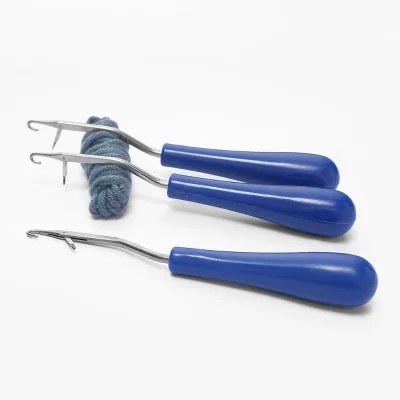
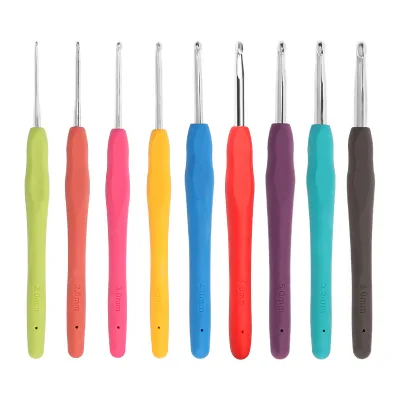
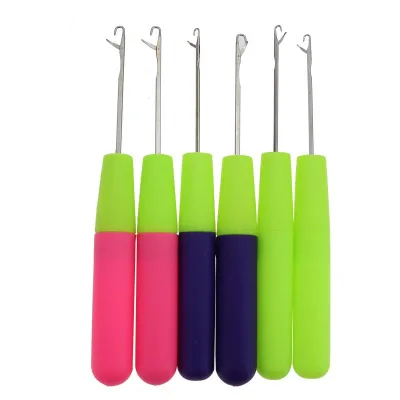
Wholesale self-locking crochet hooks, hand woven needles, blue plastic handle crochet hooks
$0.52 - $0.59
MOQ: 5000 pieces
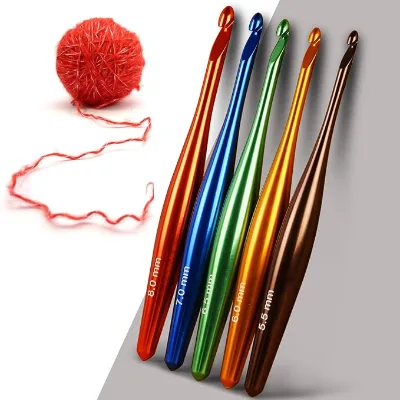
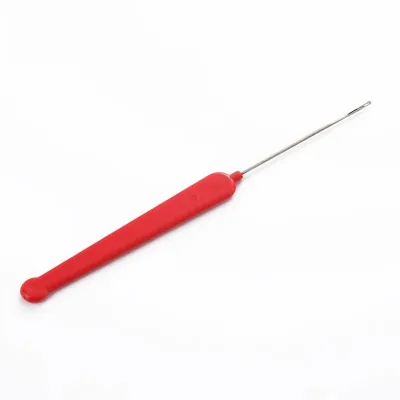
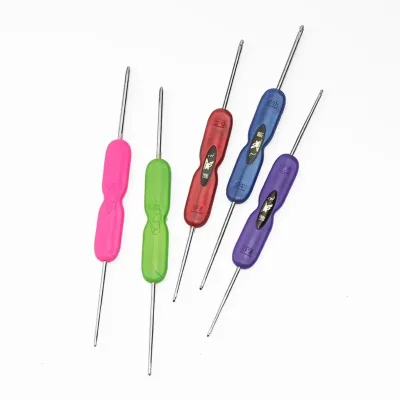
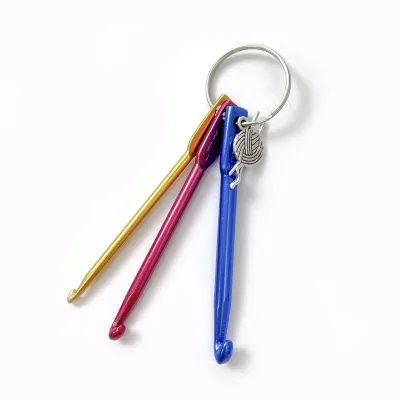
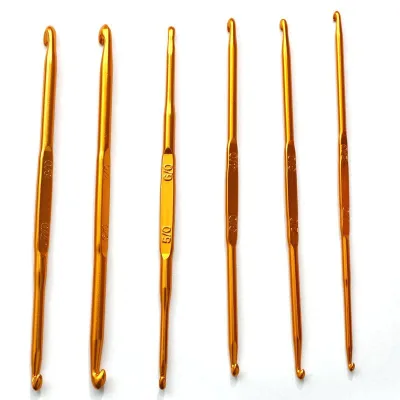
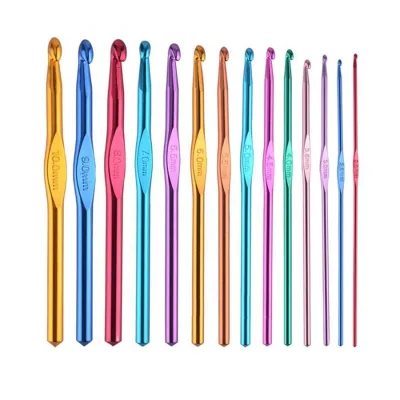
Colorful aluminum crochet hooks, hand woven DIY gift making, plastic double ended crochet hooks
$0.15 - $0.18
MOQ: 500 pieces
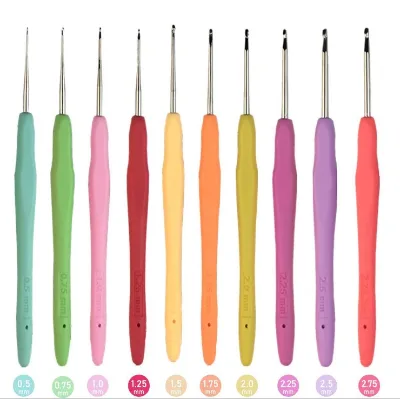
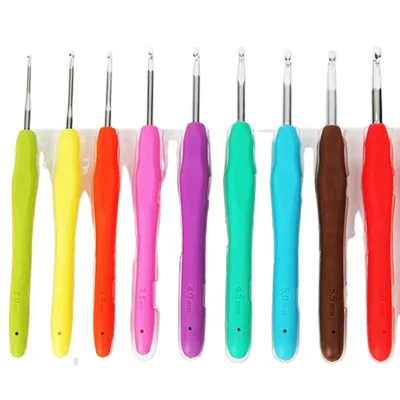
10 small lace crochet hooks (0.5-2 mm), ergonomic crochet hook set with soft handle
$1.95 - $2.00
MOQ: 10 pieces

Ningbo Yinzhou Xindew Textile Co., Ltd.
- Trading Company
- China Zhejiang
- Lead time15 days
- Avg. response≤ 10h
Main productsKnitting Needles, Knitting Looms, Knitting Crochet Hook Set, Acrylic Yarn, Elastic Tape, Zipper, Thread, Hook and Loop, Baby Blankets, Baby Bibs
Main marketsSouth America,Africa,Southeast Asia/ Mideast,East Asia(Japan/ South Korea),Domestic,Europe,Australia,North America

Shanghai Charmkey Textile Co., Ltd.
- Verified by BV
- Trading Company
- China Shanghai
- Lead time23 days
- Avg. response≤ 9h
Main productsYarn, Blended Yarn, Fancy Yarn, Acrylic Yarn, Cotton Yarn, Wool Yarn, Chenille Yarn, Chunky Yarn, T Shirt Yarn, Polyester Yarn
Main marketsEurope


Short Soft Cement Handle Needle Knitting 9PCS Knitting Accessories Crochet Hooks
$3.88 - $5.23
MOQ: 200 Sets


Aluminium Crochet Hooks Needles Knit Weave Craft Yarn Sewing Tools Crochet Hooks Knitting Needles
$3.88 - $5.23
MOQ: 100 Sets

- Verified by BV
- Trading Company
- China Zhejiang
- Lead time30 days
- Avg. response≤ 6h
Main productsTextile, Zipper, Lace, Elastic, Ribbon, Thread, Tape, Fabric, Interlining, Button
Main marketsSouth America,Africa,Europe

Ningbo Sunshine Import & Export Co., Ltd.
- Combined
- China Zhejiang
- Lead time30 days
- Avg. response≤ 4h
Main productsGarment Accessories, Haberdashery Items, Tailoring Accessories, Hook and Loop, Sewing Notions, Cotton Tape, PP Webbing, Satin Ribbon, Rat Tail, Knitting Tools
Main marketsSouth America,Southeast Asia/ Mideast,Europe
Jinhua Jinxiang Trading Co., Ltd.
- Trading Company
- Zhejiang, China
- Lead time15 days
- Avg. response≤ 2h
Main productsHome Handmade Sewing Accessories
Main marketsNorth America(35.00%), Southeast Asia(15.00%), Domestic Market(10.00%), Western Europe(10.00%), South America(10.00%), Eastern Europe(10.00%), Southern Europe(5.00%), South Asia(5.00%)

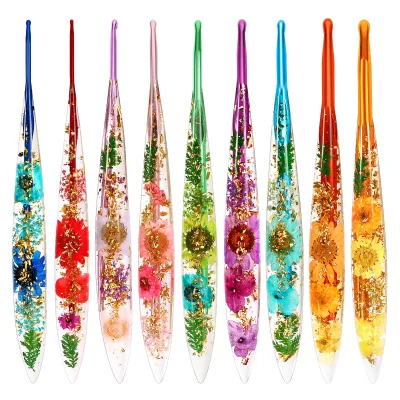
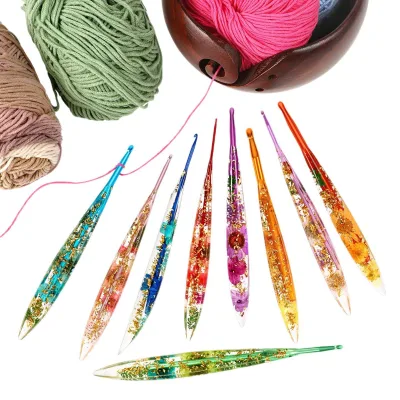
Crochet Hooks with Crochet Yarn Accessories Warm Crochet Hooks Crochet Hook Set for Crochet Lovers
$5.75 - $8.59
MOQ: 50 Minimum
Chaozhou Fromoce Trading Company Limited
- Trading Company
- Guangdong, China
- Lead time10 days
- Avg. response≤ 6h
Main productshardware tools,hand tools,leather tools,Jewelry tools
Main marketsEastern Europe(20.00%), South America(20.00%), North America(20.00%), Western Europe(20.00%), Africa(10.00%), Mid East(5.00%), Central America(5.00%)
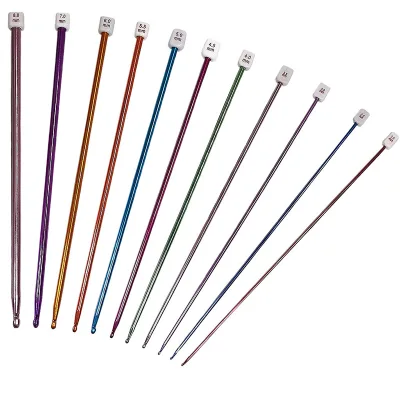
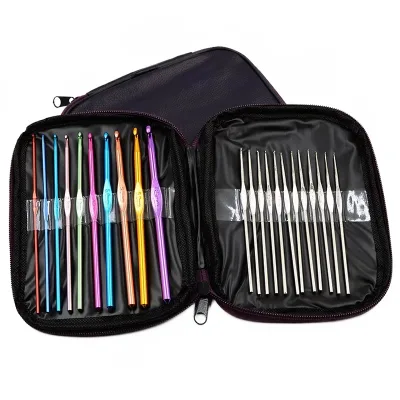
Color bead lengthened aluminum hook crochet hook kits 27cm crochet hook set
$2.78 - $3.07
MOQ: 10 sets
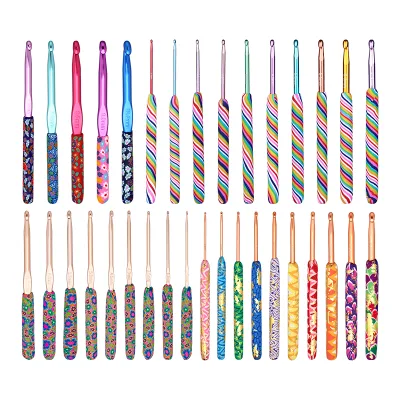
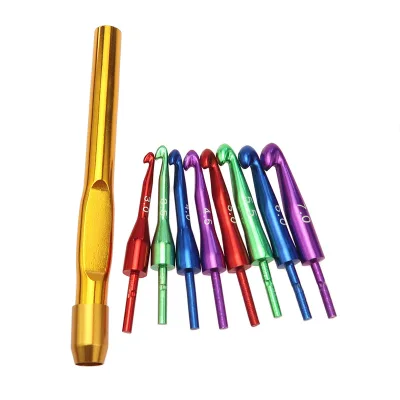
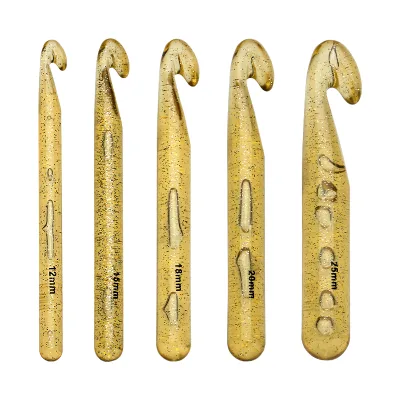
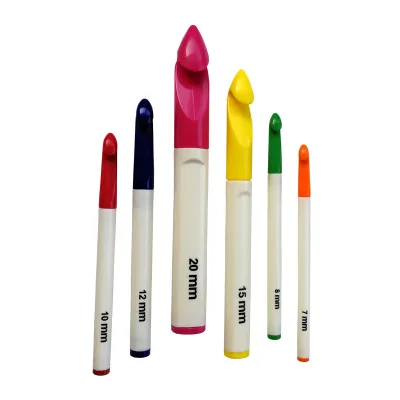
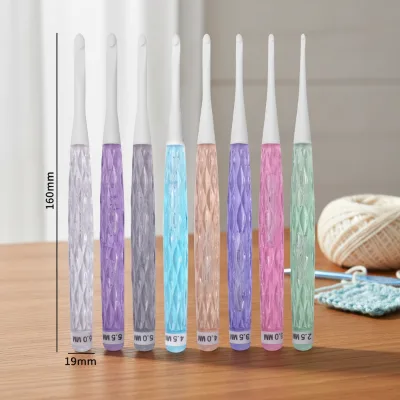
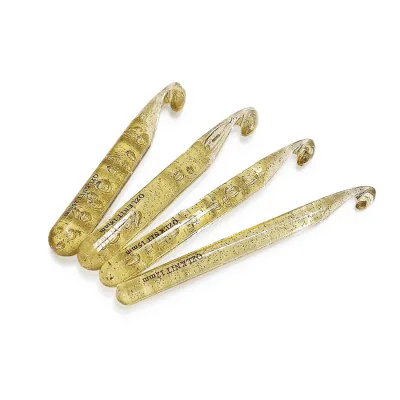
Wholesale Huge Size Transparent Crystal Handle Knitting Needles DIY Crochet Hook
$0.5644 - $1.8668
MOQ: 5 Minimum
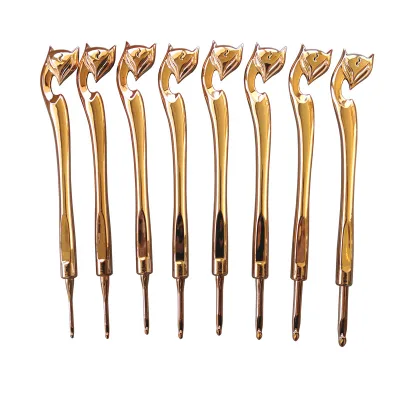
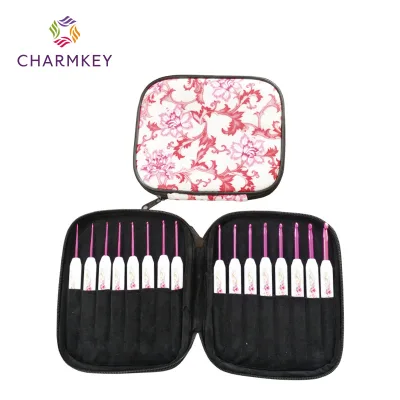
Fox Handle Rose Gold Needles Crochet 8pcs Crochet Hook Set for Beginners
$4.2979 - $4.5988
MOQ: 10 sets
Shenzhen Landful Textile & Trading Ltd.
- Trading Company, Distributor/Wholesaler
- Guangdong, China
- Lead time20 days
- Avg. response≤ 2h
Main productsneedlework,DIY craft kit,quilting notions,embroidery scissors,craft accessories
Main marketsSoutheast Asia(50.00%), Western Europe(30.00%), North America(10.00%)

NINGBO FANST IMP.&EXP. CO., LTD.
- Verified by BV
- Trading Company
- China Zhejiang
- Lead time30 days
- Avg. response≤ 22h
Main productsPolyester Yarn, Acrylic Yarn, Knitting Yarn, Acrylic Knitting Yarn, LED Flash Torch, Headlamps, Bicycle Light, LED Work Light, Torches
Main marketsOthers(foreignTradeCapacity.exportBusinessCapacityMarketOther),Southeast Asia/ Mideast,Australia
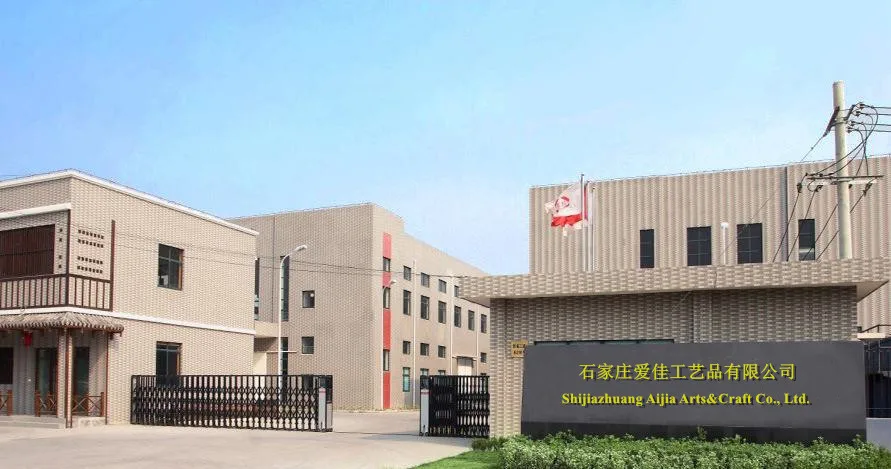
Shijiazhuang Aijia Crafts Co., Ltd.
- Trading Company
- Hebei, China
- Lead time10 days
- Avg. response≤ 2h
Main productsEmbroidery Kit,Punch needle kit,Latch hook kits,Crochet kit,Woven Bag Kit
Main marketsNorth America(20.00%), Oceania(20.00%), South America(15.00%), Eastern Europe(10.00%), Africa(5.00%), Northern Europe(5.00%), Western Europe(5.00%), Eastern Asia(5.00%), Mid East(5.00%), Southern Europe(5.00%), Domestic Market(5.00%)
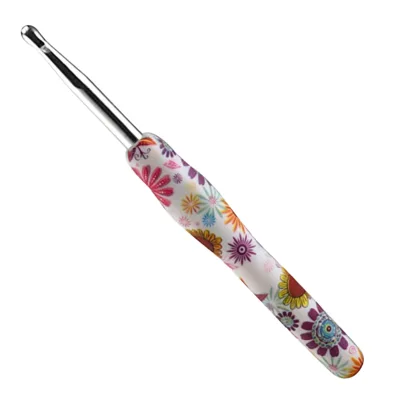
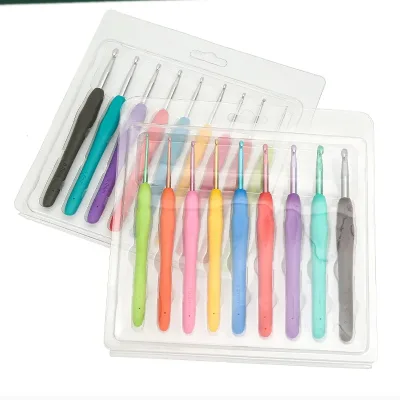
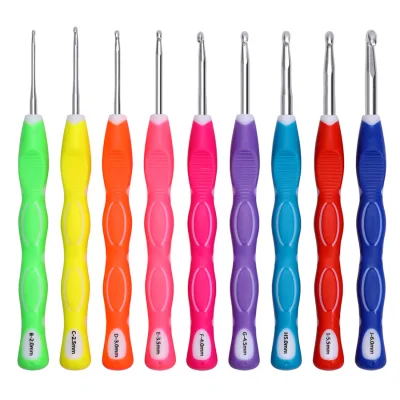
Hot Selling Knitting Needle Crochet Hook, 9pcs Rubber Crochet Hooks with Plastic case
$0.1365 - $2.6257
MOQ: 10 Minimum
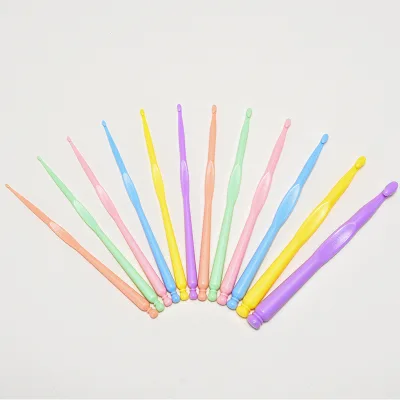
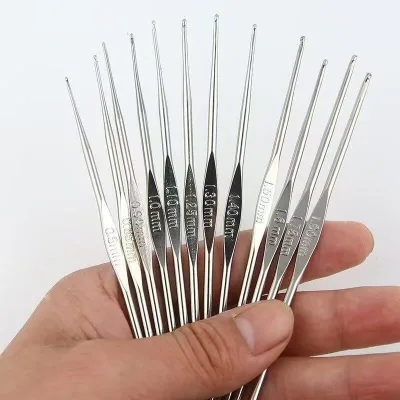
Shanghai Charmkey Textile Co., Ltd.
- Trading Company
- Lead time旺季: "1 - 100":9,"101 - 500":25,"> 500":"To be negotiated", 淡季: "1 - 100":9,"101 - 500":25,"> 500":"To be negotiated"
- Avg. response≤ 3h
Main productsChenille Yarn, Polyester Yarn, Acrylic Yarn, Wool Yarn, Blended Yarn
Yangzhou Actcat International Trading Co., Ltd.
- Manufacturer, Trading Company
- Jiangsu, China
- Lead time30 days
- Avg. response≤ 4h
Main productsHot Water Bottle/ Hot Water Bottle Cover,Microwave Heating Pad/ Ice Bag,Plush Toys
Main marketsWestern Europe(40.00%), Eastern Asia(20.00%), Mid East(10.00%), South Asia(5.00%), Southern Europe(5.00%), Africa(5.00%), Domestic Market(4.00%), North America(3.00%), Eastern Europe(2.00%), Southeast Asia(2.00%), Oceania(2.00%), Central America(2.00%)

Ningbo Yue Na Import & Export Co., Ltd.
- Verified by TUVRHEINLAND
- Trading Company
- China Zhejiang
- Lead time23 days
- Avg. response≤ 3h
Main productsLace, Thread, Button, Ribbon, Zipper, Tailors Materials, Fabric, Reflective Materials, Sewing Machine Part, Bra Parts
Main marketsSouth America,Africa,Southeast Asia/ Mideast,Europe,North America

Ningbo DH Textile Industry&Trade Co., Ltd.
- Verified by TUVRHEINLAND
- Trading Company
- China Zhejiang
- Lead time15 days
- Avg. response≤ 6h
Main productsLace, Interlining, Embroidery Thread, Poplin, Hook and Loop, Satin Ribbon, Sewing Thread, Button, Zipper, Lace Fabric
Main marketsAfrica,Southeast Asia/ Mideast,North America


Multi-Coloured Aluminum 2mm-10mm Handle Crochet Hooks Knitting Knit Needles
$0.10 - $0.15
MOQ: 5000 Pieces


- Verified by TUVRHEINLAND
- Combined
- China Zhejiang
- Lead time30 days
- Avg. response≤ 8h
Main productsThread, Zipper, Lace, Button, Webbing & Tape, Ribbon, Interlining, Fabric, Tailoring Materials, Hook & Loop
Main marketsSouth America,Africa,Europe,Australia

ZHUHAI KAMEDA TECHNOLOGY CO., LTD
- Verified by BV
- Trading Company,Manufacturer/Factory
- China Guangdong
- Lead time23 days
- Avg. response≤ 6h
Main productsMeasuring Tools, Plastic Clips, Housewares Packing, Daily Necessities, Customizing PCB
Main marketsSouth America,Eastern Europe,Mid East,North America,Southeast Asia,Eastern Asia,Oceania,Western Europe,Africa

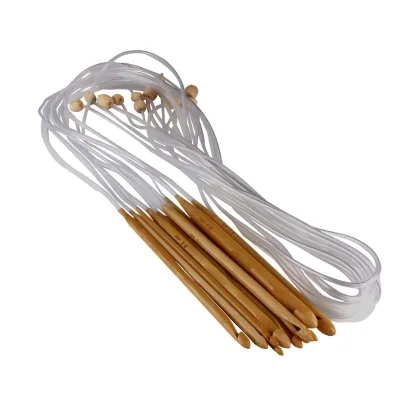
Hot Selling Crochet Hook 12 Sizes Bamboo Crochet Hooks Knitting Needles
$1.20 - $1.60
MOQ: 1000 Pieces


Hot Selling Knitting Needle with Tongue Crochet Hook Sewing Accessories
$0.15 - $0.18
MOQ: 1000 Pieces


12 Sizes Bamboo Crochet Hooks Knitting Needles Sewing Accessories Sewing Needle
$1.20 - $1.60
MOQ: 1000 Pieces

Chaozhou Bailiful Trading Company Limited
- Trading Company
- Guangdong, China
- Lead time15 days
- Avg. response≤ 4h
Main productsLeather tools,hand tools,hardware tools,Crafts
Main marketsEastern Europe(20.00%), South America(20.00%), North America(20.00%), Central America(10.00%), Africa(10.00%), Southeast Asia(10.00%), South Asia(5.00%), Mid East(5.00%)
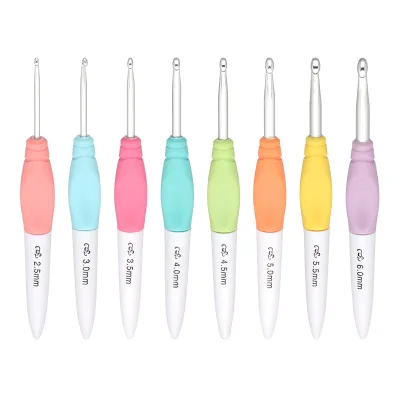
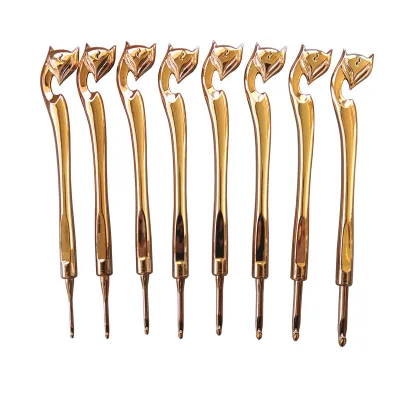
Rose Gold 2021 New Knitting Tools Crochet Needle Crochet Hook Set for Beginners
$4.8293 - $5.1377
MOQ: 10 sets
Shanghai Charmkey Textile Co., Ltd.
- Verified by TüVRheinland
- Trading Company
- Lead time20 days
- Avg. response≤ 3h
Main productsCake Yarn, Velvet Yarn, Acrylic Knitting Yarn, Chenille Yarn, Wool Yarn
Main marketsNorth America(17%), Western Europe(16%), Oceania(12%)
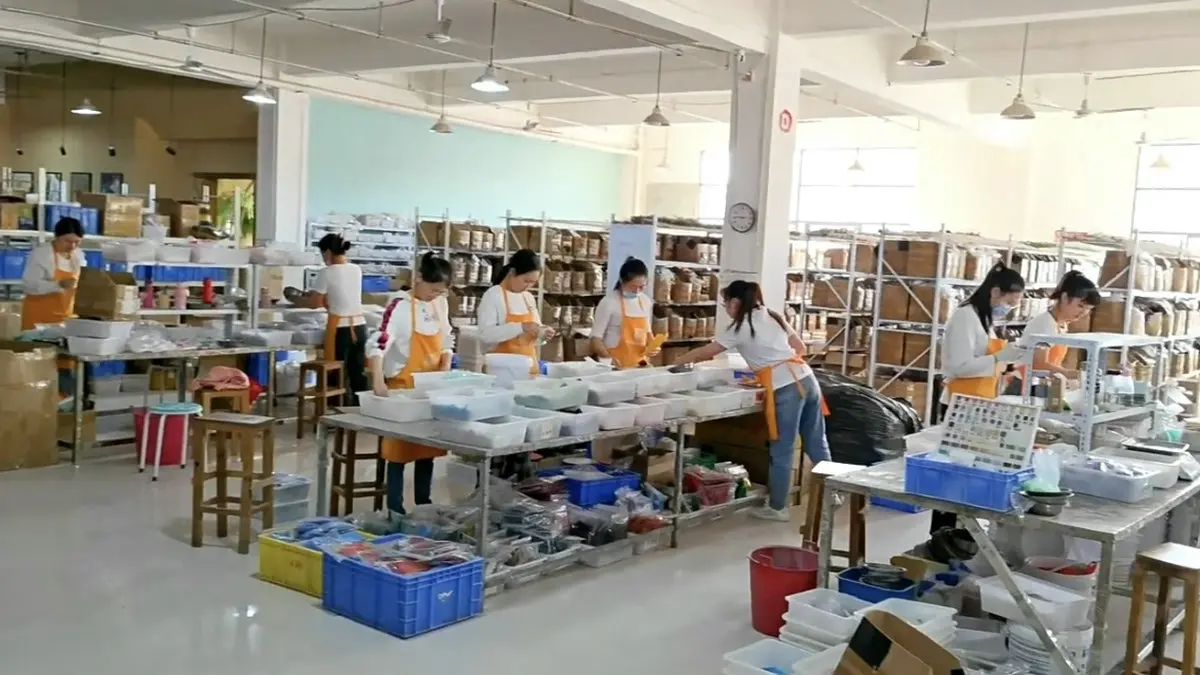
Ningbo Hongdao E-Commerce Ltd.
- Trading Company
- Zhejiang, China
- Lead time20 days
- Avg. response≤ 3h
Main productsCraft &Gift,crochet kit,Personal Care,sewing product,smoking product
Main marketsNorth America(55.00%), Southern Europe(5.00%), Northern Europe(5.00%), Central America(5.00%), Western Europe(5.00%), Eastern Asia(5.00%), Mid East(5.00%), Oceania(5.00%), Eastern Europe(5.00%), South America(5.00%)
Yiwu Shuhuan Import & Export Co., Ltd.
- Trading Company
- Zhejiang, China
- Lead time7 days
- Avg. response≤ 4h
Main productsHome Decor,Kitchen & Tabletop,Festive & Party Supplies,Mobile Phone & Accessories,Camera Photo & Accessories
Main marketsNorth America(30.00%), Western Europe(20.00%), South Asia(5.00%), Southern Europe(5.00%), Northern Europe(5.00%), Central America(5.00%), South America(5.00%), Mid East(5.00%), Oceania(5.00%), Africa(5.00%), Southeast Asia(5.00%), Eastern Europe(5.00%)
Shenzhen Pinzwin Tech Co., Ltd.
- Manufacturer, Distributor/Wholesaler
- Guangdong, China
- Lead time5 days
- Avg. response≤ 2h
Main productsTool Storage Bag,Manicure Tool Set,Beauty Accessories,Sewing Kit,Pedicure Tool Set
Main marketsNorth America(40.00%), Eastern Europe(20.00%), South America(20.00%), Western Europe(10.00%), Domestic Market(5.00%), Mid East(3.00%), Oceania(2.00%)
Ningbo New Swell Import&Export Co., Ltd.
- Verified by Intertek
- Trading Company
- Lead time7 days
- Avg. response≤ 4h
Main productsLace Trim, Ribbon, Sewing Accessories, Sewing Thread, Zipper
Main marketsMid East(50%), South America(20%), Southeast Asia(20%)
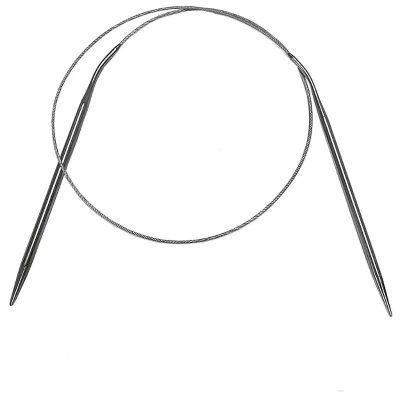
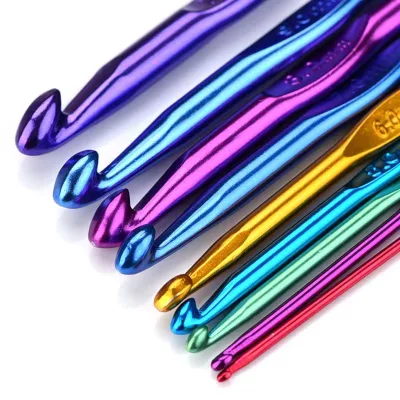
12pcs/set Good Quality Single Head Crochet Hook Custom Colorful Aluminum Crochet
$1.0254 - $1.4356
MOQ: 500 sets
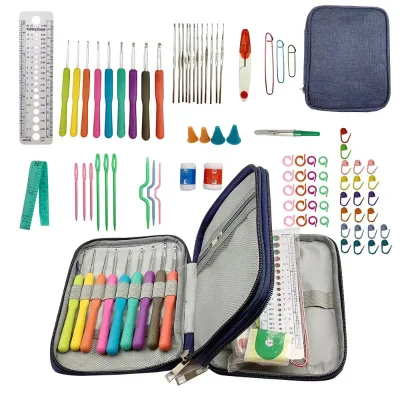
$5.747 - $6.0539
MOQ: 200 sets


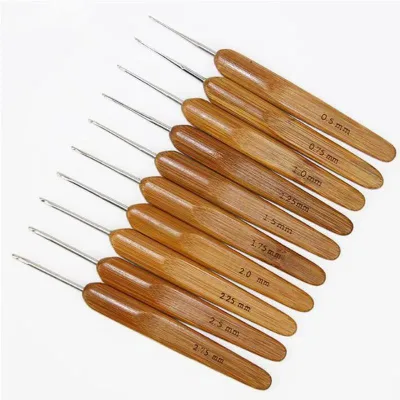
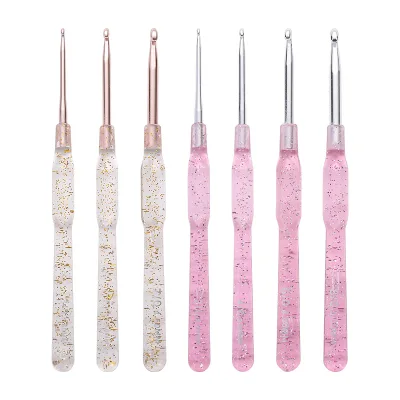
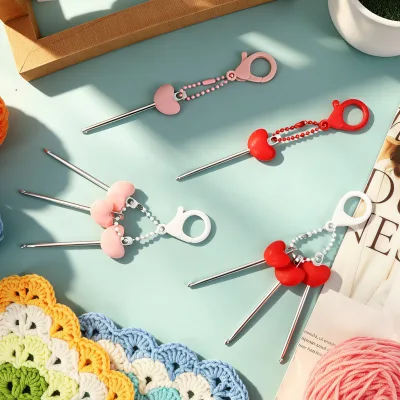


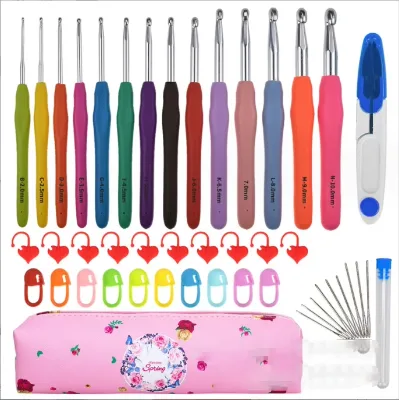
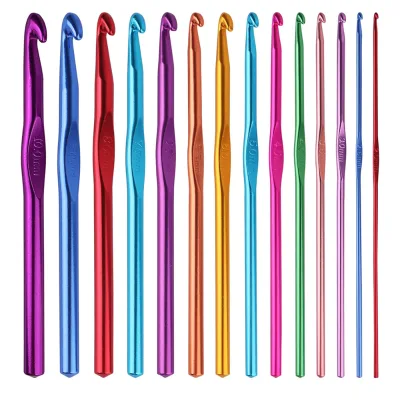
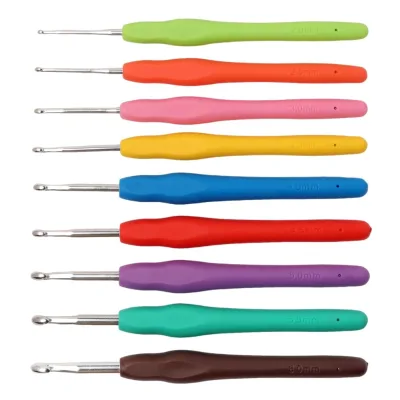


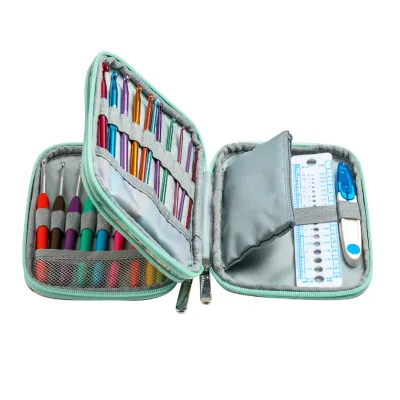
Comprehensive Sourcing Guide
Self-Locking Crochet Hooks Supplier Concentration and Factory Types
Listings for self-locking crochet hooks and related needlework tools in the current results point to Zhejiang, China, as the stated place of origin for the products shown. When a region appears consistently across product attributes, it gives buyers a starting point for cluster research, but it should be treated as a signal rather than proof. Confirm independently where a given factory actually manufactures, because a trading company's registered address, its office location, and the production site may all differ. Request the factory address, ask whether in-house production or subcontracting is used, and cross-check business registration details before assuming any workshop capability.
Supplier types in this category also matter. At least one result is labeled a trading company, and its main products span yarn, yarn winders, crochet hooks, safety eyes, and flower stem sticks — a breadth that suggests assortment sourcing rather than deep specialization in locking mechanisms. Narrower specialists may exist among the remaining listings, but the label data available does not prove specialization for every supplier, so verify each one. Practical screening questions include: Does the supplier manufacture the locking feature itself or assemble it from bought-in hooks? Can they show tooling for the self-locking joint? Do their listed needlework products cluster tightly around hooks and knitting needles, or spread across unrelated household goods? A tight product cluster usually indicates accumulated process knowledge in small metal and plastic components.
How to Verify Self-Locking Crochet Hooks Suppliers
Verification starts with the basics visible in each listing. One supplier shows a response time of about 8 hours and another about 9.3 hours, which suggests typical inquiry responsiveness in this set, but response speed on a listing is not a guarantee of consistent communication after an order is placed. Test each supplier with a detailed technical inquiry — specify hook sizes, locking mechanism type, and material — and measure how quickly and how accurately they answer. One listing shows a lead time of 15 days while another shows no lead time value at all, so never assume a timeline; ask every supplier to confirm production and shipping schedules in writing.
System certification data should also be checked directly: one result lists its system certification as NIL, meaning no certification is displayed. That is not evidence a supplier lacks certifications, only that none is shown, so ask for certificates and verify them with the issuing bodies. Beyond paperwork, verify the product itself. Order samples before committing — one listing quotes a sample turnaround of 5–7 working days, which you can use as a benchmark question for others. Inspect the locking action for smoothness, check whether the plastic handle is securely bonded to the metal shaft (one listing describes plastic plus metal construction), and confirm dimensional details such as the 13.0X8.5X8.0 cm package size or the 14.8 cm hook length only as reference points against your own specification.
What to Compare Across Self-Locking Crochet Hooks Suppliers
Build a comparison sheet using the attributes actually displayed, without assuming every supplier shows every field. Useful dimensions from this result set include location (Zhejiang, China appears repeatedly), company type (trading company versus manufacturer), main products, response time, lead time, and system certification. Record blanks as blanks rather than estimating values. Two concrete contrasts illustrate the range: one listing shows an MOQ of 5000 pieces at roughly 0.52–0.59 per unit, while another shows an MOQ of 10 sets at roughly 30.88–37.99 per set, and a third shows 500 pieces at 0.03–0.05 each. These differences reflect different product configurations and selling units, so normalize comparisons per hook or per set before judging value.
Also compare product construction side by side. Materials in the results include plastic, plastic plus metal, and aluminum, with one aluminum listing quoting sizes of 3.5mm–8.0mm and another quoting 0.5–2mm lace sizes — meaningful if your customers need small sizes for fine work. Weight claims also vary widely, from 2.6g per piece on a mini locking hook to 21.5g on a handled hook, which affects shipping cost. Compare packaging too: OPP bag, storage bag, and transparent plastic case all appear, and packaging choice changes both unit cost and retail readiness. Finally, compare feature claims such as eco-friendly, portable, and durable only after samples confirm them.
Common Self-Locking Crochet Hooks Sourcing Risks
The most common risk in this category is treating a listing description as a specification. One product is named "Wholesale self-locking crochet hooks, hand woven needles, blue plastic handle crochet hooks," yet its attributes describe a 21.5g plastic tool for knitting, hand knitting, and tufting. Long titles often bundle keywords — dreadlock tools, Chinese knot needles, tufting — that describe adjacent uses rather than the exact product you need. Pin down the locking mechanism in writing: which sizes lock, how the lock engages, and what force releases it. Without that, a supplier can ship a standard hook that merely resembles the photos.
Other risks appear directly in the data. Single gross weights in the results range from 0.030 kg to 15.000 kg per package, and package sizes range from 12X1X1 cm to 50.0X40.0X30.0 cm; misjudging these inflates freight quotes or triggers surprises at consolidation. A missing lead-time value on one listing, and a NIL system certification on another, mean you must obtain written commitments rather than relying on displayed fields. Trading-company status adds a layer: margins may be stacked on top of a factory price, and quality feedback may travel slowly back to the maker. Finally, low MOQs such as 500 pieces or 10 sets invite small trial orders, but small runs may be produced on a different line than bulk orders — recheck samples from the first production run, not only pre-shipment samples.
Self-Locking Crochet Hooks Regional Sourcing and Logistics
Because the results consistently place listed products in Zhejiang, China, buyers can reasonably focus cluster research there while remaining open to suppliers elsewhere who do not display a location. Zhejiang's coastal position is generally associated with established export infrastructure for small consumer goods, but verify practical details per supplier rather than assuming port access: ask which port they ship from, whether they deliver FOB or ex-works, and how far the factory is from the port, since inland trucking adds cost and time to every order of small, dense hardware like hooks.
Logistics planning for this category hinges on weight and volume data you already have or can request. A 15.000 kg carton of ergonomic hook sets consolidates very differently from cartons of 2.6g locking hooks packed in OPP bags at 12X1X1 cm each. Ask each supplier for carton dimensions, gross weight, and units per carton, then model air versus sea freight at your target order quantity. One listing quotes a delivery time of 15–20 days and samples in 5–7 working days; use those as stated figures for that supplier only and collect equivalents from everyone else. If you source hooks, yarn, and safety eyes from one region, consider consolidated shipments, but confirm that a single supplier can genuinely bundle items — the trading-company listing whose main products include yarn, crochet hooks, and safety eyes may be able to combine them, subject to verification.
Self-Locking Crochet Hooks Commercial Terms and Order Planning
Plan commercial terms around the MOQ and price structures actually displayed. The result set shows three distinct patterns: bulk single hooks at 5000 pieces MOQ, small locking hooks at 500 pieces, and multi-size sets at 10 sets MOQ. Match the pattern to your channel — retail sets suit low-MOQ listings, private-label bulk runs suit higher-MOQ single-hook SKUs. Note that displayed prices are listings-level figures, not quotes for your specification; request itemized quotations covering unit price, tooling or mold charges for custom locking features, packaging costs, and freight. One listing quotes sample cost separately from a 15–20 day delivery time, so budget samples, tooling, and production as distinct phases with separate payment milestones.
Order planning should sequence verification before volume. A sensible progression: inquiry and quotation, sample with 5–7 working days turnaround as one stated benchmark, sample approval with written specifications for the locking mechanism, a pilot order sized near the stated MOQ, then scale-up once inspection of the pilot passes. One supplier shows a 15-day lead time and another shows none, so write lead times, quality-tolerance terms, and remedies for defective locks into the purchase order. Payment terms, escrow arrangements, and dispute mechanisms are not shown in the current results for these suppliers — ask each one directly what payment protection it offers and confirm terms in the contract before any deposit.
Word count: ~1390
FAQs
What is the minimum order quantity for self-locking crochet hooks?
The minimum order quantity varies by product type. Standard plastic hooks require 5000 pieces, while premium aluminum sets need only 10 sets. Smaller plastic tools may have an MOQ of 500 pieces. Buyers should check specific product listings to confirm the exact threshold for their chosen item before placing an order.
What materials are used in self-locking crochet hooks?
These hooks are primarily made from plastic, aluminum, or a combination of both. Some ergonomic models feature aluminum shafts with TRP rubber handles for comfort. Other variants use plastic handles with metal tips. The material choice affects durability and price, with aluminum options generally offering higher quality and a longer lifespan for professional use.
What is the typical lead time for these products?
Lead times depend on the specific supplier and product. Some suppliers indicate a lead time of 15 days, while others list 15-20 days for delivery. Sample preparation typically takes 5-7 working days. Buyers should confirm the exact timeline with the supplier, as production schedules can vary based on order volume and current inventory levels.
Where are these crochet hooks manufactured?
The majority of these products originate from Zhejiang, China. This region is a known hub for needlework tools and knitting accessories. Suppliers located here offer various options ranging from basic plastic hooks to premium aluminum sets. Buyers can filter results by this location to find manufacturers with established supply chains for these specific crafting tools.
What is the price range for self-locking crochet hooks?
Prices vary significantly based on material and quantity. Basic plastic hooks can cost as low as $0.03 to $0.05 per piece. Aluminum sets are more expensive, ranging from $30.88 to $37.99 per set. Mid-range options like double-ended hooks cost around $0.15 to $0.18. Bulk orders typically yield better unit prices.
How quickly do suppliers respond to inquiries?
Response times generally range from 8 to 9.3 hours. Most suppliers aim to reply within a day to ensure timely communication. Faster response times indicate active customer service teams. Buyers should expect a reply within this window and can use this metric to gauge the reliability and responsiveness of potential suppliers before initiating a transaction.