Shock Proof Epe Foam Tube Suppliers and Manufacturers
Compare 20 Shock Proof Epe Foam Tube suppliers by location, response time, lead time, and certifications. Review product attributes like material and customization options before contacting factories directly to ensure your specific packaging needs are met efficiently; review the available evidence before requesting comparable quotations from suitable candidates.
Updated
Suppliers List

Shandong Enming Building Materials Co., Ltd.
- Trading Company,Manufacturer/Factory
- China Shandong
- Lead time45 days
- Avg. response≤ 5h
Main productsRoofing Tiles, Roof Tiles, Stone Coated Roof Tile, Bond Tile, Stone Coated Metal Roof Tile, Shingle Tile, Roman Tile, Wood Tile, Milan Tile, Rainbow Tile
Main marketsSouth America,Mid East,Southeast Asia,Eastern Asia,Africa

Shenzhen Chuangxinda Packing Co., Ltd.
- Manufacturer, Trading Company
- Guangdong, China
- Lead time5 days
- Avg. response≤ 3h
Main productsEVA Inner Packaging,EVA Toys,Velvet Bag/Satin Pouch,EPE,Plastic sheets
Main marketsNorth America(45.00%), Western Europe(10.00%), Oceania(8.00%), Domestic Market(7.00%), Eastern Europe(5.00%), South America(5.00%), South Asia(5.00%), Southern Europe(4.00%), Mid East(3.00%), Africa(3.00%), Southeast Asia(3.00%), Northern Europe(2.00%)
Dongguan City Xingweicheng Packaging Materials Co., Ltd.
- Verified by SGS Group
- Manufacturer, Trading Company
- Lead time3 days
- Avg. response≤ 1h
Main productsFoam Sheet, Foam Insert, Packaging Material, Foam Roll, Box
Main marketsNorth America(15%), Eastern Asia(15%), Eastern Europe(11%)
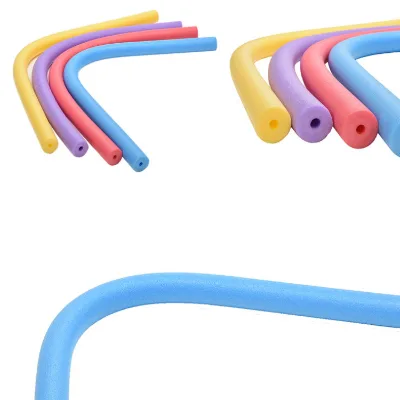
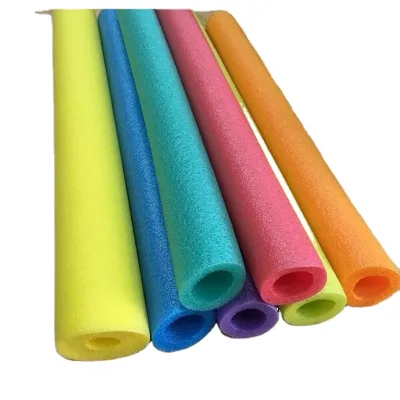
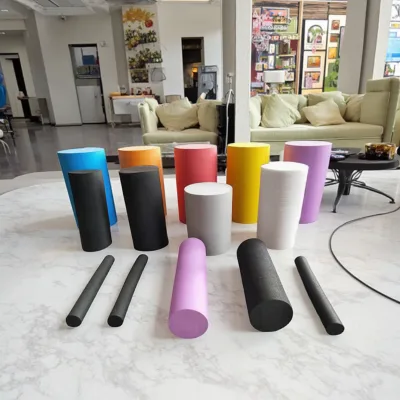
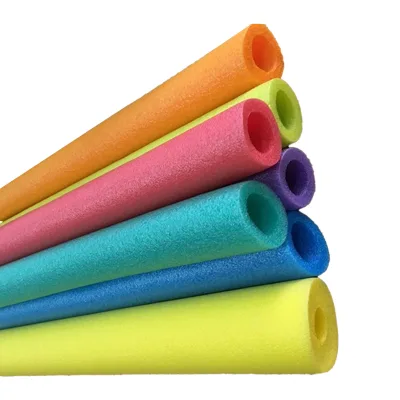
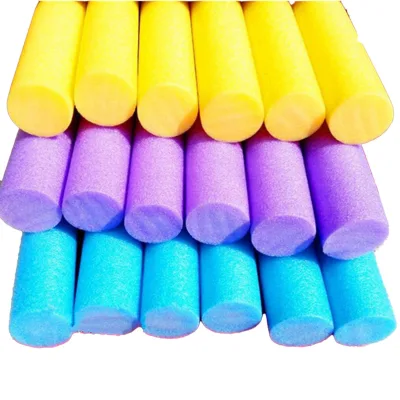
Custom Eco-Friendly Insulation Cylinder Shape Packaging Protection Hollow Color EPE Foam Tube
$0.5168 - $0.8269
MOQ: 500 pieces
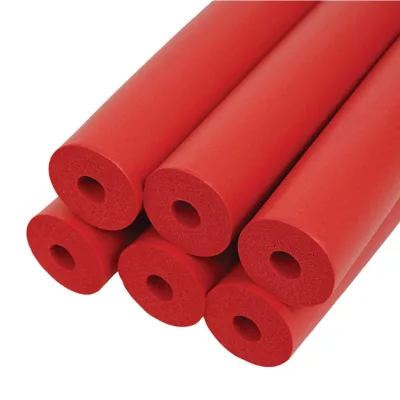
$0.15 - $0.35
MOQ: 1000 pieces

Dongguan Langboo Sponge Product Co., Ltd.
- Manufacturer, Trading Company
- Guangdong, China
- Lead time15 days
- Avg. response≤ 2h
Main productspackage,toy,gift,pu foam,sponge
Main marketsNorth America(30.00%), Eastern Europe(15.00%), South Asia(10.00%), Southern Europe(10.00%), Southeast Asia(10.00%), South America(10.00%), Africa(5.00%), Western Europe(5.00%), Northern Europe(3.00%), Mid East(2.00%)
Dongguan Dongwei Packaging Products Co., Ltd.
- Manufacturer, Trading Company
- Guangdong Province, China
- Lead time25 days
- Avg. response≤ 13h
Main productseva foam sheet,packaging foam,Foam insert,box insert,epe foam
Main marketsNorth America(30.00%), Mid East(10.00%), Africa(10.00%), Domestic Market(5.00%), South Asia(5.00%), Southern Europe(5.00%), Northern Europe(5.00%), Central America(5.00%), Western Europe(5.00%), Eastern Europe(5.00%), Oceania(5.00%), South America(5.00%), Southeast Asia(5.00%)

Milesun Rubber & Plastic Technology Co., Ltd.
- Verified by CTI
- Manufacturer/Factory
- China Guangdong
- Lead time23 days
- Avg. response≤ 12h
Main productsRubber Components, Rubber Damper/Shock Absorber/Sheet, Rubber-Metal Components, Sealing Ring, Home Appliance Rubber and Metal Components, Power Tool Rubber and Metal Components, Auto Rubber and Metal Components, Sanitary Rubber and Metal Components, Kitchen Ware / Daily Use Rubber Products, Food Grade Rubber Products/Toy
Main marketsSouth America,Eastern Europe,Mid East,North America,Southeast Asia,Eastern Asia,Oceania,Western Europe,Africa
Shenzhen Denis Foam Products Co., Ltd.
- Verified by Intertek
- Trading Company
- Lead time10 days
- Avg. response≤ 2h
Main productsFoam Packaging Material, Foam Packaging Insert, Foam Knee Pads, Foam And Silicone Feet Pads, Foam Tape
Laizhou Shentang Chengxin Packing Plant
- Verified by TüVRheinland
- Manufacturer, Trading Company
- Lead time0 days
- Avg. response≤ 5h
Main productsBaby Mat, Epe Foam, Floating Watermat, Under Lay Foam, Aluminum Foil Backed Epe Foam
Main marketsDomestic Market(50%), North America(15%), South America(8%)

Hangzhou Haikuo Rubber and Plastic Products Co., Ltd.
- Trading Company
- China Zhejiang
- Lead time30 days
- Avg. response≤ 4h
Main productsRubber Hose, Hydraulic Hose, Air/Water Hose, Oil/Fuel Hose, Suction Hose, Layflat Hose, PVC Hose, PU Hose, Fitting, Hose Guard
Main marketsSoutheast Asia/ Mideast,Europe,North America
Dongguan Jinhui Packing Material Co., Ltd.
- Manufacturer
- Guangdong, China
- Lead time15 days
- Avg. response≤ 5h
Main productsEva foam,Eva pearl cotton,sponge
Main marketsDomestic Market(26.00%), Mid East(18.00%), Southeast Asia(16.00%), North America(8.00%), Northern Europe(7.00%), South Asia(6.00%), Central America(5.00%), South America(4.00%), Southern Europe(3.00%), Western Europe(2.00%), Eastern Europe(2.00%), Oceania(2.00%), Eastern Asia(1.00%)
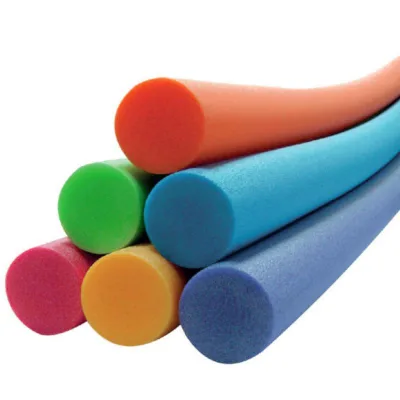
Sponge Tube Sleeve Packaging Insert Protective Hollow Rubber Polyethylene Epe Foam Tubes
$0.07 - $1.40
MOQ: 500 Minimum
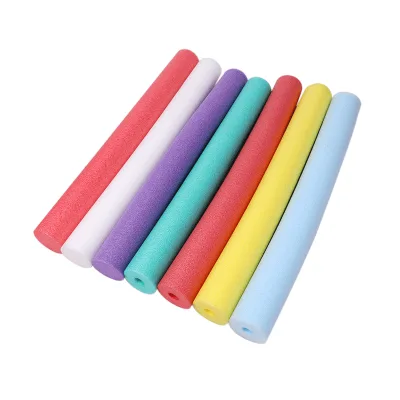
EPE Foam Tube Pearl Cotton Round Tube Foam Shock Protection Tube Wholesale OEM Pearl Foam Stick
$0.04 - $1.40
MOQ: 500 Minimum
Dongguan Dake Plastic Products Co., Ltd.
- Manufacturer
- Guangdong, China
- Lead time7 days
- Avg. response≤ 3h
Main productsCrawling mat,The floating plate,IXPE Foam; EVA Foam; EPE Foam,Water Floating Mat
Main marketsOceania(100.00%), Africa(100.00%), South Asia(100.00%), Southern Europe(100.00%), Northern Europe(100.00%), Central America(100.00%), Mid East(100.00%), Eastern Europe(100.00%), Eastern Asia(50.00%), Domestic Market(30.00%), North America(5.00%), Southeast Asia(5.00%), Western Europe(5.00%), South America(5.00%)

Hebei Shengwei New Material Group Co., Ltd
- Verified by SGS
- Combined
- China Hebei
- Lead time15 days
- Avg. response≤ 14h
Main productsRock Wool, Glass Wool, Rubber Foam
Main marketsDomestic


Silicone Rubber Foam Tube Silicone Foam Tubing Pipe Rubber Foam Insulation Tube
$0.45 - $0.80
MOQ: 100 Meters


$0.45 - $0.80
MOQ: 100 Meters

Factory Customized Multi Colors EVA Silicone Foam Tubes Round Elastic Rubber Foam Sponge Tubes
$0.45 - $0.80
MOQ: 100 Meters

Dongguan Tongyuan Intelligent Equipment Co., Ltd.
- Verified by TUVRHEINLAND
- Combined
- China Guangdong
- Lead time15 days
- Avg. response≤ 1h
Main productsCorner Protector, Soft-Style Children's Baseball Bat, Manufacturing of NBR Foam Products, NBR Foam Product Manufacturing with ODM and OEM, Precision Machining of EVA Material, Precision Finishing of Sponge Materials, Precision Finishing of PU Foam Material
Main marketsDomestic
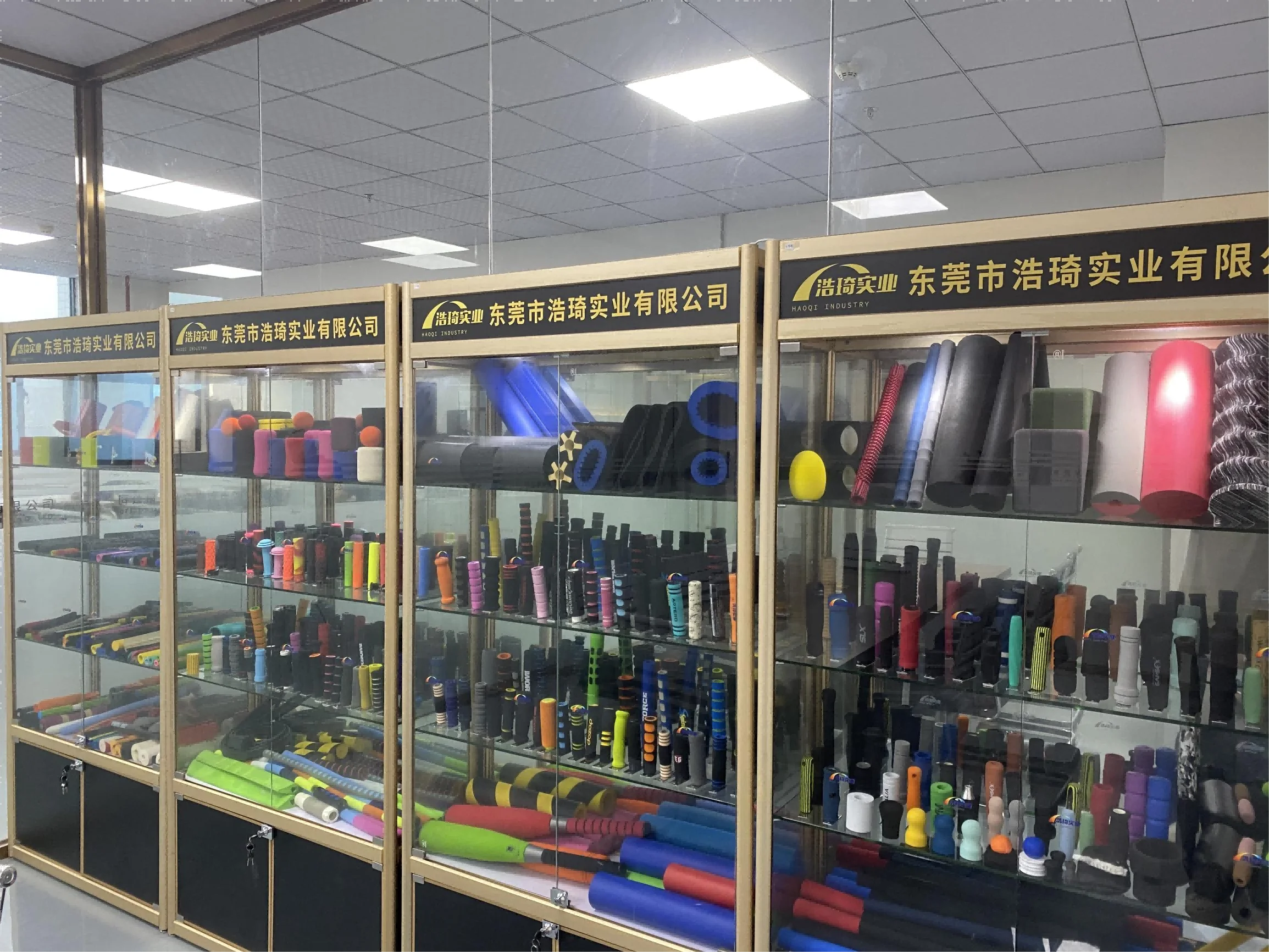
Dongguan Haoqi Industrial Co., Ltd.
- Manufacturer, Trading Company
- Guangdong, China
- Lead time7 days
- Avg. response≤ 3h
Main productsGRIPS,FOAM GRIPS,SILICONE GRIPS,RUBBER GRIPS,FOAM TUBE
Main marketsCentral America(30.00%), Eastern Europe(20.00%), Southeast Asia(20.00%), Southern Europe(13.00%), South America(10.00%), North America(5.00%), Western Europe(2.00%)

KAIPING FEILIYANG PACKING MATERIALS CO., LTD.
- Verified by CTI
- Trading Company
- China Guangdong
- Lead time15 days
- Avg. response≤ 9h
Main productsFruit Foam Net, Plastic Grape Bags, Paper Grape Bags, Fruit Protection Paper Bags, Backer Rods, Foam Sheets, Packing Material for Fresh Mangos, Cushion, Extrusion Foam, Backer Rod
Main marketsSouth America,Southeast Asia/ Mideast,Europe,Australia,North America


High Quality Fruit EPE Plastic Foam Tube Packaging Protect Foam Sleeve
$0.01 - $0.03
MOQ: 20000 Pieces

Qingdao Maxcool International Trading Co., Ltd.
- Trading Company,Manufacturer/Factory
- China Shandong
- Lead time23 days
- Avg. response≤ 9h
Main productsCopper Tube, Copper Pipe Coil, Condensers and Evaporators, Filter Driers, Accumulators and Access Valves, Fan and Motors, Aluminum Tubes Coils Foil, Steel Pipes Fittings, Copper Fittings, Insulation Tubes and Kits
Main marketsSouth America,Eastern Europe,Mid East,North America,Southeast Asia,Eastern Asia,Oceania,Western Europe,Africa

- Trading Company
- China Shandong
- Lead time30 days
- Avg. response≤ 8h
Main productsTemperature Sensor
Main marketsSouth America,Europe,North America
Shenzhen Dongtai Sponge Product Co., Ltd.
- Verified by Intertek
- Manufacturer, Trading Company
- Lead time20 days
- Avg. response≤ 3h
Main productsPackaging Foam, EVA Foam, Foam Mat, Kneeling Foam, Foam Toys
Main marketsNorth America(43%), Western Europe(22%), Eastern Asia(20%)
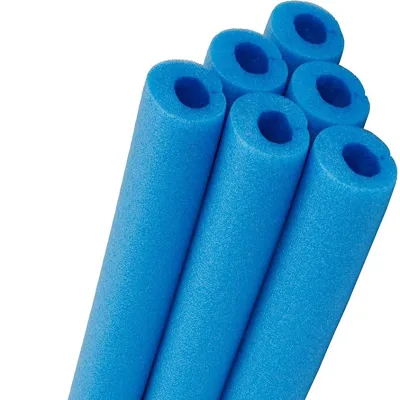
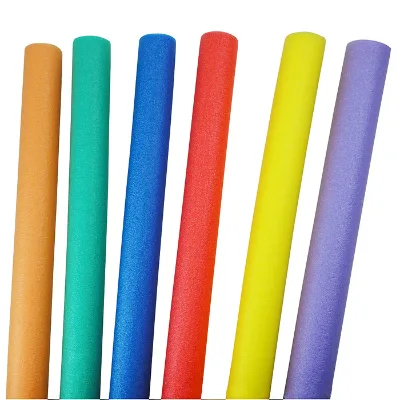
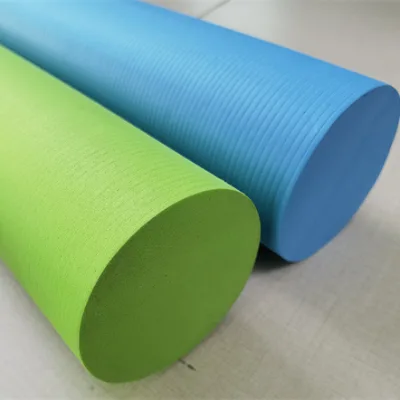
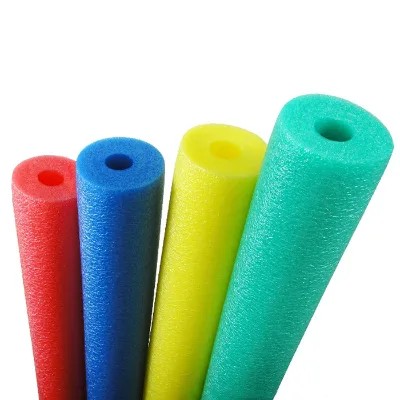
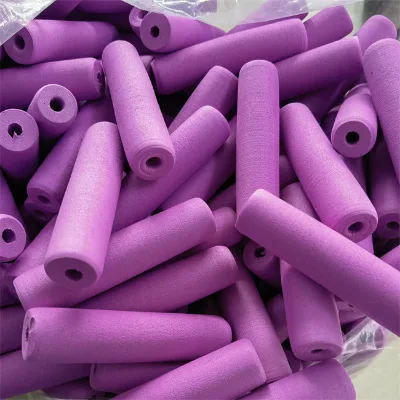
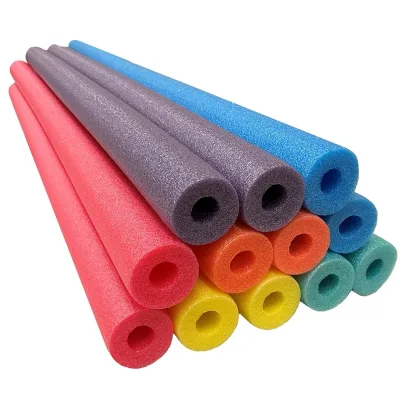
$0.11 - $0.25
MOQ: 3000 pieces
Qingdao Cairun Material Technology Co., Ltd.
- Verified by Intertek
- Manufacturer
- Lead time0 days
- Avg. response≤ 3h
Main productsThermal Insulation And Sound Insulation Rubber And Plastic Products
Qingdao Haiyibo Packaging Technology Co., Ltd.
- Manufacturer, Trading Company
- Shandong, China
- Lead time0 days
- Avg. response≤ 5h
Main productsBubble mailer,bubble wrap roll,Stand up cooler bags,aluminium foil bubble roll,stretch film
Main marketsNorth America(40.00%), South America(20.00%), Mid East(10.00%), Oceania(10.00%), Central America(10.00%), Southeast Asia(10.00%), Eastern Europe(10.00%), Domestic Market(5.00%), Southern Europe(5.00%), Western Europe(5.00%)










Comprehensive Sourcing Guide
Shock Proof Epe Foam Tube Supplier Concentration and Factory Types
The current supplier landscape for Shock Proof Epe Foam Tube reveals a distinct geographic and operational split that buyers must navigate carefully. Evidence indicates that manufacturing capabilities are concentrated in specific Chinese provinces, with Shandong and Guangdong emerging as primary hubs for this category. Suppliers located in Shandong often operate as either trading companies or manufacturer/factory entities, suggesting a mixed ecosystem where direct production and distribution channels overlap. This dual nature requires buyers to scrutinize the actual production capacity rather than relying solely on the company type label. In contrast, suppliers based in Guangdong, China, frequently present themselves as manufacturers or trading companies with a focus on EVA inner packaging, EPE materials, and plastic sheets. The presence of these specific main products alongside shock proof epe foam tubes indicates a specialized industrial cluster where material processing and custom molding are core competencies. Understanding this regional concentration helps buyers anticipate the types of machinery and expertise available, as Guangdong suppliers often highlight supply abilities measured in parcels per month or pieces per day, signaling high-volume production readiness.
Factory types vary significantly across these regions, influencing the buyer’s approach to engagement and quality assurance. Some suppliers explicitly list OEM capabilities, allowing for custom sizes, densities, and branding, which is critical for businesses requiring tailored protective packaging solutions. The distinction between a pure trading company and a manufacturer/factory is not always binary, as many entities in the results claim both roles. This hybrid model can offer flexibility in sourcing but may complicate direct communication regarding production timelines and quality control protocols. Buyers should recognize that suppliers offering a wide range of related products, such as foam sheets, inserts, and rolls, often possess integrated production lines that can handle complex orders efficiently. However, the presence of trading company labels alongside manufacturing claims necessitates verification of the actual factory floor capabilities. The concentration of suppliers in these specific locations suggests established supply chains for raw materials like PE and EVA, which are essential for producing durable, shock-absorbing foam tubes. Recognizing these patterns allows buyers to align their sourcing strategy with suppliers who have the structural capacity to meet their specific volume and customization needs.
How to Verify Shock Proof Epe Foam Tube Suppliers
Verifying the legitimacy and capability of Shock Proof Epe Foam Tube suppliers requires a multi-layered approach that goes beyond surface-level profile information. One of the most critical steps is to examine the system certifications and product-specific test results provided in the supplier data. For instance, some suppliers display ISO 9000 or ISO 9001 certifications, which indicate a baseline level of quality management system adherence. However, for packaging materials, additional certifications such as SGS verification, CE, ROHS, and REACH test results are often more relevant, especially if the foam tubes will be used in industries with strict regulatory requirements like food, medicine, or cosmetics. Buyers should actively request and review these certificates to ensure they are current and issued by recognized bodies. The presence of specific product attributes, such as density ranges or material compositions, should be cross-referenced with these certifications to confirm that the supplier’s claims are substantiated by independent testing. This verification process helps mitigate the risk of receiving substandard materials that fail to provide the necessary shock absorption or durability.
Beyond certifications, buyers must assess the supplier’s responsiveness and operational transparency to gauge their reliability. Response time metrics, such as those showing values of 1, 3, or 4.95, provide a quantitative measure of how quickly a supplier engages with inquiries. A faster response time often correlates with a more organized sales team and better customer service infrastructure, which is crucial for resolving issues during the procurement process. Additionally, buyers should look for evidence of customization capabilities, such as the ability to handle OEM designs, custom sizes, and specific printing requirements like silk-screen or heat transfer. Suppliers that explicitly state they accept customized designs and offer sample processing demonstrate a higher level of operational flexibility. It is also advisable to verify the supply ability claims, such as the number of parcels per month or pieces per day, to ensure the supplier can meet your volume requirements. By combining certification checks with an evaluation of responsiveness and customization evidence, buyers can build a more accurate picture of a supplier’s true capabilities and reliability.
What to Compare Across Shock Proof Epe Foam Tube Suppliers
When evaluating multiple suppliers for Shock Proof Epe Foam Tube, buyers should systematically compare key operational metrics to identify the most suitable partner for their specific needs. Lead time is a critical factor, with some suppliers indicating a lead time of 3 days, while others may require up to 45 days. This variance can significantly impact inventory management and project timelines, making it essential to align supplier lead times with your production schedule. Similarly, the minimum order quantity (MOQ) varies widely, ranging from as low as 1 unit to 20,000 units. Buyers with smaller initial orders or those testing new markets may prefer suppliers with lower MOQs, whereas large-scale manufacturers might seek out suppliers capable of handling high-volume orders with competitive pricing structures. Comparing these metrics side-by-side allows buyers to filter out suppliers who do not meet their basic logistical requirements, streamlining the selection process.
Price and customization options are equally important dimensions for comparison. The price range for Shock Proof Epe Foam Tube can vary from $0.09 to $2.56 per unit, depending on factors such as material type, density, and order volume. Buyers should analyze these price points in conjunction with the MOQ to determine the true cost efficiency of each supplier. Additionally, the availability of customization services, such as custom colors, sizes, and branding, should be evaluated against your product specifications. Some suppliers offer extensive customization options, including specific density ranges and surface treatments, while others may have more limited offerings. By comparing these attributes across different suppliers, buyers can identify those that offer the best balance of cost, flexibility, and quality. It is also important to consider the supplier’s main products and expertise; those specializing in EPE and EVA packaging may provide more specialized solutions than generalist suppliers. This comprehensive comparison ensures that buyers select a supplier who can deliver the right product at the right price and time.
Common Shock Proof Epe Foam Tube Sourcing Risks
Sourcing Shock Proof Epe Foam Tube from international suppliers introduces several risks that buyers must proactively manage to ensure a smooth procurement process. One significant risk is the discrepancy between claimed and actual product specifications, particularly regarding material density and shock absorption capabilities. While suppliers may list attributes such as density ranges or material types like PE or EVA, these claims must be verified through physical samples and independent testing. Without proper verification, buyers risk receiving products that do not meet their protective requirements, leading to potential damage to goods during transit. Another risk is the variability in lead times, which can be affected by raw material shortages, production bottlenecks, or logistical delays. Suppliers may quote short lead times, but actual delivery may take longer, disrupting supply chains and causing downstream delays. Buyers should establish clear communication channels and request regular updates on production status to mitigate this risk.
Quality control and consistency are also major concerns, especially when dealing with multiple suppliers or large orders. Variations in manufacturing processes can lead to inconsistencies in product quality, such as differences in tube thickness, hardness, or color. This is particularly relevant for suppliers offering customized products, where maintaining consistency across batches is challenging. Additionally, the risk of non-compliance with international standards and regulations cannot be overlooked. Suppliers may claim certifications like ISO or SGS, but these must be valid and applicable to the specific products being purchased. Buyers should verify the scope of these certifications and ensure they cover the relevant safety and environmental standards. Furthermore, the risk of intellectual property infringement exists when working with suppliers who offer OEM services. Buyers must ensure that their designs and branding are protected and that the supplier adheres to confidentiality agreements. By identifying and addressing these risks early in the sourcing process, buyers can minimize disruptions and ensure the successful delivery of high-quality shock proof epe foam tubes.
Shock Proof Epe Foam Tube Regional Sourcing and Logistics
The geographic location of suppliers plays a pivotal role in determining logistics costs, lead times, and overall supply chain efficiency for Shock Proof Epe Foam Tube. Suppliers located in China, particularly in provinces like Shandong and Guangdong, offer distinct logistical advantages due to their proximity to major shipping ports and established manufacturing infrastructure. Guangdong, for instance, is home to the Port of Shenzhen, which facilitates efficient export operations and reduces transit times to international destinations. Buyers sourcing from this region can benefit from faster shipping options and potentially lower freight costs, especially for orders destined for Asia, Europe, or North America. However, it is essential to consider the specific port of dispatch listed by the supplier, as this can impact the final delivery timeline and cost. Understanding the logistical landscape of these regions allows buyers to make informed decisions about which suppliers to engage with based on their destination markets.
Logistics planning also involves evaluating the supplier’s packaging and handling capabilities, which can affect the safety and efficiency of transportation. Some suppliers provide detailed packaging details, such as using poly bags and cartons, which are standard for protecting foam tubes during transit. Buyers should ensure that the packaging methods used by the supplier are robust enough to prevent damage during shipping, especially for long-distance deliveries. Additionally, the supplier’s ability to handle customized packaging requirements can be a significant advantage, allowing for optimized container loading and reduced shipping costs. Buyers should also consider the impact of regional trade policies and tariffs on their sourcing strategy. Suppliers in China may be subject to different trade regulations compared to those in other regions, which can affect the final landed cost of the products. By carefully analyzing the logistical implications of sourcing from different regions, buyers can optimize their supply chain for cost, speed, and reliability.
Shock Proof Epe Foam Tube Commercial Terms and Order Planning
Effective order planning for Shock Proof Epe Foam Tube requires a thorough understanding of the commercial terms offered by suppliers, including payment conditions, warranty policies, and after-sales support. Buyers should carefully review the supplier’s terms regarding order confirmation, production schedules, and delivery commitments. Some suppliers may require a deposit before production begins, while others might offer more flexible payment terms for repeat customers. It is crucial to negotiate terms that align with your cash flow and risk tolerance, ensuring that you have adequate protection in case of delays or quality issues. Additionally, buyers should inquire about the supplier’s policy on defective products and returns, as this can significantly impact the overall cost of procurement. Clear communication regarding these commercial terms helps establish a transparent and trustworthy business relationship, reducing the likelihood of disputes during the order fulfillment process.
Order planning also involves forecasting demand and aligning it with the supplier’s production capacity and lead times. Buyers should consider the seasonal fluctuations in demand and plan their orders accordingly to avoid stockouts or excess inventory. Working with suppliers who have a proven track record of meeting lead times and maintaining consistent quality is essential for reliable supply chain management. Buyers should also explore opportunities for long-term partnerships, which can lead to better pricing, priority production slots, and improved customer service. By integrating commercial terms and order planning into their sourcing strategy, buyers can optimize their procurement process for efficiency and cost-effectiveness. This holistic approach ensures that buyers not only secure the right products but also establish a sustainable and resilient supply chain for their Shock Proof Epe Foam Tube needs.
FAQs
What is the price range for shock proof EPE foam tubes?
Prices typically range from $0.09 to $2.56 per unit depending on specifications. Minimum order quantities vary significantly, starting at 2,000 units for some products and reaching 20,000 units for others. Buyers should verify exact pricing based on custom dimensions and material density requirements before placing orders.
What certifications are available for EPE foam packaging tubes?
Suppliers offer various certifications including ISO 9001, ISO, SGS, CE, ROHS, and REACH test results. Some manufacturers also comply with IEC 62321 and EN 14582 standards. Buyers should request specific certification documents to ensure the materials meet international safety and quality requirements for their intended application.
How long does production take for custom EPE foam tubes?
Lead times generally range from 3 to 45 days depending on the supplier and order complexity. Some manufacturers in Guangdong offer faster turnaround times of 3 to 5 days, while others may require up to 45 days. Buyers should confirm specific production schedules with suppliers to align with their delivery deadlines.
Can EPE foam tubes be customized for specific applications?
Yes, customization is widely available for size, color, density, and shape. Suppliers offer OEM services and accept custom designs for protective packaging, yoga rollers, and toys. Materials like EVA and EPE can be tailored to specific hardness levels and thicknesses ranging from 1 to 30mm for various industrial uses.
Where are EPE foam tube manufacturers located?
Manufacturers are primarily located in China, specifically in Shandong and Guangdong provinces. Guangdong suppliers often dispatch from Shenzhen port. Buyers can source from both trading companies and direct manufacturers in these regions to find suitable suppliers for their packaging needs.
What is the typical response time for EPE foam suppliers?
Response times vary, with some suppliers responding within 1 hour and others taking up to 4.95 hours. Faster response times are often associated with manufacturers in Guangdong. Buyers should prioritize suppliers with quick response times to ensure efficient communication during the sourcing and negotiation process.