Shock Resistance PE Protective Film Suppliers and Manufacturers
Compare 22 verified suppliers offering Shock Resistance PE Protective Film with varying lead times, MOQs, and certifications like ISO 9001. Review product specs such as thickness and peel strength to select the right factory for your packaging needs; review the available evidence before requesting comparable quotations from suitable candidates.
Updated
Suppliers List

Qingdao Greenway Industrial Limited
- Trading Company,Manufacturer/Factory
- China Shandong
- Lead time23 days
- Avg. response≤ 20h
Main productsNonwoven Fabric, Net Mesh for Abrasive Net, Loop /Fastening Fabric, Tricot Fabric, Abrasive Back Cloth
Main marketsSouth America,Eastern Europe,Mid East,North America,Southeast Asia,Eastern Asia,Western Europe,Africa

Linqu Jiaxing Plastic Co., Ltd.
- Verified by TUVRHEINLAND
- Combined
- China Shandong
- Lead time15 days
- Avg. response≤ 2h
Main productsPE Film, PE Protective Film, Pet Release Film, Pet Protective Film
Main marketsSoutheast Asia/ Mideast,East Asia(Japan/ South Korea),North America

- Verified by TUVRHEINLAND
- Combined
- China Jiangsu
- Lead time23 days
- Avg. response≤ 12h
Main productsFilm, Tape, Plastic Film, Protective Film, Protection Tape, PE Protective Film, PE Protection Tape, Adhesive Tape, Double Sided Tape, Double Sided Foam Tape
Main marketsEast Asia(Japan/ South Korea),Domestic,Europe,Australia,North America
- Manufacturer, Trading Company
- Fujian, China
- Lead time15 days
- Avg. response≤ 5h
Main productsPlastic Film,Plastic Bag
Main marketsNorth America(38.02%), Domestic Market(33.34%), Oceania(9.08%), Southeast Asia(8.94%), Western Europe(4.93%), Africa(2.20%), Northern Europe(1.91%), Central America(1.09%), Eastern Asia(0.49%)
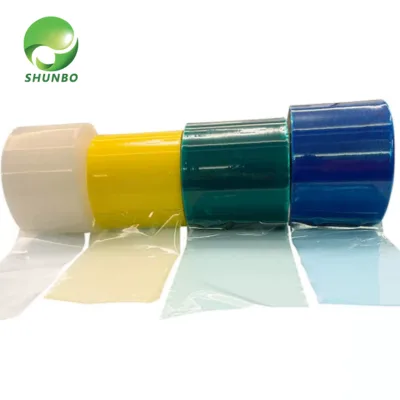
Dongguan Shunbo Packaging Materials Co., Ltd
- Trading Company
- Guangdong, China
- Lead time30 days
- Avg. response≤ 4h
Main productsprotective film,tape,package,print,Conductive Tape
Main marketsDomestic Market(50.00%), North America(50.00%)

Wuxi Sanli Protective Film Co., Ltd.
- Verified by TUVRHEINLAND
- Combined
- China Jiangsu
- Lead time23 days
- Avg. response≤ 3h
Main productsProtective Film, Protection Film, Carpet Protection Film, Sandwich Panel Protective Film, Aluminum Panel Protection Film, Stainless Steel Protection Flm, Protection Tape, Glass Protective Film, Floor Protective Film, Protector Film
Main marketsSouth America,Southeast Asia/ Mideast,Domestic,Europe,Australia,North America
- Verified by TüVRheinland
- Manufacturer, Trading Company
- Guangdong, China
- Lead time7 days
- Avg. response≤ 2h
Main productsDouble Sided Tape, Nano Magic Tape, Cat Training Tape, Waterproof Seal Tape, Single Sided Tape
Main marketsNorth America(40%), Domestic Market(8%), Northern Europe(7%)
Yangzhou Lionye Technology Co., Ltd.
- Trading Company
- Jiangsu, China
- Lead time30 days
- Avg. response≤ 3h
Main productsTape,Rope,Film,Paper Mill Accessary,Hardware
Main marketsSouth America(30.00%), Eastern Europe(30.00%), North America(15.00%), Northern Europe(10.00%), Southeast Asia(10.00%), Domestic Market(5.00%)
Haining Zhongcheng Plastic Industry Co., Ltd.
- Manufacturer
- Zhejiang, China
- Lead time5 days
Main productsPe Protective Film,PE film,Protective film,Pe Protective Film,PE film
Main marketsDomestic Market(70.00%), North America(10.00%), Mid East(10.00%), Southeast Asia(10.00%)
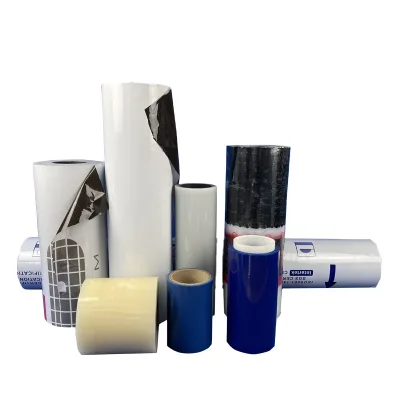
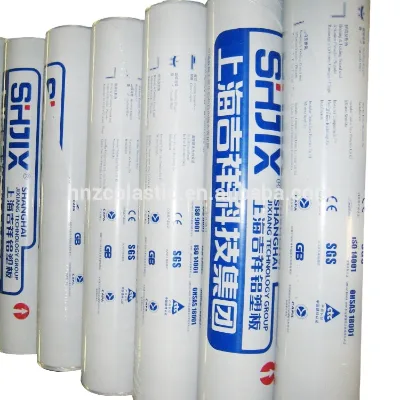
Temporary Surface Against Damage Self Adhesive Pe Blue Stainless Steel Protective Film
$0.1047
MOQ: 1000 Minimum
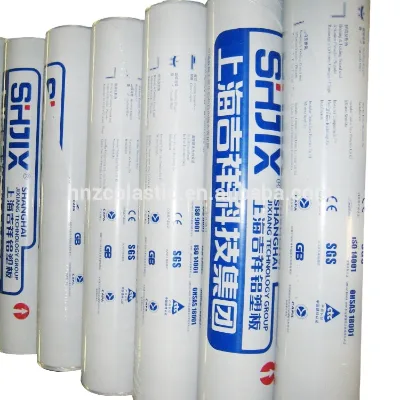
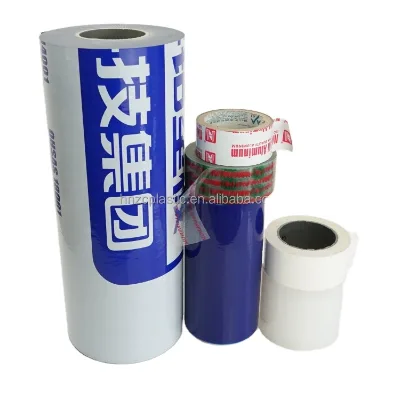
Printed With Your logo Anti Damage Pe Surface Protective Film for Aluminium Profiles
$0.10
MOQ: 1000 square
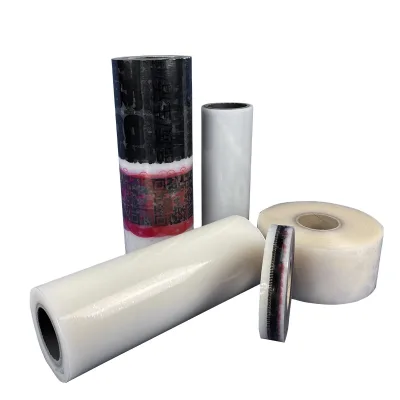
Professional Plastic Polyethylene Anti Scratch Pe Print Films Protective Film for PVC
$0.1027
MOQ: 1000 Minimum
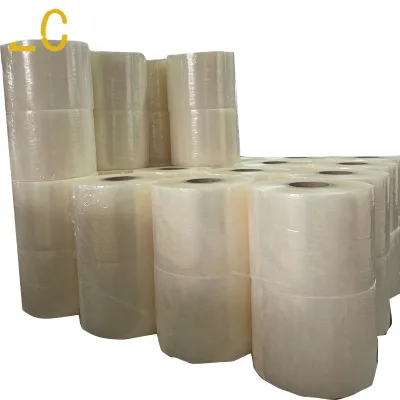
Hot Selling Temporary Adhesive Roll PE Protective Film for Aluminium Window Scratch Resistant
$0.1027
MOQ: 1000 Minimum
Factory Price Professional Pe Plastic Transparent Protective Film for Window and Glass
$0.1027
MOQ: 1000 Minimum
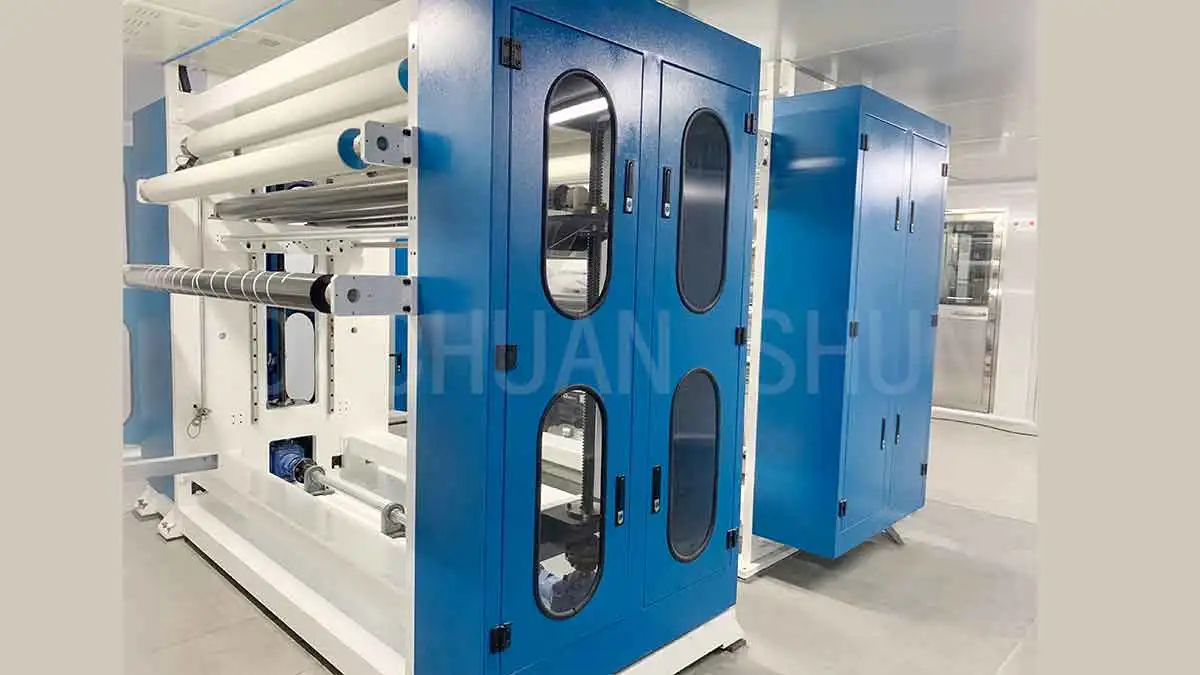
Foshan Ao Chuan Shun New Materials Industry Co., Ltd.
- Manufacturer, Trading Company
- Guangdong, China
- Lead time7 days
- Avg. response≤ 6h
Main productsPET Protective Film, BOPP Film, DTF Film, PE Film, PI Tape
Main marketsSoutheast Asia(20.00%), North America(15.00%), South Asia(10.00%), Eastern Asia(8.00%), Eastern Europe(8.00%), Southern Europe(6.00%), South America(5.00%), Western Europe(5.00%), Central America(5.00%), Northern Europe(5.00%), Africa(5.00%), Mid East(5.00%), Oceania(3.00%)
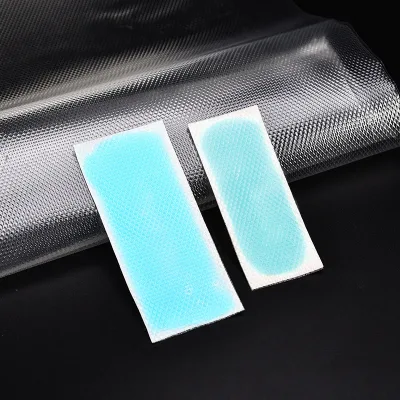
$0.2872 - $0.3276
MOQ: 1000 square
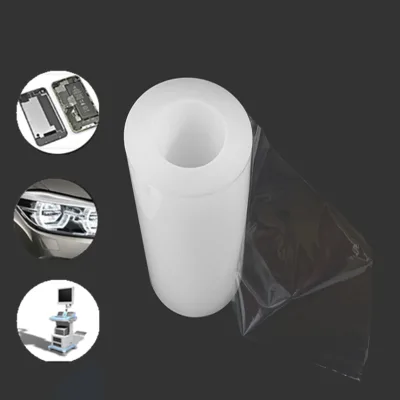
China Manufacturer Moistureproof Easy Sticking PE Plastic Protective Film for Electronic
$0.16 - $0.22
MOQ: 1000 square
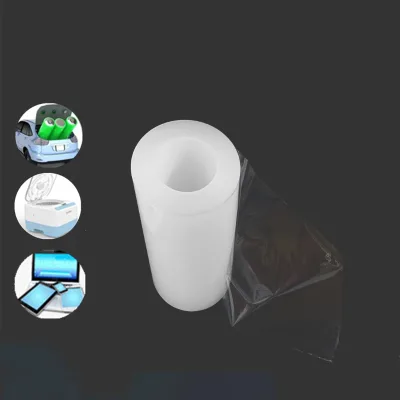
Best Sale High Temperature Resistant PE Plate Film Protective Film Roll for Electronic
$0.1661 - $0.2289
MOQ: 1000 square
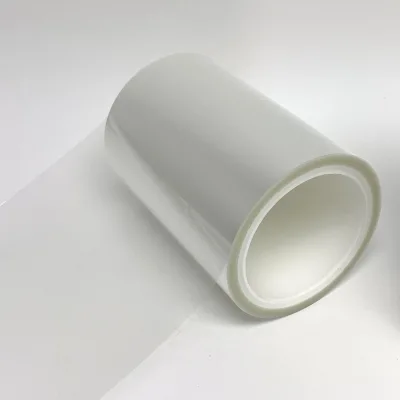
JIANGXI YONGGUAN TECHNOLOGY DEVELOPMENT CO., LTD.
- Verified by TüVRheinland
- Manufacturer, Trading Company
- Lead time20 days
- Avg. response≤ 4h
Main productsSelf Adhesive Vinyl, PP Sticker, Transfer Tape, Automotive Film, Protection Film
Main marketsDomestic Market(44%), South Asia(18%), Southeast Asia(10%)

Wuxi Wanfeng Protection Film Co., Ltd.
- Combined
- China Jiangsu
- Lead time15 days
- Avg. response≤ 2h
Main productsPE Protective Film, Pi Tape, Cold Seal Adhesive Tape, Thermal Release Tape
Main marketsDomestic
Foshan Chanjeou Technology Co., Ltd.
- Manufacturer
- Guangdong, China
- Lead time30 days
- Avg. response≤ 15h
Main productsaluminum profile extrusion line,thermal break assembly machine,PA66 GF25% strip extruder machine,wood grain transfer machine for aluminum,Polyamide strip for thermal barrier profile
Main marketsDomestic Market(50.00%), Southeast Asia(20.00%), Eastern Asia(10.00%), South Asia(10.00%), Eastern Europe(5.00%), Mid East(5.00%)
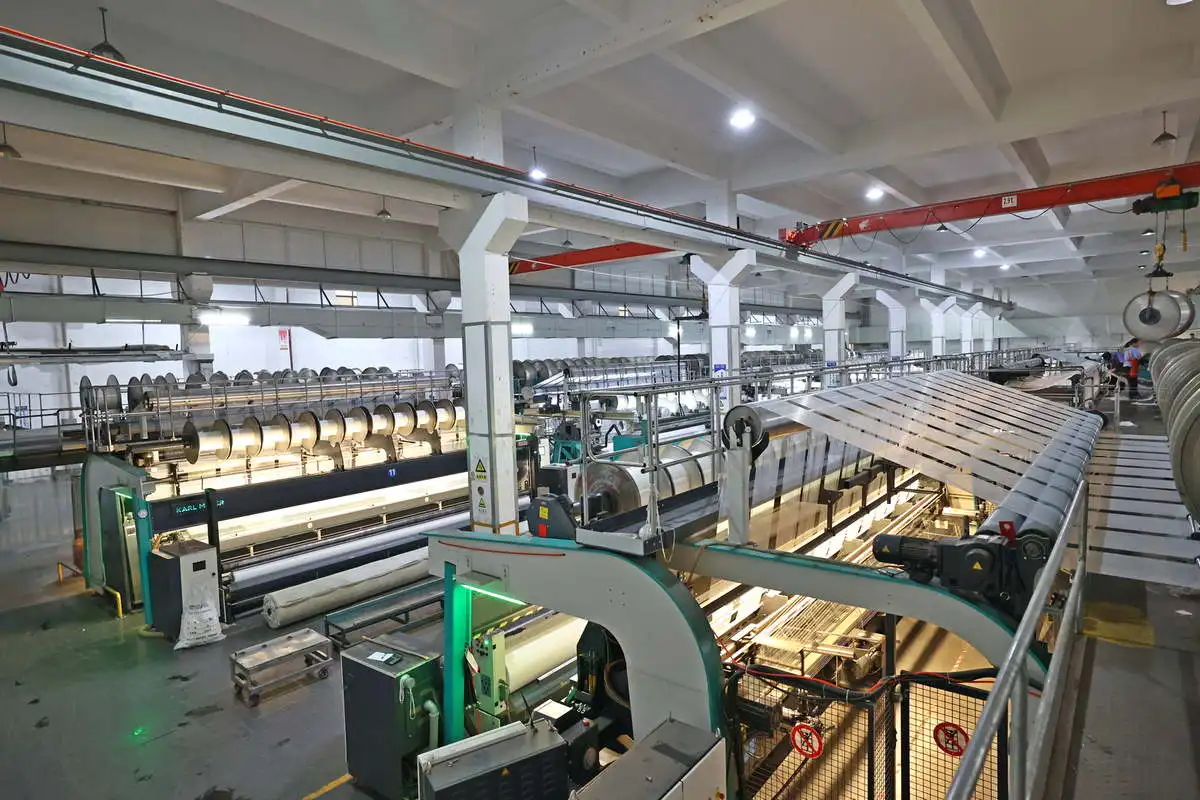
Haining Huali Industry And Commerce Co., Ltd.
- Manufacturer
- Zhejiang, China
- Lead time20 days
- Avg. response≤ 12h
Main productsWarp knitted fabric,Woven fabric,Industrial base fabric,PE Protection Film,PVC Decoration Film
Main marketsSouth Asia(30.00%), Mid East(30.00%), Domestic Market(10.00%), Southeast Asia(10.00%), Southern Europe(10.00%), North America(10.00%)
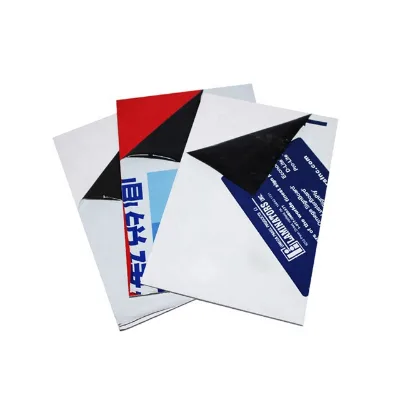
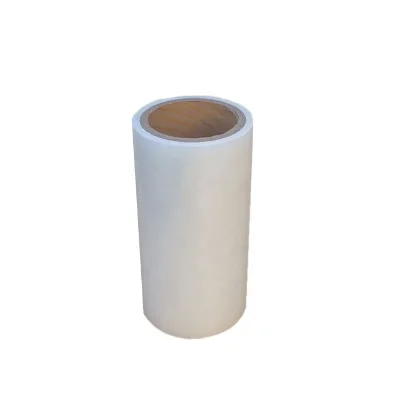
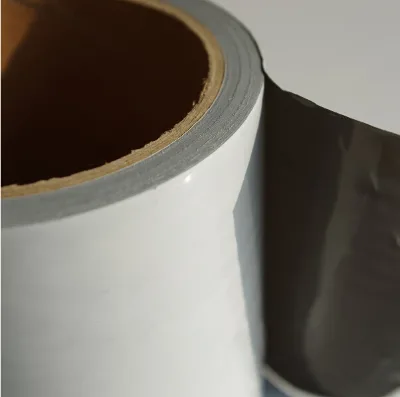
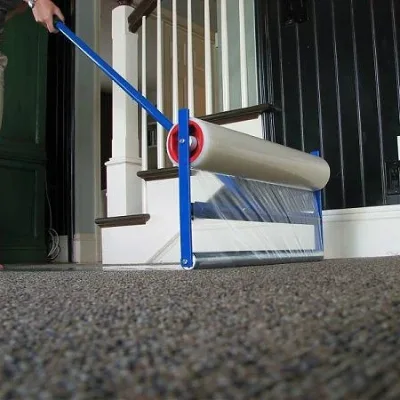
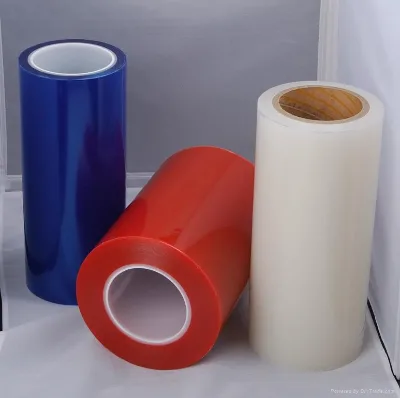
Customized Transparent Adhesion Surface Protective Film for Acrylic Sheet
$0.10 - $0.50
MOQ: 2000 Minimum
Henan Tianrun Film Technology Co., Ltd
- Verified by Intertek
- Manufacturer, Trading Company
- Lead time7 days
- Avg. response≤ 5h
Main productsPE Protective Film, Stretch Film
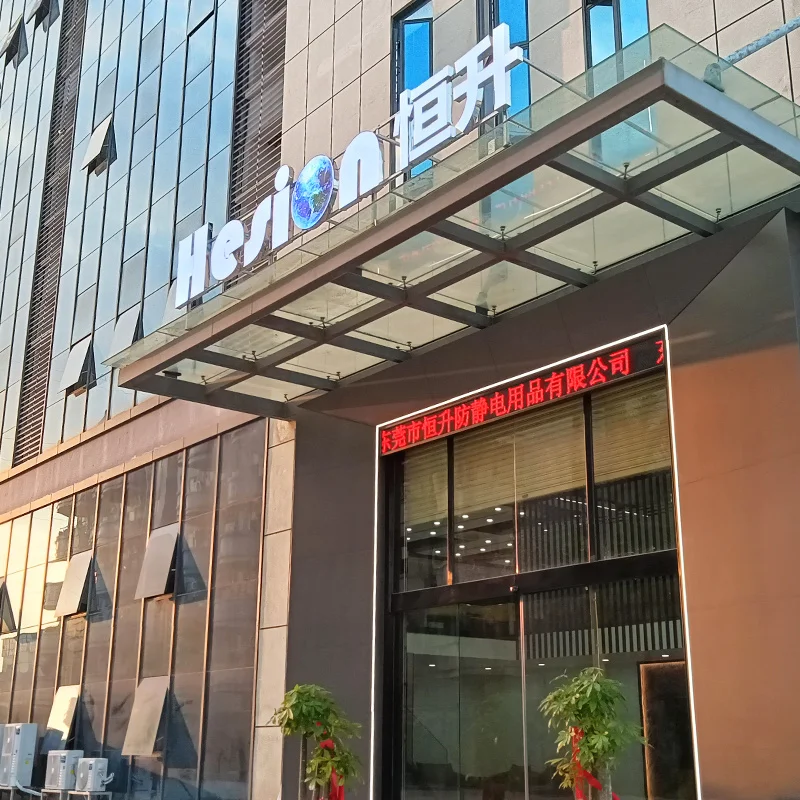
DongGuan Hesion Anti-Static Products Co., Ltd.
- Manufacturer, Trading Company
- guangdong, China
- Lead time30 days
- Avg. response≤ 4h
Main productsPlastic Film, Black Wafer Interleaf, ESD Grounding Strap, Conductive Film, ESD Pad
Main marketsSoutheast Asia(15.00%), Southern Europe(10.00%), Northern Europe(10.00%), Western Europe(10.00%), South Asia(10.00%), Mid East(10.00%), North America(10.00%), Eastern Europe(10.00%), South America(10.00%), Eastern Asia(5.00%)

QINGDAO HONOR FAITH PACKAGING TECHNOLOGY CO., LTD.
- Trading Company,Manufacturer/Factory,Group Corporation
- China Shandong
- Lead time15 days
- Avg. response≤ 18h
Main productsFIBC, PP Woven Bag, Mesh Bag, Strech Film, Plastic Bag, Big Bag, Strapping Tape, Plastic Nets, Net Bag, Plastic Rope
Main marketsSouth America,Eastern Europe,Mid East,North America,Southeast Asia,Eastern Asia,Western Europe,Africa

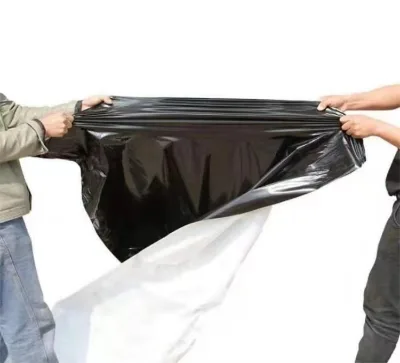
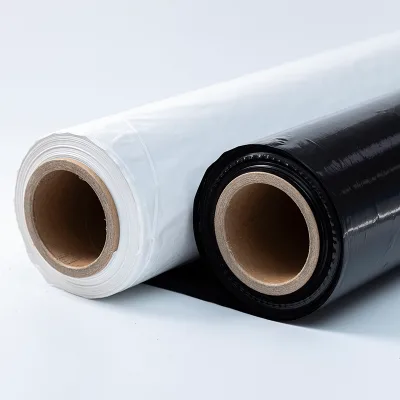
Black and White PE Protective Film for Surface Protection Hot Sale
$1.50 - $1.60
MOQ: 50 Square Meters

Black and White PE Protective Film for Surface Protection Hot Sell
$1.50 - $1.60
MOQ: 50 Square Meters
Laizhou Shentang Chengxin Packing Plant
- Verified by TüVRheinland
- Manufacturer, Trading Company
- Lead time0 days
- Avg. response≤ 5h
Main productsBaby Mat, Epe Foam, Floating Watermat, Under Lay Foam, Aluminum Foil Backed Epe Foam
Main marketsDomestic Market(50%), North America(15%), South America(8%)
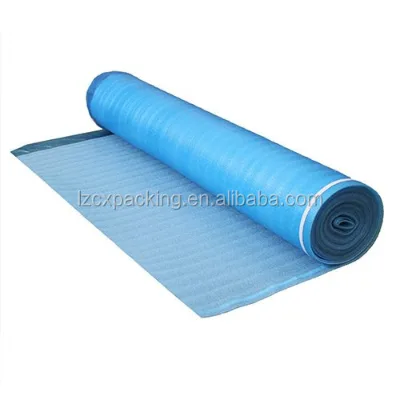
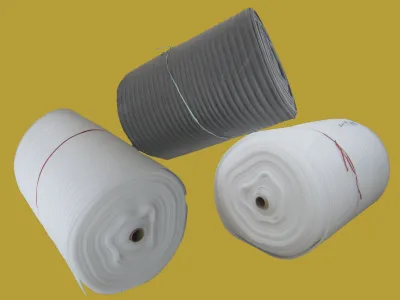
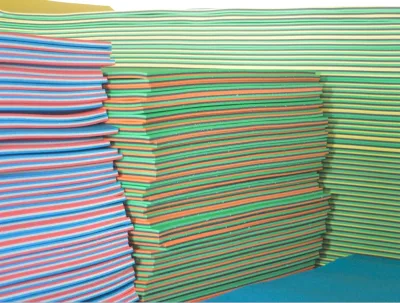
EPE Foam Blue Film Floor Reflective Anti-Vibration Compression Floor Reflective Film
$4.20 - $5.00
MOQ: 100
Zhangjiagang Billion Packaging Materials Co., Ltd.
- Verified by Intertek
- Manufacturer, Trading Company
- Lead time0 days
- Avg. response≤ 2h
Main productsAluminum Foil Bag, PE Bag, Plastic Bucket, Paper Bucket
Main marketsDomestic Market(70%), North America(10%), Southeast Asia(5%)
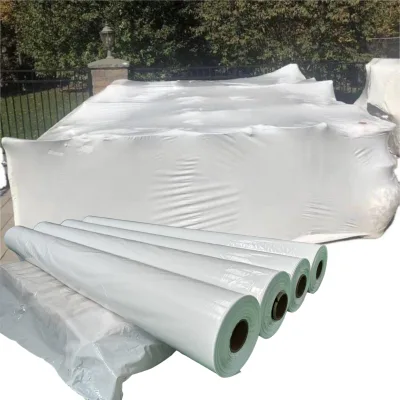
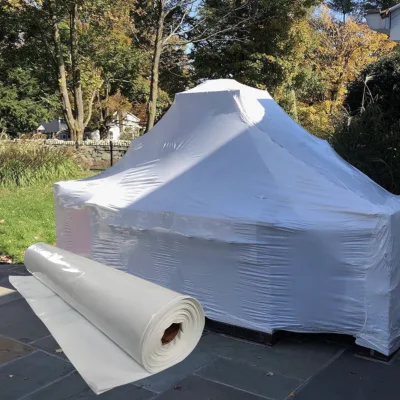
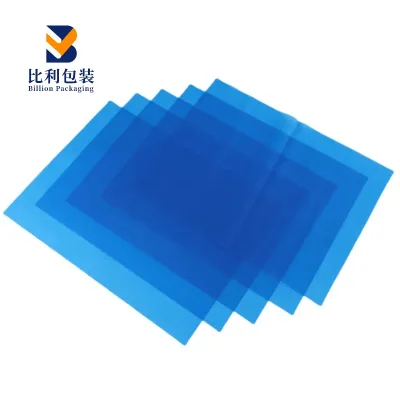
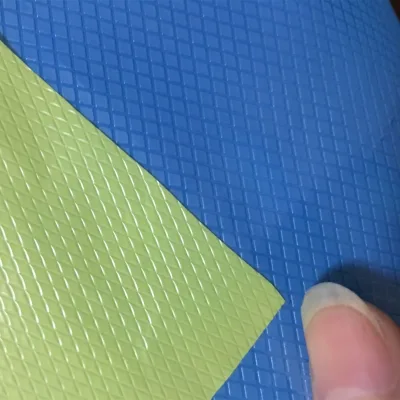
Hot Sale Export Quality PE Textured Film Metal Plastic Surface Anti Scratch
$0.07 - $0.11
MOQ: 10000 Minimum
Qingdao Xinqier Industry And Trade Co., Ltd
- Manufacturer, Trading Company
- Shandong, China
- Lead time10 days
- Avg. response≤ 4h
Main productsBUBBLE CUSHION WRAP,EPE FOAM,BUBBLE MAILER,BUBBLE BAG,EPE BAG
Main marketsDomestic Market(30.00%), North America(20.00%), South America(10.00%), Southern Europe(10.00%), Eastern Europe(10.00%), Africa(5.00%), Western Europe(5.00%), Oceania(5.00%), Southeast Asia(5.00%)
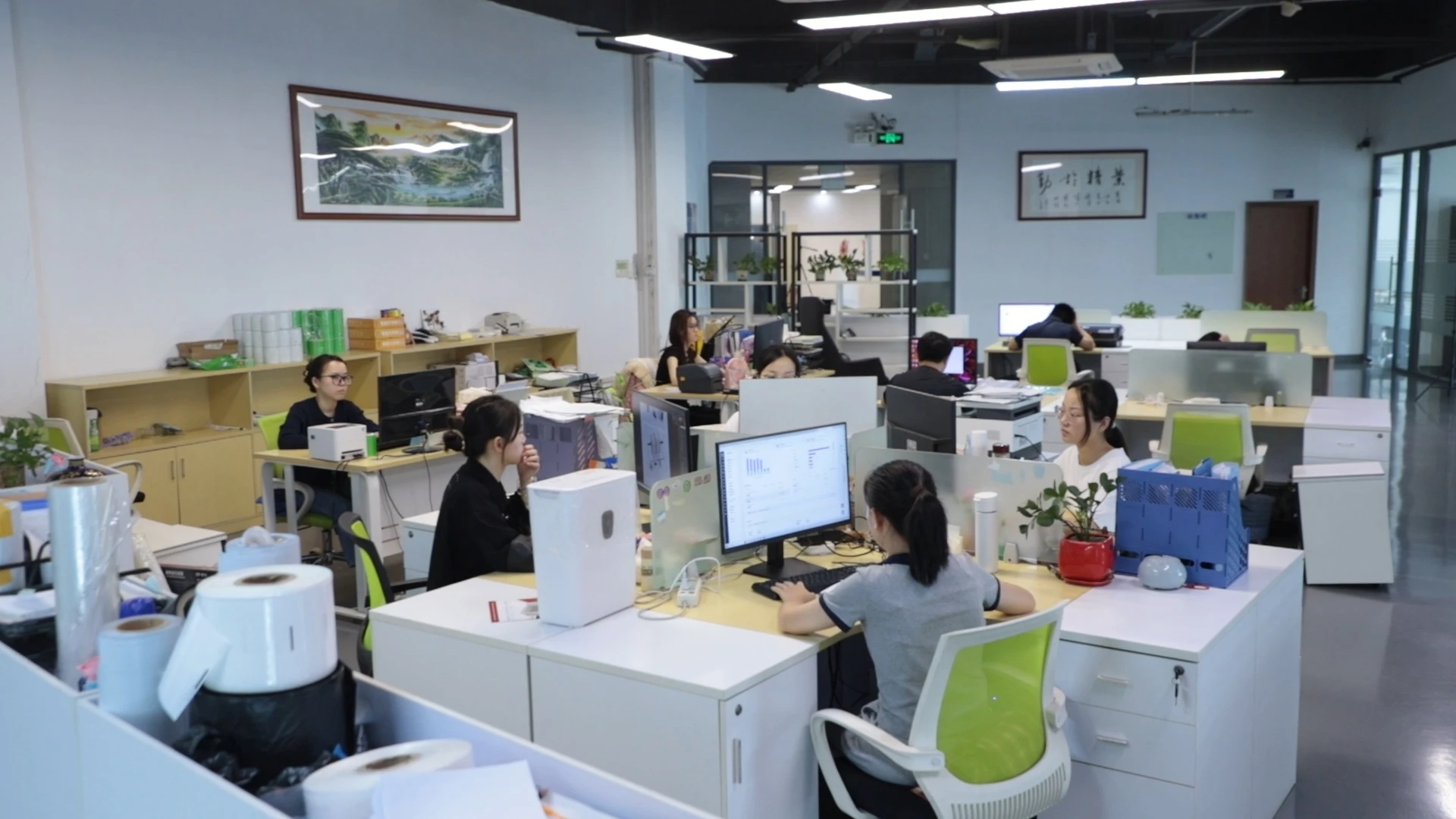
Shenzhen Lianqi Packing Material Co., Ltd.
- Manufacturer, Trading Company
- Guangdong, China
- Lead time7 days
- Avg. response≤ 5h
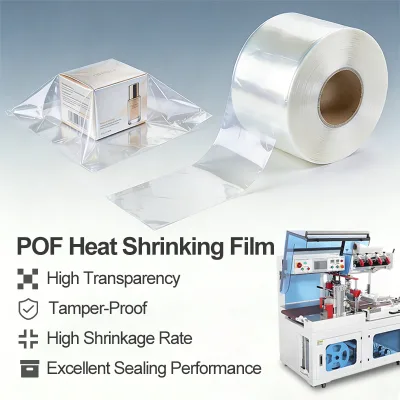
Main productsShipping Bag, Auto Rolle Bag, Packing Bag, Bubble Bag, Pof Film
Main marketsNorth America(30.00%), Eastern Asia(30.00%), Africa(10.00%), Southeast Asia(10.00%), South America(5.00%), Northern Europe(5.00%), Eastern Europe(5.00%), Mid East(5.00%)
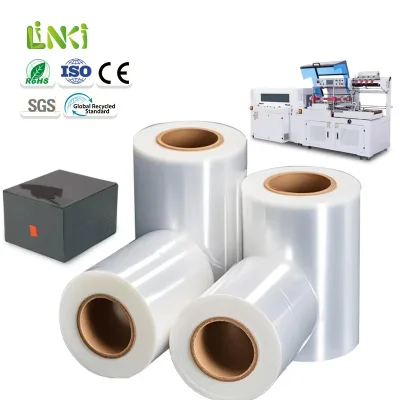
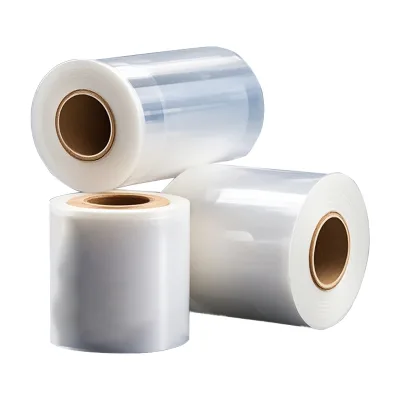
New Design Polyolefin Shrink Film With Great Price
$1.85 - $2.20
Jiangsu Hongyuan New Material Science & Technology Co., Ltd.
- Manufacturer, Trading Company
- Jiangsu, China
- Lead time10 days
- Avg. response≤ 1h
Main productsTPU Film,TPEE Film,Nylon Film
Main marketsDomestic Market(95.00%), Southeast Asia(4.00%), South Asia(1.00%)






Comprehensive Sourcing Guide
Shock Resistance PE Protective Film Supplier Concentration and Factory Types
The current supplier landscape for Shock Resistance PE Protective Film reveals a distinct concentration of manufacturing and trading entities within specific industrial regions. Based on the available data, a significant portion of these suppliers is located in China, with Shandong province emerging as a notable hub for this type of production. This geographic clustering suggests that buyers seeking these materials will likely encounter a dense network of factories and trading companies operating in this area. The presence of such a cluster implies that logistics infrastructure and supply chain ecosystems are already established to support the movement of raw materials like PE resin and the distribution of finished protective films. Buyers should recognize that sourcing from this region may offer advantages in terms of supplier density and specialized industry knowledge, although it also requires careful vetting to distinguish between genuine manufacturers and intermediaries.
Within this concentrated market, the types of business entities vary, offering different value propositions to potential buyers. The observed supplier base includes a mix of trading companies, manufacturer/factories, and combined entities that engage in both roles. This diversity means that a buyer might encounter a pure trading company that sources from multiple factories, a dedicated manufacturer with its own production lines, or a hybrid operation that handles both manufacturing and direct sales. Understanding this distinction is crucial for negotiation and quality control. Manufacturers typically offer more direct control over production parameters and potentially lower prices due to the elimination of middlemen, while trading companies might provide broader product ranges and flexible order sizes. The data indicates that many suppliers offer OEM and ODM services, suggesting that customization is a common capability across these factory types, allowing buyers to tailor film specifications to their specific shock resistance and packaging needs.
How to Verify Shock Resistance PE Protective Film Suppliers
Verifying the legitimacy and capability of suppliers requires a multi-layered approach that goes beyond simple profile reviews. One critical step is to check for third-party verification badges, such as those from TÜV Rheinland, which indicate that an independent body has assessed the supplier’s business operations. This verification adds a layer of trust, confirming that the company exists and has undergone some level of scrutiny. Additionally, buyers should examine the system certifications held by the supplier, such as ISO 9001, ISO 14001, or ISO 9000 standards. These certifications are not just decorative; they signal that the supplier has implemented standardized quality management and environmental management systems. For Shock Resistance PE Protective Film, an ISO 9001 certification is particularly relevant as it ensures consistent quality control processes, which are essential for maintaining the mechanical properties required for shock protection. Buyers should request copies of these certificates and verify their validity through the issuing bodies.
Beyond certifications, buyers must assess the supplier’s responsiveness and operational transparency. The response time metric provides a quantitative measure of how quickly a supplier engages with inquiries. A faster response time, such as those observed in the lower single-digit range, often correlates with a more active sales team and potentially quicker decision-making processes. However, speed alone is not enough; buyers should also look for evidence of technical competence in the supplier’s communication. This includes their ability to discuss specific product attributes like tensile strength, elongation, and peel strength, which are critical for shock resistance applications. Buyers should ask detailed technical questions to gauge the supplier’s expertise. Furthermore, verifying the supplier’s main products is essential; if a supplier claims to specialize in shock resistance films but their primary product listing is unrelated, it may indicate a lack of focus or expertise. Cross-referencing the supplier’s claimed capabilities with their actual product catalog and certification documents is a vital due diligence step.
What to Compare Across Shock Resistance PE Protective Film Suppliers
When evaluating multiple suppliers, buyers must compare key operational metrics to determine the best fit for their specific needs. One of the most critical factors is the lead time, which dictates how quickly orders can be fulfilled. The data shows a range of lead times, with some suppliers offering as little as 15 days, while others may take up to 23 days or more. For buyers with tight production schedules, a shorter lead time is preferable, but it must be balanced against other factors like price and quality. Another important metric is the Minimum Order Quantity (MOQ), which varies significantly across suppliers. Some suppliers may have an MOQ of 100 units, making them suitable for small-scale testing or niche applications, while others may require orders of 10,000 or 20,000 units, which is better suited for large-volume industrial buyers. Understanding these MOQs helps buyers align their purchasing strategy with their inventory management capabilities.
Price and customization options are also central to the comparison process. The price range for PE protective films can vary, with some products listed at lower price points and others at higher levels, reflecting differences in material quality, thickness, and adhesive properties. Buyers should compare the price per unit against the specified thickness and features, such as moisture proofing or transparency, to ensure they are getting value for money. Additionally, the availability of customization is a key differentiator. Many suppliers offer OEM and ODM services, allowing buyers to specify custom thicknesses, widths, and adhesive strengths. Buyers should inquire about the flexibility of these customization options and any associated costs or minimums. The processing type, whether it is casting or blow molding, can also impact the film’s properties and price. By systematically comparing lead times, MOQs, prices, and customization capabilities, buyers can identify suppliers that offer the best balance of cost, speed, and technical suitability for their Shock Resistance PE Protective Film requirements.
Common Shock Resistance PE Protective Film Sourcing Risks
Sourcing PE protective film comes with inherent risks that buyers must actively manage to avoid disruptions and quality issues. One significant risk is the variability in product specifications, particularly regarding shock resistance and adhesive performance. While suppliers may list general attributes like tensile strength and elongation, the actual performance under shock conditions can vary based on the specific formulation and manufacturing process. Buyers who do not specify detailed technical requirements may receive films that do not meet their protection needs, leading to product damage during transit. Another risk is the inconsistency in quality control across different production batches. Even with ISO certifications, there can be fluctuations in film thickness, transparency, and peel strength. Buyers should request samples and conduct their own testing to verify that the film meets their specific shock resistance and adhesion standards before committing to large orders.
Another common risk is the reliability of supply chain logistics and delivery timelines. Suppliers may promise short lead times, but external factors such as raw material shortages, production delays, or logistical bottlenecks can cause significant delays. This is particularly relevant for buyers who rely on just-in-time inventory systems. Additionally, there is a risk of miscommunication regarding packaging and handling requirements. PE protective films are sensitive to environmental conditions and can be damaged if not stored or transported correctly. Buyers must ensure that suppliers use appropriate packaging, such as cartons and pallets, to protect the film rolls from moisture and physical damage. Furthermore, buyers should be cautious of suppliers who offer prices that seem too good to be true, as this may indicate the use of inferior materials or substandard manufacturing processes. Conducting thorough due diligence and maintaining clear communication with suppliers can help mitigate these risks and ensure a successful sourcing experience.
Shock Resistance PE Protective Film Regional Sourcing and Logistics
The geographic location of suppliers plays a crucial role in determining logistics costs and delivery efficiency. As noted, a significant concentration of suppliers is located in China, specifically in the Shandong region. This location offers access to well-developed industrial infrastructure and port facilities, which can facilitate efficient export logistics. Buyers sourcing from this region should consider the impact of distance on shipping times and costs. For buyers located in Asia, shipping from Shandong may be relatively quick and cost-effective. However, for buyers in Europe or the Americas, longer transit times and higher freight costs must be factored into the total landed cost calculation. Understanding the logistics landscape of the supplier’s region helps buyers plan their inventory and manage cash flow more effectively.
Logistics planning also involves coordinating with suppliers on packaging and shipping methods to ensure the integrity of the PE protective film. The data indicates that suppliers typically use cartons and pallets for packing, which is standard for protecting film rolls during transit. Buyers should verify that the packaging is robust enough to withstand long-distance shipping, especially if the destination is far from the port of origin. Additionally, buyers should consider the supplier’s experience with international shipping and their ability to handle export documentation. Suppliers who are familiar with international trade regulations can help streamline the customs clearance process, reducing the risk of delays. Buyers should also evaluate the supplier’s ability to provide tracking information and communicate proactively about shipment status. By carefully considering the regional logistics and working with suppliers who have strong export capabilities, buyers can minimize the risks associated with international sourcing and ensure timely delivery of their Shock Resistance PE Protective Film orders.
Shock Resistance PE Protective Film Commercial Terms and Order Planning
Effective order planning for Shock Resistance PE Protective Film requires a clear understanding of commercial terms and payment structures. Buyers should negotiate terms that align with their cash flow and risk tolerance. Common commercial terms include payment methods such as Telegraphic Transfer (TT) or Letters of Credit (LC), each with its own implications for security and timing. Buyers should also clarify the Incoterms, such as FOB or CIF, to determine who is responsible for shipping and insurance costs. Understanding these terms helps buyers avoid unexpected expenses and ensures that they have a clear picture of the total cost of ownership. Additionally, buyers should discuss warranty and return policies in case the delivered film does not meet the specified quality standards. Having a clear agreement on how to handle defects or non-conforming products is essential for protecting the buyer’s interests.
Order planning also involves managing the relationship with the supplier to ensure consistent supply and quality. Buyers should establish a regular communication schedule to discuss production updates, quality control results, and future order forecasts. This proactive approach helps build a strong partnership and allows for better coordination of production schedules. Buyers should also consider the supplier’s capacity to handle volume fluctuations, especially if their own demand is variable. Suppliers with flexible production capabilities, such as those offering OEM and ODM services, may be better equipped to accommodate changes in order size or specifications. By carefully planning orders and establishing clear commercial terms, buyers can create a stable and efficient supply chain for their Shock Resistance PE Protective Film needs. This strategic approach minimizes disruptions and ensures that the buyer receives high-quality products on time and within budget.
FAQs
What is the typical lead time for PE protective film orders?
Suppliers in China Shandong generally offer a lead time of 15 to 23 days for production and delivery. This timeframe allows for manufacturing processes like casting or blow molding. Buyers should confirm specific schedules with the supplier to ensure timely arrival for their project needs.
What are the minimum order quantities for PE protective films?
Minimum order quantities vary significantly by product type and supplier. Some manufacturers require a minimum of 100 units, while others set the bar at 2,000 or even 10,000 units. Buyers must check the specific MOQ listed for each product to determine feasibility for their volume requirements.
What certifications do these PE protective film suppliers hold?
Many suppliers hold ISO 9001, ISO 14001, ISO 9000, and ISO 14000 system certifications. Some also possess ISO9001:2015 certificates and TUVRHEINLAND verification. These credentials indicate adherence to quality management and environmental standards, providing assurance regarding the reliability and consistency of the manufacturing processes.
What is the price range for PE protective films?
Prices for PE protective films range from $0.10 to $1.50 per unit depending on specifications. Factors influencing cost include thickness, adhesive strength, and customization options. Buyers should request detailed quotes based on their specific requirements to understand the final pricing structure for their intended application.
What customization options are available for PE protective films?
Customization is widely available, including options for thickness, width, length, and adhesive strength. Suppliers offer make-to-order models with specific dimensions like 1050mm width or 50um thickness. Buyers can request custom sizes, colors, and printing to meet precise application needs for glass, metal, or automotive surfaces.
How quickly do suppliers typically respond to inquiries?
Response times vary, with some suppliers responding within 1.51 hours and others taking up to 19.74 hours. Faster response times often indicate higher engagement levels. Buyers should prioritize suppliers with quicker response rates to ensure efficient communication throughout the sourcing and negotiation process.
What materials are used in PE protective films?
PE protective films are primarily made from Polyethylene (PE), including LDPE for heat sealing. Some products incorporate functional layers like VMPET for enhanced properties. The material choice affects hardness, transparency, and moisture proofing, allowing selection based on specific protection requirements for different surfaces.