Compostable Poly Packaging Bag Suppliers and Manufacturers
Source 28 verified suppliers for Compostable Poly Packaging Bag solutions. Compare key dimensions including lead times, MOQs, certifications, and response rates. Review product specifications and request samples to evaluate material quality and customization options for your specific needs; review the available evidence before requesting comparable quotations from suitable candidates.
Updated
Suppliers List

JIANGMEN MST PACKAGING GROUP LIMITED
- Verified by BV
- Trading Company
- China Guangdong
- Lead time30 days
- Avg. response≤ 2h
Main productsPackaging Bag, Box Pouch, Kraft Paper Bag, Paper Bag, Coffee Bag, Plastic Bag, Compostable Bags, Recyclable Bags, Biodegradable Bags, Spout Pouch
Main marketsEurope,Australia,North America

Henan Techuang Biotechnology Co., Ltd.
- Verified by TUVRHEINLAND
- Combined
- China Henan
- Lead time15 days
- Avg. response≤ 3h
Main productsBiodegradable Dog Poop Bag, Biodegradable Garbage Bag, Biodegradable Mailing Bag, Biodegradable Clothing Bag
Main marketsDomestic,Europe,Australia,North America


Custom Made High Quality Fully Biodegradable and Compostable Produce Bag
$6.00 - $10.00
MOQ: 5000 Rolls
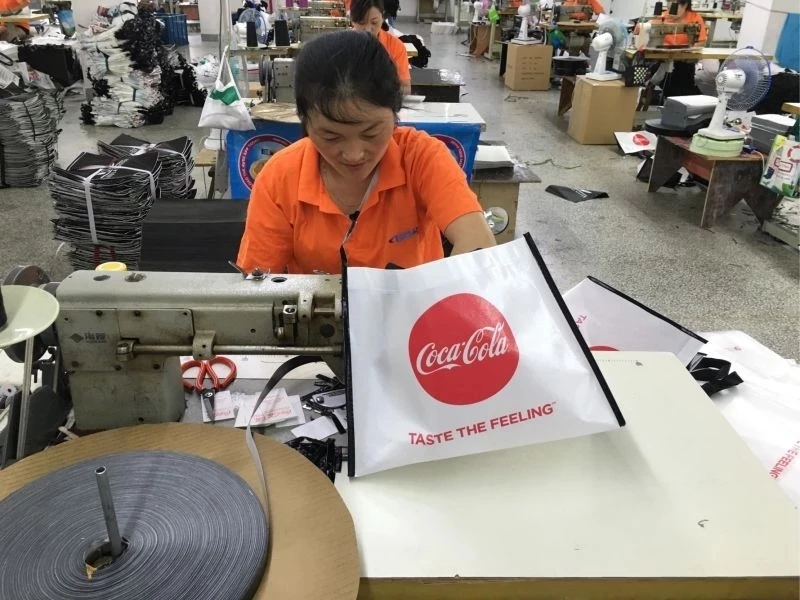
- Manufacturer, Trading Company
- Jiangsu, China
- Lead time3 days
- Avg. response≤ 5h
Main productscotton bags,cotton mesh bags,shopping bag,excavator part,turbocharger
Main marketsSouthern Europe(26.00%), Western Europe(25.00%), North America(20.00%), Eastern Europe(10.00%), South America(10.00%), Southeast Asia(4.00%), Central America(3.00%), Domestic Market(1.00%), South Asia(1.00%), Mid East(1.00%)
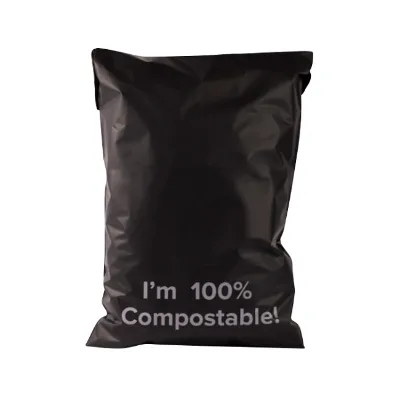
Bio-Degradable Compostable Waterproof Packaging Poly Mailer Shipping Bag
$0.5191 - $0.561
MOQ: 10000 pieces
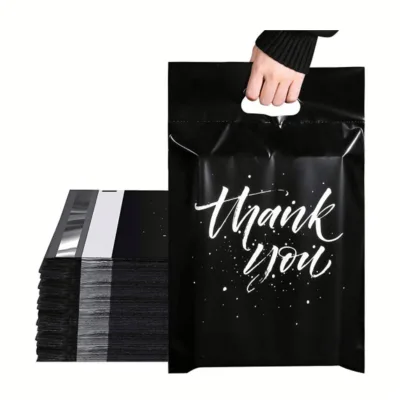

Dongguan Chenghua Industrial Co., Ltd.
- Verified by BV
- Manufacturer/Factory
- China Guangdong
- Lead time23 days
- Avg. response≤ 4h
Main productsZiplock Bag, Biodegradable Bag, Aluminum Bag, Doypack, Zipper Bag, Food Bag, OPP Bags, Plastic Bags, Poly Bags, Specimen Bags
Main marketsSouth America,Eastern Europe,Mid East,North America,Southeast Asia,Eastern Asia,Oceania,Western Europe,Africa

Shenyang Zhonghe Plastic Packaging Products Co., Ltd.
- Verified by SGS
- Manufacturer
- China Liaoning
- Lead time15 days
- Avg. response≤ 2h
Main productsGarbage Bag, Food Packing Bag, Plastic Packing Bag, Biodegradable Plastic Bag, Non Woven Bag, OPP Bag, Vest Bag, PE Bag, Frozen Food Flat Bag, Stand up Pouch

Premium Compostable Biodegradable Packaging High Quality Storage Plastic Packaging Bag
$0.10 - $1.00
MOQ: 50000 Pieces

Spacious Biodegradable Plastic Bags for Sustainable Packaging Solutions
$0.10 - $1.00
MOQ: 50000 Pieces

Durable Biodegradable Packaging Bags for Sustainable Storage Solutions
$0.10 - $1.00
MOQ: 50000 Pieces


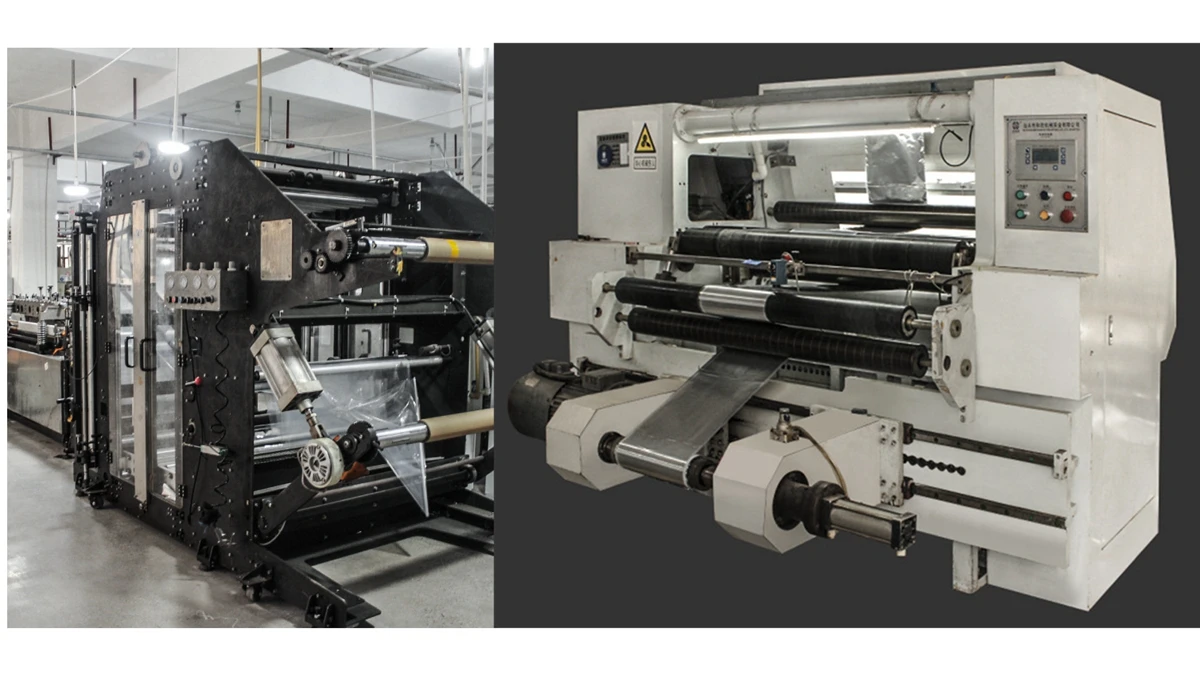
Yiwu Jiuz Technology Co., Ltd.
- Trading Company
- Zhejiang, China
- Lead time7 days
- Avg. response≤ 24h
Main productsPackaging bag,Compostable And Biodegradable Bag,food bag,paper bag,shipping bag
Main marketsNorth America(20.00%), Southeast Asia(15.00%), Oceania(15.00%), Africa(10.00%), Western Europe(9.00%), Mid East(8.00%), Eastern Asia(5.00%), Southern Europe(5.00%), Eastern Europe(4.00%), South Asia(2.00%), South America(2.00%), Northern Europe(2.00%), Central America(2.00%), Domestic Market(1.00%)
Guangzhou Ben En Packaging Co., Ltd.
- Verified by TüVRheinland
- Manufacturer, Trading Company
- Lead time20 days
- Avg. response≤ 4h
Main productsCoffee Bag, Food Bag, Spout Bag, Child Resistant Bag, Biodegradable Bag
Main marketsEastern Europe(32%), South America(18%), Eastern Asia(12%)

SHANDONG FUKUN NEW MATERIALS CO., LTD.
- Trading Company,Manufacturer/Factory
- China Shandong
- Lead time30 days
- Avg. response≤ 14h
Main productsCompostable Bag, Biodegradable Bag, Aprons, Cape, Mailer Bag, Non-Woven Bag, Poop Bag, Garbage Bag, Vest Bag, Carrier Bag
Main marketsSouth America,Eastern Europe,Mid East,North America,Southeast Asia,Eastern Asia,Oceania,Western Europe,Africa
Shandong Aisun ECO Materials Co., Ltd.
- Verified by SGS Group
- Manufacturer, Trading Company
- Lead time25 days
- Avg. response≤ 4h
Main productsBiodegradable Products, Compostable Bags, Garbage Bags, Shopping Bags, Pet Waste Bags
Main marketsNorth America(30%), Eastern Europe(30%), Mid East(20%)
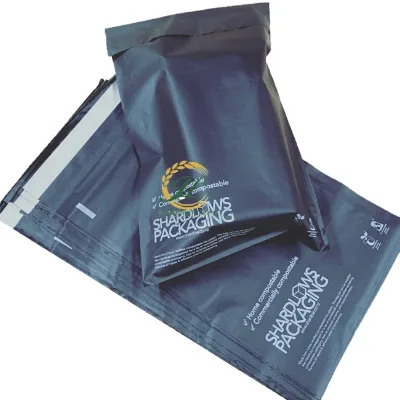
Biodegradable Compostable Packaging Matte Brown Poly Mailer Bags Eco-friendly Custom logo
$0.02 - $0.03
MOQ: 30000 pieces
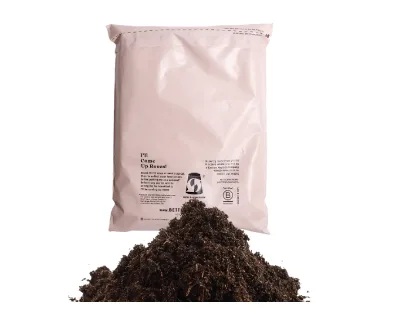
Hot Sale Bags Waterproof Logistics Transport Grey Mailing Bags Biodegradable Mailing Bag
$0.01 - $0.02
MOQ: 10000 rolls
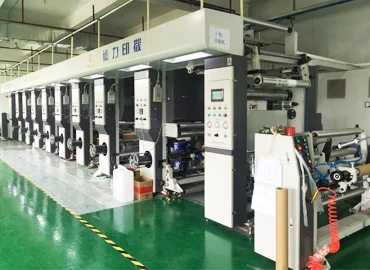
Shenzhen Ipak Packaging Co., Ltd.
- Trading Company
- Guangdong, China
- Lead time15 days
- Avg. response≤ 2h
Main productsMylar Bag, Stan Up Pouch, Coffee Bag, Spout Pouch, Pet Food Bag
Main marketsNorth America(27.00%), Eastern Europe(21.00%), South America(10.00%), Oceania(10.00%), Western Europe(7.00%), Northern Europe(7.00%), Southeast Asia(7.00%), Southern Europe(3.00%), Eastern Asia(3.00%), Africa(3.00%), South Asia(2.00%)
Qingdao Fullsun Biotechnology Packaging Co., Ltd
- Verified by BV
- Combined
- China Shandong
- Lead time15 days
- Avg. response≤ 17h
Main productsBiodegradable Bag
Main marketsNorth America

Biodegradable Plastic Food Packaging Compostable Disposable Clear Bags
$0.03 - $0.20
MOQ: 50000 Pieces

100% Biodegradable Plastic Packaging Bag Compound Zipper Composting Food Bags
$0.08 - $0.30
MOQ: 10000 Pieces


Hangzhou Cullshare Trading Co., Ltd.
- Trading Company
- Zhejiang, China
- Lead time15 days
- Avg. response≤ 2h
Main productsPackage pouch,Paper box,Package Bag,Printed package,Sports water bag
Main marketsNorthern Europe(40.00%), Mid East(20.00%), Western Europe(10.00%), Eastern Europe(10.00%), Oceania(10.00%), Domestic Market(5.00%), North America(5.00%)
Zhaoqing Litat Packaging Material Co., Ltd.
- Verified by TüVRheinland
- Manufacturer, Trading Company
- Lead time15 days
- Avg. response≤ 5h
Main productsFood Packaging Bags, Biodegradable Bags, Garment Bags, Candy Bags, Recyclable Bag
Main marketsDomestic Market(46%), North America(10%), Southeast Asia(10%)
Suzhou Lucky Time Pack Material Co., Ltd.
- Verified by SGS Group
- Trading Company
- Lead time20 days
- Avg. response≤ 1h
Main productsSealing Film, Plastic Cup, Paper Cup, Packing Bag, Label
Main marketsNorth America(30%), Oceania(30%), Domestic Market(20%)
Dongguan Goolien Packing Technology Co., Ltd.
- Verified by Intertek
- Manufacturer, Trading Company
- Lead time12 days
- Avg. response≤ 4h
Main productsBiodegradable Bag, GRS Recycled Bag, Plastic Zipper Bag, Glassine Paper Bags, Packaging Bag For Clothes
Main marketsWestern Europe(30%), North America(30%), Northern Europe(20%)

ZHUCHENG QING YUAN PACKAGING CO., LTD.
- Verified by TUVRHEINLAND
- Combined
- China Shandong
- Lead time15 days
- Avg. response≤ 4h
Main productsLDPE Bag, Vacuum Bag, Aluminum Foil Bag, Retort Pouch, Stretch Film, Roll Films, Packaging Bags for Frozen Food, Garbage Bags, Shrink Bags and Film, Stand up Pouch with Zipper
Main marketsOthers(foreignTradeCapacity.exportBusinessCapacityMarketOther),Domestic

Changzhou Kent Plastic Packaging Co., Ltd.
- Verified by BV
- Combined
- China Jiangsu
- Lead time23 days
- Avg. response≤ 4h
Main productsBubble Mailer, PE Packaging, PE Film, Paper Packaging, Vci Packaging, Thermal Insulated Packaging, PP Film, Pet Film, PVC Film, Air Column Bag/Film
Main marketsDomestic

Custom Packaging Plastic Courier Biodegradable Poly Bag for Clothing Packaging
$0.01 - $0.20
MOQ: 100 Pieces

Anhui Junzhilin New Material Technology Co., Ltd.
- Verified by Intertek
- Manufacturer, Trading Company
- Lead time30 days
- Avg. response≤ 2h
Main productsPlastic Flexible Packaging, Roll Film, Snack Bag, Medicine Bag

- Combined
- China Zhejiang
- Lead time23 days
- Avg. response≤ 18h
Main productsVacuum Bag, Vacuum Stoarge Bag, Travel Roll up Bag, Hanging Vacuum Bag
Main marketsSoutheast Asia/ Mideast,East Asia(Japan/ South Korea),Europe,North America

Weifang Brother Packing Co., Ltd.
- Verified by TUVRHEINLAND
- Combined
- China Shandong
- Lead time15 days
- Avg. response≤ 2h
Main productsPP Woven Bag, PP Woven Fabric, Flexible Packaging, Bulk Bag, Ground Weed Control Fabric, PP Woven Shopping Bag, Kraft Paper Laminated PP Woven Bag, PE Shopping Bag, PP Nonwoven Shopping Bag, BOPP Woven Bag
Main marketsOthers(foreignTradeCapacity.exportBusinessCapacityMarketOther),North America


Composite Packaging Bags Plastic Packaging Bags PE Packaging Bags 25kg Packaging Bag
$0.08 - $0.40
MOQ: 50000 Pieces

PE Packing Bag Plastic Packaging Bag Plastic Bag 3 Layers Co-Extruded PE Bag
$0.08 - $0.40
MOQ: 50000 Pieces

Shanghai Wallis Technology Co., Ltd.
- Verified by BV
- Trading Company
- China Shanghai
- Lead time30 days
- Avg. response≤ 5h
Main productsPet Sheet / Film, PVC Sheet /Film, Acrylic Sheet, PVC PC Pet Card, RFID Card or Tag, Blister Packing
Main marketsSoutheast Asia/ Mideast,Europe

Anhui TIANDA Environmental New Material Co., Ltd.
- Verified by BV
- Combined
- China Anhui
- Lead time15 days
- Avg. response≤ 4h
Main productsBlock Bottom Valve Bag, Woven Bag, Ffs Film, Woven Fabric, Valve Bag, Ffs Bag, Ffs Membrance, PE Bag, Cement Bag, PP Bag
Main marketsSouth America,Africa,Others(foreignTradeCapacity.exportBusinessCapacityMarketOther),Southeast Asia/ Mideast,East Asia(Japan/ South Korea),Europe,North America

Bio-Degradable Packaging Bag, Plastic Bags, Food Packaging, Food Bags, PP Woven Bag
$0.051 - $0.071
MOQ: 10000 Pieces


Packaging Bags/Plastic Product/Plastic Bag/Plastic Packaging/40kg Bags
$0.024 - $0.03
MOQ: 100000 Pieces

Paper Plastic Composite Bags Plastic and Paper Compound Bags 25kg Packaging Bags
$0.144 - $1750.00
MOQ: 10000 Pieces

Packaging Bag, Plastic Packaging, Plastic Bags, Food Packaging, Food Bags, PP Woven Bag
$0.061 - $0.081
MOQ: 10000 Pieces

Plastic Packaging, Packaging Bag, Plastic Bags, Food Packaging, Food Bags, PP Woven Bag 6
$0.051 - $0.071
MOQ: 10000 Pieces

Hangzhou HengYi Packaging Material Co., Ltd.
- Verified by BV
- Combined
- China Zhejiang
- Lead time15 days
- Avg. response≤ 4h
Main productsPE Flat Bags, PE Film Rolls, LDPE Poly Tubing, Ziplock Bags, Slider Zipper Bags, Custom Printed PE Bags, Die Cut Shopping Bags, Industrial Packaging Bags, Apparel Packaging Bags, Carton Liner Bags
Main marketsNorth America
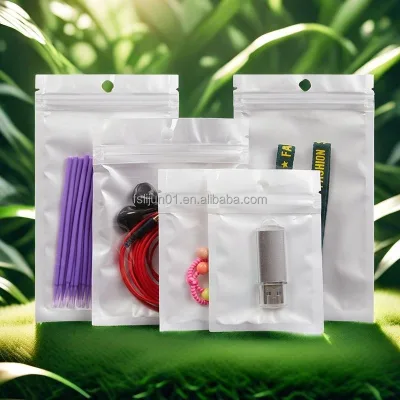
Foshan Shunde District Lijun Jiajia Business Operation Department (individual Business)
- Trading Company
- Guangdong, China
- Lead time7 days
- Avg. response≤ 4h
Main productsPlastic Bag,Food Bag,Ziplock Bag,Kraft Paper Bag,Mailing Bag
Main marketsAfrica(20.00%), Domestic Market(13.00%), North America(12.00%), South America(10.00%), Eastern Europe(10.00%), Southeast Asia(10.00%), Mid East(10.00%), Western Europe(10.00%), Southern Europe(5.00%)
$0.0041 - $0.0092
MOQ: 10 Minimum

Lianyungang Yuede Packaging New Materials Co., Ltd.
- Verified by TUVRHEINLAND
- Combined
- China Jiangsu
- Lead time30 days
- Avg. response≤ 3h
Main productsPackaging Materials
Main marketsNorth America


Custom Thickness and Printing on Compostable Biodegradable Bags for Sustainability
$1.57 - $1.72
MOQ: 3000 kg

Best Zaza (xiamen) Industrial & Trade Co., Ltd.
- Manufacturer
- Fujian, China
- Lead time30 days
- Avg. response≤ 1h
Main productsFood packaging,Paper packaging,biodegradable packaging,plastic packaging
Main marketsDomestic Market(40.00%), North America(10.00%), Eastern Europe(10.00%), South America(10.00%), Southeast Asia(5.00%), Southern Europe(5.00%), Northern Europe(5.00%), Western Europe(5.00%), Eastern Asia(5.00%), Mid East(5.00%)
Dongguan Ruitai Packaging Technology Co., Ltd.
- Manufacturer
- Guangdong, China
- Lead time15 days
- Avg. response≤ 6h
Main productsBiodegradable Bag,100% Recycled Bag,PE Plastic Bag,PLA+PBAT+CORN STARCH
Main marketsDomestic Market(30.00%), North America(25.00%), South America(20.00%), Southeast Asia(10.00%), Eastern Europe(5.00%), Mid East(5.00%), Africa(5.00%)

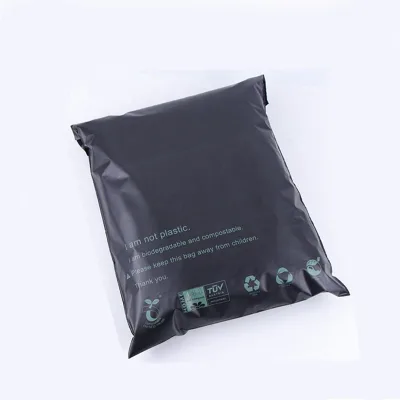
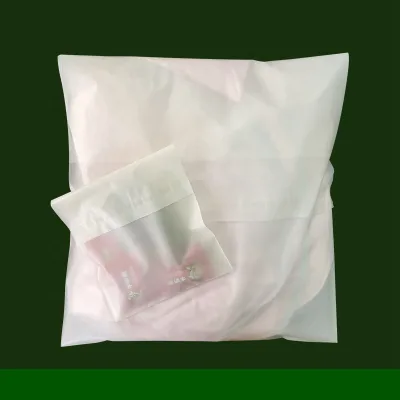
Qingdao Zhongbang Packaging Co., Ltd.
- Verified by SGS
- Manufacturer/Factory
- China Shandong
- Lead time15 days
- Avg. response≤ 4h
Main productsPlastic Bag, Food Bag, Food Packaging Bag, Coffee Bag, Pet Food Bag, Stand up Pouch, Kraft Paper Bag, Zipper Bag, Spout Pouch, Plastic Packaging Bag
Main marketsSouth America,Eastern Europe,Mid East,North America,Southeast Asia,Eastern Asia,Oceania,Western Europe,Africa


High quality food grade customized printing and size plastic packaging bag
$0.02 - $0.90
MOQ: 10000 Pieces








Comprehensive Sourcing Guide
Compostable Poly Packaging Bag Supplier Concentration and Factory Types
The current supplier landscape for compostable poly packaging bags reveals a distinct geographic and structural concentration that buyers must navigate carefully. Evidence indicates that a significant portion of available suppliers are located in China, with specific clusters identified in Guangdong and Henan provinces. Guangdong suppliers often operate as trading companies, which can offer a broader range of product variations but may introduce additional layers in the supply chain. In contrast, suppliers in Henan may present different operational models, such as combined entities that blend manufacturing and trading capabilities. This geographic distribution is critical for buyers assessing logistics costs and communication efficiency. The presence of BV and TÜV Rheinland verified suppliers in these regions suggests that third-party verification is a common standard among established players. Buyers should recognize that location is not merely a logistical detail but a proxy for the type of business model they are engaging with. Trading companies in Guangdong might provide more flexible customization options, while combined entities in Henan could offer more direct control over production processes. Understanding this concentration helps buyers target their search efforts more effectively, focusing on regions that align with their specific needs for speed, cost, or quality assurance. The diversity in supplier types means that a one-size-fits-all approach to sourcing is unlikely to succeed; instead, buyers must align their procurement strategy with the specific capabilities and structures of the suppliers in these key manufacturing hubs.
Beyond geography, the classification of suppliers into trading companies, combined entities, and pure manufacturers significantly impacts the sourcing experience. Trading companies often act as intermediaries, aggregating products from multiple factories to offer a wider catalog, which can be advantageous for buyers seeking diverse designs or small batch sizes. However, this model may result in less direct communication with the actual production line, potentially complicating quality control and issue resolution. Combined entities, on the other hand, may offer a hybrid approach, providing both the breadth of a trading company and the direct oversight of a manufacturer. This structure can be particularly useful for buyers who require both customization and reliable production capacity. It is important for buyers to verify the actual nature of the supplier’s operations, as the label alone may not fully disclose the extent of their manufacturing capabilities. Some suppliers may claim to be manufacturers but rely heavily on subcontractors, while others may have robust in-house facilities. The presence of OEM and ODM capabilities, as seen in some supplier profiles, indicates a higher level of technical expertise and flexibility. Buyers should prioritize suppliers that clearly articulate their role in the value chain, ensuring that their expectations for communication, quality, and lead times are aligned with the supplier’s actual operational model. This clarity is essential for building a sustainable and efficient supply chain for compostable packaging solutions.
How to Verify Compostable Poly Packaging Bag Suppliers
Verifying the credibility and capabilities of Compostable Poly Packaging Bag suppliers requires a multi-layered approach that goes beyond surface-level claims. One of the most critical steps is to examine third-party verification badges, such as BV or TÜV Rheinland, which indicate that an independent agency has assessed the supplier’s business legitimacy. These verifications provide a baseline of trust, confirming that the company exists and operates within legal frameworks. However, verification alone does not guarantee product quality or compliance with environmental standards. Buyers must delve deeper into the supplier’s certification portfolio, looking for specific environmental and quality management certifications. For instance, some suppliers display ISO9001:2015 certificates, which attest to their quality management systems, while others may hold additional certifications relevant to biodegradable materials. It is essential to request copies of these certificates and verify their validity with the issuing bodies. Additionally, buyers should inquire about the specific standards to which the compostable bags are certified, such as ASTM D6400 or EN 13432, to ensure they meet the regulatory requirements of their target markets. The presence of certifications like BRC and ISO20000 in some supplier profiles suggests a commitment to high standards in both food safety and information security, which can be indicative of a well-managed organization. Buyers should not rely solely on the presence of these badges but should actively engage with suppliers to understand the scope and limitations of their certifications. This due diligence helps mitigate the risk of engaging with suppliers who may have superficial compliance without substantive operational integrity.
Another crucial aspect of verification is assessing the supplier’s responsiveness and transparency in communication. The response time metric, such as 1.89 or 2.24 hours, can serve as an initial indicator of the supplier’s operational efficiency and customer service orientation. A faster response time often correlates with a more agile and attentive supply chain, which is vital for resolving issues quickly and maintaining project timelines. Buyers should test this responsiveness by sending detailed inquiries about product specifications, customization options, and production capabilities. The quality and depth of the supplier’s response can reveal much about their expertise and willingness to collaborate. Furthermore, buyers should request samples to physically evaluate the product’s quality, including its biodegradability, moisture resistance, and structural integrity. Some suppliers offer available samples, which is a positive sign of confidence in their product. It is also important to verify the supplier’s production capacity and lead times, as these factors directly impact the buyer’s ability to meet market demand. Suppliers with clear lead times, such as 15 or 30 days, provide better predictability for planning purposes. Buyers should also check for any red flags, such as inconsistent information or reluctance to provide detailed documentation. By combining verification of credentials with practical assessments of communication and product quality, buyers can build a robust foundation for a reliable supplier relationship. This comprehensive approach ensures that the selected supplier can consistently deliver high-quality compostable packaging bags that meet both functional and environmental requirements.
What to Compare Across Compostable Poly Packaging Bag Suppliers
When evaluating multiple suppliers for compostable poly packaging bags, buyers must systematically compare key operational and commercial metrics to identify the best fit for their specific needs. One of the primary dimensions for comparison is the minimum order quantity (MOQ), which can vary significantly across suppliers. For example, some suppliers may have an MOQ of 10,000 units, which is suitable for larger buyers with consistent demand, while others might offer more flexible terms for smaller orders. Understanding the MOQ is crucial for inventory management and cash flow planning, as it determines the initial investment required to secure a supply contract. Another critical factor is the lead time, which indicates how long it takes from order confirmation to delivery. Suppliers with lead times of 15 to 30 days offer different levels of flexibility, with shorter lead times being advantageous for buyers who need to respond quickly to market changes or urgent orders. Buyers should also compare the customization options available, such as the ability to print custom logos, choose specific colors, or design unique bag shapes. Some suppliers offer up to 10 colors and customized sizes, which can be essential for brand differentiation. Additionally, the raw materials used in production, such as corn-based PLA or PBAT, should be compared to ensure they meet the desired biodegradability and performance standards. The feature set, including moisture proofing, bio-degradability, and seal integrity, is another important consideration, as it directly impacts the product’s suitability for specific applications like food or pet packaging. By meticulously comparing these attributes, buyers can make informed decisions that balance cost, quality, and operational efficiency.
Price and payment terms are also critical factors in the comparison process, as they directly affect the total cost of ownership. Buyers should request detailed quotations that break down costs for materials, customization, and shipping. Some suppliers offer price ranges, such as $0.13 to $0.40 per unit, which can help buyers estimate their budget. It is important to note that prices may vary based on order volume, customization complexity, and material choices. Buyers should also compare the payment terms, such as whether the supplier requires a deposit before production or offers more flexible arrangements. The availability of samples is another key differentiator, as it allows buyers to test the product before committing to a large order. Suppliers that provide samples at no cost or a low fee demonstrate confidence in their product quality. Additionally, the shipping terms, such as CIF or FOB, should be compared to understand the logistics responsibilities and costs. Some suppliers may offer more favorable shipping terms, which can reduce the overall cost for the buyer. By systematically comparing these commercial and operational factors, buyers can identify suppliers that offer the best value proposition. This comparative analysis helps mitigate risks and ensures that the selected supplier aligns with the buyer’s strategic goals for cost, quality, and supply chain reliability. It is a proactive approach that enables buyers to negotiate better terms and build stronger partnerships with their suppliers.
Common Compostable Poly Packaging Bag Sourcing Risks
Sourcing compostable poly packaging bags involves several inherent risks that buyers must proactively manage to ensure a smooth procurement process. One of the most significant risks is the potential for greenwashing, where suppliers may make unsubstantiated claims about the biodegradability or compostability of their products. Without proper verification, buyers risk purchasing bags that do not meet the required environmental standards, leading to regulatory non-compliance and reputational damage. To mitigate this risk, buyers must rigorously verify the supplier’s certifications and request independent test reports that confirm the bags’ compliance with recognized standards like ASTM D6400 or EN 13432. Another common risk is the inconsistency in product quality, which can arise from variations in raw materials or manufacturing processes. Since compostable materials are sensitive to environmental conditions, any deviation in production can affect the bag’s performance and degradation rate. Buyers should request samples and conduct their own quality checks to ensure consistency. Additionally, the risk of supply chain disruptions is heightened by the reliance on specific raw materials, such as corn-based PLA, which may be subject to agricultural fluctuations. Buyers should assess the supplier’s supply chain resilience and inquire about their contingency plans for material shortages. Communication barriers can also pose a risk, especially when dealing with suppliers in different time zones or with limited English proficiency. Misunderstandings in specifications or requirements can lead to costly errors and delays. Buyers should establish clear communication protocols and maintain detailed records of all agreements. Finally, the risk of intellectual property infringement is a concern for buyers seeking custom designs. It is essential to have robust non-disclosure agreements in place to protect proprietary designs and branding. By identifying and addressing these risks early in the sourcing process, buyers can safeguard their interests and ensure a successful partnership with their suppliers.
Another critical risk is the potential for hidden costs that can erode profit margins. While the initial price per unit may seem competitive, additional costs such as mold fees, sample charges, or shipping expenses can significantly increase the total cost. Buyers must request a comprehensive cost breakdown to avoid surprises. Furthermore, the risk of delayed deliveries is a common issue in the packaging industry, which can disrupt the buyer’s production schedule and customer fulfillment. Suppliers with longer lead times or poor track records may pose a higher risk of delays. Buyers should evaluate the supplier’s historical performance and reliability before committing to a contract. The risk of regulatory changes is also a concern, as environmental regulations regarding compostable materials are evolving rapidly. Buyers must stay informed about current and upcoming regulations in their target markets to ensure their suppliers remain compliant. Additionally, the risk of technological obsolescence is relevant for suppliers offering innovative packaging solutions. Buyers should assess the supplier’s R&D capabilities and commitment to continuous improvement to ensure they can adapt to changing market demands. By anticipating and mitigating these risks, buyers can build a more resilient and sustainable supply chain. This proactive approach not only protects the buyer’s financial interests but also enhances their brand reputation by ensuring the consistent delivery of high-quality, compliant products. It is a strategic investment that pays dividends in the long run by fostering
FAQs
What is the price range for compostable poly packaging bags?
Prices typically range from $0.03 to $0.40 per unit depending on material and customization. Specific listings show costs between $0.20 and $0.29 for corn-based options, while others range from $0.13 to $0.40. Final pricing depends on order volume and design complexity.
What is the minimum order quantity for these bags?
The minimum order quantity is generally 10,000 units for standard compostable packaging bags. Buyers should verify specific MOQs with suppliers as requirements may vary based on customization needs and production schedules. Bulk orders often secure better pricing tiers.
How long does production take for custom orders?
Production lead times are typically 15 to 20 working days after design confirmation or deposit receipt. Some suppliers offer faster turnaround times of 15 days for standard items. Always confirm exact delivery schedules with the supplier before placing orders.
Are these bags made from biodegradable materials?
Yes, many options are made from corn-based materials like PBAT and PLA, ensuring they are bio-degradable and compostable. Features include moisture proofing and suitability for food, household, and pet applications. Verify specific certifications with the supplier for compliance.
What certifications do these suppliers hold?
Suppliers may hold ISO9001:2015, BRC, and ISO20000 certifications. Verification statuses include BV and TÜV Rheinland. Buyers should request current certificates to ensure compliance with international standards for packaging materials and manufacturing processes.
Where are these packaging bag suppliers located?
Suppliers are primarily located in China, specifically in Guangdong and Henan provinces. Guangdong suppliers often offer FOB Jiangmen terms. Buyers can filter results by location to manage logistics costs and shipping times effectively.
Can I customize the logo and design?
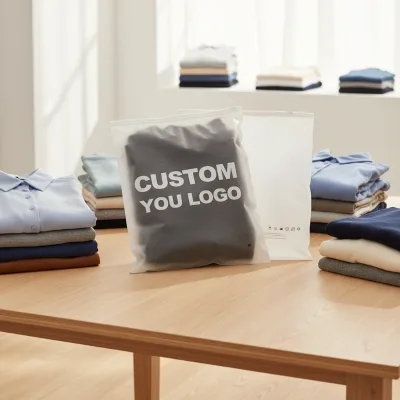
Customization is available for logos, colors, and sizes. Suppliers accept customized logo printing with up to 10 colors. Designs depend on buyer demands, and samples are often available. Confirm customization options and proofs before production begins.