Silicone Anti-Dust Cup Accessories Set Suppliers and Manufacturers
Explore 29 verified options for Silicone Anti-Dust Cup Accessories Set from Zhejiang, Shanghai, and Fujian. Compare response times, lead times, certifications, and prices to find the right partner. Contact suppliers directly to request samples and confirm specifications; review the available evidence before requesting comparable quotations from suitable candidates.
Suppliers List
Haining Zhengxin Rubber Co., Ltd.
- Manufacturer
- Zhejiang, China
- Lead time30 days
- Avg. response≤ 4h
Main productsrubber,Silicone products,Rubber miscellaneous,sealing rings
Main marketsSoutheast Asia(20.00%), North America(20.00%), Eastern Europe(16.00%), South America(15.00%), Eastern Asia(10.00%), Oceania(10.00%), Northern Europe(9.00%)

Shinylink (Shanghai) Industrial Inc.
- Trading Company
- China Shanghai
- Lead time15 days
- Avg. response≤ 9h
Main productsAcupuncture Needles, Moxa Products, Guasha Boards, Jade Roller /Finger Massage Ring/Dermal Needles, Tdp Lamp, Cupping Jards, Acupuncture Model, Acupuncture Accessories
Main marketsSouth America,Africa,Southeast Asia/ Mideast,East Asia(Japan/ South Korea),Europe,Australia,North America

Quanzhou Shengda Rubber Products Co., Ltd.
- Verified by TUVRHEINLAND
- Combined
- China Fujian
- Lead time15 days
- Avg. response≤ 3h
Main productsO Ring, Toilet Seat Hinge Top Fix Rubber Well Nut, Rubber Seal, Silicone Gasket, Silicone Washer
Main marketsEurope

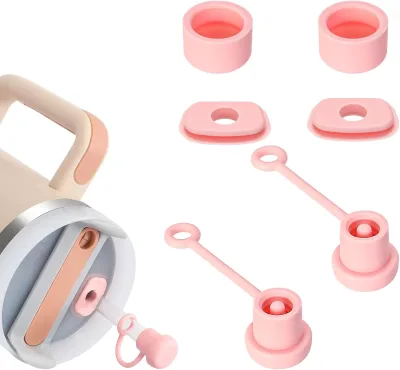
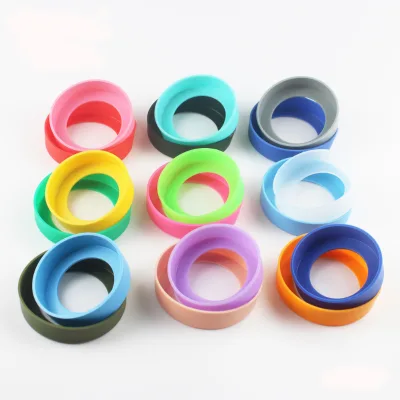
Silicone Ring Handle Strap Tumbler Accessories Set Compatible with Stanley Cup
$0.30 - $1.50
MOQ: 300 Pieces

Colorful Silicone Cup Accessory Set Stanley Cup Handle Ring & Base Protector
$0.50 - $0.80
MOQ: 300 Sets

$0.16 - $0.22
MOQ: 1000 Pieces

Coolnice Household Products Co., Ltd.
- Verified by TüVRheinland
- Manufacturer, Trading Company
- Lead time7 days
- Avg. response≤ 2h
Main productsKitchen Supplies, Household Products, Beauty Tools, Outdoor Supplies, Outdoor Sport Accessories
Main marketsNorth America(23%), Eastern Asia(21%), Western Europe(19%)
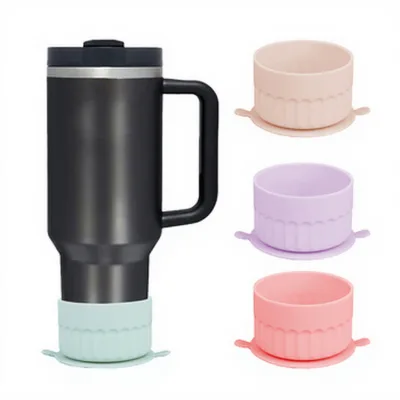
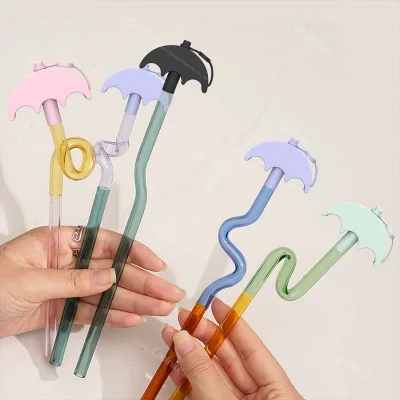
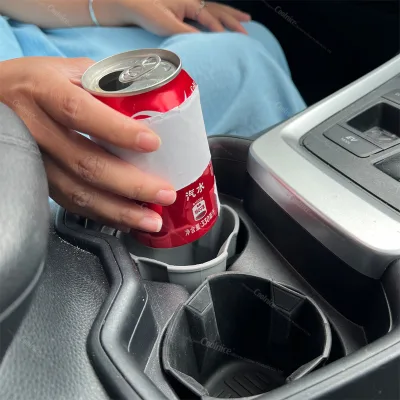
Wholesale Cup Accessories Silicone Car Cup Holder Universal Fit for Cans Bottles Coffee Cups & More
$1.53 - $1.68
MOQ: 50 sets
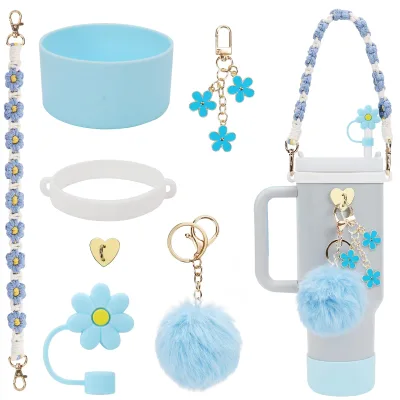
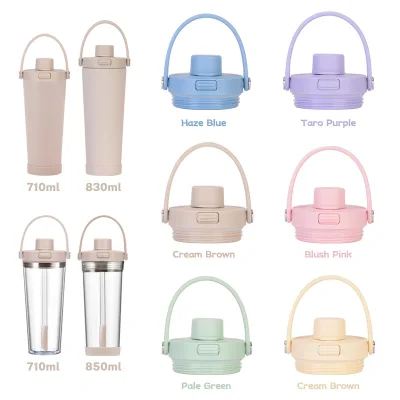
Silicone Water Bottle Accessories Set Bohemian Style Handle Strap Charms Easy to Carry
$3.15 - $3.36
MOQ: 50 sets
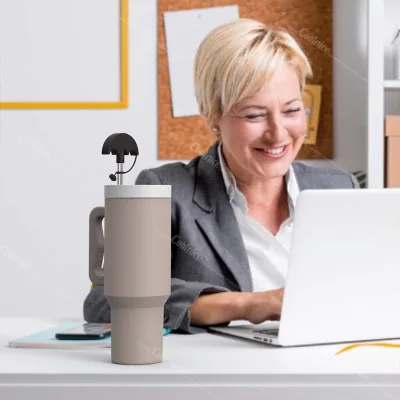
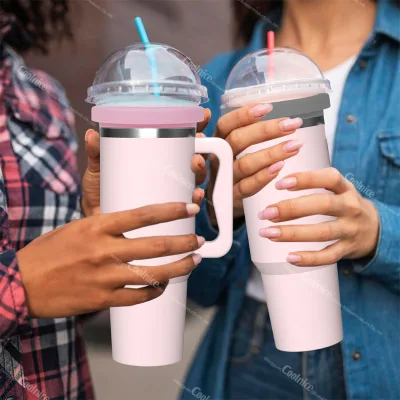
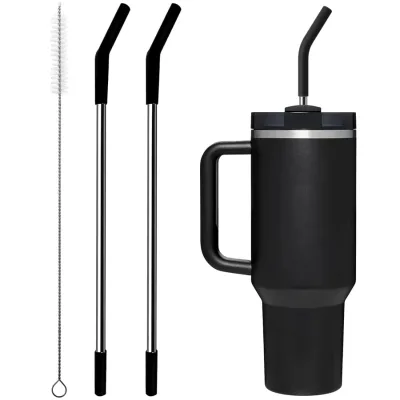
Factory Directly Supply Cup Accessories Silicone Ring&Straw Cover for Stainless Steel Water Bottle
$1.23 - $1.46
MOQ: 50 pieces
Xiamen Neway Rubber & Plastic Products Co., Ltd.
- Verified by BV
- Combined
- China Fujian
- Lead time15 days
- Avg. response≤ 3h
Main productsPlastic Injection Molding, Plastic Parts, Silicone Rubber Parts, Gasket Seals, Rubber Grommet, Mould, O Ring, Extrusion Strip, Metal Parts, Suction Cup
Main marketsSouth America,Africa,Southeast Asia/ Mideast,East Asia(Japan/ South Korea),Europe,Australia,North America


Customized Logo Silicone Cup Sleeve Rubber Flexible Soft Glass Mug Coffee Cup Silicone Sleeve
$0.20 - $1.00
MOQ: 500 Pieces


Jinjiang Naike Eco Technology Co., Ltd.
- Verified by SGS
- Trading Company
- China Fujian
- Lead time30 days
- Avg. response≤ 1h
Main productsKeychain, Promotional Gifts, Shoes Charm, Straw Toppers, Pencil Toppers, Christmas Decoration, Party Decoration, Toy, Metal Craft, Silicone Products
Main marketsEurope,North America

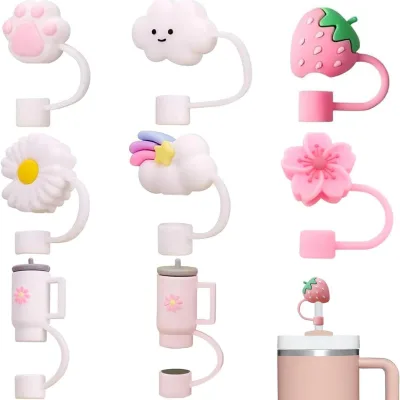
Accessories Set Tumbler Fits 40oz Cups Accessories Set Silicone Boot Silicone Tumbler Straw Topper
$0.14 - $0.21
MOQ: 1000 Pieces

Wholesale Silicone Dust Cover Drinking Silicone Cover Charm Accessories for Cup Straw Topper
$0.14 - $0.21
MOQ: 1000 Pieces

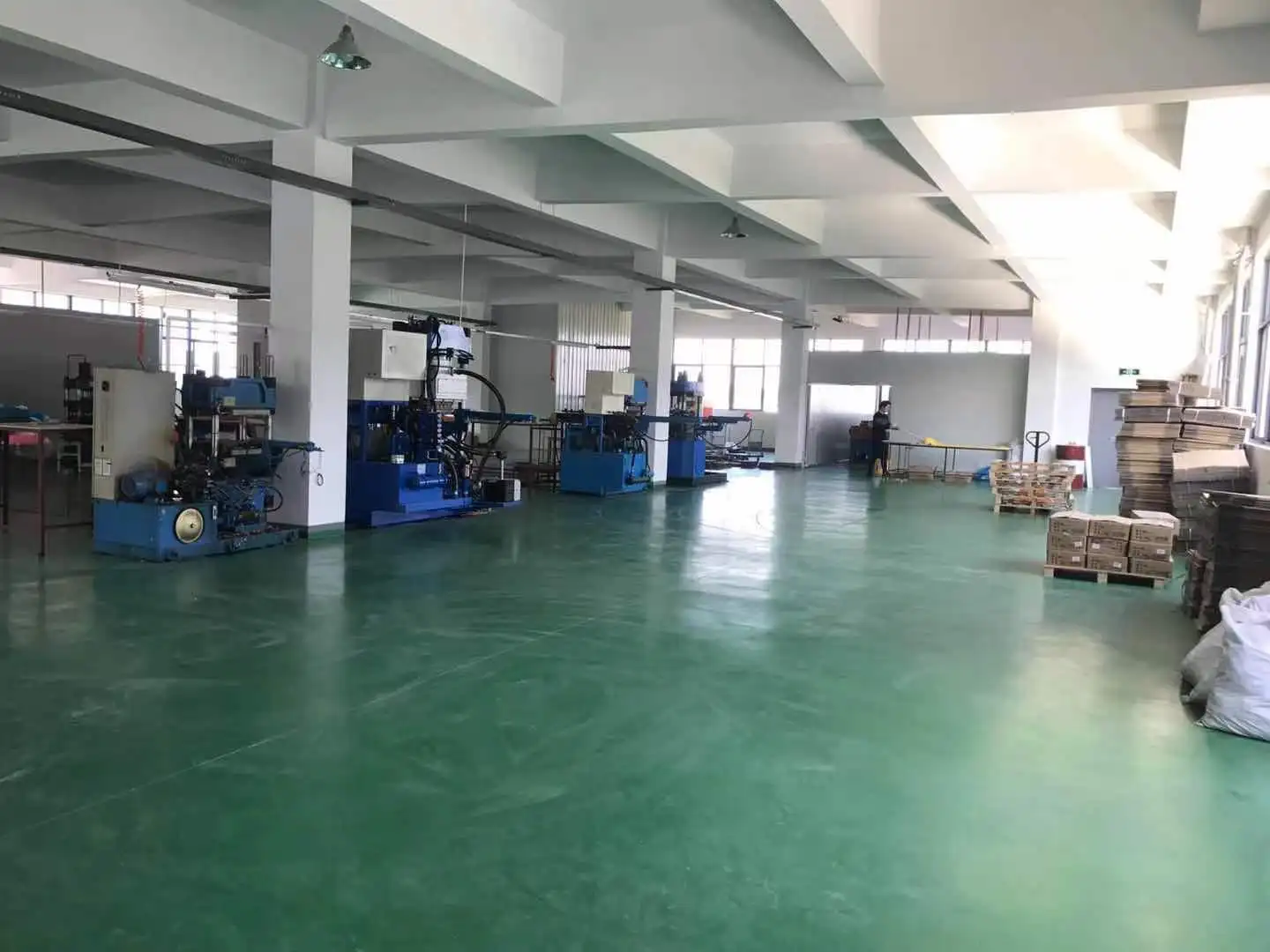
Haining Siliconelove Household Product Co., Ltd.
- Trading Company
- Zhejiang, China
- Lead time15 days
- Avg. response≤ 5h
Main productssilicone mat,silicone mold,silicone ice tray,silicone bracelet,silicone chocolate mold
Main marketsEastern Europe(30.00%), North America(30.00%), South America(20.00%), Oceania(10.00%), Southeast Asia(5.00%), Africa(5.00%)

Zhongshan Xinyuan Silicone Rubber Co. Ltd
- Verified by TUVRHEINLAND
- Combined
- China Guangdong
- Lead time15 days
- Avg. response≤ 2h
Main productsSilicone Mold, Silicone Ice Cube Tray, Silicone Wristband, Silicone Tea Infuser, Silicone Bakeware, Silicone Keychain, Silicone Cup Coaster, Silicone Bag
Main marketsSouth America,Southeast Asia/ Mideast,Domestic,Europe,North America

Suzhou Honychem Specialties Manufacture Co., Ltd.
- Verified by BV
- Trading Company,Manufacturer/Factory
- China Jiangsu
- Lead time15 days
- Avg. response≤ 4h
Main productsSilicone Seal, Rubber Seal, Silicone Parts, Silicone Tube, Rubber O Ring, Silicone Keyboard, Silicone Rubber Keyboard Button, Rubber Gasket, Silicone Rubber, Rubber Parts
Main marketsSouth America,Eastern Europe,Mid East,North America,Southeast Asia,Eastern Asia,Oceania,Western Europe,Africa

Heat Resistant Silicone Cup Sleeve Different Design Coffee Cup Silicone Holder
$0.15 - $0.30
MOQ: 500 Pieces


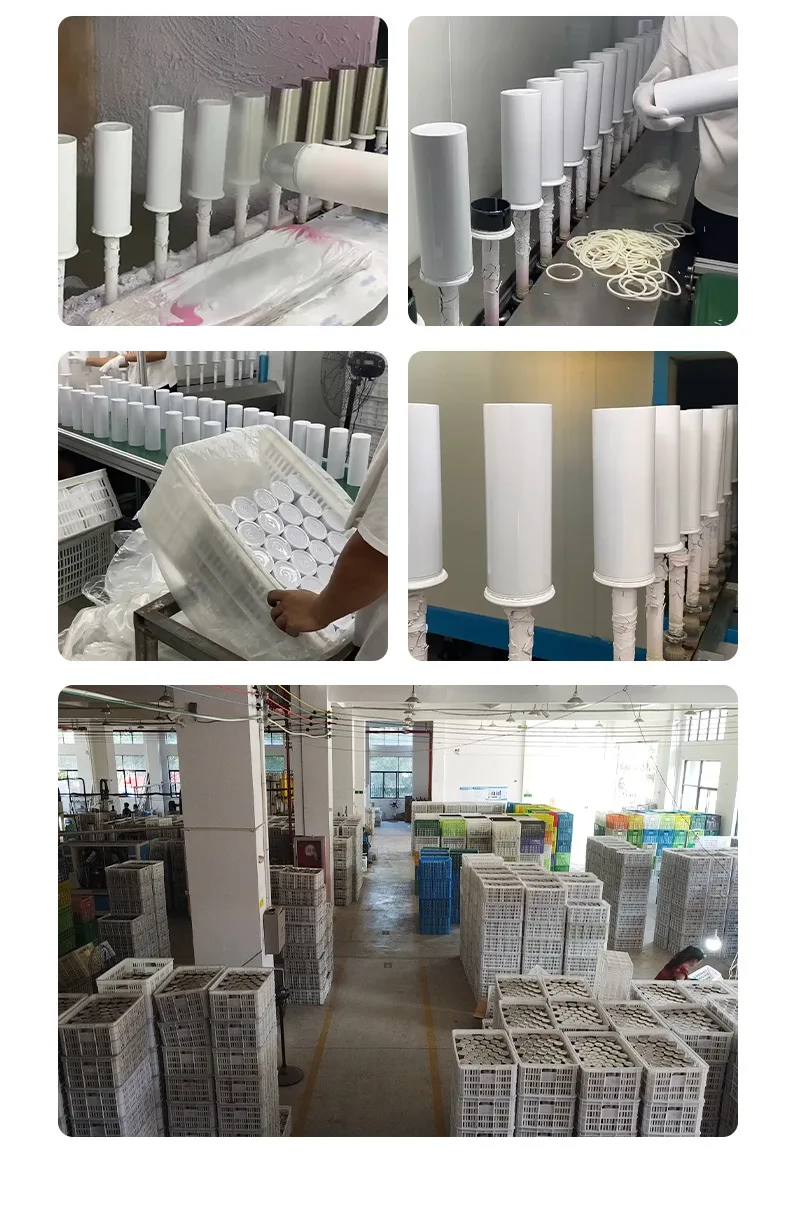
Hangzhou Deep Oxygen Environmental Protection Technology Co., Ltd.
- Manufacturer, Trading Company
- Zhejiang, China
- Lead time0 days
- Avg. response≤ 1h
Main productsStainless Steel Tumblers,Plastci Drinkware,Ceramic Cups,Glass Drinkware,Beer Galsses
Main marketsNorthern Europe(30.00%), North America(20.00%), Eastern Europe(20.00%), Domestic Market(10.00%), Southeast Asia(5.00%)
Ningbo Sinoray Silicone Products Co., Ltd.
- Manufacturer, Trading Company
- Zhejiang, China
- Lead time35 days
- Avg. response≤ 7h
Main productsSilicone Bakeware, Silicone Baby Item, Silicone Mold, Mat & Pad, Beauty & Personal Care
Main marketsDomestic Market(28.00%), North America(25.00%), Western Europe(25.00%), Oceania(5.00%), Eastern Asia(3.00%), South America(3.00%), South Asia(2.00%), Southern Europe(2.00%), Northern Europe(2.00%), Central America(1.00%), Africa(1.00%), Eastern Europe(1.00%), Mid East(1.00%), Southeast Asia(1.00%)

Xiamen Flying Silicone Rubber Co., Ltd.
- Verified by TUVRHEINLAND
- Trading Company,Manufacturer/Factory
- China Fujian
- Lead time23 days
- Avg. response≤ 12h
Main productsSilicone Rubber Auto Parts, Silicone Rubber Keypad, Silicone Rubber Gasket, Silicone Rubber O-Ring, Silicone Rubber Valve, Silicone Rubber Kitchenware, Plastic Injection Parts, Silicone Rubber Gifts, Silicone Medical Accessories, LSR Baby Care
Main marketsSouth America,Eastern Europe,North America,Southeast Asia,Western Europe

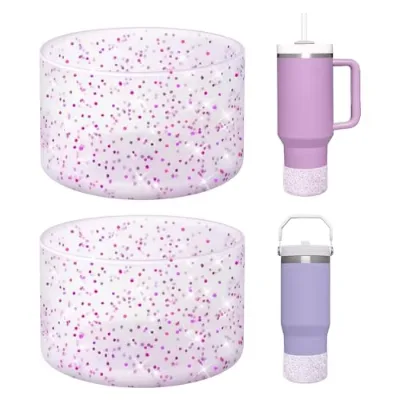
Silicone Sleeve Accessories Special Sheath Cup Bottom Ring Wear Resistant Shatter
$0.09 - $0.28
MOQ: 1000 Pieces


Ktichen Accessory Reusable Foldable Flexible Silicone Drinking Straws Sets
$0.19 - $0.29
MOQ: 500 Pieces


Glass Cup Insulation, Anti Slip and Thickened Customized Silicone Tea Cup Cover
$0.18 - $0.28
MOQ: 1000 Pieces

Xiamen Zhongying Electronic Technology Co., Ltd.
- Verified by SGS
- Combined
- China Fujian
- Lead time15 days
- Avg. response≤ 6h
Main productsPlastic Products, Rubber Ring, Sealing Ring, Gasket
Main marketsSoutheast Asia/ Mideast,Australia,North America

Standard Size Durable Silicone Protective Cup Cover Insulation Drinkware Accessories
$0.08 - $0.13
MOQ: 1000 Pieces

Customized Silicone Rubber Sleeve Accessories Silicone Rubber Shaped Parts
$5.20 - $5.80
MOQ: 100 Pieces

Juneng (Shaoxing) Network Technology Co., Ltd.
- Trading Company
- Zhejiang, China
- Lead time0 days
- Avg. response≤ 3h
Main productscup,Table setting,Daily necessities,Toys
Main marketsNorth America(40.00%), Africa(20.00%), Eastern Europe(20.00%), South America(20.00%)
Zhongshan Fangyuan Silicone Products Co., Ltd.
- Verified by SGS Group
- Manufacturer, Trading Company
- Lead time15 days
- Avg. response≤ 4h
Main productsSilicone Kitchen Ware, Silicone Baby Feeding Set, Silicone Beauty Care, Silicone Parts, Silicone Household Articles
Main marketsDomestic Market(48%), North America(15%), Western Europe(15%)

Milesun Rubber & Plastic Technology Co., Ltd.
- Verified by CTI
- Manufacturer/Factory
- China Guangdong
- Lead time23 days
- Avg. response≤ 12h
Main productsRubber Components, Rubber Damper/Shock Absorber/Sheet, Rubber-Metal Components, Sealing Ring, Home Appliance Rubber and Metal Components, Power Tool Rubber and Metal Components, Auto Rubber and Metal Components, Sanitary Rubber and Metal Components, Kitchen Ware / Daily Use Rubber Products, Food Grade Rubber Products/Toy
Main marketsSouth America,Eastern Europe,Mid East,North America,Southeast Asia,Eastern Asia,Oceania,Western Europe,Africa

Chelon Technology (suzhou) Co., Ltd.
- Trading Company
- Jiangsu, China
- Lead time14 days
- Avg. response≤ 2h
Main productsDrinkware,Custom Gift,Water Bottle
Main marketsNorth America(40.00%), South America(12.00%), Southeast Asia(10.00%), Eastern Asia(5.00%), Northern Europe(5.00%), Central America(5.00%), Western Europe(5.00%), Eastern Europe(5.00%), Africa(4.00%), Southern Europe(3.00%), Oceania(3.00%), South Asia(2.00%), Mid East(1.00%)
- Manufacturer, Trading Company
- Lead time旺季: "1 - 1000":16,"1001 - 3000":25,"3001 - 10000":35,"> 10000":"To be negotiated", 淡季: "1 - 1000":16,"1001 - 3000":25,"3001 - 10000":35,"> 10000":"To be negotiated"
- Avg. response≤ 2h
Main productsPVC Luggage Tags, PVC Keychains, PVC Figures, Rubber Cup Coasters, Silicone Coin Purse
Shenzhen Boyouli Technology Co., Ltd.
- Trading Company
- Guangdong, China
- Lead time旺季: "1 - 500":7,"501 - 10000":20,"> 10000":"To be negotiated", 淡季: "1 - 500":7,"501 - 10000":20,"> 10000":"To be negotiated"
- Avg. response≤ 4h
Main productsMahjong Tiles,Mahjong Accessories,Crafts and gifts,Household products
Main marketsNorth America(30.00%), Western Europe(15.00%), Southern Europe(10.00%), Northern Europe(10.00%), Eastern Europe(10.00%), South America(9.00%), Mid East(8.00%), Southeast Asia(8.00%)
HK CX SILICONE PRODUCTS LIMITED
- Manufacturer, Trading Company
- Hong Kong S.A.R.
- Lead time20 days
- Avg. response≤ 5h
Main productsPet silicone finger brush,Silicone feeding kit,Silicone bib,Pick racket,Silicone plastic mold
Main marketsNorth America(20.00%), Northern Europe(10.00%), South Asia(10.00%), Western Europe(10.00%), Eastern Asia(10.00%), Southern Europe(10.00%), Eastern Europe(10.00%), Central America(5.00%), Oceania(5.00%)

Changsha Sunflower B&T Co., Ltd.
- Verified by TUVRHEINLAND
- Manufacturer/Factory
- China Hunan
- Lead time0 days
- Avg. response≤ 5h
Main productsWater Bottle, Sponge, Tumblers, Plastic Water Bottle, Stainless Steel Water Bottle, Mugs, Mat, Make up Sponge, Backpack, Drinlwares
Main marketsSouth America,Eastern Europe,Mid East,North America,Southeast Asia,Eastern Asia,Oceania,Western Europe,Africa

40oz Tumbler Cup Accessories Set Bar Accessories for 30oz Tumblers Duskproof Cap
$2.75 - $2.85
MOQ: 100 Pieces


Zhongshan Mingxin Silicone Manufactory
- Verified by SGS
- Combined
- China Guangdong
- Lead time15 days
- Avg. response≤ 6h
Main productsSilicone Kitchenware, Silicone Keypaid, Silicone Bracelet, Silicone Wristband, Silicone Ashtray, Silicone Tube, Silicone Watch, Silicone Rubber, Silicone Sex Doll, Silicone Mold
Main marketsEurope,North America

- Verified by TUVRHEINLAND
- Trading Company
- China Guangdong
- Lead time23 days
- Avg. response≤ 6h
Main productsTumbler, Heat Press, T Shirt Printing Machine, Decal Paper, Photo Panel, MDF Sublimation Blanks, Sublimation Blanks, T Shirts, Sublimation Ink, 3D Sublimation Machine
Main marketsSouth America,Africa,Others(foreignTradeCapacity.exportBusinessCapacityMarketOther),East Asia(Japan/ South Korea),Europe,Australia,North America

Pengze Kangdi Baby Products Sales Department
- Trading Company
- Jiangxi, China
- Lead time25 days
- Avg. response≤ 4h
Main productsGlass feeding bottle,water cup,bottle accessories,baby products,baby teether
Main marketsDomestic Market(30.00%), Southeast Asia(10.00%), North America(10.00%), South America(10.00%), Central America(6.00%), Eastern Europe(5.00%), Northern Europe(5.00%), Africa(5.00%), Western Europe(5.00%), Eastern Asia(5.00%), South Asia(5.00%), Mid East(3.00%), Southern Europe(1.00%)

Zhongshan Xiangda Metal Arts & Crafts Co., Ltd.
- Verified by BV
- Combined
- China Guangdong
- Lead time15 days
- Avg. response≤ 4h
Main productsBadge, Keychain, Medal, Lapel Pin, Dog Tag, Fridge Magnet, Cufflink, Tie Clip, Bag Hanger, Wrist Band
Main marketsSouth America,Southeast Asia/ Mideast,Domestic,Europe,Australia,North America
- Verified by TUVRHEINLAND
- Combined
- China Guangdong
- Lead time15 days
- Avg. response≤ 11h
Main productsStainless Steel Faucet, Stainless Steel Bathroom Accessories, Stainless Steel Sink, Shower, Basin Faucet, Kitchen Faucet, Water Tap, Floor Drain, Kitchen Ink, Sink
Main marketsEurope

Brushed Stainless Steel Toothbrush Cup Tumbler Holder Set Waterproof Bathroom Accessory
$7.42 - $8.04
MOQ: 50 Pieces

Stainless Steel Toothbrush Cup Tumbler Holder Set with Angled Drainage Grooves
$9.16 - $9.81
MOQ: 50 Pieces

Stainless Steel Toothbrush Cup Tumbler Holder Set with Non-Scratch Metal Base Pads
$4.15 - $4.84
MOQ: 50 Pieces
Zhongshan Chensheng Cultural Gifts Co., Ltd.
- Verified by BV
- Combined
- China Guangdong
- Lead time15 days
- Avg. response≤ 1h
Main productsKeychain, Patch, Enamel Pins / Metal Lapel Pins, Award Medals, Fridge Magnet, Toy, Souvenir Gifts, Custom Metal Crafts, Metal Ruler Bookmarks, Incense Burner Box / Coil Incense Holder
Main marketsDomestic

Xiamen Newtop Material Company
- Verified by TUVRHEINLAND
- Combined
- China Fujian
- Lead time15 days
- Avg. response≤ 2h
Main productsSilicone Pet Prodcuts, Silicone Housewares Product, Silicone Baby Product, Silicone Parts, Silicone Cap, Silicone Breast Pump, Slow Feeder, Silicone Pet Mat, Silicone Gasket, Silicone Hose
Main marketsEurope,North America

XinMao Packaging Products Dongguan Co., Ltd.
- Verified by SGS
- Manufacturer
- China Guangdong
- Lead time15 days
- Avg. response≤ 9h
Main productsNeoprene Bag, Laptop Sleeve, Bottle / Can Cooler, Phone / Camera Bag, Ice / Lunch Bag, Key Chain / Glasses Holder, Neoprene Gloves, Shopping Bag, Cosmetic/Pennies/Stationery Pouch, Felt Bag
Main marketsEurope,Australia

Customizable Cup Sleeve Set Wholesale Supply Keeps Bottle Holder Protected
$0.58 - $0.81
MOQ: 500 Pieces

2024 New Handheld Cup Cover Cup Accessories Outdoor Hand Neoprene Sleeves
$0.48 - $0.81
MOQ: 500 Pieces
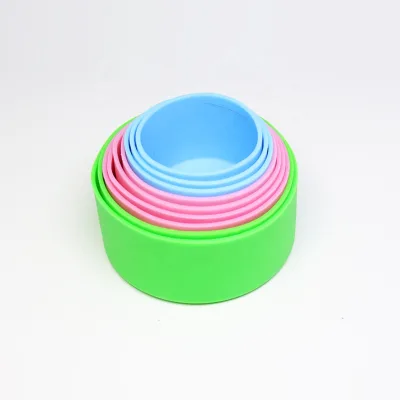
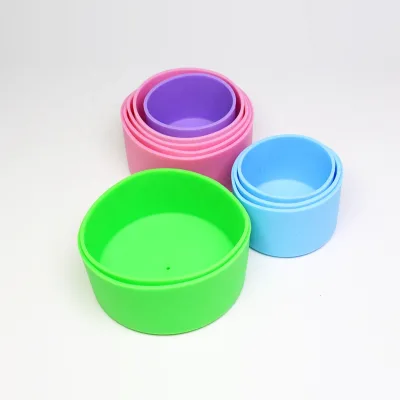


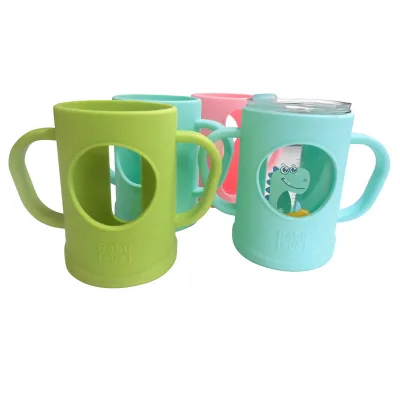








Comprehensive Sourcing Guide
Silicone Anti-Dust Cup Accessories Set Supplier Concentration and Factory Types
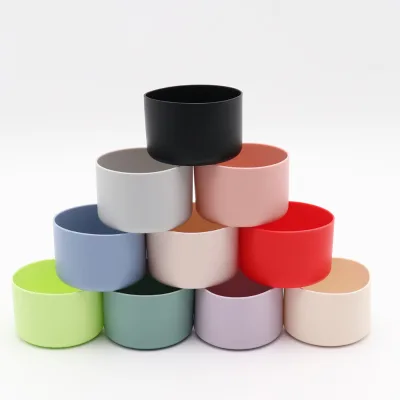
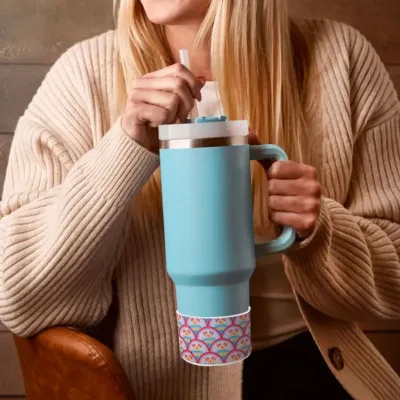
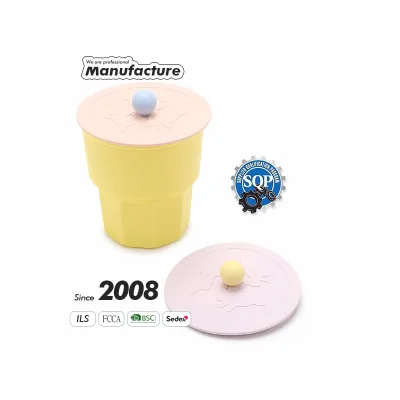
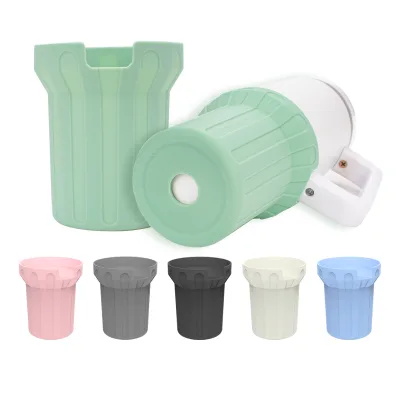
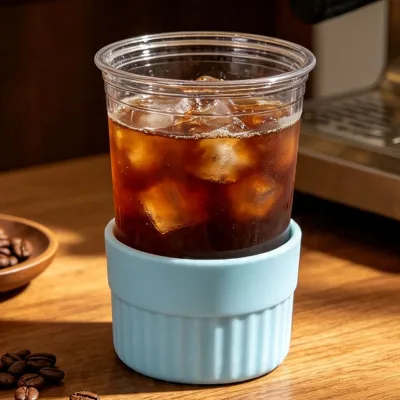
Suppliers listing silicone anti dust cup accessories sets fall into two broad camps: manufacturers that mold their own rubber and silicone parts, and trading companies that consolidate related health and drinkware goods. A manufacturer based in Zhejiang, China, for example, lists silicone products, sealing rings and rubber miscellaneous items as its main products, with a dedicated cup sleeve product line that includes a silicone cup bottom cover described as a tumbler accessory with moulding and cutting processing. That profile signals a compression-molding workshop rather than an assembler. In contrast, a trading company in Shanghai lists acupuncture needles, cupping jars and related Chinese medicine apparatus, with silicone cupping cup sets as its relevant product, meaning the silicone items are part of a broader catalog.
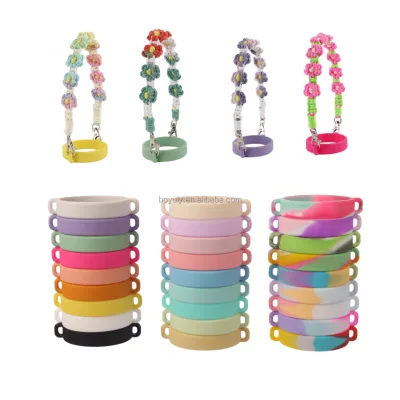
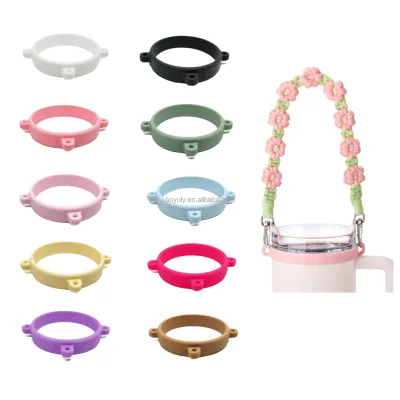
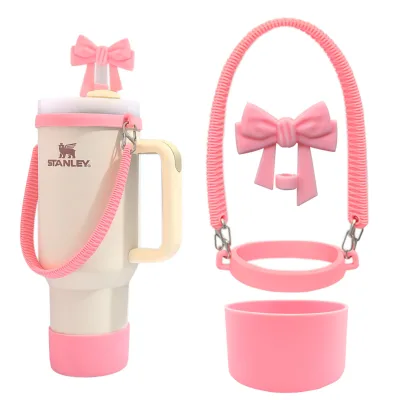
A third structure also appears: combined manufacturer-trader operations. A Fujian-based combined supplier lists O rings, rubber seals, silicone gaskets and silicone washers alongside a tumbler handle strap ring set, showing that silicone accessory makers often extend into drinkware hardware. When you build a shortlist, classify each candidate by company type first. Manufacturer profiles typically emphasize processing services such as moulding and cutting, while trading profiles emphasize customization availability and OEM/ODM language. Note that a displayed type label is only the first signal; a manufacturer may still outsource packaging, and a trader may hold tooling. Verify which entity actually owns the molds, because that determines who controls your tooling amendments, color changes and reorders over the product lifecycle.
How to Verify Silicone Anti-Dust Cup Accessories Set Suppliers
Start with independently verifiable credentials rather than self-reported claims. At least one supplier in this category carries ISO9001:2015 and ISO14001:2015 system certifications and is verified by TUVRHEINLAND, which gives you a third-party anchor for quality management and environmental systems. When a profile shows neither certification nor third-party verification, treat every quality statement—such as "100% inspection" claims seen on some cup sleeve listings—as an assertion you must test, not evidence. Ask each candidate to state whether its certifications cover the specific production line producing your silicone set, because a certificate held at group level may not extend to a partner workshop actually doing the molding.
Second, verify the product itself against the listing data. Some silicone cup sleeve listings show attributes including place of origin Haining, moulding and cutting processing services, eco-friendly material claims, customizable color, and a stated quality of 100% inspection. Request material declarations for the silicone grade, ask whether the eco-friendly claim refers to the polymer or to additives, and confirm that the origin city in the attributes matches the registered supplier location. Cupping set listings from the Shanghai trading supplier show customization availability, OEM/ODM acceptance and sample availability, so request a sample before committing. Finally, verify capacity claims: one Fujian supplier lists ODM and OEM capability, which you can test by asking for a drawing-based quotation. If a supplier cannot produce dimensioned drawings, mold flow details or a sample within a stated timeframe, its customization language is likely generic catalog text.
What to Compare Across Silicone Anti-Dust Cup Accessories Set Suppliers
Build a comparison table using the attributes suppliers actually display, and mark blanks as unknown instead of assuming parity. Response time is one of the most informative available fields: observed values in this category range from under three hours for the Fujian combined supplier to roughly four hours for the Zhejiang manufacturer and around nine for the Shanghai trading company. A faster response usually predicts smoother sampling and defect handling, though it says nothing about price. Lead time is equally comparable: the Zhejiang manufacturer lists 30 days while the Shanghai trader lists 15 days, a gap that matters if you are timing a seasonal drinkware launch.
Compare price bands alongside structure. Cup sleeve products show a single listed price point, while tumbler handle strap sets span a range depending on configuration, and silicone cupping sets list per-set pricing with a stated minimum order quantity of 10 sets. Location is another axis: Zhejiang, Shanghai and Fujian suppliers sit in different logistics environments with different port access. Company type should sit at the top of your table because a manufacturer, trader and combined entity will quote the same silicone set differently. Do not treat establishment year, escrow availability or trade assurance as attributes every supplier displays; some profiles show them, others do not. Where a field is blank, ask the supplier directly and record the answer with the date, so your comparison reflects verified statements rather than listing-page defaults.
Common Silicone Anti-Dust Cup Accessories Set Sourcing Risks
The most frequent risk is material substitution. Silicone cup accessories are frequently quoted as food-contact or eco-friendly items, but listings alone do not prove grade. A cup sleeve or dust cover that touches the drinking rim must match the silicone formulation you specified, and some suppliers in adjacent categories—such as the general rubber parts trade—mold many products from the same material stocks. Require a signed material specification before tooling starts, and treat any "100% inspection" claim as a process description to audit, not a guarantee. The second risk is category confusion: one Shanghai supplier sells silicone cupping therapy cups, which share your keyword space but are medical-adjacent products with different regulatory expectations than drinkware accessories.
A third risk is mismatch between supplier type and your need. A trading company offering OEM/ODM and samples may be relaying your customization request to a factory, adding both time and interpretation error to color matching and fit. A combined manufacturer-trader may prioritize its core O ring and gasket business, leaving accessory SKUs on older tooling. Fourth, watch for fit risk on branded tumblers: one Fujian listing markets a universal-size handle strap, but "universal" claims should be validated with sample fits on the actual cup diameters you sell. Finally, lead-time quotes can be single-item figures that exclude mold-making; a 30-day quoted lead time may apply only after tooling approval, so confirm what the clock starts from.
Silicone Anti-Dust Cup Accessories Set Regional Sourcing and Logistics
Within this supplier pool, three regional bases appear with distinct logistics characteristics. A Zhejiang manufacturer sits inside one of China's densest rubber and silicone molding regions, and its product attributes cite Haining as the place of origin, a city known for leather and light manufacturing with access to Yangtze Delta ports. A Shanghai trading company operates directly in a major export port city, which shortens inland drayage and simplifies consolidation when you combine silicone accessories with other goods; its 15-day listed lead time reflects that proximity advantage. A Fujian combined supplier exports from a coastal province with strong sealing and small-rubber-part manufacturing, shipping primarily through Fujian ports.
These are the only clusters you can justify from the observed data; if you see candidates from other regions, ask them to identify their nearest export port and typical consolidation routings rather than assuming proximity to a known hub. For logistics planning, use package-level data from the listings: one cup sleeve product specifies a single package size of 10 by 10 by 8 centimeters and gross weight of 0.2 kilograms per unit, while handle strap sets ship in PP bags plus cartons. Those figures let you calculate carton cube and air-freight viability before quoting. Confirm whether quoted lead times—15 days or 30 days—include production only, or also export documentation and carrier booking, and ask each supplier which incoterms it routinely handles from its specific port.
Silicone Anti-Dust Cup Accessories Set Commercial Terms and Order Planning
Anchor negotiations on the concrete figures the listings provide, then push for your own terms. Reference prices in this category span wide: a silicone cup sleeve set lists at a single price point per unit, tumbler handle straps range from roughly $0.30 to $1.50 depending on configuration, and 4-cup silicone cupping sets list between about $4.50 and $5.80 with a minimum order quantity of 10 sets. Use these as calibration anchors only—your quoted price will vary with color, packaging, tooling amortization and order size. Always ask what MOQ applies to a customized color, since the displayed MOQ typically covers stock configurations. One Zhejiang manufacturer quotes a 30-day lead time and one Shanghai trader 15 days; build your reorder calendar around the longer figure plus inspection and shipping buffer.
Structure payment to match the risk. Prefer escrow-backed or platform-protected transactions where the supplier supports them, and note that not every listing displays escrow availability, so confirm in writing. For a first order, a common plan is: sample against specification, small pilot lot at or near the displayed MOQ, then volume after you audit the pilot's dimensions, silicone feel and dust-fit on your target cups. Fix in the contract the inspection standard (referencing any 100% inspection claim), the tooling ownership if molds are cut, the price-validity window, and re-quote triggers for silicone raw material movement. Finally, confirm packing—PP bag plus carton or single-item boxes—since accessory sets are retail-sensitive and packaging errors are costly to fix post-shipment.
FAQs
What are typical prices for silicone anti dust cup accessories sets?
Prices in the results range from about $0.30 to $9.40 per set depending on product type. A simple silicone ring handle strap tumbler accessory is listed between $0.30 and $1.50, while a 4-cup silicone cupping set runs $4.50 to $5.80, and glass-with-silicone cupping sets reach $7.20 to $9.40. Final pricing depends on size, material mix, customization, and order quantity.
What is the minimum order quantity for silicone cup accessories?
One listed 4-cup silicone cupping set shows a minimum order quantity of 10 sets, making it accessible for small trial orders. MOQs vary by supplier and product line, and some manufacturers accept lower quantities for samples. Buyers should confirm the MOQ for their exact configuration, including custom colors or sizes, before requesting a quotation.
How long does production and delivery usually take?
Listed lead times on this page range from 15 to 30 days. A Shanghai trading company quotes around 15 days for its silicone cupping sets, while a Zhejiang manufacturer lists roughly 30 days for molded silicone cup accessories. Actual timelines depend on order volume, mold availability, and customization requirements, so confirm lead time in writing before placing the order.
Are certifications available for silicone cup accessories?
Yes, certifications appear in the supplier results. A Fujian supplier holds ISO9001:2015 and ISO14001:2015 system certificates and is verified by TUV Rheinland. A Shanghai supplier lists FDA and CE certification on its glass and silicone cupping set. Always request copies of the specific certificates for the exact product you intend to purchase, since certification applies per product line.
Can suppliers customize colors and sizes for cup accessories?
Yes, customization is widely offered in the results. One Zhejiang manufacturer states colors accept customization and provides moulding and cutting services, while a Shanghai supplier lists customization as available with OEM and ODM support. A Fujian supplier offering a tumbler ring handle strap also notes customization is available. Provide drawings, Pantone codes, or samples to receive accurate custom quotations.
Which supplier types are available and where are they located?
The results include manufacturers, trading companies, and a combined manufacturer-trader across three Chinese provinces. A manufacturer in Zhejiang makes silicone cup sleeves and molded rubber parts, a trading company in Shanghai supplies cupping and acupuncture accessories, and a combined manufacturer-trader in Fujian produces O-rings, silicone gaskets, and tumbler accessories. Response times range from roughly 3 to 9 hours.
What sizes do silicone tumbler boot accessories fit?
The results show silicone boot cup accessories designed for 40oz, 30oz, and 20oz tumbler cups, covering the most common large drinkware sizes. A tumbler ring handle strap is listed with a universal size standard. When ordering, share your cup's base diameter and height, since boot fit depends on precise bottom dimensions rather than nominal capacity alone.