Silicone Bralette Suppliers and Manufacturers
Source 17 verified suppliers for Silicone Bralette products. Compare key dimensions including location, lead time, MOQ, and response time to find the right partner. Review product specifications and pricing details to make an informed sourcing decision today; review the available evidence before requesting comparable quotations from suitable candidates.
Suppliers List

SHANTOU HUICHEN FASHIONS CO.,LTD.
- Combined
- China Guangdong
- Lead time60 days
- Avg. response≤ 7h
Main productsUnderwear, Bra, Sexy Lingerie, Sexy Babydoll, Wireless Bra, Sport Bra, Bra & Panty Set, Underwear Set, Sexy Lingerie Set
Main marketsSouth America,Africa,Europe,North America
Yiwu Weiwang Trading Co., Ltd.
- Manufacturer, Trading Company
- Zhejiang, China
- Lead time7 days
- Avg. response≤ 3h
Main productsSilicone bra,Nipple sticker,panty,Underwear accessories,Underwear insert
Main marketsSouth America(60.0%), Eastern Europe(20.0%), Northern Europe(10.0%), North America(5.0%), Africa(5.0%)

Zhejiang Shenlong International Co., Ltd.
- Trading Company
- China Zhejiang
- Lead time0 days
- Avg. response≤ 11h
Main productsUnderwear, Seamless Underwear, Underwear Set, Seamless Inner Wear, Seamless Wear, Undergarment, Bath Towel, Beach Towel, Face Towels, Leggings
Guangzhou Xinke Silicone Products Co., Ltd.
- Manufacturer, Trading Company
- Guangdong, China
- Lead time10 days
- Avg. response≤ 3h
Main productsSilicone Bra,Silicone Bra Insert,Silicone Nipple Cover,Cloth Invisible Bra
Main marketsNorth America(70.0%), South America(20.0%), Northern Europe(10.0%)

Dongguan gangtian polymer materials Co.Ltd.
- Manufacturer
- China Guangdong
- Lead time15 days
- Avg. response≤ 7h
Main productsRTV 2 Mold Making Silicone Rubber, Liquid Silicone Rubber, Htv Silicone Rubber, Silicone Oil & Silicone Ink, Silicone Pigment/Paste, Electronic Potting Compound, Life Casting Silicone Rubber
Main marketsSouth America,Southeast Asia/ Mideast,Europe,North America

Xiamen Pop Gloria International Trade Co., Ltd.
- Verified by BV
- Combined
- China Fujian
- Lead time15 days
- Avg. response≤ 12h
Main productsUnderwear, Sexy Lingerier, Period Underwear, Pregnancy Underwear, Comfortable Bra, Fashion Underwear, Fashion Bra Set, Sexy String, Nursing Bra, Sexy Bra
Main marketsSoutheast Asia/ Mideast,Europe

Dongguan Yifanyuan Apparel Co., LTD
- Verified by BV
- Combined
- China Guangdong
- Lead time23 days
- Avg. response≤ 4h
Main productsSilicone Nipple Cover, Invisible Bra, Panties
Main marketsSouth America,Southeast Asia/ Mideast,East Asia(Japan/ South Korea),Europe

YUEQING YUANTIANLI MEDICAL CO., LTD.
- Combined
- China Zhejiang
- Lead time23 days
- Avg. response≤ 9h
Main productsColostomy Bag, Cohesive Bandage, Kinesiology Tape
Main marketsSoutheast Asia/ Mideast,East Asia(Japan/ South Korea),Domestic,Europe,Australia,North America

Shantou Trendy Wind Garment Manufacture Co., Ltd.
- Combined
- China Guangdong
- Lead time60 days
- Avg. response≤ 1h
Main productsUnderwear, Bra, Shape Wear, Panties, Briefs, Nightwear, Babydoll, Pajamas, Swimwear, Camisole
Main marketsSouth America,Domestic,Europe,North America

Dongguan weiyizao import and Export Co., Ltd.
- Verified by BV
- Trading Company,Manufacturer/Factory
- China Guangdong
- Lead time45 days
- Avg. response≤ 4h
Main productsUnderwear, Sportwear, Seamless Underwear, Mould Bra, Nursing Bra, Panty, Garment Accessories, Garment Decoration-Jewelry, Bra Strap, Belt
Main marketsSouth America,Eastern Europe,Mid East,North America,Southeast Asia,Eastern Asia,Oceania,Western Europe,Africa

- Verified by CTI
- Trading Company
- China Anhui
- Lead time23 days
- Avg. response≤ 1h
Main productsFurniture, Home Furniture
Main marketsSoutheast Asia/ Mideast
Guangzhou Jolie Dress Co., Ltd.
- Manufacturer, Trading Company
- Guangdong, China
- Lead time2 days
- Avg. response≤ 4h
Main productsbra sets,Sexy lingerie,Women Panties,Women Bra,Men Underwear
Main marketsNorth America(38.0%), Western Europe(28.000000000000004%), South America(15.0%), Africa(8.0%), Oceania(6.0%), South Asia(5.0%)

Guangdong Heilan New Material Technology Co., Ltd.
- Manufacturer
- China Guangdong
- Lead time15 days
- Avg. response≤ 17h
Main productsGeneral Purpose Silicone Rubber, Silicone Rubber for Sex Dolls, Silicone Rubber Insulator, Food Grade Silicone Rubber, Htv/Hcr Silicone Rubber, High Tear Strength Silicone Rubber, Molding Silicone Rubber, High Transparent Silicone Rubber, Flame Retardant Silicone, High Transaparent Excusion Silicone Rubber
Main marketsSoutheast Asia/ Mideast,Europe,North America
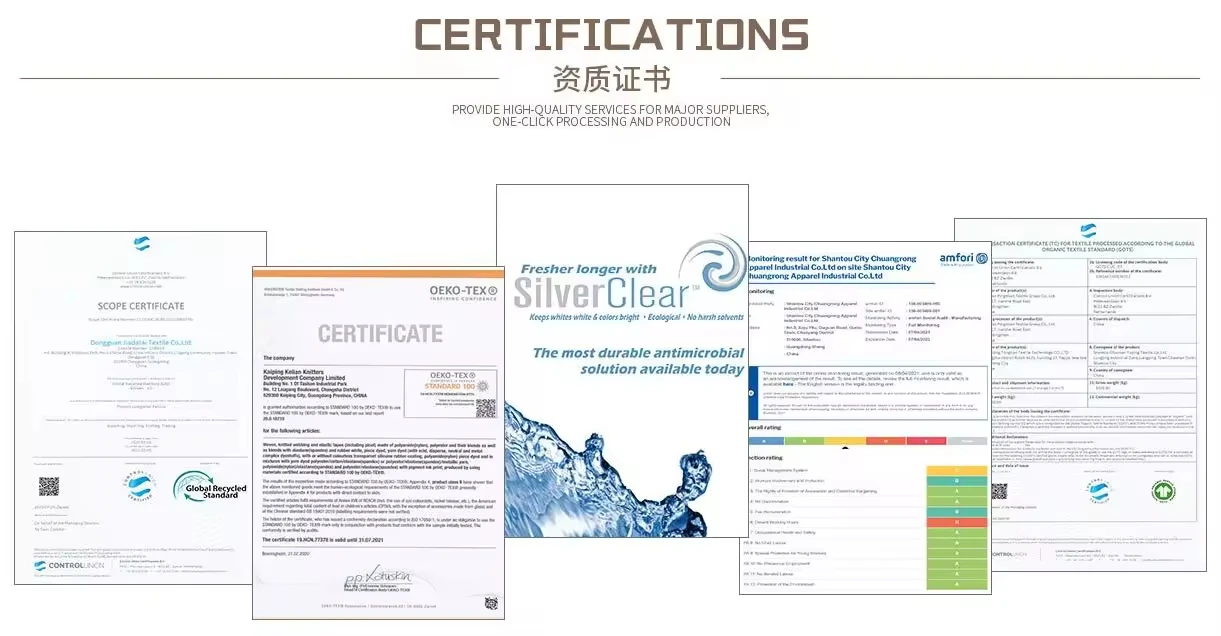
Guangzhou Jiyue Apparel Co., Ltd.
- Manufacturer, Trading Company
- Guangdong, China
- Lead time5 days
- Avg. response≤ 6h
Main productsUnderwear,Shapewear,Fitnesswear,Swimsuit,Sleepwear
Main marketsNorth America(20.0%), Western Europe(10.0%), Eastern Europe(10.0%), Mid East(10.0%), South America(8.0%), South Asia(5.0%), Southern Europe(5.0%), Northern Europe(5.0%), Central America(5.0%), Southeast Asia(5.0%), Domestic Market(5.0%), Africa(5.0%), Oceania(5.0%), Eastern Asia(2.0%)

Dongguan Senfeng Trading Co., Ltd.
- Verified by TUVRHEINLAND
- Trading Company
- China Guangdong
- Lead time15 days
- Avg. response≤ 1h
Main productsWomen's Underwear, Women's Shapewear, Women's Bra, Women's Panties, Women's Belt, Women's Clothes, Men's Briefs, Women's Bodysuit
Main marketsOthers(foreignTradeCapacity.exportBusinessCapacityMarketOther)

Quanzhou Weibo Clothing Co., Ltd.
- Verified by BV
- Manufacturer
- China Fujian
- Lead time15 days
- Avg. response≤ 2h
Main productsBra, Underwear, Nipple Covers, Breast Pads, Lingerie, T Shirt, Resin Craft, Ceramic
Main marketsSouth America,Southeast Asia/ Mideast,East Asia(Japan/ South Korea),Europe,Australia,North America


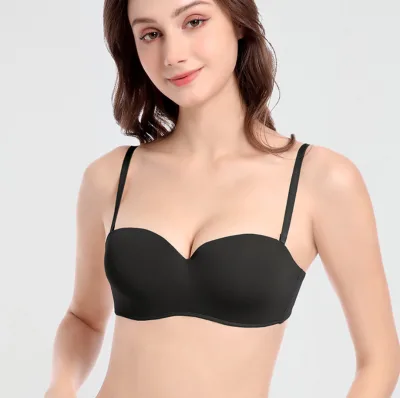
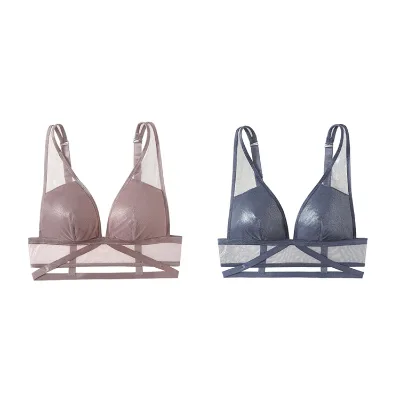
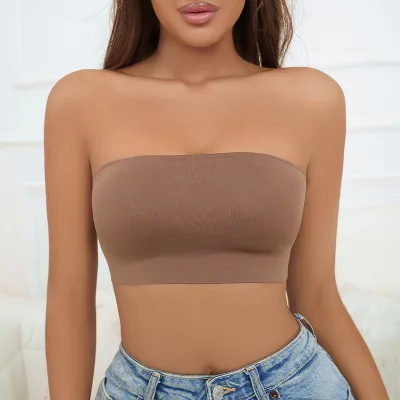
Wireless Strapless Invisible Bralette for Small Bust, One-Piece Seamless up Bra
$2.08 - $2.28
Moq: 500


Blue Skier Knitted Underwear Factory
- Verified by SGS
- Trading Company
- China Guangdong
- Lead time30 days
- Avg. response≤ 5h
Main productsNurs, Our Factory Mainly Deals in Maternity Bras, Pregnancy Bra, Plus-Size Front-Hook Bra, Seamless Vest, Tummy Control Pure Cotton Panties, Women's Thermal Vest Men's Thermal Vest Thermal, Women's Lace Bandeau, One-Piece Seamless Bra
Main marketsDomestic


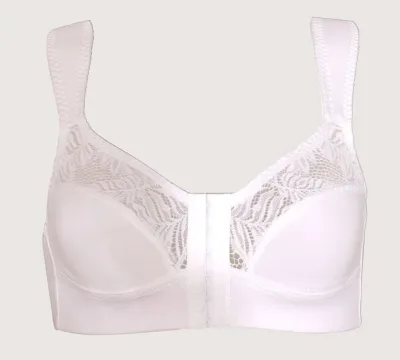
Plus Size Front Closure Bralette, Wireless Breathable Mesh No - Underwire Camisole
$2.48 - $2.68
Moq: 500


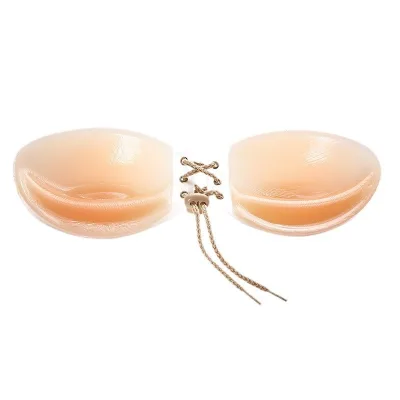










Comprehensive Sourcing Guide
Silicone Bralette Supplier Concentration and Factory Types
Current data indicates that active suppliers for silicone bralettes are concentrated in specific Chinese provinces, with Guangdong and Zhejiang emerging as primary manufacturing hubs. Fact records show suppliers located in Guangdong, China, and Zhejiang, China, suggesting these regions host the relevant production capacity for this category. Buyers should prioritize verifying the specific factory address within these provinces to confirm proximity to supply chains for silicone materials and intimate apparel components. The supplier types observed include combined entities that function as both manufacturers and trading companies, as well as pure manufacturers. This hybrid structure means some suppliers may source silicone components from external vendors while assembling the final product, whereas others may control the entire molding and finishing process in-house.
When evaluating the factory type, buyers must distinguish between a trading company that aggregates products and a manufacturer that owns the production line. The observed data lists company types as "Combined" or "Manufacturer, Trading Company," which requires careful due diligence to understand the actual production capability. A combined entity might offer broader product ranges, such as underwear sets and accessories, but a dedicated manufacturer may provide tighter control over silicone quality and customization. Buyers should request proof of the manufacturing floor, specifically looking for silicone molding equipment and quality control stations. Understanding whether the supplier is a direct factory or a trading intermediary is critical for negotiating prices and ensuring that the silicone material meets safety standards for intimate wear.
How to Verify Silicone Bralette Suppliers
Verification begins with confirming the supplier's physical location and operational history, as the provided facts list specific origins in Guangdong and Zhejiang. Buyers should request a business license that matches the registered address and cross-reference it with the location data provided in the supplier profile. Since the data shows response times ranging from 3 to 6.71 hours, a fast response is a positive indicator, but it does not guarantee factory ownership. Buyers must ask for video tours of the production line to verify the presence of silicone molding machinery and assembly stations. It is essential to confirm that the supplier can handle the specific customization requirements, such as logo placement on the cup or specific packaging formats, which are listed as available attributes in the product evidence.
Certification verification is another critical step, as the current data indicates that system certifications are listed as "NIL" for some suppliers. This absence does not necessarily mean the supplier is unqualified, but it requires the buyer to request specific product test reports for silicone safety, such as ISO or REACH compliance documents. Buyers should also verify the "Needle detection" attribute, which is marked as "YES" for some products, indicating a commitment to safety standards. Asking for third-party inspection reports for the silicone material composition is vital to ensure the product is free from harmful substances. Additionally, buyers should check the "Service" attributes like OEM and ODM capabilities to ensure the supplier can meet specific design and branding needs without relying on generic stock items.
What to Compare Across Silicone Bralette Suppliers
When comparing suppliers, the lead time is a primary differentiator, with observed data showing ranges from 7 days to 60 days. A supplier with a 7-day lead time may be better suited for urgent orders or small batch testing, while a 60-day lead time suggests a larger production cycle or potential inventory constraints. Buyers should also compare the Minimum Order Quantity (MOQ), which varies significantly from 1 piece to 3000 pieces depending on the product model. This variation allows buyers to select suppliers that match their order volume, whether they are testing the market with a single unit or planning a large-scale retail launch. The response time, recorded between 3 and 6.71 hours, should also be factored into the decision, as faster communication often correlates with better project management and issue resolution.
Price and customization options are equally important comparison points, with unit prices ranging from approximately $2.30 to $6.40 based on the product evidence. Buyers must analyze whether the lower price point corresponds to a higher MOQ or reduced customization features. The data shows that customization is generally available, but the specific details like pattern type, strap style, and cup shape vary by model. Comparing the material composition, such as the 90% nylon and 10% spandex blend versus pure silicone products, helps buyers understand the value proposition. Additionally, the packing methods, ranging from single pieces on hangers to flat packs in polybags, should be evaluated to ensure they align with the buyer's logistics and retail presentation requirements.
Common Silicone Bralette Sourcing Risks
One significant risk involves the discrepancy between the claimed product attributes and the actual manufacturing capability, particularly regarding silicone quality. The data shows various product styles, including wire-free and strapless options, but without specific certification records, there is a risk of receiving products that do not meet safety standards for skin contact. Buyers must be wary of suppliers who claim "Invisible" or "Wire Free" features without providing material safety data sheets. Another risk is the inconsistency in lead times, where a supplier might promise a 7-day turnaround but fail to deliver due to capacity constraints or raw material shortages. This is especially relevant given the wide range of lead times observed, from 7 to 60 days, which suggests varying levels of operational stability.
Customization risks are also prevalent, as the data indicates that while customization is available, the specific parameters like cup size and pattern type may not be fully flexible. Buyers might assume they can order a custom color or shape, but the supplier may only offer standard options with limited modifications. The "NIL" certification status for some suppliers increases the risk of non-compliance with international standards, potentially leading to customs delays or product recalls. Furthermore, the variation in MOQs, from 1 to 3000 pieces, can lead to inventory risks if the buyer orders a large quantity from a supplier with a long lead time and then faces demand fluctuations. Buyers should mitigate these risks by requesting samples and verifying the supplier's ability to meet specific quality and delivery commitments before placing large orders.
Silicone Bralette Regional Sourcing and Logistics
Sourcing from Guangdong and Zhejiang offers distinct logistical advantages, as these regions are established hubs for textile and intimate apparel manufacturing. The proximity of suppliers in these provinces to major ports facilitates efficient shipping, though buyers must verify the specific port of loading for each supplier. The data confirms that products originate from China, specifically these two provinces, which implies a mature supply chain for silicone and fabric components. However, buyers should be aware that lead times can vary significantly based on the specific factory location and its current workload. A supplier in Zhejiang might have a 7-day lead time, while one in Guangdong could require 60 days, affecting the overall logistics planning and inventory management strategy.
Logistics planning must also account for the packaging specifications provided in the product evidence, which range from single pieces on hangers to flat packs in polybags. These packaging differences impact the volume and weight of the shipment, influencing freight costs and storage requirements. Buyers should confirm the single package size and gross weight, such as the 10x10x10 cm dimensions and 10.000 kg weight noted for some items, to calculate accurate shipping costs. Additionally, the "Needle detection" attribute suggests that some suppliers have quality control measures in place, which can reduce the risk of damaged goods during transit. Buyers should work with freight forwarders who are experienced in handling intimate apparel to ensure that the products arrive in pristine condition, especially given the delicate nature of silicone materials.
Silicone Bralette Commercial Terms and Order Planning
Commercial terms for silicone bralettes vary widely, with prices ranging from $2.30 to $6.40 and MOQs from 1 to 3000 pieces. Buyers must carefully review the pricing structure to understand if the cost includes customization, packaging, or shipping. The data shows that some suppliers offer sample orders with a 7-day lead time, which is beneficial for testing product quality before committing to a larger order. However, buyers should verify if the sample cost is refundable upon placing a bulk order, as this is a common commercial term in the industry. The response time, ranging from 3 to 6.71 hours, indicates that communication is generally prompt, but buyers should establish clear expectations for order confirmation and payment terms to avoid delays.
Order planning should consider the lead time variability, which spans from 7 to 60 days, to ensure timely delivery for retail seasons. Buyers should align their production schedules with the supplier's lead time, especially if they are planning for peak seasons or promotional events. The availability of OEM and ODM services allows for flexibility in product design, but buyers must confirm the timeline for design approval and sample production. Additionally, the "Service" attributes like "OEM ODM Custom Service" suggest that suppliers are willing to accommodate specific branding needs, but this may extend the lead time. Buyers should plan for potential delays by ordering samples early and maintaining a buffer in their inventory planning to account for any production bottlenecks or logistical challenges.
FAQs
What is the price range for silicone bralettes?
Prices for silicone bralettes typically range from $2.30 to $6.40 per unit. This cost varies based on specific customization options and order volume. Buyers should verify exact pricing with suppliers, as minimum order quantities and material specifications can influence the final quote for bulk purchases.
What is the minimum order quantity for these items?
Minimum order quantities vary significantly by supplier. Some manufacturers accept orders as low as 20 pieces for in-stock items, while others require 3,000 units for custom production. Buyers must check individual supplier listings to confirm the specific MOQ applicable to their desired product style and customization needs.
How long does production take for these orders?
Lead times depend on the supplier type and order size. Sample orders can be processed within seven days, while standard production lead times may extend up to 60 days. Buyers should confirm specific timelines with their chosen supplier to ensure alignment with their inventory requirements and shipping schedules.
Where are these silicone bralettes manufactured?
These products are primarily manufactured in China, with specific production hubs located in Guangdong and Zhejiang provinces. Buyers can filter suppliers by these regions to find manufacturers specializing in lingerie and underwear accessories. Verifying the exact origin ensures compliance with any specific sourcing preferences or trade regulations.
What materials are used in these bralettes?
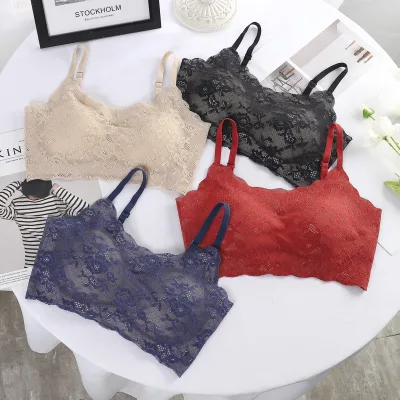
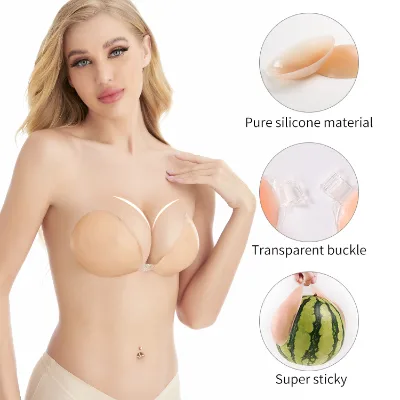
Silicone bralettes are typically constructed using silicone products for the main body, ensuring a breathable and invisible fit. Other styles may utilize nylon blends, such as 90% nylon and 10% spandex, for knitted lace designs. Buyers should review product specifications to confirm material composition for comfort and durability.
Do suppliers offer customization services?
Many suppliers offer both OEM and ODM customization services for bralettes. Buyers can often request custom patterns, logos, or specific packaging options. It is essential to verify customization availability and associated costs directly with the supplier, as these services may impact lead times and minimum order quantities.
How quickly do suppliers respond to inquiries?
Supplier response times vary, with some providers responding within three hours and others taking up to 6.71 hours on average. Faster response times can facilitate quicker negotiations and order processing. Buyers should prioritize suppliers with rapid response rates to ensure efficient communication throughout the sourcing and production phases.