Silicone Ice Cube Tray with Lid Suppliers and Manufacturers
Browse 24 verified suppliers of Silicone Ice Cube Tray with Lid products and compare grounded dimensions such as factory location, response time, lead time, MOQ, pricing and FDA or LFGB certification evidence. Shortlist candidates and request quotes with your specifications.
Suppliers List

NanChang Sunflower Silicone Rubber Co. Ltd
- Verified by TUVRHEINLAND
- Trading Company
- China Jiangxi
- Lead time15 days
- Avg. response≤ 2h
Main productsSex Toy, Watch, Phone Case, Kitchenware, Gift
Main marketsOthers(foreignTradeCapacity.exportBusinessCapacityMarketOther)

Zhongshan Xinyuan Silicone Rubber Co. Ltd
- Verified by TUVRHEINLAND
- Combined
- China Guangdong
- Lead time15 days
- Avg. response≤ 2h
Main productsSilicone Mold, Silicone Ice Cube Tray, Silicone Wristband, Silicone Tea Infuser, Silicone Bakeware, Silicone Keychain, Silicone Cup Coaster, Silicone Bag
Main marketsSouth America,Southeast Asia/ Mideast,Domestic,Europe,North America

TAIZHOU HARSOUL IMP. & EXP. CO., LTD.
- Trading Company
- China Zhejiang
- Lead time30 days
- Avg. response≤ 14h
Main productsPromotion Gifts, Promotional Bag, Promotional Jewelry, Promotional Toys, Promotional Stationery, Promotional Plastic Goods
Main marketsOthers(foreignTradeCapacity.exportBusinessCapacityMarketOther),Europe,North America
- Trading Company
- China Zhejiang
- Lead time30 days
- Avg. response≤ 11h
Main productsHome Appliance, Cookware Set, Thermos, Home Storage, Furniture, Pet Supplies, Garden Tools, Outdoor Supplies, Baby Supplies, Houesehold Items
Main marketsSouth America,Africa,Southeast Asia/ Mideast,East Asia(Japan/ South Korea),Domestic,Europe,Australia,North America
- Verified by TUVRHEINLAND
- Trading Company
- China Zhejiang
- Lead time15 days
- Avg. response≤ 16h
Main productsPet Goods, Broom, Storage Box, Laundry, Houseware, Personal Care
Main marketsSouth America
Dongguan Charm Star Houseware&Gift Co.,Ltd
- Manufacturer, Trading Company
- Guangdong, China
- Lead time10 days
- Avg. response≤ 12h
Main productsCake mold/Ice cube tray, Faucet mat/ Soap holder, Shoe charms holder/ Sponge holder, Dog lick mat/ Feed bowl, For airpods case/ For huawei earphone case
Main marketsNorth America(20.00%), South America(20.00%), Central America(15.00%), Western Europe(10.00%), Domestic Market(10.00%), Northern Europe(5.00%), Eastern Europe(5.00%), Southern Europe(4.00%), South Asia(3.00%), Eastern Asia(3.00%), Southeast Asia(3.00%), Mid East(2.00%)

Xiamen Neway Rubber & Plastic Products Co., Ltd.
- Verified by BV
- Combined
- China Fujian
- Lead time15 days
- Avg. response≤ 3h
Main productsPlastic Injection Molding, Plastic Parts, Silicone Rubber Parts, Gasket Seals, Rubber Grommet, Mould, O Ring, Extrusion Strip, Metal Parts, Suction Cup
Main marketsSouth America,Africa,Southeast Asia/ Mideast,East Asia(Japan/ South Korea),Europe,Australia,North America


New Style Bear Shape Mold Custom Silicone Ice Cube Tray with Factory Price
$0.55 - $2.00
MOQ: 1 Pieces


Jinjiang Jiaxing Import and Export Co., Ltd.
- Verified by CTI
- Manufacturer/Factory
- China Fujian
- Lead time120 days
- Avg. response≤ 1h
Main productsShoes, Slipper, Clothes, Promotion Gifts, Silicone Products, Outdoor Sports Products, Bags, Fashion Accessories, Consumer Electronics
Main marketsSouth America,Eastern Europe,Mid East,North America,Southeast Asia,Eastern Asia,Oceania,Western Europe,Africa

Shenzhen Hewang Silicone Product Co., Ltd.
- Verified by CTI
- Combined
- China Guangdong
- Lead time23 days
- Avg. response≤ 10h
Main productsSilicone Food Storage Bag, Silicone Travel Bottles, Silicone Air Fryer Liner, Silicone Coffee Cup, Silicone Food Lunch Box Container, Silicone Makeup Scrubber/Brush, Travel Bottles Set, Silicone Mold, Silicone Dog Pet Bottle/Bowl, Silicone Ice Tray
Main marketsSouth America,Southeast Asia/ Mideast,East Asia(Japan/ South Korea),Domestic,Europe,North America

Logo Custom Brand Silicone Mold Circle Ice Cube Tray with Removable Lid
$0.80 - $1.29
MOQ: 1000 Pieces

Custom Logo Versatile Reusable Silicone Ice Cube Tray with Lid for Easy Freezing
$0.80 - $1.35
MOQ: 1000 Pieces

Reusable 4 Caves 15 Cavity Food Grade Silicone Mold Ice Cube Tray with Leakproof Lid
$0.80 - $1.29
MOQ: 1000 Pieces

YONGKANG HOMESHINE SILICONE PRODUCTS CO., LTD.
- Combined
- China Zhejiang
- Lead time23 days
- Avg. response≤ 24h
Main productsGlass Lid
Main marketsSouth America,East Asia(Japan/ South Korea),Domestic,Europe,North America

Ningbo Happy Valley Household Co., Ltd.
- Verified by SGS
- Trading Company
- China Zhejiang
- Lead time30 days
- Avg. response≤ 12h
Main productsPot Lid, Glass Pot Lid, Kitchen Utensil Set, Kitchen Tool, Bento Box, Lunch Box, Plastic Lunch Box, Silicone Lunch Box, Collapsible Bucket, Plastic Bucket
Main marketsEurope
- Verified by SGS
- Trading Company
- China Zhejiang
- Lead time30 days
- Avg. response≤ 5h
Main productsHousehold
Main marketsNorth America
Dongguan Achievement Rubber & Plastic Co., Ltd.
- Combined
- China Guangdong
- Lead time23 days
- Avg. response≤ 4h
Main productsSilicone Face Cleanser, Baby Feeder, Silicone Ear Plugs, Silicone Keypad, Silicone Side Cover of Speaker, Silicone Cake Mould, Silicone Oven Gloves, Silicone Utensils, Silicone O Ring, Silicone USB Dust Plug
Main marketsEurope
Shenzhen Kingod Silicone Products Co., Ltd
- Verified by TUVRHEINLAND
- Combined
- China Guangdong
- Lead time15 days
- Avg. response≤ 2h
Main productsBaby Set, Baby Products, Baby Goods, Breast Pump, Face Mask, Baby Bottle, Medical Components, Phone Case, Silicone Kitchen Products, Toys
Main marketsNorth America

Ice Cube Tray, Square, Homemade Ice Cubes, Beverage, Silicone with Lid, Kitchen Utensil
$1.20 - $1.97
MOQ: 50 Pieces


Taizhou Shike Plastics Co., Ltd.
- Verified by CTI
- Trading Company
- China Zhejiang
- Lead time23 days
- Avg. response≤ 4h
Main productsBamboo Fiber Kids Set, Bamboo Fiber Stainless Steel Cup, Bamboo Fiber Dinner Set, Bamboo Fiber Dinnerware, Bamboo Fiber Coffee Cup, Bamboo Fiber Plate, Bamboo Fiber Bowl, Bamboo Fiber Tray, Sports Water Bottle, Alkaline Water Bottle
Main marketsSoutheast Asia/ Mideast,East Asia(Japan/ South Korea),Domestic,Europe,Australia,North America

Food Grade Silicone Ice Trays Reusable Ice Cube Molds with Removable Lids
$2.00 - $2.50
MOQ: 1000 Pieces


Silicone Ice Cube Tray for Making Perfect Shaped Frozen Food Soup Sauce
$2.00 - $2.40
MOQ: 3000 Pieces
- Verified by SGS
- Manufacturer/Factory
- China Fujian
- Lead time45 days
- Avg. response≤ 3h
Main productsSilicone Bracelet, PVC Keychain, PVC Mats, Silicone Mold, Mouth Guard, Nasal Dilator, Ear Plugs, Lanyards, Toys, Keychains
Main marketsSouth America,Eastern Europe,Mid East,North America,Southeast Asia,Eastern Asia,Oceania,Western Europe,Africa

Silicone Ice Cube Mold Ice Cube Trays with Covers Silicone Rose Ice Ball Maker
$0.59 - $1.12
MOQ: 100 Pieces

Silicone Ice Cube Tray with Lid Reusable Maker Ice Mold Daily Supply Ice Mould
$0.39 - $0.69
MOQ: 100 Pieces

Changsha Chengtong Technology Co., Ltd.
- Verified by SGS
- Trading Company
- China Hunan
- Lead time15 days
- Avg. response≤ 5h
Main productsCutting Board, Vegetable Chopper, Measuring Cup, Milk Frother, Measuring Spoon, Vegetable Peeler, Kitchen Scissors, Knife Sharpener
Main marketsSoutheast Asia/ Mideast


$0.62 - $0.75
MOQ: 500 Pieces

Wholesale Flexible Ice Cube Tray with Lid Free Easy Release Ice Cube Molds Make Mini Ice Cubes
$0.62 - $0.75
MOQ: 500 Pieces

$0.62 - $0.75
MOQ: 500 Pieces

$0.62 - $0.75
MOQ: 500 Pieces
- Verified by BV
- Trading Company
- China Zhejiang
- Lead time30 days
- Avg. response≤ 14h
Main marketsSouth America,Africa,Southeast Asia/ Mideast,East Asia(Japan/ South Korea),Europe,Australia,North America
Yangzhou Holly International Co., Ltd.
- Verified by BV
- Combined
- China Jiangsu
- Lead time15 days
- Avg. response≤ 15h
Main marketsSoutheast Asia/ Mideast,East Asia(Japan/ South Korea),Domestic,Europe

Ningbo July Packaging Co., Ltd.
- Verified by BV
- Trading Company
- China Zhejiang
- Lead time23 days
- Avg. response≤ 4h
Main productsSkincare Packaging, Airless Bottle, Cosmetic Packaging, Trigger Sprayer, Cream Jar, Lotion Pump, Plastic Bottle, Plastic Goblet, Plastic Cup, Wine Glass
Main marketsSoutheast Asia/ Mideast,Europe

Milesun Rubber & Plastic Technology Co., Ltd.
- Verified by CTI
- Manufacturer/Factory
- China Guangdong
- Lead time23 days
- Avg. response≤ 12h
Main productsRubber Components, Rubber Damper/Shock Absorber/Sheet, Rubber-Metal Components, Sealing Ring, Home Appliance Rubber and Metal Components, Power Tool Rubber and Metal Components, Auto Rubber and Metal Components, Sanitary Rubber and Metal Components, Kitchen Ware / Daily Use Rubber Products, Food Grade Rubber Products/Toy
Main marketsSouth America,Eastern Europe,Mid East,North America,Southeast Asia,Eastern Asia,Oceania,Western Europe,Africa
Ningbo General Union Co., Ltd.
- Verified by SGS
- Trading Company
- China Zhejiang
- Lead time45 days
- Avg. response≤ 9h
Main productsChristmas Tree, Party Supply, Christmas Ball, LED Light Strip, Halloween Product, Holiday Decoration, Santa Claus, Valentine's Day Product, Balloon Decoration, Birthday Decoration
Main marketsSouth America,Europe,North America
Ningbo Yoheng Imp & Exp Co., Ltd.
- Verified by SGS
- Trading Company
- China Zhejiang
- Lead time30 days
- Avg. response≤ 5h
Main marketsEurope


Hot-Selling, Low-Price, High-Quality Silicone Ice Cube Tray, Easy to Clean, Minimalist & Stylish
$0.80 - $0.88
MOQ: 3000 Pieces

Hot-Selling, Low-Price, High-Quality Silicone Ice Cube Tray-Easy to Clean, Flower-Shaped
$0.56 - $0.62
MOQ: 3000 Pieces

Shanghai Jingyao Industrial Co., Ltd.
- Verified by BV
- Manufacturer/Factory
- China Shanghai
- Lead time15 days
- Avg. response≤ 4h
Main productsFood Truck/Cart/Car/Trailer/Van/Caravan/Trolley, Bakery Equipment, Bakery Oven Machine, Rotary Oven, Ice Flake Machine, Ice Cube Machine, Ice Block Machine, Ice Tube Machine, Ice Evaporator, Ice Machine
Main marketsSouth America,Eastern Europe,Mid East,North America,Southeast Asia,Eastern Asia,Oceania,Western Europe,Africa


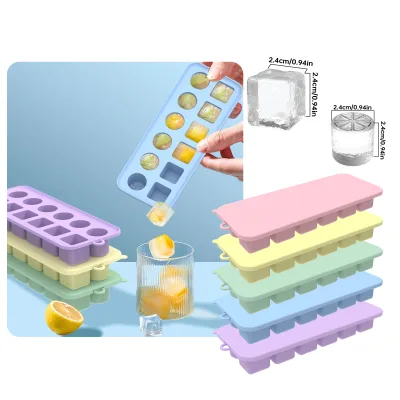
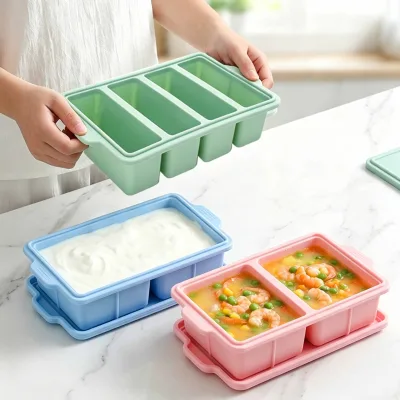


Comprehensive Sourcing Guide
Silicone Ice Cube Tray with Lid Supplier Concentration and Factory Types
When you search for Silicone Ice Cube Tray with Lid suppliers, the results will typically show listings from two distinct supplier types: manufacturers and trading companies. One supplier in the current results, for example, is labeled as a trading company based in Jiangxi with a third-party verification badge (TUVRHEINLAND), while another operates from Guangdong as a combined manufacturer-and-trader with an ISO9001:2015 system certificate. Understanding this split matters because a trading company may consolidate molds, packaging and logistics from multiple factories, while a combined or manufacturer-type supplier usually controls tooling, curing lines and quality checks in-house. Neither structure is inherently better; the right choice depends on whether your priority is design control or sourcing breadth across related silicone kitchenware.
Geographic concentration is real but must be verified from the data actually shown on each listing. In the current results, Guangdong appears as a manufacturing base for silicone molds, ice cube trays, wristbands, tea infusers and bakeware, and Jiangxi appears as a base for a trading company handling silicone kitchenware, watches, phone cases and gift items. Do not assume a location is a cluster just because a category keyword appears there; instead, note the main-products list on each profile, look for suppliers whose core line includes silicone mold and bakeware categories, and shortlist those whose location, company type and product breadth align with a genuine silicone manufacturer rather than a generalist reseller.
How to Verify Silicone Ice Cube Tray with Lid Suppliers
Verification starts with the credentials a supplier can display and ends with what you can independently confirm. Some profiles in this category carry third-party verification badges such as TUVRHEINLAND, which indicates an on-site check of the business rather than a product test. Others list a system certification such as ISO9001:2015, which speaks to process control but not to food-contact compliance. For a product that touches drinking water and food, ask specifically for food-contact evidence: several listings in the current results state FDA certification at the product level, and one states FDA and LFGB together, with another citing CE/EU, EEC and CIQ. Treat any certification claim as a claim until you see the dated certificate with the supplier's legal name and, ideally, a recent test report for the actual mold material.
Second, verify capacity claims against evidence. One supplier profile lists ODM capability and own-brand production alongside a combined company type, which suggests in-house tooling is plausible, but you should confirm by requesting mold photos, workshop videos or a sample run. Check the response time shown on the profile — current figures in this category range around one to two hours on average — because slow responses during quoting usually worsen after an order is placed. Finally, ask each supplier to confirm in writing which entity will sign the contract and receive payment, and whether that entity matches the name on the certificate and business license you were shown.
What to Compare Across Silicone Ice Cube Tray with Lid Suppliers
Build a comparison sheet using the attributes suppliers actually display. In the current results, useful dimensions include: lead time, with one supplier showing 15 days; response time, ranging from roughly 1.4 to 2.0 hours; MOQ, which varies dramatically from 50 pieces on one ice ball mold listing, to 100, 200, 500, and up to 1,000 pieces on others; and location, with Guangdong and Jiangxi both represented. Product-level pricing also spreads widely, from under one dollar on a small ball mold listing to above five dollars on a larger square tray, so compare unit price at your actual order quantity rather than the lowest displayed number.
Also compare the product evidence itself. Listings differ on cell count, cavity count, material designation (silicone rubber versus silicon), lid feature, packaging format (polybag, OPP or customized), and certifications such as FDA, LFGB or a combination. Note which suppliers state customization as available and which mention free samples or unlimited MOQ on specific models. Company type matters too: a trading company may list diverse main products such as watches and gifts alongside kitchenware, while a combined manufacturer lists silicone molds and bakeware as its core line. Weight suppliers whose main-product profile matches your category more heavily, and record which claims are documented versus merely stated, so your shortlist reflects verified capability rather than the best-written listing.
Common Silicone Ice Cube Tray with Lid Sourcing Risks
The most common risk in this category is material substitution. Silicone ice cube trays are food-contact products, and a supplier may quote against food-grade material but produce from a cheaper grade once tooling is approved. Several listings in the current results state FDA or FDA-and-LFGB certification at product level, but a certification claim on a listing is not a guarantee for your batch. Mitigate this by specifying material grade in the contract, requiring a pre-production sample kept as a sealed reference, and arranging independent testing of production samples against food-contact requirements before shipment.
Other recurring risks concern lids and fit, mold odor, and dimension drift. Lid fit is a frequent complaint because the lid and tray are often molded separately; insist on assembled-sample approval and check for warpage after cold cycles. Odor indicates incomplete post-curing; ask about curing parameters and test the sample after washing. On commercial risks, watch for MOQ baiting — one listing shows an MOQ of 200 while similar trays show 500 to 1,000, so confirm the MOQ applies to your exact configuration and color. Low displayed unit prices (for example, under one dollar on one listing) may apply to minimal sizes or exclude tooling, logo and packaging costs. Finally, verify lead time assumptions: a 15-day figure shown on a profile may exclude peak season, custom-color curing or shipping time, so confirm the total timeline in a signed proforma.
Silicone Ice Cube Tray with Lid Regional Sourcing and Logistics
Regional assessment should rest on the location data suppliers actually show. In the current results, two sourcing locations appear: Guangdong, where a combined manufacturer-and-trader lists silicone molds, ice cube trays, bakeware, tea infusers and related silicone goods, and Jiangxi, where a trading company lists silicone kitchenware alongside watches, phone cases and gifts. Guangdong's profile as a silicone manufacturing base is consistent with the breadth of its silicone product lines, while Jiangxi's supplier shows a trading-company structure, which can still be useful for consolidating orders but may add a layer between you and the mold shop. Verify which province each shortlisted supplier operates from and, where possible, the specific city, since one listing names Zhongshan, Guangdong as its factory location.
Logistically, this category ships well because trays are lightweight and non-fragile, but lids and trays stack inefficiently, so packaging density affects freight cost. One supplier listing states shipping by sea, air and express, with national couriers such as FedEx, DHL, TNT and UPS, which is typical for sample and small-batch movements. Plan for polybag or OPP single-piece packing as displayed on listings, or customized packing if branding matters. Confirm the incoterms, the loading port relative to the factory, and whether the supplier consolidates lid and tray production at one site or sources one component externally, since split production extends timelines.
Silicone Ice Cube Tray with Lid Commercial Terms and Order Planning
Order planning in this category revolves around MOQ, price tiers and customization scope. Displayed MOQs in the current results range from 50 pieces on an ice ball mold listing to 1,000 pieces on a variety-style tray, with intermediate tiers at 100, 200 and 500, so a buyer testing multiple designs can realistically order small initial lots across several suppliers rather than committing a large volume to one. Displayed price ranges span roughly from under one dollar to above five dollars per unit depending on size and style, so always request quotes at your confirmed quantity and configuration. One listing advertises free samples and no limited MOQ, which lowers trial cost, but confirm whether sample shipping is charged separately.
Payment and communication terms should be settled before any deposit. One supplier lists T/T, Western Union, PayPal, Visa and Mastercard, and offers contact by email, WhatsApp, WeChat and Skype; the presence of card or escrow-style payment options reduces advance-payment risk on first orders, though you should confirm what protection actually applies to your transaction rather than assuming it. Contractually, fix the material grade, certification requirement, lid fit tolerance, color standard, packaging format and inspection criteria, and state that production starts only after your written sample approval. Schedule production against a stated lead time — 15 days appears on one profile — but add buffer for mold making on custom shapes, curing, and pre-shipment inspection, and confirm restock lead times separately from first-article timelines.
(Approximate total: 1,390 words)
FAQs
What certifications should I look for in silicone ice cube trays with lids?
FDA and LFGB certifications are the most common indicators that the silicone is safe for food contact, and some listings also show CE/EU or CIQ compliance. Ask suppliers for up-to-date certificates and test reports for the exact material grade. BPA-free labeling is also frequently stated on product pages and should be confirmed in writing before ordering.
What is a typical MOQ for custom silicone ice cube trays with lids?
Minimum order quantities vary widely by design and customization level, with some suppliers accepting as few as 100 to 500 units and others requiring 1000 units for standard models. Custom colors, logos, or packaging usually raise the MOQ. Some suppliers advertise no MOQ limit for stocked designs, so confirm the threshold for your chosen model before requesting samples.
How long does production take for silicone ice cube trays with lids?
Lead times of around 15 days are commonly quoted for confirmed orders of silicone ice cube trays with lids. Custom molds, logo printing, or special packaging can extend that timeline. Always confirm the lead time in your purchase contract, including whether it starts from order confirmation or from receipt of your deposit, to avoid scheduling surprises.
Which China regions supply silicone ice cube trays with lids?
Suppliers of silicone ice cube trays with lids are concentrated in China, with active sellers in Jiangxi and Guangdong provinces. Guangdong suppliers often list broader silicone product ranges, including bakeware, wristbands, and tea infusers. Region can affect shipping costs and factory visit logistics, so ask each supplier for their exact factory address before committing.
How quickly do suppliers respond to inquiries on this platform?
Some suppliers on this page respond in under two hours on average, with recorded response times around 1.4 to 2 hours. Faster responders are usually easier to work with during sampling and production. Response speed can vary by time zone and season, so send a test inquiry and measure the actual reply time before placing an order.
Can I customize the color, logo, and packaging of these ice trays?
Most silicone ice cube tray suppliers advertise customization as available, covering colors, logo printing, and packaging options such as polybag or custom retail packaging. Custom molds for unique shapes are typically possible but may involve tooling fees and longer lead times. Request a written confirmation of customization costs, sample charges, and approval procedures before production begins.
What price range should I expect per unit for these trays?
Listed unit prices on this page range from roughly 1 to 5 US dollars depending on design, size, cell count, and order quantity. Simple trays with lids sit at the lower end, while specialized cylinder designs for tumblers cost more. Larger orders usually qualify for better rates, so always negotiate based on your actual volume.
What materials and features are common in these trays?
Most trays are made of food-grade silicone rubber with a lid for spill protection and odor control. Common features include BPA-free construction, stackable rectangular or creative shapes, and cavity counts from a handful up to 24 cubes. Sizes range from small trays to large formats designed for 20 to 40 ounce tumblers. Request material data sheets to verify food safety.