Single Item Kitchen Utensil Suppliers and Manufacturers
Source Single Item Kitchen Utensil options from 28 verified suppliers in China. Compare ISO9001:2015 certified factories offering FDA and LFGB standards with lead times around 15 days and response times near 6.63 hours. Request samples to verify quality and pricing.
Updated
Suppliers List

Xiamen Zhongying Electronic Technology Co., Ltd.
- Verified by SGS
- Combined
- China Fujian
- Lead time15 days
- Avg. response≤ 7h
Main productsPlastic Products, Rubber Ring, Sealing Ring, Gasket
Main marketsSoutheast Asia/ Mideast,Australia,North America


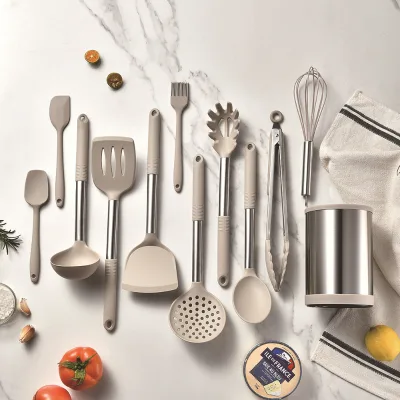
Food Grade Silicone Kitchen Utensils Durable Home Kitchen Cooking Accessories
$1.30 - $1.55
MOQ: 100 Sets

Wholesale Market Restaurant Kitchenware Direct New Items Silicone Kitchen Utensil Set
$1.85 - $2.08
MOQ: 50 Sets

Kitchenware Silicone 5-Piece Nonstick &Durable Eco- Friendly Cooking Utensils Set
$1.60 - $1.78
MOQ: 100 Sets


Modern Stainless Steel Silicone Nonstick Kitchen Utensils BPA-Free Food Tongs
$0.70 - $0.88
MOQ: 200 Pieces

Xiamen Ebei Import & Export Co., Ltd.
- Verified by CTI
- Trading Company,Manufacturer/Factory
- China Fujian
- Lead time45 days
- Avg. response≤ 2h
Main productsEco-Friendly Products, Bamboo Tableware, Bamboo Furniture, Bamboo Kitchenware, Bamboo Office Supply, Bamboo Fibre Products, Biodegradable Products, Bamboo Towel, Solar Energy Products, Bamboo Garden Products
Main marketsSouth America,Eastern Europe,Mid East,North America,Southeast Asia,Eastern Asia,Oceania,Western Europe,Africa

Ningbo Happy Valley Household Co., Ltd.
- Verified by SGS
- Trading Company
- China Zhejiang
- Lead time30 days
- Avg. response≤ 18h
Main productsPot Lid, Glass Pot Lid, Kitchen Utensil Set, Kitchen Tool, Bento Box, Lunch Box, Plastic Lunch Box, Silicone Lunch Box, Collapsible Bucket, Plastic Bucket
Main marketsEurope

Complete Multifunctional Silicone Kitchen Utensils for Home Chefs Kitchen Ware
$7.10 - $7.50
MOQ: 10 Pieces


Guangzhou Hissen International Trade Limited Company
- Verified by BV
- Combined
- China Guangdong
- Lead time15 days
- Avg. response≤ 4h
Main productsUsed Clothes, Second Hand Clothes, Used Shoes, Second Hand Shoes, Used Brand Clothes, Used Brand Shoes, Used Bags, Second Hand Bags, Cotton Rags, Used Sneaker
Main marketsSouth America,Africa,Southeast Asia/ Mideast,Europe,North America
Taizhou City Joyhome Import and Export Co.,Ltd
- Verified by SGS Group
- Manufacturer, Trading Company
- Lead time35 days
- Avg. response≤ 6h
Main productsRPET Tableware, Paper Fiber Cutting Board
Main marketsNorth America(40%), Eastern Asia(25%), Western Europe(25%)
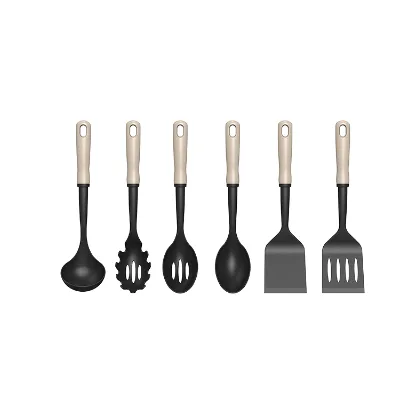
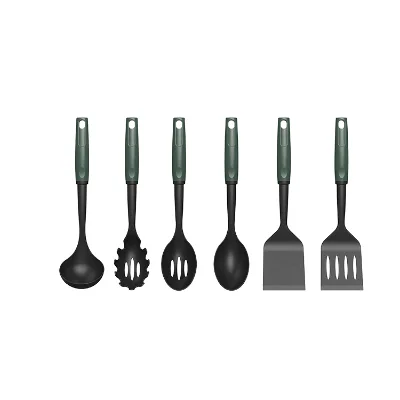
Wholesale Restaurant Custom Kitchen Cooking Kitchen Accessories Cooking Tools Utensils Kitchenware
$0.48 - $0.57
MOQ: 1000 pieces
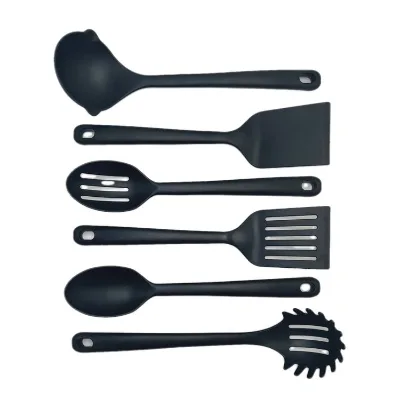
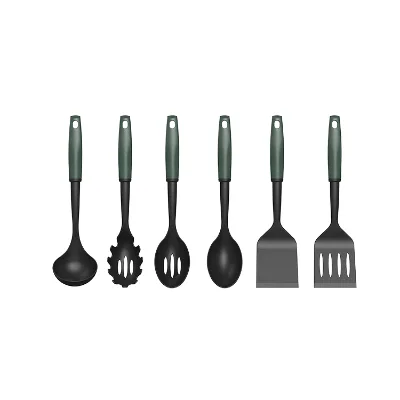
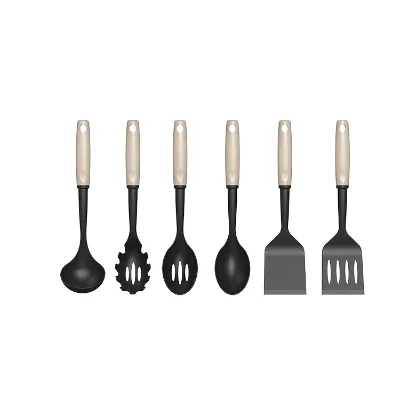
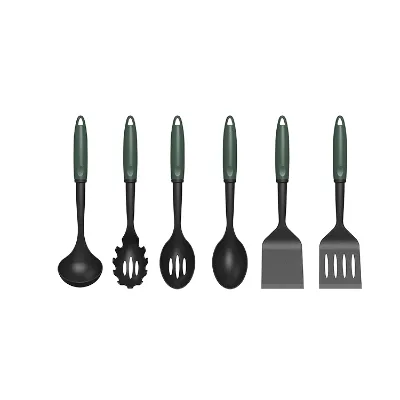
Customized Modern Classics Are Not Easily Damaged Cooking Utensils Set Utensils Kitchen
$0.48 - $0.57
MOQ: 1000 pieces
$0.48 - $0.57
MOQ: 1000 pieces

Qingdao ShengHong Rubber and Plastic Co., Ltd
- Verified by TUVRHEINLAND
- Trading Company
- China Shandong
- Lead time15 days
- Avg. response≤ 3h
Main productsOil Sealing, Damping and Buffering, Flexible Fittings for Fluid Pipelines, Protective Seals, Sealing Strip, Metal Stamped Products, Framework Oil Seals, Stamping, Rubber Product, Rubber Seal
Main marketsEurope

Shuifu Huiyang Agricultural Technology Co., Ltd.
- Verified by SGS
- Trading Company
- China Yunnan
- Lead time23 days
- Avg. response≤ 3h
Main productsBamboo Products, Bamboo Crafts, Bamboo Chopsticks, Bamboo Skewers, Bamboo Weaving, Bamboo Tray, Bamboo Box, Bamboo Placemat, Bamboo Fruit Bowl, Lamp Shades
Main marketsDomestic
Jieyang Ace Metal And Plastic Co., Ltd.
- Verified by TüVRheinland
- Manufacturer, Trading Company
- Lead time10 days
- Avg. response≤ 4h
Main productsStainless Steel Cutlery, Stainless Steel Straw, Lunch Box, Kitchen Gadgets, Barware
Main marketsNorth America(40%), Western Europe(30%), Southeast Asia(20%)

Eagle Catering Equipment Co., Ltd.
- Manufacturer/Factory
- China Guangdong
- Lead time30 days
- Avg. response≤ 12h
Main productsTrolleys, Gastronorm Containers, Table, Shelves, Sink, Barrier Post, Cookware, Buffetware, Barware, Kitchen Utensils
Main marketsSouth America,Eastern Europe,Mid East,North America,Southeast Asia,Eastern Asia,Oceania,Western Europe,Africa

Wenzhou Cathylin International Trade Co., Ltd.
- Verified by TUVRHEINLAND
- Trading Company
- China Zhejiang
- Lead time15 days
- Avg. response≤ 5h
Main productsFlatware, Cutlery, Kitchen Tools, Tableware, Cookware, Bakeware, Drinkware
Main marketsNorth America

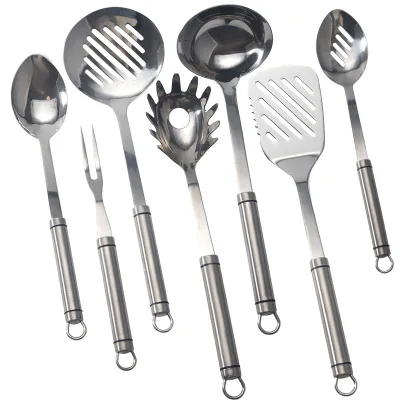
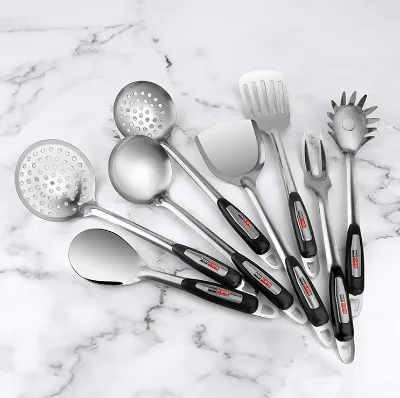
Wholesale Stainless Steel Kitchen Utensil with Plastic Handle, Kitchenware
$8.00 - $10.00
MOQ: 500 Sets

Bwin Hotel Restaurant Supplies Co., Ltd.
- Verified by TüVRheinland
- Manufacturer, Trading Company
- Lead time35 days
- Avg. response≤ 2h
Main productsBar Tools, Bakeware Tools, Buffet Equipment, Table Service, Kitchen Ware
Main marketsNorth America(40%), Western Europe(15%), Eastern Europe(10%)
Yangjiang Feeton Home Products Co., Ltd.
- Verified by SGS Group
- Manufacturer, Trading Company
- Lead time30 days
- Avg. response≤ 5h
Main productsKitchen Gadgets, BBQ Tools, Kitchen Knife
Main marketsWestern Europe(40%), North America(30%), South America(30%)

- Trading Company
- Hong Kong S.A.R.
- Lead time30 days
- Avg. response≤ 4h
Main productsDicer & Slicer,Vegetable Spiralizer,Food Processor,Mincer & Grater,Salad Spinner
Main marketsWestern Europe(44.00%), North America(38.00%), Eastern Asia(4.00%), Central America(3.00%), South America(3.00%), Domestic Market(2.00%), Southern Europe(2.00%), Mid East(2.00%), Northern Europe(1.00%), Eastern Europe(1.00%)

- Verified by SGS
- Trading Company
- China Zhejiang
- Lead time15 days
- Avg. response≤ 16h
Main productsGreen Tea, Chinese Green Tea, Chunmee Tea, Gunpowder Tea, Black Tea, Jasmine Tea, Ginger Tea
Main marketsAfrica,Europe
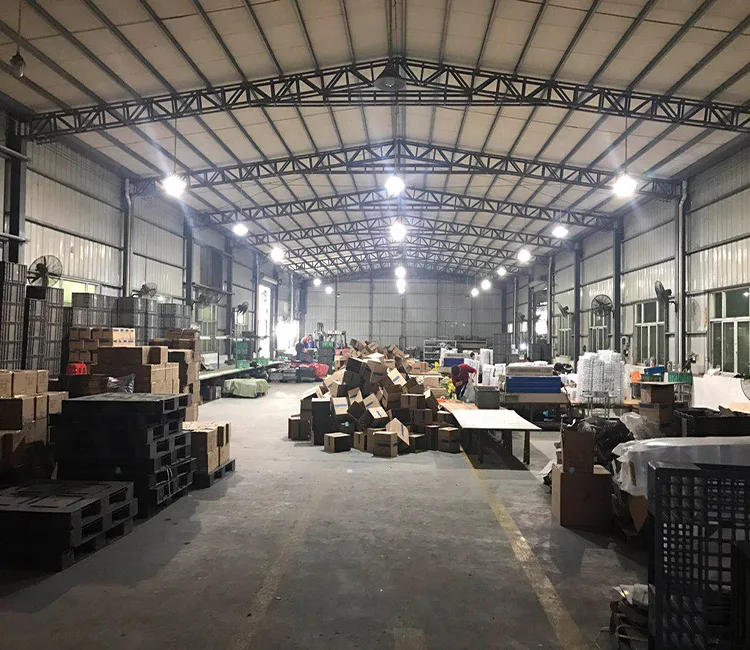
Jieyang Yuefu Stainless Steel Products Factory
- Manufacturer, Trading Company
- Guangdong, China
- Lead time35 days
- Avg. response≤ 6h
Main productsFlatware,Kitchenware,Drinking straws,Wheat straws composite tableware,Baby Tableware
Main marketsNorth America(43.00%), Domestic Market(40.00%), South America(6.00%), Eastern Asia(3.00%), Eastern Europe(2.00%), Northern Europe(2.00%), Western Europe(2.00%), Southern Europe(1.00%), South Asia(1.00%)

Shenzhen Desiole Industrial Co., Ltd.
- Manufacturer, Trading Company
- Guangdong, China
- Lead time10 days
- Avg. response≤ 2h
Main productsCoffee cup,Soap dispenser,Measuring spoons,Cutting board,Thermos mug
Main marketsCentral America(20.00%), Eastern Europe(20.00%), Northern Europe(20.00%), North America(20.00%), Southern Europe(10.00%), South America(10.00%)
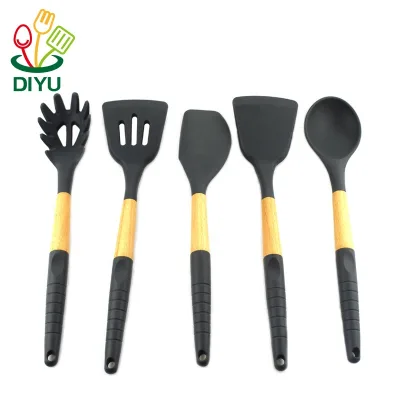
Yangjiang Jiangcheng Diyu Hardware& Plastic Factory
- Verified by SGS Group
- Manufacturer, Trading Company
- Lead time30 days
- Avg. response≤ 3h
Main productsKitchenware

Beijing Aro's Home Global Co.,Ltd.
- Trading Company
- China Beijing
- Lead time0 days
- Avg. response≤ 2h
Main productsKitchen Sets and Tea Sets, Coffee Grinder Set, Chemicals
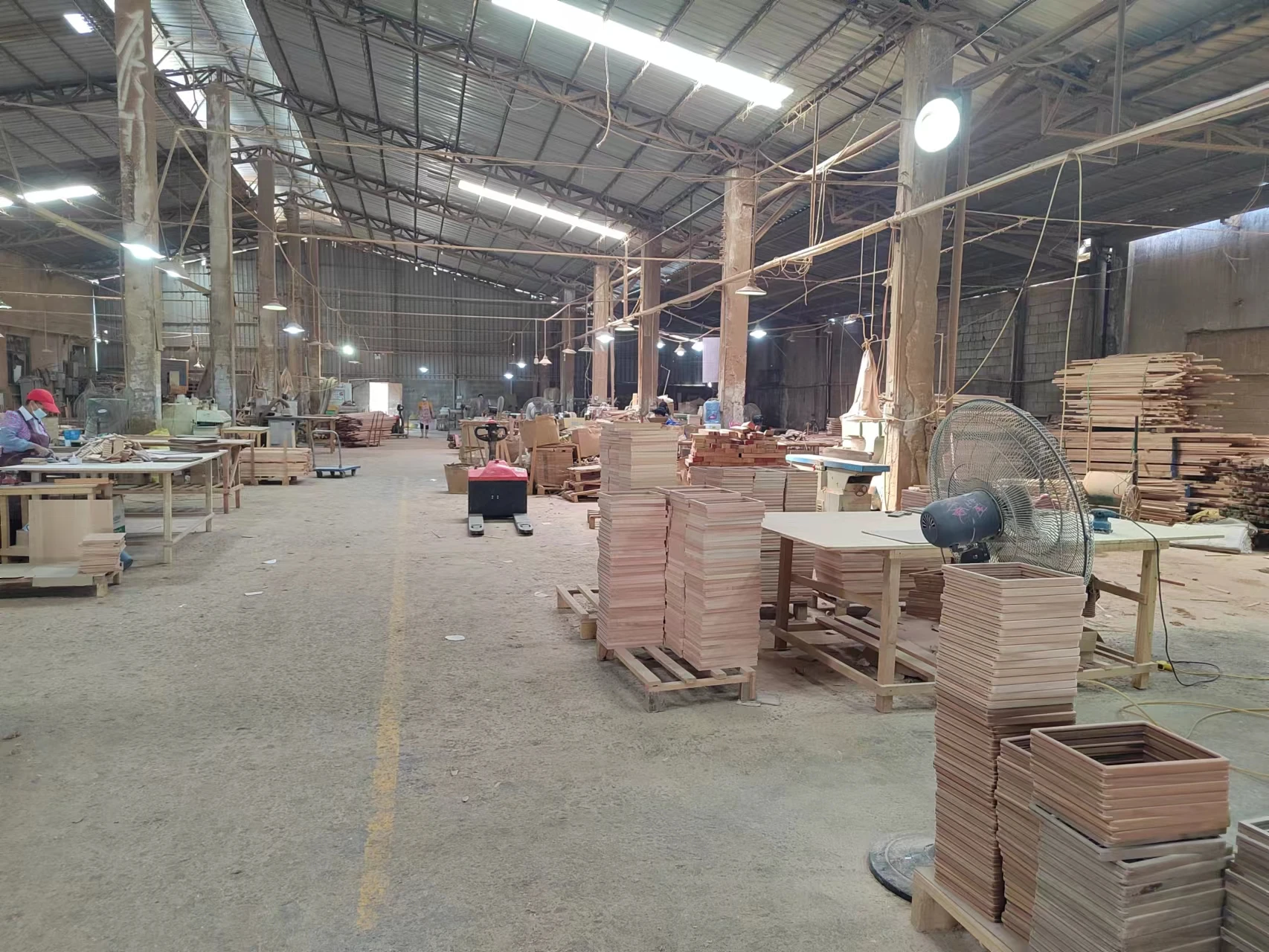
Dongguan Galaxy Wood Crafts Co., Ltd.
- Manufacturer, Trading Company
- Guangdong, China
- Lead time0 days
- Avg. response≤ 3h
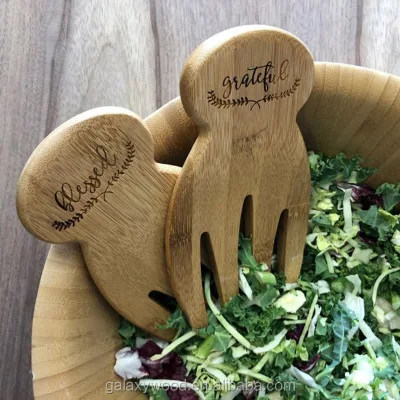
Main productswood crafts,wood kitchen item,wood blocks,wooden dice,wooden cut out
Main marketsWestern Europe(20.00%), North America(16.00%), Eastern Europe(13.00%), Southern Europe(10.00%), Northern Europe(10.00%), Central America(5.00%), South America(5.00%), Eastern Asia(5.00%), Mid East(5.00%), Southeast Asia(5.00%), South Asia(2.00%), Africa(2.00%), Oceania(2.00%)
Yangjiang Delan Industrial Co., Ltd.
- Verified by SGS Group
- Manufacturer, Trading Company
- Lead time35 days
- Avg. response≤ 5h
Main productsKitchen Knives/Nylon Kitchen Utensils/Silicone Kitchen Utensils/Kitchen Gadgets
Main marketsWestern Europe(20%), Eastern Europe(15%), North America(10%)

GuangDong Infull Industrial Co., Ltd.
- Verified by TUVRHEINLAND
- Manufacturer/Factory
- China Guangdong
- Lead time45 days
- Avg. response≤ 4h
Main productsCutlery & Flatware, Dinnerware&Tableware, Tray&Lunch Plate, Ceramic Dinnerware, Kitchenware, Baking & Pastry Tools, Kitchen Knife, Kitchen Gadgets, Barware, Drinkware
Main marketsSouth America,Eastern Europe,Mid East,North America,Southeast Asia,Eastern Asia,Oceania,Western Europe,Africa

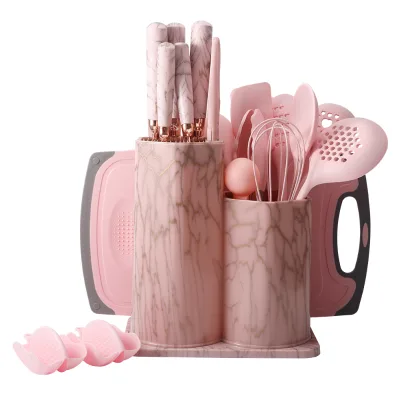
6-Piece Set Silicone Kitchen Implement Rose Gold Stainless Steel Utensil
$1.21 - $1.32
MOQ: 2000 Pieces

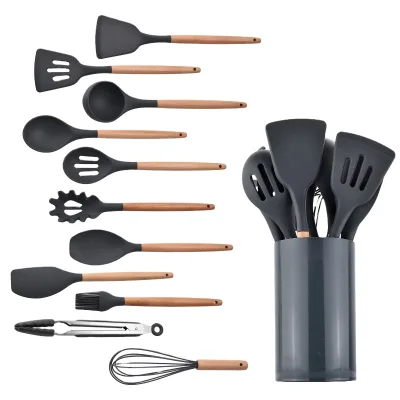
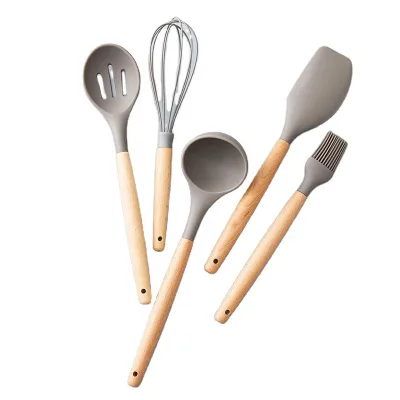
Silicone Kitchenware Set Cooking Tools Kitchen Utensils with Wooden Handle
$4.27 - $5.00
MOQ: 100 Sets


Easy Hook Green Ceramic Handle Golden Stainless Steel Kitchen Utensil Set
$8.89 - $10.41
MOQ: 100 Sets

Jieyang Xinghao Stainless Steel Factory
- Verified by TüVRheinland
- Manufacturer, Trading Company
- Lead time5 days
- Avg. response≤ 4h
Main productsStainless Steel Cutlery, Stainless Steel Straw, Lunch Box, Kitchen Gadgets, Barware
Main marketsDomestic Market(30%), Mid East(11%), North America(10%)
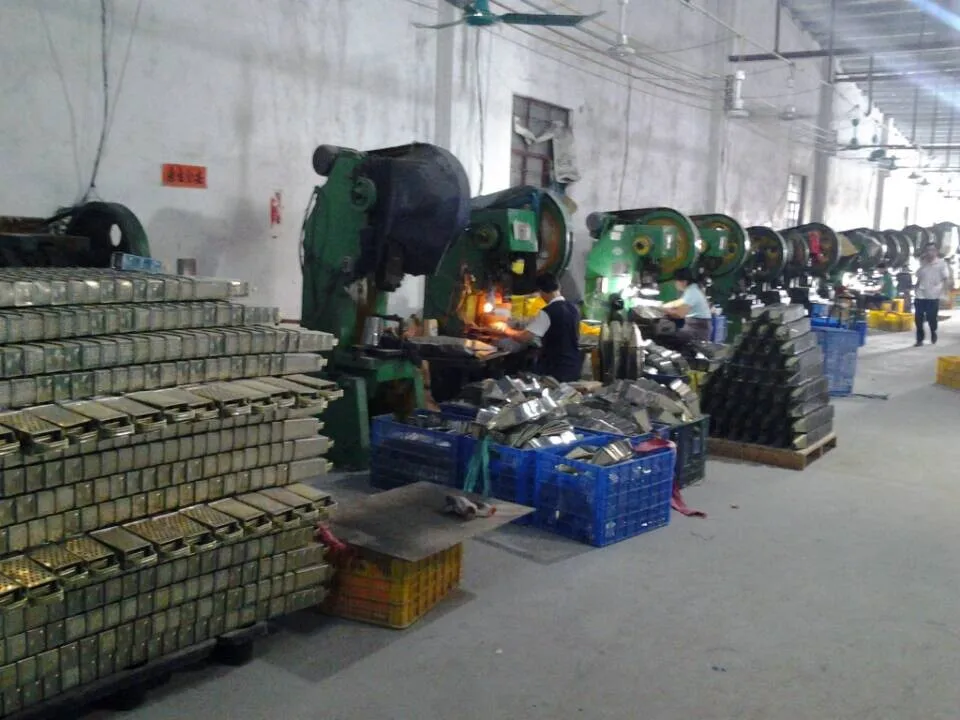
Huorun Import & Export Co., Ltd. (ASIA BEST BRANCH)
- Trading Company
- Guangdong, China
- Lead time30 days
- Avg. response≤ 10h
Main productsKitchen Knife & Scissor,Kitchen Tools,BBQ Tools,Wooden Cutting Boards,Manicure & Beauty Tools
Main marketsWestern Europe(45.00%), South America(20.00%), Eastern Asia(10.00%), Northern Europe(10.00%), Eastern Europe(5.00%), Central America(5.00%), North America(5.00%)
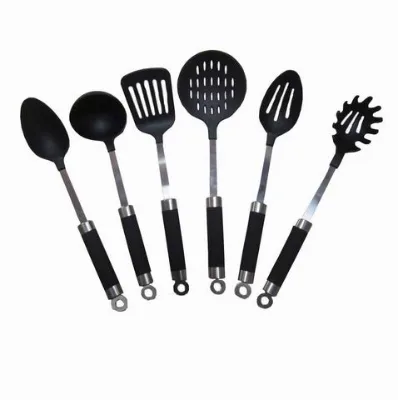
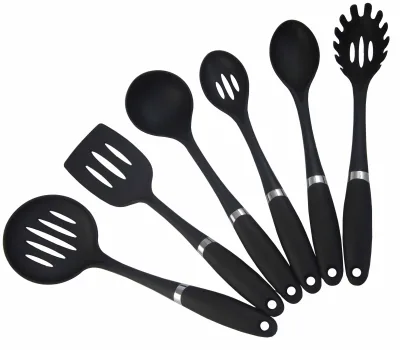
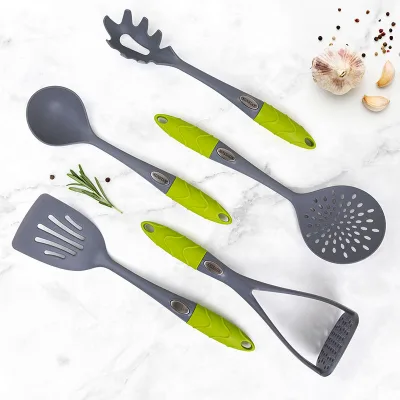
Eco-Friendly Nylon Kitchen Utensil Set
$1.14 - $1.20
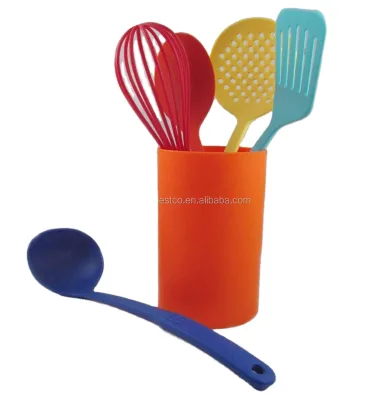
Food Safety Hot Sell Style Nylon Kitchen Utensils Colorful Nylon Cooking Tools
$2.6035
MOQ: 3000 Minimum
Henan Jielun Import And Export Co., Ltd.
- Trading Company
- Henan Province, China
- Lead time7 days
- Avg. response≤ 2h
Main productsWomen's clothing,Men's clothing,Sexy lingerie,women underwear/panty,Men's bag & Women's bag
Main marketsNorth America(23.00%), South America(21.00%), Eastern Europe(11.00%), Southeast Asia(10.00%), Africa(6.00%), Oceania(5.00%), Domestic Market(3.00%), South Asia(3.00%), Southern Europe(3.00%), Northern Europe(3.00%), Central America(3.00%), Western Europe(3.00%), Eastern Asia(3.00%), Mid East(3.00%)
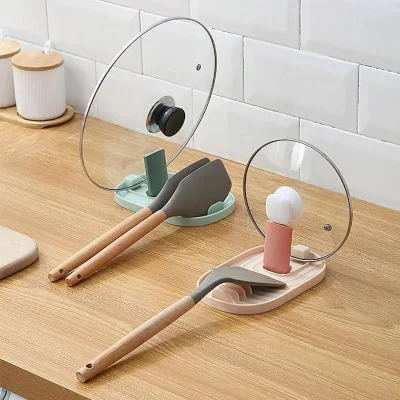
$0.4913 - $0.5632
MOQ: 50 pieces
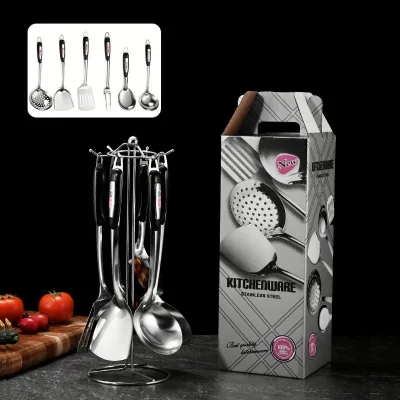
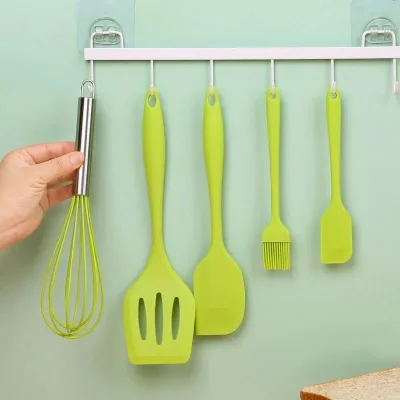
$1.6553 - $2.1736
MOQ: 50 sets

Yangdong Mettor Industrial Co., Ltd.
- Manufacturer, Trading Company
- Guangdong, China
- Lead time30 days
- Avg. response≤ 19h
Main productsWooden Kitchen Ware,Wooden cutting board,Salt and pepper mill,Wooden cheese board,kitchen knife set
Main marketsNorthern Europe(20.00%), Western Europe(20.00%), Eastern Europe(20.00%), Southern Europe(20.00%), North America(20.00%), South America(10.00%)
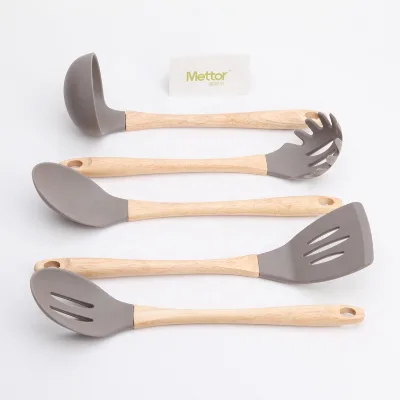
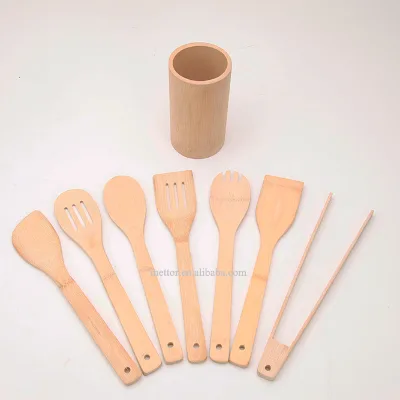
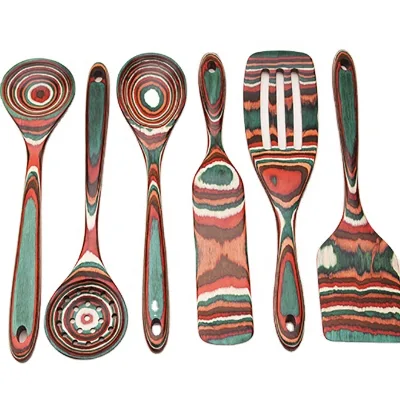
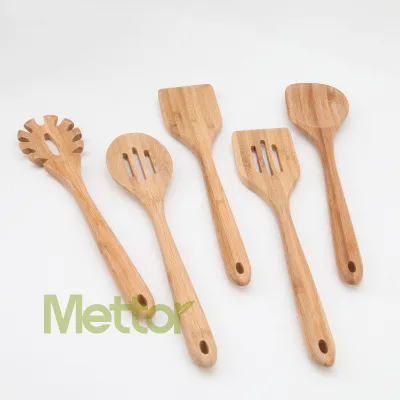
$1.119 - $1.2433
MOQ: 1000 pieces

Yangjiang C&B Consumer Product Limited
- Verified by CTI
- Trading Company
- China Guangdong
- Lead time15 days
- Avg. response≤ 7h
Main productsBarbecue Tongs, Grilling Brushes, Outdoor Shovel, Grilling Tools, Kitchen Ware, Outdoor Products, Pizza Tools, Knife Set
Main marketsSouth America,Africa,Southeast Asia/ Mideast,Europe,Australia,North America


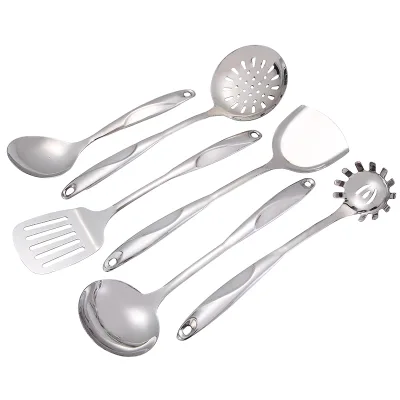
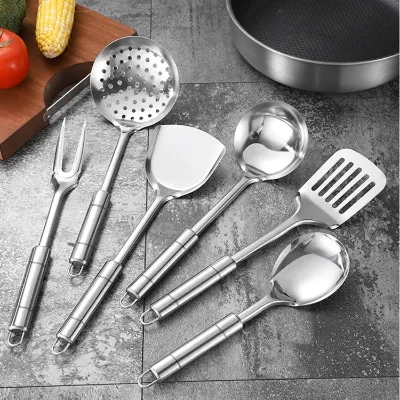
High-Quality Stainless Steel Kitchen Utensils Set - Premium Cooking Tools
$10.91 - $11.90
MOQ: 1000 Sets

Guangzhou Chenquan Technology Co., Ltd.
- Verified by SGS
- Trading Company
- China Guangdong
- Lead time15 days
- Avg. response≤ 5h
Main productsDailynecessities
Main marketsDomestic

Guangzhou Garbo International Trading Co., Ltd.
- Verified by TUVRHEINLAND
- Trading Company,Manufacturer/Factory
- China Guangdong
- Lead time45 days
- Avg. response≤ 5h
Main productsGlassware, Glass Cup, Glass Mug, Glass Bowl, Glass Candy Jar, Glass Pitcher, Glass Ice Cream Cup and Ice Bucket, Opal Glassware, Stainless Steel Cutlery, Ceramic Dinnerware
Main marketsSouth America,Eastern Europe,Mid East,North America,Southeast Asia,Eastern Asia,Oceania,Western Europe,Africa








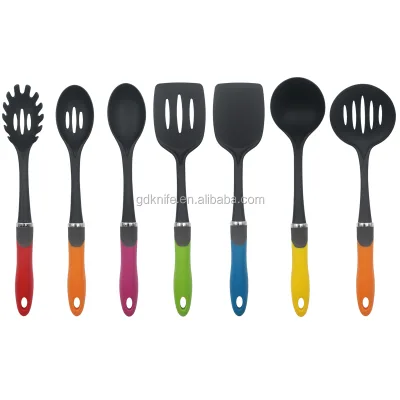
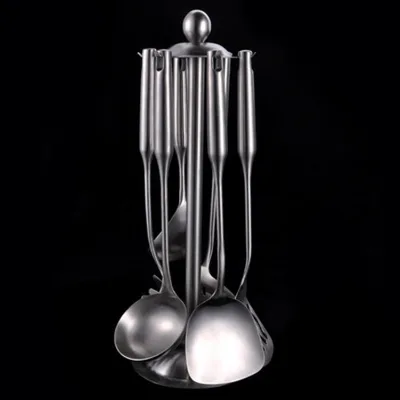
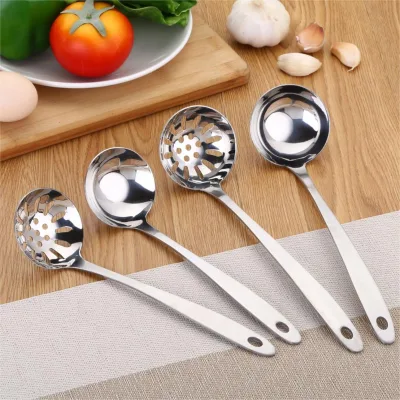


Comprehensive Sourcing Guide
Single Item Kitchen Utensil Supplier Concentration and Factory Types
The current supplier landscape for Single Item Kitchen Utensil products reveals a distinct concentration of manufacturing and trading entities within specific geographic regions. Data indicates that a significant portion of these suppliers are located in China, with Fujian emerging as a notable hub for production. This regional clustering suggests that buyers seeking these items will likely encounter suppliers operating out of this province, which is known for its robust manufacturing infrastructure. The presence of suppliers in this area implies that logistics and supply chain efficiencies may be optimized for this specific location, potentially influencing shipping costs and delivery speeds for international orders. Buyers should be aware that while Fujian is a primary source, the diversity of supplier types means that the origin of goods might vary slightly depending on the specific factory or trading company engaged. Understanding this geographic concentration helps in anticipating the logistical framework and potential lead times associated with sourcing from these areas.
Supplier types in this category are diverse, ranging from combined entities to specialized trading companies and manufacturers. The observed data shows that some suppliers operate as combined entities, offering both manufacturing capabilities and trading services, which can streamline the procurement process by reducing the number of intermediaries. Others are identified specifically as trading companies or manufacturer/factory hybrids, each bringing different advantages to the table. Trading companies often provide broader product ranges and flexible order quantities, while manufacturers may offer deeper customization options and direct control over production quality. The presence of ODM and OEM capabilities among these suppliers indicates that buyers can expect a high degree of flexibility in product design and branding. This variety in supplier types allows buyers to choose partners that best align with their specific needs, whether they prioritize direct manufacturing relationships or the convenience of a one-stop trading solution.
How to Verify Single Item Kitchen Utensil Suppliers
Verifying the credibility and capabilities of Single Item Kitchen Utensil suppliers requires a multi-faceted approach that goes beyond simple profile reviews. One critical step is to check for third-party verification badges, such as SGS, which serve as an independent confirmation of the supplier’s operational legitimacy. These verifications provide a layer of trust that is essential when engaging with new partners, especially in a competitive market like kitchenware. Buyers should prioritize suppliers who have undergone rigorous third-party audits, as this indicates a commitment to transparency and operational standards. Additionally, examining the supplier’s system certifications is crucial for ensuring that their manufacturing processes meet international quality benchmarks. Certifications like ISO9001:2015 demonstrate that the supplier has a structured quality management system in place, which is vital for maintaining consistency in product quality across large orders. These credentials are not just formalities but are indicative of a supplier’s ability to deliver reliable products.
Beyond certifications, buyers should assess the supplier’s responsiveness and communication efficiency as key indicators of their professionalism. The response time metric provides insight into how quickly a supplier can address inquiries and provide necessary documentation. A faster response time, such as the observed average of 6.63 hours, suggests a more agile and customer-centric operation. This is particularly important during the negotiation and sampling phases, where timely communication can prevent delays and misunderstandings. Buyers should also look for suppliers who offer sample availability, as this allows for a tangible assessment of product quality before committing to a larger order. The ability to request samples is a strong indicator of a supplier’s confidence in their products and their willingness to engage in a transparent evaluation process. By combining verification badges, certification checks, and responsiveness assessments, buyers can build a comprehensive profile of a supplier’s reliability and suitability for their sourcing needs.
What to Compare Across Single Item Kitchen Utensil Suppliers
When evaluating multiple suppliers for Single Item Kitchen Utensil products, it is essential to compare key operational metrics to identify the most suitable partner. One of the primary factors to consider is the minimum order quantity (MOQ), which varies significantly across different suppliers. For instance, some suppliers may require an MOQ of 300 pieces for individual utensils, while others might offer sets with an MOQ of 100 sets. Understanding these variations is crucial for buyers who need to balance inventory costs with order flexibility. Additionally, the price range for these products can differ based on factors such as material quality, customization options, and order volume. Buyers should compare the price points, which may range from as low as $0.36 to over $2.00 per unit, to ensure they are getting competitive rates. This comparison helps in budgeting accurately and identifying suppliers who offer the best value for money without compromising on quality.
Another critical aspect to compare is the lead time and production capacity, which directly impact the supply chain’s efficiency. Suppliers with a lead time of around 15 days offer a predictable timeline for order fulfillment, which is beneficial for planning inventory replenishment. Buyers should also assess the supplier’s ability to handle OEM and ODM requests, as this indicates their flexibility in customizing products to meet specific brand requirements. The availability of customization options, such as logo printing and color choices, adds value for buyers looking to differentiate their products in the market. Furthermore, comparing the main products offered by each supplier can help identify those with specialized expertise in certain types of kitchenware, such as silicone utensils or bamboo products. By systematically comparing these operational metrics, buyers can make informed decisions that align with their strategic sourcing goals and operational requirements.
Common Single Item Kitchen Utensil Sourcing Risks
Sourcing Single Item Kitchen Utensil products from international suppliers introduces several risks that buyers must proactively manage to ensure a smooth procurement process. One significant risk is the variability in product quality, which can arise from differences in manufacturing standards and material sourcing. Even with certifications like FDA and LFGB, there may be inconsistencies in the final product, particularly if the supplier lacks rigorous quality control measures. Buyers should be cautious of suppliers who do not provide detailed product specifications or who are unwilling to share test reports. Another risk is the potential for delays in production and shipping, which can disrupt inventory planning and customer satisfaction. Lead times can vary based on order volume, raw material availability, and external factors such as seasonal demand spikes. Buyers should establish clear communication channels and set realistic expectations regarding delivery schedules to mitigate these risks.
Additionally, buyers face the risk of miscommunication regarding customization requirements, which can lead to costly errors and rework. Suppliers may interpret design specifications differently, resulting in products that do not meet the buyer’s expectations. This is particularly relevant for items requiring specific colors, logos, or packaging. To mitigate this risk, buyers should provide detailed and unambiguous specifications and request pre-production samples for approval. Another risk is the financial exposure associated with large orders, especially when dealing with new suppliers. Without proper escrow services or secure payment terms, buyers may face challenges in recovering funds in case of non-delivery or substandard products. Buyers should prioritize suppliers who offer secure payment options and have a track record of reliable performance. By identifying and addressing these common risks, buyers can protect their interests and ensure a successful sourcing experience.
Single Item Kitchen Utensil Regional Sourcing and Logistics
The regional concentration of Single Item Kitchen Utensil suppliers in China, particularly in Fujian, has significant implications for logistics and supply chain management. Buyers sourcing from this region can benefit from established logistics networks and efficient shipping routes, which can reduce transit times and costs. However, it is important to consider the impact of regional infrastructure on delivery reliability. Suppliers in Fujian may have varying levels of access to ports and transportation hubs, which can affect the speed and consistency of shipments. Buyers should work closely with their suppliers to understand the specific logistics arrangements and ensure that shipping methods are aligned with their delivery requirements. Additionally, buyers should be aware of potential customs clearance delays and ensure that all necessary documentation is prepared in advance to facilitate smooth border crossings.
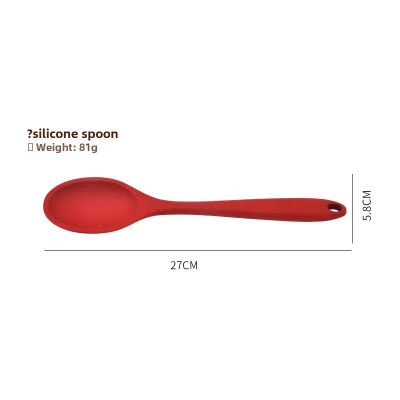
Logistics planning also involves considering the packaging and handling of the products to prevent damage during transit. Single item kitchen utensils, especially those made from materials like silicone or bamboo, require careful packaging to maintain their integrity. Buyers should verify that suppliers use appropriate packaging materials and methods to protect the products. The single package size and weight, such as 20x4.3x1cm for individual spoons, should be considered when calculating shipping costs and storage requirements. Buyers should also evaluate the supplier’s ability to handle bulk shipments and coordinate with freight forwarders to optimize logistics efficiency. By understanding the regional logistics landscape and planning accordingly, buyers can minimize disruptions and ensure that their products arrive in optimal condition. This proactive approach to logistics management is essential for maintaining a reliable supply chain and meeting customer demands.
Single Item Kitchen Utensil Commercial Terms and Order Planning
Effective order planning for Single Item Kitchen Utensil products requires a thorough understanding of the commercial terms offered by suppliers. Buyers should carefully review the payment terms, delivery conditions, and return policies to ensure they align with their business practices. Suppliers may offer different payment structures, such as partial upfront payments or full payment upon shipment, which can impact cash flow management. Buyers should negotiate terms that provide flexibility and security, such as using escrow services for initial orders. Additionally, buyers should clarify the responsibilities for shipping costs and insurance, as these can vary depending on the agreed-upon Incoterms. Understanding these commercial terms is crucial for avoiding unexpected costs and ensuring a transparent transaction process. Buyers should also consider the supplier’s return and refund policies in case of quality issues or delivery errors.
Order planning also involves forecasting demand and managing inventory levels to avoid stockouts or overstock situations. Buyers should analyze historical sales data and market trends to estimate the required quantity of single item kitchen utensils. Given the varying MOQs, buyers may need to place multiple smaller orders or consolidate orders to meet minimum thresholds. It is important to maintain a buffer stock to account for potential delays in production or shipping. Buyers should also establish a regular review process to assess supplier performance and adjust order quantities accordingly. By integrating commercial terms analysis with strategic order planning, buyers can optimize their procurement operations and enhance their competitive position in the market. This holistic approach ensures that sourcing activities are aligned with broader business objectives and contribute to long-term success.
FAQs
What is the typical MOQ for a Single Item Kitchen Utensil?
Typical minimum order quantities for a Single Item Kitchen Utensil start around 300 pieces, though some listings accept as low as 50 or 100 sets for utensil sets. Exact MOQ depends on the product type, customization level, and packaging requirements. Always confirm the current MOQ with the supplier before requesting a quotation.
What price range can I expect for silicone kitchen utensils?
Individual silicone utensils such as spoons often fall between roughly 0.36 and 0.46 USD per piece at wholesale volumes. Utensil sets generally range from about 1.30 to 2.08 USD per set. Final pricing varies with material grade, order quantity, and customization, so request updated quotes for your specific specifications.
Which certifications should food-contact silicone utensils have?
For food-contact silicone utensils, look for FDA and LFGB certification, which are commonly listed on food-grade kitchen products from this category. Additionally, verify whether the manufacturer holds an ISO9001:2015 quality management certificate. Always ask for valid, current copies of each certificate and confirm they apply to the specific products you intend to order.
How long does production take for a Single Item Kitchen Utensil order?
Production lead time for a Single Item Kitchen Utensil is commonly around 15 days after order confirmation for standard items. Customized colors, logos, or packaging can extend this timeline. Sample preparation is usually faster than bulk production, so factor in sampling time when planning your delivery schedule.
Can suppliers customize logos, colors, and packaging on utensils?
Yes, many suppliers offer customization of color, logo, and packaging on silicone kitchen utensils, and several explicitly welcome OEM and ODM projects. Customized packing and single-item packaging sizes are also commonly available. Provide your artwork and specifications early, and confirm any additional tooling charges or revised MOQs that customization may trigger.
Where are these kitchen utensil suppliers typically located?
Suppliers of silicone kitchen utensils in these results are located in Fujian, China, with some products citing Fujian Xiamen as the place of origin. Fujian hosts a concentration of plastic and rubber products manufacturers covering seals, gaskets, and silicone kitchenware. Confirm the exact factory address and shipping port arrangements when negotiating your order.
How quickly do suppliers respond to buyer inquiries?
Observed supplier response times in this category average around 6.63 hours, which is reasonably fast for B2B inquiries. Response speed can vary by time zone, workload, and inquiry complexity. Send detailed questions covering product, MOQ, and customization in one message to reduce back-and-forth and get complete answers faster.