2 Layer Bamboo Steamer Basket Suppliers and Manufacturers
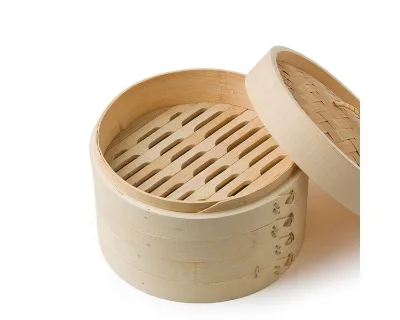
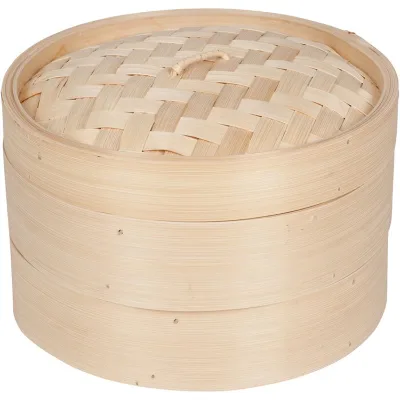
Compare 29 verified suppliers offering 2 layer bamboo steamer baskets with varying lead times, certifications, and customization options. Review response times and MOQs to select a partner for your kitchenware needs; review the available evidence before requesting comparable quotations from suitable candidates.
Updated
Suppliers List

Shuifu Huiyang Agricultural Technology Co., Ltd.
- Verified by SGS
- Trading Company
- China Yunnan
- Lead time23 days
- Avg. response≤ 3h
Main productsBamboo Products, Bamboo Crafts, Bamboo Chopsticks, Bamboo Skewers, Bamboo Weaving, Bamboo Tray, Bamboo Box, Bamboo Placemat, Bamboo Fruit Bowl, Lamp Shades
Main marketsDomestic

HUNAN TONGDA BAMBOO INDUSTRY TECHNOLOGY CO., LTD
- Verified by TUVRHEINLAND
- Manufacturer/Factory
- China Hunan
- Lead time23 days
- Avg. response≤ 12h
Main productsBamboo Chopstick and BBQ Sticks, Bamboo Skewers, Bamboo Straw, Hand Fan, Wooden Cutlery, Bamboo Cutlery, Sushi Bamboo Mat, Bamboo Leaves, Paper Cup, Paper Straw
Main marketsSouth America,Eastern Europe,Mid East,North America,Southeast Asia,Eastern Asia,Oceania,Western Europe,Africa


Wholesale Bamboo Food Steamers Reusable Durable Bamboo Food Steamer Basket Bamboo Steamer
$3.20 - $3.50
MOQ: 300 pieces


Customized Logo Size Portable Natural Color Round Shape Bamboo Steamer Food Steamer Basket
$1.50 - $2.80
MOQ: 100 Pieces
Linyi Jiate Import & Export Co., Ltd.
- Trading Company
- Shandong, China
- Lead time30 days
- Avg. response≤ 14h
Main productsbamboo skewer,bamboo teppo skewer,bamboo sticks,bamboo marshmallow stick,bamboo smoking sticks
Main marketsNorth America(40.00%), Africa(10.00%), Eastern Europe(10.00%), South America(10.00%), Western Europe(5.00%), Southern Europe(5.00%), Mid East(5.00%), Oceania(5.00%), Central America(5.00%), Domestic Market(1.00%), South Asia(1.00%), Eastern Asia(1.00%), Northern Europe(1.00%), Southeast Asia(1.00%)

- Trading Company,Manufacturer/Factory
- China Guangdong
- Lead time45 days
- Avg. response≤ 7h
Main productsStainless Steel Trolley, Mobile Trolley, Flatform Trolley, Bakery Trolley, Trash Bag Holder, Insulated Container, Stock Pot, Worktable, Kitchen Sink, Buffet
Main marketsSouth America,Eastern Europe,Mid East,North America,Southeast Asia,Eastern Asia,Oceania,Western Europe,Africa

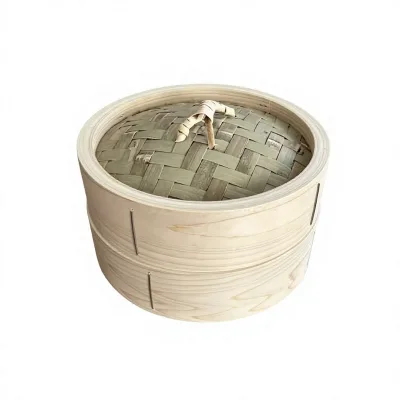
Kitchen Handmade Natural Bamboo Steamer Food Steamers Steam Bun Steamer Basket
$3.50 - $5.00
MOQ: 100 Pieces

10-Inch Food Steamer Dumpling Bamboo Steamer Chinese Handmade Steaming Basket
$3.50 - $5.00
MOQ: 100 Pieces


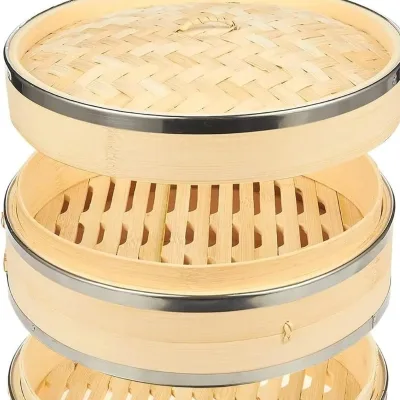
10-Inch Natural Bamboo Bun Steamer Food Steamer Bamboo Steamer with Metal Rim
$3.50 - $5.00
MOQ: 100 Pieces

Xiamen Homex Houseware Co., Ltd.
- Verified by TüVRheinland
- Manufacturer, Trading Company
- Lead time60 days
- Avg. response≤ 5h
Main productsBamboo & Wood Bathroom Items, Bamboo & Wood Housewares, Bamboo & Wood Kitchenware, Bamboo & Wood Home Furniture, Bamboo & Wood Drawer Organizer
Main marketsNorth America(80%), Western Europe(20%)
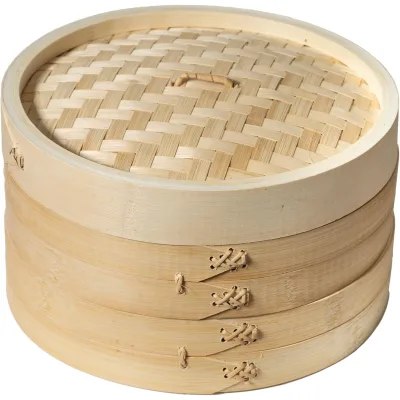
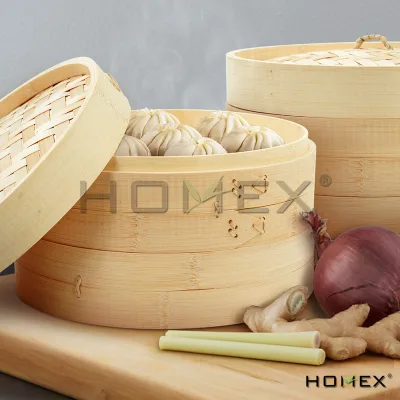
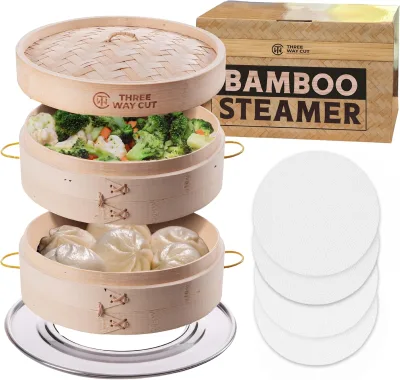
2-Tier Bamboo Steamer Basket, Dumpling and Vegetable Steamer Basket | Homex_BSCI Factory
$4.0826 - $6.1231
MOQ: 500 pieces
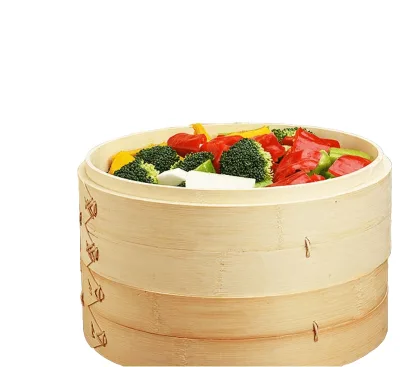
Sticky Rice Bamboo Steamer 2-Tier 10 Inch Handmade Stackable Cooker Steam Basket
$4.68 - $5.00
MOQ: 500 pieces

Xiamen Chengfengxin Industry & Trade Co., Ltd.
- Verified by BV
- Trading Company
- China Fujian
- Lead time23 days
- Avg. response≤ 1h
Main productsBamboo Cutting Board, Bamboo Bathtub Rack Caddy, Bamboo Tablet Computer Desk, Bamboo Kitchenwares Holder Organization, Bamboo Home Storage, Home Office Collection, Eco-Friendly Kitchen Products, Bamboo Kitchen Tools, Bamboo Diffuser, Eco-Friendly Green Products
Main marketsSoutheast Asia/ Mideast,Europe,Australia,North America

LINYI ORIENT SUN MACHINERY CO.,LTD
- Trading Company
- SHANDONG, China
- Lead time30 days
- Avg. response≤ 6h
Main productsMEAT GRINDER,BONE SAW MACHINE,SAUSAGE STUFFER,MEAT GRINDER KNIFE AND PLATES,BONE SAW BLADES
Main marketsSouth America(20.00%), North America(15.00%), Southeast Asia(15.00%), Eastern Europe(15.00%), Mid East(15.00%), Africa(10.00%), Oceania(5.00%), Central America(5.00%)
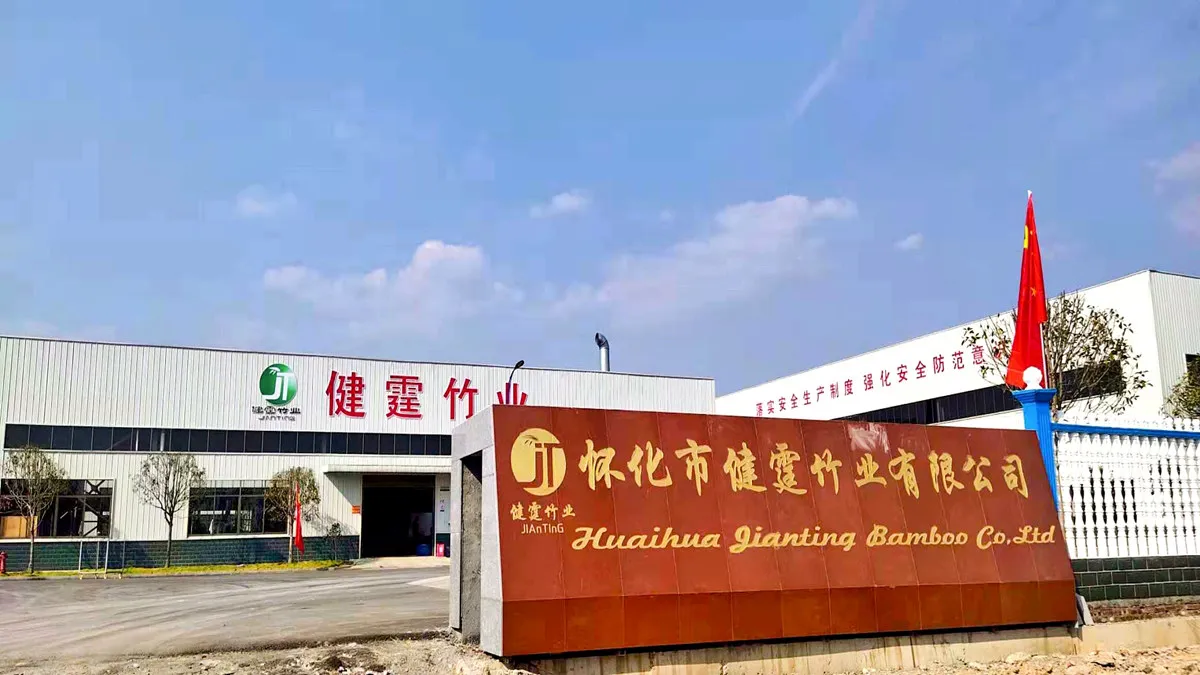
Huaihua Jianting Bamboo Co., Ltd.
- Manufacturer, Trading Company
- Hunan, China
- Lead time15 days
- Avg. response≤ 4h
Main productsDisposable bamboo chopsticks,Round bamboo sticks,Bamboo skewers,Bamboo fork knife spoon,Reusable bamboo chopsticks
Main marketsDomestic Market(30.00%), North America(10.00%), Southern Europe(10.00%), Northern Europe(10.00%), Western Europe(10.00%), Southeast Asia(10.00%), Eastern Europe(10.00%), South America(10.00%)
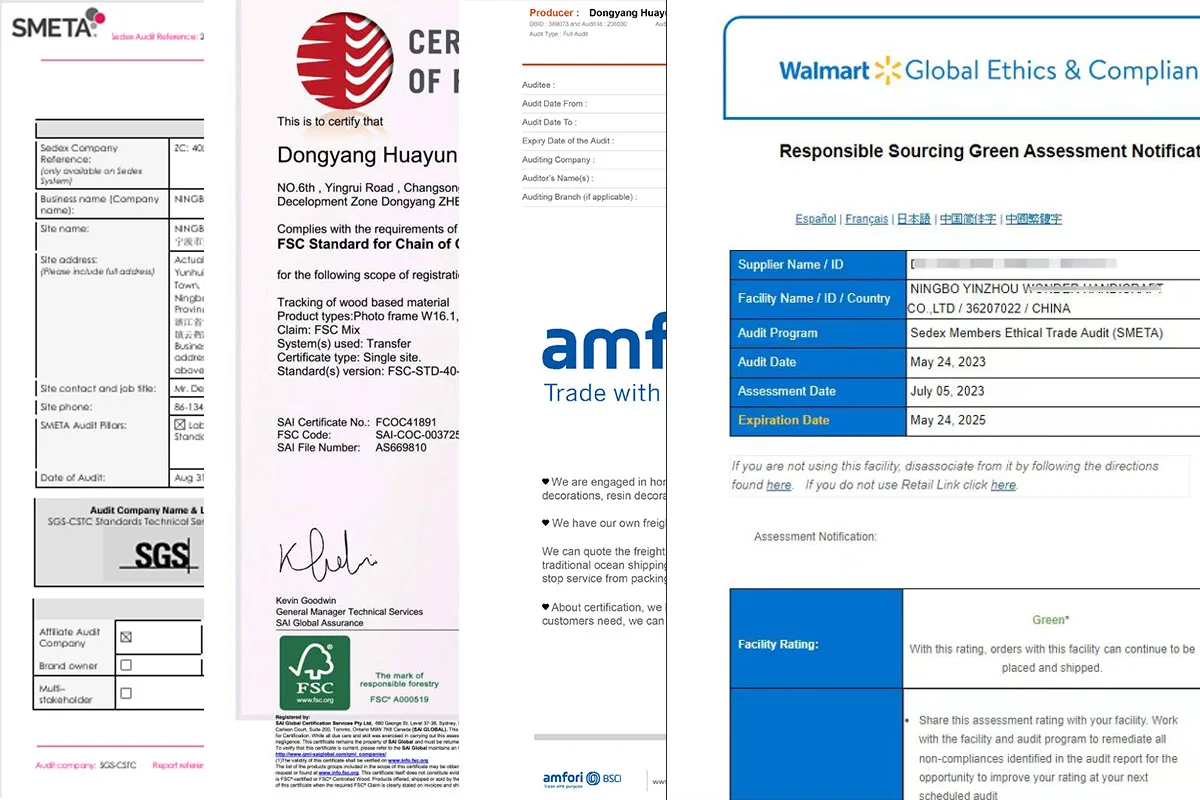
Ningbo Kmanlu Technology Co., Ltd.
- Trading Company
- Zhejiang, China
- Lead time45 days
- Avg. response≤ 2h
Main productsKitchen,Houseware,Home Decor
Main marketsNorth America(50.00%), Western Europe(20.00%), Africa(10.00%), Eastern Europe(10.00%), Southern Europe(5.00%), South America(5.00%)
Dalian Huayufei International Trade Co., Ltd.
- Verified by SGS Group
- Trading Company
- Lead time30 days
- Avg. response≤ 4h
Main productschopsticks,bamboo chopsticks,wooden chopsticks,bamboo sushi rolling mat,bamboo skewer
Main marketsNorth America(20%), Southeast Asia(20%), Eastern Asia(20%)

XIAMEN TWO CITY IMP AND EXP CO., LTD.
- Verified by SGS
- Trading Company
- China Fujian
- Lead time30 days
- Avg. response≤ 4h
Main productsBamboo Panel, Bamboo Plywood, Bamboo Cutting Board, Bamboo Chopping Board, Bamboo Products, Bamboo Kitchenware, Bamboo Tableware, Bamboo Furniture, Wood Product, Wood Root Carving Product
Main marketsSoutheast Asia/ Mideast,Europe,North America

Eco-Friendly Handmade Bamboo Steamer Bamboo Steamer Basket Dumpling Steamer
$2.70 - $3.80
MOQ: 500 Pieces

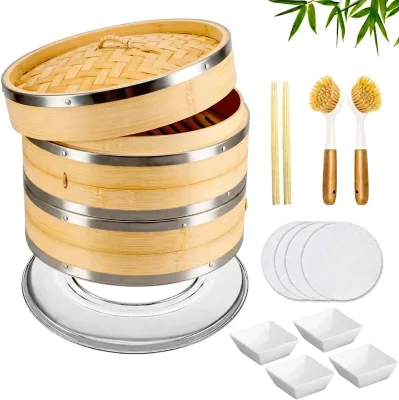
Bamboo Steamer Basket Set with Stainless Steel Banding Steam Baskets for Dimsum
$2.70 - $3.80
MOQ: 500 Pieces
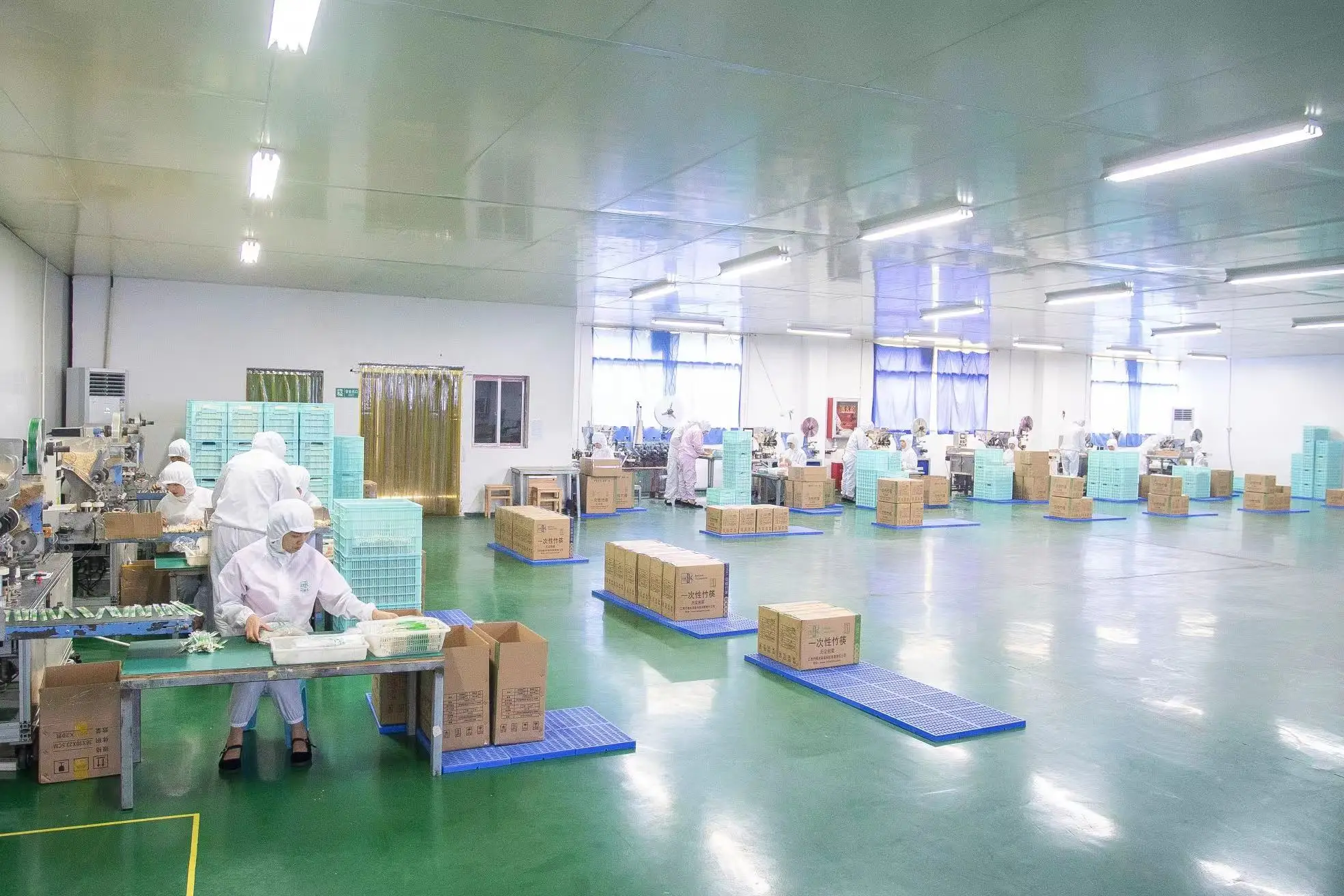
Jiangxi Baby Bear Ecological Technology Co., Ltd.
- Manufacturer, Trading Company
- Jiangxi, China
- Lead time0 days
- Avg. response≤ 8h
Main productsDisposable Bamboo and Wood Tablewares,Disposable Bamboo Chopsticks,Disposable Knives and Forks,Disposable Bamboo Sticks,Disposable Bagasse Plates
Main marketsDomestic Market(100.00%)
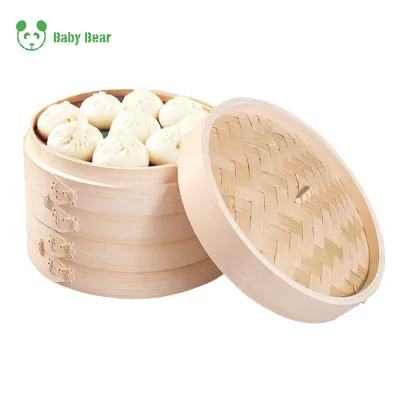
Customized More Size Bamboo Steamer Basket for Seafood 100 % Handmade 6 Inch Bamboo Steamer
$0.84 - $0.90
MOQ: 100 pieces
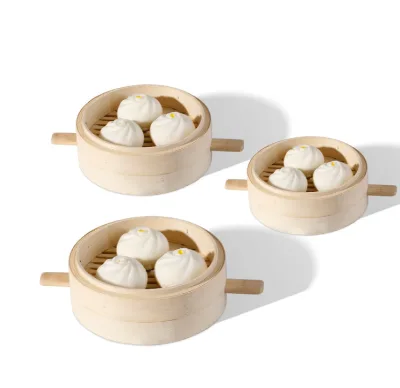
Best Choice Natural Bamboo Steamer Basket With Handle Made of 100% High Quality
$0.84 - $0.90
MOQ: 100 pieces
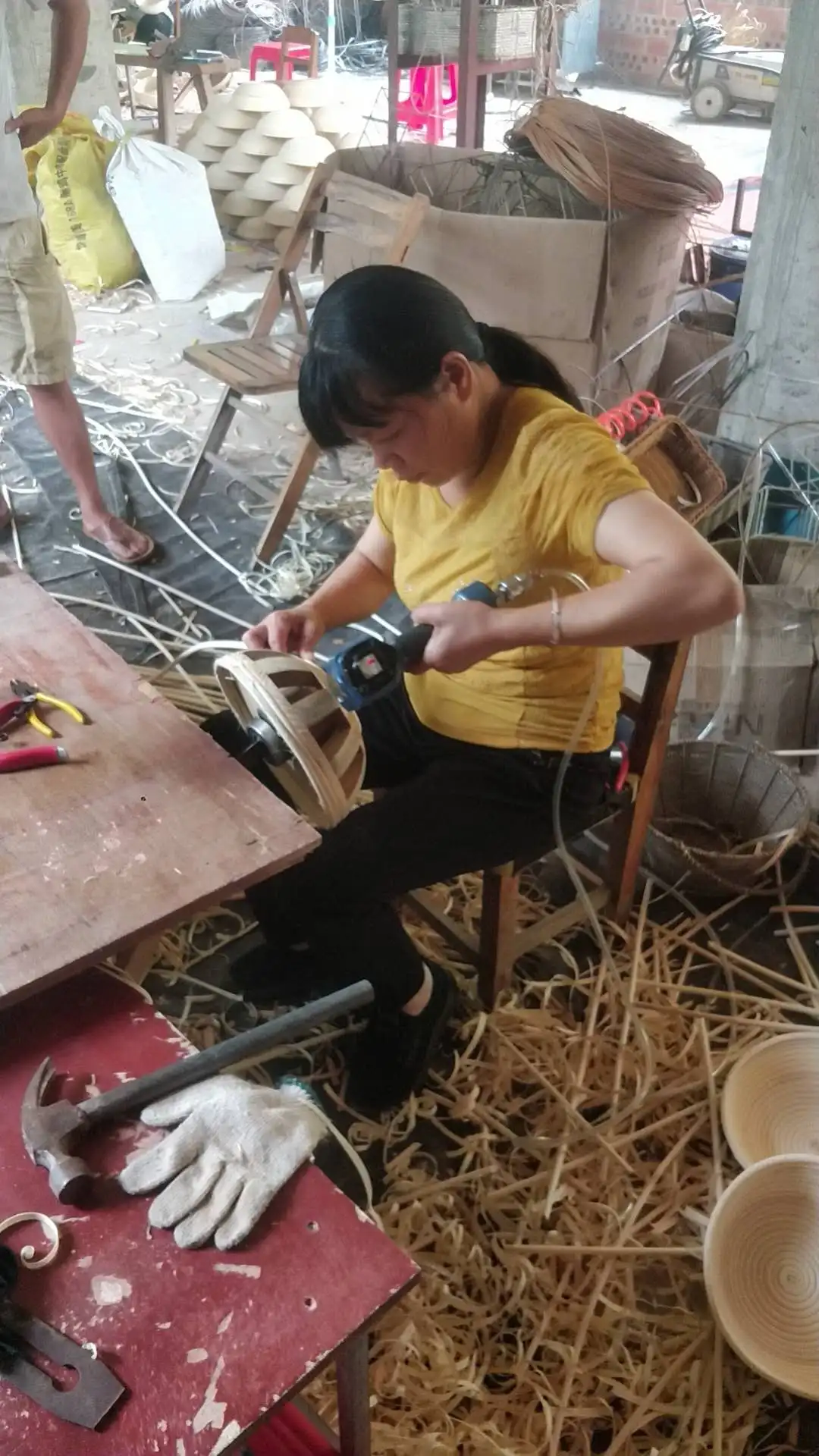
- Manufacturer, Trading Company
- Guangdong, China
- Lead time20 days
- Avg. response≤ 4h
Main productsbread proofing basket,bamboo steamer,placemat,bakeware,kitchenware
Main marketsNorth America(40.00%), Eastern Europe(30.00%), South Asia(20.00%), Mid East(10.00%)
Fujian Great Trading Co., Ltd.
- Verified by SGS Group
- Trading Company
- Lead time35 days
- Avg. response≤ 2h
Main productsBamboo Kitchenware, Bamboo Storage, Bamboo Houseware, Bamboo Bathroom, Bamboo Furniture
Main marketsNorth America(65%), Western Europe(25%), Oceania(10%)
Yantai Estick Bamboo And Wooden Products Co., Ltd.
- Verified by SGS Group
- Manufacturer, Trading Company
- Lead time30 days
- Avg. response≤ 1h
Main productsBamboo Whisk, Matcha Whisk Set, Disposable Tableware, Flatware, Bamboo Steamer
Main marketsNorth America(35%), Western Europe(15%), Southeast Asia(10%)
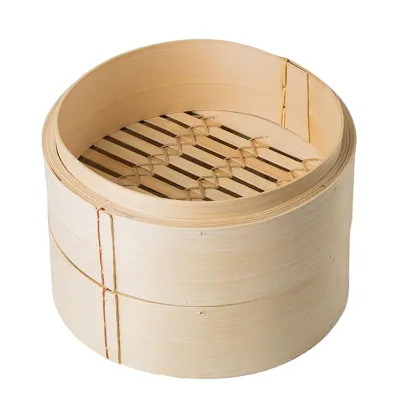
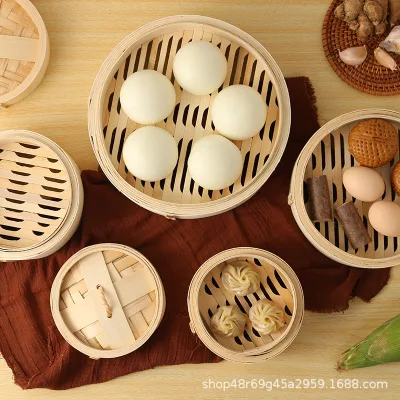
$2.974 - $4.2442
MOQ: 50 Minimum
Nanning Holame Home Tech Co., Ltd.
- Manufacturer, Trading Company
- Guangxi, China
- Lead time30 days
- Avg. response≤ 2h
Main productsGift Baskets,Rattan Products,Bamboo Products,Wood Products,Kitchenware
Main marketsNorth America(50.00%), Western Europe(10.00%), Oceania(10.00%), Southern Europe(9.00%), Africa(8.00%), Mid East(6.00%), Northern Europe(5.00%), Eastern Europe(2.00%)
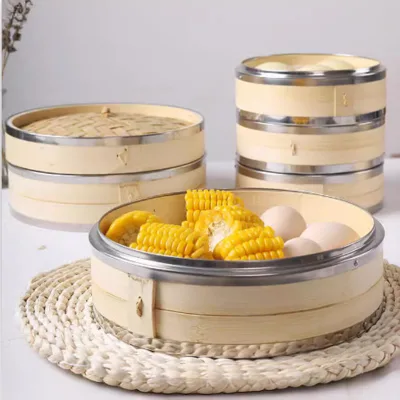
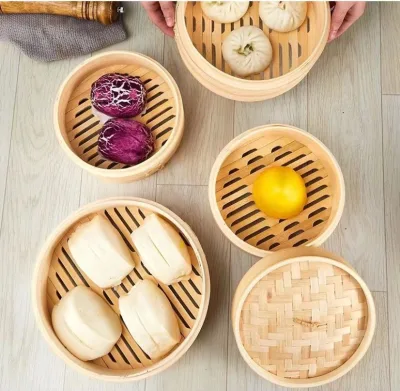
High Quality Handmade Stainless Steel Cooking Dim Sum 2 Tier Premium 10 Inches Bamboo Steamer Basket
$1.98 - $2.98
MOQ: 50 pieces
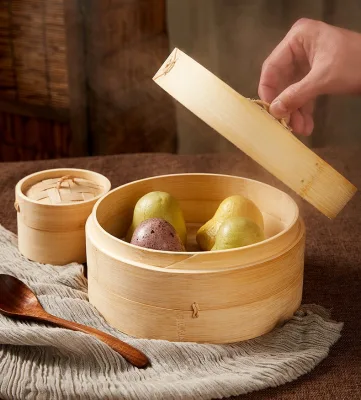
$0.88 - $2.99
MOQ: 50 pieces
Anhui Yien Import-Export Trading Co., Ltd.
- Verified by SGS Group
- Trading Company
- Lead time20 days
- Avg. response≤ 3h
Main productsBamboo Skewer, Bamboo Coffee Stirrer, Bamboo Toothpick, Disposable Cutlery, Bamboo Knot Skewer
Main marketsSouth Asia(13%), Southern Europe(12%), Western Europe(11%)
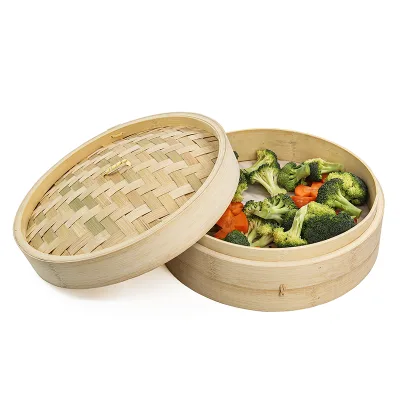
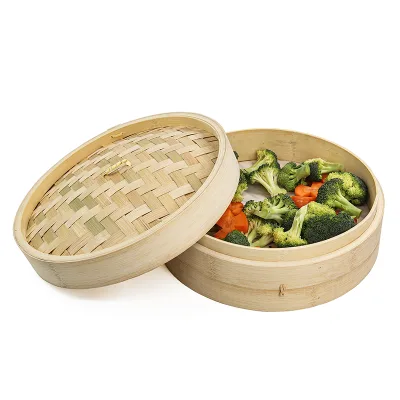
Prime Home Direct Bamboo Steamer Basket 10 Inch 2 Tier and 1 Lid With Custom Logo
$1.20 - $2.00
MOQ: 5000 pieces
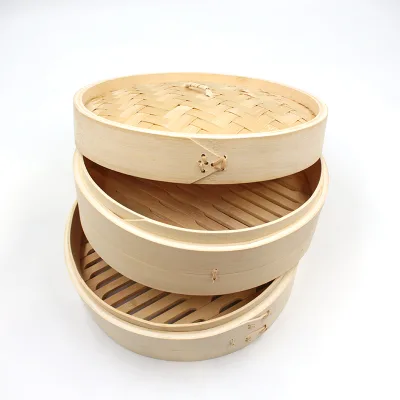
China Factory Supply Reusable 2 Tier Bamboo Steamer Bamboo Steamer With Custom Packing
$5.50 - $7.00
MOQ: 1000
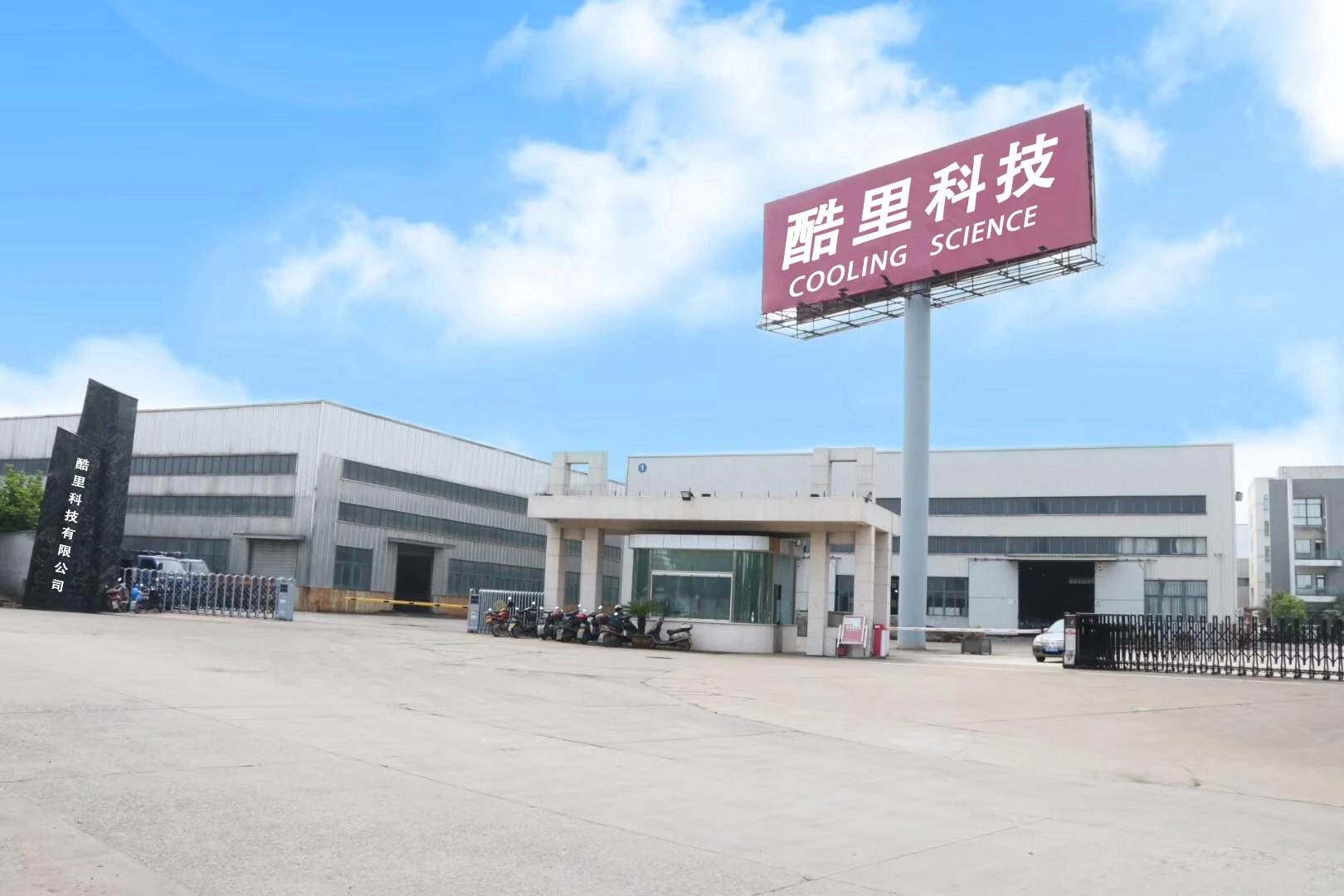
Hefei Cooling Science And Technology Co., Ltd.
- Manufacturer, Trading Company
- Anhui, China
- Lead time50 days
- Avg. response≤ 9h
Main productsTableware,Organizer,Home decoration,Kitchenware,Servingware
Main marketsEastern Europe(25.00%), Western Europe(15.00%), Southern Europe(15.00%), North America(12.00%), Northern Europe(11.00%), Central America(9.00%), Southeast Asia(8.00%), South America(5.00%)
Fujian Taining Good Life Products Co., Ltd.
- Trading Company
- Guangdong, China
- Lead time旺季: "1 - 100000":35,"> 100000":"To be negotiated", 淡季: "1 - 100000":35,"> 100000":"To be negotiated"
- Avg. response≤ 3h
Main productsbamboo skewer,PVC glove,disposable face mask,Grape vine woven bag,camera bag
Main marketsNorth America(40.00%), Northern Europe(10.00%), Southern Europe(10.00%), South America(10.00%), Southeast Asia(5.00%), Western Europe(5.00%), South Asia(5.00%), Eastern Europe(5.00%), Oceania(2.00%), Domestic Market(2.00%), Africa(1.00%)

Changsha Guan Sen Homeware Co., Ltd.
- Trading Company
- Hunan, China
- Lead time15 days
- Avg. response≤ 5h
Main productshand folding fan,Furniture table,Kitchenware,Wooden Homeware,Custom Craft Umbrella
Main marketsNorth America(67.00%), Eastern Europe(10.00%), Northern Europe(8.00%), Western Europe(5.00%), Southeast Asia(3.00%), Mid East(2.00%), Southern Europe(2.00%), Africa(1.00%), South America(0.30%), Central America(0.30%), Eastern Asia(0.30%), Domestic Market(0.20%), Oceania(0.10%), South Asia(0.10%)
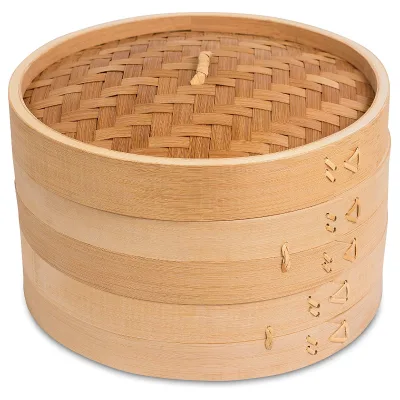
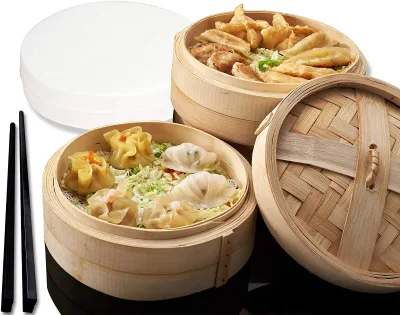
Prime Home Direct Bamboo Steamer Basket 10 Inch 1 Tier and 1 Lid With Custom Logo
$1.6426 - $2.0525
MOQ: 20 Minimum
Zhangzhou Addreen Bamboo Co., Ltd.
- Manufacturer, Trading Company
- Fujian, China
- Lead time30 days
- Avg. response≤ 3h
Main productsBathroom rack,Bamboo Cutlery Tray,Bamboo Stash Box,Bamboo Cheese Board Set,Chopping board
Main marketsNorth America(35.00%), South America(22.00%), Mid East(15.00%), Eastern Europe(13.00%), Western Europe(8.00%), Northern Europe(4.00%), Southern Europe(3.00%)
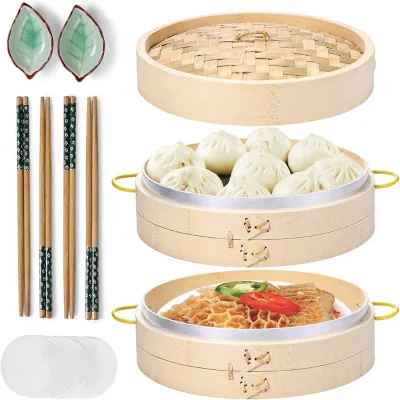
$9.2946 - $10.0815
MOQ: 200 pieces
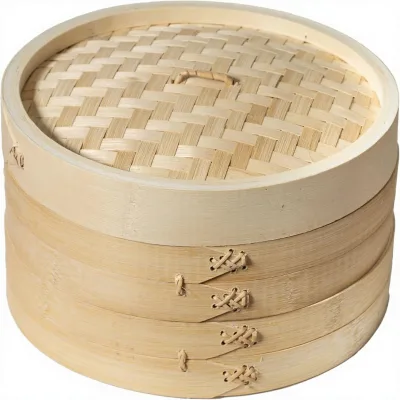
$5.2824 - $5.812
MOQ: 500 pieces

Yiyang Haixi Trading Co., Ltd.
- Trading Company
- China Hunan
- Lead time30 days
- Avg. response≤ 25h
Main productsBamboo Chopstick, Disposable Bamboo Chopsticks, Bamboo BBQ Sticks, Household Bamboo Chopsticks, Bamboo Toothpicks, Bamboo Craft
Main marketsEurope,Australia,North America

Anhui Nature Imp. & Exp. Co., Ltd.
- Verified by SGS
- Trading Company
- China Anhui
- Lead time15 days
- Avg. response≤ 2h
Main productsBamboo Products, Wooden Products, Multiple Knife Fork & Spoon, Bamboo Scissors Stick, Bamboo Sushi Curtain, Disposable Creative Bead Bamboo Stick, Bamboo Straw, Bamboo Stick, Wooden Cutlery, Wooden Knife Spoon Fork
Main marketsSoutheast Asia/ Mideast,Europe,North America
Liuyang Ever Life Bamboo Industry Co., Ltd.
- Manufacturer, Trading Company
- Hunan, China
- Lead time30 days
- Avg. response≤ 1h
Main productschopsticks,Bamboo charcoal,food steamer,bamboo skewers,bamboo cutting board
Main marketsEastern Asia(20.00%), South America(15.00%), North America(11.00%), Eastern Europe(10.00%), Mid East(10.00%), South Asia(10.00%), Southeast Asia(10.00%), Africa(6.00%), Western Europe(3.00%), Central America(2.00%), Domestic Market(0.90%), Oceania(0.80%), Southern Europe(0.80%), Northern Europe(0.50%)
Anhui Nature Imp. & Exp. Co., Ltd.
- Verified by TüVRheinland
- Trading Company
- Lead time20 days
- Avg. response≤ 2h
Main productsSugarcane Box And Plate, Paper Cup And Bowl, Paper Bag, Cornstarch Box And Plate, Cornstarch Cutlery And CPLA Cutlery
Main marketsNorth America(30%), Southeast Asia(20%), Mid East(20%)

Taizhou Shangyi Plastic Co., Ltd.
- Verified by TUVRHEINLAND
- Trading Company
- China Zhejiang
- Lead time23 days
- Avg. response≤ 19h
Main productsFood Container, Storage Container, Lunch Box, Bento Box, Plastic Laundry Basket, Plastic Storage Container, Plastic Cutting Board
Main marketsSouth America,Southeast Asia/ Mideast


Extendable Handle and Silicone Feet Collapsible Vegetable Steamer Basket for Large and Small Pan
$0.64 - $0.66
MOQ: 5000 Pieces
Yantai Fochi Kitchenware Co., Ltd.
- Verified by SGS Group
- Manufacturer, Trading Company
- Lead time20 days
- Avg. response≤ 2h
Main productsBamboo Whisk, Matcha Whisk Set, Kongfu Tea Set, Coffee and Tea Tools, Coffee and Tea Set
Main marketsNorth America(35%), Western Europe(15%), Southeast Asia(10%)
Hunan Chuangyi Bamboo & Wood Products Co., Ltd.
- Manufacturer, Trading Company
- Hunan Province, China
- Lead time20 days
- Avg. response≤ 6h
Main productsBamboo Cutlery,Detachable Bamboo Spoons,Detachable Bamboo Forks,Bamboo Skewers,Wooden Stirrers
Main marketsNorth America(40.00%), Northern Europe(20.00%), South Asia(10.00%), Central America(10.00%), Domestic Market(5.00%), Oceania(5.00%), South America(5.00%), Southeast Asia(5.00%)

Anhui Julie Import and Export Co., Ltd.
- Verified by SGS
- Trading Company
- China Anhui
- Lead time30 days
- Avg. response≤ 10h
Main productsBamboo Skewer, Wooden Cutlery, Toothpick, Paper Straw, Bamboo Chopsticks, Ice Cream Stick, Paper Cutlery, Wooden Skewer, Clothes Peg, Bamboo Straw
Main marketsSouth America


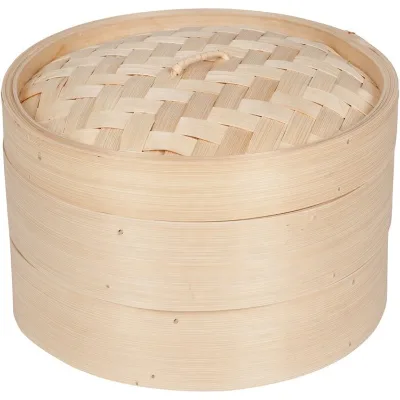
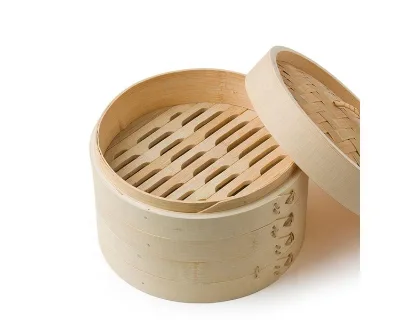
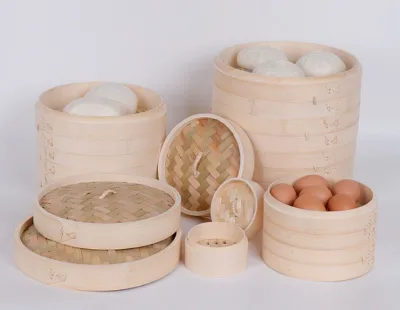


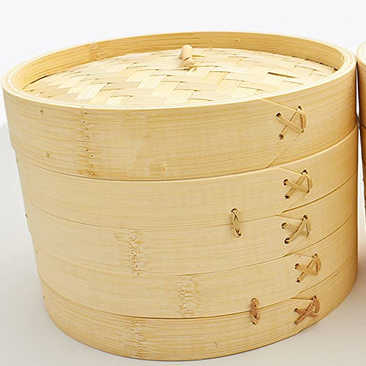
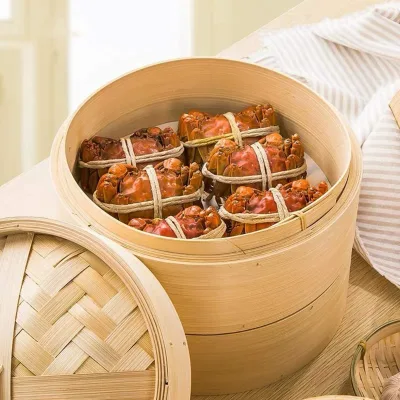
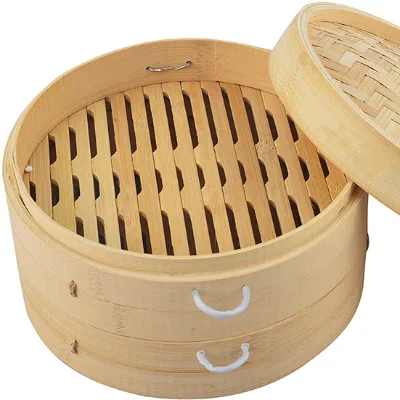
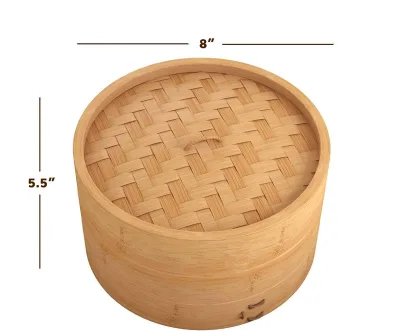
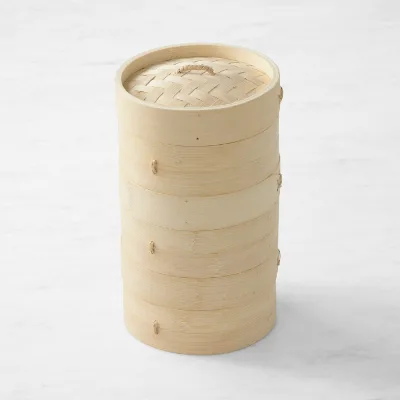
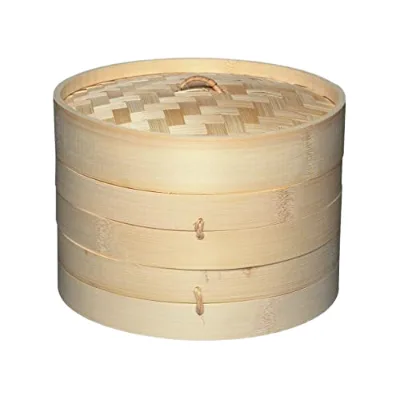
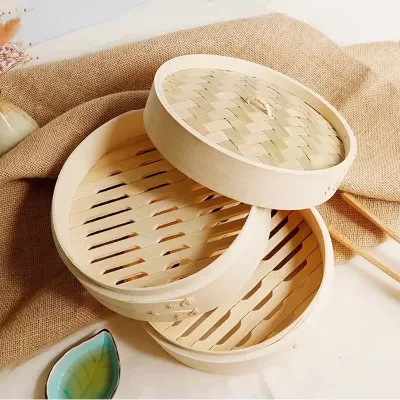
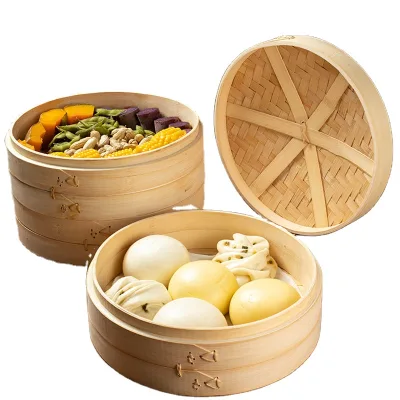
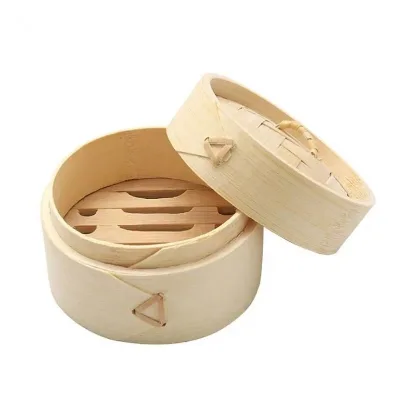
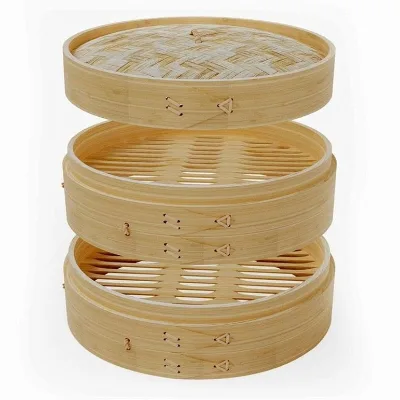
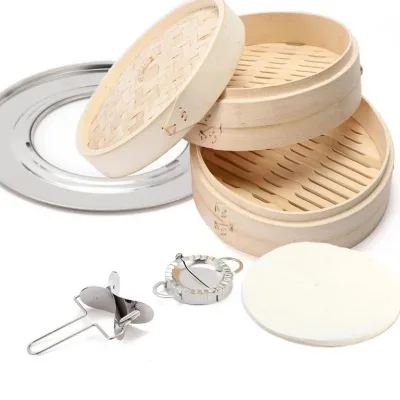
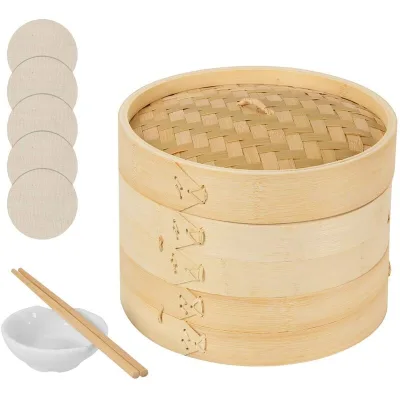
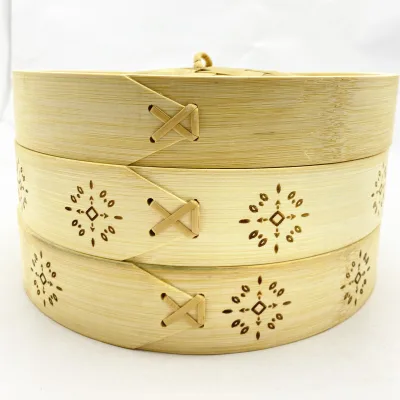
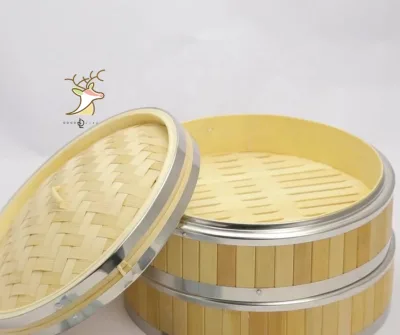


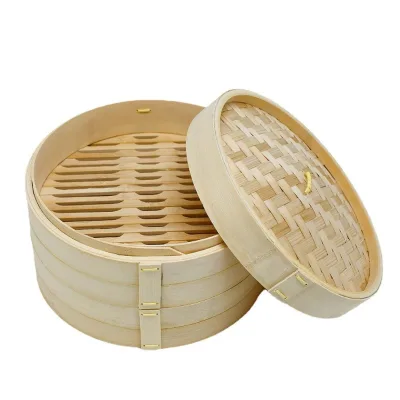
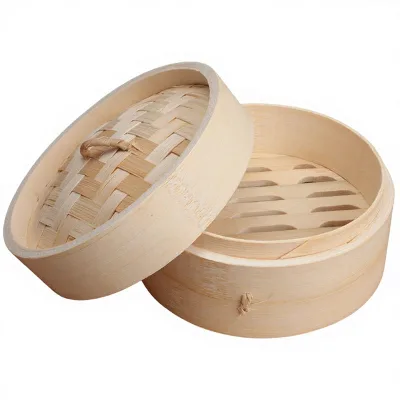
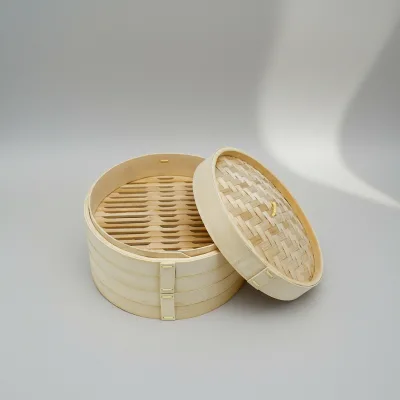
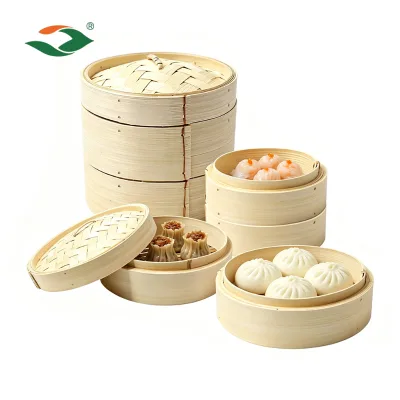
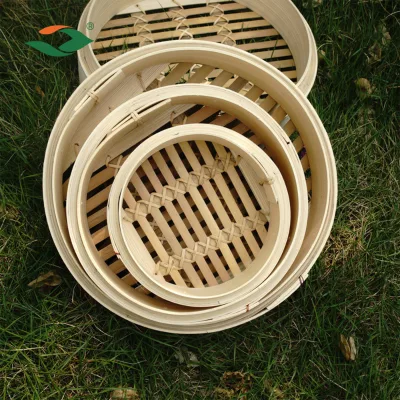
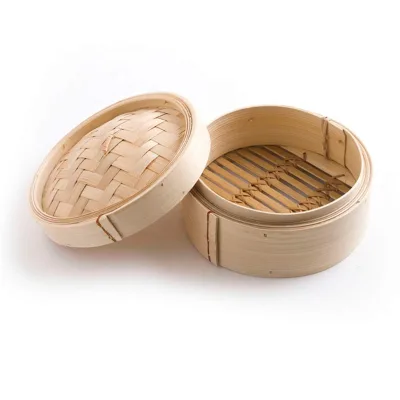
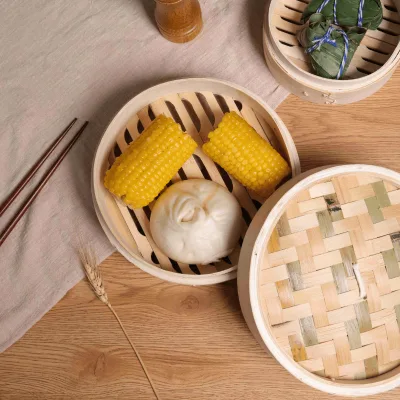


Comprehensive Sourcing Guide
2 Layer Bamboo Steamer Basket Supplier Concentration and Factory Types
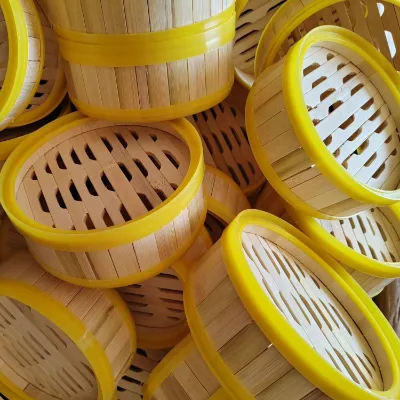
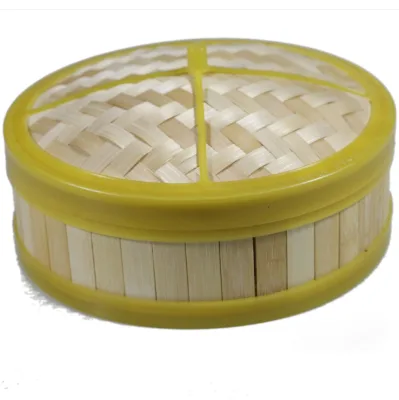
The sourcing landscape for bamboo kitchenware reveals distinct manufacturing clusters, primarily concentrated in regions like Yunnan and Hunan in China. These areas benefit from abundant raw material access, which significantly influences production costs and supply chain efficiency. Suppliers in these locations often specialize in specific bamboo product lines, ranging from general crafts to specialized cookware. For instance, some entities focus heavily on bamboo chopsticks, skewers, and traditional weaving, while others prioritize modern kitchen tools like steamer baskets. Understanding this geographic distribution helps buyers identify potential partners with established logistical networks and raw material advantages. The concentration of factories in these specific provinces suggests a mature ecosystem where specialized skills in bamboo processing are readily available. Buyers should consider how proximity to raw materials might impact lead times and overall product quality consistency.
Company types vary significantly across these regions, offering different value propositions for international buyers. Trading companies often provide a broader catalog of bamboo products, including items like fruit bowls, placemats, and lamp shades, alongside steamer baskets. This diversification can be advantageous for buyers seeking a consolidated supplier for multiple kitchenware needs. In contrast, manufacturer factories typically hold specific system certifications, such as ISO 9001, and may offer more direct control over production processes. These factories often support OEM and ODM services, allowing for greater customization of product designs and packaging. The distinction between a trading company and a direct manufacturer is crucial for determining pricing structures, communication efficiency, and the ability to handle complex custom orders. Evaluating the company type helps buyers align their sourcing strategy with their specific operational requirements and volume needs.
How to Verify 2 Layer Bamboo Steamer Basket Suppliers
Verification is a critical step in ensuring supplier reliability and product safety. Buyers should prioritize suppliers who have undergone third-party verification processes, such as those conducted by SGS or TÜV Rheinland. These verifications provide an additional layer of confidence regarding the supplier’s business legitimacy and operational capabilities. For example, some suppliers display SGS verification, indicating a review of their business scope and compliance standards. Others may hold TÜV Rheinland verification, which often involves more rigorous technical and quality assessments. These credentials serve as initial filters to separate established entities from less verified operators. Buyers should actively look for these verification badges on supplier profiles and request copies of the verification reports if necessary to understand the scope of the audit.
Beyond basic verification, product-specific certifications are essential for food-contact items like bamboo steamers. Many suppliers list certifications such as FDA, LFGB, CE/EU, CIQ, and EEC for their bamboo steamer products. These certifications indicate that the materials and manufacturing processes meet specific international safety and quality standards. Buyers must verify that these certifications are current and applicable to the specific products they intend to purchase. Additionally, checking for system certifications like ISO 9001 can provide insight into the supplier’s overall quality management system. It is also important to confirm the supplier’s response time, as a quick response often correlates with better customer service and operational efficiency. Some suppliers may have response times under three hours, while others might take significantly longer. This metric can help buyers gauge the supplier’s readiness to handle inquiries and resolve issues promptly during the sourcing process.
What to Compare Across 2 Layer Bamboo Steamer Basket Suppliers
When evaluating multiple suppliers, buyers should compare key operational metrics such as lead times, minimum order quantities (MOQs), and pricing structures. Lead times can vary significantly, with some suppliers offering production times around twenty-three days, while others may have different schedules based on order volume and customization requirements. MOQs are another critical factor, ranging from small quantities like ten units for certain customizable items to larger volumes such as five hundred or one thousand units for standard products. These variations directly impact inventory management and cash flow planning. Buyers must align their order sizes with the supplier’s MOQs to avoid excessive costs or stockouts. Comparing these metrics across different suppliers helps in identifying the most suitable partner for specific business needs.
Pricing and customization options also play a vital role in supplier selection. Prices for bamboo steamer baskets can range from very low unit costs for simple components to higher prices for complex, multi-layered designs. For instance, some products may be priced around sixty-eight dollars for specific models, while others might be available for less than three dollars per unit. Buyers should request detailed quotes that include all costs, such as packaging and shipping. Customization capabilities vary, with some suppliers offering fully customizable designs, logos, and packaging, while others may have limited options. The availability of OEM and ODM services is particularly important for brands looking to differentiate their products. Additionally, comparing the main products offered by each supplier can reveal their areas of expertise. Some suppliers may specialize in steamer baskets, while others offer a wider range of bamboo kitchenware, which could influence the buyer’s decision based on their broader sourcing strategy.
Common 2 Layer Bamboo Steamer Basket Sourcing Risks
One significant risk in sourcing bamboo products is the variability in material quality and processing standards. Bamboo is a natural material, and inconsistencies in thickness, color, and texture can occur between batches. Buyers must ensure that suppliers have strict quality control measures in place to minimize these variations. The use of adhesives or treatments in bamboo products can also pose health risks if not compliant with food safety standards. Buyers should verify that all materials used in the manufacturing process are food-grade and free from harmful chemicals. This is particularly important for products that come into direct contact with food, such as steamer baskets. Requesting material safety data sheets and conducting independent lab tests can help mitigate these risks. Suppliers who provide detailed information about their raw material sources and processing methods are generally more reliable.
Another risk is the potential for delays in production and shipping, which can disrupt supply chains. Factors such as raw material shortages, labor issues, or logistical bottlenecks can lead to extended lead times. Buyers should establish clear communication channels with suppliers to monitor production progress and address any issues promptly. It is also important to have contingency plans in place, such as identifying alternative suppliers or adjusting inventory levels. The complexity of customization can also introduce risks, as changes in design or specifications may require rework or additional costs. Buyers should ensure that all customization requirements are clearly documented and agreed upon before production begins. Additionally, verifying the supplier’s capacity to handle large orders without compromising quality is essential. Suppliers with proven track records and positive feedback from other buyers are less likely to encounter significant operational issues.
2 Layer Bamboo Steamer Basket Regional Sourcing and Logistics
Sourcing from specific regions like Yunnan and Hunan offers logistical advantages due to their proximity to raw materials and established manufacturing hubs. Yunnan, known for its bamboo resources, often hosts trading companies that aggregate products from various local workshops. This can result in a diverse product range but may require more coordination to ensure consistent quality. Hunan, on the other hand, may host more specialized factories with advanced production capabilities. Buyers should consider the logistical implications of sourcing from these regions, including shipping costs and transit times. Ports in these areas may offer efficient export services, but buyers should verify the supplier’s experience with international shipping. Understanding the local infrastructure can help in planning more effective supply chain strategies.
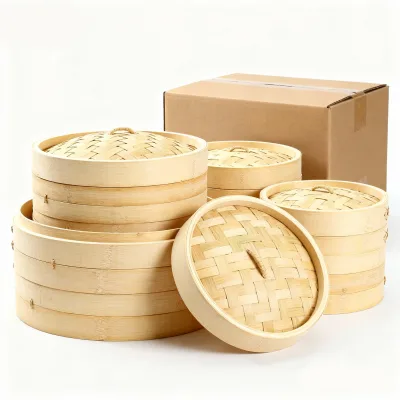
Logistics planning also involves considering packaging and handling requirements for bamboo products. Bamboo steamers are often bulky and require careful packaging to prevent damage during transit. Suppliers typically use carton or palletizing methods to ensure safe delivery. Buyers should confirm the packaging standards with their suppliers to avoid damage upon arrival. Additionally, the weight and volume of the products can impact shipping costs, so optimizing packaging design can lead to significant savings. Buyers should also be aware of any import regulations or tariffs in their destination countries that may affect the total cost of goods. Working with suppliers who have experience in exporting to specific markets can help navigate these complexities. Clear communication about logistics preferences and requirements is essential to ensure smooth delivery and minimize disruptions.
2 Layer Bamboo Steamer Basket Commercial Terms and Order Planning
Commercial terms such as payment methods, warranty policies, and after-sales support are crucial for successful sourcing. Buyers should negotiate clear terms that protect their interests, including secure payment options like escrow services. These services provide a layer of financial security by holding funds until the goods are received and verified. It is also important to establish clear expectations regarding product warranties and return policies. Suppliers who offer robust after-sales support can help resolve any issues that arise post-delivery. Buyers should review the supplier’s terms and conditions carefully to understand their obligations and rights. Transparent commercial terms help build trust and facilitate long-term business relationships.
Order planning involves forecasting demand and aligning production schedules with market needs. Buyers should consider seasonal fluctuations in demand for bamboo kitchenware and plan orders accordingly. Working with suppliers who have flexible production capabilities can help accommodate changes in order volumes. It is also important to maintain open communication with suppliers regarding future orders and potential product updates. Regularly reviewing performance metrics, such as delivery times and product quality, can help identify areas for improvement. Buyers should also consider the total cost of ownership, including shipping, duties, and handling, when planning their budgets. By carefully managing commercial terms and order planning, buyers can optimize their sourcing strategy and achieve better business outcomes. This proactive approach ensures that supply chain operations run smoothly and efficiently.
FAQs
What certifications do bamboo steamers have?
Many suppliers offer steamers with FDA, LFGB, CE/EU, CIQ, and EEC certifications. These credentials ensure the products meet international food safety and quality standards. Buyers should verify specific certificates for their target market to guarantee compliance and avoid customs issues during import.
What is the typical lead time for orders?
Lead times vary by supplier, with some reporting approximately 23 days for production. Others may have different schedules based on order volume and customization needs. Buyers should confirm the exact timeline with the supplier before placing an order to ensure timely delivery.
What is the minimum order quantity for steamers?
MOQs range significantly, from as low as 10 units for certain models to 1000 for others. Some suppliers require 300 or 500 pieces. Buyers should check the specific MOQ for the desired product model to align with their inventory requirements and budget.
Are bamboo steamers customizable?
Yes, customization is widely available for bamboo steamers. Suppliers offer options for custom logos, designs, and packaging. Buyers can request specific dimensions or features to match their brand identity. This flexibility allows for unique product offerings in the competitive kitchenware market.
What is the price range for bamboo steamers?
Prices vary based on size, layers, and customization. Costs can range from $0.25 to $68.00 per unit. Smaller or simpler designs are generally more affordable. Buyers should request quotes for specific models to get accurate pricing based on their quantity and requirements.
Where are these bamboo steamers manufactured?
Manufacturers are primarily located in China, specifically in Yunnan and Hunan provinces. These regions are known for their bamboo resources and skilled craftsmanship. Buyers can source directly from these areas to ensure authenticity and quality in their bamboo steamer purchases.
How quickly do suppliers respond to inquiries?
Response times vary, with some suppliers responding within 2.83 hours and others taking up to 11.12 hours. Faster response times indicate active customer service teams. Buyers should prioritize suppliers with quicker responses for efficient communication and order processing.