Source Ice Cream Fruit Ball Scoop for Home, Cafe, and Office
Source the Ice Cream Fruit Ball Scoop from 30 available options. Compare materials like plastic, stainless steel, and aluminum, along with sizes and customization features to find the right tool for your business needs; compare the available evidence and request quotations based on your requirements.
Updated
Key considerations
Products List
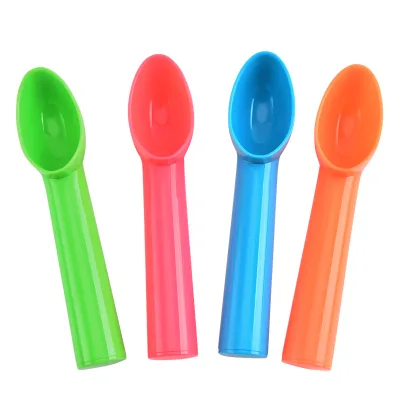
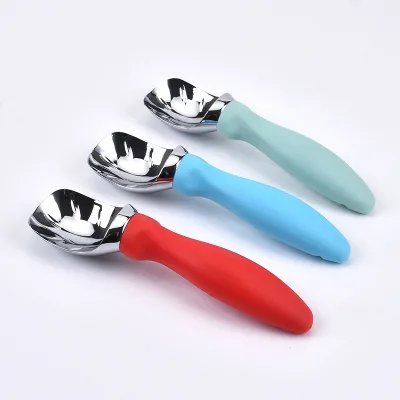


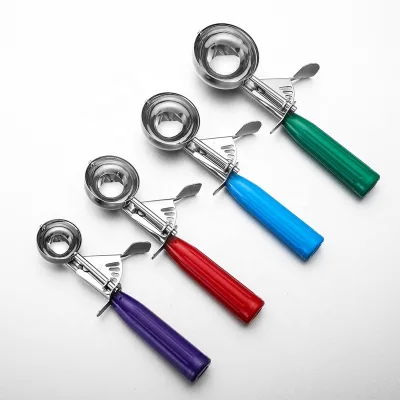
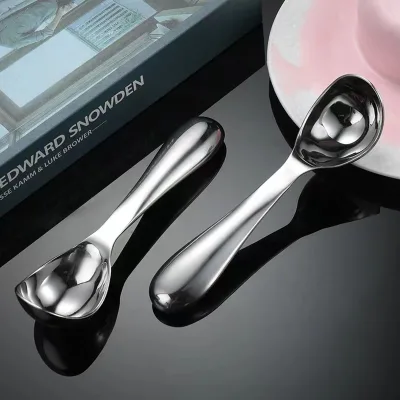
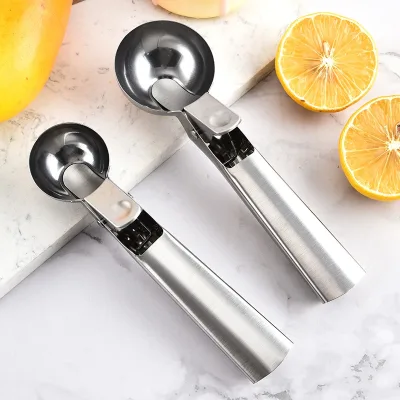
Multipurpose Stainless Steel Ball Spoon - Ice Cream/Fruit Scoop for Kitchen
$2.75 - $3.16
MOQ: 1000 Pieces

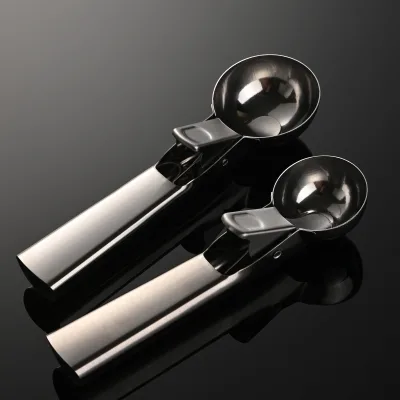
7.5 Inch Stainless Steel Multifunctional Ball Spoon - Ice Cream & Fruit Scoop
$2.75 - $3.16
MOQ: 1000 Pieces

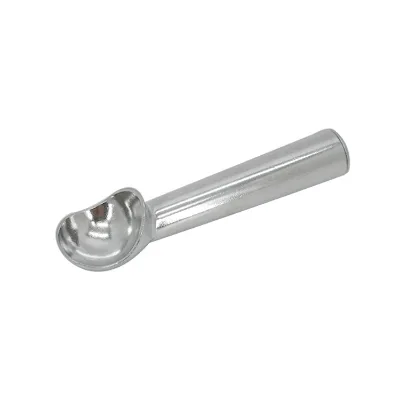
Anti-Freeze Aluminum Ball Spoon Ice Cream Scoop Fruit Spoons Kitchenware Kitchen Tools
$0.796 - $1.285
MOQ: 1000 Pieces

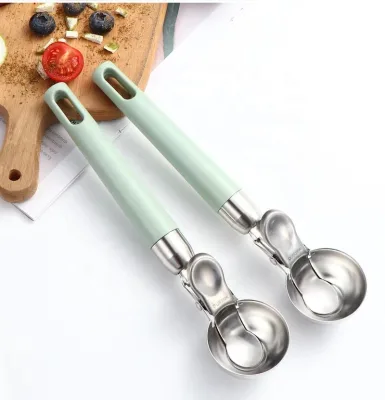
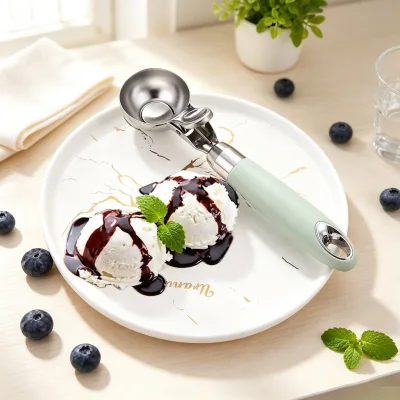
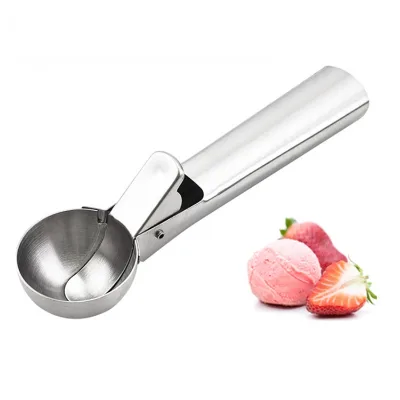
Kitchenware Ball Scoop with Easy Trigger - Ice Cream & Fruit (Watermelon, Melon)
$1.04 - $1.228
MOQ: 1000 Pieces


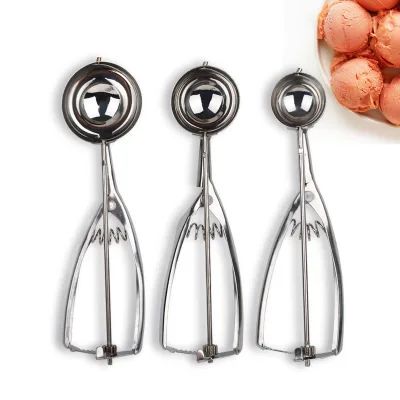
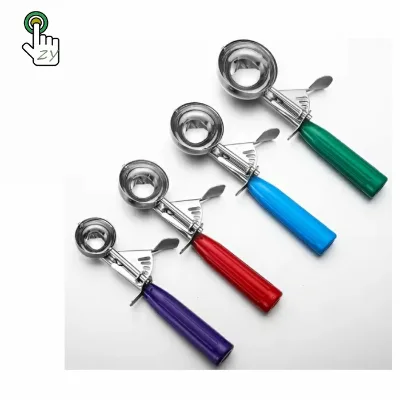





Comprehensive Sourcing Guide
Ice Cream Fruit Ball Scoop Sourcing Guide
Procuring ice cream fruit ball scoops requires a clear understanding of the diverse material options and functional designs available in the current market. Buyers must distinguish between simple plastic utensils and more durable stainless steel or aluminum alternatives, as each material offers distinct advantages regarding hygiene, longevity, and cost. The observed product landscape includes items ranging from basic single-use style tools to stackable, reusable designs intended for commercial hospitality environments. Understanding these material distinctions is the first step in aligning procurement with specific operational needs, whether for high-volume cafes or retail packaging.
The sourcing process also involves navigating various customization options and packaging requirements that significantly impact the final product utility. Many suppliers offer OEM branding, allowing businesses to integrate their logo directly onto the handle or packaging, which is crucial for brand visibility in retail settings. Additionally, the availability of stocked items versus custom manufacturing runs affects lead times and inventory management strategies. Buyers should evaluate whether they prioritize immediate availability of standard designs or the flexibility to customize colors, sizes, and packaging formats to match their specific market positioning and customer expectations.
Product Scope and Observed Listing Signals
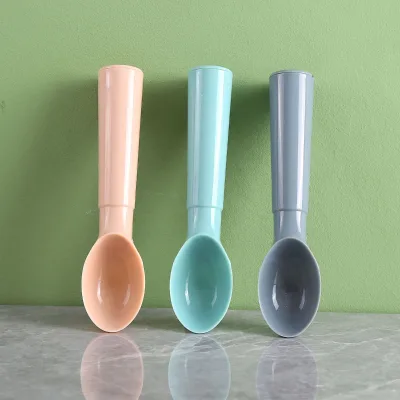
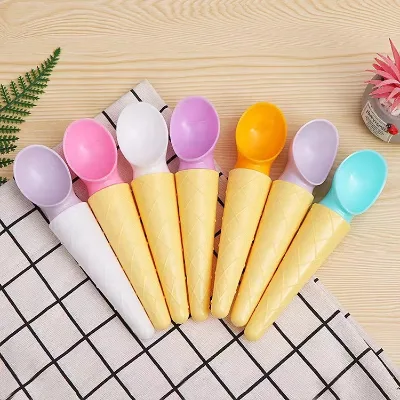
The current market for ice cream scoops exhibits a wide variance in material composition, with listings highlighting plastic, stainless steel, and aluminum options. Plastic models, often made from PP, are frequently marketed as eco-friendly and sustainable, appealing to buyers seeking cost-effective solutions for high-turnover environments. These items typically come in vibrant colors such as green, orange, blue, and pink, catering to aesthetic preferences in retail displays. In contrast, stainless steel and aluminum variants emphasize durability and professional-grade performance, often featuring non-stick properties or specialized handles designed for ergonomic use in busy kitchen settings.
Packaging and presentation signals also vary significantly across suppliers, influencing the perceived value and logistical handling of the product. Some listings indicate simple OPP bag packaging, which is suitable for bulk distribution and minimizes material costs, while others offer color box packaging that enhances shelf appeal for direct-to-consumer sales. The observed single package sizes range from compact dimensions suitable for small retail units to larger boxes designed for wholesale distribution. Buyers should carefully review these packaging details to ensure they align with their storage capabilities and retail display requirements, as improper packaging can lead to product damage or inefficient shelf space utilization.
Technical Specifications to Verify
Dimensional accuracy is a critical technical specification that buyers must verify to ensure compatibility with serving standards and storage constraints. Observed sizes for these scoops range from approximately 18.3 cm in length to more compact variants, with specific models listing dimensions like 195 cm or 20.85.2 cm. It is essential to confirm the exact length and width of the scoop head, as these measurements directly impact the portion size consistency and the ease of handling during service. Buyers should request detailed technical drawings or physical samples to validate that the product dimensions meet their specific operational requirements, particularly for establishments with strict portion control policies.
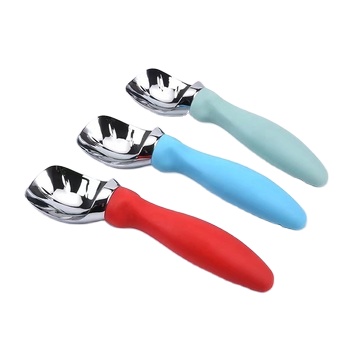
The structural design and handle ergonomics are equally important technical factors that influence user experience and product longevity. Features such as stackable designs and specialized handle colors, including black or customized options, contribute to both storage efficiency and visual identification in professional kitchens. Some models are designed for ordinary use, while others are tailored for non-stick cookware or specific ice cream types, requiring careful selection based on intended application. Verifying the handle length and grip comfort ensures that staff can operate the tool efficiently during peak hours, reducing fatigue and improving overall service speed in high-volume environments.
Compliance and Safety Documentation
Food safety compliance is paramount when sourcing ice cream scoops, as these tools come into direct contact with consumable products. Buyers must ensure that all materials, particularly plastics and metals, meet relevant food-grade standards to prevent contamination or chemical leaching. While specific certification names are not universally listed, suppliers should be able to provide documentation confirming that their materials are safe for food contact, such as FDA compliance for US markets or equivalent standards in other regions. This verification process is crucial for maintaining brand reputation and avoiding legal liabilities associated with food safety violations in hospitality and retail sectors.
Environmental and sustainability claims also require careful scrutiny to avoid greenwashing and ensure genuine eco-friendly practices. Many products are marketed as reusable, sustainable, and eco-friendly, but buyers should verify the actual recyclability and durability of the materials used. For plastic scoops, confirming the type of polymer and its recyclability status helps align procurement with corporate sustainability goals. Similarly, for metal scoops, assessing the longevity and potential for recycling at end-of-life ensures that the environmental benefits claimed by suppliers are substantiated by tangible product characteristics and responsible manufacturing processes.
Cost Drivers and Commercial Terms
Material selection is a primary driver of cost variations in ice cream scoop procurement, with plastic options generally offering lower unit prices compared to stainless steel or aluminum alternatives. The observed price range spans from $0.12 to $3.63, reflecting the significant difference in material costs and manufacturing complexity between basic plastic tools and premium metal scoops. Buyers should evaluate the total cost of ownership, considering factors such as replacement frequency and durability, rather than focusing solely on the initial purchase price. Higher-quality materials may command a premium but can offer better long-term value through reduced replacement needs and improved performance in demanding environments.
Minimum order quantities (MOQ) and customization requirements also significantly impact commercial terms and budget planning. MOQs typically range from 2 to 1000 pieces, with higher volumes often unlocking better pricing tiers and more favorable payment terms. Customization options, such as logo printing or specific color matching, may incur additional setup fees or require higher MOQs to be economically viable. Buyers should negotiate clear terms regarding sample costs, production lead times, and shipping responsibilities to ensure that the final landed cost aligns with their budget constraints and inventory turnover expectations.
Supplier Qualification and Quality Control
Supplier qualification begins with verifying their manufacturing capabilities and quality assurance processes to ensure consistent product delivery. Buyers should assess whether suppliers have established quality control protocols for material inspection, production monitoring, and final product testing. The observed listings indicate a place of origin primarily in China, with specific mentions of Guangdong province, suggesting a concentration of manufacturing expertise in this region. Understanding the supplier's production capacity and historical performance helps mitigate risks associated with supply chain disruptions and ensures that the supplier can meet volume requirements without compromising on quality standards.
Quality control measures should include rigorous checks for defects such as cracks, sharp edges, or color inconsistencies, which can affect both safety and aesthetic appeal. Buyers should request detailed quality inspection reports or conduct third-party inspections for large orders to verify that the products meet agreed-upon specifications. Additionally, evaluating the supplier's responsiveness to feedback and their ability to handle defects or returns is crucial for maintaining a reliable supply chain. Establishing clear communication channels and defining quality expectations upfront helps build a strong partnership and ensures that any issues are addressed promptly and effectively.
Long-Term Procurement Checks
Long-term procurement success depends on establishing robust performance metrics and regular review processes to monitor supplier reliability and product quality. Buyers should track key performance indicators such as on-time delivery rates, defect rates, and responsiveness to customer service inquiries to identify potential issues early. Regular audits of supplier facilities and quality control processes can help ensure that standards are maintained over time, especially as production volumes increase or new product lines are introduced. This proactive approach helps build a resilient supply chain that can adapt to changing market conditions and customer demands.
Continuous evaluation of product performance in the field is also essential for identifying opportunities for improvement and innovation. Feedback from end-users, such as cafe staff or retail customers, can provide valuable insights into the usability, durability, and aesthetic appeal of the scoops. Buyers should use this feedback to refine their specifications and negotiate improvements with suppliers, such as enhanced ergonomic designs or more sustainable materials. By maintaining a focus on continuous improvement and fostering strong supplier relationships, buyers can ensure that their procurement strategy remains aligned with their business goals and customer expectations over the long term.
FAQs
What materials are used for ice cream fruit ball scoops?
Ice cream fruit ball scoops are typically made from plastic, stainless steel, or aluminum. Plastic options are often eco-friendly and reusable, while stainless steel provides durability. Some models use polypropylene for lightweight handling. Buyers can choose based on their preference for sustainability or heavy-duty performance in commercial settings.
Can I customize the logo on these scoops?
Yes, customization is available for many ice cream fruit ball scoops. Buyers can request customized logos on the handles or packaging. This service is common for OEM orders. It allows businesses to brand their kitchen tools effectively. Contact suppliers directly to discuss specific logo placement and design requirements for your order.
What is the typical MOQ for these scoops?
The minimum order quantity varies by supplier but often starts at 100 pieces. Some vendors may require up to 1000 units for certain models. Lower MOQs are available for standard stock items. Buyers should check specific product listings for exact thresholds. Bulk orders usually offer better pricing per unit for large-scale procurement needs.
How long does sample production take?
Sample production typically takes about seven days. This timeframe allows suppliers to prepare customized or standard units for review. Buyers can use samples to verify quality and material before placing bulk orders. Expedited shipping may be available for urgent requests. Confirm the exact timeline with the supplier during the inquiry phase.
Are these scoops suitable for home and office use?
Yes, ice cream fruit ball scoops are suitable for offices, homes, cafes, and tea houses. Their compact size and stackable design make them ideal for various settings. They are easy to store and clean. The durable materials ensure long-term use in both residential and commercial environments. They serve as practical tools for daily dessert preparation.
What packaging options are available for these scoops?
Packaging options include OPP bags, single boxes, and color boxes. The choice depends on the supplier and order volume. OPP bags are common for bulk shipments to reduce costs. Color boxes offer better protection and presentation for retail. Buyers can specify their preferred packaging style to meet their distribution or retail requirements effectively.