Pre-seasoned Cast Iron Pizza Pan Suppliers and Manufacturers
Source pre-seasoned cast iron pizza pan from 20 verified suppliers in Hebei and Henan, China. Compare key dimensions including lead times of 40-60 days, MOQs of 500 units, and response times of 6-9 days. Review pricing from $4.50 to $7.47 and verify certifications like FDA before placing orders.
Updated
Suppliers List
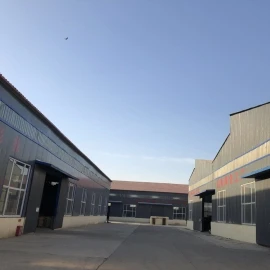
Hebei Langju Trading Co., Ltd.
- Trading Company
- Hebei, China
- Lead time60 days
- Avg. response≤ 9h
Main productscast iron fry pan,cast iron dutch oven,cast iron casserole,cast iron skillet,cast iron griddle pan
Main marketsNorth America(30.00%), Western Europe(25.00%), Domestic Market(10.00%), Oceania(10.00%), Africa(10.00%), Eastern Europe(10.00%), South America(5.00%)
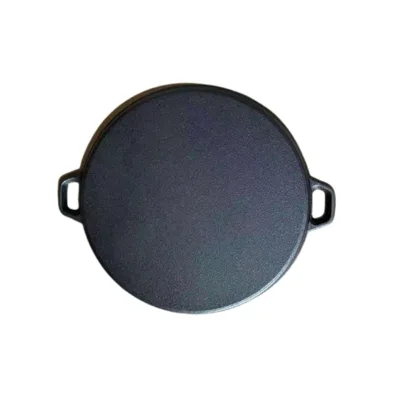
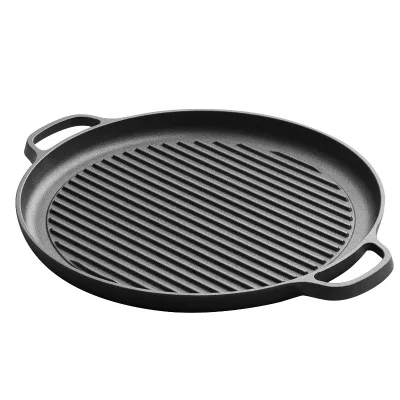
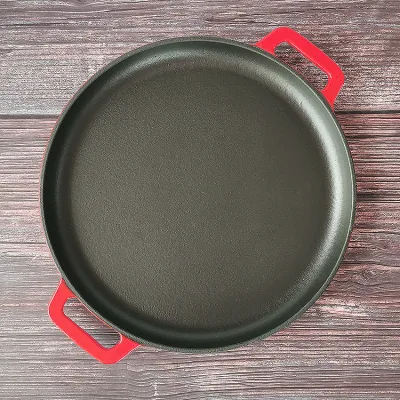
Pre-seasoned Cast Iron Pizza Pan,Grill Pan
$5.90 - $6.30
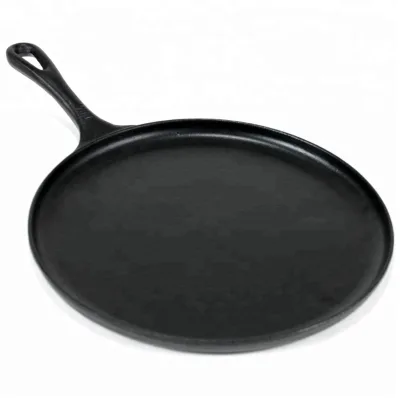
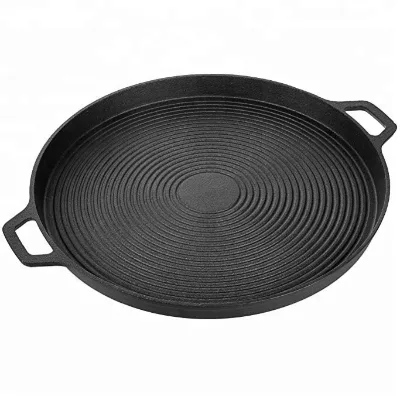
Henan Foodie Cookware Co., Ltd.
- Trading Company
- Henan, China
- Lead time40 days
- Avg. response≤ 6h
Main productsenamel cast iron cookware set,enamel cast iron skillet,enamel cast iron casserole,cast iron wok,enamel cast iron grill pan
Main marketsWestern Europe(30.00%), North America(30.00%), Northern Europe(10.00%), Southeast Asia(10.00%), Eastern Europe(10.00%), Africa(5.00%), South America(5.00%)
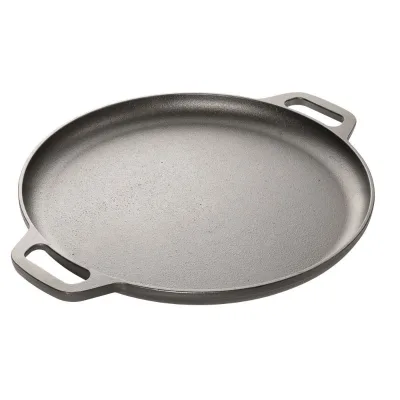
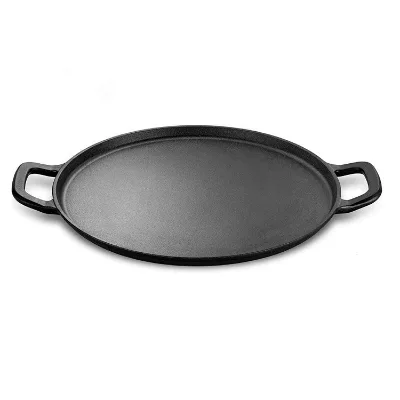
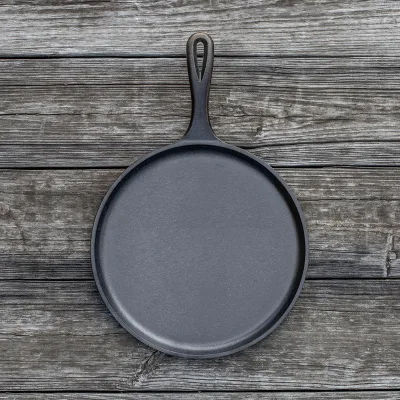
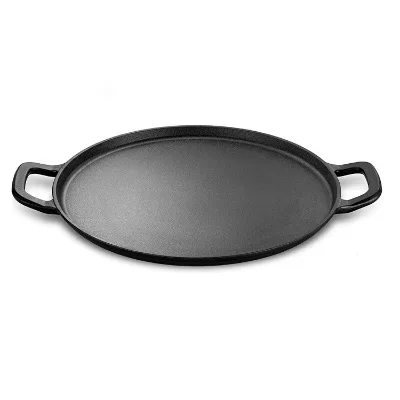
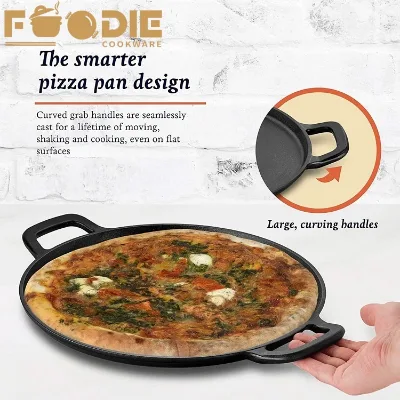
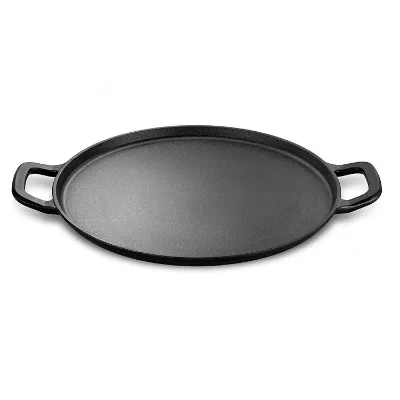
$6.1673 - $7.0017
MOQ: 500 sets

Hebei Bigking Cookware Co., Ltd.
- Manufacturer/Factory
- China Hebei
- Lead time23 days
- Avg. response≤ 12h
Main productsCast Iron Cookware, Cast Iron Dutch Oven, Cast Iron Skillet, Cast Iron Grill Pan, Cast Iron Casserole, Cast Iron Oven Dish, BBQ, Fondue Set, Teapot, Frying Pan
Main marketsSouth America,Eastern Europe,North America,Western Europe
Hebei Forrest Trading Co., Ltd.
- Manufacturer, Trading Company
- Hebei, China
- Lead time45 days
- Avg. response≤ 8h
Main productsCast Iron Cookware,Cast Iron Enamel Cookware,Cast Iron Cookware Sets,Cast Iron Teapot,Cast Iron Pan
Main marketsWestern Europe(31.00%), Northern Europe(15.00%), Africa(10.00%), North America(10.00%), Oceania(7.00%), Eastern Asia(7.00%), Southern Europe(6.00%), Eastern Europe(5.00%), Mid East(3.00%), Domestic Market(3.00%), South Asia(1.00%), Southeast Asia(1.00%), Central America(1.00%)
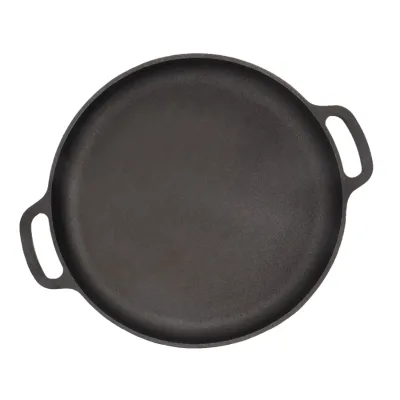
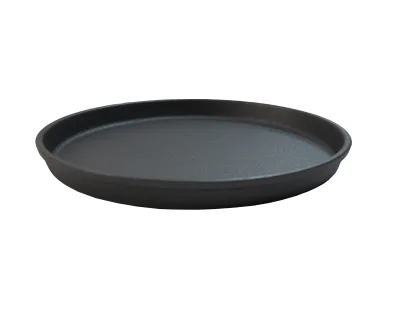
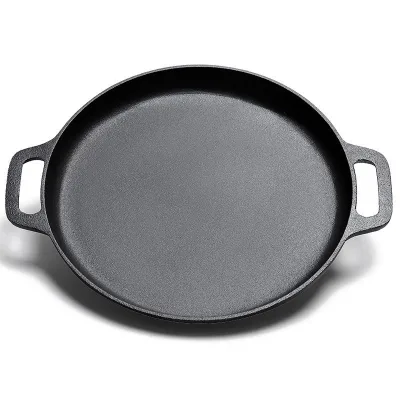
35cm Pre-seasoned Skillet Cooking Plate Cast Iron Pizza Pan for Outdoor Baking Paella Pan
$4.1659 - $6.3575
MOQ: 1000 pieces
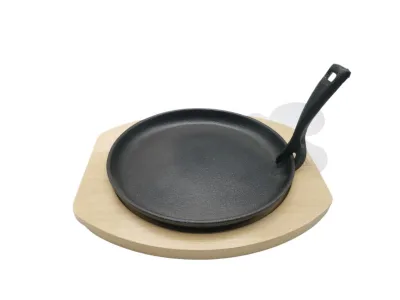
Hebei Dongchu Import And Export Trade Co., Ltd.
- Trading Company
- Hebei, China
- Lead time25 days
- Avg. response≤ 1h
Main productscast iron skillet & Pan,Cast iron Dutch oven,cast iron teapot,cast iron wok,Cast Iron Casserole
Main marketsNorth America(40.00%), Domestic Market(20.00%), Southern Europe(20.00%)
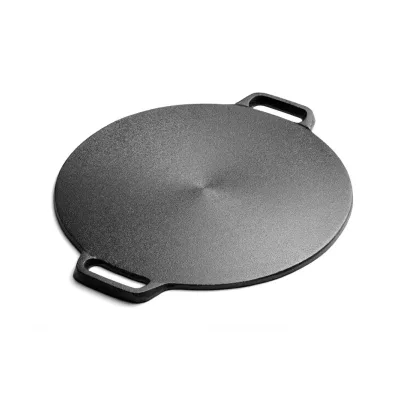
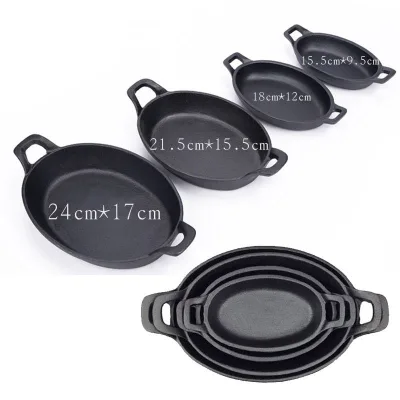
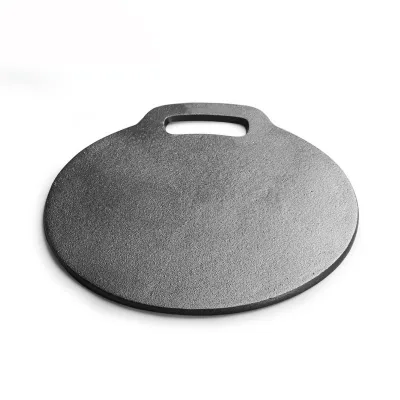
Hot Selling Flat Paella Pan Pre-seasoned Cast Iron Pizza Bread Scones Pizza Pan Baking Stone
$4.05 - $5.60
MOQ: 500 pieces
Hebei Debien Technology Co., Ltd.
- Trading Company
- Lead time旺季: "1 - 500":25,"501 - 1000":40,"> 1000":"To be negotiated", 淡季: "1 - 500":25,"501 - 1000":40,"> 1000":"To be negotiated"
- Avg. response≤ 1h
Main productsCast Iron Skillet, Cast Iron Fry Pan, Cast Iron Dutch Oven, Cast Iron Casserole, Cast Iron Griddle
Zhengding Geovein Import & Export Trading Co., Ltd.
- Verified by SGS Group
- Trading Company
- Lead time30 days
- Avg. response≤ 4h
Main productsCast Iron Kitchenware, Enamel Kitchenware, Stone Mortar, Outdoor Stove, Vegetable Oil Preseasoned Cast Iron
Main marketsNorth America(40%), Western Europe(22%), Northern Europe(13%)

Hebei Cookwin Kitchen Products Co., Ltd.
- Verified by BV
- Trading Company,Manufacturer/Factory
- China Hebei
- Lead time30 days
- Avg. response≤ 3h
Main productsCast Iron Cookware, Cast Iron Casserole, Cast Iron Frypan, Cast Iron Skillet, Cast Iron Dutch Oven, Cast Iron Griddle, Cast Iron Fondue, Cast Iron Wok, Cast Iron Teapot, Cast Iron Pipe and Fitting
Main marketsSouth America,Eastern Europe,Mid East,North America,Southeast Asia,Eastern Asia,Oceania,Western Europe,Africa


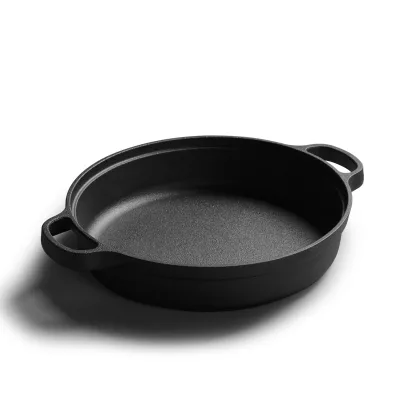
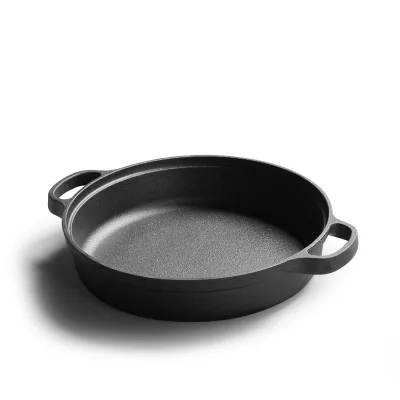
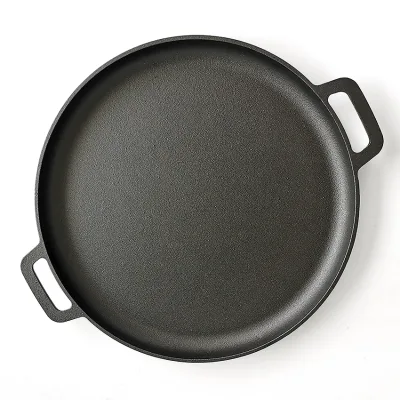
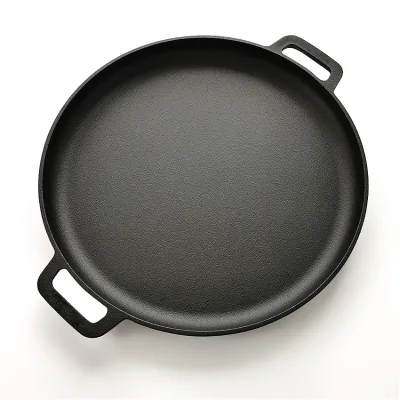
Pre-Seasoned Cast Iron Pizza Pan with Double Handles for Oven Grill Baking
$4.00 - $9.00
MOQ: 100 Pieces

$4.00 - $9.00
MOQ: 100 Pieces
Liaocheng Haman Metal Material Co., Ltd.
- Verified by SGS Group
- Trading Company
- Lead time15 days
- Avg. response≤ 2h
Main productsMetal Screen, Metal Planter, Garden Edge, Metal Fence, Metal Bins Cover
Main marketsNorth America(50%), Oceania(12%), Northern Europe(10%)
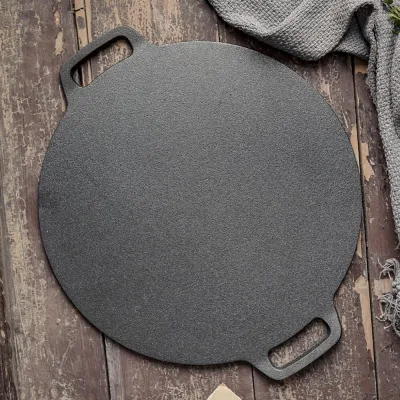
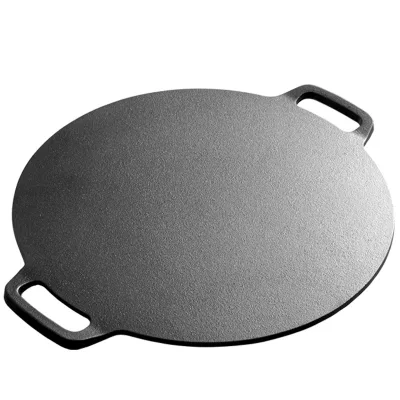
Pre-Seasoned Cast Iron Pizza Pan Heavy Duty Pizza Baking Steel for Kitchen Oven
$4.7202 - $8.5161
MOQ: 100 pieces
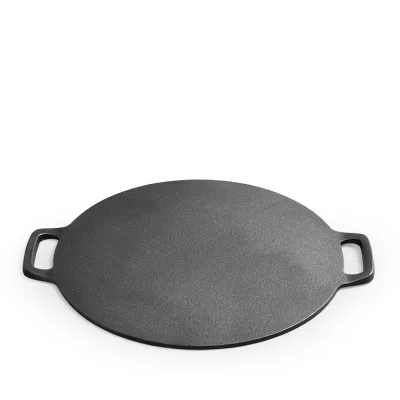
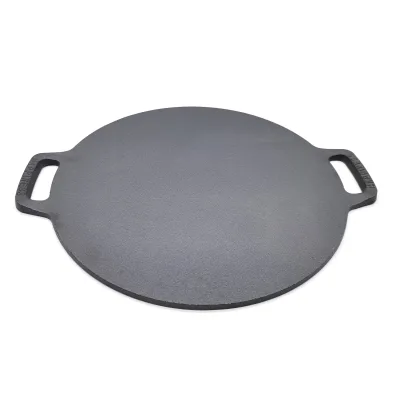
Pizza Pan 5cm Thick Cast Iron Plate for Crispy Pizza Crust and Flatbread
$4.7397 - $8.5521
MOQ: 100 pieces
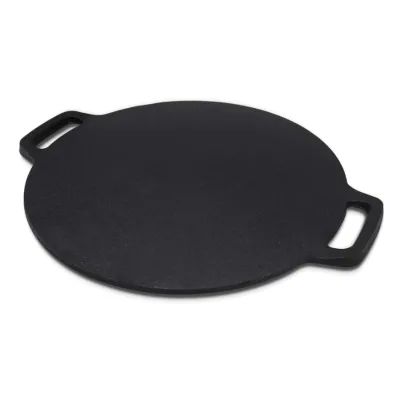
Heavy Duty Cast Iron Pizza Pan Multi-Use Pizza Tray for Oven & Stove Top
$4.7397 - $8.5521
MOQ: 100 pieces
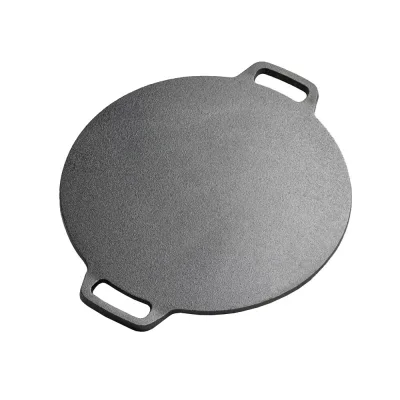
Double Ear Cast Iron Pizza Pan Thick Round Pizza Skillet With Flat Bottom
$4.7202 - $8.5161
MOQ: 100 pieces

Hebei Debien Technology Co., Ltd.
- Verified by TUVRHEINLAND
- Trading Company
- China Hebei
- Lead time30 days
- Avg. response≤ 5h
Main productsCast Iron Pulley, Taper Lock Bush, Transmission Pulley, Casting Part, Cast Iron Cookware, Dutch Oven
Main marketsSouth America,Africa,Southeast Asia/ Mideast,East Asia(Japan/ South Korea),Europe,Australia,North America

Factory New Style Cooking Grilling Pan Non-Stick Cast Iron Pre-Seasoned Baking Pizza Pan
$3.00 - $4.30
MOQ: 100 Pieces

$3.00 - $4.30
MOQ: 100 Pieces

Restaurant Pre-Seasoned Pizza Tray Pan 12 Inch Cast Iron Pizza Pan Flat Baking Pie Pan Pizza Plate
$3.00 - $4.30
MOQ: 100 Pieces

Pre-Seasoned Cookware Pancake Baking Pan Round Cast Iron Pizza Pan with Grip Handles
$3.00 - $4.30
MOQ: 100 Pieces

China Popular Pre-Seasoned Round Oven 14-Inch Cast Iron Pizza Pan for Baking
$3.00 - $4.30
MOQ: 100 Pieces

Cast Iron Griddle Pre-Seasoned Round Cast Iron Pizza Pan for Pancakes Pizzas and Quesadillas
$3.00 - $4.30
MOQ: 100 Pieces
Hebei Weining Metal Product Co., Ltd.
- Verified by TüVRheinland
- Trading Company
- Lead time30 days
- Avg. response≤ 2h
Main productsCast Iron Pot, Cast Iron Cookware
Main marketsNorth America(45%), Domestic Market(20%), Western Europe(10%)
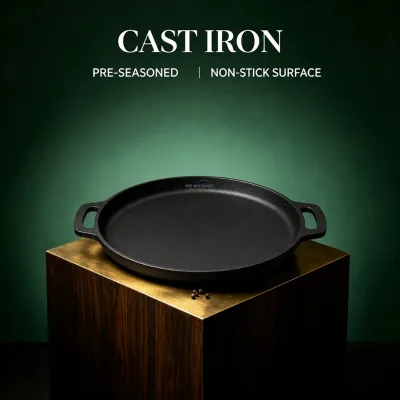
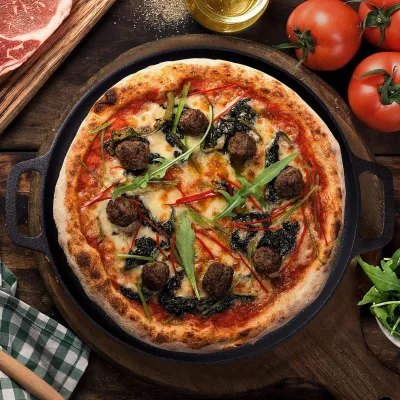
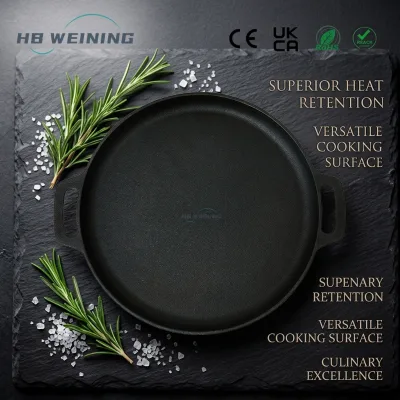
$6.1703 - $7.1979
MOQ: 300 pieces
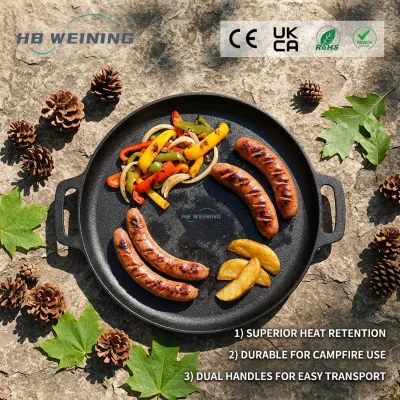
Shijiazhuang Kingway Imp. & Exp. Co., Ltd.
- Verified by TüVRheinland
- Trading Company
- Lead time30 days
- Avg. response≤ 2h
Main productsCast Iron Enamelled Casserole, Cast Iron Dutch Oven, Cast Iron Skillet, Cast Iron Griddle, Mortar And Pestle
Main marketsNorth America(35%), Western Europe(20%), Eastern Europe(10%)
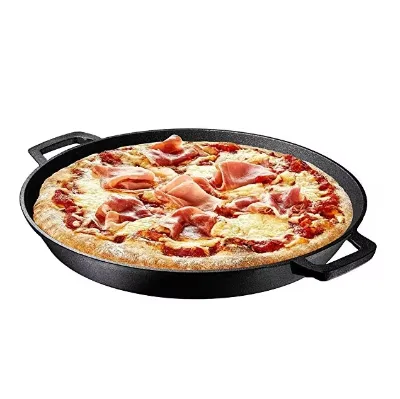
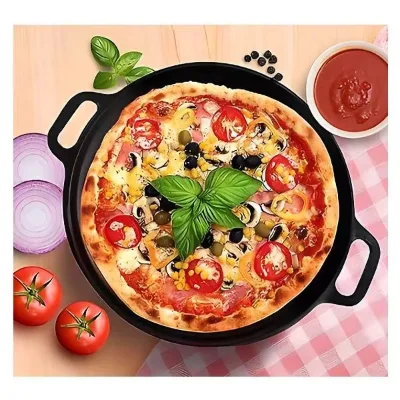
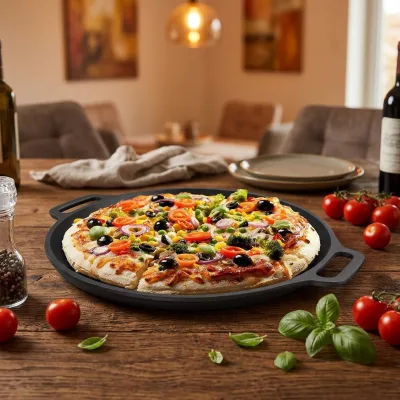
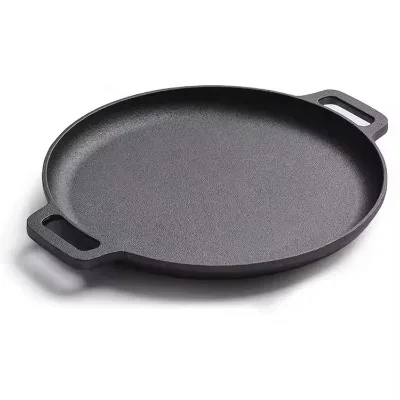
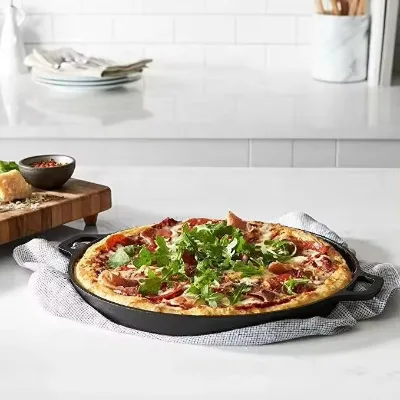
Multi Use Non-stick Preseasoned Cast Iron Round Frying Pan Shallow Pizza Baking Pan
$4.50 - $4.90
MOQ: 500
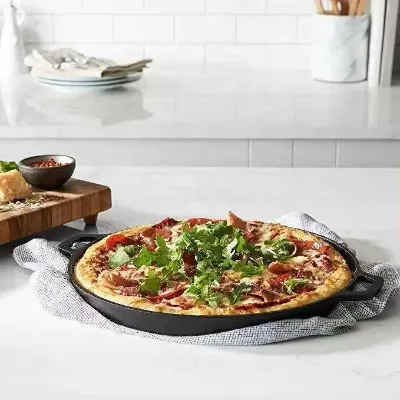
Custom Direct Factory Cast Iron Nonstick Large Pizza Baking Pan Without Pot Cover
$4.50 - $4.90
MOQ: 500

Xingtai Huaiyang Enamel Co., Ltd
- Verified by SGS
- Trading Company
- China Hebei
- Lead time30 days
- Avg. response≤ 2h
Main productsCast Iron Cookware, Enamel Casserole, Cast Iron Dutch Oven, Cast Iron Skillet, Cast Iron Casserole, Cast Iron Fry Pan, Cast Iron Fondue Set, Cast Iron Pissa Pan, Cast Iron Pot, CAS Iron Griddle
Main marketsDomestic

Cast Iron Frying Pan Non Stick High Quality Cast Iron Double Ear Pizza Pan
$3.99 - $7.99
MOQ: 500 Pieces

Factory Custom 14 16 Inch Pizza Pan Pre-Seasoned Cast Iron Round Baking Pizza Frying Pan
$3.99 - $7.99
MOQ: 500 Pieces


Pre-Seasoned Cast Iron Pizza Pan Round Griddle Baking Pan Cast Iron Skillet with Two Ears
$3.99 - $7.99
MOQ: 500 Pieces

Juchang(Nanjing) Mechanical Co., Ltd.
- Verified by BV
- Trading Company
- China Jiangsu
- Lead time30 days
- Avg. response≤ 6h
Main productsPizza Peel, Pizza Screen, Pizza Pan, Pizza Stone, Pizza Cutter, Pizza Oven Brush, Cookie Sheet, Baguette Pan, Silicone Oven Mitts, Silicone Baking Mat
Main marketsSouth America,Southeast Asia/ Mideast,Europe,Australia,North America
Shijiazhuang Everfine Co., Ltd.
- Trading Company
- Hebei, China
- Lead time30 days
- Avg. response≤ 5h
Main productsCast iron cookware,cast iron dutch oven,cast iron skillet,Cast iron burner,three legs cast iron pot
Main marketsNorth America(30.00%), Africa(20.00%), Oceania(20.00%), South America(20.00%), Southeast Asia(10.00%)
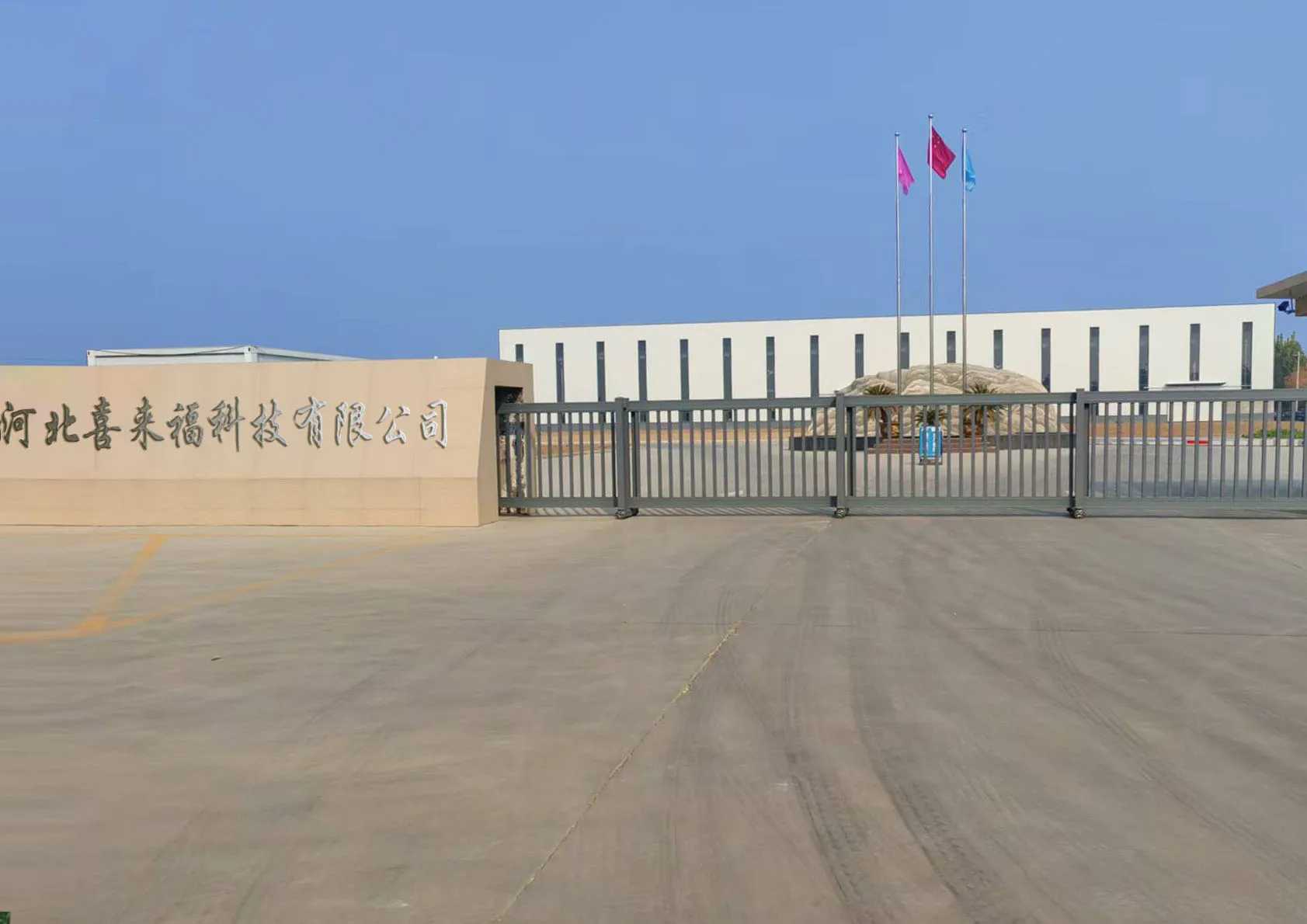
Hebei Xilaifu Technology Co., Ltd.
- Trading Company
- Hebei Province, China
- Lead time15 days
- Avg. response≤ 8h
Main productsCast Iron Cookware, Hot Sales, Dutch Oven, Wok, Grill Pan
Main marketsNorth America(50.00%), Western Europe(20.00%), Eastern Europe(20.00%), Africa(10.00%)
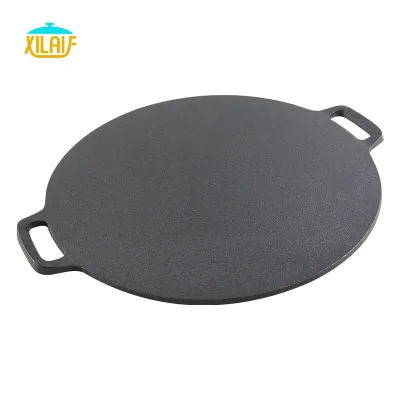
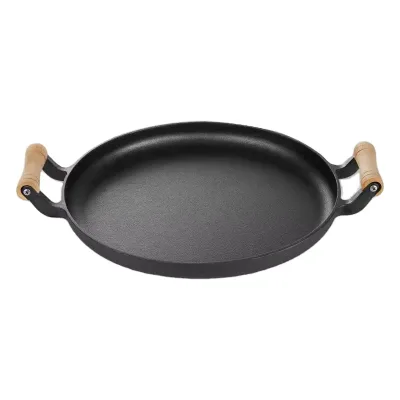
$5.1232 - $6.7215
MOQ: 500 pieces
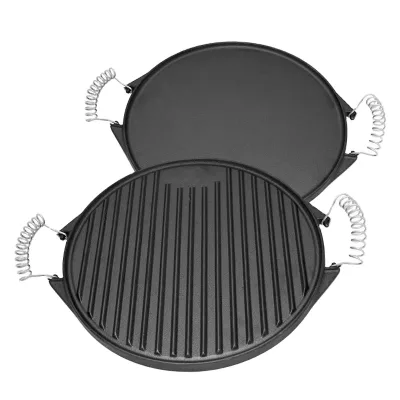
$4.0985 - $5.6969
MOQ: 500 pieces

- Verified by BV
- Manufacturer/Factory
- China Tianjin
- Lead time60 days
- Avg. response≤ 8h
Main productsGrey Iron Casting, Ductile Iron Casting, Stainless Steel Casting, Aluminum Casting, Pump Parts, Motor Parts, Valve Parts, Machinery Parts, Transmission Parts, Auto Parts
Main marketsSouth America,Eastern Europe,North America,Western Europe

Cast Iron Pizza Pan Pre-Seasoned Kitchen Cookware Round Double-Ear Baking Griddle Pan
$6.50 - $7.20
MOQ: 500 Pieces

Hebei Shangqiao Imp.& Exp. Co., Ltd.
- Verified by SGS Group
- Trading Company
- Lead time45 days
- Avg. response≤ 10h
Main productsCast Iron Skillet, Cast Iron Casserole, Cast Iron Dutch Oven, Granite Mortar And Pestle, Cast Iron Griddle
Main marketsNorth America(30%), Eastern Europe(20%), Western Europe(20%)
Hebei Chuihua Casting Co., Ltd.
- Verified by Intertek
- Manufacturer, Trading Company
- Lead time45 days
- Avg. response≤ 2h
Main productsCast Iron Cookware, Cast Iron Griddle, Cast Iron Dutch Oven, Cast Iron Skillet, Cast Iron Fry Pan
Main marketsNorth America(35%), Eastern Europe(10%), Western Europe(10%)
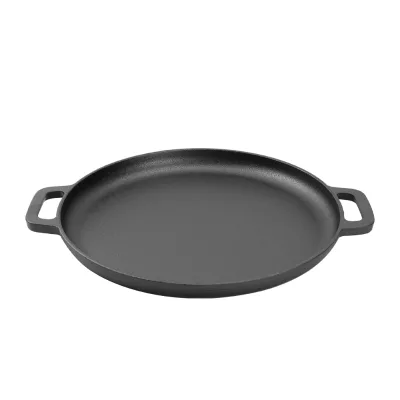
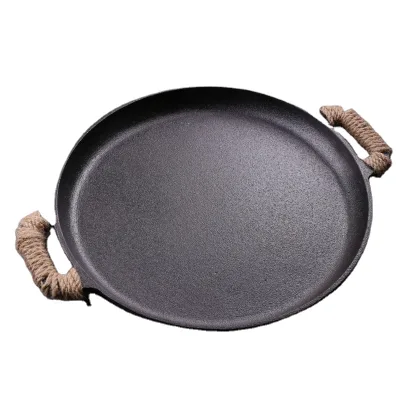
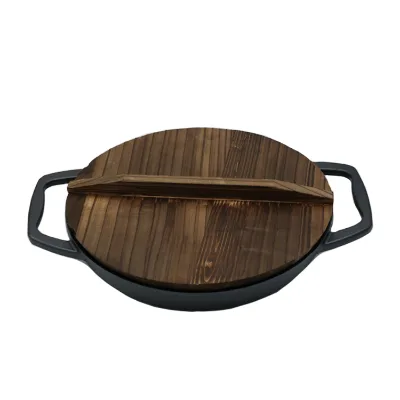
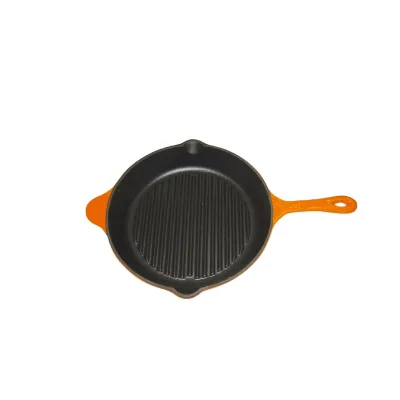
Hot Selling Cast Iron Round Outdoor Grill Pan Nonstick Pizza Baking Tray Mold for BBQ & Baking Tools
$4.99 - $6.78
MOQ: 300 pieces
Yongkang Guangxiao Trade Co., Ltd.
- Verified by Intertek
- Trading Company
- Lead time45 days
- Avg. response≤ 7h
Main productsBakeware Set, Cookware Set, Pan, Wok, Pot
Main marketsNorth America(20%), Western Europe(20%), Eastern Europe(20%)




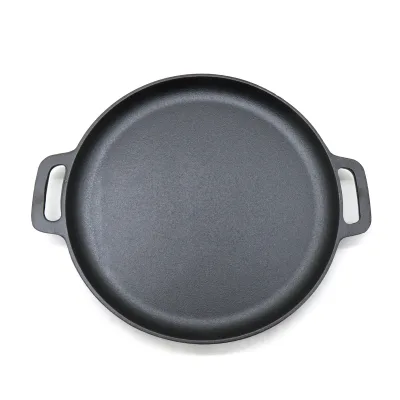
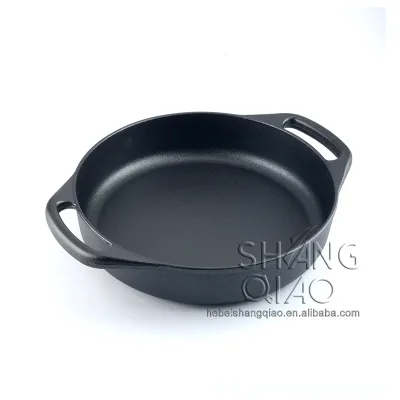
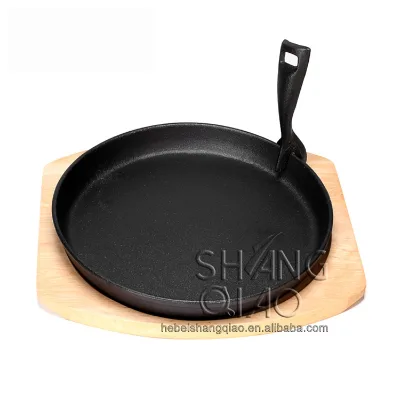
Comprehensive Sourcing Guide
Pre-Seasoned Cast Iron Pizza Pan Supplier Concentration and Factory Types
The current supplier landscape for pre-seasoned cast iron pizza pans reveals a distinct geographic concentration in Hebei and Henan provinces within China. These regions serve as primary manufacturing hubs for this specific cookware category, indicating a mature industrial ecosystem dedicated to cast iron production. Suppliers located in these areas often specialize in high-purity cast iron materials, leveraging local access to raw iron resources and established foundry networks. This clustering effect suggests that buyers sourcing from these locations may benefit from a more streamlined supply chain, where raw material procurement and initial casting processes are geographically proximate. The presence of multiple suppliers in these specific provinces highlights the regional expertise in handling heavy, durable metal cookware, which requires specialized molding and seasoning techniques to ensure product quality.
In terms of business structure, the majority of available suppliers operate as trading companies rather than direct manufacturers. This distinction is crucial for buyers to understand, as trading companies often aggregate products from various factories, potentially offering a wider variety of designs and customization options. However, this model also introduces an additional layer between the buyer and the actual production facility. Trading companies may facilitate easier communication and order management but might have less direct control over the manufacturing timeline or quality assurance processes compared to direct factory engagements. Buyers should recognize that while trading companies provide convenience and potentially broader product ranges, they may also impact the transparency of the supply chain. Understanding whether a supplier is a trading entity or a direct manufacturer can influence negotiations regarding pricing, customization flexibility, and direct factory audits.
How to Verify Pre-Seasoned Cast Iron Pizza Pan Suppliers
Verifying the legitimacy and capability of suppliers requires a careful examination of their response times and product documentation. Current data indicates that response times can vary, with some suppliers demonstrating a nine-day response window while others respond within six days. A faster response time often correlates with better operational efficiency and customer service readiness, which is vital for resolving queries about product specifications or order status promptly. Buyers should prioritize suppliers who demonstrate consistent and rapid communication, as this reflects a professional approach to business interactions. Additionally, examining the detailed product attributes provided, such as material composition and coating types, helps in assessing the supplier's transparency. Products described with specific details like "high purity cast iron" and "vegetable oil seasoning" suggest a level of product knowledge and quality focus that buyers should look for during the verification process.
Another critical aspect of verification is checking for specific product certifications and compliance standards, although explicit certification details are not uniformly displayed in the current results. Buyers must actively inquire about FDA compliance or other food safety standards, especially since the product involves direct food contact. The presence of terms like "FDA Certified" in some product keywords is a positive indicator, but buyers should request official documentation to confirm these claims. Furthermore, verifying the supplier's ability to provide samples is essential for quality assessment. Some suppliers explicitly state that samples are available, which allows buyers to physically inspect the pan's weight, seasoning quality, and handle durability before committing to a large order. This hands-on verification step is indispensable for ensuring that the final product meets the buyer's quality expectations and safety requirements.
What to Compare Across Pre-Seasoned Cast Iron Pizza Pan Suppliers
When evaluating multiple suppliers, comparing key operational metrics such as lead times and minimum order quantities (MOQs) is essential for aligning supplier capabilities with business needs. The observed lead times range from forty to sixty days, reflecting the complexity of cast iron manufacturing and the seasoning process. A shorter lead time of forty days may indicate a more efficient production line or better inventory management, which can be advantageous for buyers with tight delivery schedules. Conversely, a sixty-day lead time might be standard for custom orders or during peak production seasons. Buyers should assess whether the supplier's lead time aligns with their inventory planning and market demand forecasts. Additionally, the MOQs observed are typically set at five hundred pieces, which is a common threshold for bulk manufacturing. This MOQ level requires buyers to have sufficient storage capacity and sales channels to absorb the volume, making it a critical factor in supplier selection.
Price comparison is another vital dimension, with unit prices ranging from approximately five to seven dollars depending on the product specifications and order volume. Factors influencing price include the pan's diameter, thickness, and the quality of the pre-seasoning coating. Buyers should request detailed quotations that break down costs based on size and quantity to identify the most cost-effective options. It is also important to compare the main products offered by each supplier to ensure they specialize in the desired items. Some suppliers focus on a broad range of cast iron cookware, including skillets and dutch ovens, while others may specialize specifically in pizza pans. A supplier with a focused product line may offer better expertise and consistency in their pizza pan offerings. Additionally, comparing features such as handle design, bottom material, and compatibility with various stove types, including induction cookers, helps in selecting a product that meets specific customer preferences.
Common Pre-Seasoned Cast Iron Pizza Pan Sourcing Risks
One significant risk in sourcing pre-seasoned cast iron pizza pans is the variability in seasoning quality and durability. The seasoning process, often described as using vegetable oil, is critical for creating a non-stick surface and preventing rust. Inconsistent seasoning can lead to products that require extensive re-seasoning by the end-user, resulting in negative reviews and returns. Buyers must ensure that suppliers have robust quality control measures in place to standardize the seasoning process across all units. Another risk is the potential for cracking or warping due to thermal shock, which can occur if the cast iron is not properly annealed or if the thickness is insufficient. Products with a thickness ranging from three to five millimeters offer better heat retention and durability, but buyers should verify that the supplier maintains consistent thickness standards to prevent structural failures.
Packaging and logistics risks are also prevalent, given the heavy weight and fragile nature of cast iron cookware. Improper packaging can lead to damage during transit, resulting in broken handles or chipped surfaces. Buyers should inquire about the packaging materials and methods used by suppliers to ensure that products are adequately protected. Additionally, the risk of supply chain disruptions, such as raw material shortages or production delays, can impact order fulfillment. Suppliers with longer lead times may be more susceptible to these disruptions, so buyers should assess the supplier's resilience and contingency plans. Furthermore, the risk of intellectual property infringement exists if suppliers use copyrighted designs or logos without authorization. Buyers should ensure that any custom logo or design requests are handled legally and that the supplier has the necessary rights to produce the customized items.
Pre-Seasoned Cast Iron Pizza Pan Regional Sourcing and Logistics
Sourcing from Hebei and Henan provinces offers logistical advantages due to the established infrastructure for heavy goods transportation. These regions are well-connected to major ports and logistics hubs, facilitating efficient export processes. Buyers should consider the proximity of suppliers to these logistics centers when calculating shipping costs and transit times. The concentration of suppliers in these areas also means that there is a competitive market for freight forwarding services, which can help reduce shipping expenses. However, buyers must also account for the potential impact of regional weather conditions or local regulations on production and shipping schedules. Understanding the local logistics landscape can help buyers anticipate potential delays and plan their inventory accordingly.
International shipping of cast iron pizza pans requires careful consideration of weight and volume, as these factors significantly influence freight costs. The single gross weight of products can range around three to four kilograms, making them relatively heavy for their size. Buyers should optimize packaging to minimize volume while ensuring adequate protection, which can help reduce shipping costs. Additionally, buyers should be aware of import duties and taxes in their destination countries, which can vary based on the product classification and country of origin. Working with suppliers who have experience in international shipping can help navigate these complexities, as they may offer assistance with documentation and customs clearance. Buyers should also consider the environmental impact of shipping heavy goods and explore options for more sustainable logistics solutions, such as consolidated shipping or sea freight, to reduce their carbon footprint.
Pre-Seasoned Cast Iron Pizza Pan Commercial Terms and Order Planning
Establishing clear commercial terms is essential for a successful sourcing relationship, particularly regarding payment terms and warranty policies. Buyers should negotiate payment structures that balance risk and cash flow, such as using escrow services for initial orders to ensure product quality before releasing full payment. Understanding the supplier's return and refund policies is also crucial, especially in case of defective products or shipping damage. Buyers should clarify the process for handling claims and the timeframe for resolving disputes. Additionally, exploring options for long-term contracts can provide stability in pricing and supply, which is beneficial for businesses with consistent demand. Suppliers may offer discounts for larger or recurring orders, so buyers should assess the potential for volume-based pricing advantages.
Order planning should take into account the seasonal demand for cookware and the supplier's production capacity. Pre-seasoned cast iron pizza pans may see increased demand during holiday seasons or specific cooking trends, so buyers should plan their orders accordingly to avoid stockouts. Collaborating with suppliers on forecasted demand can help them allocate resources more effectively, ensuring timely delivery. Buyers should also consider the customization options available, such as logo printing or specific packaging designs, and factor these into their order planning. Customization may require additional lead time and minimum order quantities, so buyers should align these requirements with their marketing and sales strategies. By carefully planning orders and establishing clear commercial terms, buyers can build a reliable and efficient supply chain for pre-seasoned cast iron pizza pans.
FAQs
What is the price range for pre-seasoned cast iron pizza pans?
Prices typically range from $4.50 to $7.47 per unit depending on specifications. The lowest cost options are around $4.50, while premium seasoned variants reach up to $7.47. Buyers should verify exact pricing based on order volume and specific product attributes like diameter and coating type.
What is the minimum order quantity for these pans?
The standard minimum order quantity is 500 pieces. This threshold applies to most listed pre-seasoned cast iron pizza pans. Buyers seeking smaller quantities may need to negotiate directly with suppliers or look for sample availability, as the baseline requirement is consistently set at this volume level.
Where are these cast iron pans manufactured?
Manufacturing locations are primarily in Hebei and Henan provinces in China. Suppliers from these regions offer various models, including vintage designs and electric options. Buyers can filter results by these specific Chinese provinces to align with their logistical preferences or sourcing requirements for cast iron cookware.
How long does production take for these orders?
Lead times generally range from 40 to 60 days. Suppliers in Henan often report faster turnaround times around 40 days, while those in Hebei may require up to 60 days. Buyers should confirm specific production schedules with their chosen supplier to ensure timely delivery for their inventory needs.
What coating is used on these cast iron pans?
Most pans feature a vegetable oil seasoning coating for immediate use. Some products specify pre-seasoned interiors and exteriors, while others highlight non-coating options. Buyers should check product attributes to confirm whether the coating is vegetable oil-based or if the pan is sold raw for custom seasoning.
Are these pans compatible with induction cooktops?
Yes, most listed cast iron pizza pans are suitable for general use on gas and induction cookers. The flat bottom design ensures stable contact with induction surfaces. Buyers should verify the bottom material and type in product details to confirm compatibility with their specific kitchen equipment and heating methods.