Stainless Steel Lining Soup Pot Suppliers and Manufacturers
Compare 33 verified suppliers offering stainless steel lining soup pots with details on response times, lead times, and certifications. Review product attributes like material and capacity, then request quotes to verify pricing and MOQ; review the available evidence before requesting comparable quotations from suitable candidates.
Updated
Suppliers List
Guangdong AIRUISIMetal Products Co., Ltd.
- Manufacturer, Trading Company
- Gunagdong, China
- Lead time20 days
- Avg. response≤ 2h
Main productsHotel supplies, Kitchenware, Tableware, Buffet equipment, Buffet stove
Main marketsNorth America(40.00%), Domestic Market(30.00%), Southeast Asia(20.00%), Western Europe(5.00%), Mid East(5.00%)

Jiangmen Xinhaohui Kitchenware Manufacturing Co., Ltd
- Verified by BV
- Combined
- China Guangdong
- Lead time15 days
- Avg. response≤ 3h
Main productsPot
Main marketsSoutheast Asia/ Mideast,Europe
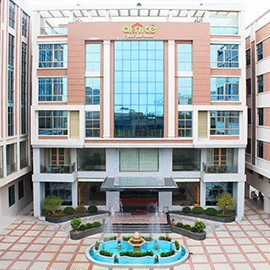
Chaozhou Chaoan Yunfan Stainless Steel Product Co., Ltd.
- Trading Company
- Guangdong, China
- Lead time30 days
- Avg. response≤ 5h
Main productsStainless Steel Cookware Sets, Stainless Steel Stock Pot, Stainless Steel Lunch Box, Stainless Steel Chafing Dishes, Stainless Steel Tray
Main marketsMid East(36.00%), Eastern Asia(20.00%), Southeast Asia(20.00%), North America(15.00%), Africa(5.00%), South America(4.00%)
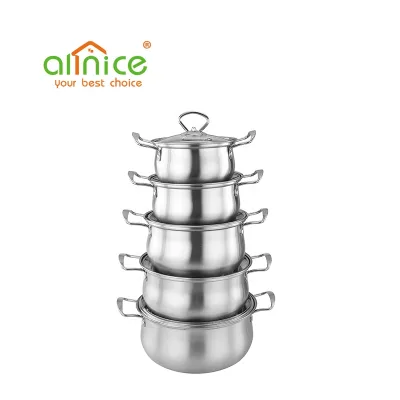
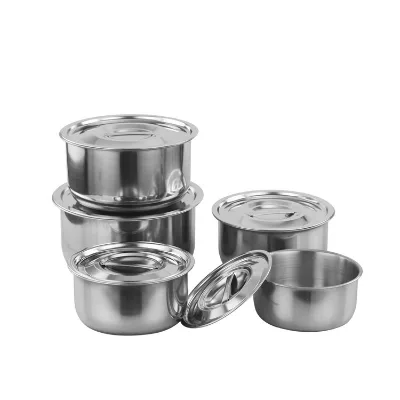
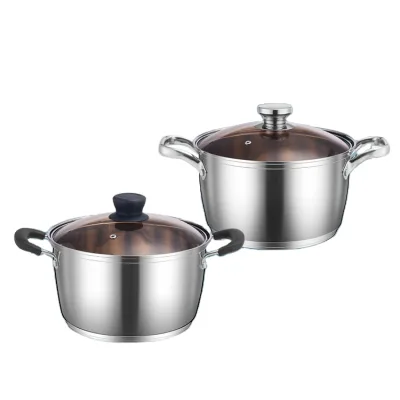
Ordinary good quality home restaurant serving cookware cooking stainless steel soup pot with lid
$1.2523 - $4.094
MOQ: 500 Minimum

Zhucheng Changhe Machinery Technology Co., Ltd.
- Verified by SGS
- Combined
- China Shandong
- Lead time30 days
- Avg. response≤ 4h
Main productsSlaughtering Equipment
Main marketsDomestic

Eagle Catering Equipment Co., Ltd.
- Manufacturer/Factory
- China Guangdong
- Lead time30 days
- Avg. response≤ 12h
Main productsTrolleys, Gastronorm Containers, Table, Shelves, Sink, Barrier Post, Cookware, Buffetware, Barware, Kitchen Utensils
Main marketsSouth America,Eastern Europe,Mid East,North America,Southeast Asia,Eastern Asia,Oceania,Western Europe,Africa
Yongkang Gcook Imp&Exp Co., Ltd.
- Verified by SGS Group
- Trading Company
- Lead time0 days
- Avg. response≤ 2h
Main productsSauce Pots, Roasting Pans, Fry Pans, Stainless Steel Cookware Sets, Soup Pot
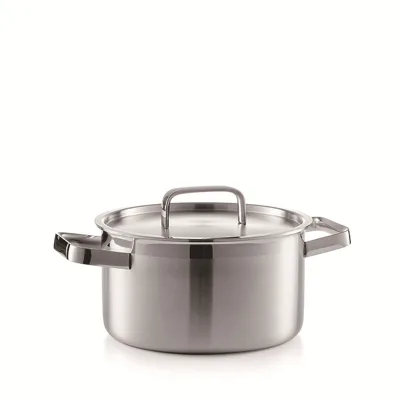
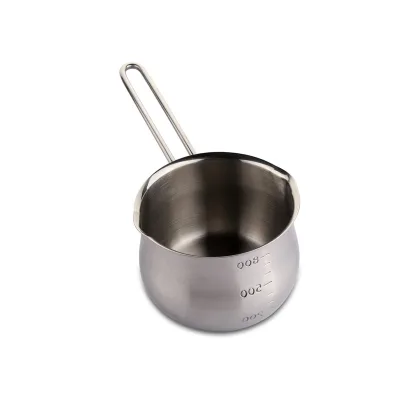
Stainless Steel Soup Pot Easy Clean with Ergonomic Handle, Multipurpose Sauce Pot
$5.8077 - $6.5388
MOQ: 20 pieces
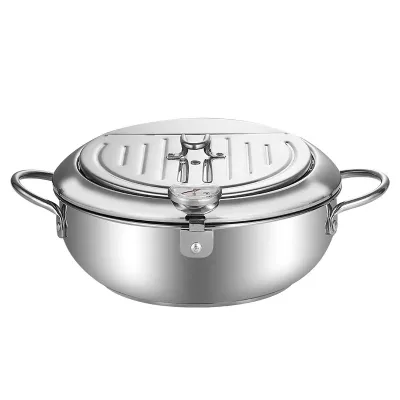

- Verified by TUVRHEINLAND
- Trading Company,Manufacturer/Factory
- China Guangdong
- Lead time45 days
- Avg. response≤ 4h
Main productsStainless Steel Cookware, Stainless Steel Untensil, Stainless Steel Kitchenware, Stainless Steel Colander Bowl, Stainless Steel G. N Pan, Stainless Steel Pressure Cooker, Stainless Steel Buckets, Stainless Steel Dishes Rack, Stainless Steel Chafing Dishes, Stainless Steel Fittings
Main marketsSouth America,Eastern Europe,Mid East,North America,Southeast Asia,Eastern Asia,Oceania,Western Europe,Africa


Wholesale Price Stainless Steel Kitchenware Stainless Steel Soup Pot with Lid Black Double Handle
$2.45 - $5.13
MOQ: 200 Pieces

Stainless Steel Kitchenware Cookware Soup Pot Stockpot with Lid Black Double Handle
$5.50 - $14.80
MOQ: 200 Pieces


Zensun Stainless Steel Products Co. , Ltd.
- Verified by SGS
- Trading Company
- China Guangdong
- Lead time30 days
- Avg. response≤ 10h
Main productsGn Pan, Chafing Dish, Food Tray, Stock Pot, Kettle, Cutlery, Kitchenware, Cookware, Restraurant and Hotel Supplies, Milk Pot
Main marketsDomestic


Heavy-Duty Stainless Steel Soup Pot with Comfortable Heat-Resistant Handles
$16.00 - $20.00
MOQ: 500 Pieces


Chaozhou City Chaoan Dist. Caitang Town Xinyuan Stainless Steel Factory
- Verified by Intertek
- Manufacturer, Trading Company
- Lead time30 days
- Avg. response≤ 5h
Main productsBowl, Stainless Steel Bowl, Mixing Bowl, Salad Bowl, Kitchenware
Main marketsEastern Europe(30%), North America(20%), Domestic Market(20%)

Baoding Tengke Trading Co., Ltd.
- Verified by SGS
- Trading Company
- China Hebei
- Lead time15 days
- Avg. response≤ 3h
Main productsBags, Cleaning Tools Scraper, Household Products, Towel, Tumbler Bottle Mug, Ktichen Tools/Gardget, Textile, Personal Care, Balloons, Hook and Loop Tape
Main marketsEurope

Jiangsu Xinyuehai Commercial Kitchenware Co., Ltd
- Verified by SGS
- Combined
- China Jiangsu
- Lead time15 days
- Avg. response≤ 2h
Main productsCatering Equipment, Chinese Stove, Kitchen Equipment, Kitchen Appliance, Gas Stove, Ice Maker Machine, Stainless Steel Shelf, Kitchen Workbench, Refrigerator, Induction Cooker
Main marketsDomestic,Europe
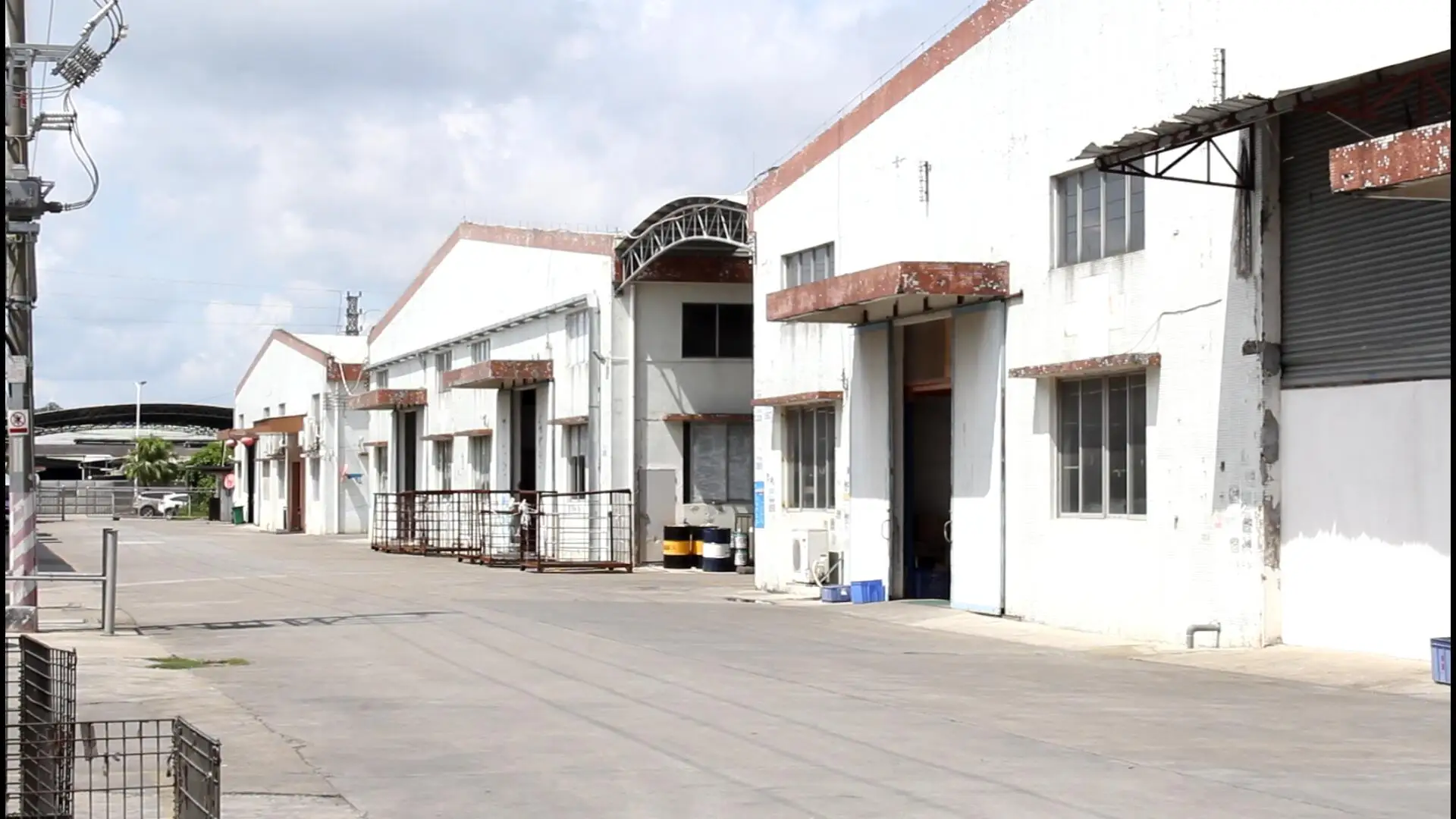
- Trading Company
- Hong Kong S.A.R.
- Lead time30 days
- Avg. response≤ 4h
Main productsChafing Dish, GN Pan, Lunch Box, Stock Pot, Service Trolley
Main marketsEastern Europe(50.00%), North America(30.00%), South America(20.00%)

Chaozhou Chao'an Yusheng Hardware Products Co., Ltd
- Verified by SGS
- Manufacturer
- China Guangdong
- Lead time15 days
- Avg. response≤ 3h
Main productsStainless Steel Gn Pan, Stainless Steel Buffet Dish, Stainless Steel Chafing Dish, Stainless Steel Juice Dispenser, Stainless Steel Milk Can, Stainlese Steel Barral, PC Gn Pan, Stainless Steel Deep Tray, Stainless Steel Soup Kettle, Stainless Steel Food Warmer
Main marketsDomestic

Stainless Steel 201 European Type Soup Pot with/Without Tap Good Quality Pot
$4.78 - $5.28
MOQ: 20 Pieces


Stainless Steel Soup Pot Good Quality Warm/Cold Keep Barrel with PP Coated in China
$5.00 - $22.50
MOQ: 20 Pieces
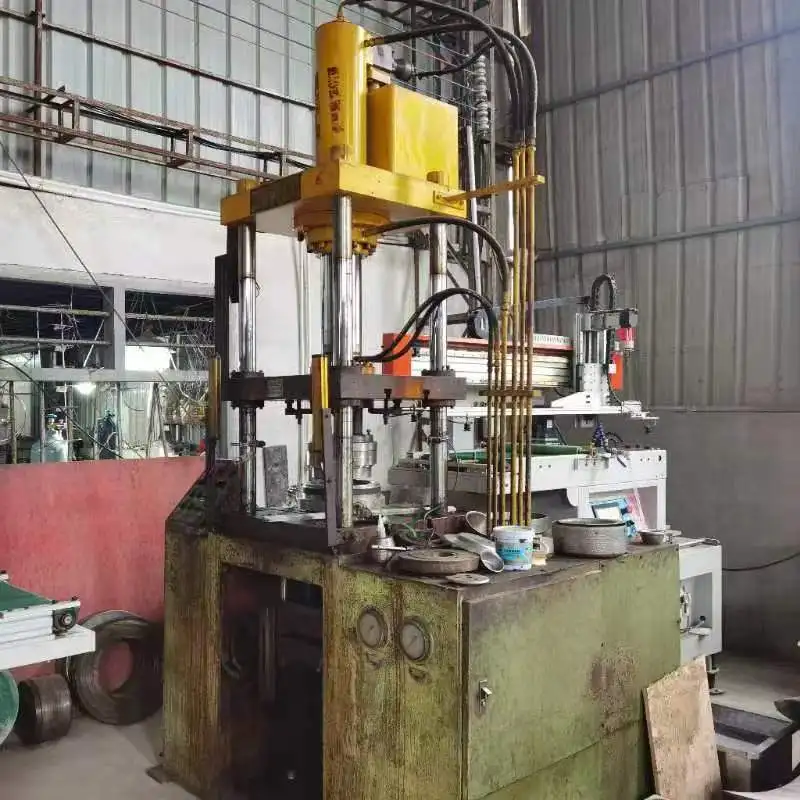
Chaozhou Youqu Hardware Co., Ltd.
- Trading Company
- Guangdong, China
- Lead time60 days
- Avg. response≤ 3h
Main productsStainless steel plate,Stainless steel bowl,Stainless steel mug,Stainless steel lunch box,Stainless steel Flatware
Main marketsEastern Asia(20.00%), Southeast Asia(20.00%), Northern Europe(20.00%), North America(20.00%), Eastern Europe(10.00%), Southern Europe(5.00%), Western Europe(5.00%)

Zhucheng Dongke Special Equipment Co., Ltd.
- Verified by CTI
- Combined
- China Shandong
- Lead time30 days
- Avg. response≤ 2h
Main marketsDomestic


Corrosion Resistant Stainless Steel Soup Paste High Pressure Cooking Pot
$1000.00 - $1800.00
MOQ: 1 Sets


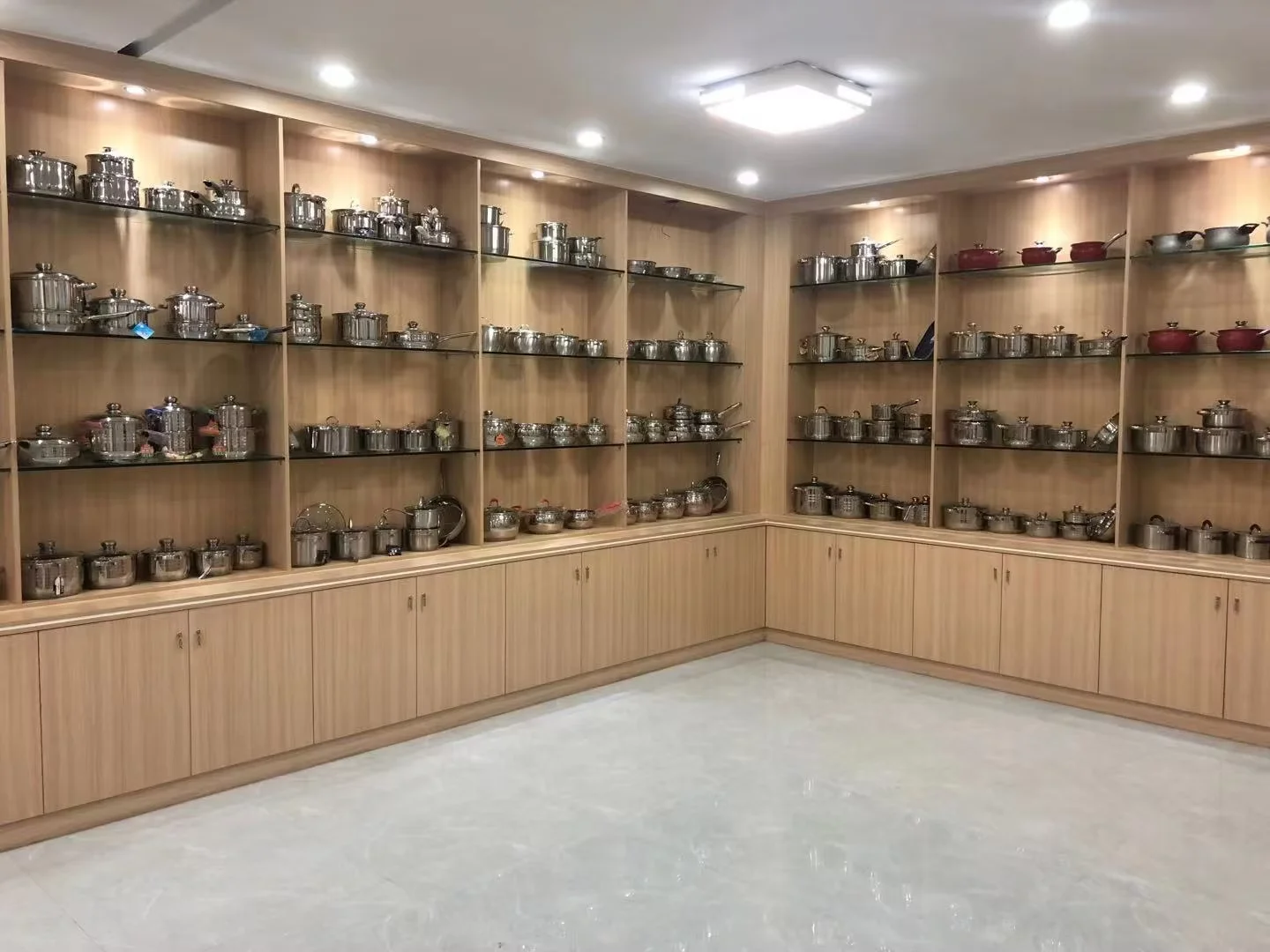
Chaozhou Chaoan Caitang Baiheng Stainless Steel Products Factory
- Manufacturer, Trading Company
- Guangdong, China
- Lead time20 days
- Avg. response≤ 1h
Main productsStainless steel tableware,Stainless steel hotel supplies,Stainless steel kitchen supplies,Stainless steel ware,Stainless steel petware
Main marketsEastern Asia(30.00%), Eastern Europe(20.00%), South America(20.00%), Mid East(15.00%), Southeast Asia(10.00%), North America(5.00%)
Guangzhou Shunyilong Trading Co., Ltd.
- Verified by SGS Group
- Trading Company
- Lead time10 days
- Avg. response≤ 1h
Main productsGlass Rack, Service Trolley, Chaffing Dish, Storage Box, Trash Can
Main marketsNorth America(30%), Domestic Market(30%), Southeast Asia(20%)

Zhucheng Lijie Food Machinery Co.,Ltd.
- Verified by BV
- Combined
- China Shandong
- Lead time30 days
- Avg. response≤ 2h
Main productsPotato Chips Frying Machine, Hot Air Drying Machine, Bubble Washing Machine, Fruit&Vegetable Cutting Machine, Frying Machine, Air Drying Machine, Washing and Hot Air Drying Line, Frozen French Fries Production Line, Turnover Basket Washing Machine, Auxiliary Machine
Main marketsAfrica,Southeast Asia/ Mideast,East Asia(Japan/ South Korea)

Chaozhou Nicety Technology Co., Ltd
- Verified by CTI
- Trading Company
- China Guangdong
- Lead time30 days
- Avg. response≤ 7h
Main productsLunch Box, Stainless Steel Lunch Box, Pet Product, Pet Bowl, Car Accessory, Bathroom Fitting
Main marketsSouth America,Southeast Asia/ Mideast,East Asia(Japan/ South Korea),Domestic,Europe,Australia,North America


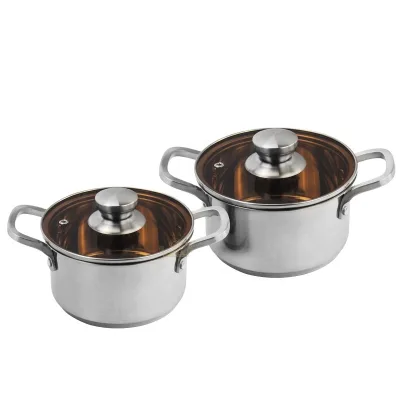
New Design with Lid Handle Stainless Steel Cookware Casserole Soup Pot Cooking Saucepan Pot
$5.60 - $5.88
MOQ: 20 Pieces

High Quality Outdoor Durable Heathy Cookware Soup Pot Set Cooking Casserole Pot
$9.10 - $9.37
MOQ: 8 Pieces

Chaozhou Lianying Trading Co., Ltd
- Manufacturer, Trading Company
- Guangdong, China
- Lead time15 days
- Avg. response≤ 3h
Main productsWater Boiler,Vacuum Bottle,Food Warmer,GN Pan,Juice Dispenser
Main marketsMid East(25.00%), Domestic Market(25.00%), South Asia(20.00%), Eastern Europe(20.00%), Eastern Asia(10.00%)
Chaoan Caitang Jiayu Metal Products Factory
- Verified by TüVRheinland
- Manufacturer, Trading Company
- Lead time15 days
- Avg. response≤ 4h
Main productsStainless Steel Cookware Set
Main marketsSoutheast Asia(50%), Eastern Europe(15%), Western Europe(15%)
Chaozhou Chaoan District Caitang Town Dingyong Stainless Steel Products Factory
- Manufacturer, Trading Company
- Guangdong, China
- Lead time15 days
- Avg. response≤ 4h
Main productschafing dish,Stainless steel cookware set,GN PAN,Juice Dispenser,Cocktail Set
Main marketsNorth America(30.00%), South America(20.00%), Africa(10.00%), Eastern Asia(10.00%), Eastern Europe(10.00%), Oceania(5.00%), Southeast Asia(5.00%), Northern Europe(5.00%), South Asia(5.00%)
Jasonlon Commercial Kitchenware Co., Ltd.
- Manufacturer, Trading Company
- Guangdong, China
- Lead time25 days
- Avg. response≤ 3h
Main productsService Catering Utility Trolley,Bakery Pan Trolley,GN Pan Trolley,Stockpot,Stainless Steel Working Table
Main marketsWestern Europe(25.00%), Domestic Market(10.00%), Mid East(10.00%), Southeast Asia(10.00%), Southern Europe(9.00%), North America(7.00%), South Asia(5.00%), Eastern Europe(5.00%), South America(5.00%), Oceania(3.00%), Eastern Asia(3.00%), Africa(3.00%), Northern Europe(3.00%), Central America(2.00%)
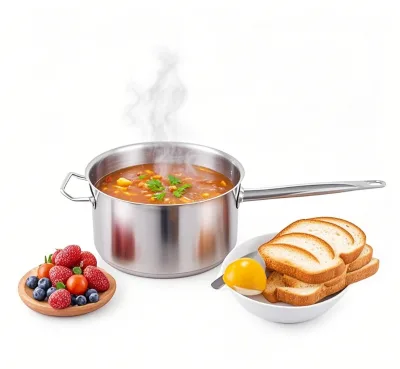
Stainless Steel Tri-Ply Soup & Stock Pot with Fast Heating Including Lid
$7.2623 - $7.7806
MOQ: 20 sets
Shanghai Anmei Metal Products Co., Ltd.
- Manufacturer, Trading Company
- Shanghai, China
- Lead time0 days
- Avg. response≤ 4h
Main productsStainless Steel Cookware,cookware sets,pans,pots and pan,kitchenware
Main marketsDomestic Market(40.00%), Western Europe(35.00%), Southeast Asia(20.00%), North America(5.00%)
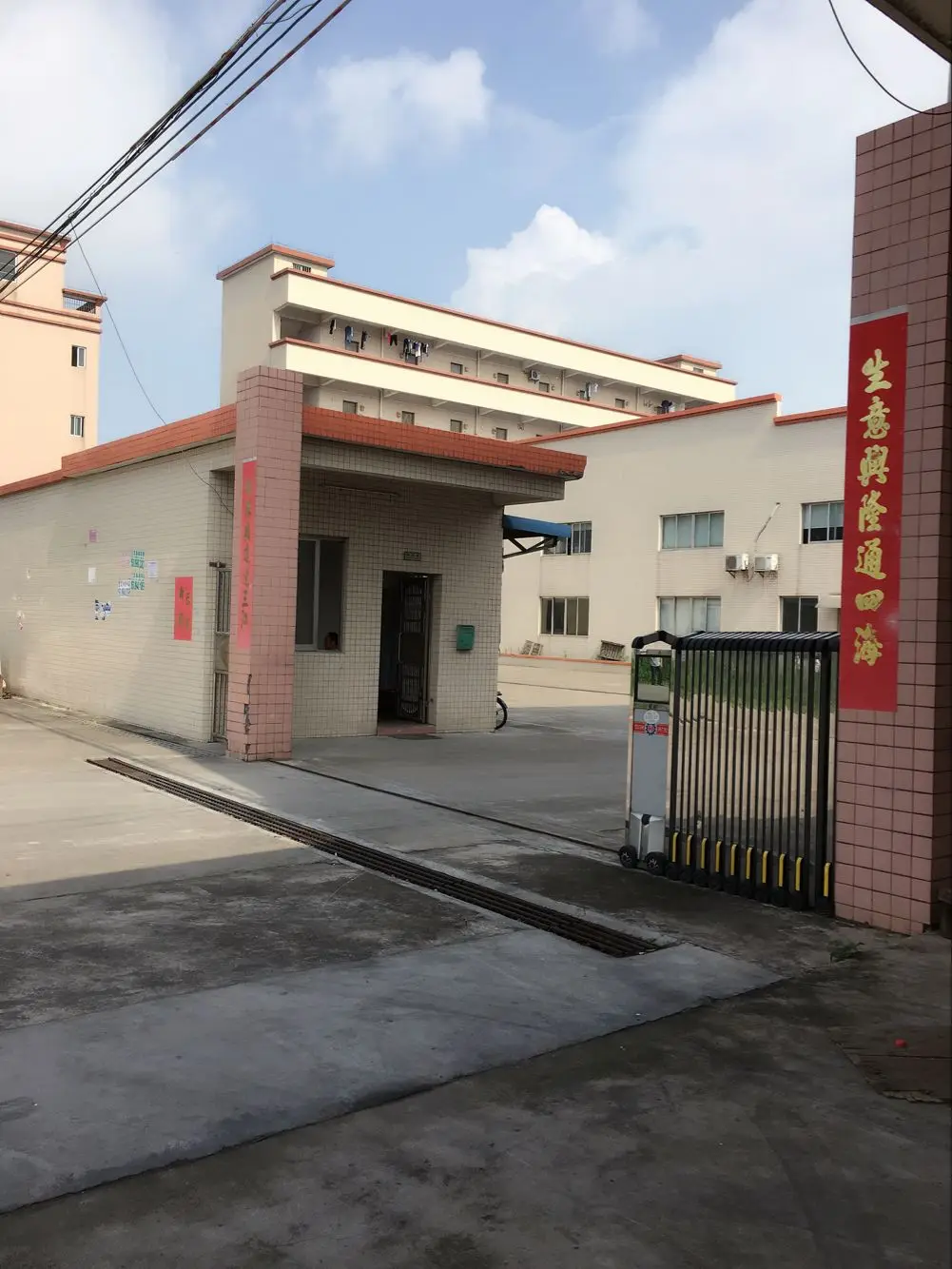
Jiangmen Junerte Stainless Steel Kitchenware Co., Ltd.
- Manufacturer, Trading Company
- Guangdong, China
- Lead time90 days
- Avg. response≤ 10h
Main productsStainless Steel Stockpot,Stainless Steel Insulated Barrel,Stainless Steel Utility Cart,Stainless Steel Bakery Trolley,Stainless Steel Steamer
Main marketsNorth America(30.00%), Western Europe(20.00%), Eastern Europe(20.00%), Southern Europe(15.00%), Northern Europe(15.00%)

Changsha Chengtong Technology Co., Ltd.
- Verified by SGS
- Trading Company
- China Hunan
- Lead time15 days
- Avg. response≤ 6h
Main productsCutting Board, Vegetable Chopper, Measuring Cup, Milk Frother, Measuring Spoon, Vegetable Peeler, Kitchen Scissors, Knife Sharpener
Main marketsSoutheast Asia/ Mideast

Manufacturer Big Tall Stainless Pots Cook 10 Quart Non Stick Soup Pot for Boiling
$8.99 - $9.92
MOQ: 500 Pieces

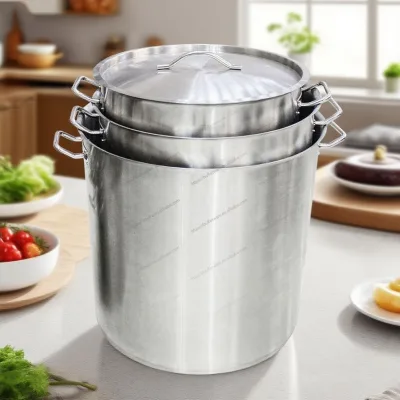
High Quality Cheap Tall Soup Pot 6 Qt 10 Qt 12 Qt Stainless Steel Soup Pots with Lid
$8.99 - $9.92
MOQ: 500 Pieces


Premium Wholesale Cook Ware Stainless Steel Stockpot Soup Pot 12 Quart Big Cooking Pots Stew Pan
$8.99 - $9.92
MOQ: 500 Pieces
CHAOZHOU CHAOAN JINQILIN STAINLESS STEEL CO., LTD.
- Manufacturer, Trading Company
- Guangdong, China
- Lead time20 days
- Avg. response≤ 3h
Main productsKorean Stainless Steel Tableware,Stainless Steel Pot Set,Food Storage Box
Main marketsEastern Asia(45.00%), Eastern Europe(20.00%), Africa(15.00%), North America(15.00%), Southeast Asia(5.00%)
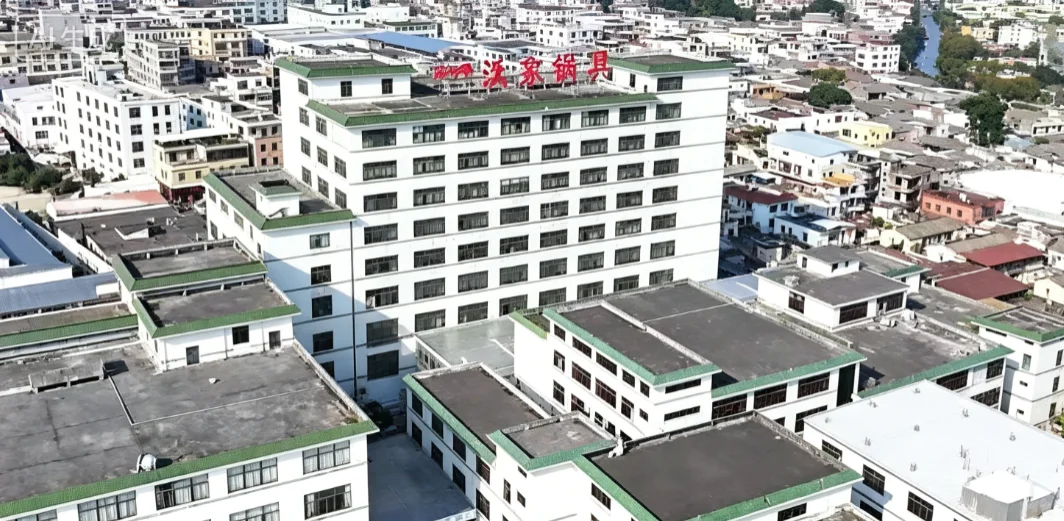
Chaozhou Woxiang Stainless Steel Products Co., Ltd.
- Manufacturer, Trading Company
- Guangdong, China
- Lead time40 days
- Avg. response≤ 1h
Main productsfrying pan,stockpot,saucepan,hot pot,saute pan
Main marketsNorth America(19.00%), Central America(9.00%), Mid East(8.00%), Western Europe(8.00%), Northern Europe(8.00%), Southeast Asia(8.00%), Eastern Europe(8.00%), South Asia(6.00%), Domestic Market(6.00%), Southern Europe(5.00%), South America(5.00%), Oceania(4.00%), Africa(4.00%), Eastern Asia(2.00%)
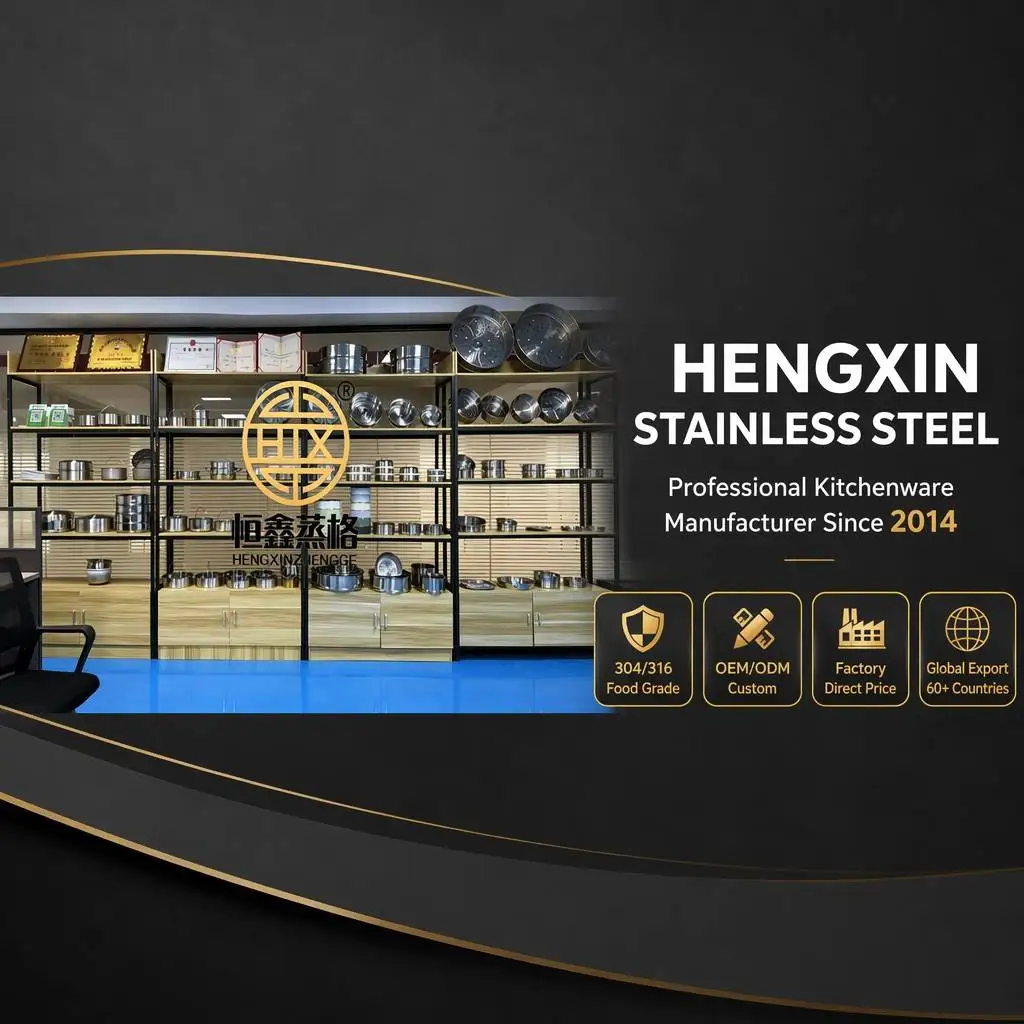
Chaozhou City Chaoan District Dongfeng Town Hengxin Stainless Steel Products Factory
- Manufacturer
- Guangdong, China
- Lead time0 days
- Avg. response≤ 2h
Main productsSteamer Basket & Desugared Rice Cooker Basket,Stainless Steel Cookware Sets,Stainless Steel Frying Pans & Woks,Stainless Steel Baking Trays & Bakeware,Stainless Steel Soup Pot & Saucepan
Main marketsNorth America(40.00%), South America(30.00%), Africa(10.00%), Western Europe(10.00%), Central America(10.00%)
Guangzhou Jiatong Import And Export Trade Co., Ltd.
- Verified by TüVRheinland
- Trading Company
- Lead time0 days
- Avg. response≤ 4h
Main productsHot Pot, Wok, Pressure Cooker, Soup Pot, Frying Pan
Main marketsNorth America(20%), South America(20%), Eastern Europe(20%)

Foshan Ron Hospitality Supplies Co., Ltd.
- Verified by BV
- Manufacturer/Factory,Group Corporation
- China Guangdong
- Lead time45 days
- Avg. response≤ 2h
Main productsRestaurant Furniture, Restaurant Booth, Restaurant Chair, Restaurant Table, Bar Stools, Wedding Chairs, Flatware Sets, Dinnerware Sets, Garden Chairs, Disposable Dinnerware & Tableware
Main marketsSouth America,Eastern Europe,Mid East,North America,Southeast Asia,Eastern Asia,Oceania,Western Europe,Africa


Hot Sales Convenient Stainless Steel Restaurant Hotel Cooking Pot with High Quality
$20.00 - $25.00
MOQ: 10 pieces

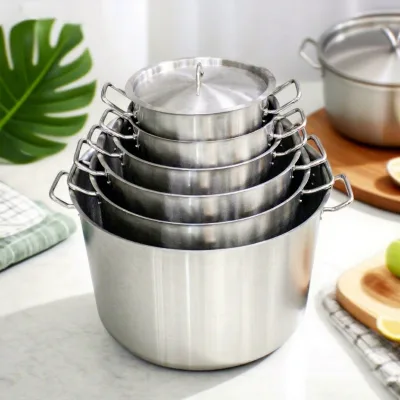
Hot Sale Durable Stainless Steel Stockpot with Lid for Versatile Cooking
$20.00 - $45.00
MOQ: 10 Pieces

High Quality Durable Stainless Steel Stockpot with Lid for Versatile Cooking
$20.00 - $50.00
MOQ: 10 Pieces
Shenzhen Global Hotel Supplies Co., Ltd.
- Trading Company
- Guangdong, China
- Lead time15 days
- Avg. response≤ 7h
Main productsCeramic tableware,Drinkware,Glassware,Kitchen Equipment,Restaurant Supplies
Main marketsNorth America(40.00%), Domestic Market(30.00%), South America(20.00%), Eastern Europe(10.00%)

Guangzhou Nantian Sources Co., Ltd.
- Manufacturer/Factory
- China Guangdong
- Lead time15 days
- Avg. response≤ 6h
Main productsKitchen Equipment, Kitchenware, Food Machine, Kitchen Appliance, Glassware, Food Machinery, Bakery Equipment, Dinnerware, Kitchen Utensils, Food Processor
Main marketsSouth America,Mid East,Southeast Asia,Eastern Asia,Oceania,Africa




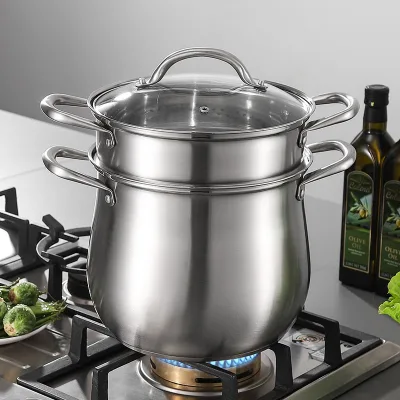
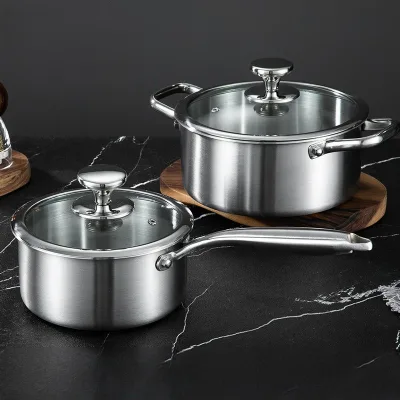
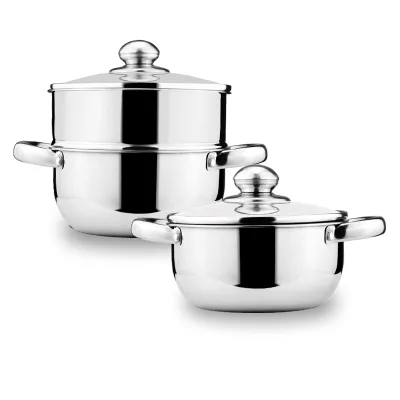
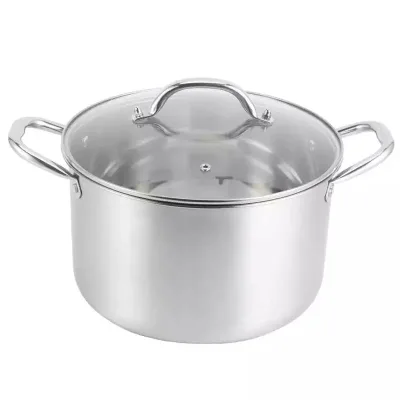
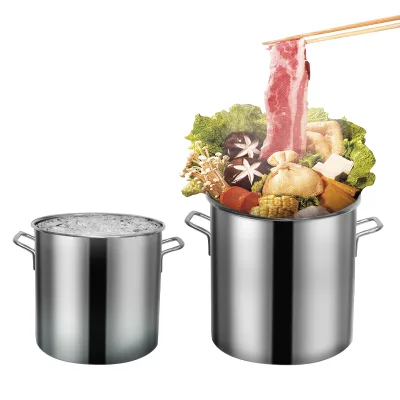


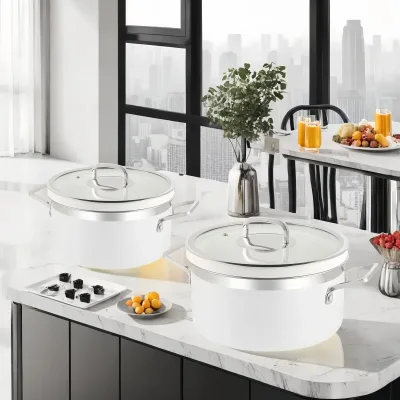
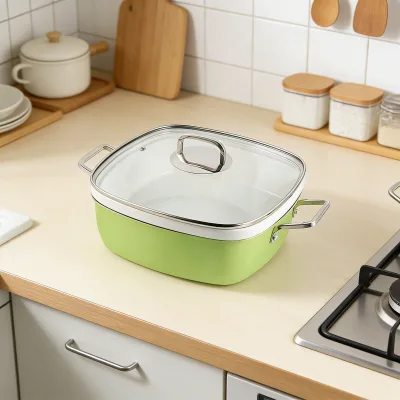
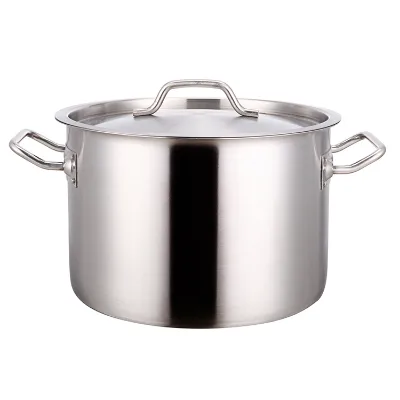
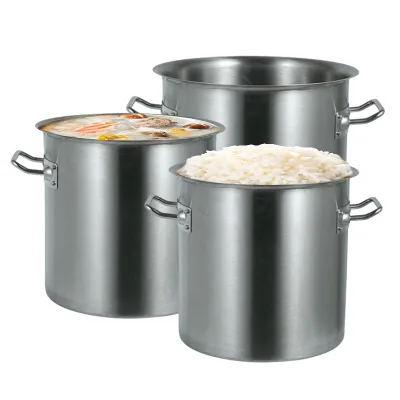
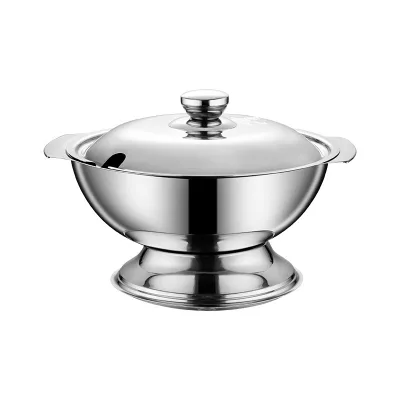
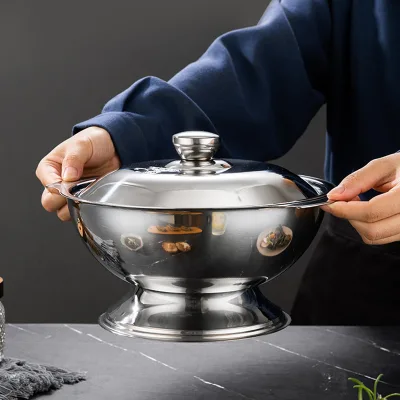
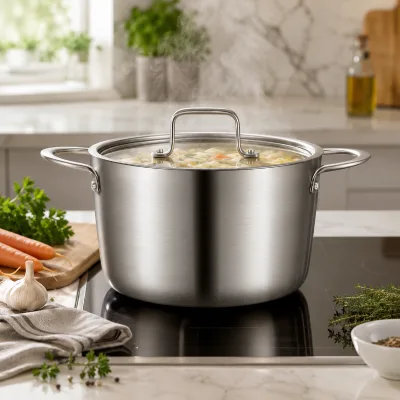
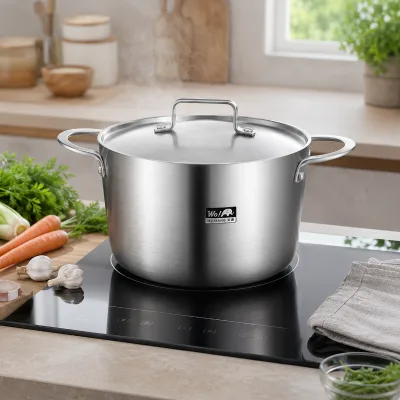
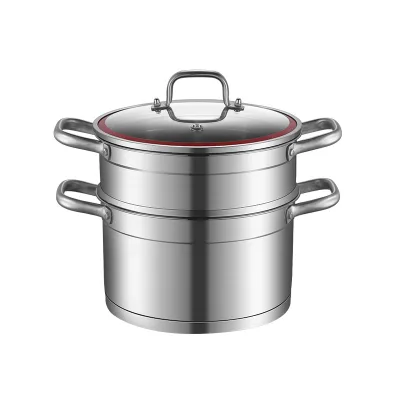
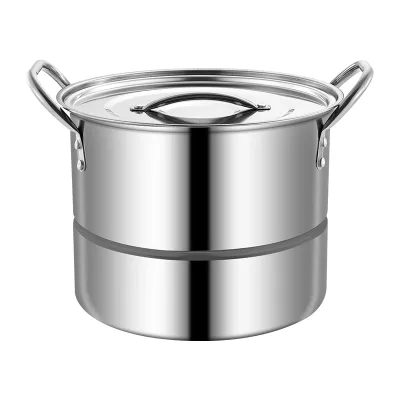


Comprehensive Sourcing Guide
Stainless Steel Lining Soup Pot Supplier Concentration and Factory Types
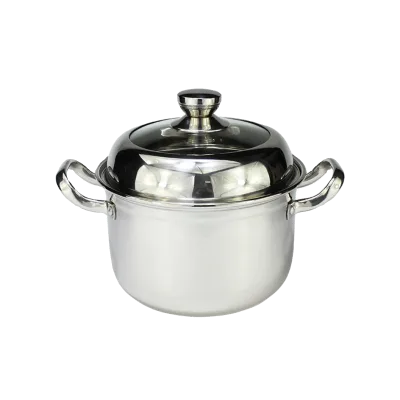
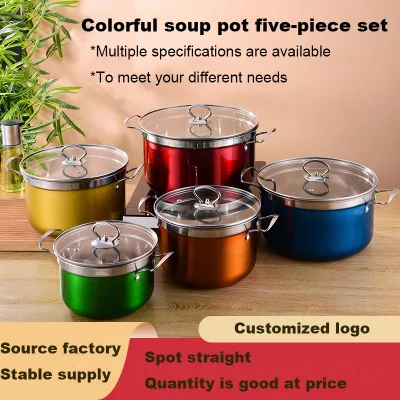
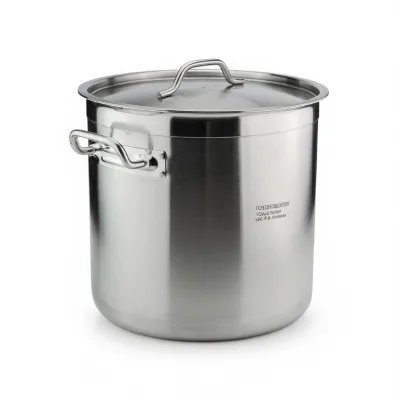
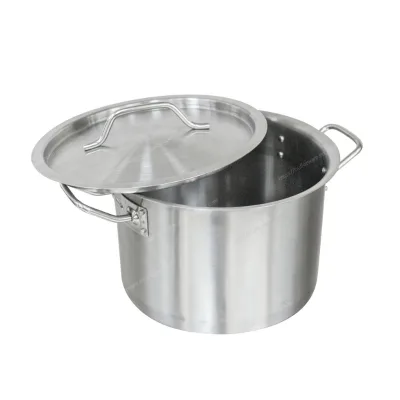
The available data indicates that suppliers for stainless steel lining soup pots are concentrated in specific regions of China, with Gunagdong and Guangdong identified as key manufacturing hubs. These locations host a mix of company types, including manufacturers and trading companies, which offer different advantages for buyers seeking commercial cookware. Manufacturers in these areas often possess direct control over the production process, allowing for customization of features like detachable handles or specific interior coatings. Trading companies may aggregate products from various factories, providing a broader range of options such as buffet equipment or hotel supplies alongside the core soup pot inventory.
When evaluating the factory types, buyers should note that some suppliers list themselves as combined entities, blending manufacturing capabilities with trading services. This hybrid model can streamline communication but requires careful verification of actual production capacity. The presence of ODM and OEM capabilities suggests that many facilities can adapt designs, such as the simple style stainless steel soup pot with a lining, to meet specific brand requirements. However, the exact establishment years and specific factory sizes are not universally disclosed in the current results, so buyers must request this information directly to assess long-term stability and production scale before committing to large orders.
How to Verify Stainless Steel Lining Soup Pot Suppliers
Verification of suppliers begins with checking for third-party validation badges, as some results explicitly show BV verification status. This credential provides a baseline assurance that the company has undergone an external audit of its business operations and capabilities. Buyers should also scrutinize product certifications listed in the attributes, such as LFGB and CE/EU, which indicate compliance with safety standards for food contact materials. These certifications are critical for stainless steel products intended for commercial kitchens, ensuring that the materials used, including the stainless steel lining and exterior coatings, meet international health and safety regulations.
Beyond certifications, response time serves as a practical metric for supplier reliability and communication efficiency. The observed data shows response times ranging from approximately two hours to nearly three hours, which suggests a generally active supplier base. However, buyers should not assume all suppliers maintain this speed; a slow response can indicate operational bottlenecks or a lack of dedicated sales support. It is essential to test communication channels before placing an order to confirm that the supplier can provide timely updates on order status, handle inquiries about product features like glass covers or aluminum bottoms, and resolve any issues that arise during the sourcing process.
What to Compare Across Stainless Steel Lining Soup Pot Suppliers
Comparing suppliers requires a detailed analysis of lead times, which vary significantly across the available results. Some listings indicate a lead time of 15 days, while others suggest a duration of 20 days for production and delivery. These differences can impact inventory planning and project timelines, especially for large commercial orders. Buyers must also examine the Minimum Order Quantity (MOQ) requirements, which range from 10 units to 100 units depending on the specific product configuration and size. Understanding these thresholds is vital for determining whether a supplier can accommodate small trial orders or if they require bulk commitments that might strain initial capital.
Price and customization options are equally critical dimensions for comparison. The data reveals price ranges for specific items, such as a 304 big cooking pot ranging from 46 to 56 units of currency, and larger 120 cm pots ranging from 450 to 600 units. These figures highlight the cost variance based on material grade, size, and structural design, such as tr-ply or 3-ply bottoms. Additionally, the availability of customization, including logo printing and specific pot cover types, varies by supplier. Buyers should request detailed quotes that break down costs for standard versus customized features to ensure they are comparing equivalent product specifications and service levels across different vendors.
Common Stainless Steel Lining Soup Pot Sourcing Risks
One significant risk involves the discrepancy between product descriptions and actual material composition. While many listings specify stainless steel materials, some attribute data mentions stoneware or aluminum bottoms, which may indicate composite structures rather than pure stainless steel construction. Buyers must verify the exact material specifications for the pot body, lining, and bottom to ensure they receive the durability and heat conductivity expected from a Stainless Steel Lining Soup Pot. Misalignment in material claims can lead to product failure in high-temperature commercial environments, causing financial loss and reputational damage for the buyer.
Another risk relates to the variability in packaging and shipping standards, which can affect product condition upon arrival. The observed data includes diverse packaging methods, ranging from export cartons to wooden crates, with some products listed as ready to ship while others require production time. Inconsistent packaging standards increase the likelihood of damage during transit, particularly for large diameter pots or those with delicate glass covers. Buyers should explicitly confirm packaging requirements in the contract to ensure that the supplier uses protective measures suitable for the specific dimensions and fragility of the items being ordered, preventing costly replacements due to shipping damage.
Stainless Steel Lining Soup Pot Regional Sourcing and Logistics
Sourcing from the identified regions in China, such as Guangdong, offers logistical advantages due to established supply chains for kitchenware and hotel supplies. These hubs are well-connected to major ports, facilitating efficient export of heavy items like large stock pots and buffet equipment. However, buyers must account for the specific location details provided, such as Gunagdong, and verify the exact shipping origin to avoid confusion with other industrial zones. Understanding the precise location helps in calculating accurate freight costs and transit times, which are essential for maintaining a reliable supply chain for commercial kitchen operations.
Logistics planning must also consider the specific product attributes that influence shipping, such as diameter and weight. Products with diameters up to 120 cm or capacities of 1000 liters require specialized handling and potentially larger shipping containers. Buyers should coordinate with suppliers to determine the most cost-effective shipping method, whether by sea or air, based on the urgency of the order and the total volume. Additionally, the availability of ready-to-ship items can significantly reduce lead times, but buyers must confirm stock levels to ensure that the advertised availability matches the actual inventory at the time of order placement.
Stainless Steel Lining Soup Pot Commercial Terms and Order Planning
Commercial terms for these products often include specific conditions regarding customization and sample availability. Some suppliers offer free samples for wholesale inquiries, which allows buyers to verify quality before committing to a full order. However, the acceptance of OEM requests and the specific customization limits, such as logo placement or handle design, vary by vendor. Buyers should clarify these terms early in the negotiation process to ensure that the supplier can meet their branding and functional requirements without incurring unexpected additional costs or delays in the production schedule.
Order planning must also factor in the established production standards and capacity of the supplier. While some listings mention ODM and OEM capabilities, the actual capacity to handle large volumes, such as 200-liter stock pots, needs confirmation. Buyers should discuss production schedules and capacity constraints to avoid bottlenecks that could delay delivery. Furthermore, understanding the payment terms and escrow options is crucial for securing the transaction. Buyers should verify if the supplier offers secure payment methods that protect both parties until the goods are shipped and meet the agreed-upon specifications, ensuring a smooth and secure procurement experience.
FAQs
What certifications are available for stainless steel soup pots?
Many suppliers offer LFGB and CE/EU certifications for their stainless steel soup pots. These certifications ensure the cookware meets specific safety and quality standards for food contact. Buyers should verify these documents directly with the manufacturer to confirm compliance with local regulations in their target market before placing large orders.
What is the typical lead time for these products?
Typical lead times range from 15 to 20 days depending on the supplier and order volume. Some manufacturers with ready stock may ship faster, while custom OEM orders might take longer. It is advisable to confirm the exact production schedule with the supplier before finalizing the purchase agreement to avoid delays.
What is the minimum order quantity for bulk purchases?
The minimum order quantity is often set at 10 units for standard items. However, for larger commercial pots, the MOQ may increase to 100 units. Buyers should check the specific product listing for the exact MOQ requirements, as this can vary significantly based on the size and customization options selected.
Where are these suppliers primarily located?
Most suppliers are located in Guangdong, China, a major hub for kitchenware manufacturing. This region offers a robust supply chain for stainless steel products. Buyers can expect efficient logistics and a wide variety of options from these manufacturers, ensuring competitive pricing and reliable delivery schedules for international orders.
Do suppliers offer OEM and customization services?
Yes, many manufacturers accept OEM orders and offer customization services. Buyers can often request custom logos, specific sizes, or unique designs for their stainless steel soup pots. This flexibility allows businesses to brand their products effectively. It is important to discuss customization details and additional costs with the supplier early in the process.
What is the response time for supplier inquiries?
Supplier response times are generally fast, often within two days. Quick communication helps buyers clarify product details and negotiate terms efficiently. However, response times can vary, so it is best to contact multiple suppliers to compare their responsiveness. Prompt replies are a good indicator of a supplier's reliability and customer service quality.