Source Sustainable Vegetable Cutter for Kitchen, Household, and Food Prep
Compare 30 Sustainable Vegetable Cutter options from verified suppliers. These multifunctional tools feature FDA and LFGB certifications, available in plastic and metal materials for durable household and kitchen applications; compare the available evidence and request quotations based on your requirements.
Updated
Key considerations
Products List


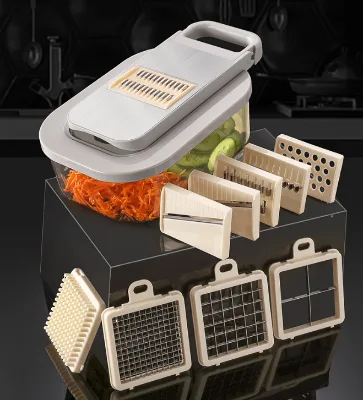


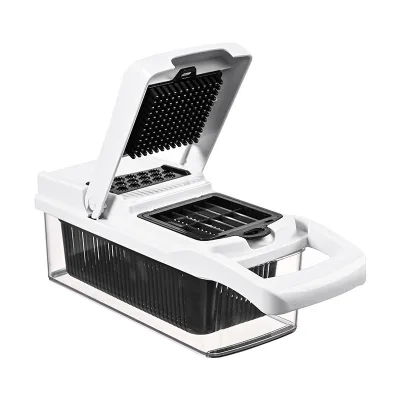
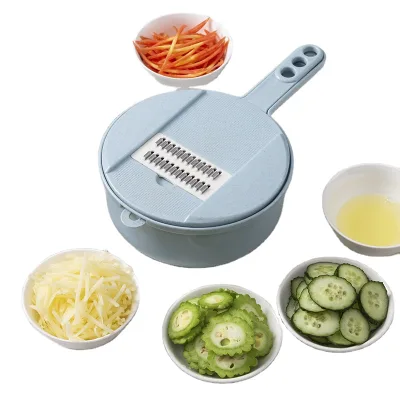
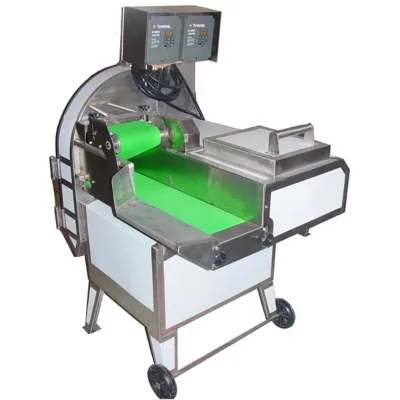
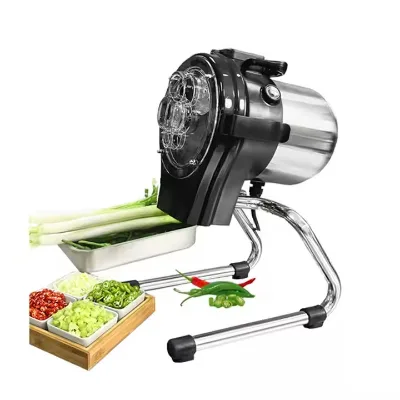
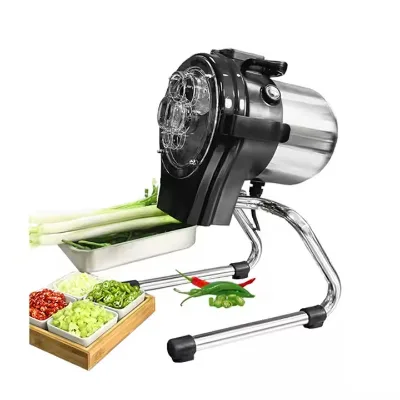
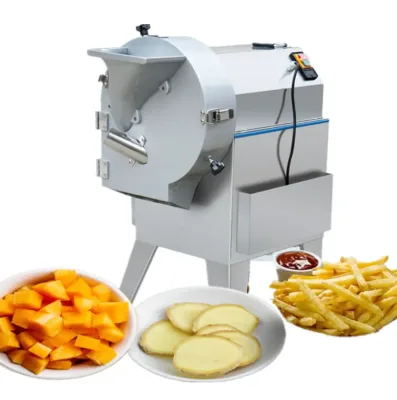


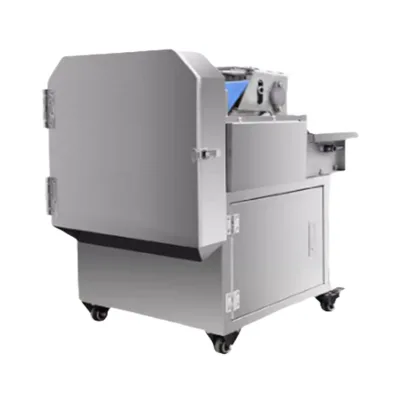
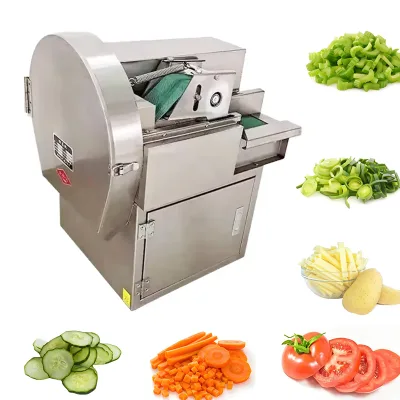
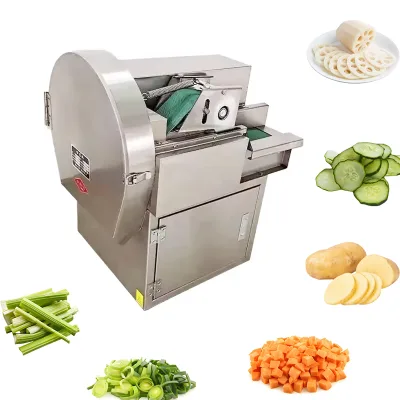
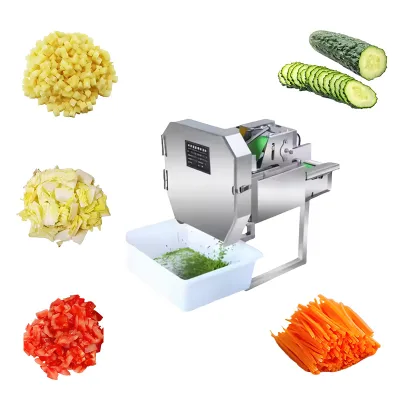

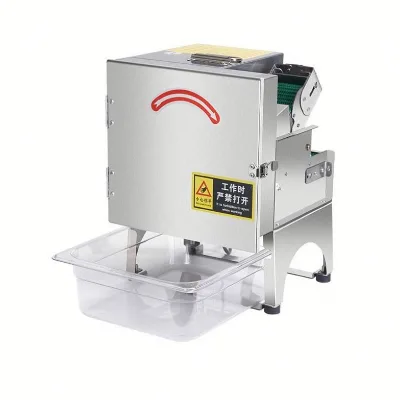


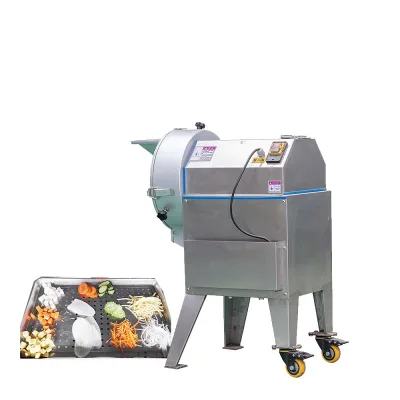
Slicer Fruit Potato Onion Cutter Vegetable Cutter Chopper Vegetable Cutter
$1700.00 - $2000.00
MOQ: 1 Pieces
Comprehensive Sourcing Guide
Sustainable Vegetable Cutter Sourcing Guide
Procuring sustainable vegetable cutters requires a careful balance between material integrity, functional durability, and environmental responsibility. Buyers must navigate a market where "eco-friendly" claims are often paired with complex material compositions, such as mixed plastic and metal assemblies. The observed product landscape reveals a wide variance in specifications, from lightweight handheld tools to more robust, multifunctional units. Understanding these distinctions is critical for aligning procurement with corporate sustainability goals while ensuring operational efficiency in both household and commercial kitchen environments.
This guide provides a structured approach to evaluating suppliers and products based on verified market data. It focuses on tangible attributes such as certification status, material types, and commercial terms rather than speculative marketing claims. By adhering to evidence-based verification steps, procurement teams can mitigate risks associated with greenwashing and ensure that the selected vegetable cutters meet both regulatory standards and long-term performance expectations. The following sections detail the specific technical, compliance, and commercial factors that should drive sourcing decisions.
Product Scope and Observed Listing Signals
The current market for vegetable cutters exhibits significant diversity in form factor and intended use, ranging from simple peelers to complex multifunctional processors. Observed listings indicate that products are primarily categorized under fruit and vegetable tools, with specific sub-types including peelers, zesters, and general cutters. Materials vary considerably, with many items combining plastic components, specifically polypropylene (PP), with metal blades or structural elements. This hybrid construction suggests a focus on durability and cost-effectiveness, though it necessitates careful evaluation of recyclability and end-of-life disposal protocols for sustainable sourcing initiatives.
Functional attributes also show a broad spectrum, with some units designed as single-purpose tools while others offer multifunctional capabilities. Weight observations range from approximately 400 grams to nearly 750 grams, indicating differences in material density and build quality. Packaging is frequently noted as color boxes or cartons, with specific quantities per carton varying between 24 and 36 pieces. These logistical details are crucial for inventory planning and carbon footprint assessment, as packaging volume and weight directly impact shipping efficiency and overall supply chain sustainability metrics.
Technical Specifications to Verify
Technical verification must begin with material composition, as the presence of both plastic and metal components requires clear identification of alloy types and polymer grades. Buyers should confirm whether the plastic components are food-grade polypropylene and whether metal parts are stainless steel or coated alloys, as this affects both safety and recyclability. Additionally, automation levels are predominantly non-automatic for the observed handheld tools, which simplifies maintenance but may limit throughput for high-volume commercial applications. Understanding these mechanical distinctions is essential for matching product capabilities with specific operational demands.
Dimensional specifications and packaging metrics are equally critical for logistical planning. Observed product dimensions vary, with some units measuring around 26x10.5x7.1 cm and others slightly larger at 27x9.5x6 cm. Carton sizes also differ, with some measuring 54.5x33x48 cm and others 57x51.5x62.5 cm, directly influencing warehouse storage and transportation costs. Buyers must verify gross and net weights per carton, which have been observed ranging from 13 to 20.5 kg, to accurately calculate freight charges and ensure compliance with carrier weight restrictions.
Compliance and Safety Documentation
Regulatory compliance is a non-negotiable aspect of sourcing food-contact tools, with FDA and LFGB certifications being the most frequently observed standards in the market. These certifications indicate that the materials used in the vegetable cutters meet specific safety thresholds for migration of substances into food. Buyers must request valid, up-to-date certification documents for each product model, ensuring that the certificates cover the exact materials and manufacturing processes used. Relying on generic claims without verified documentation exposes the buyer to significant regulatory and reputational risks.
Beyond basic food safety, additional compliance considerations may include reach compliance or other regional environmental regulations, although these are less consistently documented in current listings. Buyers should inquire about the specific testing protocols used to validate these certifications, particularly regarding heavy metal content in metal components and chemical stability in plastic parts. Verifying that the supplier maintains a robust quality management system that supports these certifications is essential for ensuring consistent compliance across production batches and long-term supply stability.
Cost Drivers and Commercial Terms
Pricing in the vegetable cutter market is highly variable, with observed ranges spanning from $2 to $5000 USD, reflecting differences in material quality, complexity, and order volume. Minimum order quantities (MOQs) also vary significantly, with some suppliers requiring as few as 1 piece while others mandate orders of up to 5000 pieces. Understanding these thresholds is crucial for aligning procurement volumes with inventory turnover rates and cash flow constraints. Buyers should negotiate MOQs based on projected demand to avoid excessive stockpiling or production delays.
Lead times and customization options are additional key commercial factors. Standard delivery times are often cited as 30 days, but this can extend for customized orders involving specific logos or packaging designs. Customization is widely available, allowing buyers to tailor products to brand identity, but it may impact production schedules and unit costs. Buyers should clarify all customization requirements early in the sourcing process to ensure accurate quoting and timely delivery, avoiding unexpected delays that could disrupt supply chain operations.
Supplier Qualification and Quality Control
Supplier qualification should prioritize manufacturers with verifiable origins, such as those located in Guangdong, China, which is a known hub for kitchenware production. Buyers must assess the supplier’s production capacity and quality control processes, particularly for products with mixed material compositions. Inquiring about in-house testing capabilities and third-party audit history can provide insight into the supplier’s commitment to consistent quality. Suppliers who offer online support for after-warranty service may also indicate a higher level of customer engagement and product reliability.
Quality control measures should include regular inspections of critical components, such as blade sharpness and plastic integrity. Buyers should request sample units for rigorous testing before committing to large orders, evaluating factors like durability, ease of cleaning, and ergonomic design. Additionally, verifying the supplier’s ability to maintain consistent packaging standards, such as color box or carton specifications, is essential for brand presentation and logistical efficiency. Establishing clear quality benchmarks and inspection protocols helps mitigate the risk of receiving substandard products.
Long-Term Procurement Checks
Long-term procurement success depends on establishing a robust supplier relationship that prioritizes continuous improvement and adaptability. Buyers should regularly review supplier performance metrics, including on-time delivery rates, defect rates, and responsiveness to issues. Maintaining open communication channels allows for proactive problem-solving and ensures that any changes in material sourcing or production processes are communicated in advance. This collaborative approach helps build resilience against supply chain disruptions and ensures consistent product quality over time.
Sustainability efforts should also be monitored and enhanced over the lifecycle of the procurement relationship. Buyers should encourage suppliers to adopt more eco-friendly practices, such as using recycled materials or optimizing packaging to reduce waste. Regularly updating sustainability criteria and aligning them with evolving market standards ensures that the procurement strategy remains relevant and effective. By focusing on long-term partnership and continuous improvement, buyers can secure a reliable supply of sustainable vegetable cutters that meet both current and future business needs.
FAQs
What certifications do these vegetable cutters have?
These sustainable vegetable cutters hold FDA and LFGB certifications, ensuring they meet strict food safety standards for household and commercial use. The products are manufactured in Guangdong, China, using durable plastic and metal materials. This compliance supports safe handling of fruits and vegetables while maintaining high hygiene levels for professional and home kitchens.
Can I customize the logo on these cutters?
Yes, customized logos are acceptable for these multifunctional vegetable cutters. Buyers can request branding on the product or packaging to align with their corporate identity. This customization service allows businesses to enhance brand visibility while sourcing eco-friendly kitchen tools. The supplier supports tailored solutions to meet specific marketing and branding requirements effectively.
What is the minimum order quantity for these tools?
The minimum order quantity for these sustainable vegetable cutters is 2000 pieces. This MOQ applies to the multifunctional kitchen helper tools designed for household use. Buyers should consider this threshold when planning procurement volumes. The supplier requires this minimum to facilitate production and packaging processes efficiently for bulk orders.
How long is the delivery time for orders?
The standard delivery time for these vegetable cutters is 30 days. This lead time applies to production and preparation for shipment from the origin in China. Buyers should account for this duration when scheduling inventory replenishment. The timeline ensures quality control and proper packaging before the goods are dispatched to the destination.
What materials are used to make these cutters?
These sustainable vegetable cutters are constructed from a combination of plastic and metal materials. The plastic components often utilize PP type for durability and safety. The metal parts provide structural integrity and sharp cutting performance. This material mix ensures the tools are eco-friendly, robust, and suitable for daily kitchen tasks involving fruits and vegetables.
Are these vegetable cutters automatic or manual?
These vegetable cutters are non-automatic, meaning they are manual kitchen tools. They require manual operation to peel, zest, or slice produce. This design offers precise control and reduces reliance on electricity. The manual nature makes them versatile, easy to clean, and suitable for various household cooking scenarios without complex mechanical maintenance.