Source China Mainland Strainers for Gate, Basket, and Cone Applications
Find 30 verified listings for China Mainland Strainers including gas, basket, and magnetic types. Buyers can compare specifications like size, material, and certifications to select the right filtration solution for industrial needs; compare the available evidence and request quotations based on your requirements.
Updated
Key considerations
Products List


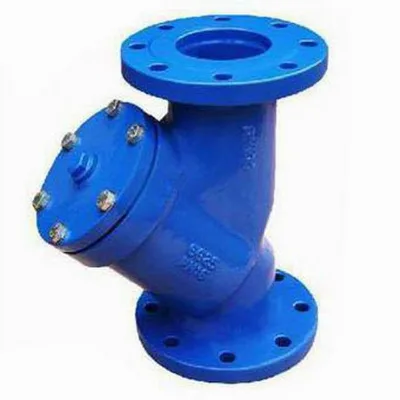


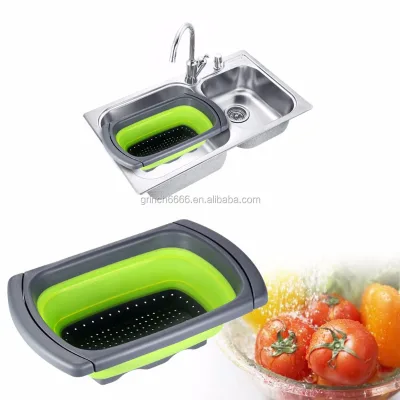
OEM kitchen sink plastic strainer,plastic sink basket strainer,basket type strainer
$1.00 - $6.00
MOQ: 2000 Minimum


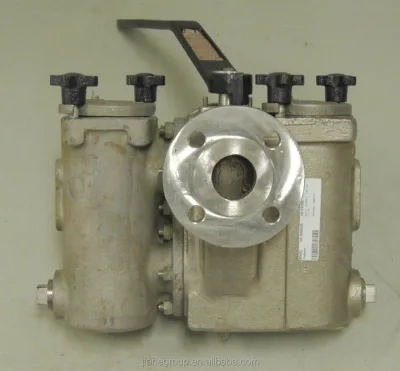
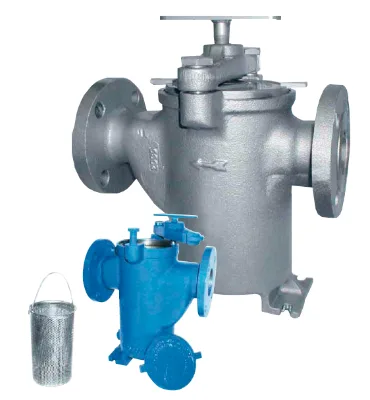
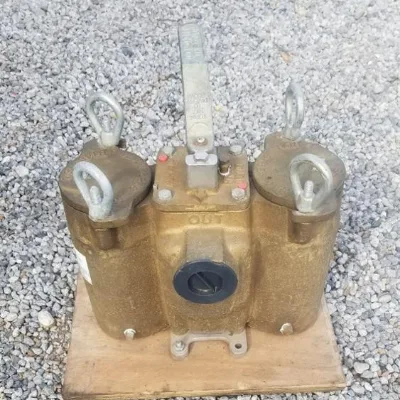
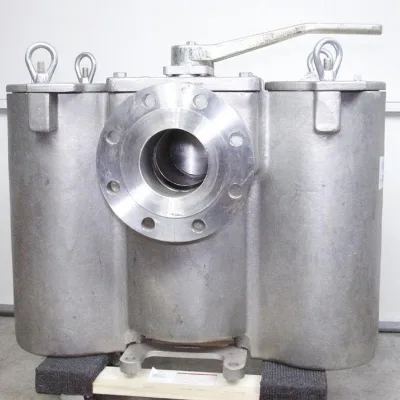
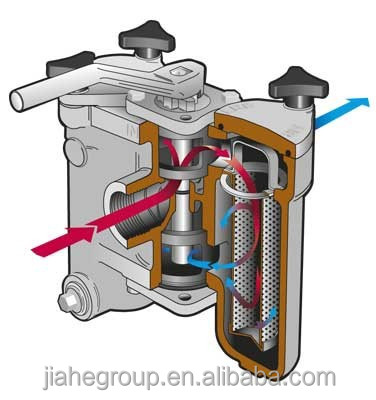
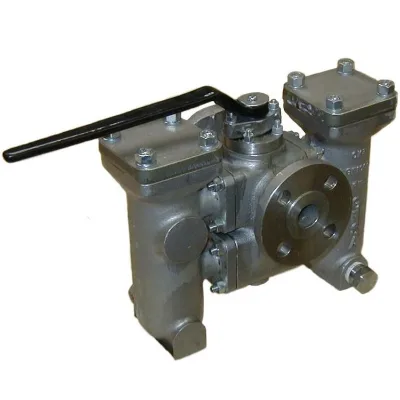
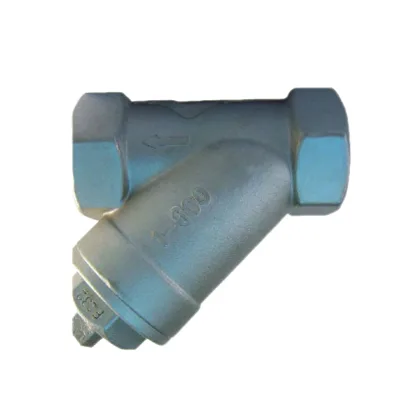


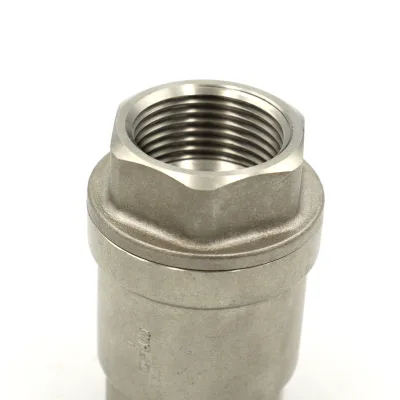
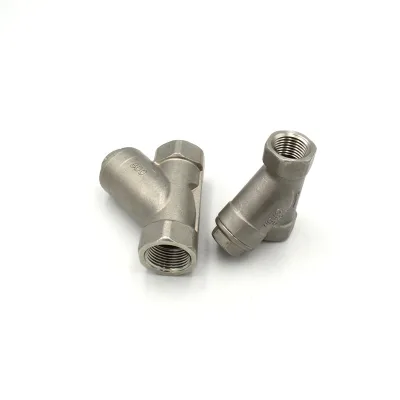

Comprehensive Sourcing Guide
China Mainland Strainers Sourcing Guide
Sourcing strainers from China Mainland requires a disciplined approach to verifying technical compatibility and supply chain reliability. Buyers must navigate a market characterized by high customization capabilities and a wide range of material options, primarily stainless steel, to meet specific industrial filtration needs. The observed product landscape includes various types such as gas, basket, female threaded, cone, and magnetic strainers, each serving distinct fluid handling applications. Understanding these variations is critical for selecting the right component for your system, as the internal structure and filtration mechanism differ significantly between models.
Procurement decisions should be grounded in the specific operational parameters of your facility, including pressure ratings, temperature conditions, and connection types. The available inventory often supports ordinary pressure environments and low-temperature applications, with thread connections being a common standard for smaller sizes. However, larger industrial setups may require flanged or specialized connections not explicitly detailed in every listing. Buyers must carefully cross-reference their system requirements with the supplier’s stated capabilities, ensuring that the selected strainer model, whether it is a simple cast iron unit or a complex automatic grade assembly, aligns with the physical and chemical demands of the media being filtered.
Product Scope and Observed Listing Signals
The current market listings indicate a broad spectrum of strainer models, ranging from basic gas and basket strainers to more specialized magnetic and cone variants. These products are typically constructed from stainless steel, with some listings specifying SS304 mesh for corrosion resistance and durability. The size range observed spans from small 1/4-inch connections up to larger DN500 or 24-inch configurations, allowing for flexibility in both residential and heavy industrial applications. Buyers should note that while many listings highlight customization options, the actual availability of specific non-standard sizes or unique material grades must be confirmed directly with the manufacturer to avoid procurement delays.
Pricing and minimum order quantities (MOQ) vary significantly based on the complexity of the strainer and the volume of the order. The observed price range extends from low-cost basic units to high-value specialized equipment, reflecting the diversity in manufacturing precision and material quality. MOQs generally start at one unit for samples or small batches but can rise to 2000 units for standard production runs. This variability necessitates a clear understanding of your annual consumption requirements before engaging with suppliers, as negotiating favorable terms often depends on committing to larger volumes or establishing a long-term supply agreement rather than purchasing single units.
Technical Specifications to Verify
When evaluating technical specifications, buyers must prioritize the verification of pressure ratings and structural integrity. Some listings reference structure lengths associated with pressure values like 0.3-2.5MPa, which requires careful interpretation to ensure the strainer can withstand your system’s operating pressure without failure. Additionally, the effective filtration area is a critical metric that impacts flow rate and maintenance frequency; observed ranges vary widely, so selecting a unit with adequate surface area for your specific flow requirements is essential to prevent premature clogging and excessive pressure drop across the filter.
Connection standards and dimensional accuracy are equally vital for seamless integration into existing piping systems. The observed standards include DN25-DN500 and 1/4"-3" ranges, but buyers must verify that the thread type, pitch, and sealing mechanism match their existing infrastructure. For applications requiring precise control, some advanced strainers may feature automatic grades with PLC controls and specific motor brands, which introduce additional complexity in terms of electrical compatibility and maintenance. It is crucial to request detailed engineering drawings and dimensional tolerances from the supplier to ensure that the physical dimensions, such as structure length and port size, fit within your designated installation space.
Compliance and Safety Documentation
Compliance with international standards is a non-negotiable aspect of sourcing industrial strainers, particularly for export-oriented markets or regulated industries. The observed certifications include ISO, CE, and SGS, which indicate that the manufacturer adheres to specific quality management and safety protocols. Buyers should request valid copies of these certificates and verify their authenticity through the respective certification bodies. It is important to note that certification status can vary by product line or factory location, so ensuring that the specific model you are purchasing is covered under the current certification scope is essential for regulatory compliance in your destination market.
Safety documentation should also encompass material safety data sheets (MSDS) and pressure vessel compliance records if the strainer is rated for high-pressure applications. While many listings mention CE standards, buyers must confirm that the design and manufacturing processes meet the specific directives relevant to their industry, such as PED for pressure equipment in Europe. Additionally, verifying that the materials used, such as stainless steel grades, are free from harmful contaminants and meet environmental regulations is crucial. Requesting test reports for material composition and pressure testing can provide additional assurance that the product meets both safety and performance expectations.
Cost Drivers and Commercial Terms
Several factors influence the final cost of strainers, including material selection, manufacturing complexity, and order volume. Stainless steel construction, particularly grades like SS304, commands a higher price than cast iron alternatives due to material costs and processing requirements. Customization options, such as specific thread types, unique sizes, or branded components like Siemens PLCs, also add to the base price. Buyers should analyze the total cost of ownership, considering not just the unit price but also the potential savings from reduced maintenance, longer service life, and improved filtration efficiency provided by higher-quality components.
Commercial terms, including packaging and shipping methods, play a significant role in the overall procurement cost. The observed packaging options range from seaworthy packing and plywood cases to wooden pallets, each offering different levels of protection during transit. For international shipments, choosing appropriate packaging can prevent damage and reduce insurance costs. Additionally, understanding the supplier’s supply ability, such as the capacity to produce 15,000 pieces per month, helps in planning inventory levels and avoiding stockouts. Negotiating clear terms for payment, delivery, and warranty can mitigate financial risks and ensure a smoother transaction process.
Supplier Qualification and Quality Control
Supplier qualification involves a thorough assessment of the manufacturer’s production capabilities and quality control systems. Buyers should verify the supplier’s ability to handle customized orders, as indicated by the available customization support and OEM services. It is advisable to request a factory audit or third-party inspection report to confirm that the production facilities meet international standards for cleanliness, equipment maintenance, and worker safety. Understanding the supplier’s testing procedures, such as hydraulic pressure measurements for screws and barrels, provides insight into their commitment to product reliability and consistency.
Quality control processes should be explicitly defined in the purchase agreement to ensure that every batch meets the specified standards. Buyers should inquire about the supplier’s in-process inspection protocols and final quality assurance checks before shipment. Requesting sample units for testing in your actual operating environment can help validate the product’s performance and durability. Additionally, establishing a clear communication channel for addressing any quality issues or defects is crucial for maintaining a productive relationship. Regular feedback and performance reviews can help identify areas for improvement and ensure that the supplier continues to meet your evolving requirements.
Long-Term Procurement Checks
Establishing a long-term procurement strategy requires ongoing monitoring of supplier performance and market trends. Buyers should regularly review the supplier’s ability to meet delivery schedules and maintain consistent quality over time. Tracking key performance indicators such as on-time delivery rate, defect rate, and responsiveness to inquiries can provide valuable insights into the supplier’s reliability. Additionally, staying informed about changes in material costs, regulatory requirements, and technological advancements in strainer design can help you anticipate potential challenges and adjust your sourcing strategy accordingly.
Building a resilient supply chain involves diversifying your supplier base and maintaining strong relationships with multiple vendors. This approach reduces the risk of disruption due to production issues, logistical problems, or geopolitical factors. Regularly engaging with suppliers to discuss future needs and potential collaborations can foster a partnership mindset, leading to better pricing, priority service, and access to new product innovations. By maintaining a proactive approach to supplier management, buyers can ensure a steady supply of high-quality strainers that support their operational efficiency and long-term business goals.
FAQs
What certifications do China Mainland Strainers typically hold?
China Mainland Strainers typically hold ISO and CE certifications. Some models also include SGS certification for quality assurance. These standards ensure the products meet international safety and manufacturing requirements. Buyers should verify specific certificates for their intended application to ensure compliance with local regulations and industry standards.
Which materials are used for China Mainland Strainers?
China Mainland Strainers are commonly made from stainless steel. Specific components may use nitriding steel or hardened gears. Mesh materials often include SS304 for filtration. These materials provide durability and resistance to corrosion. The choice depends on the specific strainer type and the media being filtered.
Can China Mainland Strainers be customized for specific needs?
Yes, China Mainland Strainers can be customized. Manufacturers offer OEM support and tailored specifications. Customization options include size, pressure rating, and connection type. Buyers can request specific models like basket or magnetic strainers. This flexibility ensures the product fits unique industrial requirements and operational environments.
What is the typical size range for China Mainland Strainers?
The typical size range for China Mainland Strainers spans from 1/4 inch to 4 inches. Standard models may cover DN25 to DN500. Port sizes can extend from DN15 to DN400. This wide range accommodates various pipeline diameters. Buyers should select the appropriate size based on their system's flow rate and pressure requirements.
How are China Mainland Strainers packaged for shipping?
China Mainland Strainers are packaged using seaworthy methods. Common options include wooden pallets and plywood cases. Some items use wooden case safety packing. This ensures protection during transit. The packaging is designed to prevent damage and maintain product integrity upon arrival at the destination port.
What is the supply ability for China Mainland Strainers?
The supply ability for China Mainland Strainers is approximately 15,000 pieces per month. This capacity supports regular industrial orders. Manufacturers maintain stock for standard models. Custom orders may require additional lead time. Buyers should confirm availability for large quantities to ensure timely delivery for their projects.