Slim Waterproof Genuine Leather Wallet Suppliers and Manufacturers
Explore 30 verified suppliers offering Slim Waterproof Genuine Leather Wallet options with varying lead times, MOQs, and certifications. Compare response times, locations in China, and product specifications like material and dimensions before requesting samples; review the available evidence before requesting comparable quotations from suitable candidates.
Updated
Suppliers List

Guangzhou Yijiayi Leather Co., Ltd.
- Verified by TUVRHEINLAND
- Trading Company
- China Guangdong
- Lead time30 days
- Avg. response≤ 25h
Main productsLady Bags, Wallets, Handbags, Men Bags, Briefcase, Backpack, Card & Key Holder, Leather Phone Case
Main marketsAustralia

Xiamen Le Young Imp. & Exp. Co., Ltd
- Verified by BV
- Trading Company,Manufacturer/Factory
- China Fujian
- Lead time23 days
- Avg. response≤ 4h
Main productsLeather Folder, Trave Wallet, Leather Notebook, Leather Compendium, Leather Portfolio, Leather Diary, Leather Journal, Hotel Supply, Leather Card Holder, Leather Wallet
Main marketsSouth America,Eastern Europe,Mid East,North America,Southeast Asia,Eastern Asia,Oceania,Western Europe,Africa


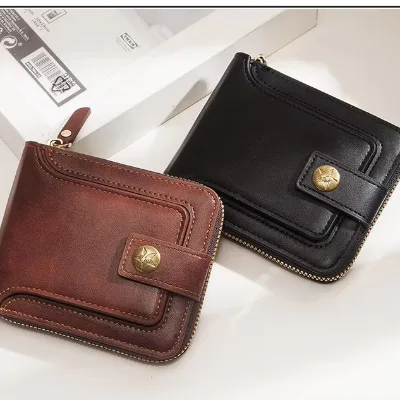
Retro Zipper Slim Card Wallet RFID Blocking Genuine Leather Credit Card Holder
$2.45 - $2.89
MOQ: 300 Pieces


Hebei Blue Whale Import and Export Trading Co., Ltd.
- Trading Company,Manufacturer/Factory
- China Hebei
- Lead time90 days
- Avg. response≤ 6h
Main productsWomen Bag, Handbags, School Bags, Backpack, Non Woven Bags, Paper Bags, Kraft Paper Bags, Travel Bag, ABS Luggage, Water Smoking Pipe
Main marketsSouth America,Eastern Europe,Mid East,North America,Southeast Asia,Eastern Asia,Oceania,Western Europe,Africa
Shenzhen Maisen Bags Co., Ltd.
- Manufacturer
- Guangdong, China
- Lead time20 days
- Avg. response≤ 6h
Main productsbackpack,women bag,school bag,laptop bag,waist bag
Main marketsNorth America(15.00%), Western Europe(10.00%), Eastern Asia(9.00%), Mid East(9.00%), South America(7.00%), Southeast Asia(7.00%), South Asia(7.00%), Oceania(7.00%), Central America(7.00%), Southern Europe(5.00%), Eastern Europe(5.00%), Africa(5.00%), Northern Europe(4.00%), Domestic Market(3.00%)

Guangzhou Yujia Industrial Co., Ltd.
- Verified by SGS
- Combined
- China Guangdong
- Lead time15 days
- Avg. response≤ 2h
Main productsPU Leather, PVC Bar Mat, Mouse Pad, Wallets, Rubber Muse Pad, Men's Wallet, Passport Holder, Handbags, Wrist Keyboard Mat
Main marketsDomestic

2025 Genuine Leather Wallet Smart Card Case Slim Zipper Purse Coin Pocket Credit Card Holder
$4.87 - $6.90
MOQ: 200 Piece

Custom Genuine Leather Wallet Smart Card Case Slim Zipper Purse Coin Pocket Credit Card Holder
$4.87 - $6.90
MOQ: 200 Piece


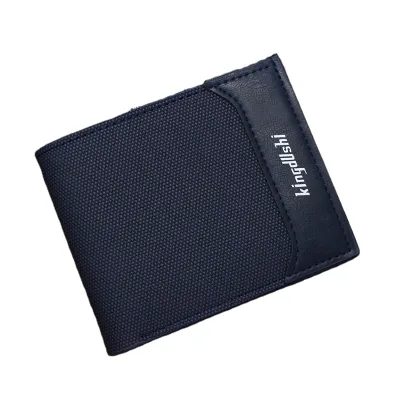
Genuine Leather Wallet Customized Oxford Cloth Multi Card Bi-Fold Card ID Storage Portable Wallet
$5.05 - $5.35
MOQ: 200 Piece


Promotion Gifts Stamp Logo Metal Logo Printing Genuine Leather Wallet for Men
$3.50 - $5.50
MOQ: 100 Piece

Guangzhou Wangjia Leatherware Co., Ltd.
- Manufacturer/Factory
- China Guangdong
- Lead time30 days
- Avg. response≤ 5h
Main productsWestern Cowboy & Cowgirl Belts, Western Buckles, Buckle Sets, Conchos, Dog Collars & Hat Belts, PU Belts, Leather Belts, PU Handbags, Straw Beach Bags, Wallets
Main marketsSouth America,Eastern Europe,Mid East,North America,Southeast Asia,Eastern Asia,Oceania,Western Europe,Africa

Genuine Leather Mens Slim Key Case Wallet/Key Chain Wallet/Key Holder Wallet
$2.50 - $3.00
MOQ: 100 Pieces



Guangzhou Aaron Leather Co., Ltd.
- Manufacturer
- Guangdong, China
- Lead time7 days
- Avg. response≤ 3h
Main productsMobile phone leather case,Tablet leather case,Leather wallet,Leather card holder,etc
Main marketsNorth America(49.00%), Eastern Europe(16.00%), Southeast Asia(10.00%), Eastern Asia(7.00%), Western Europe(4.00%), Central America(2.00%), Domestic Market(2.00%), South America(2.00%), Mid East(2.00%), Northern Europe(2.00%), Africa(1.00%), South Asia(1.00%), Southern Europe(1.00%), Oceania(1.00%)
Dongguan Hualong Handbag Packaging Co., Ltd.
- Verified by TüVRheinland
- Manufacturer, Trading Company
- Lead time15 days
- Avg. response≤ 4h
Main productsShopping Bag, Makeup Bag, Drawstring Pocket, Travel Bag, Backpack
Main marketsDomestic Market(40%), Eastern Asia(35%), North America(7%)
Guangzhou Shengjia Leather Clothing Co., Ltd.
- Manufacturer, Trading Company, Distributor/Wholesaler
- Guangdong Province, China
- Lead time30 days
- Avg. response≤ 16h
Main productspurse,card holder,clutch bag,handbag
Main marketsNorthern Europe(20.00%), Central America(20.00%), South America(20.00%), North America(20.00%), Western Europe(10.00%), Eastern Europe(10.00%)
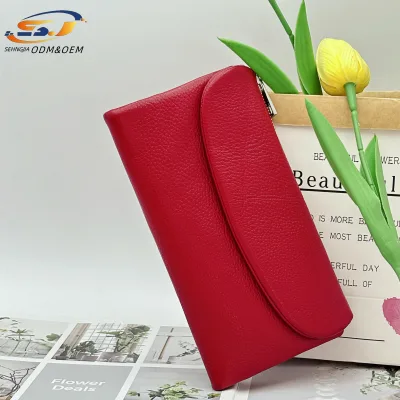
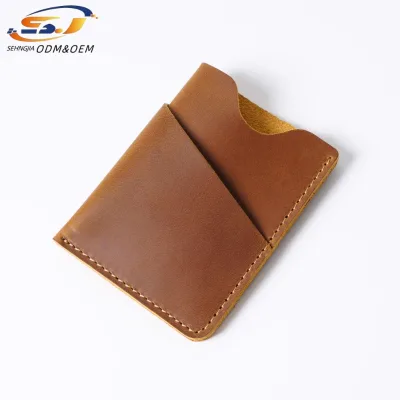
Ladies' Genuine Leather Zipper Wallet with Multi-card Slot Design and Change Pocket Por Daily
$7.9183 - $8.3297
MOQ: 100 pieces
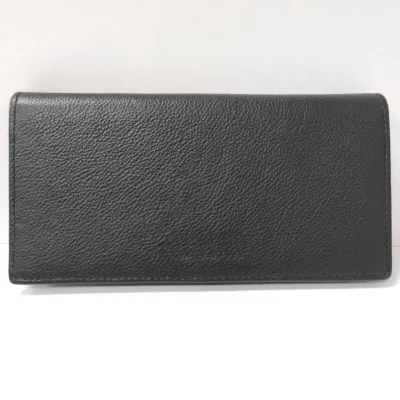
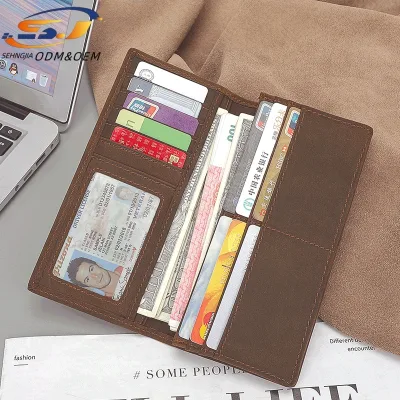
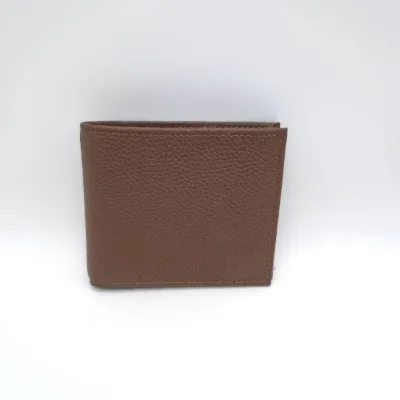
Men's Minimalist Style Wallet with Open Closure Genuine Cowhide Litchi Pattern
$2.8933 - $3.4109
MOQ: 100 pieces

Guangzhou Modicci Fashion Co., Limited
- Verified by SGS
- Trading Company,Manufacturer/Factory
- China Guangdong
- Lead time45 days
- Avg. response≤ 19h
Main productsHandbag, Backpack, Crossbody, Wallet, Clutch, Purse, Keyring, Jewellery Box, Card Holder, Laptop Backpack
Main marketsSouth America,Eastern Europe,Mid East,North America,Southeast Asia,Eastern Asia,Oceania,Western Europe,Africa

RFID Blocking Slim Real Genuine Leather Bifold Wallet with Metal Cash Clip
$10.00 - $20.00
MOQ: 50 Pieces


Custom Mens Genuine Cowhide Leather Wallet Slim Real Leather RFID Blocking Wallets with Money Clip
$10.00 - $20.00
MOQ: 50 Pieces

Dongguan Jianfeng Gifts Company
- Trading Company
- China Guangdong
- Lead time23 days
- Avg. response≤ 10h
Main productsMetal Product, Leather Product, RFID Card Holder, Wallet, Money Clip, Coin Purse, Card Holder, Gifts, Metal Accessories, Wallet Tracker
Main marketsSouth America,Eastern Europe,Mid East,North America,Southeast Asia,Eastern Asia,Oceania,Western Europe,Africa

Professional Manufacturer Factory Manufacturer Mini Slim Card Holder Leather Wallet for Men
$4.49 - $4.99
MOQ: 50 Pieces


Classic Vintage Card Holder New Design Metal RFID Money Case Mens Wallets Slim Genuine Leather
$7.49 - $7.99
MOQ: 50 Pieces
Shenyang Zhanzhitianming technology Co., Ltd.
- Trading Company
- Liaoning, China
- Lead time0 days
- Avg. response≤ 2h
Main productsLeather Products, Leather, Furniture, PVC Film
Main marketsDomestic Market(99.00%), North America(1.00%)
Guangzhou Baiyun District Sanyuanli Gusi Leather Firm
- Trading Company
- Guangdong, China
- Lead time22 days
- Avg. response≤ 23h
Main productsWallet, Cossbody Bags, Passport Holder, Handbags, Belts
Main marketsSouth Asia(25.00%), Mid East(20.00%), Eastern Asia(15.00%), North America(10.00%), South America(10.00%), Africa(10.00%), Eastern Europe(10.00%)
Guangzhou Hongfeng Leather Co., Ltd.
- Verified by TüVRheinland
- Manufacturer, Trading Company
- Lead time30 days
- Avg. response≤ 2h
Main productsLady Handbag, Clutch, Satchels, Leather Bag, Wallet
Main marketsNorth America(25%), Eastern Europe(20%), Mid East(20%)
Hengshui Liou Import And Export Trade Co., Ltd.
- Verified by SGS Group
- Trading Company
- Lead time15 days
- Avg. response≤ 3h
Main productsClothing, Camping Cart, Wallet and bags, Watch, Sport Brace
Main marketsNorth America(50%), South America(10%), Oceania(10%)

Guangzhou Kinglaiky Industrial Ltd.,
- Verified by TUVRHEINLAND
- Trading Company
- China Guangdong
- Lead time15 days
- Avg. response≤ 11h
Main productsPromotional Gifts, Pen, Leather Product, Wallet, Keyring, Namecard Holder, Mouse Mat, Flask, Wristband, USB Pen Drive
Main marketsAfrica

WIDE SILVER (GUANGZHOU) LEATHER CO., LTD.
- Trading Company
- China Guangdong
- Lead time30 days
- Avg. response≤ 1h
Main productsHandbag, Tote Nag, Lady Handbag, Women Handbag, Wallets, Purses, Carteras, Cardholder, Bolsos, Portemonnaie
Main marketsAfrica,Europe,North America


Wide Silver Fashion Wallet for Men - Luxury Genuine Leather Card Holder Wallet
$7.86 - $8.93
MOQ: 100 Pieces


Dongguan Vision Sationery Gift Co., Ltd.
- Manufacturer, Trading Company
- Guangdong, China
- Lead time30 days
- Avg. response≤ 3h
Main productspu portfolio folder,Pu Diary,PUorganizer,Leather wallet,Leather card holder
Main marketsWestern Europe(50.00%), Eastern Europe(20.00%), Domestic Market(10.00%), South America(10.00%), Central America(5.00%), South Asia(5.00%)
Wenzhou Yuanqiao Leather Goods Co., Ltd.
- Verified by SGS Group
- Manufacturer, Trading Company
- Lead time15 days
- Avg. response≤ 3h
Main productsBelt, Canvas Belt
Main marketsSoutheast Asia(60%), South America(15%), Eastern Europe(10%)
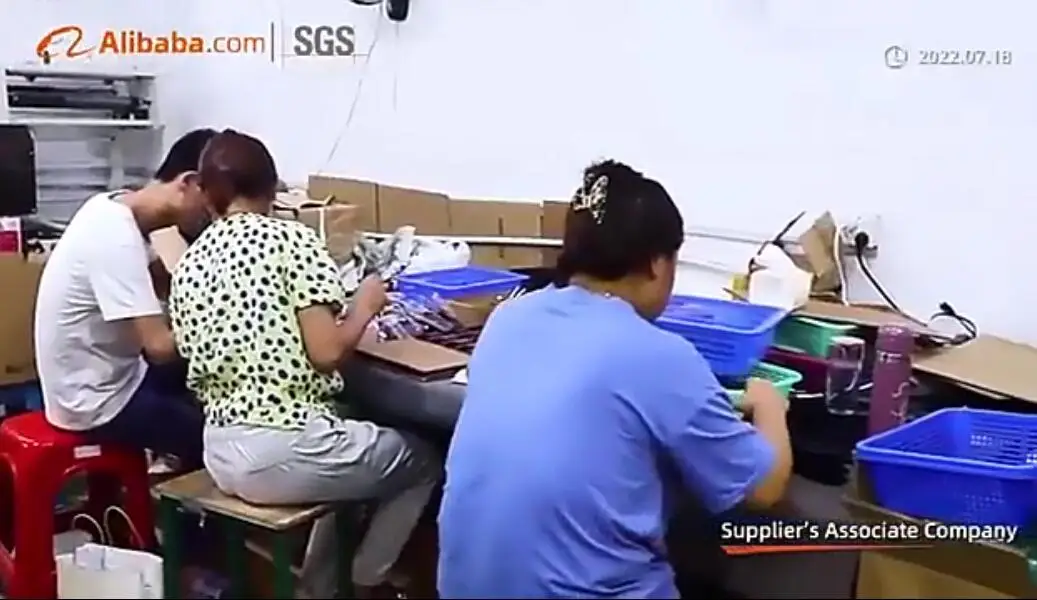
Guangzhou Bogia Leather Products Co., Ltd.
- Manufacturer, Distributor/Wholesaler
- Guangdong, China
- Lead time20 days
- Avg. response≤ 2h
Main productsWallet,Card Holder,Leather Bag,Phone Bag,Luggage tag
Main marketsNorth America(30.00%), Western Europe(16.00%), Eastern Europe(13.00%), South America(12.00%), Northern Europe(11.00%), Domestic Market(2.00%), South Asia(2.00%), Southern Europe(2.00%), Africa(2.00%), Central America(2.00%), Southeast Asia(2.00%), Eastern Asia(2.00%), Mid East(2.00%), Oceania(2.00%)
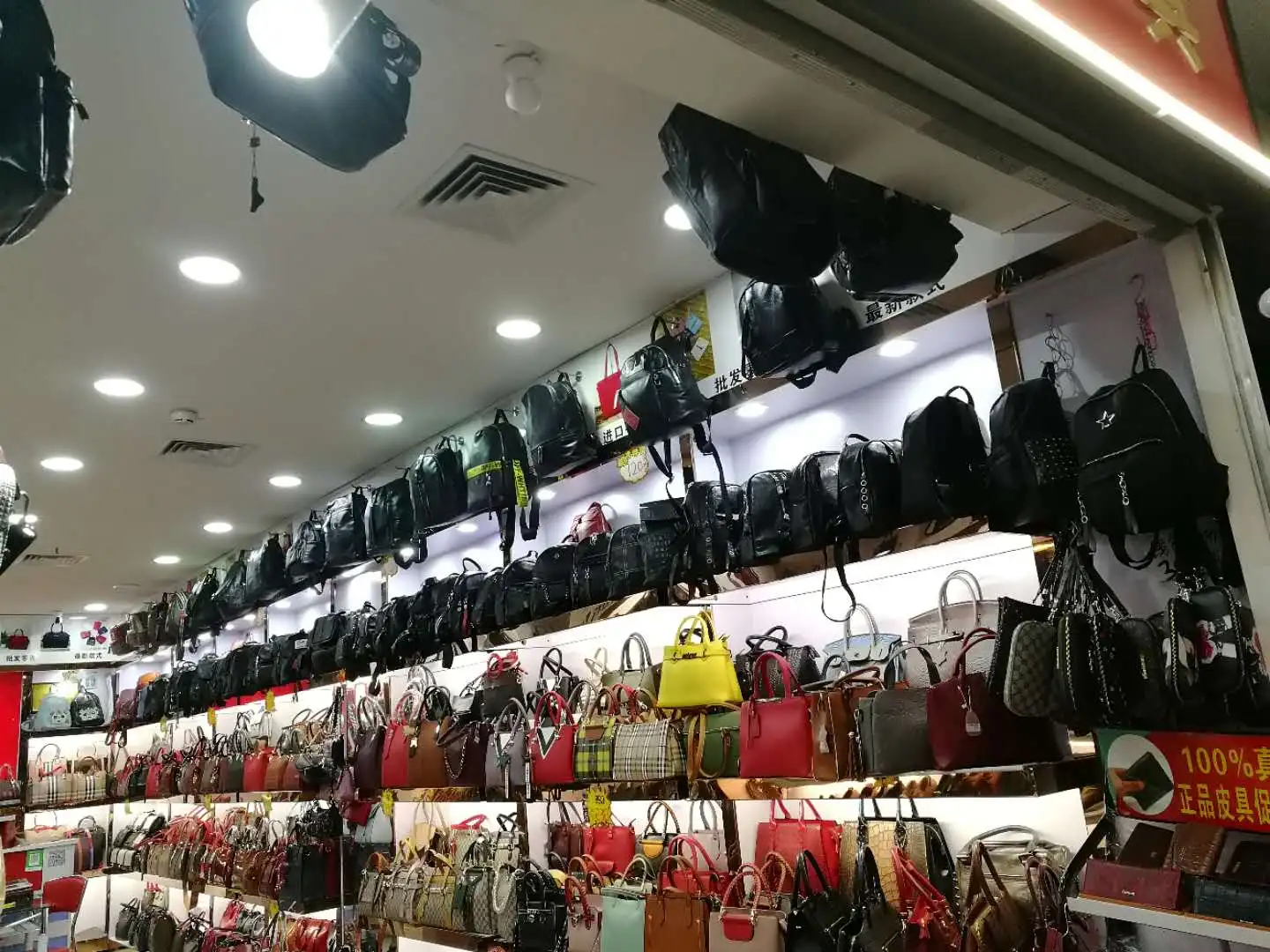
Shenzhen Angel Global Bag Co., Ltd.
- Manufacturer, Trading Company
- Guangdong, China
- Lead time25 days
- Avg. response≤ 3h
Main productsHandbag/Wallet/Card holder/Evening Bag/Purse,Notebook
Main marketsNorth America(60.00%), Western Europe(20.00%), Northern Europe(10.00%), Mid East(5.00%), Southeast Asia(5.00%)
Guangzhou Hongbang Leather Co., Ltd.
- Verified by SGS Group
- Manufacturer, Trading Company
- Lead time20 days
- Avg. response≤ 5h
Main productsLeather Wallets, Watch Case, Card Holder, Jewelry Case
Main marketsNorth America(20%), Northern Europe(18%), Domestic Market(10%)
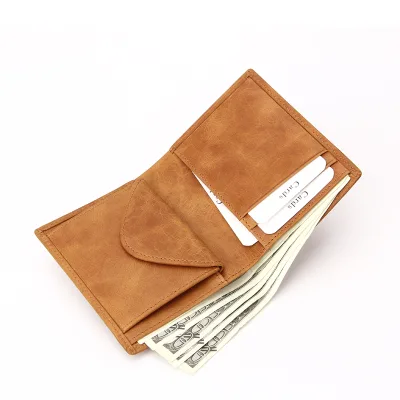
Custom Men Real Leather Wallet With Elastic Strap RFID Wholesale Wallet With Magnet Pocket
$6.70 - $7.35
MOQ: 100 pieces
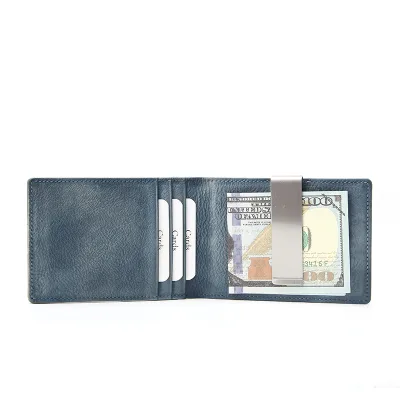
New Arrival Mens Blue Slim Leather Personalized Money Clip Wallet for Men
$5.75 - $6.10
MOQ: 200 pieces

Dongguan Zhengyong Leather Co., Ltd.
- Verified by SGS
- Manufacturer
- China Guangdong
- Lead time15 days
- Avg. response≤ 18h
Main productsBelt, Handbags, Bracelet, Wallet, Card Holder, Dog Collar/Leash, Dog Harness, Carrier Bags, Camera Strap Series
Main marketsEurope,North America


Customize Logo Silm Cardholder Minimalist Genuine Leather Wallet for Men
$10.60 - $12.80
MOQ: 50 Pieces


Fuzhou Yida Xinyang Industry and Trade Co., Ltd.
- Manufacturer/Factory
- China Fujian
- Lead time15 days
- Avg. response≤ 4h
Main productsLanyards, Wristbands, Tube Bandana, Flags, Bags, Luggage Belts, Sport Bags
Main marketsSouth America,Eastern Europe,Mid East,North America,Southeast Asia,Eastern Asia,Oceania,Western Europe,Africa

Mens Leather Wallet Slim Black Genuine Leather Spring Money Clip with Card Holde
$1.00
MOQ: 100 Pieces


Guangzhou Beslly Leather Co., Ltd.
- Verified by TüVRheinland
- Manufacturer, Trading Company
- Lead time15 days
- Avg. response≤ 3h
Main productsWallet, Card Holder, Handbag, Travel Bags, Backpacks
Main marketsNorth America(22%), Eastern Europe(15%), Western Europe(10%)
Guangzhou Passmei Leather Goods Co., Ltd.
- Manufacturer, Trading Company
- Guang Dong, China
- Lead time0 days
- Avg. response≤ 4h
Main productswallet,notebook cover,bag,holde,case
Main marketsNorth America(30.00%), Western Europe(30.00%), South Asia(10.00%)
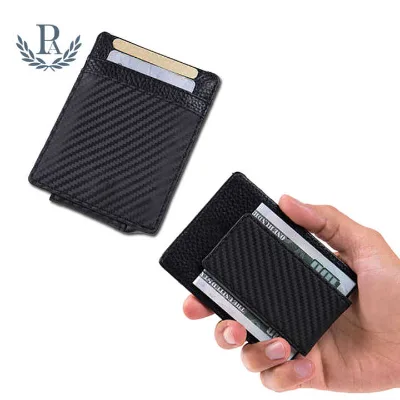
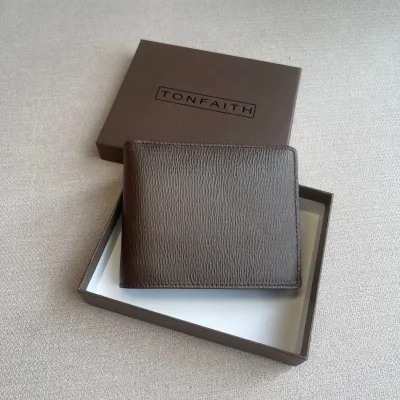
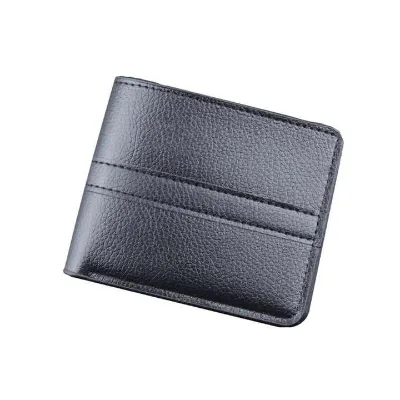
$4.19 - $4.29
MOQ: 50 pieces

Zhongshan Tianxin Craft Gift Products Co., Ltd.
- Verified by BV
- Combined
- China Guangdong
- Lead time23 days
- Avg. response≤ 2h
Main productsShirt, Gift, Clothing, USB Flash Drives, Key Chain, Medal, Trophy, Lether Tapeline, Fridge Magnet, Wine Opener
Main marketsSouth America,Africa,Southeast Asia/ Mideast,East Asia(Japan/ South Korea),Europe,Australia,North America

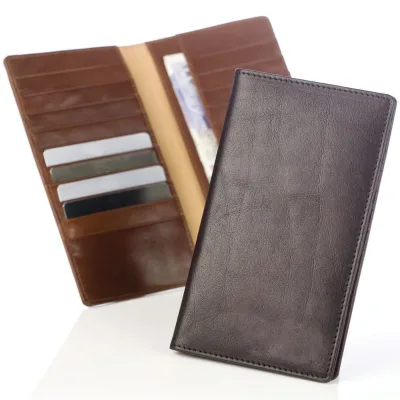
New Fashion Longstyle Purse Slim Thin Leather Wallet with Card Slots for Men
$1.48 - $8.88
MOQ: 100 Pieces


HonorHope (Zhengzhou) Technology Industrial Co., Ltd.
- Verified by CTI
- Manufacturer/Factory,Group Corporation
- China Henan
- Lead time0 days
- Avg. response≤ 13h
Main productsPacking Box and Bag, Gift and Craft Production, Office Supplier, Greeting Cards and Envelopes, Business Envelopes and Paper, Notebook and Pad, Hangtag and Label, Calenders, Printing Books and Catalogs, Custom Shopping Bag
Gstar Technology (Shenzhen) Co., Ltd.
- Manufacturer
- Guangdong, China
- Lead time20 days
- Avg. response≤ 3h
Main productspurse,Card holder,Card holder Card holder,Wallet with metal card holder
Main marketsNorth America(25.00%), Western Europe(16.00%), South America(15.00%), Eastern Europe(10.00%), Southeast Asia(8.50%), Central America(8.00%), Mid East(6.50%), Northern Europe(5.00%), Southern Europe(2.10%), Eastern Asia(1.50%), Africa(1.20%), South Asia(0.70%), Oceania(0.30%), Domestic Market(0.20%)

Shenzhen Chenxi Lingdong Technology Co., Ltd.
- Verified by BV
- Trading Company
- China Guangdong
- Lead time15 days
- Avg. response≤ 14h
Main marketsSoutheast Asia/ Mideast,Europe,North America


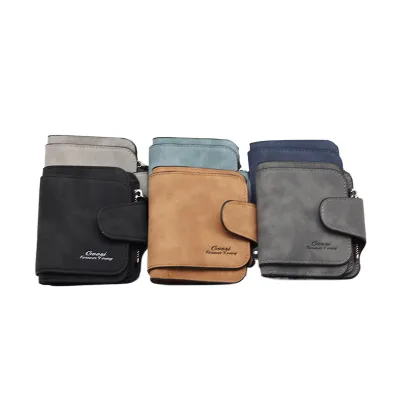
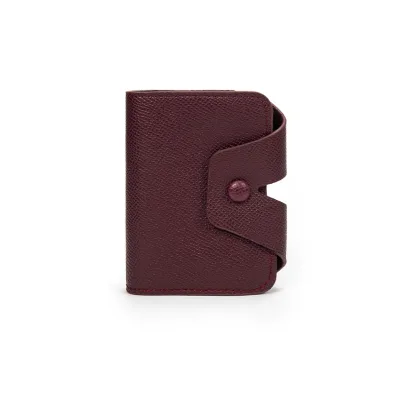
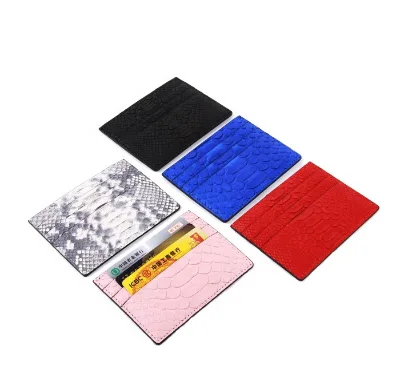
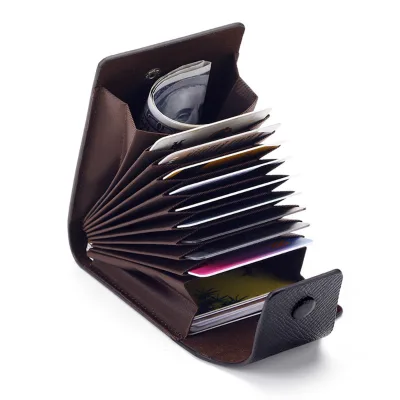


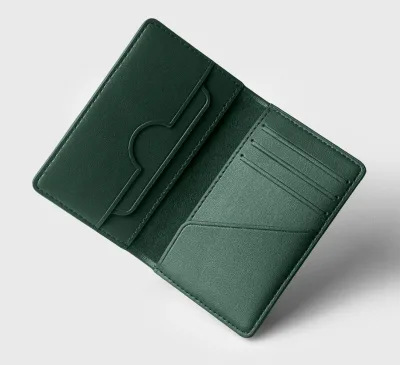
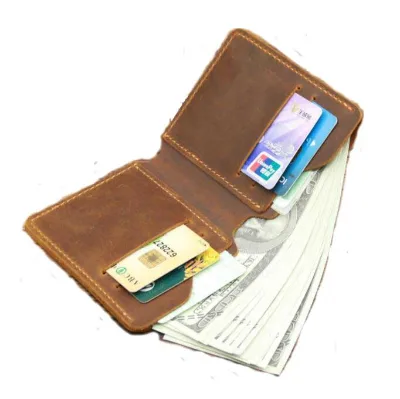
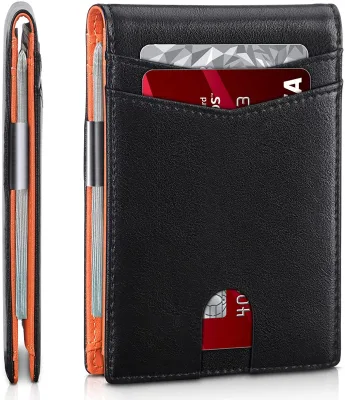
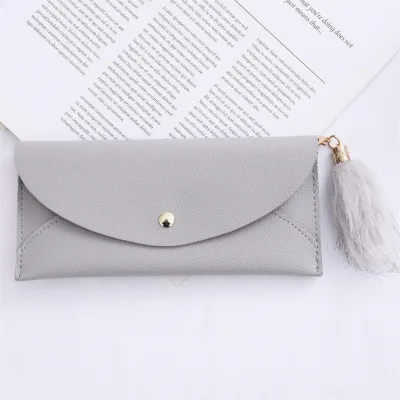




Comprehensive Sourcing Guide
Slim Waterproof Genuine Leather Wallet Supplier Concentration and Factory Types
The current supplier landscape for slim waterproof genuine leather wallets reveals a distinct geographic concentration in China, specifically within the Guangdong and Fujian provinces. These regions serve as critical manufacturing hubs for leather goods, offering established supply chains for raw materials like genuine cowhide and PU leather. Suppliers in Guangdong, such as those based in Guangzhou, often operate as trading companies that bridge the gap between local factories and international buyers. This structure allows for a diverse range of product offerings, including men’s real cowhide purses and custom travel wallets. The presence of verified entities like TUVRHEINLAND in this region indicates a mature ecosystem where quality control standards are frequently audited. Buyers sourcing from this cluster can expect a high density of options, ranging from basic card holders to complex bifold designs with removable components. The trading company model prevalent here facilitates easier communication for smaller orders but may introduce additional layers in the supply chain. Understanding this concentration helps buyers target their search efforts efficiently, knowing that a significant portion of global leather wallet production originates from these specific industrial zones. The clustering effect also means that logistics infrastructure is well-developed, supporting both sample shipments and bulk container loads.
In contrast, suppliers located in Fujian often present a hybrid operational model, functioning as both trading companies and manufacturers. This dual capability is significant for buyers seeking flexibility in order sizes and customization levels. Factories in this region frequently hold ISO 9000 system certifications, which underscores a commitment to standardized quality management processes. The verification status provided by BV (Bureau Veritas) for these entities adds another layer of trust, suggesting that their operational claims are independently validated. These suppliers often specialize in vintage or multi-purpose designs, such as multi-ply wallets with phone holders or minimalist front-pocket styles. The ability to offer both OEM and ODM services is a key differentiator for Fujian-based entities, allowing buyers to leverage existing designs or create unique products. This region’s focus on leather folders, notebooks, and journals alongside wallets suggests a broader expertise in leather craftsmanship. Buyers should note that while the location is similar, the operational structure differs from Guangdong, potentially affecting lead times and communication styles. The presence of these varied company types ensures that buyers can find partners aligned with their specific business models, whether they prioritize rapid response or deep manufacturing integration.
How to Verify Slim Waterproof Genuine Leather Wallet Suppliers
Verification is a critical step in mitigating risk when sourcing slim waterproof genuine leather wallets, as the market contains a mix of trading companies and actual manufacturers. Buyers should prioritize suppliers who display third-party verification badges, such as those from TUVRHEINLAND or BV, as these indicate that an independent agency has audited the company’s business license and operational capabilities. For instance, some suppliers in Guangdong are verified by TUVRHEINLAND, while those in Fujian may carry BV certification. These badges are not merely decorative; they often correlate with the supplier’s ability to meet international compliance standards. Beyond verification badges, buyers must scrutinize the supplier’s declared company type. A trading company may offer better price flexibility and a wider product range, but a manufacturer or factory might provide better control over production quality and customization. The presence of ISO 9000 certification, as seen with some Fujian-based suppliers, further validates their quality management systems. Buyers should request copies of these certificates and verify their validity through the issuing bodies if possible. This due diligence helps distinguish between superficial claims and genuine operational capacity.
In addition to formal certifications, buyers should assess the supplier’s responsiveness and transparency as indicators of reliability. Response time is a measurable metric that can signal the efficiency of a supplier’s customer service team. For example, some suppliers demonstrate response times around 3.37 hours, while others may take up to 24.77 hours. A faster response time often correlates with a more organized internal process and a higher likelihood of timely order fulfillment. Buyers should also look for detailed product attributes in the supplier’s listings, such as specific material compositions like genuine cowhide or microfiber linings. Suppliers that provide precise dimensions, such as W: 12cm * H: 10cm * D: 2cm, demonstrate a higher level of product knowledge and attention to detail. Furthermore, checking for clear packing specifications, like dust bags and polybags, can reveal the supplier’s focus on product protection during transit. Buyers should avoid suppliers who provide vague descriptions or lack specific product evidence. By combining verification badges, company type analysis, response metrics, and product detail scrutiny, buyers can build a robust profile of a supplier’s credibility before committing to any orders.
What to Compare Across Slim Waterproof Genuine Leather Wallet Suppliers
When evaluating multiple suppliers for slim waterproof genuine leather wallets, buyers must compare key operational metrics to determine the best fit for their business needs. Lead time is a primary factor, as it directly impacts inventory management and customer satisfaction. Suppliers may offer varying lead times, with some providing a standard 30-day turnaround, while others might promise 23 days or even specific sample-to-order timelines like 5-8 days for samples and 25-30 days for production. Comparing these figures helps buyers align supplier capabilities with their sales cycles. Minimum Order Quantity (MOQ) is another critical dimension, as it affects cash flow and risk exposure. Some suppliers accept MOQs as low as one unit, which is ideal for testing new designs, while others require MOQs of 300 or 500 pieces, suitable for larger volume orders. Buyers should map their projected sales volumes against these MOQs to avoid overstocking or underutilizing production capacity. Additionally, comparing price ranges across suppliers can reveal market benchmarks. Prices for similar leather wallets may range from $5.14 to $20.00, depending on materials and features. Understanding this variance helps buyers negotiate effectively and identify potential cost-saving opportunities without compromising quality.
Beyond lead times and MOQs, buyers should compare the specific features and customization options offered by each supplier. For example, some wallets come with RFID blocking technology, anti-theft features, or magnetic clips, which can be significant selling points for end consumers. Suppliers that explicitly list these features in their product attributes, such as "RFID, Anti-Theft" or "Magnetic Clip," demonstrate a focus on modern consumer demands. Buyers should also compare the available materials, such as genuine cowhide versus PU leather, and lining materials like microfiber. The flexibility in customization, indicated by terms like "customized available" or "OEM&ODM Welcome," is crucial for brands seeking unique products. Suppliers that offer case designs or removable card holders provide added value through versatility. Furthermore, comparing the sample policies is essential; some suppliers charge USD 50 per piece for samples, while others may offer them within seven days. By systematically comparing these operational and product-specific attributes, buyers can create a weighted scoring matrix to objectively rank suppliers. This data-driven approach ensures that the final selection is based on concrete evidence rather than subjective impressions, leading to more successful long-term partnerships.
Common Slim Waterproof Genuine Leather Wallet Sourcing Risks
Sourcing slim waterproof genuine leather wallets involves several inherent risks that buyers must proactively manage to ensure product quality and supply chain stability. One significant risk is the discrepancy between sample quality and bulk production. Suppliers may provide high-quality samples made with premium genuine cowhide, but the bulk order might use lower-grade materials or PU leather to cut costs. This risk is particularly prevalent when working with trading companies that do not directly control the manufacturing process. Buyers must clearly specify material requirements in their contracts, such as demanding "Genuine Cowhide" for both external and lining materials, and include clauses that allow for third-party inspections before shipment. Another risk is the variability in lead times. While a supplier may advertise a 23-day lead time, actual production delays can occur due to raw material shortages or labor issues. Buyers should build buffer time into their inventory planning and maintain open communication with suppliers to monitor production progress. The risk of non-compliance with international standards is also present, especially if the supplier lacks proper certifications. Buyers should verify that the supplier’s quality management systems, such as ISO 9000, are active and relevant to leather goods production.
Logistical risks are another major concern, particularly regarding product damage during transit. Leather wallets are susceptible to moisture, scratches, and deformation if not packed correctly. Suppliers that use inadequate packaging, such as simple polybags without corrugated cartons, increase the risk of damage. Buyers should insist on robust packing standards, such as individual PVC bags or OPP bags placed inside sturdy corrugated cartons. Additionally, the risk of intellectual property infringement exists if buyers share unique designs with unverified suppliers. To mitigate this, buyers should use Non-Disclosure Agreements (NDAs) and work with suppliers who have a proven track record of respecting proprietary designs. The risk of communication breakdowns is also heightened when dealing with suppliers in different time zones or with varying levels of English proficiency. Buyers should establish clear communication protocols and use detailed product specifications to minimize misunderstandings. Finally, financial risks associated with payment terms must be managed carefully. Buyers should avoid making full upfront payments and instead use secure payment methods like escrow services that release funds only upon confirmation of shipment. By identifying and addressing these risks early, buyers can protect their investments and ensure a smoother sourcing experience.
Slim Waterproof Genuine Leather Wallet Regional Sourcing and Logistics
The geographic location of suppliers significantly influences logistics costs, lead times, and overall supply chain efficiency for slim waterproof genuine leather wallets. Most suppliers in the current results are based in China, with a notable concentration in Guangdong and Fujian provinces. Guangdong, particularly Guangzhou, is a major hub for leather goods, offering excellent access to ports like Shenzhen and Guangzhou. This proximity to major shipping lanes can reduce transit times and costs for buyers importing from North America or Europe. Suppliers in this region often have established relationships with freight forwarders, facilitating smoother export processes. Buyers sourcing from Guangdong should consider the potential for faster air freight options for samples and urgent orders. The industrial cluster in this area also means that complementary services, such as packaging and labeling, are readily available. This ecosystem supports efficient production runs and reduces the likelihood of delays due to missing components. Buyers should factor in the logistical advantages of this region when calculating their total landed costs.
In contrast, suppliers in Fujian offer a different logistical profile, often benefiting from ports in Xiamen or Quanzhou. While the transit times may be similar to Guangdong, the specific port infrastructure can affect shipping rates and availability. Buyers should compare freight quotes from multiple forwarders to determine the most cost-effective route from Fujian. The regional concentration of manufacturers in Fujian also means that buyers can potentially consolidate orders from multiple suppliers in the same area, reducing overall shipping costs. However, buyers must be aware of potential regional disruptions, such as weather events or local policy changes, that could impact production and shipping. It is advisable to have backup suppliers in different regions to mitigate these risks. Additionally, buyers should consider the environmental impact of their logistics choices, as sustainable shipping practices are becoming increasingly important. By understanding the logistical nuances of each region, buyers can optimize their supply chain for cost, speed, and reliability. This strategic approach ensures that the physical movement of goods aligns with the commercial goals of the business.
Slim Waterproof Genuine Leather Wallet Commercial Terms and Order Planning
Effective commercial terms and order planning are essential for successful sourcing of slim waterproof genuine leather wallets. Buyers must carefully negotiate payment terms to balance risk and cash flow. Common practices include using a deposit for production and the balance upon shipment, or utilizing escrow services for added security. Understanding the supplier’s sample policy is also crucial,
FAQs
What is the price range for genuine leather wallets?
Prices for genuine leather wallets typically range from $5.14 to $20.00 per unit. The final cost depends on material quality, such as cowhide or PU, and order volume. Suppliers often offer lower rates for bulk purchases starting at MOQs of 50 to 300 pieces, ensuring better value for larger orders.
What are the minimum order quantities for leather wallets?
Minimum order quantities vary significantly by supplier and product type. Some manufacturers accept orders as low as one piece for samples, while others require 50, 200, or 300 units for production. Buyers should check specific product listings to confirm the MOQ, as custom designs often have higher thresholds than standard stock items.
How long does production take for leather wallets?
Production lead times generally range from 15 to 30 days after order confirmation. Sample production is faster, often taking 5 to 8 days. Buyers should account for shipping time when planning inventory. Some suppliers offer expedited services, but standard manufacturing cycles require at least three weeks for completion.
Are these wallets made in China?
Yes, the majority of suppliers are located in China, specifically in Guangdong and Fujian provinces. Guangzhou is a common origin for leather goods. Buyers can verify the exact production location in product details. Sourcing from these regions offers access to established leather manufacturing hubs with competitive pricing and diverse material options.
Do suppliers offer customization services?
Many suppliers provide OEM and ODM services for leather wallets. Buyers can customize materials, sizes, and features like RFID blocking or magnetic clips. Some factories support logo printing and packaging design. It is advisable to confirm customization capabilities and associated costs with the supplier before placing a bulk order.
What materials are used for genuine leather wallets?
Common materials include genuine cowhide, PU leather, and microfiber linings. Cowhide is preferred for durability and texture, while PU offers a cost-effective alternative. Some wallets feature mixed materials for specific design elements. Buyers should review product specifications to ensure the material matches their quality requirements and target market expectations.
How quickly do suppliers respond to inquiries?
Response times vary, with some suppliers replying within 3.37 hours and others taking up to 24.77 hours. Faster response rates often indicate higher operational efficiency. Buyers should prioritize suppliers with quick reply times for better communication. Prompt responses help resolve questions about pricing, samples, and production details more efficiently.