Source Transparent Business Card Holder for Office, School, and Promotion
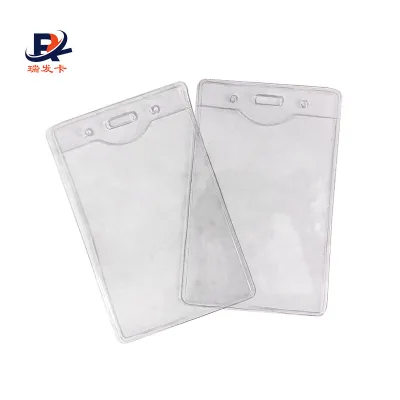
Compare 30 Transparent Business Card Holder options from Chinese suppliers. Buyers can evaluate PU, metal, and PVC materials, custom sizes, and packaging details for office, school, and promotional uses; compare the available evidence and request quotations based on your requirements.
Updated
Key considerations
Products List



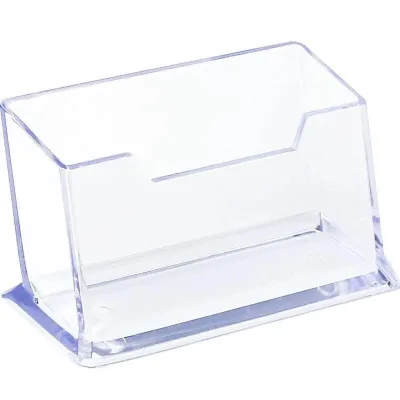
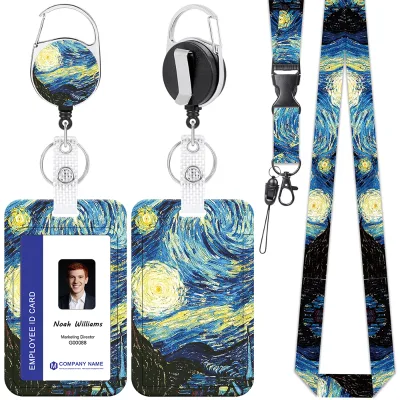
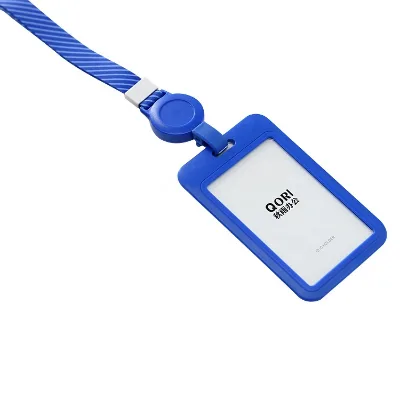


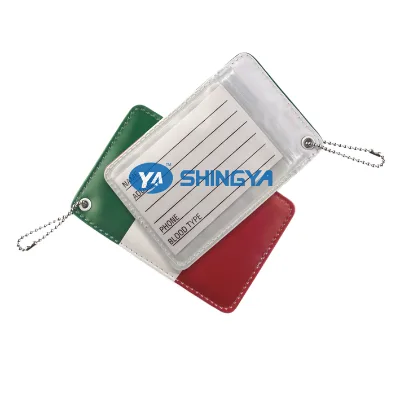




Comprehensive Sourcing Guide
Transparent Business Card Holder Sourcing Guide
Procuring transparent business card holders requires a nuanced understanding of material properties, as the market offers distinct options ranging from rigid PU leather to flexible PVC and EVA variants. Buyers must first determine whether the primary need is structural durability or aesthetic flexibility, as these choices directly impact the tactile experience and longevity of the product. The observed listings indicate a strong preference for clear, soft materials that allow the business card’s design to remain visible, which is critical for branding purposes in promotional contexts.
Furthermore, the sourcing landscape is heavily influenced by customization capabilities, with many suppliers offering OEM services and tailored logo printing. This guide focuses on navigating the complexities of material selection, verifying technical specifications, and ensuring compliance with safety standards. By understanding the specific attributes of PU, metal, and PVC options, buyers can make informed decisions that align with their brand identity and functional requirements, ensuring that the final product meets both aesthetic and practical expectations.
Product Scope and Observed Listing Signals
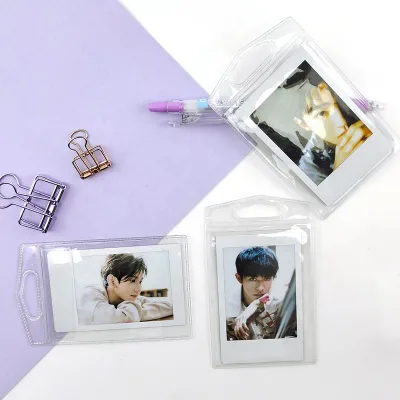
The current market for transparent business card holders features a diverse array of materials, including PU, metal, and eco-friendly PVC or EVA, each serving different functional needs. Listings frequently highlight styles such as "CUTÉ" and "Fashion," indicating a trend toward visually appealing designs that double as decorative items. The observed product attributes suggest a strong emphasis on customization, with many suppliers offering tailored sizes, colors, and logos to meet specific corporate branding requirements. This flexibility allows buyers to create unique promotional items that stand out in competitive markets.
In terms of physical specifications, the observed size ranges vary significantly, with some products measuring 11.5cm7cm0.5cm while others offer customizable dimensions like 69x115mm. The packaging details often include individual polybag protection and carton bulk packing, ensuring safe transit and easy distribution. Additionally, the presence of RFID protection features in some listings highlights an emerging demand for security-enhanced card holders. Buyers should carefully review these specifications to ensure the selected product aligns with their intended use, whether for office, school, or promotional purposes.
Technical Specifications to Verify
When evaluating technical specifications, buyers must prioritize material thickness and hardness, as these factors determine the holder’s durability and flexibility. Observed listings mention thickness options such as 20c, 25c, 30c, and 35c, which likely refer to mils or similar units, directly impacting the holder’s ability to protect cards from bending or damage. It is crucial to verify whether the material is waterproof or not, as this affects suitability for outdoor or high-moisture environments. Additionally, the hardness rating, often described as "Soft," should be confirmed to ensure the product meets the desired tactile and functional standards.
Another critical aspect is the printing method and logo customization capabilities. Listings indicate the use of offset printing for logos, which is suitable for high-volume orders but may have limitations in color fidelity compared to other methods. Buyers should also verify the single package size and gross weight, as these influence shipping costs and storage requirements. For instance, a single gross weight of 0.500 KG and a package size of 15X16X5 cm can significantly impact logistics planning. Ensuring these details are accurate prevents unexpected costs and ensures efficient supply chain management.
Compliance and Safety Documentation
Compliance with safety standards is paramount, especially when sourcing products intended for general consumer use or promotional giveaways. While specific certifications like CE are mentioned in background contexts, buyers must verify the actual compliance status of each supplier, as this is not universally guaranteed. It is essential to request documentation proving that the materials, such as PVC or EVA, meet relevant environmental and safety regulations. This includes checking for restrictions on harmful substances like phthalates, which are often regulated in plastic products.
Additionally, buyers should ensure that the suppliers adhere to quality management systems that guarantee consistent product quality. This involves verifying that the production processes are controlled and that regular quality checks are performed. Documentation should also cover the origin of materials, ensuring they are sourced from reputable suppliers. By prioritizing compliance and safety, buyers can mitigate risks associated with product recalls or legal issues, ensuring that the transparent business card holders are safe for end-users and align with corporate social responsibility goals.
Cost Drivers and Commercial Terms
Cost drivers for transparent business card holders include material type, customization complexity, and order volume. The observed MOQ ranges from 1 to 5000 pieces, with some suppliers requiring higher volumes for customized orders, such as 10000 pieces for certain OEM products. Buyers should negotiate based on their specific volume needs, as larger orders often result in lower per-unit costs. Additionally, the choice of material, such as PU versus PVC, can significantly impact the base price, with premium materials commanding higher costs.
Commercial terms also play a crucial role in the total cost of ownership. Buyers should clarify payment terms, lead times, and shipping costs, as these can vary widely among suppliers. The observed port of dispatch is Shenzhen, which may influence shipping logistics and costs depending on the buyer’s location. It is advisable to request detailed quotations that break down costs for materials, printing, and packaging. By understanding these cost drivers, buyers can make informed decisions that balance quality, customization, and budget constraints.
Supplier Qualification and Quality Control
Supplier qualification is a critical step in ensuring the reliability and quality of transparent business card holders. Buyers should verify the supplier’s production capacity, as indicated by supply abilities such as 500000 pieces per week, to ensure they can meet demand without delays. Additionally, checking the supplier’s experience in OEM and customization services is essential, as this indicates their ability to handle complex orders. Buyers should also review the supplier’s quality control processes, including in-line inspections and final random inspections, to ensure consistent product quality.
Furthermore, buyers should assess the supplier’s communication and responsiveness, as these factors are crucial for successful collaboration. Clear communication regarding specifications, timelines, and any issues that arise can prevent misunderstandings and ensure smooth production. It is also advisable to request samples before placing large orders to verify the product’s quality and appearance. By thoroughly qualifying suppliers, buyers can establish reliable partnerships that deliver high-quality products on time and within budget.
Long-Term Procurement Checks
Long-term procurement checks involve continuous monitoring of supplier performance and product quality to ensure sustained satisfaction. Buyers should establish key performance indicators (KPIs) such as on-time delivery rates, defect rates, and responsiveness to issues. Regular audits and feedback sessions can help identify areas for improvement and strengthen the supplier relationship. Additionally, staying updated on market trends and material innovations can help buyers make informed decisions about future orders, ensuring they remain competitive.
It is also important to review contractual terms periodically to ensure they remain favorable and aligned with business needs. This includes renegotiating prices based on volume changes or market conditions. Buyers should also maintain a diversified supplier base to mitigate risks associated with single-source dependencies. By implementing robust long-term procurement checks, buyers can ensure a stable supply of high-quality transparent business card holders, supporting their branding and promotional efforts effectively.
FAQs
What materials are used for transparent business card holders?
Transparent business card holders are commonly crafted from PU, metal, or eco-friendly PVC and EVA materials. These options provide durability and a clear view of the card. Some designs feature creative desktop styles, while others serve as small wallet card holders. The material choice depends on whether the user prioritizes flexibility, rigidity, or specific aesthetic preferences for office or promotional use.
Can I customize the size of a business card holder?
Yes, customization is available for many business card holders. Standard sizes like 11.5cm by 7cm or 69x115mm folders are common, but dimensions can be tailored to specific needs. Buyers can request customized sizes to fit unique card formats. This flexibility ensures the holder meets exact branding or functional requirements, making it suitable for universal use across various professional contexts.
What is the typical MOQ for ordering these holders?
The minimum order quantity varies significantly by supplier and product type. Some vendors require a high MOQ of 10,000 pieces, while others accept orders as low as 100 pieces. This range allows buyers to choose suppliers that match their inventory capacity. It is essential to check specific product listings to confirm the exact MOQ before placing an order for transparent business card holders.
How are these items packaged for shipment?
Packaging methods include individual polybags, OPP bags, or carton boxes. Common configurations involve packing 50 pieces per OPP bag or in bulk cartons. Each item may be individually wrapped to prevent scratches during transit. The single gross weight is often around 0.500 KG per package. This ensures safe delivery and easy inventory management for buyers receiving large wholesale orders.
Where are these products typically manufactured?
These products are primarily manufactured in China, with specific origins in Guangdong and Hubei provinces. Shenzhen serves as a common port of dispatch for international shipments. The manufacturing base in China supports large supply abilities, such as 500,000 pieces per week. This location advantage facilitates efficient production and logistics for global buyers seeking cost-effective sourcing solutions for business accessories.
Are these holders suitable for RFID protection?
Some models are designed with RFID protection functions to safeguard credit cards and IDs. While standard PVC or PU holders may not offer this feature, specific metal or specialized designs do. Buyers should verify the product specifications to confirm RFID blocking capabilities. This feature is particularly valuable for users concerned about digital security when carrying sensitive identification or payment cards in their wallets.