Source RFID Blocking Brown Passport Holder for Travel, Business, and ID
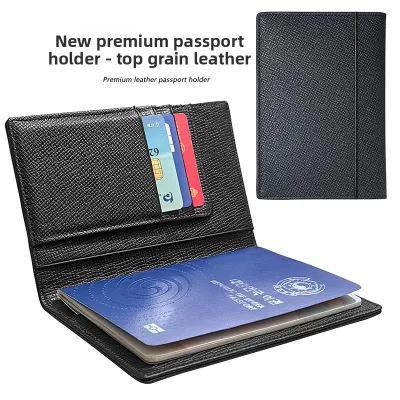
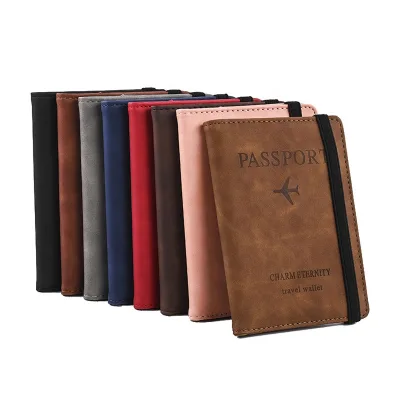
Find 30 RFID Blocking Brown Passport Holder options from China. Compare PU and leather materials, custom logo capabilities, and sizes like 4 in and 3 in. These waterproof, soft holders support business cards, passports, and credit cards with OEM/ODM availability.
Updated
Key considerations
Products List
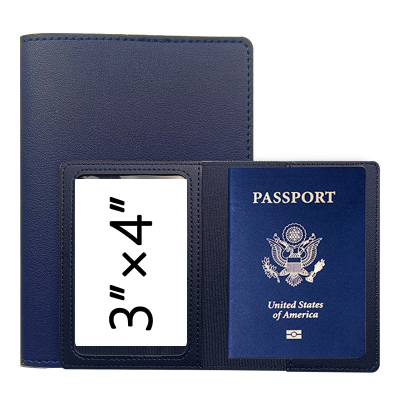


Custom Logo Passport Card Holder Wallet Fashion PU Leather Passport Holder
$0.54 - $2.06
MOQ: 1000 Pieces


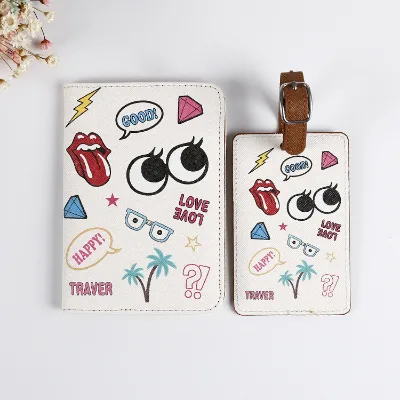

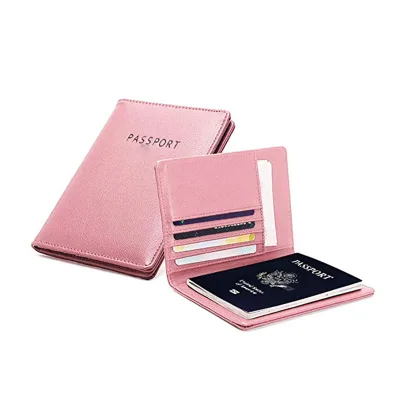
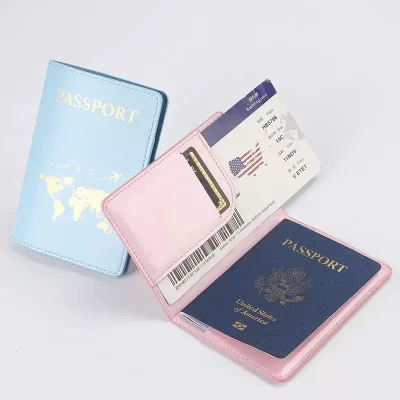


Promotional Cover Wallet RFID Blocking PU Travel Accessories Passport Holder
$1.80 - $2.00
MOQ: 500 Pieces

Promotional Portable PU Passport Ticket Holder Protector Elastic Band Passport Holder
$1.80 - $2.00
MOQ: 500 Pieces
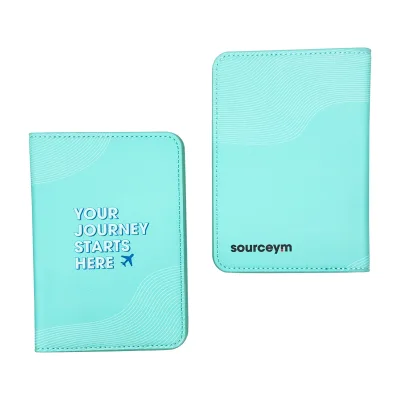
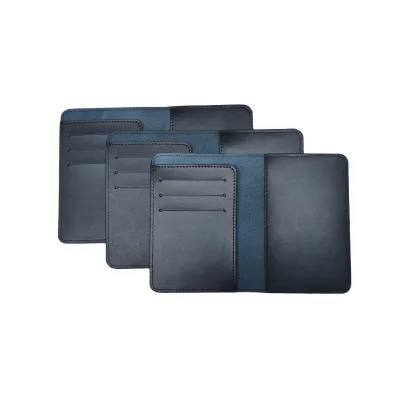
Passport Holder Wallet Travel Using Leather Custom Printed Passport Holder
$1.5678 - $1.9463
MOQ: 500 pieces




Comprehensive Sourcing Guide
RFID Blocking Brown Passport Holder Sourcing Guide
Sourcing RFID-blocking passport holders requires careful attention to material composition and shielding efficacy, particularly when targeting the brown color variant often associated with professional or travel aesthetics. Buyers must distinguish between passive card structures and active shielding mechanisms, as the supplied data indicates a focus on passive, non-contact read-write methods. The core functionality revolves around organizing business cards, passports, and credit cards while preventing unauthorized digital skimming. This guide outlines the critical verification steps for procurement teams seeking durable, customized travel accessories that meet specific security and branding requirements.
The observed market signals suggest a strong emphasis on OEM and ODM capabilities, with suppliers offering customized logos and patterns. Products are frequently described using terms like "candy color" and "national style," indicating a diverse aesthetic range beyond standard brown. However, the specific request for brown holders necessitates verifying color consistency against the listed options of black, yellow, purple, and dark grey. Procurement teams should prioritize suppliers who explicitly accept customized designs and offer embossed, debossed, or printing logo options to ensure brand alignment across large orders.
Product Scope and Observed Listing Signals
The current product landscape for RFID-blocking holders includes a variety of models such as ADF-T3304-E, ADF-T3308-B, and blocking case variants, all originating from China. These items are typically constructed from PU leather or a leather/polyester blend, offering a soft hardness that balances durability with portability. The observed selling units are single items, packed in cartons or OPP bags, with standard dimensions ranging from 4 inches to customized sizes like 10.5x14.5cm or 11x15cm. Buyers should note that while "brown" is the target keyword, the available color palette often includes blue, black, and other shades, requiring explicit confirmation of brown stock availability.
Listing signals reveal a high degree of customization potential, with MOQs ranging from 30 to 1000 pieces and specific requirements like 500pcs for certain custom pattern options. The products are marketed as waterproof and suitable for all seasons, targeting unisex users who need reliable organization for travel documents. The presence of "passive card" power supply modes and "read-write" structures suggests these holders are designed to block signals rather than actively power any internal components. Procurement teams must verify if the specific brown SKU matches the technical specifications for RFID shielding, as not all listed models may explicitly state blocking capabilities in their basic descriptions.
Technical Specifications to Verify
When evaluating technical specifications, buyers must confirm the exact shielding mechanism employed by the supplier. The supplied facts mention "passive" label categories and "non-contact type" read-write methods, which are standard for RFID-blocking materials. However, the efficacy of these blocks depends on the specific metal mesh or foil integration within the PU or leather material. Buyers should request detailed material composition reports to ensure the presence of conductive layers that disrupt 13.56 MHz and 125 kHz frequencies commonly used in passport and credit card chips. Without this verification, the "RFID blocking" claim may be unsubstantiated.
Dimensional accuracy is another critical technical factor, with observed standards including 10.5x14.5cm and 11x15cm, alongside a 4-inch size option. The "blocking case" model suggests a specialized form factor, potentially offering enhanced protection compared to standard slim wallets. Buyers must ensure that the internal pockets are sized correctly for modern passports and credit cards, as variations in card thickness can affect the holder's closure and durability. Additionally, the "soft" hardness attribute implies flexibility, which is beneficial for travel but may impact the structural integrity of the RFID shielding layer over time.
Compliance and Safety Documentation
Compliance documentation for RFID-blocking passport holders primarily focuses on material safety and manufacturing standards rather than electronic certification, as these are passive devices. Buyers should request declarations of conformity for the PU leather or polyester materials used, ensuring they meet relevant chemical safety standards for consumer goods, such as REACH or CPSIA, depending on the target market. Since the products are labeled as "leather products" and "quality" items, verifying the absence of harmful substances like azo dyes or heavy metals is essential for maintaining brand reputation and regulatory compliance.
While specific certification names are not provided in the supplied context, buyers must inquire about any third-party testing reports that validate the RFID blocking performance. These reports should ideally be issued by accredited laboratories and include test results demonstrating signal attenuation levels. Additionally, buyers should verify that the supplier adheres to general quality management standards, such as ISO 9001, to ensure consistent production quality. The "customized logo" and "embossed/debossed" features should also be checked for compliance with any local labeling or trademark regulations in the destination country.
Cost Drivers and Commercial Terms
Cost drivers for RFID-blocking passport holders include the complexity of customization, material quality, and order volume. The observed MOQ range of 30 to 1000 pieces allows for flexibility, but higher volumes typically yield better unit prices. The inclusion of custom logos, patterns, and specific colors like brown may incur additional setup fees or minimum order requirements, especially for embossed or debossed designs. Buyers should negotiate clearly on whether these customization costs are one-time setup fees or recurring per-unit charges to avoid unexpected expenses.
Commercial terms should be scrutinized for clarity on packaging and shipping. The supplied facts mention packing in cartons or OPP bags, with a weight of 50g per unit, which impacts shipping costs. Buyers must confirm if the quoted prices include export packaging suitable for international transit and whether the supplier offers FOB or EXW terms. Lead times for customized orders can vary significantly, so establishing clear delivery schedules is crucial. Additionally, payment terms should be aligned with the order size, with larger orders potentially requiring deposits and balance payments upon shipment.
Supplier Qualification and Quality Control
Supplier qualification begins with verifying their OEM/ODM capabilities and production history. Buyers should assess the supplier's ability to handle customized designs and logos, as indicated by the "available customization" attribute. Requesting samples of previous work, particularly in brown PU leather, can help evaluate the quality of stitching, material finish, and RFID shielding effectiveness. Suppliers with a track record of producing "durable" and "waterproof" products are preferable, as these attributes are critical for travel accessories that face varied environmental conditions.
Quality control processes should include in-line inspections and final random inspections before shipment. Buyers must ensure that the supplier has a robust system for checking color consistency, logo placement, and functional integrity of the RFID blocking. Given the "soft" hardness and "candy color" options, visual defects may be more apparent, making strict quality standards essential. Buyers should also verify the supplier's ability to provide batch-to-batch consistency, especially for large orders where color matching across multiple production runs is vital for brand uniformity.
Long-Term Procurement Checks
Long-term procurement success depends on establishing a reliable supply chain for recurring orders and potential product line expansions. Buyers should monitor supplier performance metrics, including on-time delivery rates, defect rates, and responsiveness to quality issues. Regular audits or third-party inspections can help maintain quality standards over time, especially as customization requirements evolve. Building a strong relationship with the supplier can also facilitate better pricing and priority production during peak seasons.
Additionally, buyers should stay informed about changes in RFID technology and security standards, as these may impact the relevance of their current product specifications. Periodic re-evaluation of material options, such as new eco-friendly leathers or enhanced shielding materials, can help keep the product offering competitive. Maintaining open communication with the supplier regarding market trends and customer feedback will enable proactive adjustments to product designs and features, ensuring long-term satisfaction and market relevance.
FAQs
What materials are used for rfid blocking brown passport holders?
These holders typically use PU leather or a combination of leather and polyester materials. The construction is designed to be soft yet durable, ensuring the item remains flexible while providing reliable protection for your travel documents and credit cards during daily use.
Can I customize the logo on these passport holders?
Yes, customized logos are available for these products. You can choose from embossed, debossed, or printing methods to brand the item. This customization option allows businesses to create unique travel accessories that align with their specific brand identity and marketing goals effectively.
What is the typical MOQ for ordering these items?
The minimum order quantity generally ranges from 30 to 1000 pieces, with some specific listings requiring 500 pieces. Buyers should verify the exact MOQ for their chosen model, as requirements vary by supplier and specific product specifications to ensure efficient production scheduling.
Are these passport holders waterproof and durable?
Yes, these items are described as waterproof and durable. Made from soft PU or leather materials, they offer reliable protection against moisture and wear. This makes them suitable for all seasons and ideal for organizing passports, tickets, and money during extensive travel.
What sizes are available for these RFID blocking holders?
Available sizes include 3 inches, 4 inches, and customized dimensions. Standard specifications often cite 10.5x14.5cm or 11x15cm. Buyers can select standard sizes or request customized sizes to fit specific document requirements, ensuring a secure and snug fit for all travel essentials.
How is the RFID blocking technology implemented in these holders?
The holders utilize passive card technology with a non-contact read-write method. This structure allows for effective blocking of unauthorized scanning, protecting your personal data. The design ensures that your credit cards and passports remain secure while maintaining easy access for legitimate use.