Source Slim Waterproof Genuine Leather Wallet for Business, Party, Leisure
Compare 30 Slim Waterproof Genuine Leather Wallet options from verified Chinese suppliers. Buyers can evaluate features like RFID blocking, magnetic clips, and custom logos across models such as SW011 and LYW071 with MOQs ranging from 200 to 500 pieces; compare the available evidence and request quotations based on your requirements.
Updated
Key considerations
Products List


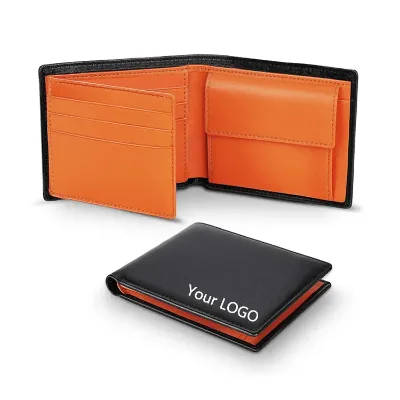
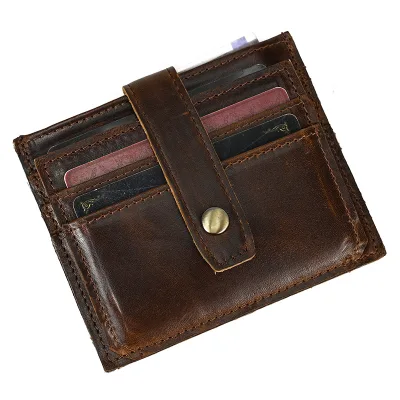


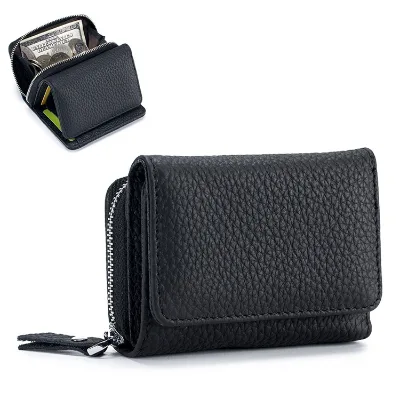

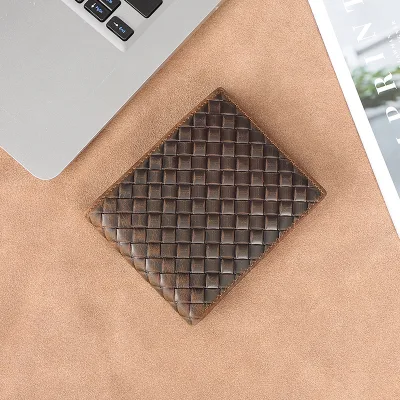
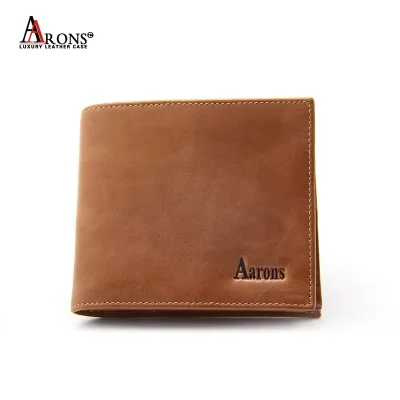
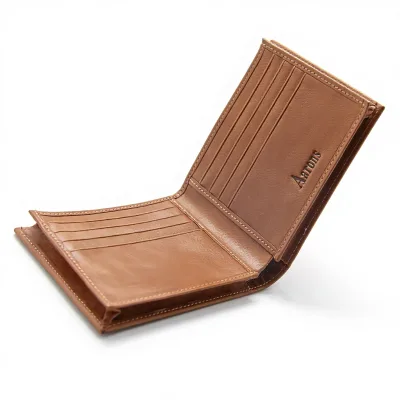
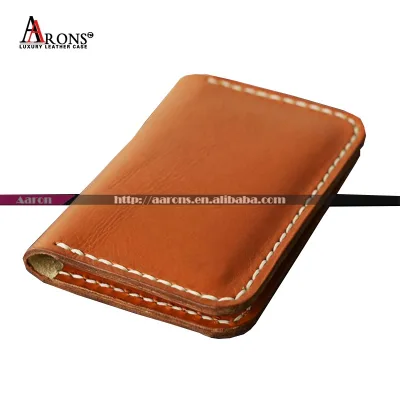
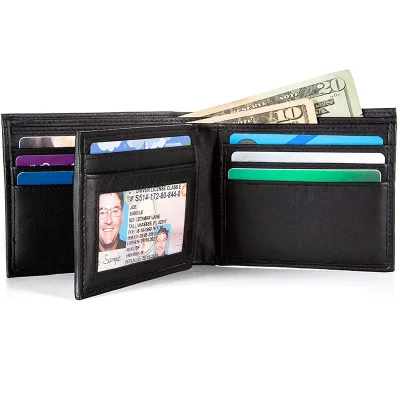

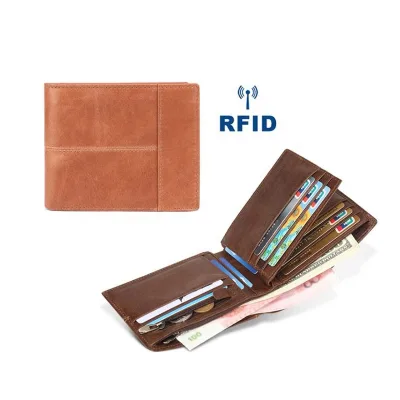
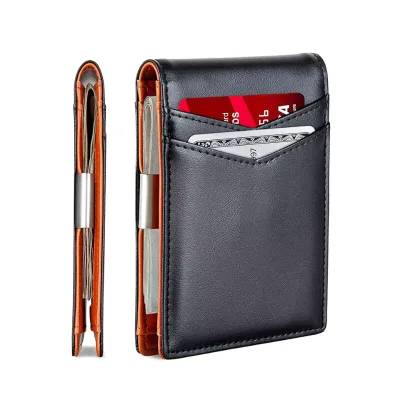
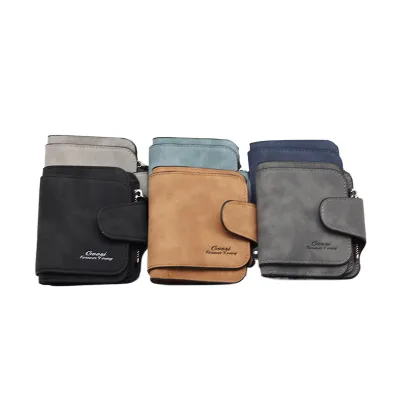
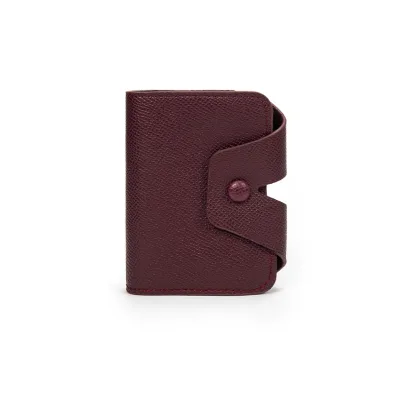


Comprehensive Sourcing Guide
Slim Waterproof Genuine Leather Wallet Sourcing Guide
Procuring slim waterproof genuine leather wallets requires balancing aesthetic appeal with functional durability, particularly for buyers targeting business or leisure markets. The observed product landscape indicates a strong preference for multi-purpose designs that integrate modern utility, such as phone holders and RFID blocking capabilities, alongside traditional wallet functions. Buyers must recognize that "waterproof" in this context often refers to water-resistant finishes or protective coatings rather than full submersibility, necessitating clear communication with suppliers about material treatments. The presence of magnetic clips and ID windows suggests a trend toward compact, secure storage solutions that cater to unisex demographics and daily cash handling needs.
Sourcing decisions should be grounded in the specific technical attributes observed in current listings, such as the use of genuine leather paired with polyester linings for cost-effective durability. The market shows a variety of models, including those with specific dimensions like 10.5x7.5cm or 9.5*12cm, indicating that size standardization is not universal. Buyers need to verify whether the "slim" profile aligns with their target audience's pocket constraints, as some models include additional features like coin purse compartments or multiple card slots that may affect the overall thickness. Understanding these physical constraints is critical for ensuring the final product meets the intended use case without compromising on the premium feel associated with genuine leather.
Product Scope and Observed Listing Signals
The current market signals reveal a diverse range of wallet configurations, from simple money clips with magnetic closures to more complex multi-ply designs featuring phone holders. Observed models such as SW011 and LYW071 highlight the importance of verifying specific features like card slot counts and the inclusion of ID windows, which are key selling points for business-oriented buyers. The presence of customized standards and OEM/ODM acceptance indicates that suppliers are flexible, allowing buyers to tailor dimensions and packaging to their brand identity. However, the variation in packing methods, ranging from PVC bags to OPP bags, suggests that buyers must specify their preferred packaging to ensure product protection during transit.
Buyers should also note the emphasis on customization in branding, with many suppliers offering logo customization and color options to suit specific corporate or retail needs. The observed applications include daily use, cash handling, and RFID blocking, which points to a growing consumer demand for security features in everyday carry items. The distinction between "fashion" styles and functional designs like the pocket coin purse indicates that buyers must clearly define their target segment. Whether focusing on leisure parties or business occasions, the product scope is broad, requiring buyers to filter suppliers based on their ability to deliver the specific combination of materials, features, and aesthetic qualities required for their niche.
Technical Specifications to Verify
Verifying technical specifications is paramount when sourcing slim wallets, as dimensions and material compositions vary significantly across suppliers. Buyers must confirm exact measurements, such as the 5.3 x 4.3 x 1.1 inches observed for some models, to ensure compatibility with standard pockets and bags. The use of genuine leather as the main material is a key differentiator, but buyers should also inquire about the lining material, typically polyester, to assess durability and comfort. Additionally, the closure type, whether open or magnetic, impacts the user experience and security, so clear specifications are needed to avoid mismatches between expectation and delivery.
Lead times and production capabilities are critical technical factors that influence supply chain reliability. Observed lead times range from 5-8 days for samples to 25-30 days for bulk orders, with some suppliers offering faster delivery windows of 15-20 days. Buyers must verify these timelines against their inventory needs and account for potential delays in customization processes. The availability of customized standards and models like NJZY415 or LW070 suggests that suppliers can accommodate specific design requests, but buyers should confirm the feasibility of these customizations in terms of tooling and production complexity. Clear communication of technical requirements ensures that the final product meets both functional and aesthetic expectations.
Compliance and Safety Documentation
While specific certification statuses are not explicitly detailed in the observed listings, buyers must proactively request compliance documentation to ensure adherence to international safety and quality standards. For leather goods, this often includes verifying the absence of harmful substances such as chromium VI, which is regulated in many markets. Buyers should ask suppliers to provide test reports or certificates confirming that the genuine leather and polyester linings meet relevant environmental and safety regulations. This due diligence is essential for mitigating risks associated with product recalls or customs clearance issues, particularly when exporting to regions with strict chemical regulations.
Additionally, buyers should verify the supplier's ability to provide documentation for any specialized features, such as RFID blocking capabilities. Although RFID blocking is listed as an application, buyers need to confirm the effectiveness of this feature through independent testing or supplier-provided data. Ensuring that the product meets the claimed security standards is crucial for maintaining consumer trust. Buyers should also inquire about the supplier's quality management systems and whether they adhere to any industry-specific standards for leather goods manufacturing. This proactive approach to compliance helps build a robust supply chain that prioritizes safety and regulatory adherence.
Cost Drivers and Commercial Terms
Understanding the cost drivers and commercial terms is essential for effective budgeting and negotiation. The observed price range of 0.72-20 USD indicates significant variation based on material quality, customization level, and order volume. Buyers should analyze how factors such as the use of genuine leather versus synthetic alternatives, the complexity of features like magnetic clips or phone holders, and the extent of customization impact the final unit cost. Minimum Order Quantities (MOQs) vary, with observed values ranging from 1 to 500 pieces, allowing for flexibility in initial orders but potentially affecting per-unit pricing.
Sample policies and lead times also play a crucial role in total cost of ownership. With sample prices around USD 50 per piece and a sample time of 7 days, buyers must factor these costs into their initial sourcing phase. Bulk order lead times, typically 20-30 days, require careful planning to avoid stockouts or excess inventory. Buyers should negotiate clear terms regarding payment methods, shipping responsibilities, and return policies for defective goods. Understanding these commercial dynamics enables buyers to make informed decisions that balance cost efficiency with quality and delivery reliability, ensuring a sustainable procurement strategy.
Supplier Qualification and Quality Control
Supplier qualification involves assessing the manufacturer's capability to deliver consistent quality and meet customization requirements. Buyers should verify the supplier's location, with observed origins in Fujian and Guangdong, China, as these regions are known for leather goods manufacturing. Evaluating the supplier's experience with OEM/ODM projects and their ability to handle customized logos and colors is crucial for brand alignment. Buyers should request references or case studies to gauge the supplier's reliability and track record in delivering similar products. This due diligence helps identify suppliers who can consistently meet quality standards and production deadlines.
Quality control measures should be clearly defined and agreed upon before production begins. Buyers should specify inspection criteria for materials, stitching, and functional components like magnetic closures and RFID blocking. Implementing pre-production samples and during-production inspections can help catch defects early and reduce the risk of receiving non-conforming goods. Buyers should also establish clear communication channels for addressing any quality issues that arise post-delivery. By prioritizing supplier qualification and robust quality control processes, buyers can ensure that their procurement efforts result in high-quality products that meet customer expectations and brand standards.
Long-Term Procurement Checks
Long-term procurement success depends on establishing ongoing relationships with suppliers who can adapt to changing market demands and maintain consistent quality. Buyers should regularly review supplier performance metrics, including on-time delivery rates, defect rates, and responsiveness to issues. Continuous feedback loops with suppliers can help identify areas for improvement and foster collaboration on product innovation. Buyers should also stay informed about industry trends, such as new materials or design features, to ensure their product offerings remain competitive. This proactive approach to supplier management helps build a resilient supply chain capable of responding to market shifts.
Additionally, buyers should periodically reassess their sourcing strategy to identify opportunities for cost optimization or risk mitigation. This may involve diversifying suppliers, negotiating better terms based on volume, or exploring new manufacturing regions. Regular audits of supplier facilities and quality management systems can help ensure ongoing compliance with standards and ethical practices. By maintaining a strategic focus on long-term supplier relationships and continuous improvement, buyers can secure a stable supply of high-quality slim waterproof genuine leather wallets that support their business growth and customer satisfaction goals.
FAQs
What are the key features of the SW011 leather money clip wallet?
The SW011 model features a magnetic clip closure and includes an ID window for easy access. It offers three card slots and is designed for multi-purpose use in business or leisure settings. The product originates from Fujian, China, and supports customized standards to meet specific buyer requirements.
Can I customize the logo and color for the genuine leather wallet?
Yes, customization is available for both logo and color. The product supports OEM and ODM services, allowing buyers to tailor the design. The main material is genuine leather with a polyester lining, and the style is fashion-oriented. Buyers can request customized colors to match their brand identity.
What is the sample policy and lead time for production?
Samples are available within seven days at a cost of USD 50 per piece. For bulk orders, the lead time is typically 20 to 30 days depending on the specific model. The sample time is fixed at seven days, ensuring quick turnaround for quality verification before committing to larger production runs.
What are the minimum order quantities for different wallet models?
Minimum order quantities vary by model. The SW011 model requires a minimum of 200 pieces, while the LYW071 model requires 300 pieces. The LW070 model has a higher MOQ of 500 pieces. Buyers should check the specific model requirements to determine the appropriate order volume for their needs.
How is the genuine leather wallet packaged for shipping?
Packaging methods vary by model. The SW011 is packed one piece per PVC bag in a corrugated carton. The LYW071 uses one piece per OPP bag. Other models like NJZY415 and LW070 also use OPP bags. Shipping is typically handled by express delivery to ensure safe and timely arrival.
What specifications are available for the slim leather wallet models?
Specifications include various dimensions such as 5.3 x 4.3 x 1.1 inches for the LYW071 model and 11.6 x 8.2 cm for the LYBN396 model. The NJZY415 model measures 9.5 x 12 cm, while the LW070 is standard size. The LYBT632 model is 10.5 x 7.5 cm.